
Bake the Best Chocolate Chip Cookies: Pro Tips

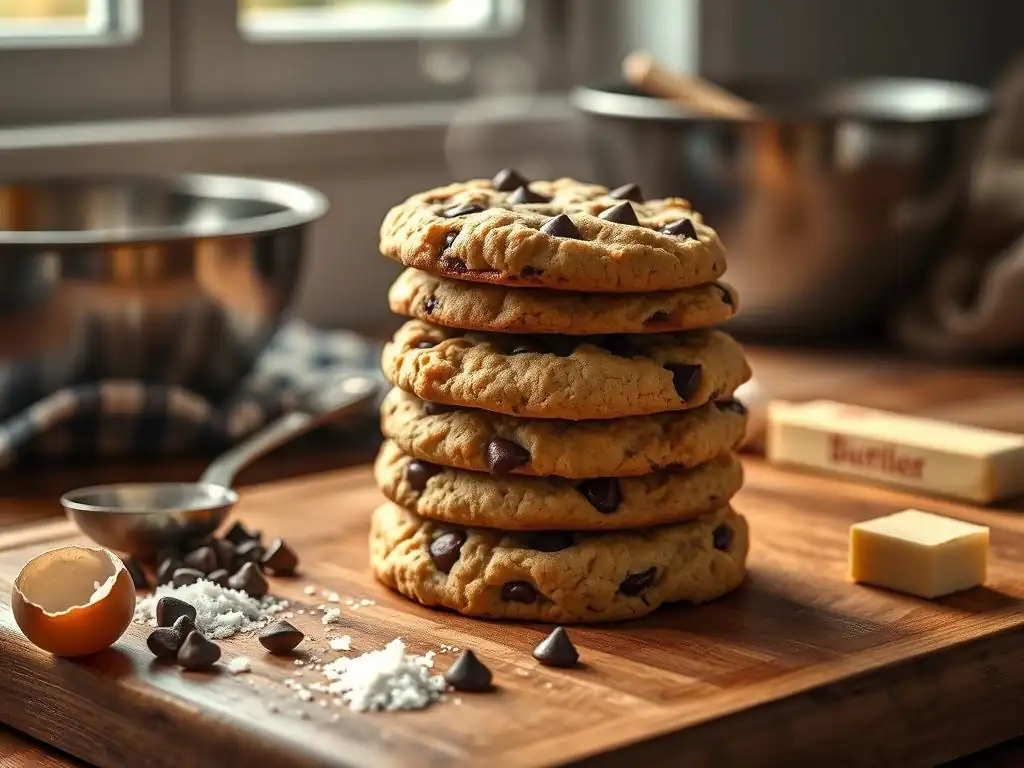
Welcome to BakeWithEase, your kitchen companion for all things baking! Ever wondered what the secret ingredient is to achieving perfectly chewy chocolate chip cookies? This week, we're diving deep into our easy chocolate chip cookie recipe, revealing pro tips and techniques that will elevate your baking game from 'good' to 'unforgettable'. Ready to unlock the secrets to cookie perfection? Let's get baking!
- Bake the Best Chocolate Chip Cookies: Pro Tips for Easy Baking
- Introduction: Mastering the Easy Chocolate Chip Cookie Recipe
- Essential Ingredients for the Best Chocolate Chip Cookies
- Mastering the Dough: Techniques for Perfect Chocolate Chip Cookies
- Baking for Perfection: Temperature and Timing Tips
- Pro Tips for Elevating Your Chocolate Chip Cookies
- Troubleshooting Common Chocolate Chip Cookie Problems
- Variations on the Classic: Exploring Chocolate Chip Cookie Recipes
- Storing Your Chocolate Chip Cookies for Maximum Freshness
- Conclusion: Your Journey to Baking the Perfect Easy Chocolate Chip Cookie Recipe
-
Frequently Asked Questions
- How can I ensure my chocolate chip cookies are chewy and not cakey?
- What's the secret to getting perfectly browned chocolate chip cookies?
- What type of chocolate chips are best for an easy chocolate chip cookie recipe?
- My chocolate chip cookies always spread too thin. How can I prevent this?
- Can I substitute ingredients in the easy chocolate chip cookie recipe if I have dietary restrictions?
- Final Reflection: The Enduring Magic of a Perfect Chocolate Chip Cookie
- Unlock Your Inner Cookie Master!
Welcome, fellow baking enthusiasts! If you're on a quest to bake the perfect chocolate chip cookie, you've come to the right place. At BakeWithEase, we believe that creating delicious treats should be a joyful and accessible experience, even if you're just starting out. This guide is designed to walk you through the process, offering simple yet effective strategies to elevate your easy chocolate chip cookie recipe from good to absolutely incredible. Forget complicated techniques; we're focusing on fundamental principles that yield consistently fantastic results.
Whether your goal is a soft and chewy center, crispy edges, or a delightful balance of both, the secrets lie in understanding your ingredients and mastering a few key steps. We'll demystify the science behind baking, explain why certain techniques are crucial, and provide actionable tips that anyone can follow. Prepare to impress yourself and everyone lucky enough to sample your creations. Let's embark on this delicious journey together to bake your best chocolate chip cookies yet!
You might have tried countless easy chocolate chip cookie recipes before, perhaps encountering inconsistent results – cookies that spread too thin, remain pale and underbaked, or turn out dry and crumbly. This guide goes beyond simply listing ingredients and steps. We delve into the why behind each crucial element and technique, transforming a basic recipe into a reliable formula for success. We'll explore the roles of different sugars, the impact of temperature on dough, and the subtle art of achieving the perfect texture.
Our approach focuses on building a strong foundation in baking fundamentals, specifically tailored to the beloved chocolate chip cookie. By understanding these core principles, you'll not only improve this specific recipe but also gain insights applicable to many other baking endeavors. Think of this as your essential toolkit for mastering not just an easy chocolate chip cookie recipe, but the best easy chocolate chip cookie recipe you've ever made.
The Importance of High-Quality Chocolate Chips
The star of the show, undeniably, is the chocolate chip. The quality and type of chocolate you use significantly impact the final flavor and texture of your cookies. Standard semi-sweet chocolate chips, often around 40-50% cacao, are a classic choice, offering a balanced sweetness that pairs well with the cookie dough.
For a richer, less sweet cookie, consider using dark chocolate chips or chunks, typically 60-70% cacao. Milk chocolate chips provide a sweeter, creamier melt, though some find them too sweet when combined with the cookie dough itself. Using larger chocolate chunks instead of chips can also lead to delightful pockets of melted chocolate throughout the cookie.
Beyond the cacao percentage, consider the quality of the chocolate. Higher-quality chocolate often contains more cocoa butter and fewer additives, resulting in a smoother melt and a more intense, pure chocolate flavor. While standard grocery store brands work perfectly for an easy chocolate chip cookie recipe, experimenting with premium or couverture chocolates can truly elevate your results. Aim for approximately 1 to 1.5 cups (or about 6-8 ounces) of chocolate chips per standard batch of dough, but don't hesitate to adjust based on your preference for chocolate intensity.
Flour provides the structure for your cookies. For most easy chocolate chip cookie recipes, all-purpose flour is the standard choice, and for good reason. It has a moderate protein content (typically between 10-12%), which allows for sufficient gluten development to give the cookies structure without making them tough.
Using too high a protein flour, like bread flour (around 12-14% protein), can result in a chewier, almost bread-like texture, which might not be what you're aiming for in a classic chocolate chip cookie. Conversely, cake flour (around 8-10% protein) has too little protein and can lead to a cookie that is too delicate and crumbly.
Measuring your flour correctly is paramount. Scooping flour directly from the bag with your measuring cup can compact it, leading you to use too much flour. This excess flour results in dry, dense cookies that don't spread properly. The best method is to lightly spoon the flour into your measuring cup and then level it off with a straight edge, like the back of a knife. This ensures you're using the correct amount, contributing to that desirable chewy texture in your easy chocolate chip cookie recipe.
Sugar does more than just sweeten your cookies; it plays a critical role in texture, moisture, and spread. Most classic easy chocolate chip cookie recipes call for a combination of granulated white sugar and brown sugar. Granulated sugar contributes to spread and crispness, as its crystals don't hold onto moisture as much and melt relatively quickly during baking, allowing the cookies to flatten. It also helps with the creaming process, aerating the butter.
Brown sugar, on the other hand, contains molasses, which adds moisture, chewiness, and a subtle caramel flavor. The molasses also makes brown sugar slightly more acidic, which reacts with baking soda (a common leavener in cookies) to help with lift and spread. A higher ratio of brown sugar to white sugar will generally result in a chewier, moister cookie, while more white sugar will yield a crispier cookie.
A common ratio is often slightly more brown sugar than white sugar (e.g., 1.25 cups brown sugar to 0.75 cups white sugar), striking a balance between chewiness and spread. Experimenting with the ratio is a simple way to customize your easy chocolate chip cookie recipe to your preferred texture.
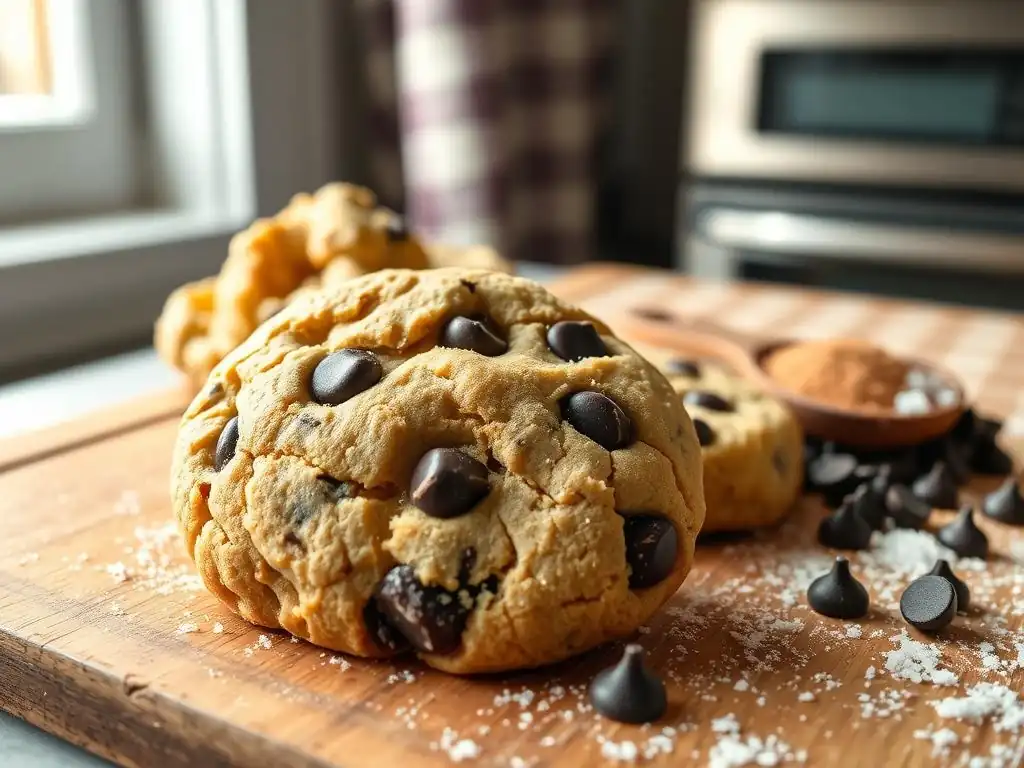
The creaming method is fundamental to many cookie recipes, including an easy chocolate chip cookie recipe. It involves beating softened butter with sugar until the mixture becomes light, fluffy, and pale in color. During this process, the sharp sugar crystals cut into the butter, creating tiny air pockets. These air pockets are essential because they expand when heated in the oven, contributing to the cookie's rise and texture. Using softened, but not melted, butter is key here. Butter that is too cold won't cream properly, and melted butter won't hold air.
Proper creaming takes time – typically 3 to 5 minutes with an electric mixer on medium speed. You'll notice a significant change in volume and color as the mixture becomes airy and light yellow. Undercooking can lead to dense, flat cookies because insufficient air has been incorporated. Over-creaming, however, can also be detrimental, potentially leading to excessive spread. Pay attention to the visual cues: the mixture should resemble whipped frosting when it's ready.
Chilling the Dough: Why It's Crucial for Flavor and Texture
While tempting to bake immediately, chilling your cookie dough is a step that truly elevates an easy chocolate chip cookie recipe. Refrigeration allows the fat (butter) to solidify, which means the cookies will spread less rapidly when they hit the hot oven. This slower spread allows the edges to set before the center collapses, resulting in thicker cookies with chewy centers and slightly crisp edges. Dough chilled for at least 30 minutes is better than unchilled dough.
More importantly for flavor, chilling the dough allows the dry ingredients (especially flour) to hydrate. This hydration reduces the amount of free water in the dough, concentrating the sugars and resulting in more intense flavors. Furthermore, the proteins in the flour begin to break down over time, contributing to a more tender cookie. For the most significant flavor development, chilling the dough for 24 to 72 hours can make a remarkable difference, yielding cookies with a complex, almost caramelized depth of flavor that you simply can't achieve by baking immediately.
Adding the Chocolate Chips: Even Distribution is Key
Incorporating the chocolate chips might seem straightforward, but doing it correctly ensures every bite is packed with chocolatey goodness. Add the chocolate chips (and any other mix-ins like nuts) towards the end of the mixing process, after the dry ingredients are just combined. Overmixing once the chips are added can break them up too much and also develop too much gluten in the dough, leading to tougher cookies.
Use a low speed on your mixer or, even better, fold them in by hand using a spatula. This gentle approach ensures the chips are evenly distributed throughout the dough without overworking it. If you prefer prominent chocolate puddles on top of your cookies, reserve a handful of chips to press gently into the tops of the formed cookie dough balls just before baking. This makes for a beautiful visual appeal and ensures melted chocolate is the first thing you see.
Baking for Perfection: Temperature and Timing Tips
Oven temperature is a critical factor in achieving the desired texture in your easy chocolate chip cookie recipe. Most recipes call for a temperature between 350°F (175°C) and 375°F (190°C). A lower temperature, like 350°F, generally results in more spread and a thinner, crispier cookie, as the butter melts more slowly. A higher temperature, such as 375°F, causes the edges to set more quickly, leading to a thicker cookie with less spread and a chewier center.
It's crucial to know that oven thermostats can be inaccurate, sometimes by as much as 25-50 degrees Fahrenheit. Using an oven thermometer is highly recommended to ensure your oven is truly at the temperature you set. Preheat your oven thoroughly for at least 15-20 minutes after it indicates it's reached the temperature to ensure the heat is stable throughout the oven cavity. Baking cookies in a properly preheated oven is fundamental to consistent results.
Baking Time: Achieving Golden Brown Perfection
Baking time for an easy chocolate chip cookie recipe typically ranges from 8 to 12 minutes, depending on the size of your cookies and your desired level of doneness. For classic chewy cookies, you want to pull them from the oven when the edges are set and lightly golden brown, but the centers still look slightly soft and perhaps a little underbaked. The cookies will continue to cook from the residual heat on the baking sheet after they are removed from the oven.
Overbaking is a common mistake that leads to dry, hard cookies. If you wait until the entire cookie looks firm and deeply golden, it will be overdone once cooled. Look for visual cues: the edges should be set, the tops should look slightly puffed but may sink slightly as they cool, and the very center might still look a bit glossy or soft. If you're baking multiple sheets, rotate them halfway through the baking time for even cooking, as most ovens have hot spots.
Cooling Rack Essentials: Preventing Soggy Bottoms
Once your perfectly baked easy chocolate chip cookies come out of the oven, resisting the urge to move them immediately is important. Let them rest on the hot baking sheet for just 2 to 5 minutes. This allows them to set up enough so they don't fall apart when transferred and continues the cooking process slightly, contributing to that perfect chewy center.
After this initial resting period, carefully transfer the cookies to a wire cooling rack using a spatula. Cooling on a wire rack allows air to circulate around the entire cookie, preventing the bottom from becoming soggy as it cools. Leaving them on a solid surface, like the hot baking sheet or a plate, traps steam underneath, resulting in a less desirable texture. Ensure the cookies are fully cooled on the rack before storing them.
Salt's Role: Enhancing Sweetness and Flavor Complexity
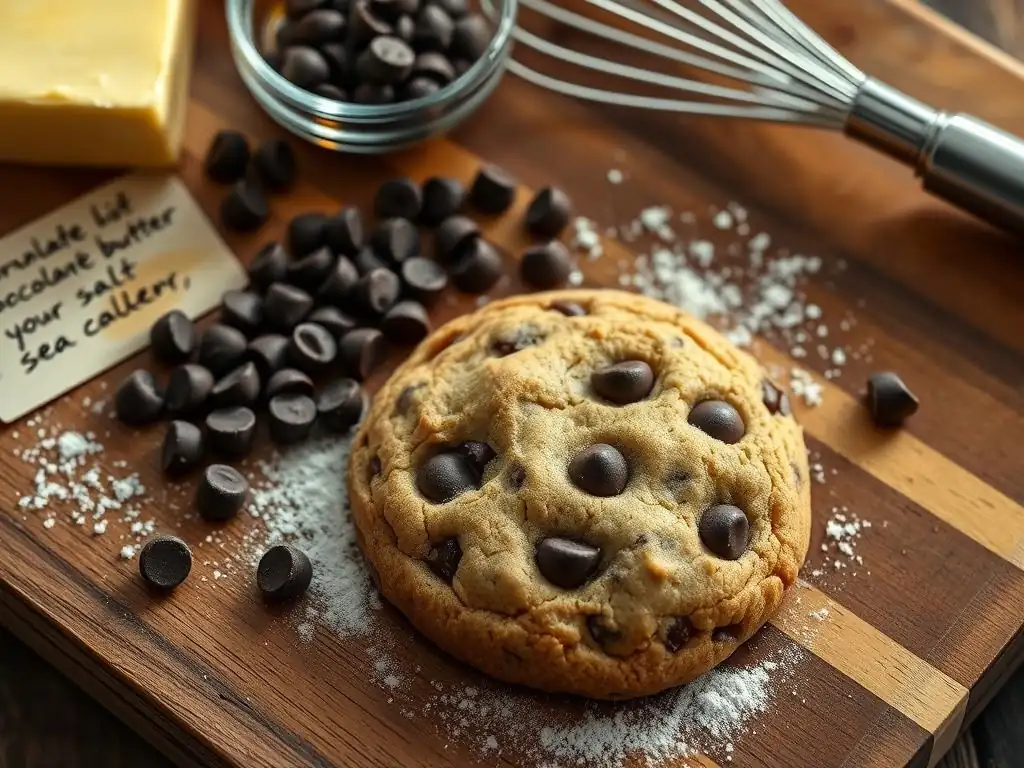
Salt is not just about making things taste "salty"; in baking, it's a flavor enhancer. A pinch of salt in your easy chocolate chip cookie recipe helps to balance the sweetness and brings out the complex flavors of the butter, vanilla, and chocolate. Most recipes call for salt in the dough, typically fine sea salt or table salt.
For an extra touch, consider finishing your cookies with a sprinkle of flaky sea salt immediately after they come out of the oven. The large crystals provide a delightful textural contrast and a pop of salinity that cuts through the richness and sweetness, creating that popular sweet and salty combination. Just a small amount on each cookie is enough to make a significant difference in the overall taste experience.
Vanilla Extract: The Secret Ingredient for Richness
Vanilla extract is often considered a background flavor, but its role in an easy chocolate chip cookie recipe is crucial. Good quality pure vanilla extract adds depth, warmth, and complexity to the cookie's flavor profile. It enhances the sweetness and rounds out the other flavors, preventing the cookies from tasting flat or one-dimensional.
While imitation vanilla extract is less expensive, pure vanilla extract, made from vanilla beans, offers a far superior and more nuanced flavor. Use the amount called for in your recipe, typically 1 to 2 teaspoons per batch. Adding it along with the wet ingredients, often during the creaming stage, ensures it's evenly distributed throughout the dough. Don't skip this ingredient – it's a small addition that makes a big impact.
Want to take your easy chocolate chip cookie recipe to the next level? Try browning your butter. Brown butter (also known as beurre noisette) is made by gently melting butter and cooking it over medium heat until the water evaporates and the milk solids toast, turning a rich golden brown color and emitting a nutty aroma. This process imparts a deep, complex, nutty, and slightly caramelized flavor to the butter, which translates beautifully into the cookies.
To brown butter, simply melt it in a saucepan over medium heat, stirring occasionally. It will foam, then the foam will subside, and you'll see brown bits forming at the bottom. Remove from heat immediately once the butter is fragrant and the bits are amber-colored.
Be careful not to burn it. You'll need to let the brown butter cool slightly before using it in your recipe, but it adds an incredible depth of flavor that distinguishes your cookies. You can substitute brown butter for the regular butter amount called for in most recipes, though you might lose a tiny bit of volume due to water evaporation.
Flat cookies are a common frustration when baking an easy chocolate chip cookie recipe. Several factors can contribute to excessive spread. One major culprit is using butter that is too soft or melted; it should be soft enough to indent easily but still hold its shape. Over-creaming the butter and sugar can also incorporate too much air, leading to collapse. Using too little flour, using expired leavening agents (baking soda/powder), or baking on a greased or hot baking sheet can also cause spreading issues.
To fix flat cookies:
- Ensure your butter is properly softened, not melted. It should be around
65-68°F (18-20°C). - Avoid over-creaming; cream until just light and fluffy, about 3-5 minutes.
- Measure your flour accurately, preferably by weight if possible (e.g., 120-125 grams per cup).
- Make sure your baking soda is fresh (test a pinch in hot water; it should fizz).
- Chill your dough before baking for at least 30 minutes, or ideally longer.
- Bake on ungreased parchment paper or a silicone baking mat.
Tip: If your dough is too soft, mix in a tablespoon or two of extra flour *after* chilling, then rechill briefly.
Dry, crumbly cookies are usually a sign of too little moisture or overbaking. The most common cause is using too much flour, often due to scooping directly from the bag without leveling. Overmixing the dough after adding the flour can also develop too much gluten, resulting in a tough, dry texture. Using too little butter or eggs, or using ingredients that are too cold, can also affect hydration.
To prevent dry cookies:
- Measure flour accurately by spooning and leveling, or by weight.
- Mix dry ingredients into wet ingredients until just combined; stop as soon as you see no dry streaks of flour.
- Ensure eggs and butter are at room temperature as specified in the recipe.
- Do not overbake! Pull cookies when edges are golden but centers still look soft.
- Check your oven temperature with an oven thermometer to ensure it's not running too hot.
Burnt cookies, especially on the bottom or edges, are typically a result of incorrect oven temperature, baking time, or placement. An oven that runs too hot is a primary cause. Placing cookies too close to the heating element (often the bottom element) can also lead to burnt bottoms before the tops are cooked. Using dark-colored baking sheets can also contribute to faster browning and potential burning on the bottom compared to lighter-colored sheets.
To avoid burnt cookies:
- Verify your oven temperature with an oven thermometer.
- Lower the oven temperature slightly if your oven runs hot, or if using dark baking sheets.
- Use parchment paper or silicone baking mats, which provide a barrier against the hot pan.
- Place baking sheets on the middle rack of the oven. If baking two sheets at once, rotate them halfway through.
- Start checking for doneness a minute or two before the minimum baking time specified in the recipe.
Adding Nuts: Walnuts, Pecans, and More
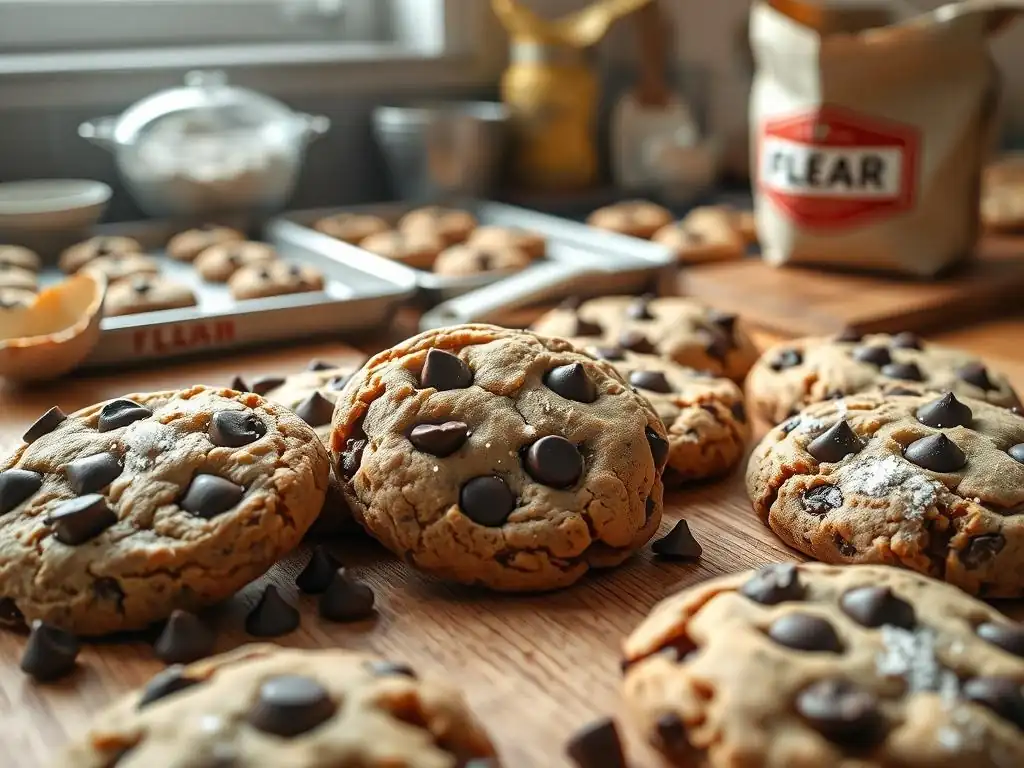
Incorporating nuts is a popular variation that adds delightful crunch and flavor to an easy chocolate chip cookie recipe. Walnuts and pecans are classic choices, offering earthy, slightly bitter notes that complement the sweet chocolate and rich cookie dough. You can use chopped nuts, nut halves, or a combination, depending on your textural preference. Roasting the nuts lightly before adding them can enhance their flavor significantly.
Ensure the nuts are roughly chopped to a size comparable to or slightly smaller than your chocolate chips for even distribution. Add them along with the chocolate chips at the end of the mixing process, folding them in gently. A common ratio is about half a cup to a full cup of chopped nuts per batch. Experiment with other nuts like macadamia nuts (often paired with white chocolate) or almonds for different flavor profiles.
The combination of sweet and salty is incredibly addictive, and incorporating salt strategically can transform an easy chocolate chip cookie recipe. As mentioned earlier, including salt in the dough enhances flavor. However, adding a sprinkle of flaky sea salt on top of the cookies just as they come out of the oven takes this to another level. The large salt crystals provide bursts of salinity that contrast beautifully with the molten chocolate and sweet dough.
Use a good quality flaky sea salt, like Maldon or Fleur de Sel, for the best results. Sprinkle it sparingly over the warm cookies. This technique not only elevates the flavor but also adds a professional touch to the appearance of your cookies. It's a simple modification that makes a significant impact, turning a standard easy chocolate chip cookie recipe into something truly special.
For those who believe there can never be too much chocolate, the double chocolate chip cookie is the answer. This variation involves adding cocoa powder to the dough itself, resulting in a rich, dark, and intensely chocolatey base, which is then studded with chocolate chips. This creates a deeper, more complex chocolate flavor profile than a standard recipe.
When making double chocolate cookies, unsweetened natural cocoa powder or Dutch-process cocoa powder can be used, though they will yield slightly different results. Natural cocoa powder is acidic and reacts with baking soda for lift, while Dutch-process cocoa is neutral and requires baking powder for leavening (or relies solely on baking soda if combined with another acid). A typical recipe might use 1/4 to 1/2 cup of cocoa powder per batch, alongside the flour. This variation offers a decadent twist on the classic easy chocolate chip cookie recipe.
Airtight Containers: The Key to Longevity
Proper storage is essential to keep your baked easy chocolate chip cookies fresh and delicious for as long as possible. Once completely cooled on a wire rack, store them in an airtight container. Exposure to air is the main culprit behind cookies becoming stale and hard. Plastic containers with tight-fitting lids or metal cookie tins work well.
If you're stacking cookies, you can place parchment paper or wax paper between layers to prevent them from sticking together, especially if they are still slightly warm or contain lots of melted chocolate. Stored correctly at room temperature, most chocolate chip cookies will stay fresh for 3 to 5 days. For longer storage, consider refrigeration or freezing, but ensure they are in a truly airtight container to prevent absorbing odors from the fridge or freezer.
One of the best ways to ensure you always have warm, fresh cookies is to freeze portions of the dough. This is a fantastic strategy for an easy chocolate chip cookie recipe. Simply form the dough into balls (using a cookie scoop for consistent size, e.g., 1.5 to 2 tablespoons per cookie), place them on a baking sheet lined with parchment paper, and freeze until solid, about 1-2 hours.
Once frozen, transfer the dough balls to a freezer-safe airtight container or heavy-duty freezer bag. Label with the date and baking instructions (like oven temperature and estimated baking time). Frozen dough can be stored for up to 3-6 months. When you're ready to bake, simply place the frozen dough balls on a baking sheet and bake directly from frozen. You may need to add a few extra minutes to the baking time (e.g., 10-15 minutes at 350°F or 175°C), keeping an eye on them until the edges are golden.
Reheating Tips: Bringing Back the Warm, Gooey Goodness
Even a day or two after baking, a chocolate chip cookie can lose some of its initial warmth and gooeyness. Fortunately, it's easy to revive them! The best way to bring back that fresh-from-the-oven experience is to gently reheat them. Place a few cookies on a microwave-safe plate and microwave for just 10-15 seconds on medium power. This will warm the chocolate and soften the cookie without making it tough.
Alternatively, you can reheat cookies in a toaster oven or conventional oven. Place cookies on a small baking sheet and warm at a low temperature, around 300°F (150°C), for 5-10 minutes, or until warmed through and the chocolate is slightly melted. This method is great for achieving a slightly crispy edge again. Avoid overheating, as this can dry them out.
Recap of Essential Tips and Techniques
You've now explored the key components and techniques that transform a simple easy chocolate chip cookie recipe into a truly exceptional one. We've covered the importance of quality ingredients, like choosing the right chocolate chips and flour. We've delved into mastering the dough through proper creaming and the crucial step of chilling. We've also discussed achieving baking perfection with precise temperatures and timing, and preventing soggy bottoms with cooling racks.
Remember these core principles:
- Use quality ingredients for the best flavor.
- Measure accurately, especially flour.
- Cream butter and sugar properly for aeration.
- Chill your dough for improved texture and flavor.
- Bake at the correct temperature and watch for visual cues of doneness.
- Cool on a wire rack.
- Don't be afraid to experiment with variations like brown butter or flaky salt.
- [x] Select high-quality chocolate chips
- [x] Measure flour accurately
- [x] Cream butter and sugar until light and fluffy
- [x] Chill dough for at least 30 minutes
- [x] Preheat oven correctly using a thermometer
- [x] Bake until edges are golden, centers still soft
- [x] Cool on a wire rack
By applying these tips, you're well on your way to consistently baking the best easy chocolate chip cookies you've ever made.
We hope this guide empowers you to bake with confidence and joy. There's immense satisfaction in pulling a batch of warm, perfect chocolate chip cookies from the oven. We love seeing what our community creates!
If you make cookies using these tips or your favorite easy chocolate chip cookie recipe, share photos of your delicious results on social media. Use the hashtag #BakeWithEase so we can admire your masterpieces and celebrate your baking success. Happy baking!
Frequently Asked Questions
The key to chewy cookies lies in the ratio of butter to sugar and using brown sugar, which contains molasses. Avoid over-mixing the dough, as this can develop too much gluten.
Achieving that golden-brown color often comes down to oven temperature and using melted butter. Also, chilling the dough before baking can enhance browning and prevent spreading.
The best chocolate chips are a matter of personal preference. However, using high-quality chocolate chips or even chopping up a chocolate bar will significantly impact the flavor.
Spreading is often caused by too much butter, especially if it's too soft. Chilling the dough for at least 30 minutes, or even overnight, before baking is highly recommended to prevent excessive spreading.
Yes, substitutions are possible! You can often use gluten-free flour blends or dairy-free butter alternatives. Just be aware that these substitutions may slightly alter the texture and flavor.
The seemingly simple act of baking a chocolate chip cookie holds a surprising power; it's a potent symbol of comfort, connection, and the enduring joy of creating something delicious from scratch. More than just a recipe, mastering the perfect chocolate chip cookie is a journey of understanding ingredients, technique, and the subtle alchemy that transforms simple components into something truly extraordinary. This resonates deeply today, in a world often characterized by complexity and fast-paced living, offering a welcome respite in the form of a warm, gooey treat.
The influence of the humble chocolate chip cookie extends far beyond the kitchen; it's a cultural touchstone, a shared experience that transcends generations and backgrounds. It's the aroma that fills a home, the shared moments of baking with loved ones, and the simple pleasure of a perfectly baked cookie enjoyed with a glass of milk. As Julia Child wisely said, Find something you're passionate about and keep tremendously interested in it.
For many, that passion is ignited by the seemingly simple act of baking a perfect chocolate chip cookie, a passion that connects us to something larger than ourselves.
Now, I invite you to take what you've learned here and embark on your own culinary adventure. Don't be afraid to experiment, to tweak the recipe to your liking, and to discover the unique magic that unfolds when you bake a batch of your own perfect chocolate chip cookies. Share your creations, share your experiences, and most importantly, share the joy. The perfect cookie isn't just about the recipe; it's about the love, the care, and the connection it fosters. So, preheat your oven, gather your ingredients, and let the baking begin!
Thanks for taking the time to explore our pro tips for baking the perfect chocolate chip cookie! We hope you've gained some valuable insights to elevate your baking game. Ready to put your new skills to the test?
- Bake a batch of your own amazing cookies today! Use the tips you've learned and experiment with different variations – you might discover your new signature recipe.
- Share your baking journey! Post a picture of your cookies on social media and tag us – we'd love to see your creations!
- Consider trying a new chocolate chip cookie variation from a different culture — you might be surprised by what you discover!
So, tell us: What's your favorite ingredient to add to elevate a classic chocolate chip cookie?