
The Best Flour Type for Ultimate Puff Pastry Success

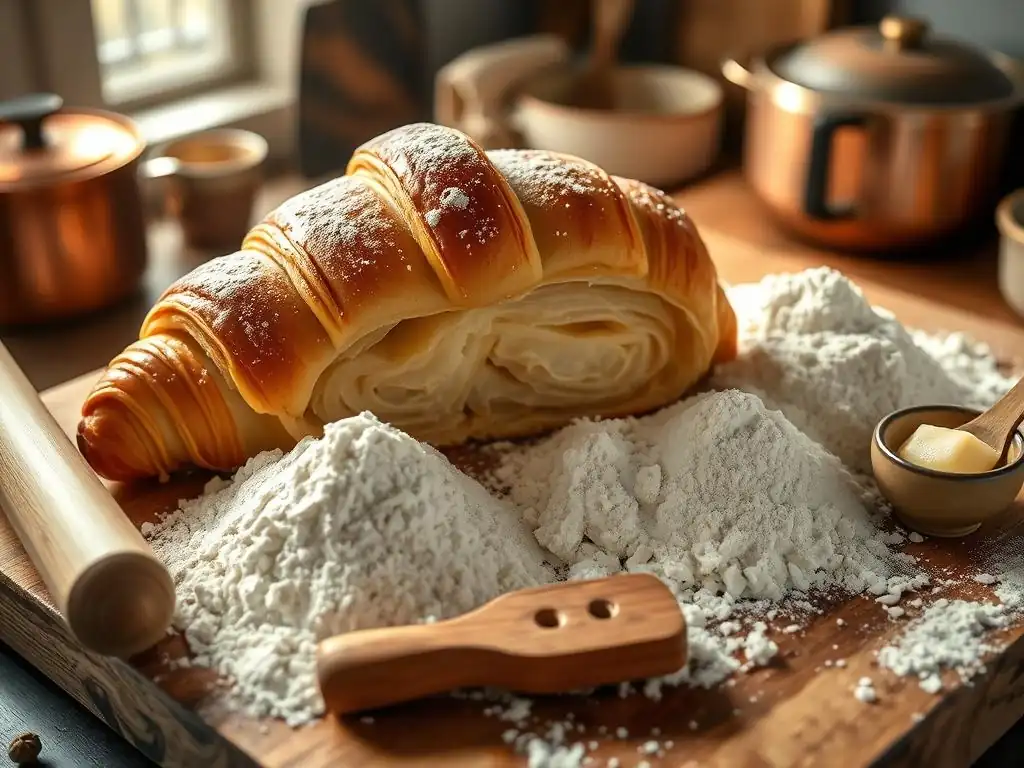
Welcome to BakeWithEase, where baking brilliance begins! Are you ready to unlock the secrets to achieving perfect puff pastry? Discover the crucial role flour plays in creating those delicate, flaky layers. Think beyond just all-purpose; we'll unveil the ideal type to elevate your pastry game. Intrigued? Let's dive in and transform your baking from good to unforgettable!
- The Best Flour Type for Ultimate Puff Pastry Success: BakeWithEase Guide
- Understanding Flour's Role in Puff Pastry Perfection
- Exploring Different Flour Types for Puff Pastry
- Comparing Flours: A Side-by-Side Analysis for Puff Pastry
- Our Recommendation: The Optimal Flour for Puff Pastry Success
- Mastering Puff Pastry: Additional Tips and Considerations
- Troubleshooting Common Puff Pastry Problems: Flour-Related Issues
-
Frequently Asked Questions
- What type of flour is generally recommended for puff pastry?
- Why is protein content important when choosing flour for puff pastry?
- Can I use cake flour for puff pastry?
- What other factors besides flour type can affect puff pastry success?
- Can I substitute a different flour type if I can't find all-purpose flour?
- Final Reflection: The Flour Power of Perfect Puff Pastry
- Unlock Your Puff Pastry Potential!
The Best Flour Type for Ultimate Puff Pastry Success: BakeWithEase Guide
Understanding Flour's Role in Puff Pastry Perfection
Why Flour Choice Matters for Flaky Puff Pastry
Choosing the right flour for perfect puff pastry is arguably one of the most critical decisions a baker makes. Puff pastry relies on creating hundreds of thin layers of dough separated by layers of butter. When baked, the water in the butter turns to steam, forcing these layers apart and creating that signature airy, flaky texture we all crave.
The type of flour dictates the dough's structure and elasticity, directly impacting how well it can be rolled thinly without tearing and how effectively those delicate layers will separate during baking. A flour with too much or too little protein can make the difference between a glorious, sky-high pastry and a dense, disappointing result.
Moreover, the flour's characteristics influence the dough's handling properties. A flour that absorbs moisture differently or develops gluten too quickly can make the lamination process (folding butter into dough) incredibly challenging. For instance, a dough that is too elastic might resist rolling, causing the butter layers to break through, while a dough that is too weak might tear easily. Getting the flour for perfect puff pastry right sets you up for success from the very start, making the intricate process of lamination much smoother and leading to superior flakiness in the final product.
The Impact of Gluten Development on Puff Pastry Texture
Gluten, the protein network formed when flour is mixed with water and kneaded, plays a pivotal role in puff pastry's structure. Gluten provides the dough with elasticity and extensibility – the ability to stretch without breaking. For puff pastry, you need a dough that is elastic enough to withstand repeated rolling and folding (the turns) but not so elastic that it becomes tough or difficult to roll thinly. The amount of protein (specifically gluten-forming proteins like gliadin and glutenin) in the flour directly correlates to the potential for gluten development.
A flour with a moderate protein level allows for controlled gluten development. You need just enough gluten to create a strong, resilient dough matrix that traps the steam produced by the melting butter, lifting the layers. However, excessive gluten development, often caused by high-protein flour or overworking the dough, results in a tough, chewy pastry rather than the desired light, flaky outcome. Understanding how different flours contribute to gluten formation is key to selecting the optimal flour for perfect puff pastry that achieves that ideal balance of structure and tenderness.
Exploring Different Flour Types for Puff Pastry
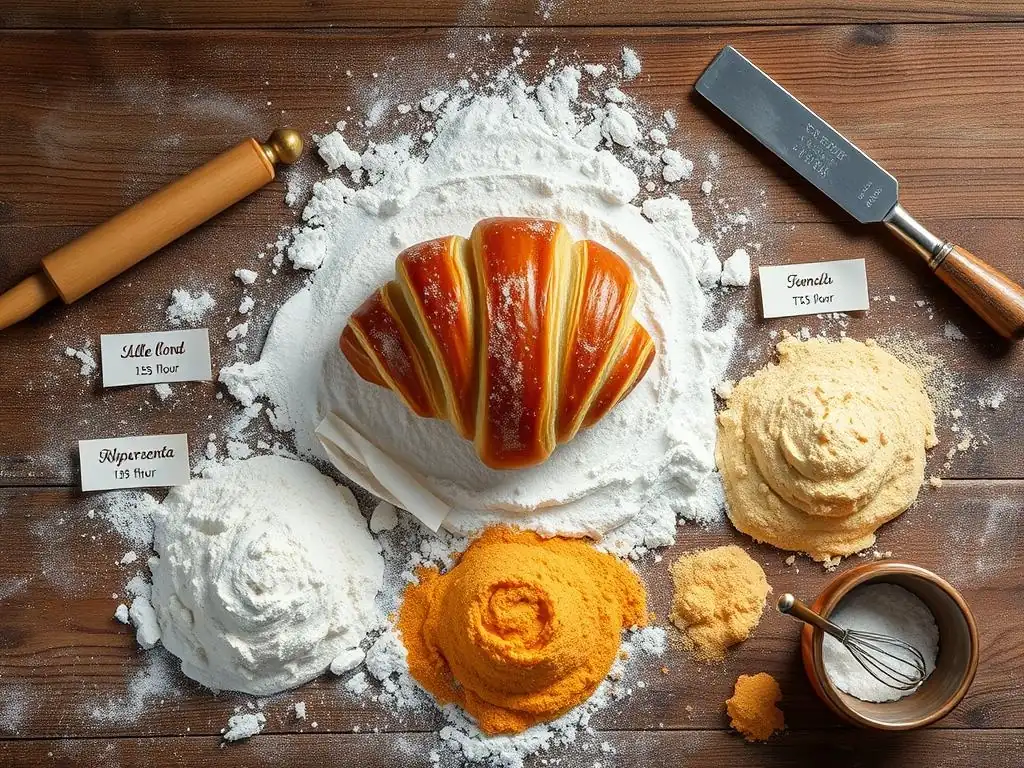
All-Purpose Flour: A Versatile Option for Puff Pastry?
All-purpose flour is the most common flour found in home kitchens and is often recommended for puff pastry in many recipes. Its popularity stems from its moderate protein content and general availability. While not specifically designed for delicate pastries, its versatility makes it a practical choice for many bakers attempting puff pastry.
All-Purpose Flour Gluten Content and Its Effect
All-purpose flour typically has a protein content ranging from about 10% to 12%. This moderate level means it has the potential to form a reasonably strong gluten network. For puff pastry, this level of gluten provides enough structure to hold the layers during rolling and baking without making the dough excessively tough, provided it's handled correctly to control gluten development. The dough will have good elasticity, allowing for stretching, but requires careful handling to avoid overworking.
All-Purpose Flour: Pros and Cons for Puff Pastry
The primary advantage of using all-purpose flour for puff pastry is its accessibility and reliability for many standard recipes. It provides a decent balance of strength and tenderness. However, its protein content can be on the higher side for truly delicate pastry.
- Pros: Widely available, relatively consistent results, good balance of strength and extensibility, suitable for most home kitchens.
- Cons: Can potentially lead to slightly tougher layers if overdeveloped, may not yield the absolute lightest, flakiest texture compared to lower-protein options if seeking professional-level delicacy. Requires careful technique to manage gluten.
Pastry Flour: Achieving Tender Layers in Puff Pastry
Pastry flour is a soft wheat flour milled to a fine texture. It's specifically designed for tender baked goods like pies, tarts, biscuits, and yes, pastries. Its characteristics make it a compelling candidate when seeking the most delicate layers in your puff pastry.
Lower Protein Content for Delicate Puff Pastry
Pastry flour boasts a significantly lower protein content than all-purpose flour, typically ranging from 8% to 9%. This lower protein level means less potential for gluten development. The resulting dough is more tender and less elastic, making it easier to roll thinly without snapping back. This is crucial for achieving those ultra-fine layers that define exceptional puff pastry. The reduced gluten also contributes to a more tender bite in the finished product.
When to Use Pastry Flour for Best Results
Pastry flour is ideal when your primary goal is maximum tenderness and flakiness. It's an excellent choice for sweet applications like fruit tarts, palmiers, or croissants where a melt-in-your-mouth texture is paramount. Because the dough is more delicate due to lower gluten, it requires gentle handling during the lamination process.
It might be less forgiving if the butter isn't perfectly incorporated or if the dough gets too warm, as it lacks the structural resilience of higher-protein flours. If you're aiming for the pinnacle of delicate, airy layers, pastry flour is a top contender for the best flour for perfect puff pastry.
Bread Flour: Enhancing Structure in Puff Pastry?
Bread flour is a strong flour milled from hard wheat varieties. It's known for its high protein content and is typically used for making yeast breads where a robust gluten structure is essential for rise and chewiness. While not a traditional choice for puff pastry, some might consider it for specific applications.
High Gluten Development in Bread Flour
Bread flour contains a high percentage of protein, generally ranging from 12% to 14% or even higher. This high protein level means it develops a very strong and elastic gluten network when hydrated and worked. This strength is fantastic for trapping carbon dioxide in yeasted doughs, resulting in a lofty loaf, but it poses a significant challenge for puff pastry. The strong elasticity can make the dough incredibly resistant to rolling, causing it to spring back repeatedly.
Bread Flour: Suitable for Specific Puff Pastry Applications?
Generally, bread flour is not recommended as the primary flour for classic puff pastry. Its high gluten makes the dough too tough and difficult to laminate thinly, leading to a dense, chewy result rather than flaky layers. However, in rare or experimental recipes, a small percentage of bread flour might be blended with a lower-protein flour to add a tiny bit more resilience for specific savory applications where the filling is heavy, or if working in a very warm environment where dough strength is needed. But for standard, light, and flaky puff pastry, it's best to steer clear.
00 Flour: Italian Finesse for Exceptional Puff Pastry
"00" flour (or doppio zero) is a classification from Italy referring to the fineness of the grind, not necessarily the protein content alone. However, Italian 00 flours intended for pasta or pastry are often made from soft wheat, offering a unique balance that can be excellent for puff pastry.
The Fine Grind and Soft Wheat Advantage
Italian 00 flour, especially that labeled "Type 00" or "Pasta/Pizza Flour" from soft wheat, is ground incredibly finely, giving it a silky texture. More importantly, the soft wheat varieties used typically have a moderate protein content, often in a similar range to US all-purpose flour (approx. 10-12%) or sometimes slightly lower. The combination of fine grind and moderate protein from soft wheat allows it to absorb liquid differently and develop gluten more gently than hard wheat flours. This results in a dough that is smooth, pliable, and less resistant to rolling.
00 Flour: Creating Light and Airy Puff Pastry
Using a good quality 00 flour from soft wheat can produce wonderfully light and airy puff pastry. The fine texture contributes to a smooth dough that laminates beautifully, while the moderate, manageable gluten allows the layers to puff significantly without becoming tough. It's a favorite in many European patisseries for its ability to yield exceptionally delicate and crisp layers. If you're looking to elevate your puff pastry game and can source authentic Italian 00 pastry flour, it's a fantastic option for achieving a refined texture.
Comparing Flours: A Side-by-Side Analysis for Puff Pastry
Gluten Strength Comparison: All-Purpose vs. Pastry vs. Bread vs. 00
Understanding the relative gluten strength potential is key to choosing the best flour for perfect puff pastry. Let's look at how these common types stack up:
- Bread Flour: Highest gluten potential (approx. 12-14%+ protein). Develops a very strong, elastic network.
- All-Purpose Flour: Moderate gluten potential (approx. 10-12% protein). Develops a resilient, but manageable network with careful handling.
- 00 Flour (Soft Wheat): Moderate gluten potential (often approx. 10-12% protein, but can vary). Develops a smooth, pliable network due to fine grind and soft wheat properties.
- Pastry Flour: Lowest gluten potential (approx. 8-9% protein). Develops a weak, tender network.
For puff pastry, you generally want a flour with just enough gluten for structure, but not so much that it causes toughness or resistance during rolling. This usually places All-Purpose and certain 00 flours in the sweet spot, with Pastry flour being suitable for maximum tenderness and Bread flour generally being too strong.
Texture and Flakiness: Which Flour Creates the Best Layers?
The ultimate goal of puff pastry is maximum flakiness and numerous distinct layers. Flour choice significantly impacts this.
- Pastry Flour: Tends to produce the most delicate and tender layers due to minimal gluten development. The layers might be thinner and more prone to shattering.
- All-Purpose Flour: Yields reliably flaky layers with good lift, offering a balance between tenderness and structural integrity. It's a dependable choice for consistent flakiness.
- 00 Flour (Soft Wheat): Can produce exceptionally light and airy layers, often with a crisp exterior, thanks to its fine texture and manageable gluten. It's favored for a refined, delicate puff.
- Bread Flour: Typically results in fewer, thicker, and tougher layers that don't puff as dramatically. The texture is often dense and chewy, lacking the desired flakiness.
While pastry flour might technically offer the most tender flake, All-Purpose and 00 flours often provide the best combination of impressive lift, distinct layers, and palatable tenderness for most puff pastry applications.
Taste and Color: How Flour Choice Affects the Final Product
Beyond structure, flour can subtly influence the taste and color of your puff pastry.
Different wheat varieties and milling processes can impart slightly different flavors. Hard wheat flours like bread flour can sometimes have a slightly nuttier or more robust flavor compared to the milder taste of soft wheat flours like pastry flour. All-purpose flour falls somewhere in between. While the butter is the dominant flavor in puff pastry, the flour contributes to the overall profile. For example, a very delicate pastry flour might let the pure butter flavor shine through more prominently in something like a classic mille-feuille.
The color of the flour can also affect the final baked shade. Unbleached flours, which are common for all types, will typically result in a slightly creamier or warmer-toned crumb compared to bleached flours, which can produce a brighter white result. Most flours suitable for puff pastry (All-Purpose, Pastry, 00) will yield a pleasant golden-brown exterior when baked, primarily influenced by the butter caramelizing and the dough browning. The subtle differences in flour color are usually minor compared to the browning achieved during baking.
Our Recommendation: The Optimal Flour for Puff Pastry Success
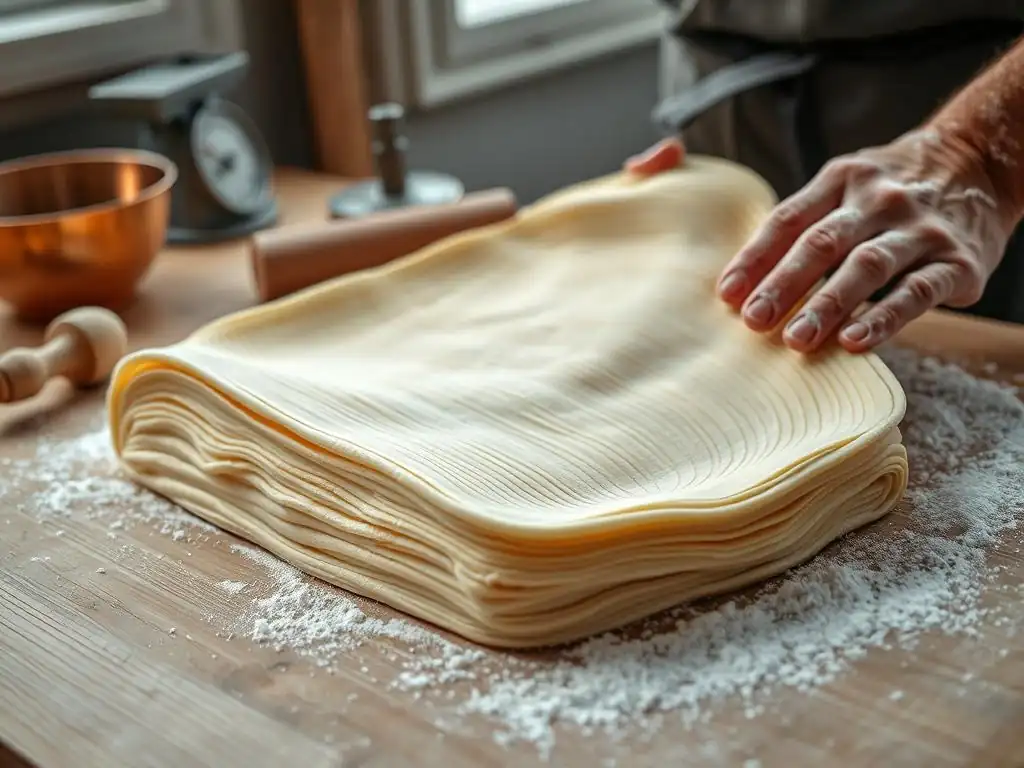
BakeWithEase's Top Pick: All-Purpose Flour
After evaluating the characteristics of various flours and considering accessibility for home bakers, BakeWithEase confidently recommends All-Purpose Flour as the optimal flour for perfect puff pastry for most individuals. It strikes the best balance between necessary gluten structure for lamination and sufficient tenderness for flakiness.
This doesn't mean other flours can't work or aren't preferred by some professionals, but for consistent, reliable results without needing to source specialized ingredients or master overly delicate doughs, all-purpose is the champion. It provides a forgiving starting point while still allowing you to achieve impressive layers and a satisfyingly flaky texture, making it an excellent choice for anyone looking to make delicious puff pastry at home.
Why We Chose All-Purpose Flour for Puff Pastry
Our recommendation for all-purpose flour as the best flour for perfect puff pastry for home bakers is based on several factors. Firstly, its widespread availability means you likely already have it in your pantry, making puff pastry less intimidating to attempt. You don't need to hunt for specialty flours. Secondly, its moderate protein content offers a sweet spot for managing gluten development. It provides enough strength to withstand the rigorous rolling and folding process without tearing, which is crucial for developing hundreds of layers.
Furthermore, all-purpose flour is forgiving compared to lower-protein flours like pastry flour, which can be very delicate and prone to tearing if not handled with extreme care. While pastry flour might yield slightly more tender results, the structural integrity provided by all-purpose flour significantly reduces the risk of blowouts during lamination, leading to more consistent success for beginners and intermediate bakers alike. It allows you to practice and perfect your technique without the added challenge of an overly fragile dough.
Mastering Puff Pastry: Additional Tips and Considerations
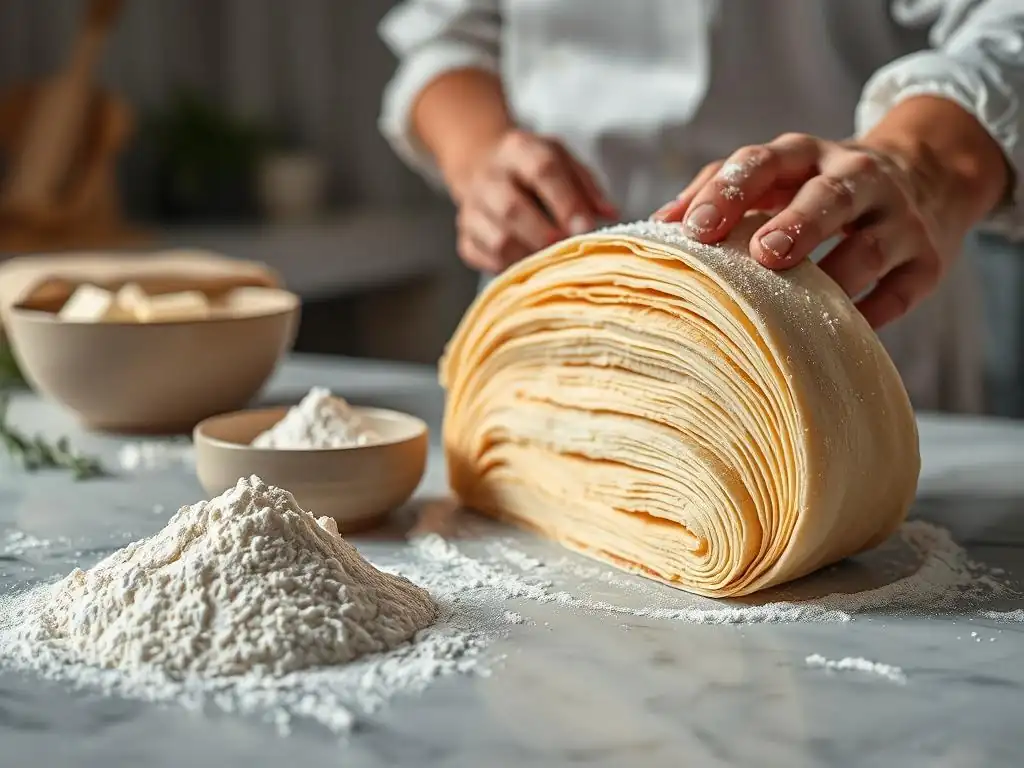
Controlling Gluten Development During Puff Pastry Making
Controlling gluten is paramount when using any flour for perfect puff pastry. The goal is minimal development until baking. Use cold water when mixing the dough, as cold temperatures slow down gluten formation. Avoid overmixing; simply combine the ingredients until they just come together. Resist the urge to knead the dough extensively like you would for bread.
Resting the dough is also critical. Frequent chilling periods between folds allow the gluten network to relax. This relaxation makes the dough easier to roll thinly without snapping back and prevents the development of excessive toughness. For example, chilling for 30-60 minutes between each turn is standard practice and essential for managing the gluten structure, regardless of the flour type chosen.
The Importance of Cold Ingredients and Dough Handling
Maintaining cold temperatures throughout the puff pastry process is non-negotiable. Both the butter and the dough must remain very cold. Cold butter stays in distinct layers within the dough; if it melts, it gets absorbed, and you lose your potential for layers. Use chilled flour, ice water for the dough, and cold butter.
Handle the dough quickly and efficiently. Excessive handling warms the dough and the butter, promoting gluten development and butter meltage. Roll the dough on a cold surface if possible, or work in a cool room. If the dough becomes soft or sticky, stop immediately, wrap it, and return it to the refrigerator or even the freezer for a short time until it is firm and cold again. Cold ingredients and minimal handling are just as vital as the flour choice for perfect puff pastry results.
Adjusting Flour Type Based on Recipe and Climate
While all-purpose flour is our general recommendation, the "best" flour can sometimes depend on the specific recipe or even your climate. Some recipes might specifically call for pastry flour for an extra-delicate crumb in specific applications like strudel or delicate turnovers.
In warmer, more humid climates, the dough can warm up very quickly during lamination, making it sticky and prone to tearing. In such conditions, a flour with a slightly higher protein content (like the higher end of the all-purpose range) might offer a bit more resilience to help the dough hold up better.
Conversely, in very dry climates, a slightly lower protein flour might be easier to hydrate and handle. Pay attention to the specific requirements of the recipe you are following and be prepared to make minor adjustments based on your environment, even when using the recommended flour for perfect puff pastry.
Tough or Dense Puff Pastry: Addressing Gluten Overdevelopment
If your puff pastry turns out tough and dense instead of light and flaky, the most likely culprit is excessive gluten development. This can happen if you used a flour with too high a protein content (like bread flour), overmixed the initial dough, or overworked it during the rolling and folding stages.
To fix this in the future:
- Ensure you are using a flour with appropriate protein content, like all-purpose or pastry flour.
- Mix the initial dough just until the ingredients are combined.
- Handle the dough gently during rolling; avoid forcing it.
- Crucially, incorporate sufficient resting and chilling periods between turns (at least 30 minutes in the fridge). Cold temperatures inhibit gluten development and allow the network to relax, making the dough pliable and preventing toughness.
Soggy Puff Pastry: Managing Moisture Content with Flour
Soggy layers in puff pastry can sometimes be linked to how the flour interacts with moisture. While often caused by insufficient baking time or temperature, flour choice can play a minor role. Different flours absorb water at different rates. Using a flour that absorbs too little water might leave excess moisture in the dough, contributing to sogginess if not baked out properly.
Ensure you measure your flour accurately, preferably by weight (120-130 grams per cup is a common range, but check your flour's specific packaging if possible). Using the correct ratio of flour to water as specified in the recipe is key. While flour type is less often the primary cause of sogginess than baking technique, ensuring you use the recommended type and measure accurately helps manage the dough's initial hydration and sets the stage for proper baking.
Uneven Layers: Ensuring Proper Flour Distribution
Uneven layers, where some sections puff beautifully and others remain flat or dense, can result from inconsistent rolling and folding, but sometimes flour plays a subtle role. If the flour isn't evenly distributed in the initial mix, or if too much bench flour is used unevenly during rolling, it can create inconsistencies in the dough's structure and how it interacts with the butter layers.
Always whisk your flour before measuring to aerate it and ensure it's not compacted. When rolling, use just enough bench flour to prevent sticking, and brush off any excess before folding the dough. Too much dry flour trapped between layers can prevent them from adhering properly during the initial stages and separating cleanly during baking. Consistent technique, combined with the right flour for perfect puff pastry, ensures uniform layers and maximum puff.
Frequently Asked Questions
What type of flour is generally recommended for puff pastry?
The best flour is usually all-purpose flour with a moderate protein content. This provides enough gluten for structure but avoids excessive toughness.
Why is protein content important when choosing flour for puff pastry?
Too much protein results in a tough pastry. A moderate amount allows for proper layering and rise without becoming overly chewy.
Can I use cake flour for puff pastry?
Cake flour is not recommended. Its low protein content will result in a pastry that lacks structure and won't achieve the desired puff.
What other factors besides flour type can affect puff pastry success?
Besides flour, cold ingredients are crucial. Keep your butter and dough chilled throughout the process to prevent the butter from melting and ruining the layers.
Can I substitute a different flour type if I can't find all-purpose flour?
You could try bread flour mixed with cake flour, but it's tricky. Experimentation is key, but all-purpose flour is the most reliable for beginners.
Final Reflection: The Flour Power of Perfect Puff Pastry
The quest for the perfect puff pastry hinges on understanding the subtle, yet crucial, role of flour. Achieving those ethereal layers, that melt-in-your-mouth texture, isn't just about technique; it's about choosing the right flour, a foundation upon which pastry dreams are built. The seemingly simple act of selecting flour becomes a gateway to unlocking pastry perfection.
This exploration into the world of flours has not only deepened my understanding of baking but also highlighted the interconnectedness of ingredients and their impact on the final product. The subtle differences in protein content, starch structure, and even the milling process profoundly affect the outcome. As Julia Child once wisely said, The only real stumbling block is fear of failure. In cooking you've got to have a what-the-hell attitude.
This attitude, coupled with a careful selection of flour, empowers us to confidently tackle even the most challenging pastries.
Now, armed with this knowledge, I invite you to embark on your own puff pastry journey. Don't be afraid to experiment, to test different flour types, and to refine your technique. The path to pastry perfection is paved with flour-dusted adventures, and the reward – a flaky, golden masterpiece – is well worth the effort. So, choose your flour wisely, embrace the process, and let the magic unfold.
Unlock Your Puff Pastry Potential!
Thanks for joining us on this flaky journey into the world of puff pastry! We hope you now feel confident in choosing the perfect flour for your next baking masterpiece. Ready to take your skills to the next level?
- Bake your dream puff pastry: Use the flour insights you've gained to whip up a batch today—you'll be amazed by the difference!
- Share your success: Post a photo of your creation on social media and tag us @BakeWithEase! Let's inspire other bakers.
- Explore other flour guides: Discover more baking secrets by exploring other articles on our site.
What's your favorite flour for baking, and what will you bake first using this new knowledge?