
The Best Vegan Dinner Rolls Recipe You'll Ever Need

Welcome to BakeWithEase, your partner in baking bliss!
Ever dreamt of serving warm, fluffy dinner rolls, but thought vegan baking was too complicated? Prepare to be amazed! This article unveils the best vegan dinner rolls recipe you'll ever need, offering an unexpectedly simple and delicious way to elevate any meal. Intrigued? Read on to discover the secrets to perfectly soft, plant-based rolls that will disappear in minutes. What's the secret ingredient? Let's find out!
- Introduction to Easy Vegan Dinner Rolls
- Mastering the Vegan Dinner Rolls Recipe: Step-by-Step Guide
- Tips and Tricks for the Best Vegan Dinner Rolls
- Serving and Storing Your Homemade Vegan Dinner Rolls
- Vegan Dinner Rolls Recipe: Frequently Asked Questions
- Conclusion: Enjoy Your Delicious Vegan Dinner Rolls
- Frequently Asked Questions
- Final Reflection: The Humble Rise of the Vegan Dinner Roll
- Unleash Your Inner Baker: Perfect Vegan Dinner Rolls Await!
Introduction to Easy Vegan Dinner Rolls
BakeWithEase Presents: Fluffy, Plant-Based Dinner Rolls
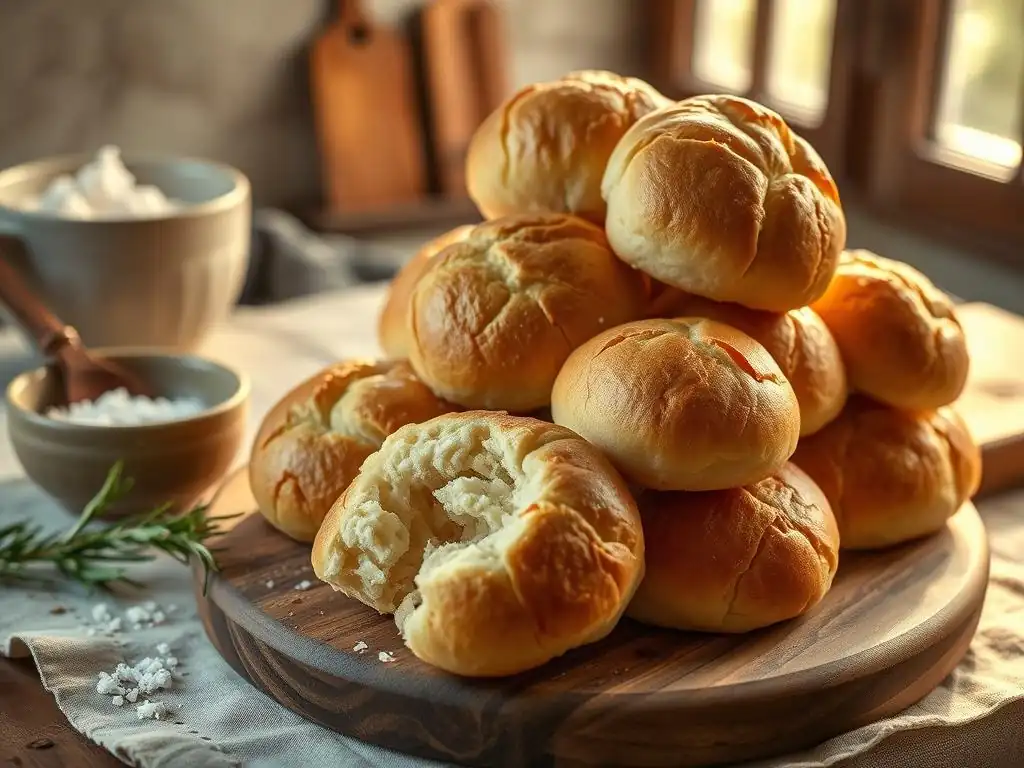
Welcome to BakeWithEase, where we believe that baking should be accessible and enjoyable for everyone, regardless of dietary preferences or skill level. Today, we're thrilled to share a truly exceptional vegan dinner rolls recipe that will become your go-to for any occasion. Forget dry, dense, or flavorless plant-based bread; these rolls are incredibly soft, wonderfully fluffy, and packed with delicious flavor, proving that vegan baking can be just as satisfying as traditional methods.
This particular vegan dinner rolls recipe easy to follow, even if you're new to working with yeast or vegan ingredients. We've broken down each step, from mixing the dough to achieving that perfect golden crust, to ensure your success. Whether you're serving them alongside a holiday feast, a casual weeknight dinner, or simply enjoying them warm with a smear of vegan butter, these rolls are guaranteed to impress. Get ready to experience the simple joy of baking incredibly good vegan bread right in your own kitchen.
Why This Vegan Dinner Rolls Recipe is a Game Changer
Many traditional dinner roll recipes rely heavily on dairy milk and butter for richness and softness. Creating a vegan version that replicates this texture can be a challenge, often resulting in rolls that lack the desired tenderness. This vegan dinner rolls recipe stands out because it uses specific plant-based ingredients and techniques designed to mimic those qualities. We utilize a combination of warm plant-based milk (like soy or almond) and melted vegan butter, carefully balanced with flour and yeast, to create a dough that develops into incredibly soft and moist rolls.
Furthermore, this isn't a complicated recipe requiring obscure ingredients or advanced skills. We focus on straightforward steps and readily available items, making it a truly easy vegan dinner rolls recipe. By mastering the simple techniques outlined here – proper kneading, allowing sufficient rise time, and baking at the right temperature – you'll consistently achieve bakery-quality results. This recipe empowers you to bake delicious, fluffy vegan rolls from scratch, offering a fantastic plant-based alternative that everyone at the table will love.
Mastering the Vegan Dinner Rolls Recipe: Step-by-Step Guide
Ingredients for Perfect Vegan Dinner Rolls
Dry Ingredients: Flour, Yeast, Sugar & Salt
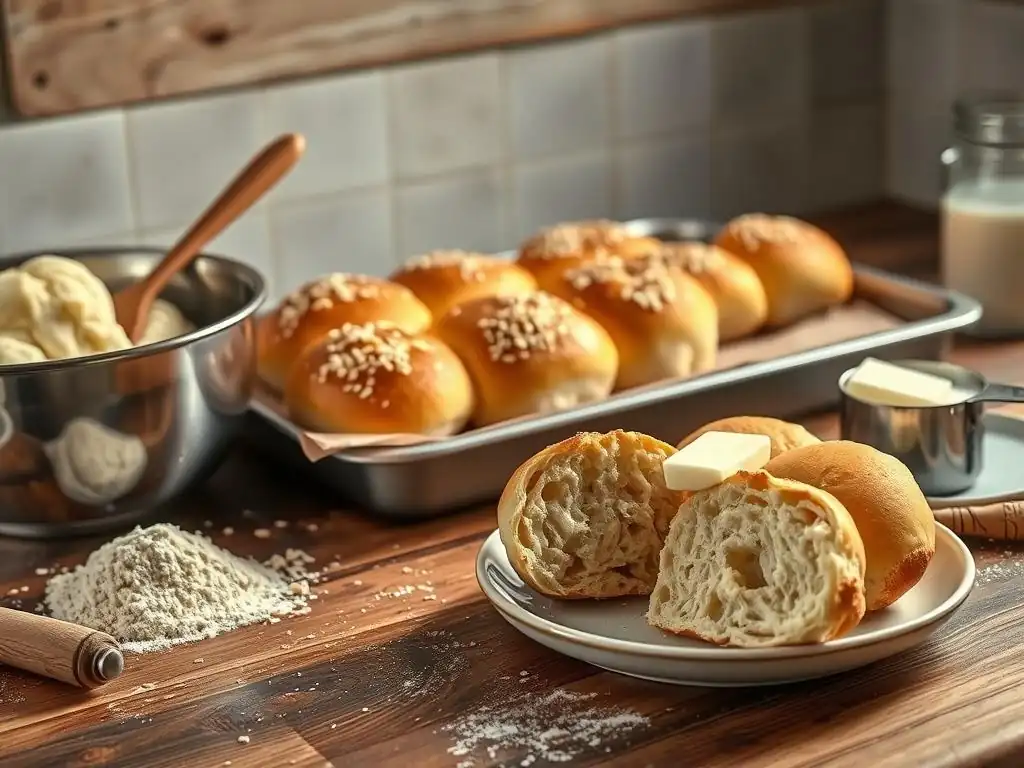
The foundation of any great bread is the dry ingredients. For this easy vegan dinner rolls recipe, you'll need all-purpose flour. While bread flour can be used for a slightly chewier texture, all-purpose provides a wonderful balance of softness and structure perfect for rolls. You'll typically need around 3 to 3.5 cups (about 360-420 grams) of flour, though the exact amount can vary slightly depending on humidity and how you measure. Using a kitchen scale is the most accurate way to measure flour for consistent results, aiming for the lower end initially and adding more only if needed.
Active dry yeast or instant yeast can both be used. If using active dry yeast, you'll usually need about 2 ¼ teaspoons (one standard packet), which will need to be proofed in warm liquid first. Instant yeast can often be mixed directly with the dry ingredients, saving a step. Sugar (granulated or cane sugar) is crucial not just for a touch of sweetness but also as food for the yeast, helping it activate and produce the gas that makes the rolls light and airy.
A typical amount is 2 tablespoons. Finally, salt (fine sea salt or table salt) is vital for flavor and also helps control yeast activity, contributing to the dough's structure. About 1 teaspoon is usually sufficient.
Wet Ingredients: Plant-Based Milk, Vegan Butter & Water
The wet ingredients bring the dough together and add richness and moisture. Warm plant-based milk is essential. Soy milk and almond milk are excellent choices due to their neutral flavor and fat content, which contributes to softness. You'll need about 1 cup (240 ml) of milk, warmed to around 105-115°F (40-46°C) – warm to the touch but not hot, as excessive heat can kill the yeast.
Melted vegan butter adds richness and helps create a tender crumb. Approximately ¼ cup (55 grams) of melted vegan butter works well in this easy vegan dinner rolls recipe. Ensure it's melted but not boiling hot when added to the mixture. A little warm water (around ¼ cup or 60 ml) can also be used, especially if proofing active dry yeast, providing the initial liquid for yeast activation. Combining these warm wet ingredients is key to activating the yeast and starting the dough development process effectively.
Preparing the Dough: A Simple Kneading Process
Creating the perfect dough for your vegan dinner rolls recipe easy when you understand the basics. Begin by combining your warm wet ingredients (plant-based milk, melted vegan butter, and water if using) with the sugar and yeast in a large mixing bowl. If using active dry yeast, let this mixture sit for 5-10 minutes until it becomes foamy, indicating the yeast is active. If using instant yeast, you can often skip this proofing step and add it directly to the dry ingredients before combining wet and dry.
Gradually add the dry ingredients (flour and salt) to the wet mixture, stirring with a wooden spoon or sturdy spatula until a shaggy dough forms. Turn the dough out onto a lightly floured surface and begin kneading. Kneading develops the gluten structure in the flour, which is what gives the rolls their shape and soft, chewy texture.
Knead for about 8-10 minutes by hand, pushing the dough away from you with the heels of your hands, folding it back over, and rotating. Alternatively, you can use a stand mixer with a dough hook on medium speed for about 6-8 minutes until the dough is smooth and elastic. The dough should be slightly sticky but pull away cleanly from the bowl or your hands.
First Rise: Creating a Light and Airy Dough
The first rise, also known as bulk fermentation, is a critical step in this vegan dinner rolls recipe easy process. After kneading, shape the dough into a ball and place it in a lightly oiled bowl, turning to coat all sides. Cover the bowl tightly with plastic wrap or a clean kitchen towel. Place the bowl in a warm, draft-free place to rise. An oven that's been turned off but is still slightly warm (or just the oven with the light on) is often a good spot.
The dough needs to double in size during this first rise. This typically takes anywhere from 1 to 1.5 hours, depending on the temperature of your environment and the activity of your yeast. In cooler conditions, it might take longer. You can test if the dough has risen enough by gently pressing two fingers into it; if the indentations remain, it's ready. This rise allows the yeast to produce carbon dioxide gas, which creates air pockets and gives the rolls their light and airy texture.
Shaping Your Vegan Dinner Rolls: Techniques for Uniformity
Once the dough has completed its first rise, gently punch it down to release the accumulated gas. Turn the dough out onto a lightly floured surface. For uniform rolls, you can weigh the entire dough mass and divide it by the desired number of rolls. For standard-sized dinner rolls, aiming for pieces of about 50-60 grams each works well, yielding roughly 12-15 rolls from this recipe. Using a bench scraper makes dividing the dough easy and clean.
To shape each piece into a smooth roll, gently cup your hand around the dough piece and move it in a circular motion against the countertop. The surface tension created will form a neat ball with a smooth top.
Alternatively, you can flatten the dough piece slightly, fold the edges into the center, pinch the seam closed, and then roll it briefly between your palms or against the counter to create a round shape. Place the shaped rolls seam-side down in a greased baking pan, leaving about an inch of space between them to allow for expansion during the second rise and baking.
Second Rise: Ensuring Maximum Fluffiness
The second rise, or proofing, is just as important as the first for achieving incredibly fluffy vegan dinner rolls. After shaping the dough into individual rolls and placing them in the baking pan, cover the pan loosely with plastic wrap or a clean kitchen towel. Again, place the pan in a warm, draft-free spot.
During this second rise, the rolls will increase significantly in size, often nearly doubling again. This usually takes about 30-45 minutes. You'll notice the rolls becoming visibly puffier and starting to touch each other in the pan. Proper proofing ensures that the rolls are light and airy internally and helps them achieve a good height during baking. Be careful not to over-proof, as this can cause the rolls to collapse in the oven. They should look soft and pillowy, not overly stretched or fragile.
Baking Your Vegan Dinner Rolls to Golden Perfection
Preheating your oven is crucial for ensuring your vegan dinner rolls bake evenly and achieve a beautiful golden-brown crust. Preheat your oven to 375°F (190°C). While the oven preheats, you can brush the tops of the proofed rolls with a little melted vegan butter or plant-based milk for a richer color and softer crust.
Bake the rolls in the preheated oven for 18-22 minutes. The exact baking time will depend on your oven and the size of your rolls. Look for the tops to be a lovely golden brown and the rolls to sound hollow when tapped on the bottom.
If the tops are browning too quickly, you can loosely tent the pan with aluminum foil for the last few minutes of baking. Once baked, remove the pan from the oven and, for an extra soft crust, you can brush the tops again with a little more melted vegan butter immediately after they come out. Let them cool in the pan for a few minutes before transferring to a wire rack to cool slightly before serving.
Tips and Tricks for the Best Vegan Dinner Rolls
Achieving the Perfect Texture: Soft and Tender
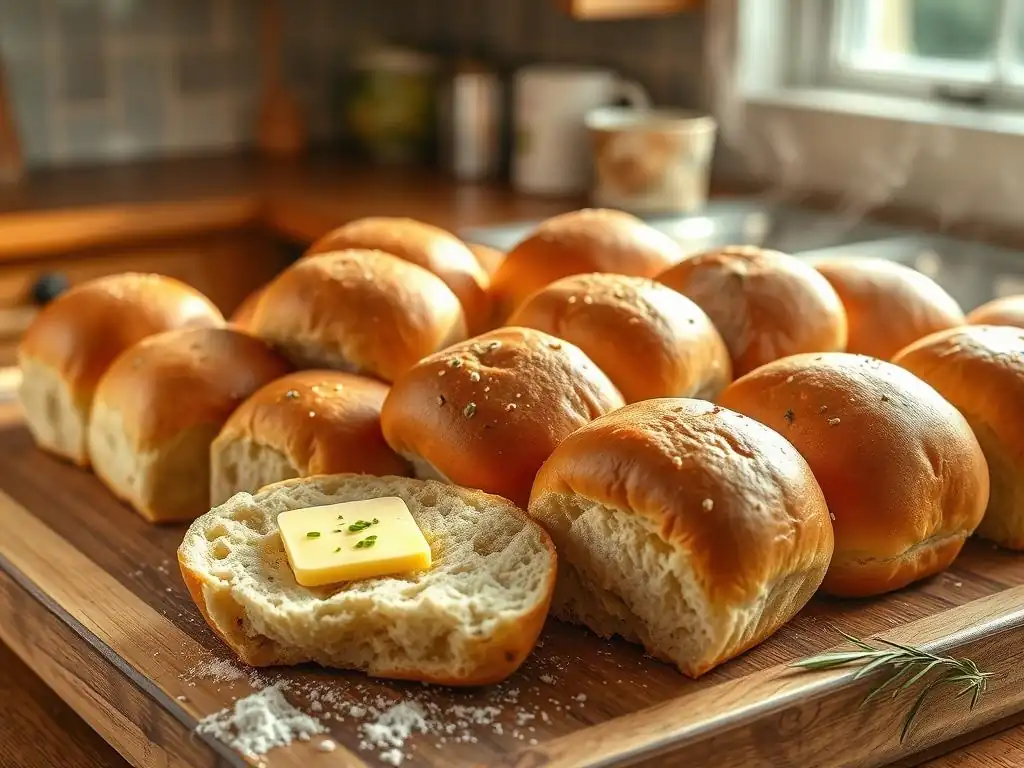
Creating soft and tender vegan dinner rolls is the goal, and it starts with careful ingredient selection and handling. Using the right ratio of flour to liquid is key; too much flour will result in dry, dense rolls, while too little makes the dough difficult to handle and potentially gummy. Aim for a dough that is slightly sticky but manageable after kneading. The fat from the vegan butter and the richness of the plant-based milk also contribute significantly to tenderness, so don't skimp on these.
Proper kneading develops the gluten, which provides structure, but over-kneading can make the rolls tough. Stop kneading when the dough is smooth and elastic. Crucially, allow sufficient time for both the first and second rises. These rising periods relax the gluten and allow the yeast to produce air, resulting in a light and airy crumb. Baking at the correct temperature ensures the rolls set properly without drying out. These combined factors make for a truly soft and tender easy vegan dinner rolls recipe.
Troubleshooting Common Vegan Dinner Rolls Baking Issues
Even with an easy vegan dinner rolls recipe, sometimes things don't go exactly as planned. Understanding common issues can help you adjust.
Dough Too Sticky? Adjusting Flour Levels
If your dough is excessively sticky and difficult to handle even after the initial kneading time, it likely needs a bit more flour. Add flour one tablespoon at a time while kneading, incorporating each addition fully before adding more. Continue this process until the dough is still slightly tacky but no longer sticking stubbornly to your hands or the work surface.
Adding flour gradually prevents you from accidentally adding too much, which would make the rolls dry. Remember that humidity can affect how much flour is needed, so starting with the lower end of the flour range and adding as needed is a good practice.
Rolls Not Rising? Checking Yeast Activity
If your rolls aren't rising properly during either the first or second rise, the most common culprit is inactive yeast or an improper rising environment. First, check the expiration date on your yeast packet. If it's old, it may no longer be viable. If you're using active dry yeast, ensure your liquid was warm enough (105-115°F) but not too hot, which can kill the yeast.
If you didn't see foam after proofing, the yeast might be dead. Ensure your rising location is warm and draft-free; cold temperatures significantly slow down yeast activity. Sometimes simply moving the dough to a warmer spot or allowing more time is all that's needed.
Flavor Variations: Adding Herbs, Garlic, or Seeds
This easy vegan dinner rolls recipe is a fantastic base for adding extra flavor. For a savory twist, you can knead in about 1-2 tablespoons of finely chopped fresh herbs like rosemary, thyme, or chives during the last minute of kneading. Garlic powder (about 1 teaspoon) or roasted garlic cloves (1-2 finely mashed cloves) can also be incorporated for delicious garlic rolls.
Adding seeds provides texture and flavor. You can mix in about ¼ cup of sesame seeds, poppy seeds, or a blend of seeds like flax or chia (soaked first if using chia/flax) into the dough. Alternatively, you can sprinkle seeds on top of the rolls after brushing them with vegan butter or milk before baking. Experimenting with these additions allows you to customize your vegan dinner rolls to perfectly complement your meal.
Serving and Storing Your Homemade Vegan Dinner Rolls
Delicious Serving Suggestions for Vegan Dinner Rolls
These fluffy vegan dinner rolls are incredibly versatile and pair wonderfully with a wide variety of dishes. Serve them warm straight from the oven with a generous spread of vegan butter; the simple combination is pure comfort. They are a perfect accompaniment to soups, stews, and chili, ideal for soaking up every last drop.
Consider using them as slider buns for vegan burgers or pulled jackfruit. They also make excellent small sandwiches for picnics or lunchboxes. For a holiday meal, they are an essential part of the table, providing a soft, satisfying bread option for everyone. Don't forget they can be used to make delicious bread pudding or croutons if you happen to have any leftovers (a rare occurrence! ).
Storing Leftover Vegan Dinner Rolls for Freshness
Proper storage is key to keeping your vegan dinner rolls soft and fresh. Once cooled completely, store the rolls in an airtight container or a resealable plastic bag at room temperature. They will typically stay fresh for 2-3 days. Avoid refrigerating them, as this can actually cause bread to stale faster.
For longer storage, vegan dinner rolls freeze exceptionally well. Once cooled, place them in a single layer on a baking sheet and freeze until solid (about 1-2 hours). Then transfer the frozen rolls to a freezer-safe bag or container, squeezing out as much air as possible to prevent freezer burn. Frozen rolls can be stored for up to 2-3 months. To reheat, thaw them at room temperature or warm them gently in a preheated oven at 300°F (150°C) for about 5-10 minutes until soft and warm through.
Vegan Dinner Rolls Recipe: Frequently Asked Questions
Can I use a different type of flour?
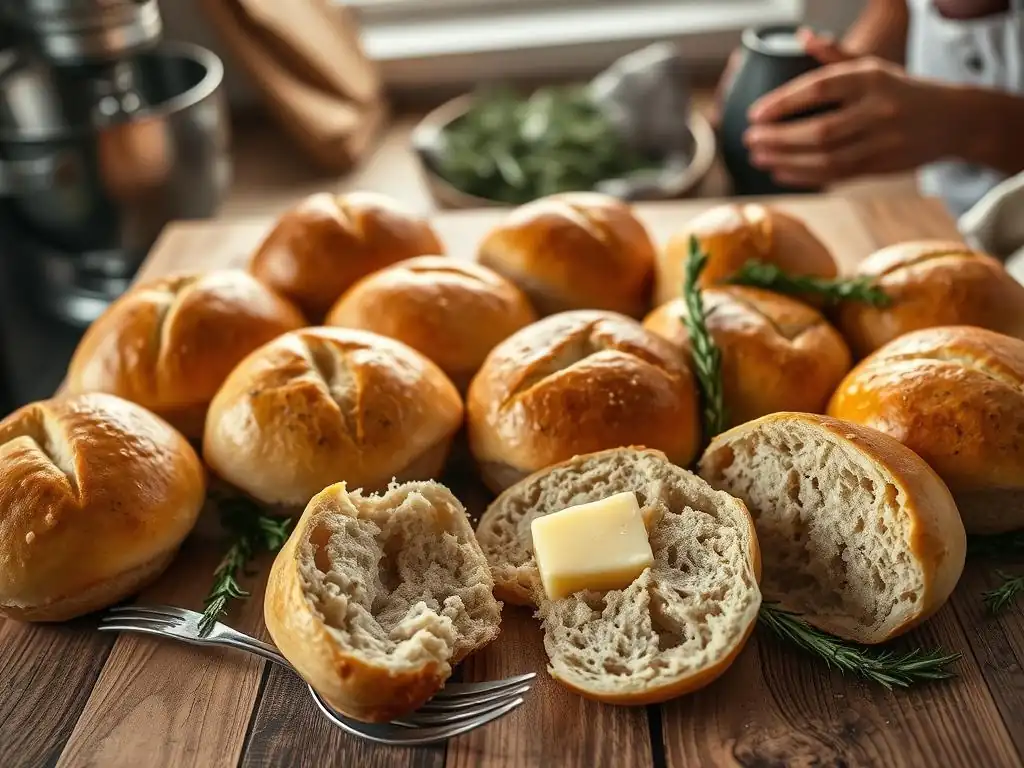
Yes, while all-purpose flour is recommended for this easy vegan dinner rolls recipe due to its reliable results and balanced texture, you can experiment with other flours. Bread flour will result in a slightly chewier roll due to its higher protein content.
You can also substitute a small portion (e.g., ¼ cup) of the all-purpose flour with whole wheat flour for added fiber and a nutty flavor, though this may result in a slightly denser roll. Avoid using flours like cake flour or pastry flour, as they have lower protein and won't develop enough gluten for a good roll structure.
How do I make these gluten-free?
Adapting this specific vegan dinner rolls recipe to be gluten-free requires significant changes to the flour blend and potentially the liquid ratios, as gluten-free flours behave very differently. Simply substituting gluten-free all-purpose flour cup-for-cup usually doesn't yield good results in yeast breads designed for wheat flour.
To make gluten-free vegan dinner rolls, you would typically need a specific gluten-free bread flour blend (often containing rice flour, tapioca starch, and potato starch) and often require the addition of a binder like xanthan gum or psyllium husk to mimic the structure provided by gluten. The hydration level and mixing method would also likely need adjustment. While this particular recipe isn't designed to be gluten-free, there are many excellent dedicated gluten-free vegan roll recipes available that use appropriate flour blends and techniques for success.
Can I freeze the dough?
Yes, you can freeze the dough for this easy vegan dinner rolls recipe, though it works best if frozen after the first rise and shaping. After the first rise, punch down the dough, divide and shape the rolls as instructed. Place the shaped rolls on a baking sheet lined with parchment paper and freeze until solid. Once frozen, transfer the rolls to a freezer-safe bag or container, ensuring they are well-wrapped to prevent freezer burn.
When you're ready to bake, remove the desired number of frozen rolls and place them in a greased baking pan. Cover and let them thaw and rise in a warm place until they have doubled in size (this can take 2-4 hours, depending on the warmth of your environment). Once fully thawed and risen, bake them according to the recipe instructions. Freezing the dough before the second rise allows you to have fresh, warm rolls ready with minimal effort later on.
Conclusion: Enjoy Your Delicious Vegan Dinner Rolls
Celebrate Baking Ease with This Simple Vegan Recipe
You've now mastered the steps to create incredibly soft, fluffy, and delicious vegan dinner rolls right in your own kitchen using this easy vegan dinner rolls recipe. From understanding the role of each ingredient to perfecting the kneading and rising processes, you have the knowledge to bake these plant-based beauties with confidence. This recipe proves that baking fantastic vegan bread doesn't have to be complicated or intimidating.
Baking your own bread, especially something as comforting as dinner rolls, is a rewarding experience. The aroma filling your home and the taste of warm, freshly baked rolls are truly special. We encourage you to try this recipe, experiment with the flavor variations suggested, and share these wonderful rolls with friends and family. At BakeWithEase, we're dedicated to making baking accessible and enjoyable, and we hope this simple vegan recipe brings you lots of baking joy and delicious results.
Frequently Asked Questions
What makes this vegan dinner rolls recipe "easy"?
This recipe focuses on simple ingredients and straightforward instructions, minimizing complex techniques and ensuring success for bakers of all levels. It avoids complicated steps that are often found in traditional vegan dough recipes.
What are the key ingredients that make these dinner rolls vegan?
Instead of dairy milk and butter, this recipe uses plant-based milk (like almond or soy) and vegan butter or oil. These substitutions provide the necessary moisture and fat for a soft, delicious result.
Can I substitute any of the flours used in the recipe?
While substitutions are possible, using the recommended flour types (often all-purpose and bread flour) provides the best texture and structure for the rolls. Experimenting may alter the outcome.
How do I ensure my vegan dinner rolls are light and fluffy?
Properly proofing the dough is crucial. Make sure the dough doubles in size in a warm environment, allowing the yeast to work its magic. Avoid over-kneading, which can result in tough rolls.
What's the best way to store leftover vegan dinner rolls?
Store cooled rolls in an airtight container at room temperature for up to three days, or freeze them for longer storage. Reheat gently to restore their warmth and softness.
Final Reflection: The Humble Rise of the Vegan Dinner Roll
The perfect vegan dinner roll isn't just a culinary achievement; it's a symbol of accessibility and inclusivity in the kitchen. More and more people are seeking delicious, plant-based alternatives, and the ease of this recipe makes it a powerful testament to how simple and satisfying vegan cooking can be. This isn't just about avoiding animal products; it's about creating a joyful, shared experience around the table, regardless of dietary restrictions.
The impact of accessible vegan recipes like this extends far beyond individual kitchens. It's about challenging preconceived notions surrounding vegan food, proving that it can be just as comforting, familiar, and downright delicious as traditional recipes. This recipe, in its simplicity, has the power to bridge divides and introduce a wider audience to the possibilities of plant-based eating. Food is symbolic of love when words are inadequate.
- Alan D. Wolfelt. This sentiment rings especially true when sharing a warm, homemade dinner roll, regardless of its ingredients.
Now, I invite you to take this recipe and make it your own. Experiment with different herbs, spices, or even add some vegan cheese for an extra layer of flavor. More importantly, share this recipe with your loved ones – let the simple act of baking and sharing a meal become a celebration of connection and the joy of creating something delicious and accessible to all. The best vegan dinner roll is the one you share.
Unleash Your Inner Baker: Perfect Vegan Dinner Rolls Await!
Thanks for joining us on this delicious journey! We hope you've gained the confidence to create incredibly fluffy and flavourful vegan dinner rolls. Ready to take your baking skills to the next level?
- Bake a batch today! Use the recipe you just learned to make a warm, comforting treat for yourself or loved ones. Don't forget to share the love (and the rolls!)
- Experiment with flavors. Try adding herbs, spices, or different types of flour to personalize your vegan dinner rolls. What unique twist will you create?
- Snap a picture and share your creation! Tag us on social media – we'd love to see your baking masterpieces!
What ingenious ingredient will you add to your next batch of vegan dinner rolls? Let us know in the comments!