
The BakeWithEase Butter Showdown: Finding the Perfect Match for Every Recipe

Welcome to BakeWithEase, your passport to baking brilliance! Ever wondered if the secret to that perfectly moist cake lies within the butter you choose? Prepare to uncover the truth in our latest exploration into the best butter for baking cakes. We're putting different types to the test, revealing the nuances that elevate your baking from good to unforgettable. Intrigued? Let's dive in and discover your new baking essential!
- Introduction: Why Choosing the Right Butter Matters for Baking Cakes
- The Ultimate Guide to Baking Butters: A BakeWithEase Comparison
- The BakeWithEase Butter Taste Test: Ranking Butters for Cake Baking
- Butter Fat Content and Cake Structure: A Deep Dive from BakeWithEase
- Beyond Flavor: Butter Temperature and Its Impact on Cake Baking
- BakeWithEase's Recipe Recommendations: Butter Pairings for Specific Cakes
- Maximizing Your Baking Budget: Affordable Butter Options for Cake Making
- Conclusion: Choosing the Best Butter for Baking Cakes - A BakeWithEase Summary
-
Frequently Asked Questions
- What qualities make butter "best" for baking cakes according to BakeWithEase?
- Does BakeWithEase recommend salted or unsalted butter for baking cakes?
- Are there specific brands of butter that BakeWithEase recommends in "The BakeWithEase Butter Showdown"?
- Does BakeWithEase consider price when determining the "best butter" for baking cakes?
- What kind of butter should I use if I'm looking for the most flavorful cake, according to BakeWithEase?
- Final Reflection: The Sweet Science of Butter Selection
- Unlock Your Baking Potential: Find Your Perfect Butter!
Introduction: Why Choosing the Right Butter Matters for Baking Cakes
BakeWithEase Explores the World of Baking Butter: From Flavor to Function
Welcome, fellow bakers, to the BakeWithEase deep dive into the world of butter! It might seem like a simple ingredient, but the type of butter you choose can profoundly impact the outcome of your baked goods, especially cakes. From contributing essential moisture and tenderness to providing structure and, of course, delicious flavor, butter is a powerhouse in the kitchen. We're here to help you understand the nuances so you can consistently achieve fantastic results and find the best butter for baking cakes that suits your specific needs.
Our journey will cover everything from the basic differences between butter types to how butterfat content influences texture and how temperature plays a critical role. We'll explore popular brands and discuss what makes them stand out in various cake applications. Whether you're aiming for a light and airy sponge or a rich, dense pound cake, selecting the right butter is a fundamental step towards baking success. Let's unlock the secrets to making your cakes the best they can be, starting with this foundational ingredient.
Understanding the Impact of Butter on Cake Texture and Taste
Butter is not just a source of fat; it's a complex ingredient that interacts with others in fascinating ways during the baking process. Its fat content coats flour particles, inhibiting gluten development, which is essential for creating a tender crumb rather than a tough one. As butter melts in the oven, the water it contains turns to steam, contributing to leavening and helping the cake rise. The milk solids brown, adding depth of flavor through the Maillard reaction.
The texture of a cake is also heavily influenced by how butter is incorporated. Creaming softened butter with sugar creates tiny air pockets – these pockets expand during baking, contributing to the cake's structure and lightness. Using cold butter cut into flour (like for biscuits or pie crusts) creates flaky layers, a technique sometimes adapted for certain cakes or pastries baked alongside cakes. Understanding these interactions is key to mastering cake baking and consistently producing moist, flavorful results. Choosing the best butter for baking cakes means considering how its specific composition will perform in your chosen recipe.
The Ultimate Guide to Baking Butters: A BakeWithEase Comparison
Defining the Contenders: Types of Butter and Their Baking Properties
When you walk down the dairy aisle, you're faced with a few different options, and they aren't all created equal for baking. Understanding the distinctions between them is the first step in determining the best butter for baking cakes. Each type has a slightly different composition, primarily in its fat and water content, which affects how it behaves in batter and how it contributes to the final product's texture and flavor.
American-style butter is the most common in the US, typically containing around 80% butterfat, 16-18% water, and 1-2% milk solids. European-style butter, on the other hand, boasts a higher butterfat percentage, usually 82-86%, with less water and slightly more milk solids. Then there are specialized forms like clarified butter or brown butter, which offer unique properties and flavors. Knowing these differences helps you make informed choices for your recipes.
Salted Butter vs. Unsalted Butter: Which is Best for Your Cake?
This is perhaps the most common question bakers ask! Salted butter contains added salt, typically around 1-2% by weight. Unsalted butter contains no added salt. For baking, especially cakes, most recipes call for unsalted butter.
Why unsalted? Because the amount of salt in salted butter can vary significantly between brands and even batches. Using unsalted butter gives the baker precise control over the total amount of salt in the recipe.
Salt plays a crucial role in balancing sweetness and enhancing other flavors, but too much can ruin a delicate cake. By using unsalted butter, you can add the exact amount of salt required by the recipe, ensuring consistent results every time. While you can sometimes substitute salted butter by reducing added salt elsewhere, it's best practice to stick to unsalted for reliability when trying to achieve the best butter for baking cakes.
European-Style Butter: Does Higher Fat Content Really Make a Difference?
Absolutely! European-style butter, with its higher butterfat content (typically 82% or more compared to 80% in American-style), truly makes a difference in baking, particularly for cakes. The increased fat means less water and more milk solids.
This higher fat content contributes to a richer flavor and a more tender crumb. With less water, you reduce the risk of gluten development, resulting in a softer cake. The texture is often described as more luxurious and moist. While it might be slightly more expensive, many bakers find that for certain recipes, like pound cakes, brioche, or delicate pastries, the enhanced richness and texture are well worth the cost. Using European-style butter can elevate your cake baking from good to exceptional.
Clarified Butter (Ghee) and Brown Butter: Unique Flavors for Advanced Baking
Clarified butter, also known as ghee in Indian cuisine, is made by melting butter and simmering it gently to separate the water and milk solids from the pure butterfat. The milk solids are skimmed off, leaving behind translucent, golden butterfat.
This butterfat has a higher smoke point than regular butter, making it suitable for high-heat cooking, but it can also add a unique richness and tenderness to certain baked goods where its liquid form is desired. However, because the milk solids (which contribute flavor and help with browning) and water (which aids leavening) are removed, it behaves quite differently from whole butter and is not a direct substitute in most standard cake recipes.
Brown butter (beurre noisette) is created by gently heating butter until the water evaporates and the milk solids toast to a nutty brown color. This process develops a deep, complex, toasted flavor that can add incredible depth to cakes, cookies, and other baked goods. While it requires careful attention to prevent burning, incorporating brown butter can transform a simple recipe.
It works particularly well in cakes with complementary flavors like nuts, caramel, or chocolate. Remember that browning butter reduces its water content, so you might need slight adjustments in liquid for some recipes, but the flavor payoff is often immense.
The BakeWithEase Butter Taste Test: Ranking Butters for Cake Baking
Methodology: How We Evaluated Each Butter for Cake Applications
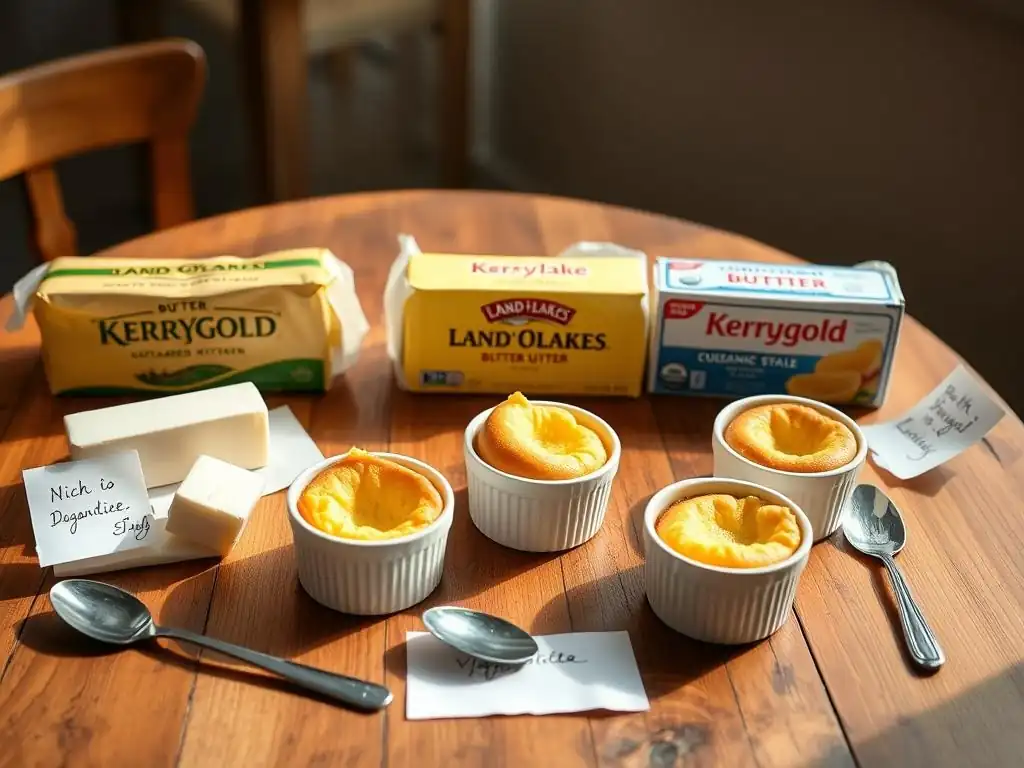
To help you find the best butter for baking cakes, the BakeWithEase team conducted a series of blind taste tests focusing specifically on how different butters performed in a classic vanilla cake. We used a simple, reliable recipe to ensure minimal variables other than the butter itself. Each butter was brought to the exact same room temperature (68°F / 20°C) before creaming, and cakes were baked side-by-side in identical pans for the same amount of time.
Our evaluation criteria focused on several key factors:
- Texture: How tender and moist was the crumb? Was it light and airy or dense?
- Flavor: Did the butter contribute a pleasant, clean, or rich flavor? Were there any off-notes?
- Crumb Structure: How even was the crumb? Did the cake rise well?
- Overall Impression: Considering all factors, how did the butter perform in a typical cake application?
We tested several popular brands, including both American and European styles, to provide a comprehensive comparison. The results offered clear insights into how butter choice impacts the final cake quality.
Top 3 Butters for Classic Vanilla Cake: Kerrygold, Vermont Creamery, Land O'Lakes
Based on our rigorous testing for a standard vanilla cake recipe, these three brands consistently rose to the top, each offering distinct advantages. While many butters perform adequately, these demonstrated superior qualities in either texture, flavor, or overall value, making them strong contenders for the title of best butter for baking cakes in a classic application.
Here's a breakdown of our findings:
Kerrygold: Pros, Cons, and Ideal Cake Types (e.g., Light & Fluffy)
- Pros: Kerrygold is a popular European-style butter from Ireland, known for its vibrant yellow color and rich, slightly tangy flavor. Its higher butterfat content (around 82%) contributes significantly to a tender, moist crumb and a luxurious mouthfeel. It creams beautifully, incorporating plenty of air for good lift. The flavor is distinct and adds a lovely richness to the cake.
- Cons: It's typically more expensive than standard American butter. The distinct flavor, while generally a pro, might occasionally overpower very delicate flavor profiles.
- Ideal Cake Types: Kerrygold excels in cakes where richness and a tender crumb are paramount, such as pound cakes, butter cakes, and light, fluffy layer cakes where its creaming properties shine. It's a top choice if you're seeking the best butter for baking cakes with a noticeable buttery flavor.
Vermont Creamery: Pros, Cons, and Ideal Cake Types (e.g., Rich & Dense)
- Pros: Vermont Creamery offers high-quality cultured butter, often European-style with around 82% butterfat. The culturing process introduces beneficial bacteria that produce lactic acid, resulting in a slightly tangy, more complex flavor profile compared to non-cultured butter. This butter contributes exceptional richness and a tight, moist crumb structure. It melts beautifully, leading to a very pleasant texture.
- Cons: Like Kerrygold, it's a premium butter and carries a higher price tag. The tangy note from culturing is specific and might not be preferred in all recipes or by all palates.
- Ideal Cake Types: Vermont Creamery butter is fantastic for cakes where you want a rich, slightly tangy depth of flavor and a dense, moist texture. Think classic butter cakes, coffee cakes, or even some types of fruit cakes. It's a strong contender for the best butter for baking cakes when aiming for richness.
Land O'Lakes: Pros, Cons, and Ideal Cake Types (e.g., Budget-Friendly Option)
- Pros: Land O'Lakes is a widely available American-style butter, typically with 80% butterfat. It's known for its consistent quality and neutral, clean flavor profile. It performs reliably in standard cake recipes, creaming well and contributing adequate moisture and tenderness. Its biggest advantage is its accessibility and relatively lower cost compared to premium European-style butters. It's a solid, dependable choice for everyday baking.
- Cons: With 80% butterfat, it contains slightly more water than European-style options, which can sometimes result in a slightly less tender crumb compared to the premium butters. The flavor is mild and doesn't contribute the same depth or richness as Kerrygold or Vermont Creamery.
- Ideal Cake Types: Land O'Lakes is an excellent all-purpose butter for a wide variety of cakes, especially those where the butter flavor isn't meant to be the star, such as cakes with strong additions like chocolate, fruit, or spices. It's a great option when you need a reliable and budget-friendly best butter for baking cakes for everyday recipes like simple sheet cakes, cupcakes, or muffins.
Best Butter for Chocolate Cake: Enhancing Richness and Depth of Flavor
When baking chocolate cake, the goal is often deep, intense chocolate flavor and a moist, rich texture. While standard unsalted butter works perfectly fine, certain butters can enhance these qualities. A butter with a clean, rich flavor that complements rather than competes with chocolate is ideal. The higher fat content of European-style butters often works well here, contributing to a luxurious mouthfeel that pairs wonderfully with cocoa.
Some bakers also find that the subtle tang of cultured butter can add an interesting complexity that balances the sweetness and bitterness of chocolate. Ultimately, the best butter for baking cakes, specifically chocolate ones, is one that provides richness without overwhelming the cocoa notes. Experimentation is key to finding your personal favorite pairing.
Exploring the Flavors: Plugrá vs. Straus Family Creamery for Chocolate Indulgence
Plugrá is an American-made butter marketed as European-style, typically containing 82% butterfat. It has a clean, rich flavor and excellent creaming properties, making it a superb choice for chocolate cakes. Its higher fat content contributes to a very moist and tender crumb, which is highly desirable in rich chocolate recipes. The flavor is pure butter, allowing the chocolate to shine while providing a luxurious base.
Straus Family Creamery Organic European-Style Sweet Cream Butter is another excellent option, known for its exceptional quality and flavor. Also boasting around 85% butterfat, this butter is incredibly rich and has a pure, clean taste derived from organic, pasture-raised cream. In chocolate cake, it imparts a wonderful richness and contributes to a beautifully moist and tender texture. Its clean flavor profile allows the chocolate to be the star while elevating the overall quality of the cake. Both Plugrá and Straus are strong contenders for the best butter for baking cakes when chocolate is involved, offering premium performance.
Butter for Layer Cakes: Stability and Structure Considerations
Layer cakes require butter that not only contributes flavor and texture but also helps create a structure that can support stacking and frosting. A butter that creams well, incorporating sufficient air, is crucial for achieving a light crumb that isn't too heavy. Consistency in performance is also key, as you want your layers to be uniform.
While high-fat butters provide tenderness, a standard 80% butterfat butter often provides a good balance of tenderness and structure for many layer cake recipes. The water content in 80% butter can contribute to steam leavening, aiding in a good rise, while the fat still ensures a tender crumb. Finding the best butter for baking cakes in layers involves considering how it interacts with the other ingredients to build a stable yet tender structure.
Finding the Right Consistency: Challenge Butter for Perfect Cake Layers
Challenge Butter is a popular American brand (typically 80% butterfat) known for its consistent quality and performance. It creams reliably with sugar, creating a stable emulsion that is essential for building the structure of cake layers. Its neutral flavor doesn't compete with frostings or fillings, making it a versatile choice.
In our tests, Challenge Butter consistently produced even, well-risen cake layers with a pleasant texture. While not as rich or flavorful as premium European butters, its dependable performance and availability make it a solid option for everyday layer cake baking. It provides a good balance of tenderness and structure, ensuring your stacked cakes hold up beautifully. It's a reliable choice when seeking a dependable best butter for baking cakes for multi-layered creations.
Butter Fat Content and Cake Structure: A Deep Dive from BakeWithEase
How Butterfat Affects Cake Tenderness and Moistness
The percentage of butterfat in butter is a primary factor determining a cake's tenderness and perceived moistness. Butterfat is a solid fat at room temperature but melts as the cake bakes. This melted fat coats the proteins in the flour, preventing them from forming long, tough gluten strands. The more fat present (as in European-style butters), the more effectively gluten development is inhibited, resulting in a more tender crumb.
Furthermore, fat contributes to the sensation of moistness in baked goods. While water content is also a factor in actual moisture, the richness and smooth mouthfeel provided by higher fat create a perception of greater moistness. This is why cakes made with high-fat butter often feel more luxurious and less dry than those made with lower-fat alternatives or substitutes. Understanding this relationship is crucial for selecting the best butter for baking cakes based on your desired outcome.
The Science of Emulsification: Butter's Role in Cake Batter
Emulsification is the process of combining ingredients that don't naturally mix, like fat and water, into a stable batter. In cake baking, butter plays a critical role in creating and stabilizing this emulsion. When you cream butter and sugar, you incorporate air, and the fat surrounds these air pockets. As you add eggs, the lecithin in the yolks acts as an emulsifier, helping to bind the fat and liquid ingredients together.
A well-emulsified batter is smooth, homogenous, and less likely to separate. This stability is vital for a cake that rises evenly and has a fine, consistent crumb structure. Butterfat contributes to this stability, and the temperature of the butter is paramount for successful emulsification during the creaming stage. A broken emulsion can lead to a greasy cake with a coarse texture.
Tips for Working with Different Butter Fat Percentages in Cake Recipes
When substituting butters with different fat percentages, especially between 80% American-style and 82%+ European-style, slight adjustments might be beneficial, although often not strictly necessary for typical recipes. If using a higher-fat butter where an 80% butter is specified, you are introducing slightly more fat and less water. This usually results in a more tender, richer cake.
Conversely, using an 80% butter in a recipe designed for high-fat butter might yield a slightly less tender result. For most standard cake recipes, the difference is subtle enough that a direct substitution works well. However, for very delicate or specific recipes like Genoise or certain butter creams, sticking to the butterfat percentage called for is best. Pay attention to how the batter looks – it should be smooth and emulsified regardless of the butterfat percentage, which is heavily influenced by butter temperature.
Beyond Flavor: Butter Temperature and Its Impact on Cake Baking
Achieving the Perfect Creaming Consistency: Tips from BakeWithEase
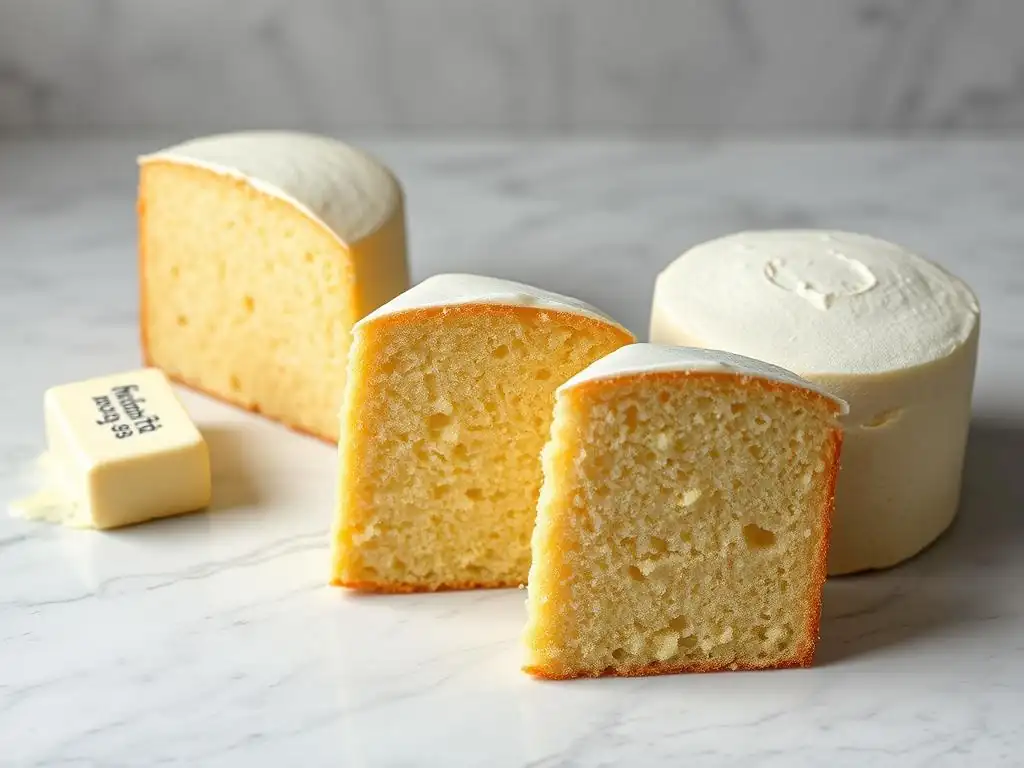
The temperature of your butter is arguably as important as the type of butter itself when it comes to many cake recipes, particularly those using the creaming method. The "perfect" temperature for creaming butter and sugar is typically around 65-68°F (18-20°C). At this temperature, butter is pliable and soft enough to be easily whipped, but still firm enough to hold the air pockets that are crucial for leavening.
Butter that is too cold won't cream properly; it will just break into chunks and won't incorporate sufficient air. Butter that is too soft or melted (above 70°F / 21°C) also won't hold air effectively, leading to a dense cake. To check if your butter is at the right temperature, you should be able to easily make an indentation with your finger without the butter melting or being rock hard. Planning ahead to let your butter come to temperature gradually is one of the simplest steps to improve your cake baking.
Cold Butter vs. Room Temperature Butter: When to Use Each for Optimal Results
Most standard butter cakes rely on the creaming method, which requires room temperature butter as discussed above. This method is ideal for producing cakes with a tender crumb and good volume, as it incorporates air early in the process.
However, some cake recipes, particularly those that use the reverse creaming method (mixing dry ingredients with butter first) or certain types of coffee cakes or streusels, may call for cold butter, often cut into cubes. Using cold butter prevents it from being fully incorporated into the batter right away.
As the cake bakes, these cold pockets of butter melt, creating steam and contributing to flakiness or a more delicate, almost crumbly texture. Understanding which temperature is required is vital for following a recipe correctly and achieving the intended outcome, regardless of whether you've chosen the best butter for baking cakes in terms of brand or fat content.
Butter Softening Techniques: Ensuring Even Incorporation in Cake Batter
Getting butter to the perfect room temperature can sometimes be a challenge, especially if you're short on time. While letting it sit on the counter for 30-60 minutes is ideal, there are a few techniques to gently speed up the process without melting it.
- Cutting into smaller pieces: Cut the butter into 1-inch cubes and spread them out on a plate. This increases the surface area, allowing it to soften faster, usually within 15-20 minutes.
- Gentle microwave method: Place the stick of butter in the microwave. Heat on the lowest power setting (like 10% power) for 10-15 second intervals, rotating the stick each time. Check the softness after each interval. The goal is for it to be soft but not melted anywhere. This requires careful attention.
- Warm water bath: Place the wrapped stick of butter in a sealed plastic bag and submerge it in a bowl of lukewarm (not hot) water for 5-10 minutes.
- Pounding/Rolling: Place the butter between two sheets of parchment paper and gently pound it with a rolling pin or meat mallet. This softens it physically.
Avoid microwaving butter on high power or melting it completely, as this changes its structure and it won't cream properly, impacting the texture of your cake. Patience or one of these gentle methods is key to achieving the ideal consistency for creaming.
BakeWithEase's Recipe Recommendations: Butter Pairings for Specific Cakes
Matching the right butter to the right cake recipe can elevate your baking significantly. While a good quality unsalted butter will work in most cases, considering the nuances of different butters allows you to fine-tune your results. Here are a few pairings we recommend based on our experience, helping you select the best butter for baking cakes tailored to the recipe.
These pairings aren't strict rules but suggestions based on how the butter's characteristics complement the cake's intended texture and flavor profile. Experimenting with different butters in your favorite recipes is part of the fun of baking!
The Perfect Butter for Baking a Classic Pound Cake: Kerrygold
For a classic pound cake, which traditionally relies heavily on the ratio of butter, sugar, eggs, and flour (often 1:1:1:1 by weight), butter flavor and texture contribution are paramount. Pound cakes are meant to be dense yet tender, rich, and moist.
Kerrygold, with its high butterfat content (around 82%) and rich, slightly tangy flavor, is an exceptional choice. The extra fat ensures a wonderfully tender crumb, preventing dryness. Its distinctive flavor adds depth and complexity that shines through in such a butter-forward cake. Creaming softened Kerrygold butter properly with sugar will create the perfect foundation for a moist, finely-textured pound cake that lives up to its name. It truly helps deliver the best butter for baking cakes of this classic style.
Achieving a Moist and Flavorful Carrot Cake: Vermont Creamery's Secret Ingredient
Carrot cake is known for its moistness, often derived from oil, but butter is still crucial for flavor and structure, especially in cream cheese frosting. However, using a high-quality butter in the cake batter itself can enhance the overall richness and complexity.
Vermont Creamery's cultured butter is a fantastic secret ingredient for carrot cake. The slight tang from the culturing process beautifully complements the sweetness, spices (like cinnamon, nutmeg, and ginger), and the earthiness of the carrots. Its high butterfat content contributes to an incredibly moist and tender crumb, even alongside the oil. The rich flavor adds another layer of deliciousness that makes the cake truly stand out. It's a premium choice that helps create the best butter for baking cakes with complex flavors like carrot cake.
Best Butter for Red Velvet Cake: Complementing the Tangy Flavor
Red velvet cake is characterized by its striking red color, a hint of cocoa, and a distinct tangy flavor, traditionally from buttermilk and often paired with a cream cheese frosting. The butter in the cake needs to contribute tenderness and moisture without overpowering the signature tang.
A high-quality unsalted American-style butter, like Land O'Lakes, or a clean-flavored European-style butter, like Plugrá, works very well. The key is a butter that provides richness and a tender crumb without adding a conflicting flavor. While a cultured butter could work, a neutral or clean-flavored butter often best allows the tangy notes of the buttermilk and the cream cheese frosting to shine. The best butter for baking cakes like red velvet is one that supports the existing flavor profile without dominating it.
Maximizing Your Baking Budget: Affordable Butter Options for Cake Making
Baking, especially frequently, can add up, and butter is often one of the more expensive ingredients. Fortunately, you don't always need the most premium butter to bake a delicious cake. Several widely available and affordable brands offer consistent quality that works perfectly well for everyday cake baking. Choosing the best butter for baking cakes doesn't always mean choosing the most expensive.
Focusing on unsalted butter is still important for recipe control. Look for sales at your local grocery store or consider buying in bulk if you bake often and can store it properly (butter freezes very well!). Price shouldn't be a barrier to enjoying homemade cakes.
Budget-Friendly Butter Brands That Still Deliver Great Results: Land O'Lakes, Great Value
As mentioned in our taste test, Land O'Lakes is a reliable, widely available American-style butter (80% butterfat) that offers consistent performance at a reasonable price point. It creams well, provides good structure, and has a neutral flavor that works in countless cake recipes. It's a go-to for many home bakers seeking a dependable option.
Another widely available and budget-friendly option is Great Value (Walmart brand) unsalted butter. While quality can sometimes vary slightly between store brands, Great Value butter is generally considered a decent option for everyday baking. It typically contains 80% butterfat and performs adequately in standard cake recipes, yielding acceptable texture and moisture for the price. It's a practical choice when budget is a primary concern in finding the best butter for baking cakes.
Tips for Saving Money on Butter Without Sacrificing Quality
- Buy on Sale: Butter frequently goes on sale, especially around holidays. Stock up when you find a good price.
- Freeze Butter: Butter freezes exceptionally well. Simply place the unopened boxes or sticks in a freezer bag or wrap them tightly in plastic wrap, then foil. Frozen butter will keep for several months (up to a year, though quality is best within 6 months). Thaw it in the refrigerator before using.
- Consider Store Brands: As noted above, many store brands offer acceptable quality for general baking purposes at a lower price than national brands.
- Use Oil in Some Recipes: Some cake recipes specifically call for oil (like many carrot cakes or chocolate cakes), which is often less expensive than butter and contributes incredible moisture. Follow these recipes as written!
- Measure Accurately: Don't waste butter by using too much. Accurate measuring ensures you use just what's needed.
- [x] Buy unsalted butter on sale.
- [x] Freeze extra butter for later use.
- [ ] Test a store brand butter in a simple recipe.
- [ ] Practice measuring butter accurately.
By being strategic about purchasing and storage, you can ensure you always have butter on hand for your baking projects without breaking the bank.
Conclusion: Choosing the Best Butter for Baking Cakes - A BakeWithEase Summary
Key Takeaways: Selecting the Right Butter for Your Baking Goals
Finding the best butter for baking cakes isn't about finding one single "perfect" butter for all cakes, but rather understanding how different types of butter behave and choosing the one that best fits your specific recipe and desired outcome. We've explored the impact of butterfat content, the difference between salted and unsalted, the benefits of European-style butter, and even the unique contributions of clarified and brown butter.
Remember these key takeaways:
- Always opt for unsalted butter unless a recipe specifically calls for salted, allowing precise control over salt levels.
- Higher butterfat European-style butters (82%+) generally contribute more richness and tenderness than standard American butters (80%).
- Butter temperature is critical for successful creaming and emulsification in most cake recipes. Use softened, room-temperature butter unless the recipe specifies cold butter.
- Consider the flavor profile of your cake – a neutral butter works everywhere, while a rich or cultured butter can enhance certain flavors like chocolate or spice.
- Don't be afraid to use reliable, budget-friendly options for everyday baking; consistent quality is key.
Ultimately, the best butter for baking cakes is the one that helps you achieve the texture and flavor you desire for that particular recipe. By understanding the properties of different butters and practicing proper technique, you're well on your way to baking consistently delicious cakes every time. Happy baking from BakeWithEase!
Frequently Asked Questions
What qualities make butter "best" for baking cakes according to BakeWithEase?
BakeWithEase focuses on qualities like fat content, flavor, and melting point. These factors significantly impact the cake's texture, taste, and overall structure.
Does BakeWithEase recommend salted or unsalted butter for baking cakes?
BakeWithEase generally prefers unsalted butter for baking cakes. This allows for greater control over the salt content in the recipe, leading to more consistent results.
Are there specific brands of butter that BakeWithEase recommends in "The BakeWithEase Butter Showdown"?
The article likely highlights different brands based on their performance in specific cake recipes. Look for recommendations based on taste tests and performance evaluations during baking.
Does BakeWithEase consider price when determining the "best butter" for baking cakes?
While quality is paramount, BakeWithEase acknowledges that price is a factor. They may suggest more affordable alternatives that still deliver satisfactory results.
What kind of butter should I use if I'm looking for the most flavorful cake, according to BakeWithEase?
Generally, European-style butters with a higher butterfat content tend to impart a richer and more pronounced flavor to cakes, according to BakeWithEase.
Final Reflection: The Sweet Science of Butter Selection
The quest for the perfect cake begins, surprisingly, not in the oven, but in the butter selection. Choosing the right butter isn't merely a matter of preference; it's a crucial step in achieving that flawlessly moist, tender crumb we all crave. This exploration into the world of baking butters reveals a surprising depth of flavor and texture variations that directly impact the final product.
This journey through different butter types has underscored the profound impact seemingly small ingredients can have on the overall baking experience. The subtle nuances in flavor profiles, from the rich tang of cultured butter to the clean, neutral taste of unsalted, significantly alter the final cake. As Julia Child wisely said, Find something you're passionate about and keep tremendously interested in it.
My passion for baking has led me down this path of butter exploration, and I hope it's inspired you to approach your own baking with a similar level of curiosity and attention to detail.
Now, armed with this newfound knowledge, I invite you to embark on your own butter adventures. Don't be afraid to experiment! Try substituting different butters in your favorite cake recipes, noting the subtle shifts in taste and texture. The next time you reach for the butter, remember the power it holds to transform a simple cake into a truly exceptional culinary experience. The perfect cake awaits – the only limit is your imagination (and perhaps your butter supply! ).
Unlock Your Baking Potential: Find Your Perfect Butter!
Thanks for joining us on this buttery adventure! We hope you now feel confident in choosing the right butter for any baking challenge. Ready to elevate your baking game?
- Master the Butter Basics: Download our free Butter Selection Guide (available on bakewithease.com – not shown here due to instructions) for a quick reference chart and pro-tips tailored to your favorite recipes. This is your key to baking success!
- Share your Butter Journey: Tell us about your favorite butter discovery in the comments below! What recipe did you use it for, and how did it turn out? We love hearing your baking stories.
- Challenge Your Baking Skills: Try a new recipe this week using your newfound butter expertise. Let’s see what delicious creations you whip up!
What kind of butter will you explore for your next baking masterpiece?