
Preventing OverCarbonation: Timing Your Baking Powder Activation

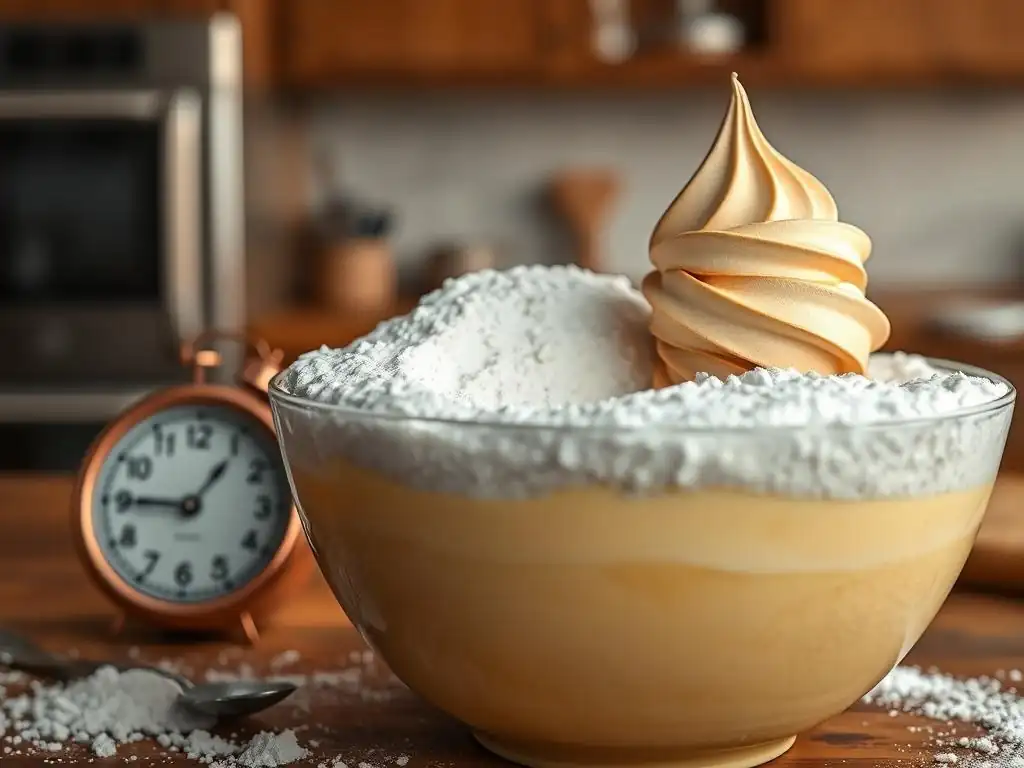
Welcome to BakeWithEase, your trusted guide to effortless baking! Ever wondered if you're getting the most out of your baking powder? This time, we dive into the crucial science of baking powder timing activation. Discover the secrets to preventing over-carbonation and achieving perfect rise every time. What if the key to bakery-worthy results lies in a simple timing tweak? Let's unlock the potential of your favorite recipes together!
- Preventing OverCarbonation: Timing Your Baking Powder Activation for Baking Success
- Introduction to Baking Powder and OverCarbonation
- Mastering Baking Powder Activation Timing
- Factors Affecting Baking Powder Activation and Carbon Dioxide Release
- Practical Tips for Precise Baking Powder Timing
- Troubleshooting Baking Powder Issues: Common Problems and Solutions
- Advanced Techniques for Baking Powder Control
- Achieving Perfect Leavening: Summary and Best Practices for BakeWithEase Bakers
-
Frequently Asked Questions
- What is baking powder and why is timing important in its activation?
- How does single-acting baking powder differ from double-acting baking powder in terms of activation?
- What factors can affect the activation rate of baking powder?
- What happens if baking powder activates too early in a recipe?
- What are some practical tips for ensuring proper baking powder activation timing?
- Final Reflection: The Subtle Art of Baking Powder Timing
- Unlock Perfectly Fluffy Cakes: Master Your Baking Powder Timing!
Preventing OverCarbonation: Timing Your Baking Powder Activation for Baking Success
Introduction to Baking Powder and OverCarbonation
Understanding Baking Powder: A Key Leavening Agent
Baking powder is a crucial ingredient in countless baking recipes, acting as a chemical leavener. Its primary function is to produce carbon dioxide gas when combined with moisture and/or heat. This gas gets trapped within the dough or batter, causing it to expand and rise, resulting in a light and airy texture. Essentially, baking powder provides the lift that transforms dense mixtures into fluffy cakes, tender biscuits, and light muffins. Understanding how this process works is the first step towards mastering Baking powder timing activation.
Unlike yeast, which relies on biological fermentation over time, baking powder offers a much faster leavening solution. This speed is particularly useful in recipes where a quick rise is needed, or when the dough or batter cannot withstand a long fermentation period.
The effectiveness of baking powder hinges on its chemical composition, typically a mixture of an acid (or acids), a base (usually sodium bicarbonate, which is baking soda), and a starch filler (like cornstarch) to absorb moisture and prevent premature reaction. The interaction between the acid and base in the presence of liquid is what initiates the gas production.
The Problem of OverCarbonation in Baking: What Causes It?
Overcarbonation occurs when excessive carbon dioxide gas is produced and trapped within your baked goods, or when the gas is released too quickly or at the wrong stage. This can lead to several undesirable outcomes, such as a coarse, open crumb structure, a bitter or soapy taste (especially from residual alkaline compounds), or even collapsed baked goods if the structure can't support the rapid expansion. The primary culprit is often related to the timing of the baking powder's activation and the subsequent release of gas.
Several factors contribute to overcarbonation. Using too much baking powder is a common cause, leading to an excessive amount of gas being generated. However, improper handling after the baking powder is mixed in is equally significant. If the batter or dough sits for too long before baking, or if it is over-mixed, the leavening reaction can occur prematurely or too aggressively, leading to a loss of gas before baking or an uncontrolled burst during baking. Understanding the delicate balance of Baking powder timing activation is key to avoiding this issue and ensuring a perfect rise.
BakeWithEase Tips: Recognizing the Signs of OverCarbonation
Identifying overcarbonation before or after baking can save you from a disappointing outcome. One early sign in the batter or dough might be excessive bubbling or a rapid, uncontrolled rise before it even goes into the oven, especially if it sits for more than 10-15 minutes after mixing. This indicates the leavening reaction is happening too quickly outside the controlled environment of the oven.
After baking, the signs are often more obvious. A cake or muffin might have a very coarse, porous texture with large, irregular holes instead of a fine, even crumb. You might also notice a slight chemical or metallic aftertaste, a direct result of residual unreacted baking powder. Sometimes, the baked item might rise dramatically in the oven but then sink in the center as it cools, unable to maintain its structure due to the overzealous gas production and subsequent collapse. These are clear indicators that the Baking powder timing activation wasn't managed correctly.
Mastering Baking Powder Activation Timing

The Science Behind Baking Powder Reactions: Single vs. Double Acting
Baking powder's magic lies in the chemical reaction between an acid and a base in the presence of moisture, producing carbon dioxide (CO₂). The type of acidulant used determines whether the baking powder is single-acting or double-acting. Single-acting baking powders contain only one acidulant, typically tartaric acid or cream of tartar. These react immediately and completely with the sodium bicarbonate as soon as they come into contact with liquid. This means the majority of the leavening power is generated right away, requiring the dough or batter to be baked promptly after mixing.
Double-acting baking powders, which are the most common type available today, utilize two different acidulants. One acidulant is fast-acting (like calcium acid phosphate or cream of tartar), reacting with liquid at room temperature. The second acidulant is slow-acting (such as sodium aluminum sulfate or sodium acid pyrophosphate), requiring heat to react.
This two-stage reaction provides a more sustained leavening effect: an initial lift when the liquid is added during mixing, and a second, powerful lift when the mixture is heated in the oven. This dual action offers a little more flexibility in Baking powder timing activation compared to single-acting types.
Single-Acting Baking Powder: Immediate Activation and Timing Considerations
Single-acting baking powder provides its leavening power almost entirely upon contact with liquid. The chemical reaction is quick and vigorous, releasing the majority of the carbon dioxide gas within minutes of being mixed into the wet ingredients. For instance, if you mix 1 teaspoon of single-acting baking powder with liquid, it could produce approximately 100-150 cubic centimeters of CO₂ gas within the first 5-10 minutes.
Because the reaction is so rapid and short-lived, recipes using single-acting baking powder demand immediate action. The batter or dough must be mixed quickly and efficiently, and then transferred to the oven as soon as possible. Delays of even 10-15 minutes can result in a significant loss of leavening gas before baking begins, leading to flat or dense results. This type of baking powder requires precise Baking powder timing activation – mix and bake without delay.
Double-Acting Baking Powder: A Two-Stage Release for Baking Ease
Double-acting baking powder offers a more forgiving window for Baking powder timing activation due to its two-stage reaction process. The first reaction occurs when the dry baking powder is moistened, producing an initial burst of CO₂. This initial reaction might release roughly 20-40% of the total potential gas volume within the first few minutes of mixing.
The second, more substantial reaction is triggered by heat. As the batter or dough bakes and its internal temperature rises, the slow-acting acidulant reacts with the remaining sodium bicarbonate, generating the bulk of the leavening gas. This heat-activated release can account for the remaining 60-80% of the CO₂ production. This delayed reaction provides a safety net, ensuring significant lift even if there's a slight delay between mixing and baking (say, up to 20-30 minutes in some recipes), making it ideal for home bakers.
The Importance of Proper Mixing Techniques for Baking Powder
Mixing isn't just about combining ingredients; it's crucial for evenly distributing the baking powder throughout the batter or dough and controlling its activation. When baking powder is added to dry ingredients, it should be whisked or sifted thoroughly to ensure it's evenly dispersed. If pockets of unmixed baking powder exist, they will react inconsistently, leading to uneven leavening and potentially dense or cratered areas in the final product.
Once wet ingredients are added, mixing should be done quickly and gently, just until the ingredients are combined. Over-mixing develops gluten in flour (leading to toughness) and can prematurely activate the baking powder's first stage, causing a loss of gas before baking. For example, a muffin batter mixed for 30 seconds will have a better texture than one mixed for 2 minutes. Proper mixing ensures uniform Baking powder timing activation and distribution of the generated gas.
Factors Affecting Baking Powder Activation and Carbon Dioxide Release
Temperature's Role in Baking Powder Activation
Temperature plays a significant role in how baking powder performs, particularly for double-acting types. The first stage of a double-acting baking powder's reaction occurs at room temperature upon contact with liquid. However, this initial reaction is faster at warmer temperatures. If your ingredients are warm (e.g., using warm milk or eggs), the first reaction will be more vigorous.
The second stage, the heat-activated reaction, is directly dependent on the oven temperature. This reaction typically begins as the batter or dough reaches temperatures above 120-140°F (around 50-60°C). A properly preheated oven ensures that this second, crucial leavening stage kicks in effectively and uniformly throughout the product, providing the final push for rise. If the oven is too cool, the product might set before the full leavening potential is reached, resulting in a denser texture.
The Impact of Liquid Ingredients on Baking Powder Reaction
Liquid is the catalyst that initiates the first stage of baking powder activation. The amount and type of liquid used in a recipe directly influence the speed and extent of this initial reaction. Water, milk, buttermilk, yogurt, and even wet ingredients like applesauce provide the necessary moisture. The acidity of liquids like buttermilk or yogurt can also contribute to the reaction, sometimes enhancing the leavening effect, especially if the baking powder formula includes alkaline components that react with acid.
Using the correct amount of liquid specified in a recipe is vital. Too little liquid might prevent full activation of the baking powder, leading to insufficient rise. Too much liquid can dilute the ingredients, affect the batter consistency, and potentially lead to a weaker structure that struggles to hold the generated gas. The temperature of the liquid, as mentioned, also impacts the speed of the initial Baking powder timing activation.
Recipe Adjustments: Compensating for Environmental Factors
Environmental factors like altitude and humidity can subtly affect baking powder performance and may require recipe adjustments. At higher altitudes (e.g., above 3,000 feet or 900 meters), atmospheric pressure is lower. This lower pressure causes gases to expand more readily, meaning your baked goods will rise higher and faster. However, the structure might not set quickly enough to support this rapid rise, leading to collapse or a coarse texture.
To compensate for high altitude, bakers often slightly reduce the amount of baking powder (perhaps by 10-15%), slightly increase the liquid, and sometimes increase the flour or egg to strengthen the structure. Humidity can also play a role; in very humid conditions, dry ingredients like flour and baking powder can absorb moisture from the air, potentially causing premature, albeit slow, activation of the baking powder before mixing even begins. Storing baking powder in an airtight container is crucial regardless of humidity.
Practical Tips for Precise Baking Powder Timing

Preheating Your Oven: Setting the Stage for Optimal Leavening
A properly preheated oven is non-negotiable for achieving optimal leavening with baking powder. The second, heat-activated stage of double-acting baking powder relies on reaching a specific temperature quickly and consistently. Placing a batter or dough into a cold or inadequately heated oven means the product will sit at a lower temperature for longer before the heat-activated reaction kicks in.
This delay can cause the product to spread too much before rising or result in a less vigorous final lift. Most recipes specify an oven temperature (e.g., 350°F or 175°C, 400°F or 200°C), and it's best to allow the oven to preheat for at least 15-20 minutes after it indicates it has reached temperature, especially if using a standard home oven. This ensures the internal temperature is stable and the oven walls are hot, radiating heat uniformly for the ideal Baking powder timing activation.
Measuring Ingredients Accurately: Ensuring Consistent Results
Accurate measurement of all ingredients, especially baking powder, is fundamental to controlling leavening and preventing overcarbonation. Using too much baking powder is a direct path to excessive gas production and potential issues like bitter taste or coarse texture. A recipe calling for 2 teaspoons of baking powder per cup of flour, for instance, is typically a standard ratio, but variations exist depending on the recipe's fat, sugar, and liquid content.
Use standard measuring spoons and level off the baking powder with a straight edge (like the back of a knife) rather than scooping directly from the can, which can compact the powder and lead to over-measurement. Even a slight over-measurement of 1/4 teaspoon in a small batch of muffins can significantly impact the final texture. Consistent measurement ensures predictable Baking powder timing activation and leavening results every time.
Mixing Speed and Duration: Avoiding Over-Mixing
The way you mix your batter or dough significantly impacts Baking powder timing activation and the final outcome. Once the wet and dry ingredients (including baking powder) are combined, mixing should be minimal – just enough to incorporate everything. For quick breads, muffins, or cakes, this often means mixing until just combined, with a few lumps of flour still visible. This usually takes no more than 30-60 seconds depending on the batch size and method.
Over-mixing develops gluten, which can result in a tough texture. More importantly for leavening, vigorous or prolonged mixing after the liquid is added can cause excessive initial activation of the baking powder's first stage. This leads to a loss of valuable CO₂ gas before the product even reaches the oven, reducing the potential for rise during baking. A gentle hand and short mixing time preserve the leavening power for when it's needed most.
BakeWithEase Recommended Tools for Precise Baking
Achieving precise Baking powder timing activation and consistent results is easier with the right tools. An accurate set of measuring spoons is essential; investing in good quality, level-measuring spoons ensures you're using the correct amount of leavener every time. Sifting or whisking dry ingredients together in a medium bowl using a balloon whisk ensures the baking powder is uniformly distributed before liquids are added.
For mixing batters, a rubber spatula or wooden spoon allows for gentle incorporation, minimizing the risk of over-mixing. For larger batches or some cake recipes, a stand mixer or hand mixer can be used, but it's crucial to mix on a low speed and only for the specified duration (often just until combined). An oven thermometer is also invaluable to verify your oven's actual temperature matches the setting, ensuring the heat-activated leavening stage occurs as expected.
Troubleshooting Baking Powder Issues: Common Problems and Solutions
Flat Baked Goods: Insufficient Baking Powder Activation
Flat, dense baked goods are a common and frustrating problem, often pointing to insufficient leavening. This can happen if the baking powder is old or expired – it loses its potency over time, especially if not stored correctly in an airtight container away from moisture. An easy test for double-acting baking powder freshness is to put a teaspoon in hot water; it should bubble vigorously. In cool water, it should bubble slightly, then bubble more when heated.
Another cause is delaying baking after mixing, especially with single-acting or even double-acting baking powder. If the batter sits for too long (say, 30 minutes or more for a standard muffin recipe), a significant amount of the generated gas can escape before baking. Incorrect measurement (too little baking powder) or using a recipe designed for yeast or chemical leaveners other than baking powder will also lead to insufficient rise. Checking the expiration date and minimizing the time between mixing and baking are key steps.
Overly Dense Textures: Too Much Baking Powder or Delayed Baking
While insufficient leavening leads to flat results, an overly dense or heavy texture might seem counterintuitive but can also be linked to baking powder issues, specifically over-activation or structural collapse. Using too much baking powder can cause the batter to rise too quickly and dramatically in the oven, creating large, unstable air pockets. If the structure (gluten and egg proteins) isn't strong enough to support this rapid expansion, the baked good can collapse as it cools, resulting in a dense layer or a heavy, gummy texture at the bottom.
Similarly, if the batter or dough sits for a prolonged period before baking, the initial leavening reaction might exhaust itself, or the structure might start to set prematurely. When finally baked, there isn't enough residual leavening power for a good rise, leading to a dense product. This highlights the importance of precise Baking powder timing activation – the gas needs to be generated during the crucial phase of baking when the structure is setting.
Uneven Rising: Inconsistent Mixing or Temperature Fluctuations
Uneven rising, where one part of a cake or muffin rises more than another, or where there are large tunnels or uneven holes, is frequently a symptom of inconsistent Baking powder timing activation or distribution. The most common culprit is inadequate mixing of the dry ingredients. If the baking powder is not evenly dispersed throughout the flour, pockets will exist where there is either too much or too little leavener, leading to localized variations in gas production.
Temperature fluctuations within the oven can also cause uneven rising. If one side of the oven is significantly hotter than the other, the heat-activated leavening will occur faster on that side, causing uneven expansion. Ensuring dry ingredients are thoroughly whisked together, mixing the batter just until combined, and using an oven thermometer to check for hot spots can help prevent this issue. Rotating your pan halfway through baking can also promote more even heat distribution and rising.
Advanced Techniques for Baking Powder Control
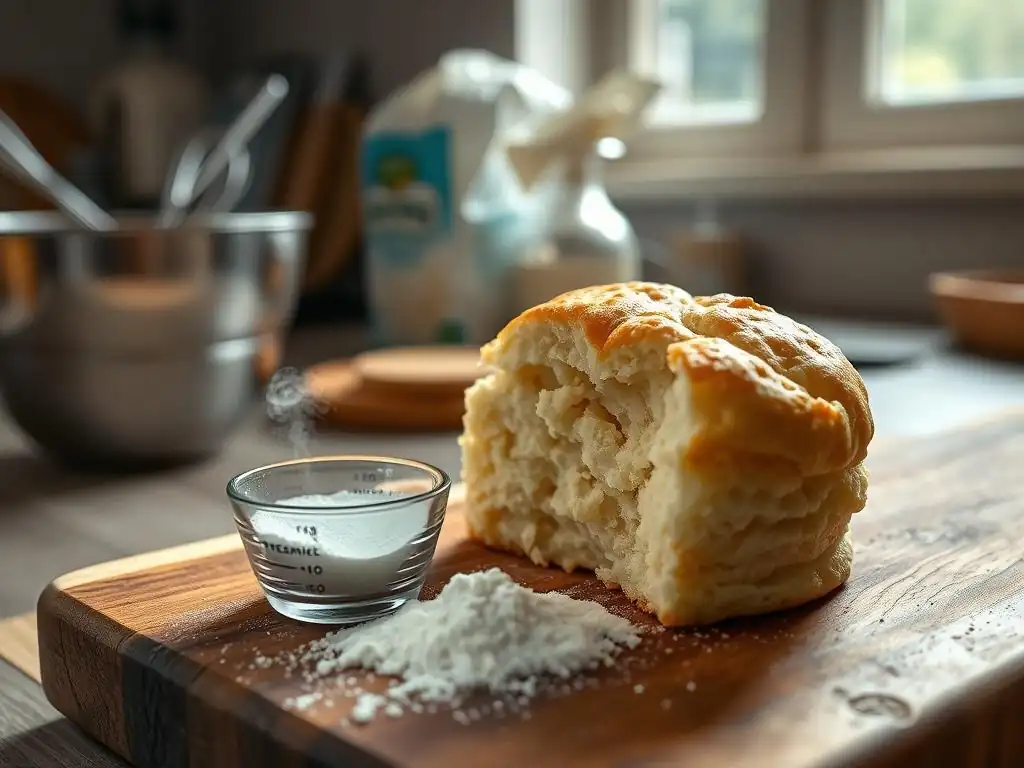
Baking powder's role varies subtly depending on the type of baked good. In light, tender cakes, baking powder is often used alongside baking soda (which reacts with acidic ingredients like buttermilk or yogurt) to provide significant lift and a fine crumb. The double-acting nature ensures sustained rise as the cake bakes. For example, a standard vanilla cake might use 1-1.5 teaspoons of baking powder per cup of flour.
In cookies, baking powder contributes to spread and chewiness as well as lift. Recipes seeking a thicker, puffier cookie might rely more heavily on baking powder, while those aiming for a flatter, crispier cookie might use less or combine it with baking soda. Quick breads like muffins and scones use baking powder as the primary leavener; the goal is a rapid rise to create a light texture without extensive mixing. Understanding these nuances helps tailor your Baking powder timing activation strategy to the specific recipe type.
Adjusting Baking Powder Amounts for Specific Recipes
While most recipes provide a reliable amount of baking powder, understanding how to adjust it can optimize results, especially when modifying recipes or baking in different conditions (like high altitude). The standard ratio for double-acting baking powder is roughly 1 to 1.5 teaspoons per cup of all-purpose flour, assuming a balanced recipe with sufficient liquid and oven temperature around 350-375°F (175-190°C).
However, recipes with a high proportion of heavy ingredients (like fruit, nuts, or chocolate chips) might benefit from a slight increase in baking powder (perhaps an extra 1/4 to 1/2 teaspoon per batch) to help lift the heavier load. Conversely, recipes with acidic ingredients like citrus juice or vinegar might use less baking powder if baking soda is also present, as the acid reacts with the soda. Experimenting with small adjustments, starting with the standard ratios and noting the results, is the best way to perfect Baking powder timing activation for your specific needs.
Experimenting with Different Brands of Baking Powder
Not all baking powders are created equal. While double-acting baking powder is the norm, the specific acidulants used can vary between brands, subtly affecting the speed and vigor of both the initial and heat-activated reactions. Some brands might have a slightly stronger initial reaction, while others might be formulated for a more powerful heat-activated lift.
If you consistently encounter issues like overcarbonation or insufficient rise despite following a recipe precisely, trying a different brand of fresh baking powder might yield better results. Keep in mind that single-acting baking powder is still available, though less common; ensure you are using the type specified by the recipe or understand the timing implications if substituting. Familiarizing yourself with how your preferred brand performs is part of mastering Baking powder timing activation.
Achieving Perfect Leavening: Summary and Best Practices for BakeWithEase Bakers
Key Takeaways: Timing is Everything for Baking Powder
Mastering baking powder is largely about mastering its timing. Remember that baking powder is a chemical leavener that produces gas upon contact with liquid and/or heat. Single-acting powders react immediately, demanding quick mixing and baking. Double-acting powders offer a two-stage reaction, providing more flexibility but still benefiting from prompt handling. Overcarbonation stems from excessive gas or uncontrolled release, often due to too much baking powder, over-mixing, or delays before baking.
Successful leavening relies on accurate measurement, even distribution of the baking powder in dry ingredients, gentle mixing once liquids are added, and ensuring the batter or dough goes into a properly preheated oven quickly. Understanding the science behind single vs. double-acting baking powder empowers you to anticipate its behavior and manage the Baking powder timing activation effectively for different recipes.
Checklist for Preventing OverCarbonation
Here is a quick checklist to help prevent overcarbonation and ensure optimal Baking powder timing activation:
- [ ] Check the expiration date of your baking powder.
- [ ] Store baking powder in an airtight container away from moisture.
- [ ] Measure baking powder accurately, leveling off excess.
- [ ] Whisk or sift baking powder evenly with dry ingredients.
- [ ] Mix wet and dry ingredients just until combined; avoid over-mixing.
- [ ] Transfer batter or dough to the baking pan immediately after mixing (especially with single-acting or sensitive batters).
- [ ] Preheat your oven fully before placing the baked goods inside.
- [ ] Use an oven thermometer to verify the temperature.
- [ ] Avoid letting batter/dough sit at room temperature for extended periods before baking.
- [ ] Consider slight adjustments for high altitude if applicable.
Further Resources for Mastering Leavening Agents
To deepen your understanding of Baking powder timing activation and other leavening agents, explore resources that detail the specific chemical reactions involved in different types of baking powder. Look for guides on troubleshooting common baking problems related to leavening. Many baking science books and reputable culinary websites offer detailed explanations of how ingredients interact.
Practicing various recipes that use baking powder, paying close attention to mixing and timing, is perhaps the most effective way to gain intuitive control over this essential leavener. Experimentation, combined with knowledge of the underlying principles, will elevate your baking skills and help you achieve consistent, perfectly leavened results.
Frequently Asked Questions
What is baking powder and why is timing important in its activation?
Baking powder is a chemical leavening agent that produces gas, causing baked goods to rise. The timing of its activation is crucial because if it activates too early, the gas escapes before the batter is set, resulting in a flat bake.
How does single-acting baking powder differ from double-acting baking powder in terms of activation?
Single-acting baking powder releases all its gas upon mixing with liquid. Double-acting baking powder releases some gas upon mixing and more when exposed to heat in the oven, providing a more reliable rise.
What factors can affect the activation rate of baking powder?
The activation rate can be influenced by factors like temperature, the presence of liquid, and the acidity of the batter. Warmer temperatures and acidic ingredients tend to accelerate the reaction.
What happens if baking powder activates too early in a recipe?
If baking powder activates too early, the batter might lose its leavening power before baking, leading to a dense, flat, or otherwise poorly risen end product.
What are some practical tips for ensuring proper baking powder activation timing?
To ensure proper timing, mix dry ingredients, including baking powder, thoroughly. Add wet ingredients just before baking and avoid overmixing the batter. Getting the batter into the oven as quickly as possible is also key.
Final Reflection: The Subtle Art of Baking Powder Timing
Mastering the timing of baking powder activation is not merely a technical detail; it's the key to unlocking consistently light and airy baked goods. A seemingly small adjustment in your baking process can dramatically impact the final product, transforming a dense, disappointing result into a fluffy masterpiece. This understanding elevates baking from a simple recipe-following exercise to a precise and rewarding craft.
The impact of proper baking powder activation extends far beyond the individual kitchen. It speaks to a broader appreciation for the science behind culinary arts, reminding us that even the most familiar processes hold hidden depths. Understanding the chemical reactions at play allows us to troubleshoot effectively and achieve consistently superior results. As the renowned chef Julia Child once said, Always remember that you're not just cooking for yourself, you're cooking for your family, your friends, and your community.
This extends to the joy of sharing perfectly baked goods, a joy enhanced by understanding the process that makes them possible.
Now, consider your own baking journey. Have you ever experienced the frustration of a flat cake or a dense muffin? Perhaps it was due to improperly activated baking powder. Take this knowledge and apply it to your next baking adventure. Experiment with different techniques, observe the results, and refine your approach. Embrace the subtle art of timing, and unlock the potential for consistently perfect baked goods. The journey of culinary mastery is a continuous process of learning and refinement, and mastering baking powder activation is a significant step along the way.
Unlock Perfectly Fluffy Cakes: Master Your Baking Powder Timing!
Thanks for diving into the world of perfectly light and fluffy baked goods! You now understand the crucial role of baking powder activation timing in preventing overcarbonation. Ready to put your newfound knowledge into practice?
- Bake a test batch: Try out your new baking powder timing techniques with a simple recipe – a classic cupcake or biscuit would be ideal! Note the differences in texture and rise.
- Share your results: Let us know how your baking experiment went! Share your photos and feedback on our BakeWithEase community forum. It's a great way to connect with other baking enthusiasts and learn from one another.
- Experiment with different recipes: Take on a challenging recipe, like a delicate angel food cake, and put your newfound precision to the test.
Ready to create the fluffiest, most delicious baked goods yet? What's your next baking challenge – and how will you master your baking powder timing to conquer it?