
Can You Make a DairyFree Cream Pie? Tips and Tricks

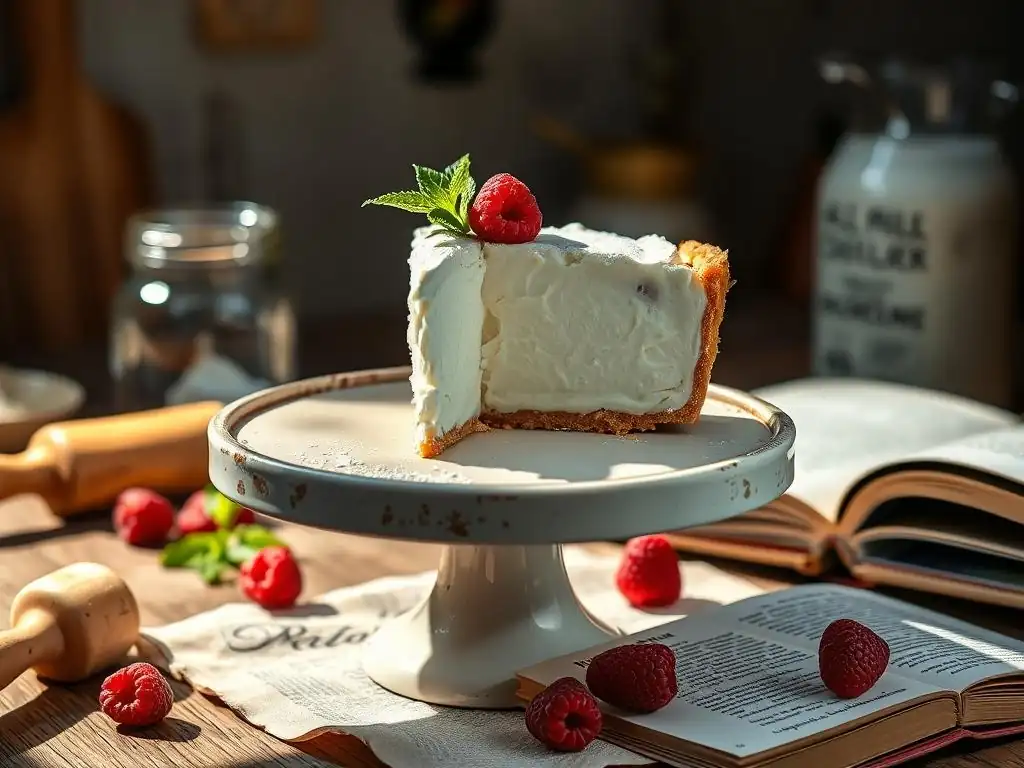
Welcome to BakeWithEase, your haven for all things baking! Ever dreamed of creating the perfect, melt-in-your-mouth cream pie, but thought dairy was a must? Think again! This week, we're diving into the delicious world of dairy-free cream pie recipes. Intrigued? Discover our tips and tricks to crafting a luscious, plant-based pie that will have everyone asking for seconds. Get ready to unlock the secrets to this creamy, dreamy dessert – let’s get baking!
- Making Delicious Dairy-Free Cream Pies: A Guide for Home Bakers
- Introduction: Enjoying Creamy Desserts Without Dairy
- Understanding Dairy-Free Baking for Cream Pies
- Dairy-Free Cream Pie Recipe Essentials
- Step-by-Step: Baking a Perfect Dairy-Free Cream Pie
- Tips for Dairy-Free Cream Pie Success
- Dairy-Free Cream Pie Flavor Variations
- Serving and Storing Your Dairy-Free Cream Pie
- Conclusion: Indulge in Dairy-Free Cream Pie
-
Frequently Asked Questions
- Can you really make a delicious cream pie without using any dairy products?
- What are some common dairy substitutes used in dairy-free cream pies?
- Are dairy-free cream pie recipes more difficult to make than traditional recipes?
- Where can I find reliable dairy-free cream pie recipes?
- Will a dairy-free cream pie taste significantly different from a traditional cream pie?
- Final Reflection: The Sweetness of Inclusion: Dairy-Free Delight
- Unlock Your Dairy-Free Baking Potential!
Making Delicious Dairy-Free Cream Pies: A Guide for Home Bakers
Introduction: Enjoying Creamy Desserts Without Dairy
Who doesn't love a classic cream pie? That smooth, rich filling nestled in a flaky crust, often topped with a cloud of whipped cream – it's pure comfort. But for those avoiding dairy, this beloved dessert can seem off-limits. The good news is, with the right ingredients and techniques, you absolutely can create a decadent dairy-free cream pie that rivals its traditional counterpart. Whether you have an allergy, intolerance, or simply prefer to bake without dairy, mastering a dairy-free cream pie recipe opens up a world of delicious possibilities.
Baking without dairy doesn't mean sacrificing flavor or texture. Modern plant-based ingredients have come a long way, offering excellent substitutes that perform beautifully in pies. From rich coconut milk to creamy cashew blends and specialized vegan butters, the options are plentiful. This guide will walk you through the essentials, providing tips and tricks to ensure your next dairy-free cream pie is a showstopper, proving that everyone can enjoy this classic treat.
Understanding Dairy-Free Baking for Cream Pies
The Role of Dairy in Traditional Cream Pie Recipes
Dairy plays several crucial roles in traditional cream pies, contributing to their signature characteristics. Milk and cream are the foundation of the custard filling, providing richness, body, and a smooth texture. The proteins and fats in dairy help the filling set properly when cooked and chilled. A typical custard filling might use whole milk or heavy cream, often thickened with eggs and starch like cornstarch or flour. The fat content, particularly in heavy cream (often 30-36% fat), is key to achieving that luxurious mouthfeel and stability.
Furthermore, butter, a dairy product, is commonly used in the pie crust. Butter is valued for its high fat content (around 80-82%), which creates flakiness when cold butter pieces melt during baking, separating layers of dough. It also adds flavor and richness to the crust. Replacing these dairy components effectively requires understanding their function and choosing non-dairy alternatives that can mimic these properties, ensuring your dairy-free cream pie recipe delivers on texture and taste.
Key Dairy-Free Ingredient Substitutions
Successfully creating a dairy-free cream pie hinges on smart ingredient swaps. For the liquid base of the filling, plant-based milks like full-fat coconut milk, cashew milk, soy milk, or oat milk are excellent choices. Full-fat coconut milk (from a can, not a carton) is often preferred for its high fat content (around 18-22%), which closely mimics heavy cream and helps create a rich, thick custard. Other plant milks can be used, but may result in a slightly less rich or thinner filling unless adjusted.
For the crust, vegan butter sticks are the go-to substitute for dairy butter. These products are specifically formulated to perform like dairy butter in baking, typically containing oils like palm, soy, or shea, emulsifiers, and flavorings. They usually have a fat content comparable to dairy butter, around 75-80%. Shortening or refined coconut oil (which is solid at room temperature) can also be used, sometimes in combination with vegan butter, to achieve a flaky texture in a dairy-free crust.
Dairy-Free Cream Pie Recipe Essentials
Choosing the Right Plant-Based Milk for Filling
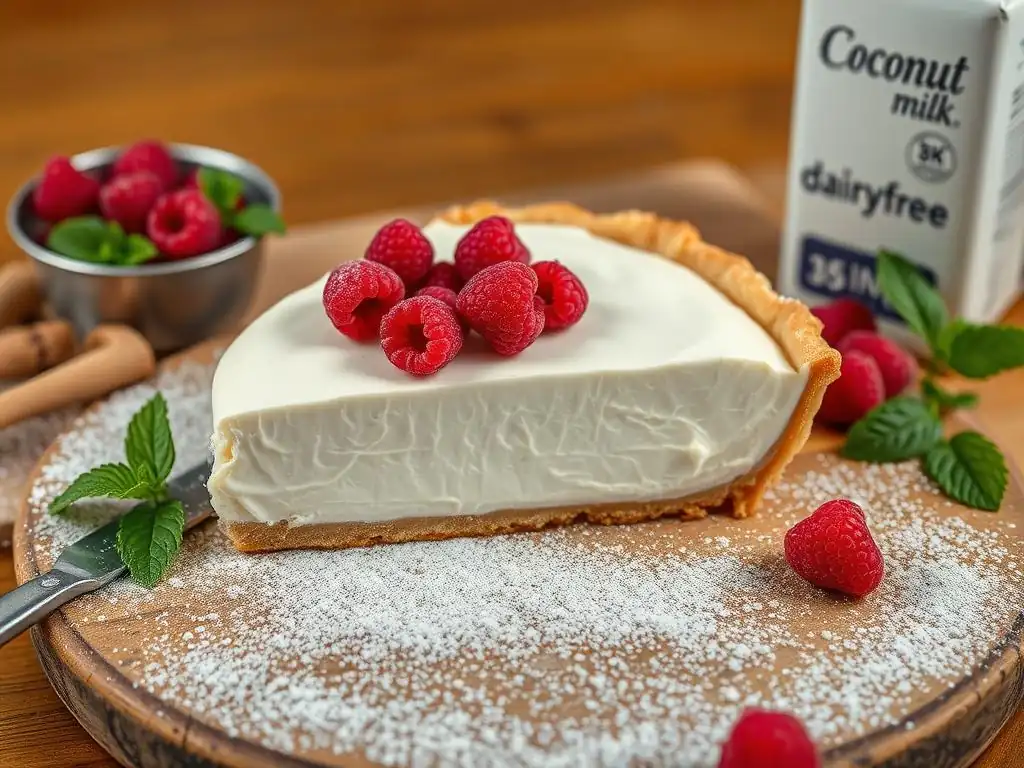
Selecting the appropriate plant-based milk is perhaps the most critical decision for a dairy-free cream pie recipe filling. For the richest, most decadent result, full-fat canned coconut milk is often the top recommendation. Look for brands that contain guar gum or other stabilizers, as this indicates a creamier product less likely to separate. When using canned coconut milk, ensure you use the thick cream from the top of the can, sometimes incorporating some of the liquid underneath depending on the desired consistency. A standard 13.5-ounce can typically yields about 1 cup of thick cream and 1/2 cup of liquid.
Other plant milks can work, but often require adjustments. Soy milk and oat milk (especially "barista blend" varieties) have a good amount of protein and fat compared to almond milk, making them better candidates for thickening. Using a thinner milk like almond milk (which is typically only about 1.5-2% fat) will likely require increasing the amount of starch (like cornstarch) used to thicken the filling, and the final texture may be less luxurious. Experimentation is key, but starting with full-fat coconut milk provides the most reliable base for a rich, set filling.
Selecting Dairy-Free Butter Alternatives for the Crust
Creating a flaky dairy-free pie crust requires a solid fat that can be cut into the flour, just like traditional butter. Vegan butter sticks are designed specifically for this purpose and are widely available. Brands like Miyoko's Kitchen, Earth Balance, or Melt Organic often have good performance in pie crusts, mimicking the flakiness and flavor of dairy butter. Look for sticks labeled "for baking" or those with a higher fat content, similar to dairy butter's 80%.
Alternatively, refined coconut oil (which has a neutral flavor) or vegetable shortening can be used. Refined coconut oil is solid at room temperature and can be cut into flour just like butter. Shortening is 100% fat and creates a very tender, flaky crust, though it lacks the rich flavor butter provides. Many bakers use a combination, such as half vegan butter and half shortening, to balance flakiness, flavor, and ease of handling for their dairy-free cream pie recipe crust. The key is to keep the fat and water components very cold before combining them with the flour.
Natural Sweeteners for Dairy-Free Pies
While granulated sugar is common, incorporating natural sweeteners can add depth of flavor and align with preferences for a dairy-free cream pie recipe. Maple syrup, agave nectar, or date paste can be used, though they are liquids and may require slight adjustments to the amount of starch used for thickening the filling. For instance, replacing 1 cup of granulated sugar might require reducing the liquid in the recipe by a few tablespoons if using maple syrup.
Coconut sugar is another option. It has a lower glycemic index than white sugar and imparts a subtle caramel note. It can often be substituted cup-for-cup with granulated sugar in fillings and crusts. For those who prefer not to use refined sugars, alternatives like erythritol or xylitol can also be used, but be mindful of their different sweetness levels and potential digestive effects. Using vanilla extract, a pinch of salt, and perhaps a touch of almond extract can enhance the sweetness and overall flavor profile of your dairy-free filling, regardless of the sweetener chosen.
Step-by-Step: Baking a Perfect Dairy-Free Cream Pie
Preparing the Dairy-Free Pie Crust
Making a Basic Dairy-Free Pie Dough
A successful dairy-free cream pie recipe starts with a good crust. Begin by whisking together 1 ½ cups of all-purpose flour and ½ teaspoon of salt in a medium bowl. Cut in ½ cup (one stick) of very cold, cubed vegan butter or shortening using a pastry blender, fork, or your fingers until the mixture resembles coarse crumbs with some pea-sized pieces of fat remaining. Some recipes might call for a combination of fats, like ¼ cup vegan butter and ¼ cup shortening, for optimal flakiness. The colder the fat, the flakier the crust will be.
Next, gradually add 3-4 tablespoons of ice-cold water, one tablespoon at a time, mixing until the dough just comes together. Avoid overmixing, as this develops gluten and can result in a tough crust. Gather the dough into a disc, wrap it tightly in plastic wrap, and chill it in the refrigerator for at least 30 minutes (preferably an hour or more). This chilling step is crucial; it allows the gluten to relax and the fat to firm up, making the dough easier to roll and ensuring flakiness during baking.
Pre-Baking the Dairy-Free Crust
For most cream pies, the crust needs to be pre-baked, or "blind baked," before the filling is added. This prevents the crust from becoming soggy from the wet filling. After chilling, roll out the dairy-free dough on a lightly floured surface to a 12-inch circle and carefully transfer it to a 9-inch pie plate. Crimp the edges decoratively. Prick the bottom of the crust all over with a fork; this allows steam to escape and prevents bubbles. For extra insurance against shrinking, you can chill the formed crust in the pie plate for another 15-20 minutes.
Line the chilled crust with parchment paper or foil and fill it with pie weights, dried beans, or rice. Ensure the weights go all the way up the sides to support the crimped edge. Bake in a preheated oven at 375°F (190°C) for 15-20 minutes, or until the edges are lightly set. Remove the weights and parchment/foil, then bake for another 5-10 minutes, or until the bottom is lightly golden brown and appears dry. This par-baking step creates a sturdy base for your dairy-free cream pie. Cool the crust completely on a wire rack before adding the filling.
Creating a Smooth Dairy-Free Cream Filling
Cooking the Plant-Based Custard Base
The heart of any dairy-free cream pie recipe is its filling. In a medium saucepan, whisk together the sugar (about ¾ to 1 cup, depending on preference), cornstarch (typically ¼ to ⅓ cup), and a pinch of salt. Slowly whisk in 2 cups of your chosen plant-based milk (like full-fat coconut milk or a rich blend) until smooth. For added richness and color, you might also whisk in a couple of tablespoons of vegan butter or a tablespoon of nutritional yeast (which adds a slightly eggy hue but no cheesy flavor).
Place the saucepan over medium heat, stirring constantly with a whisk. Bring the mixture to a gentle simmer, and continue to cook and whisk for 1-2 minutes after it starts to bubble. The mixture will thicken considerably as the cornstarch activates. It should coat the back of a spoon thickly. Don't rush this step; proper cooking is essential for the filling to set. Some recipes incorporate vegan egg replacers or silken tofu for added richness and stability, which would be whisked in before heating or blended in off the heat, respectively.
Achieving the Ideal Texture
A smooth, creamy texture is paramount for a delicious dairy-free cream pie. After cooking the custard base until thickened, remove it from the heat. For an extra smooth finish, you can pass the warm filling through a fine-mesh sieve using a spatula. This removes any potential lumps of cornstarch or cooked bits. Whisk in 1-2 teaspoons of vanilla extract and any other flavorings at this stage. If using vegan butter, stir it in now until melted and incorporated.
To achieve the perfect set texture, the filling needs to cool and chill properly. Pour the warm filling into the pre-baked and cooled pie crust. Immediately press a piece of plastic wrap directly onto the surface of the filling. This prevents a skin from forming as it cools. Allow the pie to cool at room temperature for about 30-60 minutes, then transfer it to the refrigerator to chill completely. A typical dairy-free cream pie needs at least 3-4 hours in the fridge to set firmly, though chilling overnight is ideal for the best sliceable texture.
Flavoring the Filling with Extracts and Spices
While vanilla is a classic, don't hesitate to get creative with flavorings for your dairy-free cream pie recipe. Beyond vanilla extract (use a good quality pure extract! ), consider almond extract for a nutty undertone, or lemon extract for a brighter profile. A touch of coconut extract can enhance the flavor if using coconut milk. Spices like ground nutmeg or cinnamon can add warmth, particularly in a vanilla or banana cream pie variation.
For a chocolate cream pie, whisk in cocoa powder (¼ to ½ cup, depending on desired intensity) with the sugar and cornstarch before adding the milk. Alternatively, melt dairy-free chocolate chips (about 4-6 ounces) and stir them into the hot custard after it has thickened, ensuring they are fully melted and incorporated. Zest from citrus fruits like lemon or orange can be added for a fresh burst of flavor. Always add extracts and delicate flavors after the custard has cooked and been removed from the heat to preserve their potency.
Assembling and Chilling the Dairy-Free Pie
Once the pre-baked crust is completely cool and the dairy-free cream filling has been cooked and flavored, it's time to assemble. Pour the warm filling into the cooled crust, scraping the saucepan clean with a spatula to get every last drop. Use the spatula to smooth the top of the filling evenly. As mentioned, immediately cover the surface of the filling directly with plastic wrap to prevent a skin from forming. Ensure the plastic wrap touches the entire surface.
Allow the pie to sit at room temperature for about 30 minutes to begin cooling down before placing it in the refrigerator. This prevents shocking the pie and potentially causing cracking or condensation. Chill the pie in the refrigerator for a minimum of 3-4 hours, but ideally overnight. This extended chilling time is crucial for the dairy-free filling to set up firmly enough to be sliced cleanly. Patience is key to a beautiful and sliceable dairy-free cream pie.
Tips for Dairy-Free Cream Pie Success
Preventing a Soggy Pie Crust
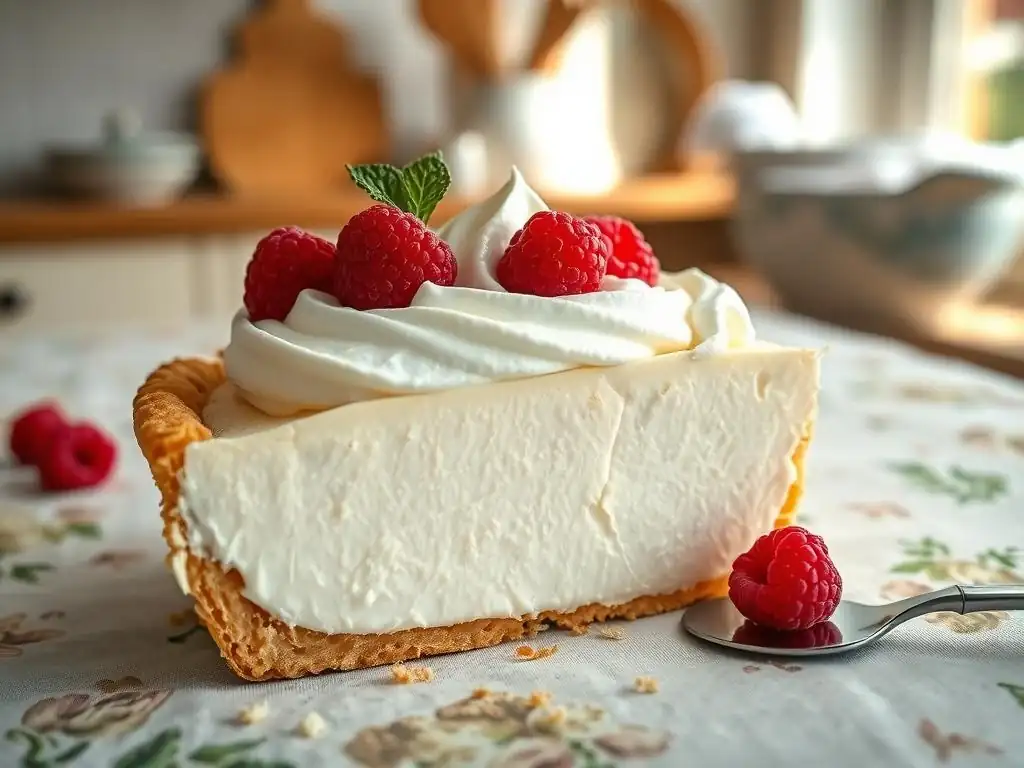
A soggy bottom crust is a common pie woe, but it's preventable in a dairy-free cream pie recipe. The primary defense is thorough pre-baking (blind baking) the crust. Ensure you bake the crust with weights for the initial phase and then remove the weights to allow the bottom to dry out and lightly brown. Baking until the bottom looks dry and opaque, not just set, is important.
- Use a metal or glass pie plate, which conducts heat better than ceramic for the bottom crust.
- Make sure the dough is very cold when you roll it out and when it goes into the oven for pre-baking. Cold fat creates steam, which helps puff the layers.
- Prick the bottom crust generously with a fork before pre-baking to allow steam to escape.
- Consider brushing the bottom of the par-baked crust with a thin layer of melted vegan butter or a dairy-free egg wash (like plant milk mixed with a little cornstarch or turmeric for color) and baking for another 2-3 minutes before adding the filling. This creates a slight seal.
- Ensure the filling has cooled slightly but is still pourable when added to the completely cooled crust. Adding hot filling to a warm crust increases the chance of sogginess.
Ensuring a Smooth and Creamy Filling
Achieving a perfectly smooth and creamy dairy-free filling requires attention to detail during the cooking process. Whisking constantly while heating the custard base is essential to prevent scorching and lumps. Once it thickens, continue whisking for the full 1-2 minutes over the heat to ensure the starch is fully cooked and activated. This also helps create a stable gel structure.
If you do encounter small lumps of starch, passing the warm filling through a fine-mesh sieve is the most effective way to smooth it out before pouring it into the crust. Using a whisk rather than a spoon while cooking helps break up lumps as they form. Ensuring your cornstarch (or other starch) is well-dissolved in the cold liquid before heating is also critical. Some bakers prefer using tapioca starch or arrowroot powder instead of cornstarch, which can sometimes yield a slightly smoother texture, though they may require different cooking times or amounts.
Troubleshooting Common Baking Problems [Lumps, Thin Filling]
Let's tackle those common issues in a dairy-free cream pie recipe filling.
- Lumps: As mentioned, lumps usually stem from starch not being fully dissolved initially or not whisking constantly while cooking.
- Fix: Pass the warm filling through a fine-mesh sieve using a spatula to push it through.
- Thin Filling: This happens if the starch-liquid ratio is off, if the starch wasn't cooked long enough to fully activate, or if a low-fat plant milk was used without adjusting the starch.
- Fix (Prevention): Use full-fat plant milk (like canned coconut milk). Ensure you cook the filling for the full time after it begins to bubble, whisking constantly. The filling should be very thick on the stove, as it thins slightly as it cools.
- Fix (After Cooking/Chilling): If the pie is already chilled and too thin, you can't easily fix the whole pie. However, for future attempts, increase the cornstarch by 1-2 tablespoons. If you catch it while still warm, you could pour it back into a saucepan, whisk in a slurry of 1-2 tablespoons cornstarch mixed with a few tablespoons cold plant milk, and bring it back to a simmer, whisking constantly until thickened, then re-pour and re-chill.
- Skin on Filling: Caused by exposure to air while cooling.
- Fix (Prevention): Always press plastic wrap directly onto the surface of the warm filling immediately after pouring it into the crust.
- Fix (After Cooling): Gently peel off the skin. While the main filling underneath should be fine, the texture might be slightly affected.
Dairy-Free Cream Pie Flavor Variations
A good dairy-free cream pie recipe base is versatile! Here are a few popular variations:
Chocolate Avocado Cream Pie
This variation often skips the stove-top custard and uses ripe avocados for an incredibly creamy, no-bake filling. The avocados provide richness and body, while cocoa powder and sweetener provide the chocolate flavor. A typical recipe might blend 2-3 ripe avocados with ½ cup cocoa powder, ½ cup maple syrup or agave, ½ cup plant milk, 1 teaspoon vanilla extract, and a pinch of salt until perfectly smooth.
This rich filling is poured into a pre-baked or crumb crust (like one made from crushed dairy-free cookies) and chilled until firm. The avocado flavor is surprisingly neutral when combined with strong chocolate and sweetener, resulting in a truly decadent dairy-free cream pie.
Coconut Cream Pie with Toasted Coconut
Enhance the natural coconut flavor of a dairy-free pie made with canned coconut milk by incorporating toasted coconut. Toast shredded unsweetened coconut in a dry skillet over medium heat, stirring frequently, until golden brown (about 5-7 minutes). Let it cool completely.
You can stir about ½ cup of toasted coconut into the finished, warm custard filling before pouring it into the crust. Reserve some extra toasted coconut to sprinkle over the top of the pie before serving, perhaps over dairy-free whipped cream. This adds wonderful texture and intensifies the coconut notes, making it a classic dairy-free cream pie recipe variation.
Lemon Cream Pie with a Gluten-Free Crust
For those with gluten sensitivities, a dairy-free cream pie recipe can easily be adapted with a gluten-free crust. Use a gluten-free all-purpose flour blend (ensure it contains a binder like xanthan gum) in place of wheat flour for the pie dough, following the same method of cutting in cold vegan butter and adding ice water. Alternatively, use a crushed cookie crust made from gluten-free, dairy-free cookies mixed with melted vegan butter.
For the filling, add fresh lemon zest (from 1-2 lemons) and ¼ to ½ cup fresh lemon juice to the cooked dairy-free custard base after removing it from the heat. The acidity of the lemon juice can sometimes thin the filling slightly, so ensure the custard is cooked until very thick on the stove.
Serving and Storing Your Dairy-Free Cream Pie
Serving Suggestions and Garnishes
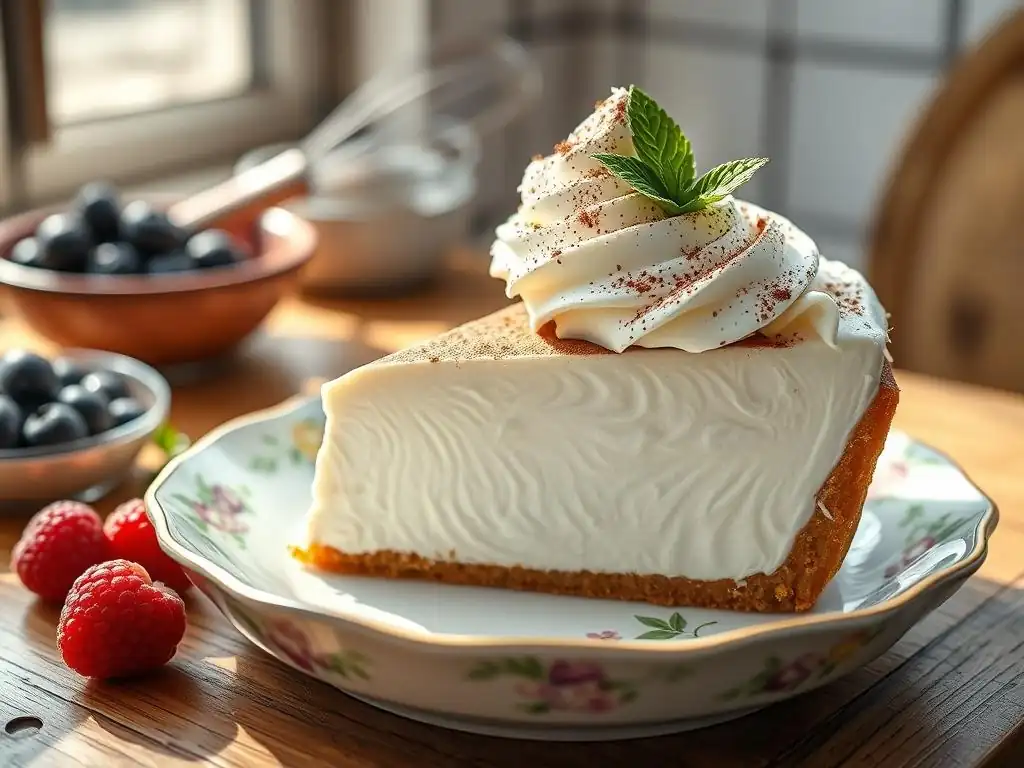
Once your dairy-free cream pie is thoroughly chilled and set, it's ready to be enjoyed! For the cleanest slices, use a sharp knife dipped in hot water and wiped dry between cuts. The classic topping is whipped cream. You can make dairy-free whipped cream from chilled full-fat canned coconut cream (the thick part scooped from the top of a can that has been refrigerated overnight) or use a store-bought vegan whipped topping. Whip the coconut cream with a little powdered sugar and vanilla extract until fluffy peaks form.
Pipe or spread a generous layer of dairy-free whipped cream over the top of the pie just before serving. Garnishes can elevate your dairy-free cream pie. Consider fresh fruit that complements the flavor (like berries for vanilla or chocolate, banana slices for banana cream), toasted nuts, chocolate shavings, or a sprinkle of cinnamon or cocoa powder. For the coconut variation, extra toasted coconut flakes make a perfect garnish.
Maintaining Freshness Through Proper Storage
Proper storage is key to keeping your dairy-free cream pie fresh and delicious. Because cream pies are custard-based and contain perishable ingredients (even plant-based ones), they must be stored in the refrigerator. Cover the pie loosely with plastic wrap or aluminum foil once it has been sliced, or if storing leftover portions. If the pie is topped with dairy-free whipped cream, it's best to add the topping just before serving, as whipped cream can sometimes weep or lose structure over time in the fridge.
A dairy-free cream pie will typically last for 3-4 days when stored properly in the refrigerator. Beyond that, the texture may start to degrade, and the crust can become less crisp. Freezing is generally not recommended for cream pies, as the custard filling can separate and become watery or grainy upon thawing. Enjoy your delicious homemade dairy-free cream pie recipe within a few days of baking for the best quality!
Conclusion: Indulge in Dairy-Free Cream Pie
Creating a delicious dairy-free cream pie recipe is not only possible but incredibly rewarding. By understanding the role of traditional dairy ingredients and selecting high-quality plant-based alternatives, you can achieve the same rich, creamy texture and delightful flavor of a classic cream pie. From mastering the flaky, dairy-free crust to cooking a perfectly set plant-based custard, each step contributes to a successful dessert.
Whether you stick to a simple vanilla filling or explore variations like chocolate or lemon, the principles remain the same: cold fat for the crust, proper thickening and chilling for the filling, and a little patience. So gather your ingredients, follow these tips, and get ready to bake. You'll soon be enjoying a slice of homemade comfort, proving that a dairy-free cream pie can be every bit as indulgent and satisfying as any traditional version. Happy baking!
Frequently Asked Questions
Can you really make a delicious cream pie without using any dairy products?
Yes, absolutely! With the right ingredients and techniques, you can create a dairy-free cream pie that's just as rich and satisfying as the traditional version. Our recipes focus on using plant-based alternatives that deliver great flavor and texture.
What are some common dairy substitutes used in dairy-free cream pies?
Popular dairy substitutes include coconut milk, cashew cream, and oat milk. These ingredients can be used to create a creamy filling and a delicious whipped topping, all without any dairy.
Are dairy-free cream pie recipes more difficult to make than traditional recipes?
Not necessarily! While some adjustments might be needed, many dairy-free cream pie recipes are just as easy to follow as their traditional counterparts. We provide step-by-step guides to ensure success.
Where can I find reliable dairy-free cream pie recipes?
BakeWithEase.com offers a variety of dairy-free cream pie recipes, including our signature "DairyFree Cream Pie" recipe. We also provide tips and tricks for baking success.
Will a dairy-free cream pie taste significantly different from a traditional cream pie?
The taste will be different, but not necessarily worse! The flavor depends on the substitutes used. Many find the plant-based flavors to be equally delicious and enjoyable, providing a unique and delightful taste.
Final Reflection: The Sweetness of Inclusion: Dairy-Free Delight
The demand for dairy-free alternatives is no longer a niche trend; it's a vital part of a more inclusive and accessible culinary landscape. Creating delicious dairy-free desserts, like the cream pie recipes explored in this article, isn't just about dietary restrictions; it's about expanding the joy of baking and sharing to a wider audience. This shift reflects a growing awareness of dietary needs and preferences, making delicious treats available to everyone.
The journey of adapting classic recipes, like cream pie, to be dairy-free has been a fascinating exploration of flavor and texture. It highlights the creativity and ingenuity within the culinary world, proving that deliciousness isn't tied to specific ingredients. This adaptability underscores the power of food to connect us, regardless of dietary needs. Food is symbolic of love when words are inadequate.
- Alan D. Wolfelt. This quote perfectly encapsulates the importance of making delicious food accessible to all, fostering a sense of belonging and shared experience.
Now, it's your turn. Consider the recipes and techniques discussed in this article, and let them inspire you to experiment in your own kitchen. Don't be afraid to adapt and innovate, to create your own unique dairy-free delights. The possibilities are endless, and the rewards – both in taste and in the joy of sharing – are immeasurable. Embrace the challenge, and discover the sweetness of inclusion through the art of baking.
Unlock Your Dairy-Free Baking Potential!
Thanks for taking the time to explore the world of dairy-free cream pies with us! We hope you’ve gained some delicious inspiration and newfound confidence in your baking abilities. Now it's time to put your newfound knowledge to the test!
- Whip up your dream dairy-free cream pie: Grab those ingredients and give one of the recipes a try. Let your creativity flow—experiment with different flavors and toppings! This is your chance to shine!
- Share your creations: Snap a picture of your masterpiece and tag us on social media – we'd love to see what you bake! Let's inspire each other!
- Explore more dairy-free delights: Dive into our other dairy-free recipes on BakeWithEase.com – we've got plenty of sweet treats waiting to be discovered!
Ready to create something amazing? What flavor combination will you conquer first?