
Troubleshooting Puff Pastry That Won't Separate Into Flaky Layers

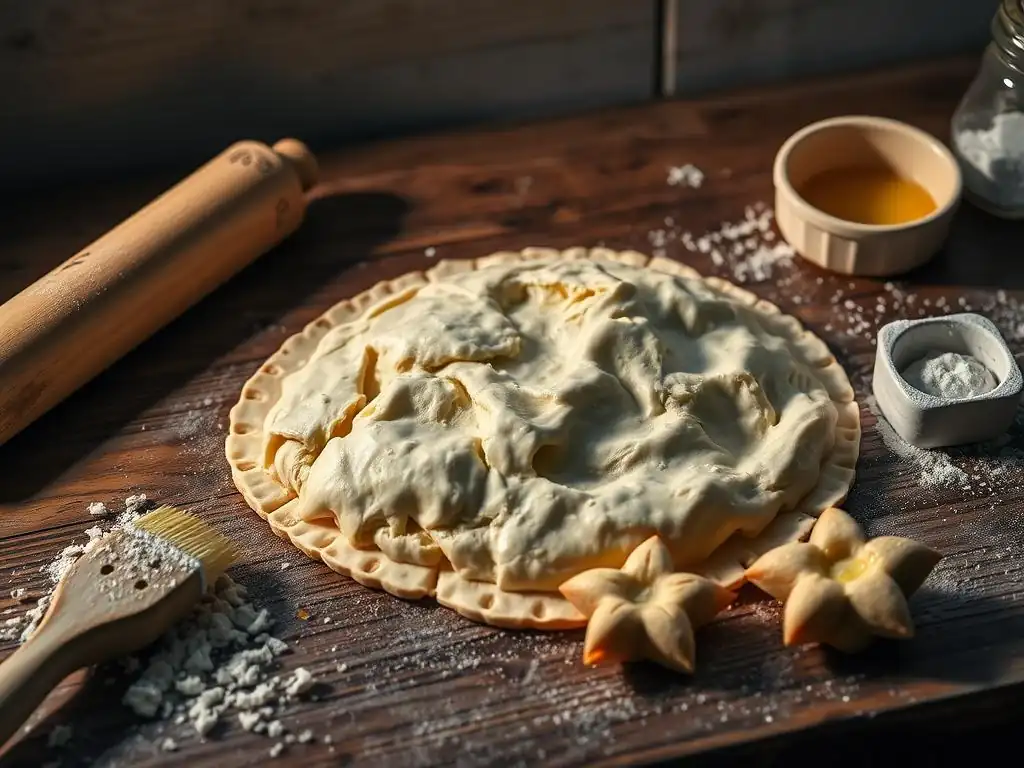
Welcome to BakeWithEase, your trusted guide to baking brilliance! Ever wondered why your puff pastry won't separate into those delightfully flaky layers you dream of? You're in the right place. Discover the secrets to achieving perfect lamination and unlocking the full potential of this versatile dough. Let's troubleshoot together and transform your baking from frustrating to fantastic!
- Troubleshooting Puff Pastry That Won't Separate Into Flaky Layers: A BakeWithEase Guide
- Understanding Why Your Puff Pastry Isn't Flaking
-
Diagnosing Your Puff Pastry Problems: Identifying the Cause
- Is Your Dough Temperature Correct? The Importance of Cold Ingredients
- Butter Distribution Issues: Avoiding Butter Absorption
- Gluten Overdevelopment: The Impact of Overworking the Dough
- Insufficient Resting Time: Relaxing the Gluten for Proper Lamination
- Baking Temperature Problems: Ensuring Proper Puffing
- Solutions for Puff Pastry That Won't Separate: Step-by-Step Fixes
- Advanced Puff Pastry Troubleshooting: Addressing Complex Issues
- Preventing Future Puff Pastry Failures: Best Practices for Success
- BakeWithEase's Guide to Perfect Puff Pastry: Recap and Key Takeaways
- Frequently Asked Questions
- Final Reflection: The Pursuit of Perfect Puff Pastry
- Unlock Your Flaky Pastry Potential!
Troubleshooting Puff Pastry That Won't Separate Into Flaky Layers: A BakeWithEase Guide
Puff pastry, with its ethereal layers and buttery crispness, is a true marvel of baking. However, achieving that perfect separation can sometimes feel like a mystery. If your puff pastry won't separate into those beautiful, flaky layers, don't despair! This guide from BakeWithEase is here to help you understand why it happens and how to fix it. We'll walk through the common pitfalls and provide practical solutions to get your puff pastry puffing and flaking just right.
Understanding Why Your Puff Pastry Isn't Flaking
The magic of puff pastry lies in its unique structure, created through a process called lamination. This involves repeatedly folding butter into dough, forming hundreds, sometimes even thousands, of alternating thin layers. When baked at a high temperature, the moisture in the butter and dough turns to steam, which forces these layers apart, resulting in that signature airy, flaky texture.
The Science Behind Flaky Puff Pastry: Layers and Steam
At its core, flaky puff pastry relies on two key elements: distinct layers of dough and butter, and the power of steam. During lamination, you create these layers by folding and rolling. A well-made dough might have hundreds or even thousands of individual butter and dough layers by the time it's ready to bake. For instance, a traditional puff pastry recipe with six single folds can theoretically produce over 1,000 layers (2^6 = 64, then multiplied by initial layers). The thinner and more distinct these layers are, the more potential there is for separation.
When the cold puff pastry hits a hot oven, typically around 400-425°F (200-220°C), the water in the butter and dough rapidly converts to steam. This steam is trapped between the layers of dough, acting as a leavening agent that pushes the layers apart. Simultaneously, the heat melts the butter, which lubricates the layers, allowing them to slide and expand. The dough layers then crisp up around the steam pockets, setting the structure. If the layers aren't distinct or the steam can't form/escape properly, the puff pastry won't separate effectively.
Common Reasons for Puff Pastry Separation Failure
Several factors can contribute to puff pastry won't separate properly. One primary culprit is the temperature of your ingredients and dough. If the butter is too soft or melts into the dough before baking, you lose those crucial separate layers. Think of it like trying to build a layered cake where the frosting melts into the cake layers before baking – you just get a solid mass.
Another common issue is issues with the lamination process itself. This could be due to uneven butter distribution, insufficient folding, or overworking the dough, which can lead to the butter breaking into tiny pieces or the gluten developing too much, creating a tough texture that resists separation. For example, if your butter pieces are too small (smaller than a pea) after the initial incorporation or if you don't chill adequately between folds, the butter can become absorbed into the dough rather than remaining in distinct sheets.
Diagnosing Your Puff Pastry Problems: Identifying the Cause
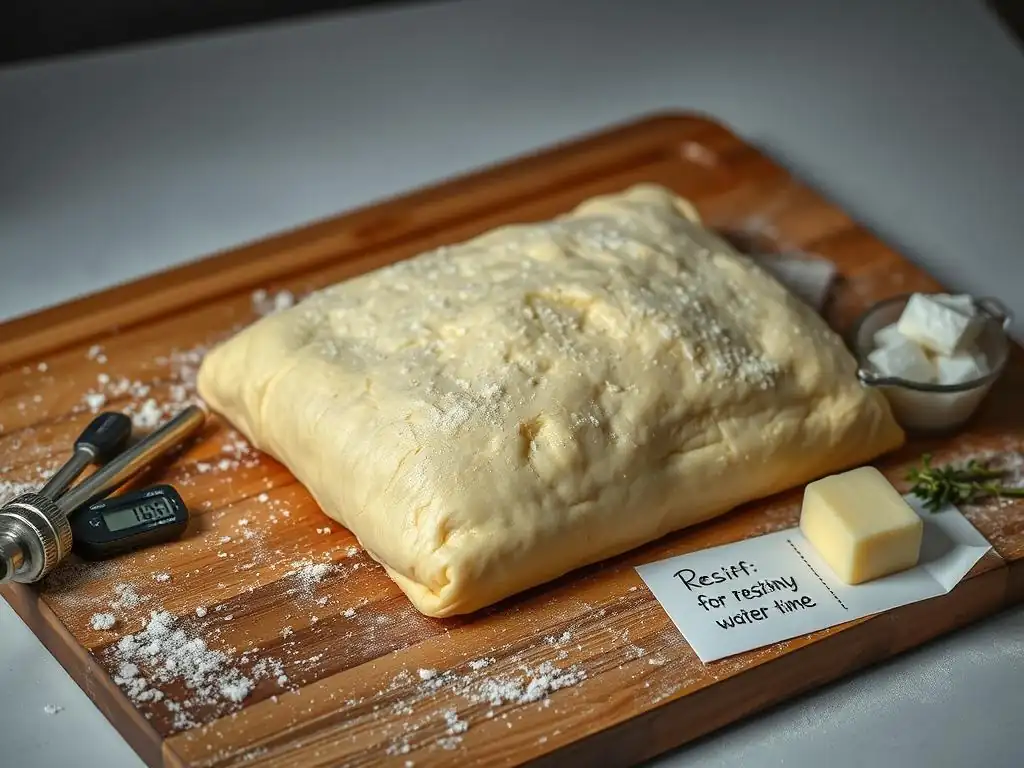
When your puff pastry won't separate, it's time to play detective. Carefully consider each stage of your process, from mixing the dough to baking. Pinpointing the exact issue will help you apply the correct fix.
Is Your Dough Temperature Correct? The Importance of Cold Ingredients
Temperature is paramount in puff pastry making. Both the dough and the butter need to be cold – typically between 40-50°F (4-10°C) – throughout the process, especially during rolling and folding. If the dough is too warm, the butter will soften excessively or even melt, integrating into the dough rather than staying in distinct layers. This eliminates the barrier needed for steam to lift the layers.
Imagine trying to roll out warm butter; it becomes soft and blends easily. The same principle applies here. If your kitchen is warm, or if you handle the dough for too long, the butter warms up quickly. A common sign that temperature was an issue is if your dough feels greasy and the butter seems to be squeezing out during rolling, or if the baked pastry looks dense and greasy rather than light and flaky. Maintaining a consistent cold temperature is non-negotiable for flaky puff pastry.
Butter Distribution Issues: Avoiding Butter Absorption
The way butter is incorporated and distributed is critical. For rough puff pastry, the butter should be in visible pieces, roughly pea-sized to walnut-sized, before the initial folds. For classic puff pastry, the butter block is enclosed in the dough. In either case, during rolling and folding (lamination), the goal is to create continuous, thin sheets of butter separated by thin sheets of dough. If the butter is too soft, it can smear into the dough. If it's too hard, it can break into tiny pieces that also get absorbed.
Uneven rolling is another cause. If one section of the dough is rolled much thinner than another, the butter layers in the thin section can break or squeeze out, while thicker sections may not laminate properly. This leads to inconsistent lift and can result in areas where the puff pastry won't separate at all. Visual inspection of your dough after a fold can sometimes reveal this; you should see relatively even layers when looking at the cut edge.
Gluten Overdevelopment: The Impact of Overworking the Dough
While gluten is necessary to give the dough structure, too much development can make puff pastry tough and elastic. An overdeveloped dough resists rolling and stretching, making it difficult to create those thin, even layers needed for flaking. It also tends to snap back, requiring more force to roll, which can further warm the dough and smear the butter.
Overworking can happen during the initial mixing if you knead the dough too much, or during the rolling and folding process if you roll too aggressively or for too long without resting. A sign of overdeveloped gluten is dough that is very difficult to roll out, constantly shrinking back like a rubber band. This resistance prevents the layers from expanding freely in the oven, resulting in a dense texture where the puff pastry won't separate properly.
Insufficient Resting Time: Relaxing the Gluten for Proper Lamination
Resting the dough between folds is crucial for two main reasons: it chills the butter and relaxes the gluten. If you skip or shorten the resting periods, the butter warms up, and the gluten remains tight and elastic. Trying to roll tight, warm dough is a recipe for disaster – the dough fights back, the butter smears, and creating even layers becomes nearly impossible.
A typical puff pastry recipe might call for 30-60 minutes of chilling in the refrigerator between each fold. This allows the gluten strands, which were stretched and aligned during rolling, to relax. Relaxed gluten is more pliable and easier to roll thinly without tearing. It also gives the butter time to firm up again, maintaining its distinct form within the layers. Without adequate rest, the dough will be difficult to handle, leading to uneven layers and poor separation in the oven.
Baking Temperature Problems: Ensuring Proper Puffing
Even if you've perfectly laminated your dough, baking at the wrong temperature can ruin everything. If the oven is too cool, the butter will melt and potentially run out before the steam has a chance to build up and lift the layers. The dough will essentially fry in the butter rather than puffing. This results in a greasy, flat pastry where the puff pastry won't separate.
Conversely, if the oven is too hot, the outside of the pastry can brown and set too quickly before the inner layers have fully expanded. The butter might also melt too fast, leading to uneven or incomplete puffing. Most puff pastry is baked at a high initial temperature, often around 400-425°F (200-220°C), sometimes followed by a slightly lower temperature to ensure the inside cooks through without burning the outside. An accurately calibrated oven is key.
Solutions for Puff Pastry That Won't Separate: Step-by-Step Fixes
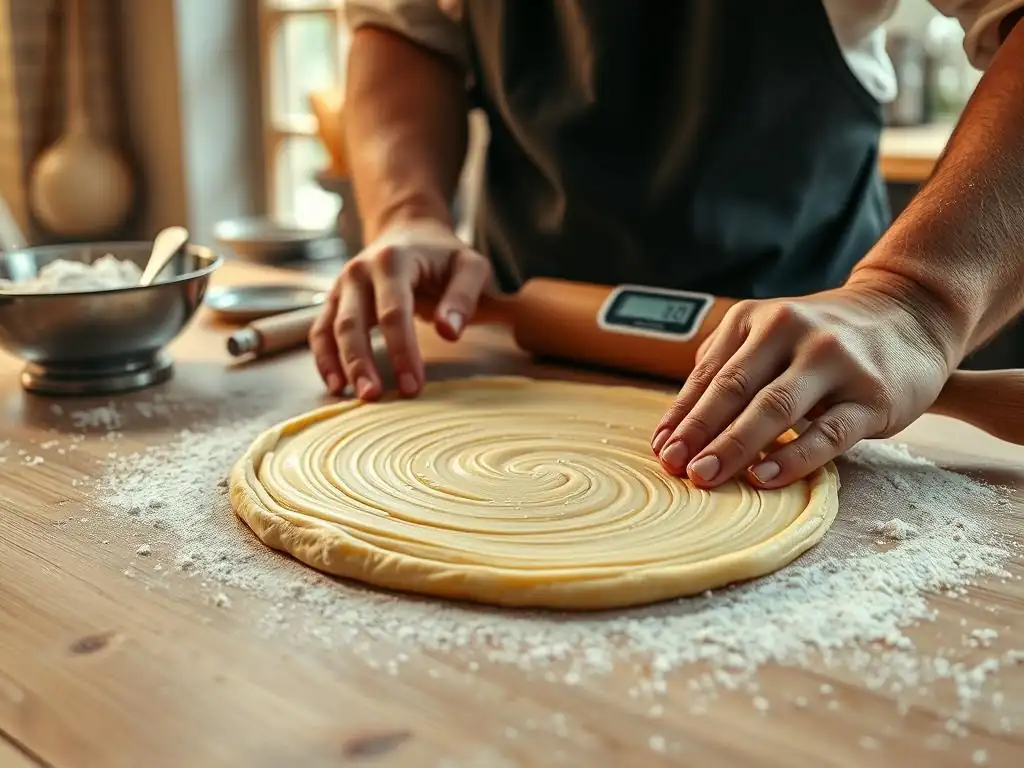
Now that we've identified potential causes, let's look at how to fix them and get your puff pastry puffing!
Solution 1: Achieving the Ideal Dough Temperature
Maintaining a cold temperature throughout the process is fundamental. This starts with your ingredients and continues as you work the dough. Aim to keep everything as cool as possible.
Tips for Keeping Ingredients Cold During Puff Pastry Preparation
Begin with cold ingredients. Use cold butter straight from the refrigerator, ideally a butter with at least 82% fat content, as it contains less water and stays firmer. Your water for the dough should be ice cold. Some bakers even chill their flour in the freezer for 15-30 minutes before mixing. Work quickly to minimize handling time, as the heat from your hands can warm the dough. If your kitchen is warm (above 70°F / 21°C), consider turning on air conditioning or working during a cooler part of the day.
How to Chill Puff Pastry Dough Effectively
Proper chilling between folds is non-negotiable. Wrap your dough snugly in plastic wrap to prevent it from drying out, and place it in the coldest part of your refrigerator (usually the back) for the recommended resting time, typically 30-60 minutes. Ensure the dough is relatively flat so it chills quickly and evenly. For faster chilling, you can place it in the freezer for 15-20 minutes, but watch it carefully to prevent it from freezing solid. A well-chilled dough will feel firm but still pliable when you take it out.
Solution 2: Mastering Butter Incorporation Techniques
Ensuring the butter remains in distinct layers is key to preventing puff pastry won't separate issues. This requires careful attention during incorporation and lamination.
The Importance of Butter Consistency: Not Too Soft, Not Too Hard
The butter's consistency needs to be just right – cold and firm, but still pliable enough to bend slightly without breaking. If it's rock hard, it will break into chunks during rolling. If it's too soft, it will smear.
For classic puff pastry, the butter block should be roughly the same consistency as the dough when you encase it. For rough puff, the cold butter pieces should be tossed with the flour before adding water, ensuring they remain distinct before the first fold. You might need to let butter sit out for just 5-10 minutes from the fridge to reach the right pliability, depending on your kitchen temperature.
Laminating Techniques: Creating Distinct Butter and Dough Layers
Lamination is all about repetition and precision. Whether you're doing single or double folds, the goal is to create thin, continuous layers. Roll the dough gently and evenly in one direction, then fold. For a single fold, you fold the dough into thirds like a letter. For a double fold (or book fold), you fold both ends to the center, then fold in half.
After each fold, rotate the dough 90 degrees before rolling again. This helps create a more even distribution of layers. Aim for even thickness across the dough before folding. If your puff pastry won't separate, uneven layers could be a major culprit.
Solution 3: Preventing Gluten Overdevelopment
Gentle handling and adequate rest are your best friends when dealing with gluten in puff pastry.
Gentle Handling: Avoiding Overworking the Puff Pastry Dough
Mix the initial dough just until the ingredients are combined. Avoid kneading. During rolling, use firm but gentle pressure. Roll from the center outwards, easing the dough into shape rather than forcing it. If the dough resists, stop and let it rest for 5-10 minutes at room temperature (or in the fridge if it's warm) before continuing. This allows the gluten to relax slightly. Overworking makes the dough tough and less likely to separate into delicate layers.
Proper Resting Periods: Allowing Gluten to Relax
As mentioned earlier, resting is crucial. Sticking to the recommended chilling times between folds (e.g., 30-60 minutes) allows the gluten to relax. This makes the dough more extensible and easier to roll thinly without tearing, ensuring those critical layers remain intact. If you try to rush the process, the dough will be springy and difficult to work with, contributing to issues where the puff pastry won't separate.
Solution 4: Optimizing Baking Conditions for Puff Pastry
Even with perfect dough, baking conditions are key to achieving that impressive puff.
Achieving the Right Oven Temperature for Optimal Puff
Preheat your oven thoroughly to the specified temperature, usually 400-425°F (200-220°C). Use an oven thermometer to verify your oven's accuracy, as many home ovens can be off by 25-50°F (15-30°C). Baking at the correct high temperature ensures the butter melts rapidly and the steam is generated quickly, lifting the layers before the structure sets. If your oven is consistently inaccurate, adjust the temperature accordingly.
The Role of Steam in Puff Pastry Lamination
The steam created from the moisture in the dough and butter is the primary leavening agent. Ensuring your oven is hot allows this steam to form rapidly and push the layers apart. Some bakers even add a pan of hot water to the bottom rack of the oven during the initial phase of baking. This creates a humid environment, which can sometimes help keep the pastry surface pliable slightly longer, allowing for maximum lift. However, a properly laminated and chilled dough baked in a hot oven is usually sufficient for good puff.
Advanced Puff Pastry Troubleshooting: Addressing Complex Issues
Sometimes, the problems are a bit more nuanced. Here are a few fixes for trickier situations that might cause your puff pastry won't separate.
Dealing with Sticky Dough: Correcting Moisture Imbalance
If your dough is excessively sticky, it likely has too much water or hasn't been chilled enough. While you can dust your surface and rolling pin with a minimal amount of flour, be cautious not to incorporate too much flour into the dough itself, as this can toughen it. The best solution is usually more chilling.
Wrap the sticky dough well and refrigerate it for at least 1-2 hours, or even longer. Cold dough is less sticky. If it's still sticky after chilling, you might need to very lightly dust with flour as you roll, focusing on keeping the surfaces from sticking rather than incorporating the flour.
Repairing Broken Dough: Patching and Re-laminating
Occasionally, the dough or butter layers might tear during rolling. For small tears in the dough, you can often gently press them back together. If a larger tear occurs, especially exposing the butter, you might need to fold the dough in a way that covers the tear and then re-chill thoroughly.
For significant issues, you might need to treat it more like rough puff: chop the dough and butter mixture, re-chill, and then perform a few folds. While this won't yield perfect classic puff, it can salvage the ingredients and still produce a decent flaky result, preventing the issue of puff pastry won't separate entirely.
Salvaging Over-Proofed Puff Pastry: Reducing Air Bubbles
"Proofing" isn't the typical term for puff pastry (that's for yeasted doughs), but sometimes large air bubbles can develop during resting or rolling. If you see large, isolated bubbles under the surface before baking, you can gently prick them with a sharp needle or the tip of a knife. Do this carefully to avoid damaging the underlying layers. These large bubbles can cause uneven puffing or lead to large, hollow pockets instead of many fine layers. Pricking allows the trapped air to escape while minimizing damage to the delicate structure.
Preventing Future Puff Pastry Failures: Best Practices for Success
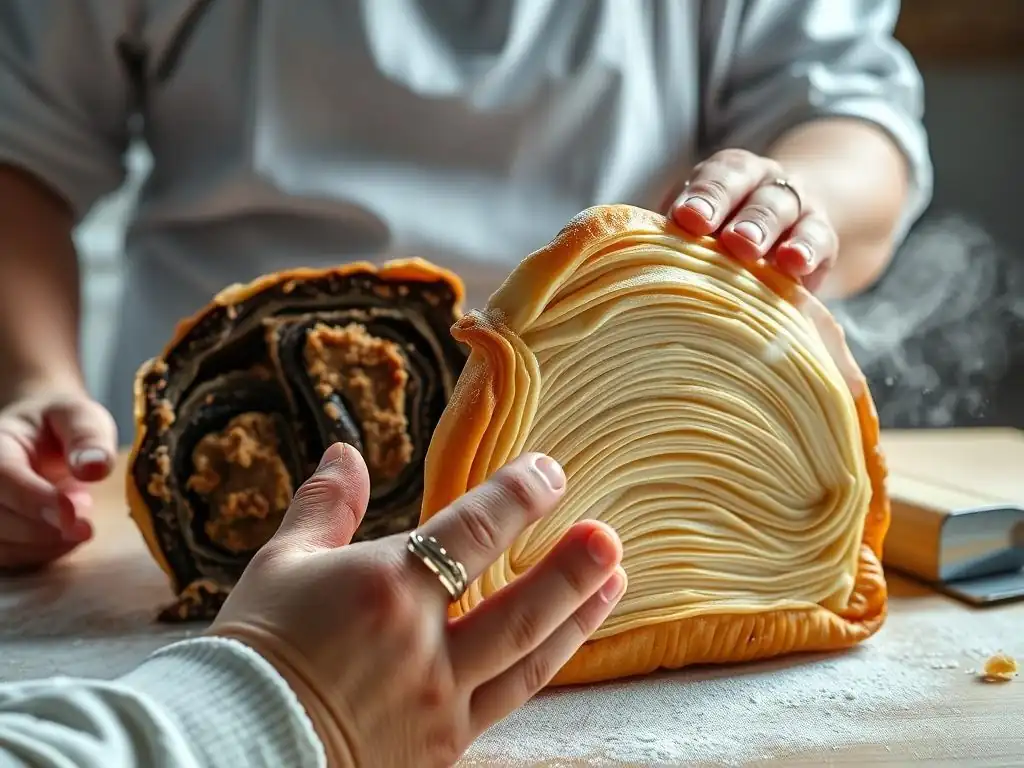
Consistent results come from consistent technique and quality ingredients. By adopting these best practices, you can significantly reduce the chances of your puff pastry won't separate in the future.
Recipe Selection: Choosing a Reliable Puff Pastry Recipe
Start with a reputable recipe from a trusted source, like BakeWithEase! Look for recipes that provide clear instructions, specific temperatures (for chilling and baking), and estimated timings for resting periods. Some recipes are simpler (rough puff), while others are more traditional and require more steps (classic puff). Understand the type of puff pastry you are making and follow the instructions faithfully, especially regarding ratios of flour, butter, and water. A good ratio is crucial for successful lamination.
Ingredient Quality: The Impact of Flour and Butter on Flakiness
The quality of your ingredients makes a difference. Use a good quality all-purpose flour with a moderate protein content (around 10-12%). Avoid high-protein bread flour, which develops too much gluten, and low-protein cake flour, which might not provide enough structure. High-fat butter ( 82% or more fat) is generally preferred because it contains less water, leading to less steam but firmer butter layers that are less likely to melt prematurely. European-style butters often fit this profile.
Consistent Technique: Refining Your Puff Pastry Skills
Puff pastry benefits from practice. Pay close attention to the details: the temperature of your ingredients and dough, the evenness of your rolling, the tightness and number of your folds, and the duration of your chilling periods. Develop a feel for the dough – how it responds to rolling, when it's resisting, and when it's relaxed. If your puff pastry won't separate consistently, try making smaller batches to practice the technique without wasting large amounts of ingredients. Patience and repetition are key to mastering this delicate pastry.
BakeWithEase's Guide to Perfect Puff Pastry: Recap and Key Takeaways
Troubleshooting puff pastry that won't separate boils down to managing temperature, mastering lamination, controlling gluten, and optimizing baking. Remember these key points:
- Temperature is king: Keep ingredients, dough, and butter cold throughout the process ( 40-50°F / 4-10°C).
- Lamination creates layers: Roll and fold gently and evenly to create distinct butter and dough sheets.
- Resting is essential: Allow dough to chill and gluten to relax between folds ( 30-60 minutes).
- Bake hot and fast: Use a preheated oven, typically 400-425°F (200-220°C), to generate steam quickly.
- Handle with care: Avoid overworking the dough to prevent tough, unyielding gluten.
- Quality matters: Use good flour and high-fat butter.
Don't be discouraged if your first attempts aren't perfect. Understanding why puff pastry won't separate is the first step to fixing it. With practice and attention to these details, you'll be creating beautifully flaky puff pastry that separates into countless delicate layers, ready for all your sweet and savory creations. Happy baking from BakeWithEase!
Frequently Asked Questions
Why is my puff pastry not separating into flaky layers?
The most common reason is that the butter melted during the lamination process. Keep the dough and butter very cold at all times to prevent this.
What does "lamination" mean in the context of puff pastry?
Lamination refers to the process of folding butter into the dough repeatedly. This creates alternating layers of dough and butter that, when baked, produce the characteristic flaky texture of puff pastry.
How can I ensure my butter stays cold while making puff pastry?
Chill both the dough and butter thoroughly in the refrigerator between folds. You can even put them in the freezer for a short period. Working in a cool environment is also crucial.
What happens if I overwork the puff pastry dough?
Overworking the dough develops the gluten too much, leading to a tough and less flaky final product. Handle the dough gently and avoid excessive kneading.
Can I use a food processor to make puff pastry?
Yes, a food processor can be used, but it's essential to use pulse mode to avoid overmixing. Be careful not to overheat the butter while processing.
Final Reflection: The Pursuit of Perfect Puff Pastry
The frustrating struggle of puff pastry refusing to separate into its glorious, flaky layers is a common culinary conundrum, a testament to the delicate balance required in this seemingly simple pastry. This isn't just about achieving a visually appealing dessert; it's about understanding the fundamental principles of pastry making and the crucial role of technique and ingredient quality. Mastering puff pastry unlocks a world of culinary possibilities, from elegant appetizers to decadent desserts.
The quest for the perfect puff pastry transcends mere recipe following; it's a journey of understanding the interplay between butter, flour, and water, a dance of temperature and time. It's a humbling experience, reminding us that even the most meticulous planning can be undone by a single oversight. As Julia Child famously said, If you're afraid of butter, use cream.
While not directly applicable to puff pastry's butter-centric nature, her sentiment speaks to the importance of embracing the process, even with its inherent challenges. The imperfections, the slightly less-than-perfect layers, are part of the learning curve, and ultimately, contribute to the unique character of each bake.
So, the next time you find yourself facing a stubborn block of uncooperative puff pastry, remember this: it's not about perfection, but about the journey. Don't be discouraged by a less-than-flaky result. Instead, analyze your technique, revisit the fundamentals, and embrace the learning process. Each attempt, each slight adjustment, brings you closer to understanding the magic of puff pastry and the satisfaction of creating something truly delicious. Now, go forth and conquer those layers!
Unlock Your Flaky Pastry Potential!
Thanks for taking the time to explore the secrets of perfect puff pastry! We hope you gained valuable insights into troubleshooting those frustratingly stubborn layers. Ready to put your new knowledge to the test?
- Bake a show-stopping masterpiece: Use your newfound skills to create a delicious tart, croissant, or palmier—the possibilities are endless! Imagine the compliments you'll receive!
- Share your baking journey: Post a picture of your flaky creation on social media and tag #BakeWithEase – we'd love to see your success!
- Challenge a friend to a bake-off: See who can create the most impressive puff pastry creation. Friendly competition always improves results!
What unique flavor combination will you try in your next puff pastry creation? Let us know in the comments!