
Artisan Flours for Beginners: Simple Steps to Get Started

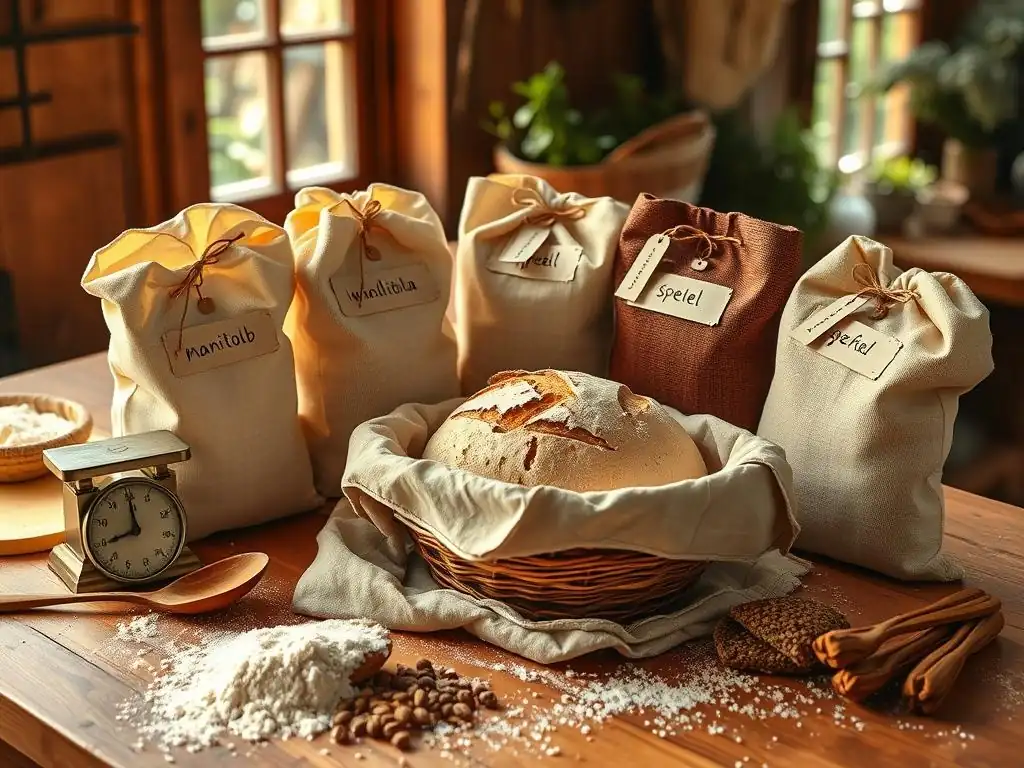
Welcome to BakeWithEase, where the joy of baking meets effortless expertise! Are you dreaming of crafting that perfect sourdough loaf, but feeling intimidated by the seemingly endless choices of flour? Unravel the mystery in our featured article and discover the best flour for sourdough beginners, unlocking the secrets to creating truly artisan breads from the comfort of your own kitchen. Prepare to embark on a delicious journey – your baking adventure starts now!
- Introduction to Artisan Flours: Elevating Your Sourdough Baking
- Finding the Best Flour for Sourdough Beginners: A Buyer's Guide
- Top Artisan Flour Recommendations for Sourdough Newbies
- Simple Steps for Baking Sourdough Bread with Artisan Flour
- Troubleshooting Common Sourdough Baking Problems with Artisan Flour
- Beyond Bread: Exploring Other Baking Applications for Artisan Flour
- Conclusion: Your Journey into Artisan Flour Sourdough Baking Starts Now
-
Frequently Asked Questions
- What is the best flour for sourdough beginners just starting out?
- Why is protein content important when choosing flour for sourdough?
- Can I use all-purpose flour for sourdough as a beginner?
- What are some other types of flour I might explore after mastering bread flour?
- Where can I find the "best" flour for sourdough near me?
- Final Reflection: The Humble Flour, the Bountiful Loaf
- Unleash Your Inner Baker: Flour Power Awaits!
Introduction to Artisan Flours: Elevating Your Sourdough Baking
Baking sourdough bread is a journey of patience, technique, and, perhaps most importantly, ingredients. While you can certainly start with standard all-purpose flour, exploring the world of artisan flours can truly transform your loaves, adding depth of flavor, complexity of texture, and a certain rustic charm that defines traditional baking. Choosing the right flour is a foundational step, especially when you're just starting out.
Artisan flours are often milled using different processes and from different wheat varieties than conventional flours, resulting in unique characteristics that impact everything from how your dough handles to the final taste and appearance of your bread. For a beginner, understanding these nuances can seem daunting, but it's actually quite simple once you break it down. This guide will walk you through selecting the best flour for sourdough beginners and show you how to use it effectively.
Why Choose Artisan Flour for Your First Sourdough?
Opting for an artisan flour from the start can give your beginner sourdough loaves a noticeable edge in flavor and texture compared to those made with standard bleached all-purpose flour. These flours often retain more of the wheat berry's natural components, including the germ and bran (depending on the type and milling), which contribute significantly to taste and nutritional value. Imagine the difference between a mass-produced loaf and one from a local bakery – much of that difference comes down to the quality and type of flour used.
Beyond flavor, artisan flours can also improve the structure and crust of your sourdough. Flours milled specifically for bread often have higher protein levels than typical all-purpose flour, which is crucial for developing strong gluten networks needed for that signature open crumb and impressive oven spring. Using the best flour for sourdough beginners means setting yourself up for success from day one, making the learning process more rewarding as you see tangible, delicious results.
Understanding the Unique Characteristics of Artisan Flours
Artisan flours possess several key characteristics that differentiate them from standard supermarket varieties. These include protein content, ash content, and the milling process itself. Protein content, typically measured as a percentage, directly relates to the gluten-forming potential of the flour. A higher protein flour, often above 11-12%, is generally preferred for sourdough bread because it allows for stronger gluten development, trapping more gas produced by the sourdough starter and leading to a lighter, airier crumb structure.
Ash content refers to the mineral content left after burning a sample of flour, expressed as a percentage of the original weight. It's an indicator of how much of the outer layers of the wheat kernel (bran and germ) were included in the flour. Lower ash content (like 0.5% for white bread flour) means more of the bran and germ were removed, resulting in a whiter flour.
Higher ash content (like 0.8% or more for whole wheat or high-extraction flours) means more of these components are present, leading to darker flour with more robust flavor and nutritional value. Understanding these factors helps you select the best flour for sourdough beginners based on the desired outcome for your bread.
Finding the Best Flour for Sourdough Beginners: A Buyer's Guide
Selecting the right flour is a critical step in your sourdough journey. With so many options available, it can feel overwhelming. However, by focusing on a few key characteristics and understanding what they mean for your bread, you can confidently choose the best flour for sourdough beginners that will yield delicious results.
This buyer's guide will break down the essential factors to consider when purchasing artisan flour for your first sourdough loaves. We'll look at protein and ash content, discuss different milling processes, and explain how these elements influence your dough and final bake. The goal is to empower you to make informed choices and find a flour that is both forgiving for a beginner and capable of producing high-quality bread.
Key Considerations When Choosing Artisan Flour for Sourdough
When you're standing in the flour aisle or browsing online, several terms on the packaging can guide your choice. For sourdough, especially as a beginner, you'll want to look for flours labeled as "bread flour," "artisan flour," or sometimes "high-gluten flour." These labels are often indicators that the flour has characteristics well-suited for the long fermentation and strong structure required by sourdough. Pay close attention to the protein content listed in the nutritional information – aim for something in the 11.5% to 13.5% range initially.
Another factor, though sometimes harder to find listed explicitly, is the ash content or extraction rate. While not always crucial for a first loaf, understanding it helps predict the flour's behavior and flavor profile. Flours with moderate ash content (like European-style Type 00 or Type 55, or high-extraction flours) offer a good balance of workability and flavor. Don't be afraid to start with a standard white bread flour specifically designed for baking if the other terms are confusing – many excellent artisan bread flours fall into this category and are perfect for beginners.
Protein Content: Achieving the Perfect Sourdough Structure
Protein content is arguably the most important factor when choosing the best flour for sourdough beginners. Wheat protein, primarily glutenin and gliadin, forms gluten when hydrated and kneaded. Gluten is the elastic network that traps the carbon dioxide produced by your sourdough starter, causing the dough to rise and creating that desirable open, airy crumb structure. A flour with sufficient protein allows you to develop a strong gluten network capable of supporting the dough's expansion during fermentation and baking.
For beginner sourdough bakers, a flour with a protein content between 12% and 13% is often recommended. This range provides enough strength to develop a good structure without being excessively difficult to handle. Flours with very high protein (above 14%) can be very strong but also quite stiff and less extensible, sometimes challenging for new bakers to work with. Conversely, flours with lower protein (like most all-purpose flours, often 10-11%) may not develop enough strength to support a large, airy loaf, potentially resulting in a denser crumb.
Ash Content: Impacting Flavor and Color
Ash content is a measure of the mineral content in flour, which is concentrated in the bran and germ of the wheat berry. It's expressed as a percentage and indicates how much of the outer layers of the grain are included. A lower ash percentage means more of the bran and germ have been sifted out, resulting in a whiter flour. For example, a white bread flour might have an ash content around 0.5% to 0.6%.
Higher ash content means more of the bran and germ are present, leading to a darker flour with a more robust, complex flavor profile and often a slightly coarser texture. A whole wheat flour, which includes all parts of the grain, will have a much higher ash content, perhaps 1.5% or more.
For beginners, starting with a flour that has a moderate ash content – like a high-extraction white flour or a blend – can offer a good balance, providing more flavor than standard white flour but being easier to handle than 100% whole wheat. This contributes to finding the best flour for sourdough beginners that offers both performance and enhanced taste.
Milling Process: Stone-Ground vs. Roller-Milled
The way wheat is milled also affects the characteristics of the flour. Roller milling is the most common industrial process, separating the different parts of the wheat berry (endosperm, bran, germ) and then recombining them in specific proportions to create different flour types (like all-purpose, bread flour, etc.). This process allows for precise control over the flour's composition and consistency.
Stone milling, on the other hand, grinds the entire wheat berry between two large stones. This process typically generates more heat and includes more of the bran and germ throughout the flour unless it's sifted out later. Stone-ground flours are often considered more flavorful and nutritious because they retain more of the natural oils and nutrients from the germ and bran.
However, the presence of sharp bran particles can sometimes interfere with gluten development. For a beginner, a roller-milled bread flour designed for consistency is often a safe bet, but experimenting with a stone-ground artisan flour can introduce wonderful flavors once you're comfortable with the basic sourdough process. The best flour for sourdough beginners might be a blend that leverages the strengths of different milling methods.
Top Artisan Flour Recommendations for Sourdough Newbies
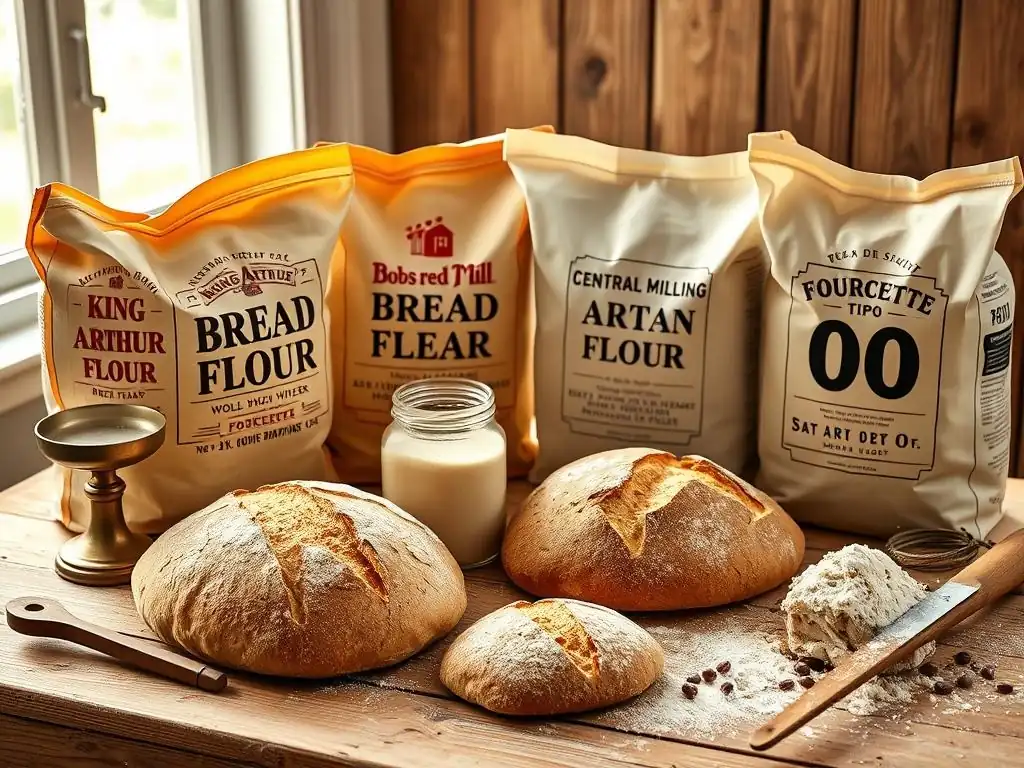
Choosing your first artisan flour doesn't have to be a shot in the dark. Many reputable mills and brands offer flours specifically well-suited for bread baking, possessing the right balance of protein and characteristics that are forgiving for beginners. Here are a few widely available options that are frequently recommended as the best flour for sourdough beginners, known for their quality and performance in sourdough.
These recommendations are based on their consistent quality, protein levels suitable for strong gluten development, and availability. While availability can vary by region, these brands are generally accessible in larger supermarkets, specialty stores, or online, making them convenient starting points for your artisan flour journey.
1. King Arthur Baking Company - Sir Lancelot High-Gluten Flour: A Beginner-Friendly Choice
King Arthur Baking Company is a well-respected name in the baking community, known for its high-quality flours. Their Sir Lancelot High-Gluten Flour is an excellent choice for beginners looking for a strong flour to build structure in their sourdough. This flour boasts a protein content of around 14%, which is higher than typical bread flour.
The high protein level in Sir Lancelot means it develops a very strong gluten network, making it forgiving for beginners who might be learning dough handling techniques. It provides excellent structure and oven spring, helping you achieve impressive height and an open crumb in your sourdough loaves. While it's a high-gluten flour, it's also designed to be extensible, meaning it stretches well without tearing, which is beneficial during shaping.
Using this as your primary flour or blending it with another can be a great way to ensure a robust structure as you learn. It's often cited as a strong contender for the best flour for sourdough beginners seeking reliable performance.
2. Central Milling Organic Artisan Baker's Craft Plus: A Versatile Option
Central Milling is another highly regarded mill, particularly among professional bakers. Their Organic Artisan Baker's Craft Plus is a versatile flour that is frequently recommended for sourdough and is considered by many to be among the best flour for sourdough beginners. It's a white wheat flour with a protein content typically ranging from 11.5% to 12.5%.
What makes Artisan Baker's Craft Plus great for beginners is its balance. It has enough protein to develop a strong gluten structure and support a good rise, but it's not overly challenging to handle like some very high-gluten flours. It's also a malted flour, meaning a small amount of malted barley flour is added, which helps with fermentation activity and contributes to browning of the crust. This flour is consistent and reliable, making it easier for beginners to predict dough behavior and achieve good results.
3. Janie's Mill - Artisan Bread Flour: Supporting Local and Learning
For those interested in supporting organic and regenerative farming practices, Janie's Mill offers excellent stone-ground flours. Their Artisan Bread Flour is a fantastic option for beginners ready to explore stone-ground flours. Milled from organic hard red spring wheat, it typically has a protein content around 12-13%.
Using a stone-ground flour like Janie's Mill Artisan Bread Flour introduces more flavor and nutrition due to the inclusion of more of the grain's natural oils and germ. While stone-ground flours can sometimes require slight adjustments in hydration compared to roller-milled flours (they may absorb a bit more water), Janie's Mill flour is known for its consistency and performance in bread.
It's a great way for beginners to experience the benefits of freshly milled, organic flour while still working with a protein level suitable for strong sourdough loaves. This type of flour broadens the definition of the best flour for sourdough beginners, adding a focus on sourcing and flavor complexity.
Simple Steps for Baking Sourdough Bread with Artisan Flour
Once you've chosen the best flour for sourdough beginners for your first loaf, the next step is to put it to use! Baking sourdough involves several stages, and using artisan flour integrates seamlessly into the standard process. These simple steps will guide you from preparing your starter to baking your beautiful loaf, highlighting where your choice of artisan flour makes a difference.
Remember that baking sourdough is a learning process. Don't expect perfection on your first try. Focus on understanding each step and how your dough feels and behaves. Using a quality artisan flour provides a reliable base, making it easier to troubleshoot and improve with each subsequent bake.
Step 1: Preparing Your Sourdough Starter with Artisan Flour
Your sourdough starter is a living culture of wild yeast and bacteria, and the flour you feed it matters. While many beginners start with all-purpose flour or a mix of all-purpose and whole wheat, you can absolutely feed your starter with the same artisan bread flour you plan to use for your loaf. This helps the starter adapt to the specific characteristics of your chosen flour.
To feed your starter using artisan flour, simply mix equal parts (by weight) of your active starter, your chosen artisan flour (like King Arthur Sir Lancelot or Central Milling Artisan Baker's Craft Plus), and room temperature water. For example, if you have 50 grams of starter, mix it with 50 grams of artisan flour and 50 grams of water. Stir until well combined, ensuring no dry flour pockets remain.
Place it in a clean jar and let it ferment at room temperature until it's bubbly, doubled in size, and passes the float test (a small piece floats in water), typically 4-12 hours depending on temperature and starter activity. Using the best flour for sourdough beginners for your starter helps maintain consistency.
Step 2: Mixing the Dough with the Best Flour for Sourdough Beginners
Mixing your dough is where your chosen artisan flour really starts to show its character. The hydration level (the ratio of water to flour by weight) is key, and different flours absorb water differently. A high-protein artisan flour, for example, can typically handle a higher hydration level than a lower-protein all-purpose flour because it has more protein to absorb the water and build structure.
A common starting point for sourdough is around 70% hydration (700g water for 1000g flour). However, with a strong artisan bread flour, you might comfortably go up to 75% or even 80% once you gain confidence. Begin by autolysing your dough: mix your artisan flour and water together until just combined, cover, and let rest for 20-60 minutes. This allows the flour to hydrate fully and gluten development to begin naturally.
After the autolyse, add your salt and your ripe, active sourdough starter. Mix everything together until well incorporated, either by hand or in a stand mixer, until the dough starts to come together. Using the best flour for sourdough beginners often means you can start with a slightly higher hydration, leading to a potentially more open crumb.
Step 3: Bulk Fermentation and Folding Techniques
Bulk fermentation is the period after mixing where the dough rises at room temperature. This is when the sourdough starter actively works, producing gas and developing flavor. During this time, you'll perform a series of folds to strengthen the gluten network that you started building with your artisan flour. These folds help organize the gluten structure and build tension in the dough.
For a typical bulk fermentation of 3-5 hours (depending on temperature), you might perform 3-5 sets of stretches and folds or coil folds during the first 1.5 to 2.5 hours. Wet your hands slightly to prevent sticking, gently stretch one side of the dough up and fold it over the center, repeating for all four sides. With a strong artisan flour, you'll feel the dough become more elastic and resilient with each set of folds.
Allow the dough to rest for 20-30 minutes between sets. By the end of bulk fermentation, the dough should be visibly larger (perhaps 30-50% increased in volume), slightly puffy, and show signs of fermentation like bubbles on the surface.
Step 4: Shaping and Proofing Your Sourdough Loaf
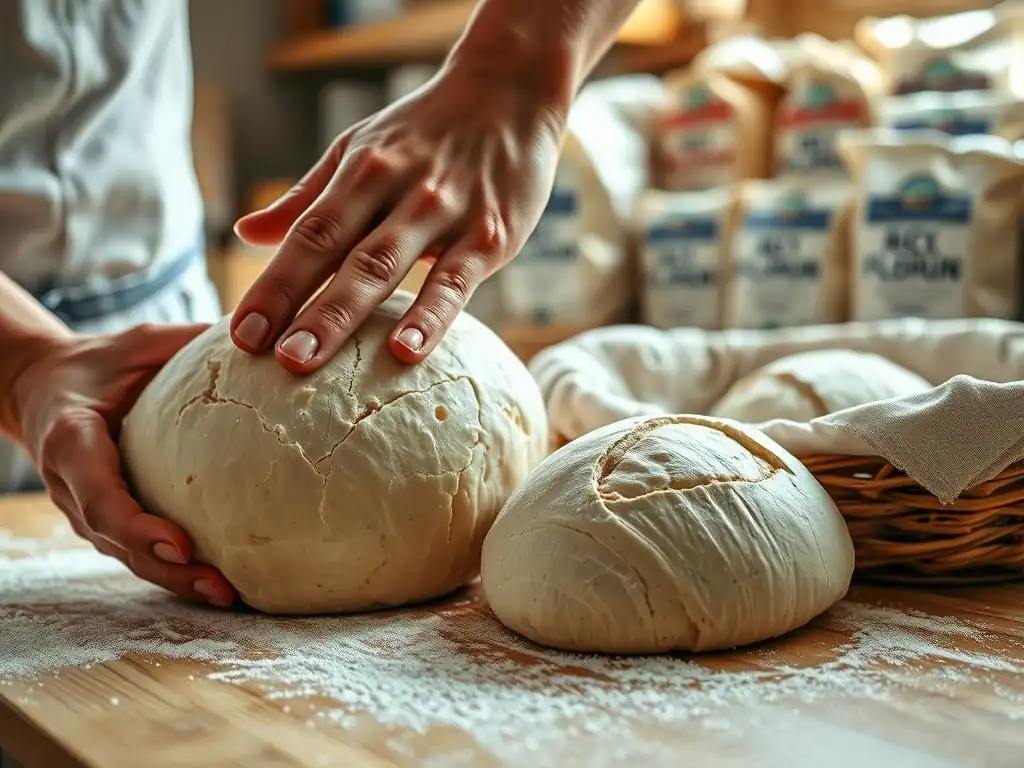
After bulk fermentation, it's time to shape your dough. Using a bench scraper and lightly floured surface (using your artisan flour, of course! ), gently turn the dough out. Be careful not to degas it too much. Shape the dough into your desired form (a round boule or an oval batard) using techniques that build surface tension. A strong artisan flour makes shaping easier as the dough holds its structure better.
Once shaped, the dough goes into a proofing basket (banneton), usually lined with flour to prevent sticking. The final proof can be done at room temperature for a shorter time (1-3 hours) for a tangier loaf or, more commonly for beginners, in the refrigerator overnight (8-16 hours). Cold proofing slows down fermentation, develops more complex flavors, and makes the dough much easier to handle and score before baking. This step is crucial for achieving a good shape and is well supported by the structure provided by the best flour for sourdough beginners.
Step 5: Baking Your Artisan Flour Sourdough Bread
Baking sourdough requires high heat and steam to achieve a beautiful crust and maximum oven spring. The most common method for home bakers is using a Dutch oven or similar lidded pot preheated in a hot oven (around 450-500°F or 230-260°C). The preheated pot provides initial high heat, and the lid traps the moisture released by the dough, creating steam.
Carefully transfer your cold-proofed dough from the banneton onto a piece of parchment paper. Score the top of the dough with a sharp razor blade or lame – this controls where the loaf expands. Lower the dough on the parchment paper into the preheated Dutch oven, place the lid on, and bake for 20-25 minutes.
This initial covered bake allows for maximum oven spring. After this time, remove the lid and continue baking for another 20-30 minutes, or until the crust is deep golden brown and the internal temperature reaches around 205-210°F (96-99°C). The protein structure from your artisan flour helps the loaf hold its shape and expand beautifully during this phase.
Troubleshooting Common Sourdough Baking Problems with Artisan Flour
Even with the best flour for sourdough beginners, you might encounter challenges. Sourdough baking has a learning curve! Understanding common issues and how to address them can help you refine your technique and improve your results. Artisan flours often behave predictably, which can make troubleshooting easier.
Here are a few common problems beginners face and tips on how to tackle them when using artisan flour, focusing on the specific characteristics of these flours and dough handling.
Dealing with a Sticky Dough
A sticky dough is a frequent complaint among sourdough beginners, especially when working with higher hydration recipes or certain artisan flours. While some stickiness is normal, dough that is excessively difficult to handle might be under-developed or over-hydrated for the specific flour used. A high-protein artisan flour can generally handle higher hydration, but even they have limits.
- Assess Hydration: Was the hydration level appropriate for your flour? Some flours, especially stone-ground ones or those with lower protein within the "bread flour" range (like 11.5%), might struggle with very high hydration (80%+). Next time, try reducing the water by 5-10% relative to the flour weight.
- Develop Gluten: Did you perform enough folds during bulk fermentation? A well-developed gluten network makes the dough less sticky and easier to handle. Ensure you are building tension with each set of folds until the dough feels more cohesive and less shaggy.
- Use Water, Not Flour, on Hands: When handling sticky dough, wet your hands with a little water instead of dusting heavily with flour. Excess flour can alter the hydration ratio and create dry pockets in your dough.
Achieving a Good Oven Spring
Oven spring, the final burst of expansion the loaf gets in the hot oven, is a hallmark of successful sourdough. If your loaves are coming out flat or dense, it could be related to fermentation, shaping, or dough strength, all influenced by your flour choice and handling. A strong artisan flour provides the potential for great oven spring.
- Check Starter Activity: Was your starter active and vigorous when you mixed the dough? An inactive starter won't produce enough gas to lift the loaf. Ensure your starter is bubbly and passes the float test before using it.
- Don't Overproof: Overproofing is a common cause of poor oven spring. If the dough ferments too long, the gluten structure can collapse, and the yeast runs out of food. The dough might look very puffy but lack tension. Pay attention to visual cues during bulk fermentation (30-50% increase in volume) and final proof (dough should look puffy but still have some structure). Cold proofing helps prevent overproofing.
- Ensure Good Shaping: Proper shaping builds tension on the surface of the loaf, which helps it hold its shape and direct the oven spring upwards. Practice your shaping technique to create a tight surface skin. The strength from your artisan flour will help the dough hold its shape.
Preventing a Dense Crumb
A dense crumb (small, tight holes) is often linked to insufficient fermentation or gluten development. While some flours naturally produce a tighter crumb (like whole wheat), a white artisan bread flour should yield a relatively open structure if handled correctly. Using the best flour for sourdough beginners is the first step; proper technique is the second.
- Adequate Fermentation: Ensure your dough has fermented sufficiently during bulk fermentation and final proof. Under-fermented dough hasn't developed enough gas or flavor. Look for signs of fermentation: increased volume, bubbles, and a slightly domed surface.
- Proper Gluten Development: Make sure you are developing enough gluten through mixing and folding. A strong gluten network is necessary to trap the gas created by the starter. Your artisan flour provides the protein, but you need to do the work to build the network. The dough should feel strong and elastic, not weak or tearing easily, by the end of bulk fermentation.
- Correct Scoring: Improper or insufficient scoring can restrict oven spring and result in a dense loaf. Make a clean, deep score with a sharp blade to allow the dough to expand freely in the oven.
Beyond Bread: Exploring Other Baking Applications for Artisan Flour
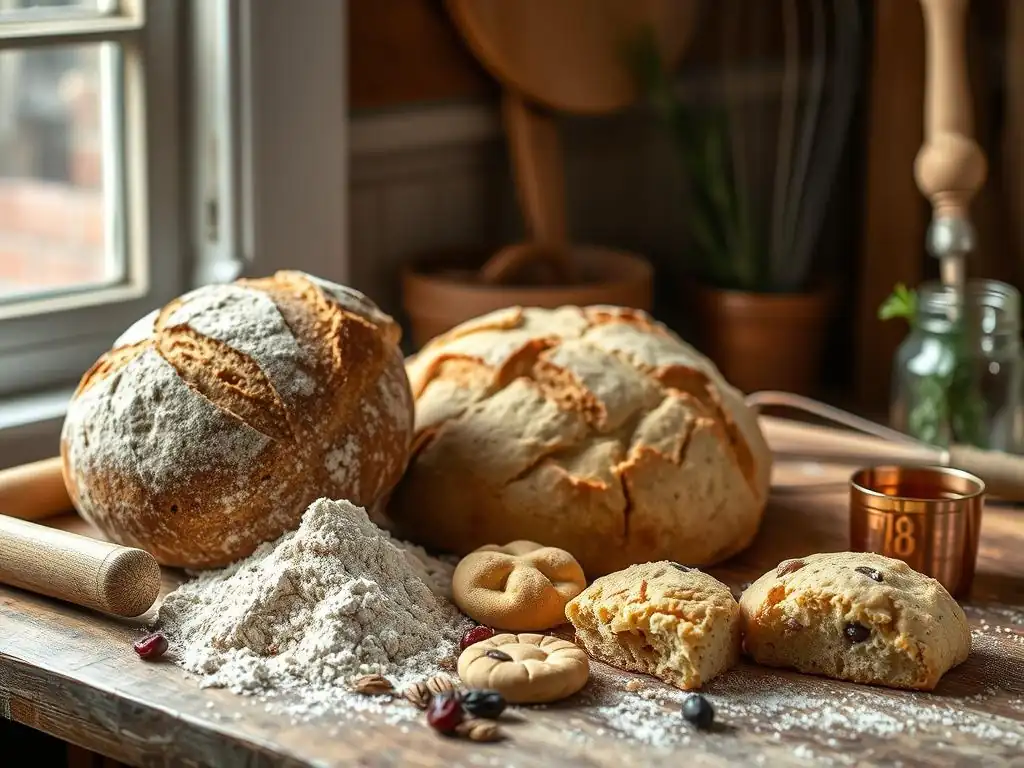
While this guide focuses on using the best flour for sourdough beginners, the artisan flours you discover are versatile and can be used in many other baking applications. Their unique flavor profiles and protein structures can bring exciting new dimensions to everything from pizzas to pastries. Don't limit yourself to just bread once you have a bag of quality artisan flour!
Experimenting with your artisan flour in different recipes is a great way to understand its characteristics better and expand your baking repertoire. You might find that a flour you love for sourdough also makes an incredible pizza crust or adds a delightful chewiness to cookies.
Using Artisan Flour for Pizza Dough
Artisan bread flours, especially those with higher protein content like King Arthur Sir Lancelot, are fantastic for making pizza dough. The strong gluten structure they provide results in a dough that is easy to stretch thin without tearing, develops a chewy interior crumb, and achieves a beautiful, crispy crust when baked at high temperatures (like in a pizza oven or on a steel/stone in a home oven).
A simple pizza dough recipe often involves just flour, water, yeast (or sourdough starter), salt, and a little olive oil. Using your artisan bread flour, aim for a hydration level between 60% and 70% for an easy-to-handle dough. Allowing the dough to cold ferment in the refrigerator for 24-72 hours after mixing will develop incredible flavor, much like sourdough bread. The qualities that make it the best flour for sourdough beginners also make it excellent for pizza.
Artisan Flour in Pastries and Cakes
While lower protein flours are typically preferred for tender pastries and cakes, some artisan flours or blends can be used, often resulting in baked goods with a slightly different texture and enhanced flavor. Using 100% high-protein bread flour in a delicate cake might result in a tough texture, but blending it with a lower protein flour or using a less strong artisan flour can work well.
Consider using an artisan flour with moderate protein or a high-extraction flour (which includes some bran and germ for flavor) in recipes where a bit more structure or chewiness is desired, like cookies, muffins, or even some types of rustic tarts. The added flavor from the milling process or the inclusion of parts of the wheat berry can elevate simple baked goods. You might need to adjust liquid slightly as artisan flours can absorb water differently.
Experimenting with Different Flour Blends
One of the most rewarding aspects of using artisan flours is experimenting with blends. You don't have to use just one type of flour in your baking. Many bakers mix different flours to achieve specific results – combining a high-protein white bread flour with a portion of whole wheat, spelt, rye, or a high-extraction flour.
For example, you could use 80% of your chosen best flour for sourdough beginners (like Central Milling Artisan Baker's Craft Plus) and blend it with 20% whole wheat flour for added flavor and nutrition, while still maintaining good structure. Or, blend a strong white artisan flour with a weaker, more flavorful heritage grain flour. Blending allows you to customize the protein content, ash content, and flavor profile of your dough, opening up a world of possibilities as you become more comfortable with artisan baking.
Conclusion: Your Journey into Artisan Flour Sourdough Baking Starts Now
Embarking on your sourdough baking journey with artisan flour is a rewarding path that promises loaves bursting with flavor and character. By understanding the basics of protein and ash content, exploring quality flours like those recommended, and following simple steps, you are well-equipped to bake delicious bread.
Choosing the best flour for sourdough beginners is about finding a balance between performance, ease of use, and the desire for enhanced flavor. Don't be afraid to experiment, learn from each bake, and enjoy the process. The world of artisan flour offers endless possibilities for elevating your home baking. Happy baking!
Frequently Asked Questions
What is the best flour for sourdough beginners just starting out?
The best flour for sourdough beginners is often a strong bread flour with a high protein content. This helps develop the gluten necessary for a good rise and structure.
Why is protein content important when choosing flour for sourdough?
A higher protein content in flour is crucial for sourdough because it directly impacts gluten development. Strong gluten networks are essential for trapping gases produced during fermentation, resulting in a well-risen loaf.
Can I use all-purpose flour for sourdough as a beginner?
While possible, all-purpose flour isn't ideal for beginners due to its lower protein content. This can lead to a flatter, denser loaf. It's better to start with bread flour and experiment later.
What are some other types of flour I might explore after mastering bread flour?
Once comfortable with bread flour, consider experimenting with whole wheat flour for added flavor and nutrition. Rye flour and spelt flour can also add unique characteristics but might require adjustments to your hydration levels.
Where can I find the "best" flour for sourdough near me?
Look for bread flour at your local grocery store or specialty baking supply shops. Online retailers also offer a wide variety of flours, often with detailed information on protein content and milling processes.
Final Reflection: The Humble Flour, the Bountiful Loaf
The pursuit of the perfect sourdough loaf begins, surprisingly, not with the starter, but with the flour. This article has explored the diverse world of artisan flours, highlighting how choosing the right one can significantly impact the texture, flavor, and overall success of your sourdough journey. Understanding the nuances of different flours – from their protein content to their mineral composition – is key to unlocking the potential of this ancient baking method.
The impact of readily available, high-quality flours on the modern baking landscape is undeniable. It's allowed a resurgence of interest in traditional baking techniques, empowering home bakers to create truly exceptional loaves. This accessibility, however, also brings a responsibility: to understand the origins and impact of our food choices. Bread is the staff of life,
a simple phrase, yet it speaks volumes about the fundamental role flour plays in our sustenance and culture. The journey from grain to loaf is a powerful connection to our past, and the careful selection of flour allows us to honor that connection.
Now, consider your own baking journey. What have you learned about the relationship between flour and the final product? What experiments will you undertake next? Perhaps you'll explore a new type of flour, or delve deeper into the science behind hydration levels. Regardless of your next step, remember that the path to mastering sourdough is a journey of exploration and discovery, and the humble flour is your most crucial companion. Embrace the process, savor the results, and let the aroma of freshly baked bread fill your home with warmth and the promise of delicious adventures to come.
Unleash Your Inner Baker: Flour Power Awaits!
Thanks for taking the time to explore the wonderful world of artisan flours! You've now learned how to elevate your baking game with just a few simple ingredient swaps. Ready to put your newfound knowledge to the test?
- Bake your first artisan loaf! Choose your favorite recipe (or try one of our many on the site!) and substitute the flour for one of the varieties we've discussed. Note the differences in texture and taste!
- Share your baking journey! Snap a picture of your creation and share it on social media using #BakeWithEaseArtisan. Let's inspire others to explore the magic of artisan flours.
- Explore different flour combinations. Try mixing your favorite artisan flour with a more familiar one to see how they complement each other. This is where the true experimentation begins!
What unique flavor profile will your next artisan bread unveil?