
Clever Ways to Use Leftover Enriched Dough Scraps


Welcome to BakeWithEase, your trusted companion in the delightful world of baking! Ever find yourself with precious bits of leftover enriched dough after a baking spree? Don't let them go to waste! This article unveils clever and easy leftover enriched dough recipes that transform those scraps into delectable treats you won't believe you almost missed. Prepare to be amazed by the possibilities! Intrigued? Let's get baking!
- Clever Ways to Use Leftover Enriched Dough Scraps: Bake With Ease
- Introduction: Don't Waste a Crumb! Creative Enriched Dough Scrap Recipes
- Understanding Enriched Dough: A Baker's Review
- Leftover Enriched Dough Recipes: Sweet Treats
- Savory Uses for Leftover Enriched Dough
- Re-Working and Storing Enriched Dough Scraps
- Mastering Enriched Dough: Avoiding Leftovers in the First Place
- Conclusion: Embrace the Versatility of Leftover Enriched Dough – Easy Recipes Await!
-
Frequently Asked Questions
- What exactly is enriched dough, and why might I have leftovers?
- I have a small amount of leftover enriched dough. What's the quickest thing I can make with it?
- Can I freeze leftover enriched dough for later use?
- Are there any savory applications for leftover enriched dough besides the sweet ones I usually see?
- My leftover dough is a bit dry. Can I still use it, and if so, how can I rehydrate it?
- Final Reflection: The Unexpected Bounty of Dough Scraps
- Unleash Your Inner Baker: Transform Dough Scraps into Delicious Treats!
Clever Ways to Use Leftover Enriched Dough Scraps: Bake With Ease
Introduction: Don't Waste a Crumb! Creative Enriched Dough Scrap Recipes
Every baker knows the feeling: you've just shaped your beautiful brioche loaves or perfectly braided challah, and you're left with those inevitable scraps of dough. It might not seem like much, but these remnants of enriched dough are pure gold! Throwing them away feels like a crime against deliciousness. Instead of discarding these precious pieces, let's explore some clever and creative ways to give them a second life. You'll discover that transforming these scraps into new treats is not only satisfying but also incredibly easy, leading to fantastic leftover enriched dough recipes easy enough for any home baker.
Using leftover enriched dough isn't just about minimizing waste; it's about unlocking new possibilities in your kitchen. The richness from ingredients like butter, eggs, and milk in these doughs lends itself wonderfully to a variety of applications, both sweet and savory. Whether you have a small handful or a more substantial amount, there are delightful treats waiting to be made. From quick snacks to mini desserts, these simple techniques will ensure no scrap goes unused, adding more delightful items to your repertoire of easy leftover enriched dough recipes.
Understanding Enriched Dough: A Baker's Review

What Makes Dough "Enriched"?
Enriched dough stands apart from basic lean doughs (like those used for classic French bread or pizza crust) due to the addition of ingredients beyond just flour, water, yeast, and salt. The key enrichments typically include fats (like butter or oil), eggs, and dairy (milk or cream). These additions dramatically change the dough's texture, flavor, and handling properties.
For instance, the fat tenderizes the crumb, while eggs and dairy contribute richness, color, and structure. A typical brioche dough might contain 50% or more butter relative to the flour weight, plus several eggs, resulting in a very soft, pliable, and rich dough that bakes up incredibly tender and flavorful.
The presence of these enriching ingredients also affects the dough's fermentation and gluten development. Fats can sometimes slow down gluten formation, requiring more careful kneading or longer fermentation times. However, the resulting dough is often much more extensible and forgiving once properly developed. This unique composition is why leftover enriched dough behaves differently than lean dough scraps and why it's so versatile for creating luxurious small bites and easy leftover enriched dough recipes. The high fat content, for example, makes it ideal for frying or baking into tender pastries.
Common Types of Enriched Dough (Brioche, Challah, etc.)
Several beloved bread and pastry types fall under the umbrella of enriched doughs, each with its own specific characteristics based on ingredient ratios and techniques. Brioche, often considered the epitome of enriched doughs, is famous for its high butter and egg content, resulting in a supremely tender, almost cake-like crumb. Traditional brioche can have a fat content ranging from 40% to 100% of the flour weight!
Challah, a Jewish braided bread, is typically enriched with eggs and oil (rather than butter), giving it a slightly different texture and a beautiful golden hue. It's often slightly less rich than brioche but still wonderfully soft.
Other examples include Parker House rolls, many sweet rolls (like cinnamon rolls), and even some sandwich bread recipes that include milk, butter, or eggs for a softer crumb. Each type, whether it's a buttery brioche scrap or a slightly less rich challah piece, offers unique qualities that can be leveraged when creating new treats. Understanding the original dough's composition helps predict how the scraps will behave and what kind of delicious, easy leftover enriched dough recipes they are best suited for.
Why Leftover Dough is a Baker's Gold
Leftover enriched dough scraps are incredibly valuable because they represent time, effort, and quality ingredients already invested. The dough has typically gone through its initial mixing, kneading, and often at least one fermentation period (bulk fermentation). This means the gluten structure is partially developed, and flavors have begun to deepen. Using these scraps saves you the initial steps of dough preparation, allowing you to whip up delicious treats in a fraction of the time it would take to start from scratch.
Furthermore, the very nature of enriched dough – its richness and pliability – makes it exceptionally versatile for shaping small items or incorporating into other dishes. It can be easily rolled, twisted, or formed into shapes that bake up beautifully. Think of it as pre-made, high-quality pastry base ready for immediate transformation. This inherent convenience and quality make finding simple, easy leftover enriched dough recipes a highly rewarding endeavor for any baker looking to maximize their yield and minimize waste.
Leftover Enriched Dough Recipes: Sweet Treats
Mini Doughnuts from Enriched Dough Scraps
Transforming small pieces of rich dough into mini doughnuts is one of the quickest and most satisfying uses for scraps. The dough's high fat and egg content makes it perfect for frying, resulting in incredibly tender, airy doughnuts. You don't need special cutters; simply gather the scraps, gently press them together without overworking, and cut or tear into small pieces. The goal is to handle the dough minimally to maintain its tender structure. These mini delights cook up in just a minute or two per side in hot oil, making them an almost instant treat.
The beauty of using enriched dough scraps for doughnuts is the built-in richness. Unlike standard doughnut doughs, which might require specific formulations for frying, enriched dough is already perfectly suited. Frying them at the right temperature (around 350-375°F or 175-190°C) ensures they puff up beautifully and cook through without becoming greasy. A small batch of scraps, perhaps 150-200 grams, can easily yield a dozen or more mini doughnuts, ready for a quick roll in sugar or a dip in glaze. This is a truly easy leftover enriched dough recipe for a sweet reward.
Recipe: Enriched Dough Mini Doughnuts
Gather your enriched dough scraps. Gently press them together into a rough shape, about 1/2 inch thick. You can use a small cutter (like a round piping tip) or simply cut the dough into 1-inch squares or triangles. Heat about 2-3 inches of neutral oil (like vegetable or canola) in a heavy-bottomed pot to 360°F (180°C).
Carefully drop 3-4 dough pieces into the hot oil, ensuring not to overcrowd the pot. Fry for about 1-2 minutes per side, until golden brown and puffed. Remove with a slotted spoon and drain on a wire rack set over paper towels. While still warm, toss in cinnamon sugar or dip in a simple glaze made from powdered sugar and a splash of milk.
Baking Tips for Perfect Mini Doughnuts
Success with mini doughnuts from scraps relies on a few key details. Firstly, handle the dough gently; excessive kneading at this stage can make the doughnuts tough. Secondly, control your oil temperature meticulously. Too low, and they'll be greasy; too high, and they'll burn outside before cooking inside. A clip-on thermometer is invaluable here. Fry in small batches to maintain the oil temperature and prevent the doughnuts from sticking together. Finally, coating them while warm helps the sugar or glaze adhere properly, ensuring every bite is delightfully sweet. This simple approach guarantees an easy leftover enriched dough recipe success.
Cinnamon Sugar Twists with Enriched Dough
Cinnamon sugar twists are another fantastic, easy use for enriched dough scraps. The dough's inherent richness complements the sweet spice filling beautifully. Start by gathering your scraps and gently pressing or rolling them into a rough rectangle, aiming for about 1/4 inch thickness. Brush the surface lightly with melted butter or a beaten egg wash, then generously sprinkle with a cinnamon-sugar mixture (typically 1 part cinnamon to 4 parts sugar). Cut the dough into strips, about 1/2 to 1 inch wide and 4-6 inches long.
Twist each strip several times and place them on a baking sheet lined with parchment paper. You can bake these immediately or let them rest for 15-20 minutes for a slightly lighter texture. Bake in a preheated oven at around 375°F (190°C) for 10-15 minutes, or until golden brown and fragrant. The result is a batch of crispy-chewy twists bursting with cinnamon flavor, a prime example of an easy leftover enriched dough recipe that's simple yet incredibly satisfying.
Recipe: Cinnamon Sugar Twists
Gather about 200-300 grams of enriched dough scraps. Gently press or roll into a rectangle approximately 1/4 inch thick. In a small bowl, mix 2 tablespoons of ground cinnamon with 1/2 cup of granulated sugar. Lightly brush the dough surface with melted butter or milk. Sprinkle the cinnamon-sugar mixture evenly over the dough. Cut the dough into strips about 1 inch wide and 6 inches long. Hold each strip at both ends and gently twist several times. Place on a parchment-lined baking sheet. Bake at 375°F (190°C) for 12-15 minutes, until golden brown.
Variations: Adding Nuts, Chocolate, or Glazes
Elevate your cinnamon sugar twists with simple additions. Before twisting, sprinkle finely chopped nuts (like pecans or walnuts) over the cinnamon-sugar layer for added crunch and flavor. Alternatively, a scattering of mini chocolate chips or finely chopped chocolate can create delicious chocolate-cinnamon twists. For an extra touch of sweetness, drizzle a simple powdered sugar glaze (powdered sugar mixed with a little milk or water) over the twists after they've cooled slightly. These variations make an already easy leftover enriched dough recipe even more exciting.
Fruity Enriched Dough Scones
While not traditional scones, using enriched dough scraps provides a shortcut to a scone-like pastry that is wonderfully rich and tender. The butter and egg content in the dough eliminates the need to cut cold butter into flour, simplifying the process significantly. Simply gather your scraps, gently incorporate some fresh or dried fruit, form into rounds or triangles, and bake. The result is a slightly sweet, tender bake that pairs perfectly with tea or coffee. This method is an excellent example of an easy leftover enriched dough recipe that repurposes scraps into a familiar form.
The key here is minimal handling once the fruit is added. Overworking the dough will develop the gluten too much, resulting in a tougher scone-like bake. Just a few gentle folds or presses are enough to distribute the fruit. Baking at a relatively high temperature (around 400°F or 200°C) helps them rise quickly and develop a nice crust while staying tender inside. This approach yields a product closer to a rich shortcake or tea biscuit made with enriched dough than a classic crumbly scone, but delicious nonetheless.
Recipe: Fruity Enriched Dough Scones
Take about 250-350 grams of enriched dough scraps. Gently flatten the dough and scatter about 1/2 cup of fresh berries (like blueberries or chopped strawberries) or dried fruit (raisins, cranberries). Gently fold the dough over the fruit a couple of times, just enough to distribute it. Do not knead. Form the dough into a disk about 1 inch thick. Cut into 6-8 wedges or use a round cutter. Place on a parchment-lined baking sheet. Bake at 400°F (200°C) for 15-20 minutes, until golden brown.
Best Fruits to Use in Enriched Dough Scones
Fruits that work well in these enriched dough "scones" are those that don't release excessive moisture when baked. Fresh berries like blueberries, raspberries, or chopped strawberries are excellent choices. Dried fruits such as raisins, cranberries, currants, or chopped apricots also work wonderfully and add concentrated sweetness. Avoid very juicy fruits like large chunks of apple or pear unless pre-cooked or tossed with a little flour, as they can make the dough soggy. The richness of the dough pairs particularly well with slightly tart fruits like cranberries or raspberries, balancing the sweetness.
Enriched Dough Bread Pudding
Leftover enriched dough, especially if it's a day or two old and slightly stale, is absolutely perfect for bread pudding. Its rich, tender crumb absorbs the custard beautifully, resulting in a luxurious dessert. Brioche scraps are particularly well-suited for this due to their high butter and egg content, which contributes to an incredibly creamy and decadent bread pudding. While fresh scraps can be used, slightly stale pieces (cut or torn into cubes and left out for a few hours) absorb the custard even better. This is a classic, comforting, and easy leftover enriched dough recipe.
The ratio of bread to custard is crucial for a good bread pudding. A common starting point is roughly equal parts bread cubes and custard by volume. For instance, about 4 cups of bread cubes to 4 cups of custard base (milk, cream, eggs, sugar, vanilla). Allowing the bread to soak in the custard for at least 20-30 minutes, or even longer in the refrigerator, ensures the cubes are fully saturated before baking, preventing dry spots. Baking in a water bath can also help ensure a silky smooth custard texture throughout.
Recipe: Bread Pudding with Leftover Enriched Dough
Cut or tear about 300-400 grams of enriched dough scraps into 1-inch cubes. If the dough is fresh, leave the cubes out for a few hours to dry slightly. Place the cubes in a baking dish (an 8x8 inch square or similar size works well). In a bowl, whisk together 2 cups milk, 1 cup heavy cream, 3 large eggs, 1/2 cup sugar, 1 teaspoon vanilla extract, and a pinch of salt.
Pour the custard evenly over the bread cubes, pressing gently to ensure all pieces are submerged. Let soak for at least 20 minutes (or cover and refrigerate for several hours). Bake in a preheated oven at 350°F (175°C) for 40-50 minutes, or until the top is golden brown and the custard is set (it shouldn't be liquid in the center).
Customizing Your Bread Pudding: Flavors and Textures
Bread pudding is incredibly versatile. Add-ins like raisins, dried cranberries, chopped nuts, chocolate chips, or fresh berries can be stirred into the bread and custard mixture before soaking. Spices like cinnamon, nutmeg, or cardamom can be added to the custard for warmth.
A splash of rum, bourbon, or orange zest can also elevate the flavor profile. For a different texture, sprinkle the top with a little extra sugar or even a streusel topping before baking. Serving warm with a scoop of ice cream, whipped cream, or a drizzle of caramel or vanilla sauce takes this easy leftover enriched dough recipe to dessert heaven.
Savory Uses for Leftover Enriched Dough

Enriched Dough Pizza Bites or Rolls
Who says enriched dough is only for sweet treats? Its soft, tender crumb makes it surprisingly good for savory applications too, especially when you're looking for easy leftover enriched dough recipes. Transforming scraps into mini pizza bites or rolls is a quick way to create savory snacks or appetizers. Simply gather your scraps, gently form them into small balls or flatten them slightly. They can then be topped like mini pizzas or filled and rolled up. The richness of the dough provides a lovely contrast to savory fillings.
For pizza bites, flatten small pieces of dough into disks about 3-4 inches wide. Spread a little pizza sauce on top, add a sprinkle of cheese (mozzarella is classic), and your favorite mini toppings like pepperoni slices, chopped peppers, or olives. Bake at a high temperature, around 400-425°F (200-220°C), for 10-15 minutes until the crust is golden and the cheese is melted and bubbly. The rich dough bakes up softer than traditional pizza crust, creating a delightful, bite-sized treat.
Recipe: Savory Pizza Bites
Gather about 200-300 grams of enriched dough scraps. Divide into 8-12 small pieces and gently flatten each into a circle about 3-4 inches in diameter. Place on a parchment-lined baking sheet. Top each circle with about 1 teaspoon of pizza sauce, a sprinkle of shredded mozzarella cheese, and desired mini toppings (e.g., chopped pepperoni, bell pepper, onion). Bake at 425°F (220°C) for 10-15 minutes, until the crust is golden and the cheese is melted and lightly browned.
Topping Ideas for Pizza Bites
The possibilities for pizza bite toppings are endless, limited only by size. Think miniature versions of your favorite pizza combinations. Beyond classic pepperoni and cheese, consider:
- Chopped ham and pineapple
- Sautéed mushrooms and onions
- Spinach and feta cheese
- Kalamata olives and sun-dried tomatoes
- Crumbled cooked sausage or bacon
Ensure toppings are cut into small pieces so they cook through quickly on the small dough base. A sprinkle of dried oregano or red pepper flakes before baking adds extra flavor. This easy leftover enriched dough recipe is perfect for using up small amounts of various ingredients.
Enriched Dough Garlic Knots
Garlic knots are a beloved side dish, and leftover enriched dough scraps are perfect for making a tender, flavorful version. The richness of the dough absorbs the garlic butter wonderfully. To make them, gently gather your scraps and roll them into ropes about 1/2 inch thick. Cut the ropes into segments about 6-8 inches long. Tie each segment into a simple knot. They don't need to be perfect; rustic knots are charming! Place the knots on a baking sheet lined with parchment paper.
Bake the knots at around 375-400°F (190-200°C) for 12-18 minutes, until they are puffed and golden brown. While they are still hot, brush them generously with a mixture of melted butter, minced fresh garlic, and chopped fresh parsley. The warm knots will soak up the garlic butter, becoming incredibly fragrant and delicious. This simple process makes garlic knots an incredibly easy leftover enriched dough recipe.
Recipe: Easy Garlic Knots with Leftover Dough
Take about 200-300 grams of enriched dough scraps. Gently roll the dough into ropes about 1/2 inch thick. Cut into 6-8 inch segments. Tie each segment into a loose knot. Place on a parchment-lined baking sheet. Bake at 375°F (190°C) for 12-18 minutes, until golden brown. While baking, melt 1/4 cup butter and stir in 2 cloves minced garlic and 1 tablespoon chopped fresh parsley. As soon as the knots come out of the oven, brush them generously with the garlic butter.
Serving Suggestions for Garlic Knots
Garlic knots are the perfect accompaniment to Italian meals, especially pasta dishes with red sauce. They are also excellent served alongside soups or salads, or simply enjoyed on their own as a savory snack. For an extra touch, serve them with a side of marinara sauce for dipping. The soft, rich texture of the enriched dough makes these knots particularly delightful, soaking up the sauce beautifully. This easy leftover enriched dough recipe is a crowd-pleaser.
Enriched Dough Savory Hand Pies
Savory hand pies are a fantastic way to use larger pieces of leftover enriched dough. The dough bakes up flaky and tender, providing a wonderful crust for various savory fillings. Think of them as miniature calzones or turnovers. Gently roll out your scraps into a thin sheet, about 1/8 inch thick. Cut into circles or squares. Place a small amount of savory filling on one half of each piece, moisten the edges with water or egg wash, fold the dough over the filling, and crimp the edges with a fork to seal.
Brush the tops of the hand pies with an egg wash for a golden finish and cut a few vents to allow steam to escape. Bake at around 375-400°F (190-200°C) for 15-25 minutes, depending on size and filling, until the crust is golden brown and the filling is hot. These are portable, delicious snacks or light meals, showcasing the versatility of enriched dough in easy leftover enriched dough recipes.
Recipe: Savory Hand Pies
Gather about 300-400 grams of enriched dough scraps. Gently roll out the dough to about 1/8 inch thickness. Cut into circles or squares using a cutter or knife (about 4-6 inches in size). Place 1-2 tablespoons of cooled savory filling on one half of each dough piece. Brush the edges with water or beaten egg.
Fold the dough over the filling to create a half-circle or rectangle. Crimp the edges firmly with a fork to seal. Place on a parchment-lined baking sheet. Brush tops with egg wash and cut 2-3 small vents. Bake at 375°F (190°C) for 18-25 minutes, until golden brown.
Filling Ideas: From Meat to Vegetables
The possibilities for savory hand pie fillings are nearly endless. The key is that the filling should be cooked and cooled before being enclosed in the dough to prevent soggy bottoms and ensure it heats through properly during baking. Some ideas include:
- Cooked ground meat (beef, pork, lamb) mixed with herbs and spices
- Sautéed mushrooms and onions with cheese
- Spinach and ricotta or feta cheese
- Roasted vegetables (like sweet potato, bell peppers, zucchini)
- Curried lentils or vegetables
- Cooked chicken or turkey mixed with gravy or sauce
Ensure the filling isn't too wet. Using leftover stew or chili can work, but make sure it's quite thick. This easy leftover enriched dough recipe allows you to repurpose not just dough scraps but also small amounts of leftover savory dishes.
Re-Working and Storing Enriched Dough Scraps
Proper Storage Techniques for Leftover Enriched Dough
Storing leftover enriched dough properly is key to keeping it viable for your easy leftover enriched dough recipes. The best method for short-term storage (1-2 days) is refrigeration. Place the dough scraps in an airtight container or wrap them tightly in plastic wrap to prevent them from drying out. Store in the coldest part of your refrigerator, typically the back. Enriched dough can be stored in the fridge for up to 2-3 days, though it may continue to ferment slowly, developing more flavor but potentially becoming more acidic.
For longer storage, freezing is an excellent option. Gather the scraps, press them gently together into a ball or disk, wrap tightly in plastic wrap, and then place in a freezer-safe bag or container. Frozen enriched dough can last for 1-2 months. When you're ready to use it, thaw it slowly in the refrigerator overnight. Avoid thawing at room temperature, as this can lead to uneven thawing and potential spoilage. Proper storage ensures your scraps are ready for easy leftover enriched dough recipes whenever inspiration strikes.
How to Revive Slightly Stale Dough
If your enriched dough scraps have been in the fridge for a couple of days and feel a bit stiff or dry on the surface, they might seem stale, but they can often be revived. If the dough is just slightly dry, a light misting of water and letting it sit covered for 15-20 minutes can help rehydrate the surface. If it feels stiff, kneading it gently for a minute or two can help soften it up, especially if it's warmed slightly to room temperature first.
If the dough seems overly dry throughout or has developed a hard crust, it might be less suitable for shaping delicate items like doughnuts or twists. However, it is still perfect for applications where it will be soaked in liquid, such as bread pudding. Simply cut or tear the stale dough into cubes and proceed with your bread pudding recipe. Even if the dough is past its prime for primary baking, it can still contribute delicious richness to other dishes, extending its life and usefulness in easy leftover enriched dough recipes.
Tips for Combining Different Batches of Enriched Dough
It's common to accumulate scraps from different baking projects over time. While you can combine them, keep in mind that doughs made with significantly different enrichment levels (e.g., a very rich brioche with a less rich challah) or different flavor profiles might yield slightly unpredictable results. For best results when combining, try to group scraps from similar types of dough together. If you do mix them, handle them gently.
When combining scraps, especially from different days, it's wise to let them come to room temperature together and rest for 30-60 minutes before attempting to reshape them. This allows the doughs to relax and integrate. You might notice slight variations in texture or rise depending on the age and type of the combined scraps, but for simple applications like twists, knots, or bread pudding, combining scraps from similar enriched dough families generally works well, providing more material for your easy leftover enriched dough recipes.
Mastering Enriched Dough: Avoiding Leftovers in the First Place
Scaling Recipes Effectively
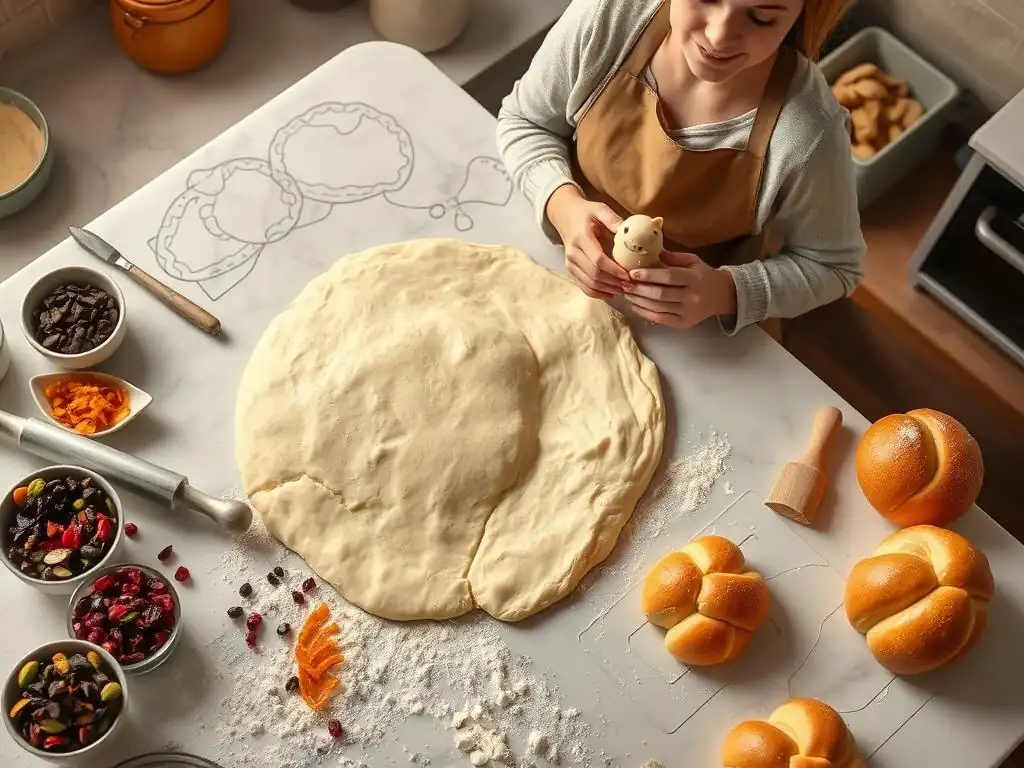
While having leftover enriched dough for creative recipes is great, sometimes you might want to minimize waste from the outset. One way to do this is by becoming adept at scaling recipes. Most professional recipes are written for large batches, but many home recipes can be scaled down. If you know you only need a certain number of rolls or a smaller loaf, calculate the required ingredients proportionally. For example, if a recipe calls for 500g flour and yields 12 rolls, and you only need 6, halve all the ingredients.
Using a digital kitchen scale is essential for accurate scaling, especially with baking where ratios are critical. Weighing ingredients ensures precision that volume measurements often lack. Practice scaling down a few favorite enriched dough recipes, starting with simple ones, to build confidence. Accurate scaling helps you make just the right amount of dough for your project, reducing the likelihood of significant leftovers, though a few scraps are almost always inevitable!
Planning Your Baking Projects to Minimize Waste
Careful planning can also help reduce dough waste. If you're making a large batch of enriched dough for brioche loaves, consider if you could simultaneously plan a project that uses a smaller amount of the same dough, like making a few brioche buns or a small braided loaf, rather than just making several large loaves. This way, you use a larger portion of the dough batch intentionally, leaving fewer random scraps.
Another strategy is to think about how different enriched dough projects might align. If you're making challah one week and brioche the next, you might end up with two small amounts of different types of scraps. While combining is possible, planning might involve making a slightly larger batch of one dough type specifically to use for a secondary project, thus consolidating your leftover dough into a more manageable and uniform type for future easy leftover enriched dough recipes.
Freezing Enriched Dough for Later Use
As mentioned earlier for scraps, intentionally freezing a portion of your main dough batch is a proactive way to avoid leftovers and plan for future baking. After the initial bulk fermentation (the first rise), divide the dough into portions you plan to use later. Shape these portions as desired (e.g., into balls for rolls, or a simple disk) or just freeze them as blocks. Wrap tightly in plastic wrap, then place in a freezer bag or container, labeling with the dough type and date.
Freezing dough pauses the yeast activity. When you want to use the frozen dough, thaw it slowly in the refrigerator overnight. Once thawed, it will need a second proofing (rise) before baking. The time required for this second rise will vary depending on the dough's temperature and the environment, but it's usually longer than a standard proof as the yeast needs to become active again. Freezing allows you to bake smaller quantities whenever you like, effectively eliminating 'leftovers' by turning them into planned future bakes, making your life full of easy leftover enriched dough recipes available on demand.
Conclusion: Embrace the Versatility of Leftover Enriched Dough – Easy Recipes Await!
Don't let those precious scraps of enriched dough languish or, worse, end up in the bin! As we've seen, they are incredibly versatile ingredients, ready to be transformed into a wide array of delicious treats, both sweet and savory. From quick-fried mini doughnuts and sweet cinnamon twists to savory garlic knots and portable hand pies, the possibilities are abundant and, importantly, lead to easy leftover enriched dough recipes that are simple to execute.
By understanding the unique qualities of enriched dough and employing smart storage and repurposing techniques, you can elevate your baking game, reduce food waste, and discover new favorite snacks and desserts. So, the next time you finish shaping your main enriched dough project, look at those scraps not as waste, but as the beginning of your next delightful baking adventure. Embrace the challenge, get creative, and enjoy the satisfying results of these easy leftover enriched dough recipes!
Frequently Asked Questions
What exactly is enriched dough, and why might I have leftovers?
Enriched dough is any dough that contains added fats, such as butter, eggs, or milk, giving it a richer flavor and texture. Leftovers happen when scaling recipes or making more than you need.
I have a small amount of leftover enriched dough. What's the quickest thing I can make with it?
For a small amount, consider cinnamon sugar twists or simple fried dough bites. These are quick, easy, and satisfying.
Can I freeze leftover enriched dough for later use?
Yes, you can! Properly wrapped and frozen, enriched dough can last for up to 3 months. Thaw in the refrigerator before using.
Are there any savory applications for leftover enriched dough besides the sweet ones I usually see?
Absolutely! You can use it to make mini pizzas, breadsticks, or even savory hand pies. Experiment with different fillings!
My leftover dough is a bit dry. Can I still use it, and if so, how can I rehydrate it?
Yes, you can still use it! Add a small amount of warm milk or water and knead it in until the dough is pliable again.
Final Reflection: The Unexpected Bounty of Dough Scraps
The humble enriched dough scrap, often discarded, holds the key to unlocking a world of culinary creativity and minimizing food waste. It's a surprisingly versatile ingredient, capable of transforming simple leftovers into delightful treats, proving that even the smallest bits can yield significant rewards.
The impact of this simple act—saving and repurposing dough scraps—extends beyond the individual kitchen. It speaks to a larger movement towards mindful consumption and reducing our environmental footprint. By embracing these resourceful techniques, we not only save money but also contribute to a more sustainable approach to cooking. Waste not, want not,
an old adage, rings truer than ever in today's world, reminding us of the value in resourcefulness and creativity.
Now, consider your own baking habits. What small changes can you implement to reduce food waste? I encourage you to experiment with these easy recipes, to embrace the unexpected potential of your leftover enriched dough, and to discover the joy of transforming scraps into something delicious and meaningful. Let the humble dough scrap be a reminder that even the smallest actions can make a big difference, both in your kitchen and in the world.
Unleash Your Inner Baker: Transform Dough Scraps into Delicious Treats!
Thanks for joining us on this journey into the world of leftover enriched dough! We hope you've discovered some clever ways to avoid food waste and create delightful treats. Ready to put your newfound skills to the test?
- Bake a batch of mini pastries: Use your scraps to create mini croissants, cinnamon rolls, or even savory breadsticks – the possibilities are endless! This is your chance to experiment and have some fun in the kitchen.
- Share your creations! Show us your delightful dough scrap transformations on social media using #BakeWithEaseScraps. We'd love to see what you've baked!
- ** Challenge yourself with a new recipe: ** Search online for "enriched dough scrap recipes" and find an exciting new recipe to try. Let your creativity run wild!
What's your favorite way to repurpose leftover dough scraps? Share your ideas in the comments below!