
Fixing Bread That's Too Salty: A Common Mistake

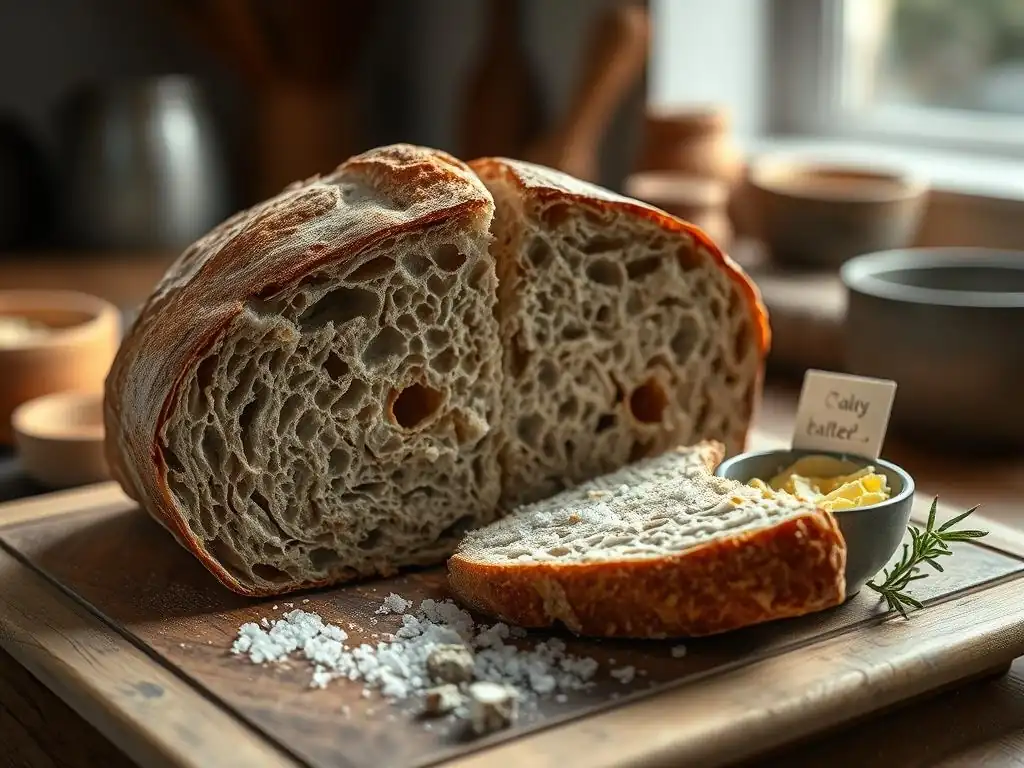
Welcome to BakeWithEase, your haven for effortless baking! Ever accidentally added a bit too much salt to your bread dough? Don't worry, it happens to the best of us! This week we're diving into salty bread troubleshooting techniques, offering practical solutions to rescue your bake and prevent future mishaps. Curious how to balance the flavors and salvage your loaf? Read on to discover the secrets!
- Introduction to Salty Bread: Understanding the Problem
- Salty Bread Troubleshooting Techniques: A Step-by-Step Guide
- Preventing Salty Bread: Best Practices for Baking Success
- Advanced Techniques for Salt Management in Bread Baking
- The Role of Salt in Different Bread Types
- Conclusion: Mastering Salt for Perfect Bread
-
Frequently Asked Questions
- How do I prevent my bread from being too salty in the first place?
- What can I do if I've already added too much salt to my bread dough?
- If the baked bread is too salty, is there anything I can do to fix it?
- Does the type of salt I use affect the saltiness of my bread?
- What are some recipes that are less sensitive to salt variations, making them good for practicing baking with salt?
- Final Reflection: The Unexpected Journey of a Salty Loaf
- Rescue Your Salty Bread: Take Action Now!
Introduction to Salty Bread: Understanding the Problem
Baking bread is a rewarding experience, but sometimes things don't go exactly as planned. One common issue that can turn a promising loaf into a disappointment is excessive saltiness. Salty bread troubleshooting techniques are essential for any baker, whether you're just starting out or refining your craft. Identifying why your bread ended up tasting like a salt block is the first step towards fixing it and, more importantly, preventing it from happening again.
Understanding the root cause is crucial before diving into salty bread troubleshooting techniques. It’s not just about the unpleasant taste; too much salt can negatively impact the bread's texture and rise as well. This article will guide you through identifying the problem, attempting to salvage your dough or baked loaf, and implementing best practices to ensure your future bread is perfectly seasoned.
Why is My Bread Too Salty? Common Causes
The most frequent reason for overly salty bread is simply a measurement error. This can happen easily, especially if you're distracted or rushing. Perhaps you mistook tablespoons for teaspoons, or misread the scale – adding 20 grams of salt instead of the intended 10 grams for a standard loaf made with 500 grams of flour is a significant difference that will absolutely result in salty bread. Using volume measurements for salt, particularly with different types of salt, is another common pitfall, as their densities vary widely.
Another cause can be uneven distribution of salt within the dough. If the salt wasn't properly mixed in, you might end up with pockets of intense saltiness in some parts of the loaf, while other areas are bland. Forgetting that you already added salt and adding it again is a less common but still possible mistake. Finally, some recipes might simply call for too much salt for your personal preference or for the amount of flour used, although standard bread recipes usually stick within a relatively narrow range, typically 1.8% to 2.2% salt relative to the flour weight.
The Impact of Salt on Bread Flavor and Texture
Salt plays a multifaceted role in bread making that goes far beyond just providing flavor. It significantly impacts the fermentation rate of yeast; salt slows down yeast activity, which is desirable as it allows for a longer, slower rise that develops more complex flavors in the dough. Without salt, dough can ferment too quickly, leading to a less flavorful loaf. Too much salt, however, inhibits yeast too much, resulting in a dense loaf with poor volume because the yeast cannot produce enough carbon dioxide gas to make the bread rise properly.
Beyond fermentation, salt strengthens the gluten structure in the dough. It tightens the gluten network, making the dough more elastic and easier to handle. This stronger structure also helps the bread hold its shape during proofing and baking and contributes to a better crumb structure. Excessive salt, however, can make the gluten too tight and rigid, hindering expansion. It also affects the crust, promoting browning through enzymatic activity. Ultimately, while salt is essential, getting the balance right is key to achieving the perfect flavor, texture, and appearance in your bread.
Salty Bread Troubleshooting Techniques: A Step-by-Step Guide

When you suspect your bread dough is too salty, don't panic! There are several salty bread troubleshooting techniques you can attempt, depending on whether you're dealing with dough or already baked bread, and how severe the saltiness is. This guide provides a step-by-step approach to help you assess the situation and explore potential solutions.
Remember that completely removing salt from dough or baked bread is impossible. Salty bread troubleshooting techniques focus on mitigating the saltiness, either by diluting it, balancing it with other flavors, or adjusting how the final product is used or served. Let's walk through the process, starting with identifying the problem's scale.
Step 1: Identifying the Severity of the Saltiness
The first crucial step in salty bread troubleshooting techniques is determining how salty the dough is. You can do this by carefully tasting a very small piece of the raw dough.
Be cautious with raw dough, especially if it contains raw eggs, but a tiny nibble (pea-sized or smaller) from a simple lean dough (flour, water, salt, yeast) is generally considered safe for a quick taste test. Alternatively, you can pinch off a small piece of dough, flatten it into a mini-patty, and quickly bake it in a hot oven or on a griddle for a few minutes until cooked through, then taste the cooked sample.
Based on your taste test, categorize the saltiness:
- Slightly Salty: Noticeably saltier than ideal, but not overwhelmingly unpleasant. The bread might still be edible, perhaps needing pairing with unsalted foods.
- Moderately Salty: Clearly too salty to eat plain, but the taste isn't completely unbearable. Salvaging the dough might be possible with significant adjustments.
- Overly Salty (or Extremely Salty): The salt taste is dominant and unpleasant. The dough is likely unsalvageable on its own and might require drastic measures or be best discarded for baking purposes.
This assessment will guide which of the following salty bread troubleshooting techniques are most appropriate for your situation.
Step 2: Immediate Actions for Slightly Salty Dough
If you determine your dough is only slightly too salty, you might decide to proceed with baking as planned. Sometimes, the saltiness mellows slightly during baking, or the final texture makes it less noticeable. While you cannot remove salt, you can plan to serve the finished bread in a way that complements or counteracts the excess salt. Consider using it for sandwiches with unsalted fillings, as toast with unsalted butter or jam, or as croutons added to a dish where the overall salt level can be controlled.
Another consideration, though it doesn't reduce saltiness, is managing the dough's behavior. Slightly salty dough might rise slower than expected due to the salt's effect on yeast. Be patient during proofing and allow extra time if needed. Monitor its progress by using the poke test – gently press the dough; if the indentation springs back slowly, it's ready to bake. Don't try to rush it, as this will further compromise the loaf's texture.
Adjusting the Baking Time for Slightly Salty Bread
While adjusting baking time is not a direct method to fix the saltiness itself, it relates to how salty dough behaves. Dough with too much salt might rise less vigorously, potentially leading to a denser loaf. To compensate for the potentially tighter structure and slower rise caused by excess salt, you might find that the bread requires a slightly longer bake time to ensure it is cooked through to the center. Use an internal thermometer to check for doneness; most lean bread is done when the internal temperature reaches 200-210°F (93-99°C).
Conversely, if the salty dough somehow managed a decent rise but feels denser, the crust might brown faster due to the salt's interaction with sugars. If the crust is browning too quickly before the interior is cooked, you might need to reduce the oven temperature slightly (e.g., by 25°F or 15°C) or cover the loaf loosely with foil during the latter part of the bake. These are merely compensatory actions for the dough's altered state, not actual fixes for the salt content. The primary salty bread troubleshooting techniques involve dough manipulation or serving adjustments.
Step 3: Salvaging Overly Salty Dough: Rescue Options
For dough that is moderately to overly salty, direct salty bread troubleshooting techniques are required to reduce the salt concentration relative to the other ingredients. This usually involves adding more unsalted components to the mix. Simply baking an overly salty dough will result in inedible bread.
Here are the primary rescue options:
- Option 1: Diluting the Dough with a Fresh Batch: This is often the most effective method for significantly salty dough. Prepare a completely new batch of the exact same recipe, but without any salt. Once the new dough is mixed, gently knead the salty dough into the fresh, unsalted dough. Aim for a ratio that effectively dilutes the salt. For example, mixing one overly salty batch with one equal-sized unsalted batch will roughly halve the overall salt concentration. If the original batch was extremely salty, you might need to mix it with two or even three times its volume in unsalted dough.
- Option 2: Incorporating Unsalted Ingredients to Reduce Saltiness: If making a whole new batch isn't feasible or desirable, you can try incorporating unsalted ingredients directly into the salty dough. This method is generally less effective for severely salty dough but can help with moderately salty cases. You'll need to knead in additional flour, water, and potentially other unsalted enrichments depending on the recipe. Be aware that adding significant amounts of extra ingredients will change the dough's hydration and overall composition.
Option 1: Diluting the Dough with a Fresh Batch
Diluting with a fresh, unsalted batch is a powerful salty bread troubleshooting technique because it directly addresses the salt-to-flour ratio, which is the core of the problem. Let's say your initial dough used 500g flour and you accidentally added 20g salt instead of 10g (a 4% salt ratio, double the target 2%). By making a new batch with 500g flour, water, and yeast but no salt, and combining the two, you now have a total of 1000g flour and 20g salt, resulting in a 2% salt ratio (20g salt / 1000g flour), which is within the normal range.
When combining the doughs, ensure they are kneaded together thoroughly until homogenous. You might need to adjust the overall consistency slightly by adding a little more water or flour as you combine them. Allow the combined dough to rest and proof again according to the recipe, adjusting times as needed for the larger volume. While this method uses more ingredients, it gives you the best chance of ending up with usable, properly seasoned bread.
Option 2: Incorporating Unsalted Ingredients to Reduce Saltiness
Incorporating unsalted ingredients directly into the dough is a more delicate salty bread troubleshooting technique. The goal is to increase the total volume of dough while keeping the amount of salt fixed, thereby lowering the salt percentage. This is best done by adding a mixture of flour and water, maintaining the original dough's hydration level as much as possible. For instance, if your dough was 70% hydration (70g water per 100g flour), you would add flour and water in that ratio (e.g., 100g flour + 70g water) and knead it into the salty dough.
Kneading extra ingredients into an already developed dough requires careful handling to avoid overworking. Add the flour and water gradually, incorporating fully before adding more. This method is limited by how much extra flour and water the dough can absorb while still maintaining a workable consistency. Adding too much will result in a sticky, unmanageable mess or a dense, heavy loaf. It's a good option for slightly-to-moderately salty dough where you only need to increase the dough volume by perhaps 20-30%, but less effective for severely salty dough.
Examples of Unsalted Ingredients: Flour, Water, Unsalted Butter
The primary unsalted ingredients to incorporate when attempting salty bread troubleshooting techniques are flour and water. Adding more flour directly increases the total flour weight, diluting the salt percentage. Adding water helps incorporate the new flour and maintains the dough's hydration. Always add these together in the correct ratio for your dough type. For a lean dough, this ratio is simply the original recipe's hydration percentage.
For enriched doughs (like brioche or challah), you might also consider adding unsalted butter or eggs if they are part of the original recipe. Adding unsalted butter can help absorb some saltiness and contribute to the richness, while eggs add liquid and protein. However, adding fats and proteins changes the dough's structure and handling properties more significantly than just flour and water.
Use these sparingly and only if they align with the original recipe's ingredients. Incorporating cooked, mashed potato (unsalted, of course) is another traditional method used in some bread types, as the starch can help absorb excess salt, but this will also alter the texture and flavor profile.
Step 4: Adjusting Your Baking Process for Future Batches
The best salty bread troubleshooting technique is prevention. Once you've dealt with a salty loaf, review your process to avoid repeating the mistake. Consistency and accuracy are paramount in baking, especially when it comes to ingredients like salt and yeast that have a significant impact on the outcome.
Focus on establishing reliable measurement habits and understanding the nuances of your ingredients. This proactive approach will save you time, ingredients, and frustration in the long run.
Measuring Salt Accurately: The Key to Consistent Bread
Accurate measurement is the single most important factor in preventing salty bread. While volume measurements (teaspoons, tablespoons) are common in home recipes, they are notoriously inaccurate for ingredients like flour and salt due to variations in density and how tightly the ingredient is packed. Using a digital kitchen scale to weigh your ingredients, especially flour and salt, is the gold standard for consistency.
For instance, a tablespoon of table salt (fine grain) weighs about 18 grams, while a tablespoon of Diamond Crystal kosher salt (flakier) weighs only about 10 grams. Using a volume measure without specifying the salt type can lead to adding nearly double the intended amount if you use table salt when the recipe meant kosher.
By weighing salt, you ensure you are adding the precise amount specified in the recipe, regardless of the salt type or how packed it is. Aim for recipes that provide weights, or use a reliable online converter to estimate weights for volume measures, but always weigh if possible.
Understanding Different Types of Salt and Their Saltiness Levels
Not all salts are created equal, and understanding their differences is key to accurate measurement and successful salty bread troubleshooting techniques. The primary types used in baking are table salt, kosher salt, and sea salt.
- Table Salt: Fine grains, often contains anti-caking agents and iodine. It's very dense, so a small volume is heavy. Its uniform grain size dissolves quickly.
- Kosher Salt: Larger, flakier crystals than table salt. It contains no iodine or anti-caking agents. Less dense than table salt by volume. Popular with bakers because it's easy to pinch and measure by feel, though weighing is still more accurate. Brands like Diamond Crystal and Morton's have different densities, adding another layer of complexity to volume measurements.
- Sea Salt: Varies widely in crystal size, shape, and mineral content depending on its origin. Can range from fine grains to large flakes. Mineral content can subtly affect flavor. Like kosher salt, volume measurements are inconsistent.
Because their densities vary so much (e.g., a cup of table salt weighs significantly more than a cup of Diamond Crystal kosher salt), relying on volume measurements without specifying the type and brand of salt is a recipe for inconsistency and a potential cause of salty bread. Always weigh your salt for predictable results.
Table Salt vs. Kosher Salt vs. Sea Salt: A Comparison for Baking
Let's look at approximate weights per volume to illustrate the difference, highlighting why weighing is crucial for avoiding salty bread:
| Salt Type | Approximate Weight per Teaspoon | Approximate Weight per Tablespoon |
|---|---|---|
| Table Salt | ~6 grams | ~18 grams |
| Morton's Kosher Salt | ~5 grams | ~14 grams |
| Diamond Crystal Kosher Salt | ~2.8 grams | ~10 grams |
| Fine Sea Salt | ~5-6 grams | ~15-18 grams |
| Flaky Sea Salt | Varies widely | Varies widely |
As you can see, if a recipe calls for "1 tablespoon salt" and you use table salt (18g) when the recipe writer intended Diamond Crystal kosher salt (10g), you've added almost double the amount of salt by weight. This is a classic scenario leading to overly salty bread. Always weigh your salt, or if using volume, confirm the specific type and brand intended by the recipe author and ideally find a weight conversion.
Preventing Salty Bread: Best Practices for Baking Success
Prevention is truly the best medicine when it comes to salty bread. Implementing consistent practices in your baking routine can significantly reduce the likelihood of making this common mistake. These habits are fundamental to mastering any bread recipe and are key salty bread troubleshooting techniques applied proactively.
By being mindful of your measurements, ingredient handling, and even using your senses, you can catch potential issues before they ruin your loaf.
Recipe Review: Double-Checking Your Salt Measurements
Before you even start mixing, take a moment to carefully read through the entire recipe, paying special attention to the salt quantity and units. Compare the amount of salt to the amount of flour. As mentioned earlier, a typical range for salt is 1.8% to 2.2% of the flour weight.
For a recipe using 500g of flour, this means you'd expect around 9g to 11g of salt. If the recipe calls for significantly more (e.g., 20g for 500g flour), it might be a typo, a very specific type of bread, or simply a preference for a saltier loaf – but it's worth double-checking against similar recipes or online resources.
If the recipe provides volume measurements (teaspoons/tablespoons), try to convert them to weight using a reliable chart that specifies the type of salt. For example, if it says "2 tsp kosher salt," verify approximately how many grams that should be for the specific kosher salt you use (e.g., ~10g for Diamond Crystal). Write the weight next to the volume measure on your recipe notes. This simple step of reviewing and verifying can prevent a major error before any ingredients are even mixed.
Salt Distribution: Ensuring Even Incorporation in the Dough
Properly distributing the salt is another key preventative salty bread troubleshooting technique. Salt should not be added directly on top of the yeast when proofing, as it can potentially harm the yeast cells due to osmosis (drawing water out of them). The safest and most common method is to mix the salt thoroughly with the flour before adding any liquid or yeast. This ensures the salt is evenly dispersed throughout the dry ingredients.
Alternatively, some bakers add the salt after the initial mixing or autolyse period, often with the yeast, ensuring it is fully dissolved and incorporated during the kneading process. Whichever method you choose, the goal is to avoid pockets of concentrated saltiness in the final dough. Knead the dough sufficiently to ensure all ingredients, including the salt, are evenly distributed throughout the mass.
The Importance of Taste Testing: A Proactive Approach
While not everyone is comfortable tasting raw dough, a small, careful taste test before the first rise can be a valuable proactive salty bread troubleshooting technique. As discussed earlier, take a tiny piece (pea-sized) of the dough and taste it. You are checking for overall seasoning. It will taste saltier than the final baked bread because the flavor isn't yet developed, but you should be able to discern if it is significantly too salty at this stage.
If the dough tastes overwhelmingly salty even raw, you have the best opportunity to apply salvaging techniques like dilution (adding an unsalted batch) before the dough has undergone significant fermentation. This allows you to correct the salt level when the dough is most pliable and receptive to incorporating new ingredients. Trusting your palate early in the process can save your entire batch.
Advanced Techniques for Salt Management in Bread Baking
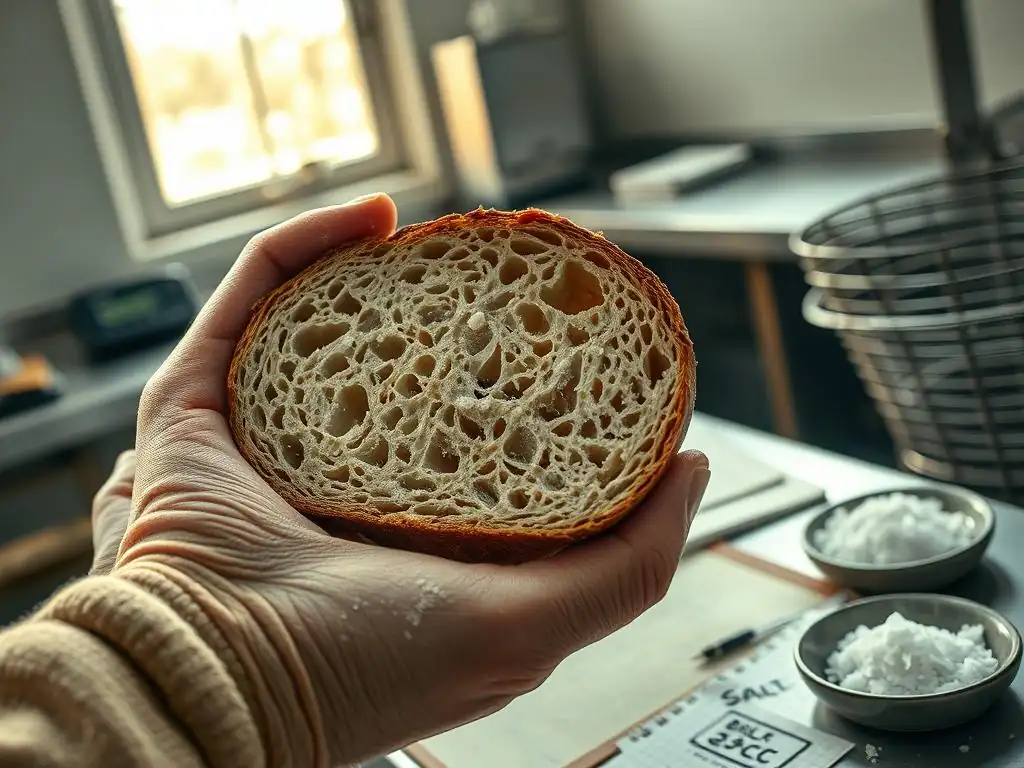
Moving beyond fixing mistakes, understanding the nuanced role of salt allows bakers to use it strategically. Salt management is an advanced aspect of bread baking that goes beyond simple measurement and incorporates salty bread troubleshooting techniques into the very design of the baking process.
These techniques leverage salt's properties to influence fermentation, flavor development, and dough handling, contributing to the overall quality of the final loaf.
Using Salt to Control Fermentation
One of salt's primary functions in bread dough is regulating yeast activity. Salt inhibits yeast, slowing down the fermentation rate. This might sound counterintuitive, but a slower fermentation is often highly desirable, especially in artisan bread like sourdough or long-fermented yeasted loaves. A longer fermentation allows beneficial bacteria (like lactic acid bacteria) to produce organic acids, which contribute significantly to the bread's flavor complexity and aroma.
By controlling the salt percentage (within the typical range of 1.8-2.2%), bakers can fine-tune the fermentation speed. Slightly higher salt levels will slow the process down, requiring longer proofing times but potentially yielding more flavorful results. Conversely, slightly lower salt levels will speed things up. This control is a sophisticated salty bread troubleshooting technique applied proactively during recipe development and process planning. Salt also strengthens gluten, which helps the dough trap the gases produced during this slower fermentation, leading to better oven spring and crumb structure.
Balancing Flavors: Counteracting Saltiness with Sweetness or Acidity
In some cases, especially when dealing with slightly salty baked bread that couldn't be fully salvaged during the dough stage, flavor pairing can be a subtle salty bread troubleshooting technique. While you can't remove the salt, you can serve the bread in ways that use other flavors to balance or mask the excess saltiness. Sweetness and acidity are particularly effective at counteracting salt.
Serving salty bread with unsalted butter and jam, a sweet glaze (for certain bread types), or alongside sweet fruits can help. For savory applications, pairing with ingredients that are inherently sweet (like caramelized onions) or acidic (like tomatoes, vinegar-based dressings, or certain cheeses) can make the saltiness less jarring. This isn't a fix for the bread itself, but a strategy for making it palatable.
Examples of flavor pairings: Honey and Salt in Challah, Molasses and Salt in Rye
Classic bread recipes often demonstrate the principle of balancing salt with other flavors. Challah, a rich, often slightly sweet Jewish egg bread, frequently uses honey or sugar in the dough. The salt content (typically around 1.5-1.8% of flour weight, slightly lower than lean bread due to enrichment) is balanced by the sweetness, creating a harmonious flavor profile where neither the salt nor the sugar dominates but instead enhances the other. A touch more salt than intended in Challah might be less noticeable due to the inherent sweetness.
Similarly, rye bread often incorporates molasses or other sweeteners, and sometimes acidic components like buttermilk or a sourdough starter. In a classic deli-style rye, the robust flavor of the rye flour, the slight sweetness from molasses (which also adds color), and the tang from fermentation are all balanced by the salt. For example, a recipe might call for 2% salt alongside 5% molasses (relative to flour weight). If the salt is slightly high, the strong flavors of rye and molasses help to mask the excess, acting as a built-in, albeit unintentional, salty bread troubleshooting technique.
The Role of Salt in Different Bread Types
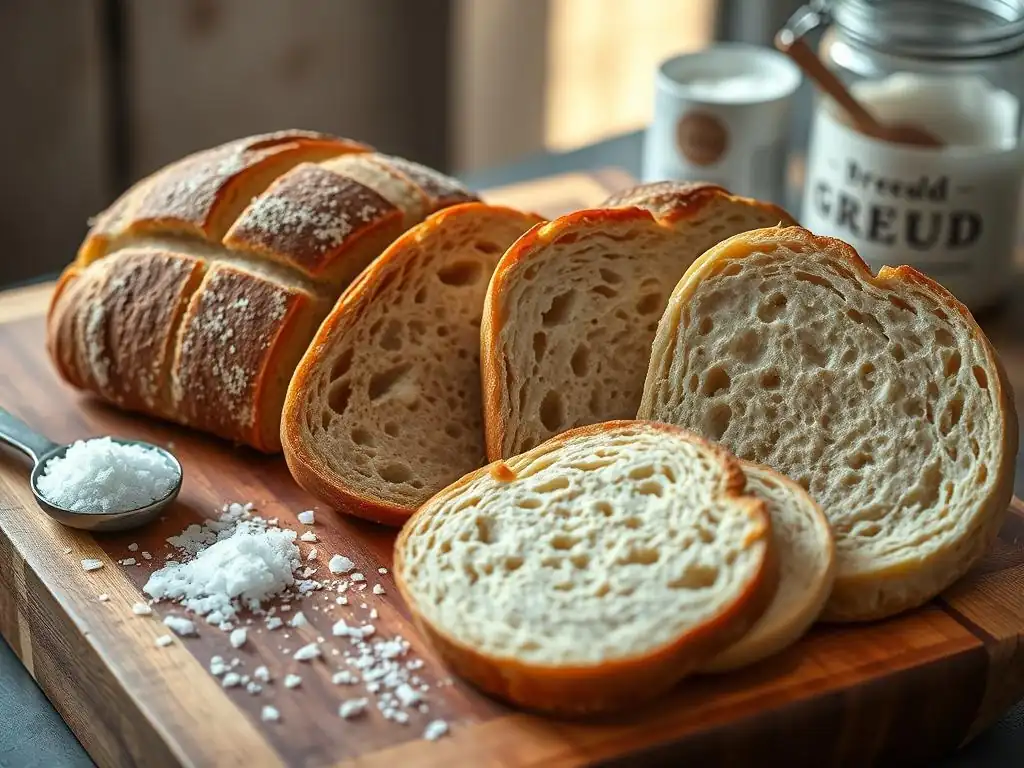
The optimal amount and function of salt can vary slightly depending on the type of bread being made. While the general principles of salt's impact on flavor, fermentation, and structure apply universally, different bread styles have specific considerations. Understanding these can refine your salty bread troubleshooting techniques and preventative measures.
Whether you're baking a rustic sourdough, an enriched brioche, or a dense rye, salt plays a tailored role that contributes to the bread's characteristic qualities.
Salt Levels in Sourdough Bread
Sourdough bread relies on a long fermentation driven by a symbiotic culture of wild yeast and lactic acid bacteria. Salt plays a critical role in managing this complex ecosystem. Typical salt levels in sourdough are similar to lean yeasted bread, often ranging from 1.8% to 2.2% of the total flour weight. The salt helps control the fermentation rate, preventing the dough from becoming too acidic too quickly and allowing time for complex flavors to develop.
In sourdough, salt is often added after the autolyse phase (initial mixing of flour and water) along with the starter. It's crucial to ensure it's thoroughly mixed in. Too little salt can lead to an overly fast, uncontrolled fermentation and a bland loaf. Too much salt, as with yeasted dough, will inhibit the microorganisms, resulting in a dense loaf with poor rise. Mastering salty bread troubleshooting techniques is particularly important for sourdough bakers due to the long fermentation cycles involved; a mistake made early on can ruin a day's work.
Salt Considerations for Sweet Breads
Sweet breads, such as brioche, challah, or cinnamon rolls, often contain sugar, eggs, and butter in addition to flour, water, and yeast. While the sweetness is a prominent flavor, salt is still essential for balance and structure. The salt level in sweet or enriched doughs is often slightly lower than in lean bread, perhaps ranging from 1% to 1.8% of the flour weight.
The presence of sugar helps to balance the saltiness, allowing for a slightly lower salt percentage while still achieving pleasant seasoning. Salt also strengthens the gluten network, which is crucial in enriched doughs that are heavy with butter and eggs. Without sufficient salt, these doughs can be weak and difficult to handle, leading to poor volume and structure.
While the sugar provides some buffering against excessive saltiness in terms of flavor, adding too much salt will still inhibit the yeast and negatively impact the rise and texture. Salty bread troubleshooting techniques for sweet doughs might involve adding more unsalted enrichment (like butter or egg, if appropriate) during the salvaging process, in addition to flour and water.
Conclusion: Mastering Salt for Perfect Bread
Dealing with salty bread can be disheartening, but it's a common learning experience for bakers. By understanding the critical role salt plays in dough and implementing effective salty bread troubleshooting techniques, you can often salvage a batch or, better yet, prevent the problem entirely.
Accuracy in measurement, understanding different salt types, and consistent mixing practices are your best defenses. When issues do arise, knowing how to assess the severity and apply techniques like dilution or strategic ingredient addition can turn a potential failure into a salvageable situation.
Recap of Salty Bread Troubleshooting Techniques
We've covered several key salty bread troubleshooting techniques, from proactive prevention to reactive fixes:
- Prevention: Weighing salt for accuracy, understanding different salt types, mixing salt evenly, and reviewing recipes carefully.
- Identification: Tasting a small piece of raw or test-baked dough to assess the severity of the saltiness.
- Salvage (Dough): Diluting overly salty dough by kneading it with a fresh, unsalted batch, or incorporating additional unsalted flour and water (and potentially other unsalted enrichments for specific dough types).
- Salvage (Baked Bread): Planning to serve slightly salty bread with unsalted or flavor-balancing accompaniments (sweet or acidic foods).
- Process Adjustment: Recognizing that salty dough might rise differently and require adjustments in proofing time or baking temperature, though these don't remove salt.
Embrace Experimentation: Finding Your Ideal Salt Balance
Ultimately, the "perfect" amount of salt in bread is also a matter of personal preference. While standard ranges exist, some people prefer a slightly saltier loaf, while others like less salt. Once you are confident in accurately measuring salt and consistently hitting the target in recipes, you can begin to experiment slightly to find your own ideal salt balance.
Perhaps you find that 1.8% salt is perfect for your everyday loaf, but a heartier rye benefits from 2.2%. Keep notes on your adjustments and their outcomes. By mastering the fundamentals of salt management and confidently applying salty bread troubleshooting techniques when needed, you'll gain greater control over your baking and consistently produce delicious, perfectly seasoned bread. Happy baking!
Frequently Asked Questions
How do I prevent my bread from being too salty in the first place?
Measure your salt precisely using measuring spoons. Always double-check the recipe and avoid adding salt "to taste" until you've baked it once according to the instructions. Also, ensure you're using table salt and not another type, as they can differ in saltiness.
What can I do if I've already added too much salt to my bread dough?
If you realize your mistake before baking, you can try adding more of the other ingredients to balance the salt. Be sure to keep the ratios of wet to dry ingredients similar to avoid ruining the dough.
If the baked bread is too salty, is there anything I can do to fix it?
Unfortunately, there's no way to remove salt from baked bread. You can try serving it with unsalted butter or other toppings to counteract the saltiness.
Does the type of salt I use affect the saltiness of my bread?
Yes! Different types of salt have different levels of saltiness. Table salt is the most common, while sea salt and kosher salt can vary in crystal size and concentration, impacting the final taste.
What are some recipes that are less sensitive to salt variations, making them good for practicing baking with salt?
Simple recipes like focaccia or rustic loaves are often more forgiving. Their flavor profiles are more robust and can handle slight variations in salt levels without being completely ruined.
Final Reflection: The Unexpected Journey of a Salty Loaf
The seemingly simple act of baking bread can reveal surprising complexities, and the pervasive problem of overly salty dough highlights the delicate balance required in culinary arts. A single misplaced pinch of salt can transform a promising loaf into a culinary disappointment, underscoring the importance of precision and understanding in even the most basic recipes. This isn't just about fixing a single batch of bread; it's about mastering the fundamentals of baking and appreciating the subtle nuances of flavor.
The impact of this seemingly minor issue extends beyond the individual baker. The quest for the perfect loaf, the frustration of a failed attempt, and the eventual triumph of a perfectly seasoned bread are universal experiences that connect us to a long history of culinary tradition. Bread is the staff of life,
a common saying reminds us, and mastering its creation is a journey of both skill and patience. This journey, filled with both successes and failures, teaches us valuable lessons about attention to detail and the importance of understanding the fundamental elements of our craft.
Now, consider your own baking experiences. Have you ever faced the challenge of a salty loaf? What did you learn from that experience? I encourage you to reflect on this, not just as a technical problem to be solved, but as an opportunity for growth and a deeper appreciation for the art of baking.
Remember the lessons learned here, and let them guide you toward creating bread that is not only technically perfect, but also deeply satisfying and delicious. The next time you face a culinary challenge, remember the power of understanding the fundamentals and the resilience needed to overcome setbacks. Your next loaf awaits!
Rescue Your Salty Bread: Take Action Now!
Thanks for joining us on this baking journey! We hope you now feel confident in tackling that pesky salty bread problem. Let's turn those less-than-perfect loaves into delicious triumphs. Here's how:
- Experiment with a new recipe: Try one of our other bread recipes designed for balanced flavors, focusing on those with reduced salt content. (This is your primary action – driving traffic to more recipes on the site.)
- Share your salty bread story: Tell us about your experience – and what you learned – in the comments below! We love hearing from our baking community.
- Discover our salt-reduction guide: For even more tips and techniques, check out our comprehensive guide on mastering salt in baking.
What creative solutions have you found for rescuing salty baked goods? Let's share ideas!