
Fat’s Effect on Leavening: Butter, Oil, and Shortening Compared

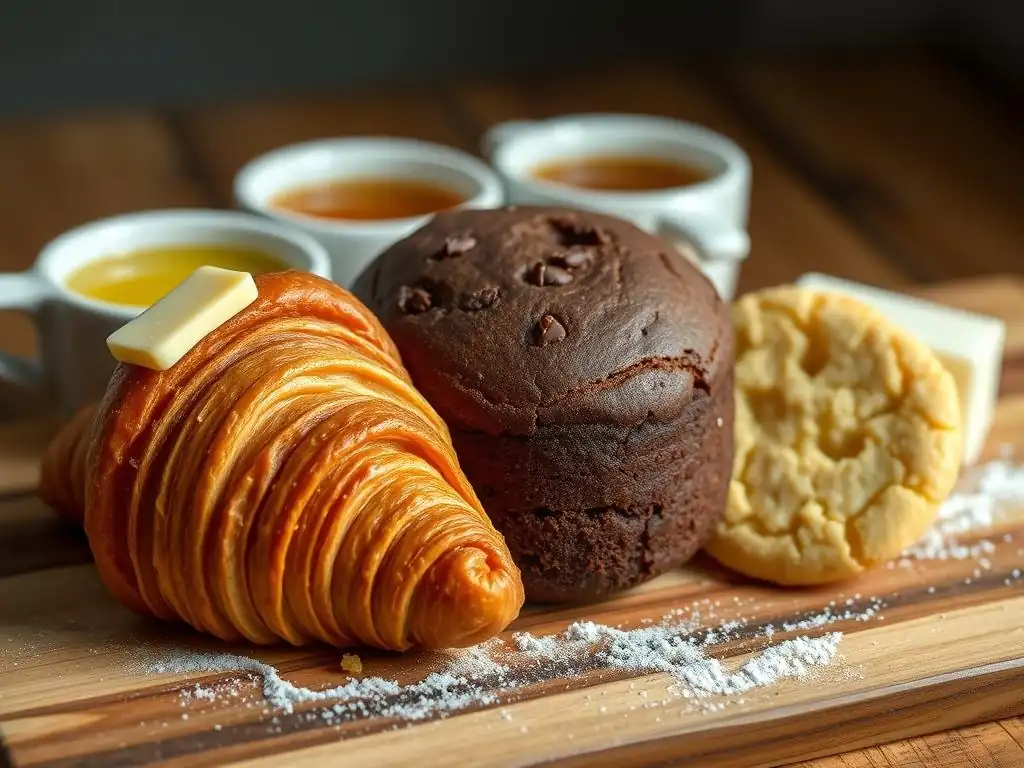
Welcome to BakeWithEase, your trusted guide to baking bliss! Are you curious about the secrets behind perfectly textured cakes and cookies? Dive in as we unravel the mystery of fat's role in leavening, comparing butter vs shortening baking and other options. Discover how each choice impacts your final product and unlock the secrets to achieving baking perfection. Let's explore the fascinating world of fats and transform your baking game!
- Introduction: Understanding Fat's Role in Baking Leavening
- Butter in Baking: Leavening Properties and Flavor
- Oil in Baking: A Different Approach to Leavening
- Shortening in Baking: Leavening and Texture Specialist
- Butter vs Shortening Baking: A Direct Leavening Comparison
- The Science of Fat and Leavening: A Deeper Dive
- Baking Techniques for Optimizing Leavening with Different Fats
- Recipes Demonstrating Fat's Influence on Leavening
- Troubleshooting Leavening Issues Related to Fat
- Conclusion: Mastering Fat's Role in Leavening for Better Baking
-
Frequently Asked Questions
- What is the main difference between using butter and shortening in baking?
- How does using oil compare to using butter or shortening in terms of leavening?
- When would you recommend using shortening over butter?
- Can I substitute butter for shortening in a recipe, and what adjustments might I need to make?
- How does the fat content of butter, oil, and shortening affect the final outcome of a baked good?
- Final Reflection: The Unsung Hero of Baking—Fat's Crucial Role
- Unlock Your Baking Potential: Master the Art of Fat!
Introduction: Understanding Fat's Role in Baking Leavening
Fat is far more than just a source of richness and flavor in baking; it's a critical player in the leavening process, influencing everything from crumb structure to overall rise. While chemical leaveners like baking soda and baking powder, or biological leaveners like yeast, are primarily responsible for creating gas, fat helps support that gas and build the structure that holds the rise.
The type of fat you choose – whether it's butter, oil, or shortening – significantly impacts how this happens, leading to vastly different results in your cakes, cookies, pastries, and breads. Understanding the unique properties of each fat is key to mastering specific textures and achieving the desired lift in your baked goods.
This exploration dives deep into how butter, oil, and shortening interact with other ingredients to affect leavening. We'll compare their mechanisms, discuss their impact on texture and flavor, and look at how techniques like creaming leverage fat's properties. Whether you're pondering butter vs shortening baking for your next pie crust or wondering why a cake recipe calls for oil instead of butter, this guide will illuminate the science behind fat's fascinating role in helping your creations rise to the occasion.
Butter in Baking: Leavening Properties and Flavor
How Butter Contributes to Leavening in Baked Goods
Butter's contribution to leavening is multifaceted, relying on both mechanical and physical processes. When butter is creamed with sugar, its solid structure traps countless tiny air pockets. As the butter softens and melts during baking, these trapped air bubbles expand, providing initial lift. This mechanical leavening is particularly effective when using the creaming method for cakes and cookies, where butter and sugar are beaten together until light and fluffy. The sugar crystals cut into the butter, creating spaces that hold air.
Beyond trapping air, butter also contains water, typically around 16-18%. As the oven heats up, this water turns into steam. This steam expands rapidly, forcing layers of dough or batter apart and contributing significantly to the rise, especially in flaky pastries like croissants or puff pastry, and even in cookies. The combination of expanding air from creaming and expanding steam from the water content makes butter a powerful leavener that also imparts richness and a desirable golden-brown color through the Maillard reaction and caramelization of its milk solids.
The Impact of Butter Temperature on Leavening: Cold vs. Softened
The temperature of butter is crucial for maximizing its leavening potential, and the ideal temperature depends on the desired outcome. For recipes relying on the creaming method, like many cakes and cookies, softened butter (around 65-68°F or 18-20°C) is essential. At this temperature, butter is pliable enough to incorporate sugar crystals effectively, creating and trapping those vital air pockets during beating. If the butter is too cold, it won't cream properly; if it's too warm or melted, the fat won't hold air, resulting in a dense baked good with poor leavening.
Conversely, for flaky pastries such as biscuits or pie crusts, cold butter is necessary. The goal here isn't to trap air by creaming but to create distinct layers. Cold butter is cut into the dry ingredients, remaining in small, solid pieces.
As the pastry bakes, these pieces of butter melt, and the water within them turns to steam, pushing the layers of dough apart. The melted fat then coats the flour, preventing the layers from fusing and resulting in that characteristic flaky texture. A temperature difference of just a few degrees can dramatically alter how butter performs and contributes to leavening and structure.
Butter's Unique Flavor Profile and its Influence on Leavening
Butter brings a complex and desirable flavor to baked goods that other fats struggle to replicate. Its creamy, slightly sweet, and sometimes nutty notes come from its milk solids. These milk solids also contribute to browning during baking, enhancing flavor through caramelization and the Maillard reaction. While not a direct leavening mechanism itself, this flavor profile is often a primary reason bakers choose butter, even when other fats might offer superior leavening in specific contexts.
The flavor contribution can indirectly influence the perception of leavening. A well-browned, flavorful crust achieved with butter can make a cookie or cake seem more appealing and 'properly' baked, complementing the leavening achieved. Furthermore, the moisture provided by butter (from its water content) can impact the overall texture, working alongside leavening to create a tender crumb that feels light and airy, reinforcing the sense of good leavening. The rich taste of butter often sets a standard that bakers seek to achieve, even when comparing butter vs shortening baking for different applications.
Oil in Baking: A Different Approach to Leavening
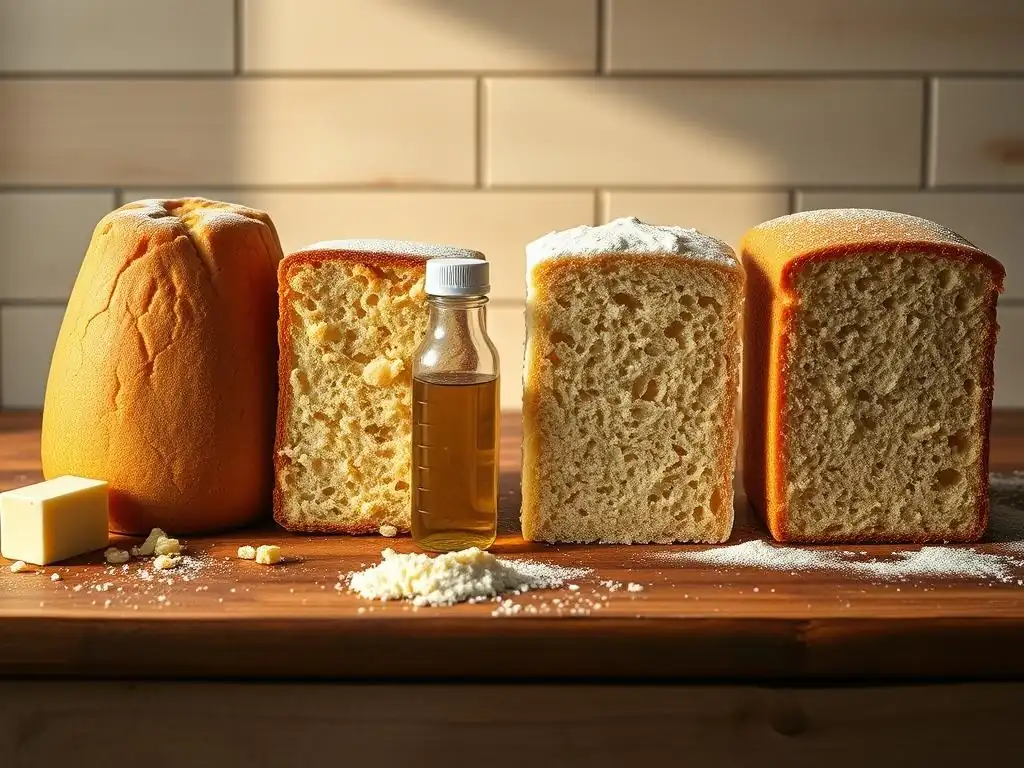
How Oil Affects Leavening: Moisture and Texture
Unlike solid fats like butter or shortening, oil is liquid at room temperature. This fundamental difference means oil cannot be creamed with sugar to trap air pockets. Therefore, oil does not contribute to mechanical leavening in the same way solid fats do.
Instead, oil primarily impacts leavening by affecting the overall moisture content and structure of the batter or dough. Oil coats flour particles, preventing them from hydrating fully and limiting gluten development. This results in a tender, moist crumb, which can sometimes give the impression of lightness, even if the overall rise isn't as dramatic as with creaming solid fats.
The moisture contributed by oil is pure fat, which doesn't evaporate like the water in butter or shortening. This leads to baked goods that stay moist and tender for longer.
While it doesn't actively create lift through trapped air or steam in the same volume as butter or shortening in methods like creaming or lamination, oil facilitates the even distribution of ingredients and helps chemical leaveners (like baking powder) work effectively by providing a fluid medium. Recipes designed for oil, such as many muffins and quick breads, often rely heavily on chemical leaveners for their rise, with the oil contributing moisture and tenderness rather than primary lift.
Choosing the Right Oil for Baking: Considering Leavening
The type of oil chosen for baking can influence the final texture and moisture, which are closely linked to the perception and effectiveness of leavening, even if the oil itself isn't directly causing lift. Neutral-flavored oils like vegetable oil, canola oil, or grapeseed oil are popular because they don't impart strong flavors that would compete with other ingredients. Their liquid nature ensures they blend smoothly into batters, helping to distribute leaveners evenly. This even distribution allows the chemical leaveners to produce gas consistently throughout the mixture.
Heavier or flavored oils like olive oil can affect texture and flavor more significantly. While olive oil can be used in some recipes (like certain cakes or quick breads), its distinct flavor might not be desirable everywhere.
From a leavening perspective, the key is the oil's ability to remain liquid and coat flour particles, regardless of type (within reasonable viscosity limits). The choice is less about the type of oil impacting leavening action directly, and more about how its flavor and moisture-retention properties support the overall structure and tenderness created by chemical leaveners, contrasting with the structural support offered by solid fats in butter vs shortening baking.
Oil's Impact on Gluten Development and Leavening
Oil's most significant impact on structure, and indirectly on leavening, is its ability to inhibit gluten development. Gluten forms when proteins in flour (glutenin and gliadin) combine with water and are agitated (like mixing or kneading). This gluten network provides structure, elasticity, and the ability to hold gas produced by leaveners. However, too much gluten development can lead to tough baked goods. Oil coats the flour particles, creating a barrier that prevents water from fully interacting with the proteins.
By limiting gluten formation, oil results in a more tender and less elastic crumb. This reduced elasticity means the dough or batter is less able to trap and hold large volumes of gas compared to a well-developed gluten structure. Therefore, recipes using oil often rely on a higher ratio of chemical leaveners to ensure sufficient lift in a structure that is inherently more tender and less capable of stretching around large gas bubbles.
This contrasts sharply with the role of solid fats, where the fat itself helps build structure (through creaming or lamination) that then supports the leavening process. Understanding this difference is crucial when comparing butter vs shortening baking or deciding when oil is the better choice.
Shortening in Baking: Leavening and Texture Specialist
Shortening's Role in Creating Tender Baked Goods
Shortening, particularly hydrogenated vegetable shortening, is prized for its ability to create exceptionally tender baked goods. Unlike butter, which contains water and milk solids, traditional shortening is 100% fat (or very close to it, often 99-100%). This lack of water means it doesn't contribute steam leavening like butter. However, its plastic consistency and high melting point make it excellent at coating flour particles, even more effectively than butter or oil, significantly inhibiting gluten development. The result is a very short, tender crumb – hence the name "shortening."
This superior ability to 'shorten' gluten strands is why shortening is often preferred in recipes where tenderness is paramount, such as certain cookies or biscuits. While it doesn't provide steam leavening, its ability to inhibit gluten ensures the structure isn't tough, allowing the leavening that does occur (from chemical leaveners or trapped air) to result in a light, crumbly texture rather than a chewy or tough one. This is a key consideration in butter vs shortening baking decisions, especially for cookies.
The Leavening Power of Shortening: Air Incorporation
While shortening doesn't offer steam leavening, it excels at mechanical leavening through air incorporation when creamed with sugar. Its plastic nature allows it to hold a significant amount of air bubbles when beaten. In fact, some shortenings are specifically formulated to incorporate more air than butter during the creaming process, sometimes referred to as "high-ratio" shortenings. This trapped air expands during baking, contributing substantially to the rise and creating a fine, even crumb structure.
Because shortening has a higher melting point than butter (often melting around 100-115°F or 38-46°C compared to butter's 90-95°F or 32-35°C), it remains solid for longer in the oven. This allows the structure to set around the expanding air pockets before the fat fully melts, helping to support the leavening and prevent collapse. This property makes shortening very effective in recipes where a stable, airy crumb is desired through creaming.
Shortening vs. Butter for Flaky Crusts: A Leavening Comparison
When it comes to creating flaky crusts, like those for pies, both shortening and butter can be used, but they achieve flakiness slightly differently, impacting the resulting texture and leavening. Flakiness relies on layers of dough separated by layers of fat. As the fat melts and its water turns to steam, these layers are pushed apart. Butter, with its 16-18% water content, is excellent at creating steam, resulting in distinct, crisp layers. However, butter's lower melting point means it melts relatively quickly, potentially leading to less dramatic lift if not handled properly.
Shortening, while containing little to no water, has a higher melting point and superior plasticity. When cut into flour, it creates larger, more stable pockets of fat. Because it melts later, the dough has more time to set around these pockets, and the fat coats the flour more effectively, preventing gluten development between layers.
While it lacks the steam power of butter, its ability to create well-separated layers that hold their structure during baking results in a very tender, almost shattering flakiness. Often, a blend of butter and shortening is used in pie crusts to leverage the flakiness and tenderness of shortening along with the flavor and steam leavening of butter, showcasing the nuances of butter vs shortening baking for pastries.
Butter vs Shortening Baking: A Direct Leavening Comparison
Comparing the Leavening Action: Butter, Oil, and Shortening
When directly comparing butter vs shortening baking, especially concerning leavening, it's helpful to look at their primary mechanisms. Butter leavens through both mechanical air incorporation (when creamed) and physical steam production (from its water content). Shortening primarily leavens through mechanical air incorporation due to its plasticity and high melting point, but lacks significant steam leavening. Oil, being liquid, contributes minimally to mechanical leavening and zero steam leavening; its role is more about moisture and inhibiting gluten, supporting chemical leaveners rather than providing lift itself.
Consider a standard cake recipe using the creaming method. If made with butter, the rise comes from air trapped during creaming plus steam from the butter's water. If made with shortening, the rise comes primarily from the air trapped during creaming, potentially resulting in a slightly higher, but perhaps less tender, cake if the shortening is 100% fat.
If made with oil (and adapted to a different mixing method, as oil cannot be creamed), the rise relies almost entirely on chemical leaveners, with the oil contributing moisture and tenderness. This highlights that the type of fat fundamentally dictates the way leavening occurs and the overall structure achieved.
Texture and Leavening: How Each Fat Impacts the Final Product
The choice between butter vs shortening baking profoundly impacts the final texture, which is intricately linked to leavening. Butter, with its combination of air and steam leavening, often results in baked goods with a tender crumb and a pleasant chew (due to some gluten development). Cookies made with butter tend to spread more and be crispier at the edges and chewier in the center. Cakes are tender and moist.
Shortening, due to its superior gluten-inhibiting properties and high melting point, produces exceptionally tender and often crumbly textures. Cookies made with shortening tend to hold their shape better and be uniformly tender throughout. Pie crusts made with shortening are often more tender and flaky than those made solely with butter.
While shortening can incorporate a lot of air for leavening, its lack of water means it won't create the same kind of delicate layers as butter in pastries relying on steam. Oil-based baked goods are typically very moist and tender, but can sometimes be denser as they lack the structural support from trapped air in solid fats; their leavening relies heavily on chemical agents creating an even, fine crumb.
Flavor Profiles and Leavening: Choosing the Right Fat for Your Recipe
Beyond leavening and texture, flavor is a primary consideration in butter vs shortening baking. Butter offers a rich, complex dairy flavor that is highly desirable in many baked goods. Its browning properties also add depth of flavor to crusts and edges. Shortening, particularly vegetable shortening, is typically flavorless. This can be an advantage when you want the other flavors in your recipe to shine, but it means the fat itself contributes no taste. Oil, depending on the type, can be neutral or impart its own distinct flavor.
The choice of fat is often a balance between desired leavening/texture and flavor. For a rich, flavorful cookie with a balance of crispness and chew, butter is often preferred. For a uniformly tender cookie that holds its shape, shortening might be better.
For a moist, tender cake or muffin where flavor comes from other ingredients (like fruit or spices), oil is a good choice. For a flaky pie crust with classic dairy flavor, butter is key, though shortening can enhance tenderness and flakiness. Ultimately, the best fat depends on the specific recipe's goals and the intended outcome in terms of both leavening-driven structure and taste.
The Science of Fat and Leavening: A Deeper Dive
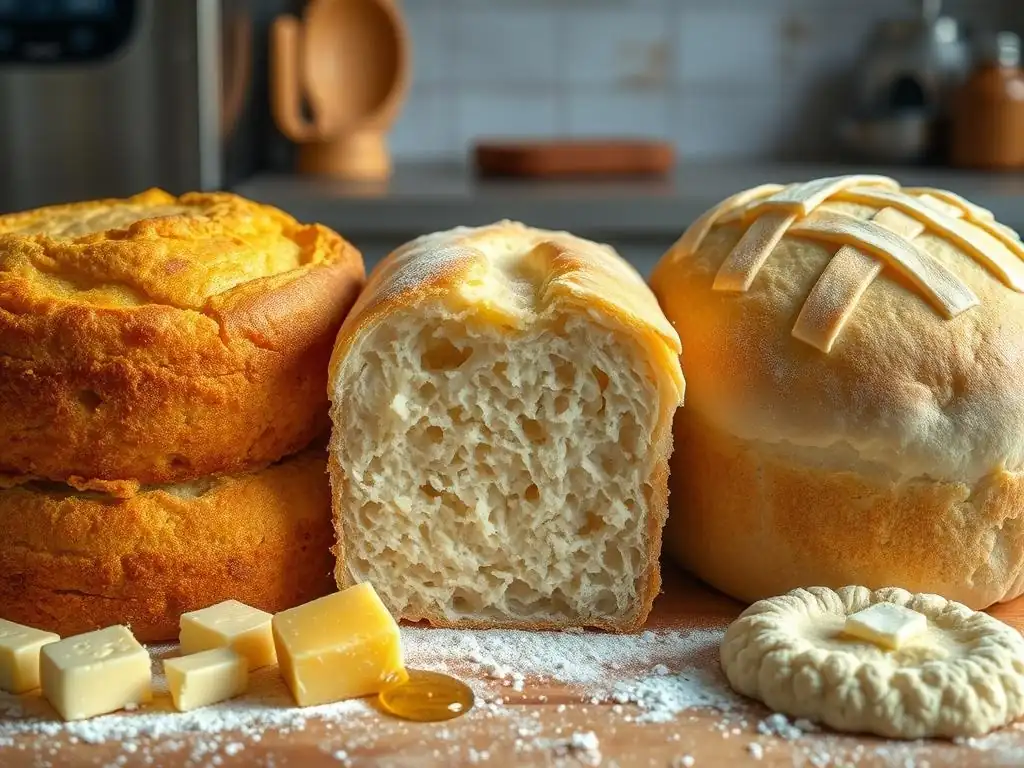
How Fat Interacts with Flour to Affect Leavening
Fat interacts with flour primarily by coating the protein particles (glutenin and gliadin). When water is added to flour, these proteins would normally hydrate and, through mixing, form gluten, a strong, elastic network. However, fat acts as a barrier, preventing water from fully reaching the proteins. This 'waterproofing' effect inhibits gluten development. The extent of this inhibition depends on the type of fat: liquid oils are highly effective at coating flour particles, while solid fats like butter and shortening do so to a lesser degree, especially when cut into pieces.
Reduced gluten development means a less elastic dough or batter. While a strong gluten network is needed to trap large volumes of gas from yeast or chemical leaveners in some contexts (like bread), excessive gluten can make baked goods tough and dense, limiting the rise.
Fat, by 'shortening' the gluten strands or preventing their formation, creates a tender structure that is more easily expanded by the leavening gases, contributing to a lighter, more tender final product, even if the overall volume might differ compared to a high-gluten structure. This fundamental interaction underlies the different leavening outcomes seen in butter vs shortening baking compared to oil.
Understanding Gluten Inhibition and Leavening
Gluten inhibition is a key way fat influences leavening, particularly in tender baked goods. In recipes like cakes, muffins, and cookies, a tender crumb is desired, not the chewy structure of bread. By coating flour particles, fat limits the formation of tough gluten strands.
This allows the gas produced by chemical leaveners (baking powder, baking soda) or the expansion of trapped air (from creaming) to easily push through the tender matrix, creating an open, light structure. Without sufficient fat to inhibit gluten, these baked goods would be tough and dense, and the leavening gases would struggle to expand the stiff dough/batter.
Consider a muffin batter. If mixed too vigorously or without enough fat, excessive gluten can develop. When the baking powder activates, the gas is produced, but the tough gluten resists expansion, resulting in a peaked, rubbery muffin. With adequate fat (like oil or softened butter), gluten development is limited, the batter is more tender, and the gas can expand freely, creating a soft, airy crumb with a rounded top. This illustrates how fat's role in managing gluten directly supports the effectiveness of other leavening agents, a crucial point when comparing butter vs shortening baking for different applications.
The Role of Emulsification in Fat's Leavening Contribution
Emulsification, the process of dispersing tiny droplets of fat throughout a liquid (or vice versa), plays a significant role in how fat contributes to leavening and texture, especially in batters. In cakes, for example, proper emulsification of the fat (butter or shortening), sugar, and eggs is vital during the creaming process. The fat helps to incorporate air, and the egg yolks contain lecithin, a natural emulsifier, which helps stabilize the mixture and distribute the fat evenly.
A well-emulsified batter ensures that the fat is uniformly dispersed throughout the flour, leading to consistent gluten inhibition and even distribution of moisture and leaveners. This uniform distribution allows leavening gases to expand evenly throughout the batter, resulting in a fine, regular crumb structure and consistent rise.
Poor emulsification can lead to separation, uneven distribution of fat and leaveners, resulting in a coarse texture, tunnels, and poor, uneven leavening. High-ratio shortenings are often specifically designed with added emulsifiers to improve their ability to create stable batters that hold a lot of sugar and liquid, leading to moister, more tender cakes with excellent volume and crumb structure, showcasing a specific advantage over traditional butter vs shortening baking in certain cake types.
Baking Techniques for Optimizing Leavening with Different Fats
Tips for Using Butter Effectively for Optimal Leavening
Achieving optimal leavening with butter requires attention to temperature and technique.
- Creaming Method: For cakes and cookies relying on trapped air, use softened butter (about 65-68°F). Cream it with sugar for the time specified (often 3-5 minutes) until it's noticeably lighter in color and fluffy. This process incorporates air vital for lift.
- Cold Butter for Flakiness: For pastries like pie crusts or biscuits, use very cold butter, cut into small pieces or grated. Quickly cut it into the dry ingredients until the mixture resembles coarse meal or pea-sized crumbs. Avoid overworking, as warmth melts the butter and develops gluten, hindering flakiness and steam leavening.
- Don't Over-mix: Once wet ingredients are added, mix only until just combined, especially in cakes and muffins, to avoid excessive gluten development, which can counteract butter's tenderizing effect and limit rise.
Using the right temperature and technique for butter is paramount whether you're making a pound cake or a flaky scone, ensuring its unique leavening properties are fully utilized.
Techniques for Baking with Oil to Maximize Leavening
Baking with oil requires different techniques compared to solid fats, as its leavening contribution is indirect.
- Muffin Method: Oil is typically whisked with wet ingredients (eggs, milk, sugar). Dry ingredients (flour, chemical leaveners like baking powder and baking soda) are then added and mixed just until combined. This method minimizes gluten development, which oil facilitates, resulting in a tender crumb.
- Ensure Leavener Freshness: Since oil doesn't contribute mechanical or steam leavening, the recipe relies heavily on chemical leaveners. Ensure your baking powder and baking soda are fresh for maximum gas production.
- Proper Measuring: Oil is a liquid, so measure it accurately using a liquid measuring cup at eye level. Too much oil can make baked goods greasy and heavy, negatively impacting the perception of lightness.
While oil doesn't create lift directly, using techniques that leverage its moisture and gluten-inhibiting properties, combined with effective chemical leaveners, results in moist and tender baked goods with good overall volume.
Best Practices for Achieving Desired Leavening with Shortening
Shortening is versatile, used in both creaming and cut-in methods, each requiring specific practices for optimal leavening and texture.
- Creaming: Like butter, shortening should be plastic (room temperature, but check package directions as some are formulated differently) for creaming. Cream it thoroughly with sugar to incorporate air for mechanical leavening. Shortening can often incorporate more air than butter, leading to potentially higher volume in cakes and cookies.
- Cut-In Method: For tender, flaky pastries like biscuits or pie crusts, use cold, firm shortening cut into the dry ingredients. Its higher melting point compared to butter means it stays solid longer in the oven, creating larger pockets that contribute to tenderness and a different kind of flakiness than butter. Avoid overworking the dough.
- High-Ratio Shortening: If using high-ratio shortening (often found in professional baking supplies), be aware it's formulated to hold more sugar and liquid, potentially requiring recipe adjustments. It excels at creating fine-crumbed, moist cakes with high volume due to its emulsifiers and air-holding capacity.
Understanding the specific type of shortening and applying the correct temperature and mixing technique is crucial for harnessing its unique benefits in butter vs shortening baking scenarios.
Recipes Demonstrating Fat's Influence on Leavening
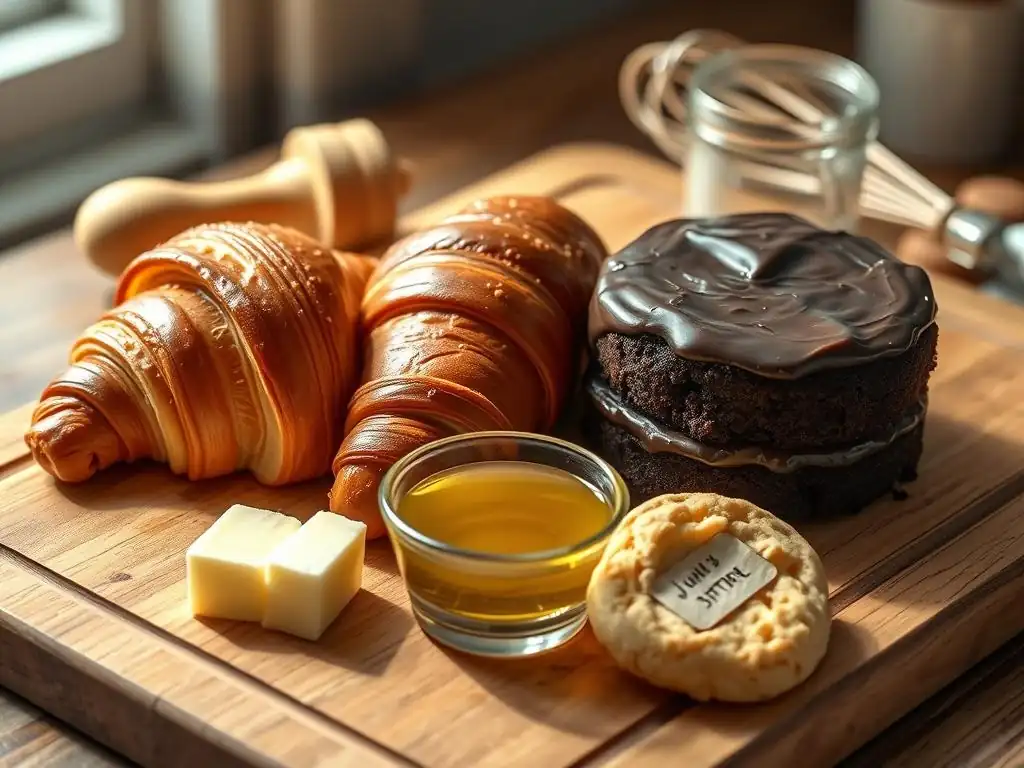
Recipe 1: Butter-Based Cake (Demonstrating Butter's Leavening)
Consider a classic butter cake made using the creaming method. A typical recipe might involve creaming 1 cup (2 sticks) of softened butter with 1 ¾ cups of sugar until light and fluffy, which takes about 3-5 minutes with an electric mixer. This step is crucial; it incorporates millions of tiny air bubbles into the butter structure, contributing significantly to the cake's initial rise.
Eggs are then added one at a time, further emulsifying the mixture and adding structure. Finally, dry ingredients (like 2 ¼ cups flour and 2 ½ teaspoons baking powder) and liquid (like 1 cup milk) are added alternately.
As the cake bakes, the trapped air expands, providing lift. Simultaneously, the approximately 16-18% water content in the butter turns to steam, pushing against the developing cake structure and adding further leavening. The milk solids in the butter also contribute to browning and flavor. The result is a tender, moist cake with a fine crumb and classic rich flavor, showcasing how butter's dual leavening action (air and steam) works in concert with chemical leaveners to create volume and structure.
Recipe 2: Oil-Based Muffins (Highlighting Oil's Leavening Effect)
Compare the butter cake to oil-based muffins. A standard muffin recipe might call for ¾ cup of vegetable oil whisked together with 2 large eggs, 1 cup of milk, and 1 cup of sugar. Dry ingredients, such as 2 cups of flour, 2 teaspoons of baking powder, and ½ teaspoon of baking soda, are combined separately. The wet ingredients are then poured into the dry, and the mixture is stirred just until the dry ingredients are moistened, often leaving small lumps.
In this recipe, the leavening comes almost entirely from the chemical leaveners (baking powder and soda) reacting with the liquid and potentially acidic ingredients. The oil, being liquid, doesn't trap air during mixing. Instead, it coats the flour particles, minimizing gluten development.
This results in a tender, moist crumb that easily expands as the CO2 gas from the leaveners is produced. The oil ensures the muffins stay moist for longer than they might if made with butter. This highlights how oil facilitates leavening by creating a tender structure that supports the action of chemical leaveners, rather than providing direct lift itself, a key difference from butter vs shortening baking using the creaming method.
Recipe 3: Shortening-Based Pie Crust (Showcasing Shortening's Leavening in Crusts)
Consider a pie crust made with shortening versus one made with butter. A shortening crust might use 1 ¼ cups of flour, ½ teaspoon of salt, and ½ cup (one stick) of cold, solid shortening cut into the flour until the mixture resembles coarse crumbs or even small peas. Ice water is then added sparingly (perhaps 4-6 tablespoons) until the dough just comes together.
When this dough is rolled out and baked, the pieces of cold shortening melt slowly due to their high melting point (around 100-115°F). As they melt, they coat the surrounding flour, preventing gluten development between the layers created during rolling and folding. Unlike butter, shortening contributes almost no steam leavening.
However, the spaces left by the melted fat create voids. As the small amount of water in the dough (from the ice water) turns to steam, it expands these voids, pushing the layers apart. Shortening's ability to stay solid longer and effectively 'shorten' the gluten leads to a very tender, often more uniformly flaky crust than one made solely with butter, demonstrating its specific leavening contribution in pastry applications, highlighting a key difference in butter vs shortening baking for flakiness.
Common Problems and Solutions When Baking with Butter
Leavening issues with butter often stem from temperature or mixing errors.
- Dense Cakes/Cookies (Creaming Method): If your butter is too cold, it won't incorporate enough air when creamed with sugar. If it's too warm or melted, it can't hold the air. Solution: Ensure butter is properly softened (press a finger into it; it should indent easily but hold its shape). Cream for the full recommended time (often 3-5 minutes) until light and fluffy.
- Tough/Dense Pastries (Cut-In Method): If butter is too warm or you've overmixed after adding liquid, the butter melts into the flour, promoting gluten development instead of creating layers. Solution: Use very cold butter and work quickly. Handle the dough minimally after adding water; mix only until it just comes together. Chill the dough before rolling.
- Excessive Spread (Cookies): If butter is too soft or melted, cookies will spread excessively thin, resulting in less height and a different texture. Solution: Use properly softened butter, not melted. Chill the dough before baking if spread is an issue.
Understanding how butter temperature affects its state is key to troubleshooting leavening and texture problems whether you're creaming or cutting it in, a vital skill in butter vs shortening baking.
Addressing Leavening Challenges When Using Oil
Leavening issues with oil-based recipes are less about the oil's direct leavening and more about how it interacts with other components, or issues with chemical leaveners.
- Dense/Heavy Muffins/Cakes: This is often due to overmixing after adding the dry ingredients. Oil inhibits gluten, but over-agitation can still develop enough gluten to make the product tough and limit rise. Solution: Mix only until the dry ingredients are just moistened. A few lumps are okay.
- Poor Rise: Since oil doesn't provide lift, the recipe relies on chemical leaveners. If the product doesn't rise well, the baking powder or baking soda might be old. Solution: Test your leaveners for freshness. Ensure you are using the correct type (single-acting vs. double-acting baking powder) and amount specified in the recipe.
- Greasy Texture: Too much oil can make the baked good feel heavy and greasy, counteracting any perceived lightness from leavening. Solution: Measure oil accurately using a liquid measuring cup at eye level. Stick to the recipe proportions.
Troubleshooting oil-based recipes often involves verifying the effectiveness of chemical leaveners and ensuring minimal mixing to preserve the tender crumb structure that oil helps create.
Fixing Issues with Shortening and Leavening
Problems with shortening can relate to its temperature, mixing technique, or the specific type used.
- Dense Cakes/Cookies (Creaming Method): Similar to butter, shortening needs to be at the right consistency (plastic) for creaming. Too cold or too soft will hinder air incorporation. Solution: Use shortening at the temperature recommended on the package or at a plastic room temperature for creaming. Cream thoroughly with sugar.
- Tough/Non-Flaky Pastries (Cut-In Method): If shortening is too warm or overmixed into the flour, it melts and coats the flour too thoroughly, inhibiting layer formation. Solution: Use cold, firm shortening and cut it into the flour until the desired size is reached (pea-sized or larger for maximum flakiness). Handle the dough minimally.
- Greasy/Heavy Texture: Using too much shortening, especially in recipes not designed for it, can lead to a heavy, sometimes greasy texture. Solution: Adhere strictly to recipe measurements. Understand that 100% fat shortening behaves differently than 80% fat butter when substituting (a common consideration in butter vs shortening baking).
Shortening's high melting point and plasticity are its strengths, but using it at the wrong temperature or overmixing can negate its benefits for both leavening (air incorporation) and texture (tenderness/flakiness).
Conclusion: Mastering Fat's Role in Leavening for Better Baking
Understanding the unique ways butter, oil, and shortening contribute to leavening and texture is fundamental to becoming a more confident and successful baker. We've seen how butter provides both mechanical leavening through trapped air and physical leavening through steam, offering richness and flavor. Oil, being liquid, focuses on creating a tender, moist crumb by inhibiting gluten, relying on chemical leaveners for lift. Shortening excels at incorporating air when creamed and creating tender, flaky layers in pastries due to its high melting point and plasticity.
Choosing the right fat isn't just about flavor; it's a technical decision based on the desired leavening mechanism, crumb structure, and overall texture of the final baked good. Whether you're debating butter vs shortening baking for your next batch of cookies or deciding between oil and butter for a cake, considering these differences will guide you to the best outcome.
By mastering the specific techniques for using each fat – from creaming softened butter to cutting in cold shortening or gently mixing oil-based batters – you can optimize their leavening potential and consistently achieve delicious results. Experimentation and practice with different fats will deepen your understanding and elevate your baking skills.
Frequently Asked Questions
What is the main difference between using butter and shortening in baking?
Butter contains water and milk solids, which contribute to flavor and browning, while shortening is pure fat. This difference impacts the texture and flavor of the baked good, making shortening produce a more tender but less flavorful result.
How does using oil compare to using butter or shortening in terms of leavening?
Oil provides very little leavening compared to butter or shortening. Butter and shortening incorporate air during creaming, creating pockets that expand during baking, contributing to a lighter texture. Oil creates a denser product.
When would you recommend using shortening over butter?
Shortening is recommended when a very tender crumb is desired, such as in pie crusts or cookies where a delicate texture is the priority. It's also useful when a neutral flavor is needed.
Can I substitute butter for shortening in a recipe, and what adjustments might I need to make?
Yes, you can often substitute butter for shortening, but the final product will have a different flavor and texture. You might need to reduce the liquid slightly due to butter's water content.
How does the fat content of butter, oil, and shortening affect the final outcome of a baked good?
The higher fat content in shortening leads to a more tender result, while the fat content of butter contributes to its rich flavor. Oil, being 100% fat, can create a moister, denser final product.
Final Reflection: The Unsung Hero of Baking—Fat's Crucial Role
The choice of fat in baking isn't merely a matter of preference; it's a fundamental decision impacting texture, flavor, and the overall success of your baked goods. Understanding the nuanced differences between butter, oil, and shortening is crucial for any baker aiming to achieve consistent, delicious results. This article has explored these differences, highlighting the unique properties each fat brings to the table.
The impact of fat on leavening, and therefore on the final product, is profound and often underestimated. It's more than just a matter of achieving a flaky crust or a tender crumb; it's about understanding the chemical reactions that occur at a molecular level. The way each fat interacts with gluten, water, and other ingredients directly influences the rise, texture, and even the shelf life of your baked goods. The baker who understands the properties of fats holds the key to unlocking a world of culinary possibilities.
This quote, while not from a specific source, encapsulates the truth behind the importance of this often-overlooked aspect of baking.
Now, consider your own baking experiences. Have you noticed subtle differences in your results when substituting one fat for another? Perhaps you've experienced a denser cake when using oil instead of butter, or a less flaky pie crust when substituting shortening for butter. I encourage you to experiment, to consciously choose your fat based on the desired outcome, and to appreciate the artistry involved in mastering this fundamental aspect of baking. The journey to becoming a truly skilled baker begins with understanding the subtle yet powerful influence of fat.
Unlock Your Baking Potential: Master the Art of Fat!
Thanks for taking the time to explore the fascinating world of fats and their impact on leavening! You've now gained valuable insights into how butter, oil, and shortening each contribute unique textures and rises to your baked goods. Ready to put this knowledge into practice?
- Bake a test batch! Try substituting one fat for another in your favorite recipe (perhaps swapping butter for oil in muffins, or shortening for butter in cookies) and observe the difference. Document your findings!
- Share your baking triumphs (and challenges)! We'd love to hear about your experiments in the comments below – let's learn from each other!
- Explore our recipe collection: Find more delicious recipes that utilize the knowledge you gained today and are perfectly suited to each fat type.
Which fat will you experiment with first, and what delicious creation will you bake?