
Unlocking Neapolitan Baking Secrets for Your Kitchen

Welcome to BakeWithEase!
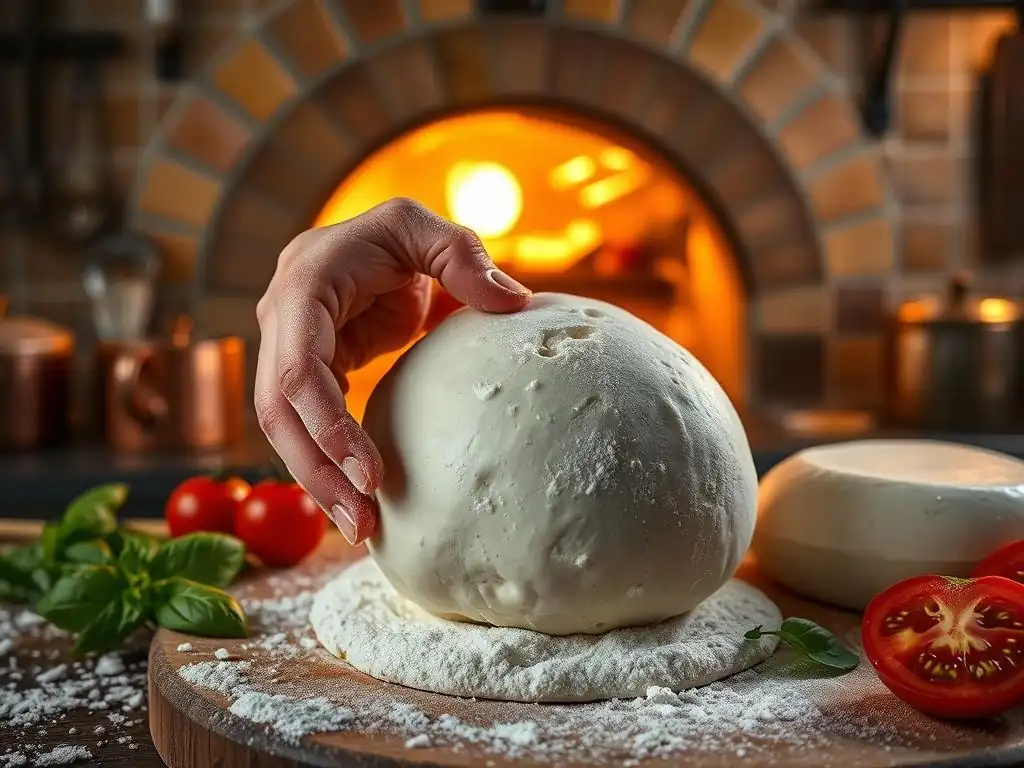
Ready to bring a taste of Naples to your home kitchen? Discover the secrets to crafting authentic Neapolitan pizza dough with our step-by-step guide. Imagine the perfectly charred crust and the delicious simplicity of this iconic Italian staple, now achievable with just a few simple ingredients. Dive in to unlock the flavors of Italy and elevate your baking game – the journey to pizza perfection starts here!
- Unlocking Authentic Pizza Napoletana Secrets for Your Kitchen: A Culinary Guide
- Discovering Authentic Neapolitan Pizza Traditions
- Mastering the Pizza Napoletana Dough Recipe: A Step-by-Step Guide
- Baking Your Pizza Napoletana: Achieving Authentic Results
- Beyond Pizza Dough: Exploring Other Neapolitan Culinary Delights
- Elevate Your Baking: Pizza Napoletana and Beyond
-
Frequently Asked Questions
- What makes Neapolitan pizza dough different from other pizza doughs?
- Can I achieve an authentic Neapolitan crust without a wood-fired oven?
- What type of flour is best for Neapolitan pizza dough?
- How long should I ferment my Neapolitan pizza dough?
- What are common mistakes to avoid when making Neapolitan pizza dough?
- Final Reflection: The Timeless Allure of Neapolitan Pizza
- Unleash Your Inner Pizzaiolo!
Unlocking Authentic Pizza Napoletana Secrets for Your Kitchen: A Culinary Guide
Discovering Authentic Neapolitan Pizza Traditions
Culinary Guide: Your Gateway to Pizza Napoletana
Embarking on the journey to master Pizza Napoletana is an invitation to explore one of Italy's most cherished culinary traditions. This isn't just about combining flour, water, salt, and yeast; it's about understanding a heritage protected by strict guidelines, such as those set by the Associazione Verace Pizza Napoletana (AVPN). Authenticity in a Neapolitan pizza dough recipe means respecting specific hydration levels, fermentation times, and baking methods that have been perfected over centuries in Naples. It’s a process that emphasizes simplicity and quality ingredients, allowing the true flavors to shine.
Becoming proficient in creating authentic Pizza Napoletana opens up a world of baking satisfaction. It’s a skill that transforms your kitchen into a little corner of Campania, bringing the vibrant tastes of Naples directly to your table. Whether you're aiming to replicate the iconic Margherita or Marinara, understanding the foundational Neapolitan pizza dough recipe is the crucial first step. This guide is designed to walk you through the essential elements, helping you bake a pizza that honors its rich history and delights your senses.
Exploring Regional & Cultural Baking: A Neapolitan Focus
Regional baking traditions offer a fascinating glimpse into the history, geography, and culture of a place, and Neapolitan baking is a prime example. Pizza Napoletana, while globally famous, is just one facet of this rich tradition. The volcanic soil surrounding Naples provides fertile ground for cultivating key ingredients like San Marzano tomatoes, while the region's climate influences fermentation and baking techniques. The sheer passion for food in Naples is palpable, driving bakers and pizzaioli to maintain high standards and preserve ancestral methods.
Exploring Neapolitan baking goes beyond the celebrated pizza Napoletana dough recipe. It includes rustic breads like Pane Cafone, often baked in wood-fired ovens, and intricate pastries like the layered Sfogliatella or the festive Pastiera Napoletana, a ricotta and wheat berry pie traditionally made for Easter. Each item tells a story of the region, reflecting local produce, historical events, and family traditions passed down through generations. Delving into these diverse bakes provides a deeper appreciation for the craft and the cultural significance embedded in every bite.
Mastering the Pizza Napoletana Dough Recipe: A Step-by-Step Guide
Understanding Authentic Pizza Napoletana Ingredients
Creating a truly authentic Neapolitan pizza dough recipe starts with selecting the right ingredients. The philosophy is quality over quantity, using minimal components to achieve maximum flavor and texture. The four essential ingredients are flour, water, salt, and yeast. The specific types and handling of these elements are what differentiate a true Pizza Napoletana dough from a standard pizza crust. It's a delicate balance where each ingredient plays a vital role in the final outcome.
The AVPN guidelines, for instance, specify the type of flour, the temperature of the water, and the precise amounts of salt and yeast relative to the flour weight. Adhering to these guidelines, or understanding the principles behind them, is key to replicating the light, airy, and slightly chewy crust characteristic of Pizza Napoletana. This section breaks down why each ingredient matters and how to choose the best ones for your kitchen.
The Importance of 00 Flour for Pizza Napoletana Dough
Central to the authentic Neapolitan pizza dough recipe is the use of "Tipo 00" flour. This Italian classification refers to how finely the flour is milled and its low ash content, resulting in a very soft and fine powder. Crucially, for Pizza Napoletana, you need a 00 flour with a specific protein content and gluten strength (often measured by the 'W' index in Italy, ideally between W220-W320). This high-quality flour develops a strong yet elastic gluten network during kneading, which is essential for creating the thin center and the characteristic airy, blistered edge (cornicione) of the pizza.
Using standard all-purpose flour will yield a different result, typically a denser crust that lacks the signature lightness and chewiness. While some strong bread flours can work as alternatives, authentic 00 flour designed for long fermentation is the gold standard. It allows the dough to stretch thinly without tearing and provides the structure needed to trap gases produced during fermentation, leading to that beautiful, bubbly cornicione when baked at high temperatures.
Water Temperature and its Impact on Dough Hydration
Water is not just a liquid in the Neapolitan pizza dough recipe; it's a critical component influencing dough consistency, fermentation rate, and hydration. The hydration level (the ratio of water to flour by weight) for authentic Pizza Napoletana dough typically falls between 55% and 62%. Using filtered or mineral water is often recommended to avoid chlorine, which can negatively impact yeast activity. The temperature of the water is also crucial, especially when using fresh yeast.
Cool water (around 16-20°C or 60-68°F) is generally preferred for long, slow fermentation processes, which are characteristic of authentic methods (often 8-24 hours or even longer). Colder water slows down the yeast initially, allowing for a more gradual development of flavor and structure. Warmer water can be used for shorter fermentation times but might lead to a less complex flavor profile and potentially a dough that's harder to handle. Mastering the balance of water temperature, yeast quantity, and fermentation time is key to a successful Neapolitan pizza dough recipe.
Salt and Yeast: Key Players in Pizza Napoletana Dough Fermentation
Salt plays a dual role in the Neapolitan pizza dough recipe: enhancing flavor and regulating yeast activity. Typically, salt makes up about 2-3% of the flour weight. It strengthens the gluten structure, contributing to the dough's elasticity and handling properties. However, salt also inhibits yeast, slowing down fermentation. This inhibitory effect is beneficial in a long fermentation process, helping to control the rise and allow flavors to develop gradually. Fine sea salt is often preferred for its purity and quick dissolution.
Yeast is the engine of fermentation, converting sugars in the flour into carbon dioxide (which makes the dough rise) and alcohol (which contributes to flavor). Authentic Neapolitan pizza dough recipes traditionally use fresh brewer's yeast, measured in very small quantities (often less than 1 gram per liter of water for long ferments). Dry active yeast or instant yeast can also be used, typically requiring different quantities and activation methods. The precise amount of yeast depends heavily on the fermentation time and temperature; less yeast is needed for longer, cooler ferments, resulting in a more complex flavor and digestible crust.
The Authentic Pizza Napoletana Dough Recipe: Detailed Instructions
Creating the dough for Pizza Napoletana is a process that requires patience and attention to detail. While there are variations, the core steps involve combining ingredients, kneading, and allowing sufficient time for fermentation and proofing. This specific Neapolitan pizza dough recipe focuses on a common approach that yields excellent results, suitable for home bakers. It's a tactile experience, connecting you directly to the ingredients and the transformation they undergo.
The total time from mixing to baking can vary significantly, often ranging from 8 hours to 24 hours or even more, depending on the yeast quantity and ambient temperature. This long fermentation is crucial for developing the dough's flavor, texture, and digestibility. Resist the urge to rush this process; time truly is your best friend when making authentic Pizza Napoletana dough.
Step 1: Combining Flour and Water for the Initial Dough
Begin by accurately weighing your ingredients. For a typical batch yielding several pizzas, you might use 1000g of 00 flour. Start by dissolving the salt (around 25g) in most of the cool water (aiming for a total hydration of about 60%, so 600g water). In a large mixing bowl or stand mixer bowl, combine the flour with the dissolved salt water. Reserve a small amount of water to dissolve the yeast separately.
Mix until a shaggy dough forms and all the flour is hydrated. This initial mixing phase, sometimes called the autolyse phase if you let it rest briefly, allows the flour to fully absorb the water and the gluten development to begin naturally. Once the flour and water are just combined, dissolve your small amount of yeast (e.g., 0.5-1g fresh yeast) in the reserved water and add it to the dough mixture. Continue mixing until the yeast is incorporated.
Step 2: Kneading the Pizza Napoletana Dough: The Art of Stretching and Folding
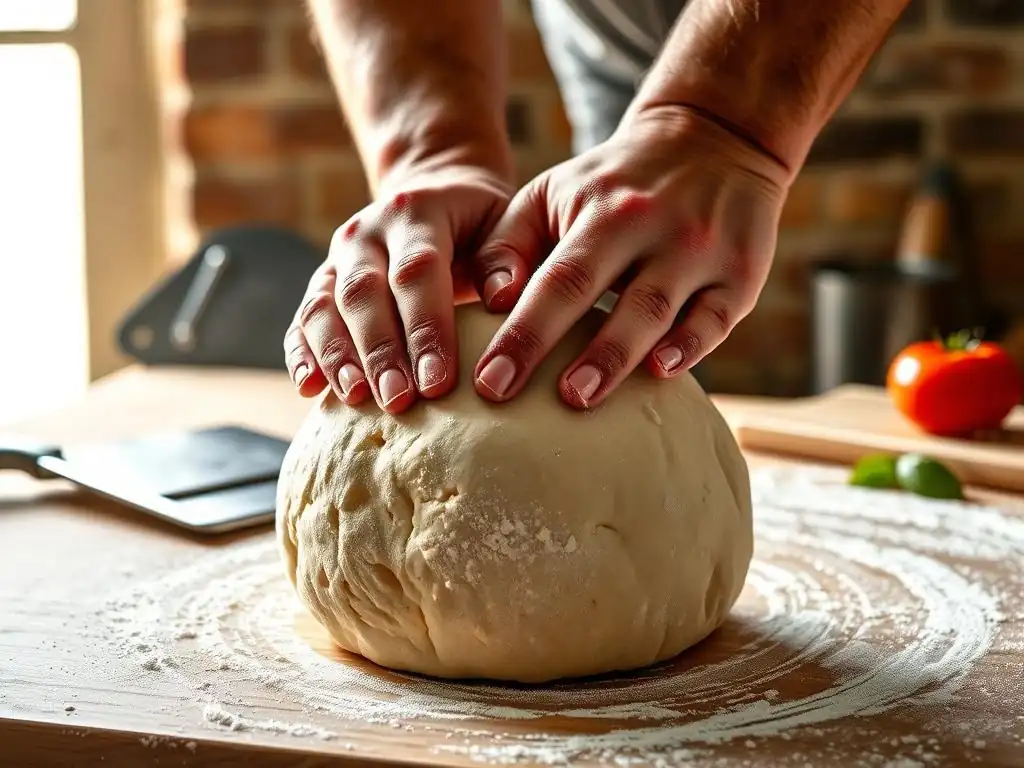
Kneading is vital for developing the gluten structure in your Neapolitan pizza dough recipe. Whether by hand or stand mixer, the goal is to transform the shaggy mass into a smooth, elastic dough. Using a stand mixer with a dough hook, knead on low speed for about 10-15 minutes, or until the dough pulls away from the sides of the bowl and becomes smooth. By hand, this can take 20-30 minutes of stretching and folding.
A good test for sufficient kneading is the "windowpane test": gently stretch a small piece of dough; if you can stretch it thin enough to see light through it without it tearing, the gluten is well-developed. Avoid adding too much extra flour during kneading; a slightly sticky dough is often a sign of good hydration. The dough should feel alive and elastic, ready for the next crucial stage.
Step 3: Bulk Fermentation: Time is Your Best Friend
Bulk fermentation is where the magic truly happens for your Neapolitan pizza dough recipe. Place the kneaded dough in a lightly oiled container large enough to allow it to significantly increase in volume. Cover tightly to prevent a skin from forming. This phase can last anywhere from 8 to 24 hours or even longer, depending on the yeast quantity and the ambient temperature (ideally around 20-24°C or 68-75°F).
During bulk fermentation, the yeast produces gases, causing the dough to rise, while enzymes break down complex carbohydrates into simpler sugars, developing flavor and making the dough more digestible. You might perform one or two "stretch and folds" during the first few hours to help build strength, but avoid overworking the dough. Observe the dough's activity; it should gradually increase in size and become more airy.
Step 4: Dividing and Balling the Dough: Preparing for the Final Rise
After the bulk fermentation is complete and the dough has roughly doubled (or more, depending on time), it's time to divide and shape it into individual pizza balls. Gently turn the dough out onto a lightly floured surface. Avoid deflating it too much. Using a dough scraper or knife, divide the dough into portions, typically ranging from 200g to 280g for a standard Neapolitan pizza.
Shape each portion into a smooth ball. There are various techniques, but a common one involves gently tucking the edges underneath the dough to create surface tension, resulting in a tight, smooth sphere. This surface tension is important for maintaining the shape during the final rise and creating the structure for the cornicione. Handle the dough gently to preserve the internal structure developed during fermentation.
Step 5: Proofing the Dough Balls: Achieving the Perfect Texture
The final rise, or proofing, is the last stage before baking. Place the dough balls in proofing boxes or individual containers, ensuring they have enough space to expand without touching. Lightly oil the containers and the dough balls themselves to prevent sticking. Cover the containers to maintain humidity. This phase typically lasts another 4-8 hours at room temperature, but can vary.
During proofing, the dough balls relax and continue to produce gas, becoming light and airy. They should increase significantly in volume and feel soft and puffy when gently pressed (the indentation should spring back slowly). Properly proofed dough is crucial for achieving the desired texture and lightness of the cornicione. It's essential not to under- or over-proof at this stage.
Baking Your Pizza Napoletana: Achieving Authentic Results
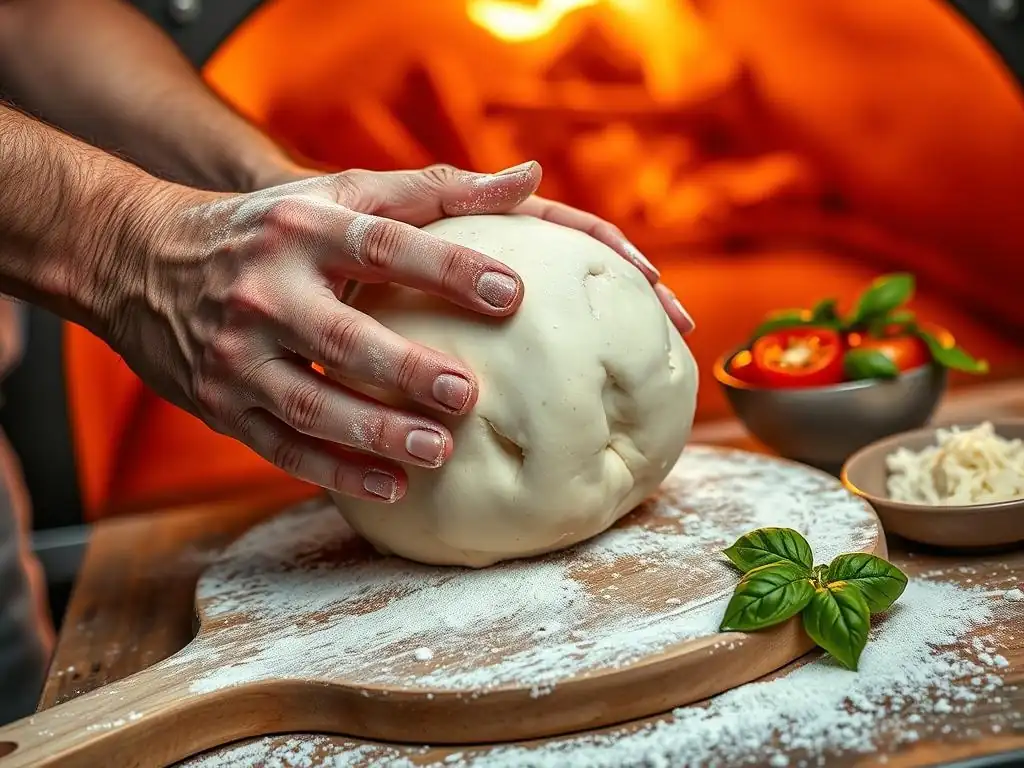
Baking Pizza Napoletana is a rapid, high-temperature process that is fundamentally different from baking in a standard home oven. The goal is to cook the pizza in 60-90 seconds, resulting in a soft, elastic crust with a charred, bubbly cornicione and perfectly cooked toppings. Achieving this requires extremely high heat, far exceeding what most conventional ovens can reach without modifications or specialized equipment.
While a traditional wood-fired oven reaching 450-500°C (850-950°F) is ideal, you can get surprisingly good results at home using a pizza steel or stone preheated in your oven at its highest setting (often 250-280°C or 500-550°F), or by using a specialized high-temperature home pizza oven. The intense heat is what creates the unique texture and appearance of authentic Pizza Napoletana.
Oven Temperature and Baking Time for Pizza Napoletana
As mentioned, the hallmark of Pizza Napoletana baking is extreme heat and speed. In a traditional wood-fired oven, temperatures soar to 450-500°C (850-950°F), cooking the pizza in a mere 60 to 90 seconds. This rapid bake causes the dough to puff up dramatically, creating the airy cornicione, while charring develops quickly on the crust's surface, giving it the characteristic "leopard spotting."
At home, replicating this requires preheating your oven to its maximum temperature, ideally with a pizza steel or stone on the top rack for at least an hour to ensure it's screaming hot. While you won't reach 500°C, temperatures of 250-280°C (500-550°F) are achievable and can cook a pizza in 4-8 minutes, depending on your oven and setup. While not the exact same as a 90-second bake, this high-heat approach is essential for getting close to the authentic texture compared to baking at lower temperatures for longer periods.
Pizza Napoletana Topping Tips: Keeping it Simple and Authentic
Authentic Pizza Napoletana is renowned for its simplicity, allowing the quality of the dough and the few key toppings to shine. The most classic examples are the Margherita and the Marinara. Overloading the pizza is discouraged, as excessive moisture can lead to a soggy crust and hinder the rapid, even bake.
Stick to minimal, high-quality ingredients. A little goes a long way. Spreading the sauce thinly and distributing the cheese and basil strategically ensures the dough cooks properly and the flavors are balanced. This minimalist approach highlights the excellence of each component, from the tangy tomatoes to the creamy mozzarella and the aromatic basil.
San Marzano Tomatoes: The Only Sauce You Need
For authentic Pizza Napoletana, crushed San Marzano tomatoes from the Agro Sarnese-Nocerino region of Italy are the gold standard. These plum tomatoes are known for their sweet, less acidic flavor and fewer seeds. Simply crush them by hand or pulse briefly in a food processor, then season lightly with salt.
Avoid cooking the sauce beforehand; the fresh tomatoes cook rapidly in the hot oven. A simple crushed tomato sauce allows the natural sweetness and slight acidity of the San Marzanos to complement the rich dough and creamy cheese perfectly. Using other types of canned tomatoes can work, but San Marzanos provide that specific, authentic flavor profile.
Fior di Latte Mozzarella: The Key to a Creamy Finish
The cheese of choice for Pizza Napoletana Margherita is Fior di Latte, a fresh mozzarella made from cow's milk (as opposed to Buffalo Mozzarella, though that is also used, particularly for Pizza Margherita Extra). Fior di Latte has a lower moisture content than fresh mozzarella sold in water, which is crucial for preventing a soggy pizza.
Tear or chop the Fior di Latte into small pieces and let it drain on paper towels for a bit before topping the pizza. This helps remove excess moisture. Distribute the cheese evenly but sparingly; you want patches of sauce showing through, not a solid blanket of cheese. The Fior di Latte melts beautifully in the high heat, becoming creamy and slightly browned in spots.
Fresh Basil: Aromatic Perfection
Fresh basil is added after baking for Pizza Marinara, and typically before baking for Pizza Margherita (though some add some before and some after). Its vibrant, aromatic presence is essential to the classic flavor. Use fresh, fragrant basil leaves, preferably from Italian varieties.
For Margherita, tear the leaves rather than cutting them to minimize bruising. Place a few leaves strategically on top of the cheese and sauce before it goes into the oven. The heat releases their aroma. For Marinara, which has no cheese, fresh garlic slices, oregano, and basil are typically added after baking, drizzled with olive oil.
Troubleshooting Your Pizza Napoletana Baking
Even with the best Neapolitan pizza dough recipe, baking perfect pizza can involve a learning curve. Issues with dough handling, proofing, or oven temperature can lead to less-than-ideal results. Understanding common problems and how to address them is part of the process of mastering this craft. Don't be discouraged by imperfections; each bake is a chance to learn and improve.
Common challenges include dough that's too sticky or too stiff, a crust that's pale or soggy, or toppings that burn before the crust is cooked. Most issues can be traced back to hydration levels, fermentation timing, kneading technique, or oven temperature management.
Common Issues with Dough Hydration and Texture
If your dough is excessively sticky and difficult to handle, the hydration might be too high for the type of flour used or insufficient gluten development during kneading. Try reducing the water slightly in your next batch or increasing kneading time. Conversely, if the dough is stiff and tears easily when stretching, it might be under-hydrated or under-kneaded.
- Sticky Dough:
- Check hydration percentage (aim for 58-62% with 00 flour).
- Ensure sufficient kneading time to develop gluten.
- Use wet hands or a dough scraper instead of flour when handling very sticky dough.
- Stiff/Tearing Dough:
- Increase hydration slightly in the next batch.
- Ensure adequate kneading.
- Allow sufficient fermentation and proofing time for the dough to relax.
Preventing a Soggy Crust
A soggy crust is often a result of too much moisture on the pizza or insufficient oven heat. Overloading with sauce, cheese, or watery toppings will release excess liquid during baking, steaming the dough rather than baking it properly.
- Use drained Fior di Latte mozzarella.
- Apply sauce sparingly, leaving a border.
- Ensure your oven and pizza stone/steel are fully preheated to the maximum temperature.
- Consider par-baking the crust for 30-60 seconds before adding toppings if moisture is a persistent issue (though this is not strictly traditional).
Tips for Achieving a Leopard-Spotted Crust
The desirable dark spots (leoparding) on the cornicione are a sign of high-temperature baking and proper sugar development from fermentation. A pale crust usually indicates insufficient heat or issues with fermentation.
- Ensure your oven is at its maximum temperature and the pizza stone/steel is thoroughly preheated (at least 1 hour).
- Verify the dough has undergone sufficient long fermentation to develop sugars that will caramelize and char.
- Position the pizza close to the heating element (often the top rack with a steel/stone).
- Consider using a broiler for the last 30-60 seconds if using a standard oven, watching carefully to prevent burning.
Beyond Pizza Dough: Exploring Other Neapolitan Culinary Delights
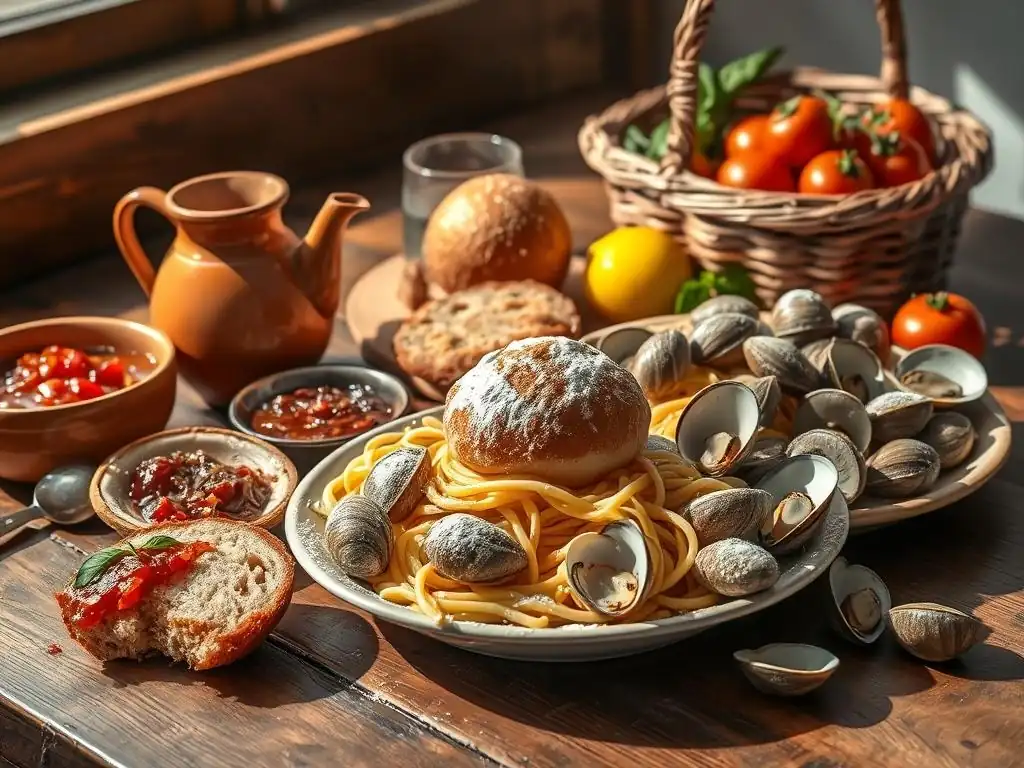
While mastering the authentic Neapolitan pizza dough recipe is a significant achievement, the culinary landscape of Naples extends far beyond pizza. Exploring other traditional bakes offers a deeper connection to the region's food culture and expands your baking repertoire. From rustic breads that accompany meals to elaborate pastries saved for special occasions, Neapolitan baking is diverse and flavorful.
These other bakes share some underlying principles with pizza – a respect for simple, quality ingredients and techniques honed over time – but offer unique textures and flavors. Diving into these recipes provides a richer understanding of the Neapolitan palate and baking traditions.
Neapolitan Bread Recipes: Pane Cafone
Pane Cafone is a classic rustic bread from Campania, often associated with the Neapolitan countryside. Its name, roughly translating to "peasant bread," reflects its humble origins and simple ingredients: flour, water, natural sourdough starter (lievito madre), and salt. It's characterized by a thick, crackly crust and a moist, open crumb.
Unlike the rapid bake of pizza, Pane Cafone is typically baked at lower temperatures for a longer time, allowing the crust to develop its characteristic chewiness and the interior crumb structure to set. Often baked in large, round loaves, it's perfect for soaking up sauces or enjoying with local cheeses and cured meats. Mastering a Neapolitan pizza dough recipe provides a great foundation for tackling this hearty bread.
Sweet Treats from Naples: Pastiera Napoletana and Sfogliatella
Neapolitan pastry is a world unto itself, famous for its intricate textures and rich fillings. Two of the most iconic are Pastiera Napoletana and Sfogliatella. Pastiera is a traditional Easter cake made with cooked wheat berries, ricotta cheese, eggs, and candied fruit, flavored with orange blossom water and citrus zest. It has a unique texture and a deeply aromatic flavor profile.
Sfogliatella, meaning "small, thin leaf," comes in two main forms: riccia (curly), with numerous thin, crisp layers of pastry dough forming a shell, and frolla (shortcrust), with a smooth outer dough. Both are typically filled with a mixture of ricotta cheese, semolina, candied fruit, and sometimes almond paste. Baking these pastries requires different techniques than pizza, involving specific dough handling and precise baking temperatures to achieve their signature textures.
Regional Pizza Variations: Pizza a Portafoglio
Even within Naples, there are variations on the theme of pizza. Pizza a Portafoglio, or "wallet pizza," is a smaller, street-food version of Pizza Marinara or Margherita, typically folded in half or quarters to be eaten easily while standing. It uses the same basic Neapolitan pizza dough recipe but is often baked quickly in smaller, hotter ovens found in pizzerias specializing in this style.
While the dough recipe is similar, the experience of eating Pizza a Portafoglio is distinct – it's a casual, portable bite, highlighting the dough's elasticity and the simplicity of the toppings. It's a reminder that even a highly defined tradition like Pizza Napoletana can have variations that reflect local customs and eating habits.
Elevate Your Baking: Pizza Napoletana and Beyond
Mastering the authentic Neapolitan pizza dough recipe is a rewarding endeavor that elevates your home baking skills significantly. It teaches patience, the importance of ingredient quality, and the impact of technique and time on the final product. This journey into Pizza Napoletana is often just the beginning of exploring the vast and delicious world of Italian baking traditions.
From achieving the perfect cornicione to balancing the simple, fresh toppings, each step refines your understanding of dough and heat. Don't hesitate to experiment within the traditional framework and, most importantly, share your creations.
Baking, especially something as communal as pizza, is meant to be shared. Invite friends and family to enjoy your homemade Pizza Napoletana. The process of making and sharing pizza fosters connection and creates memorable moments. Discuss the nuances of your latest Neapolitan pizza dough recipe attempt, the texture of the crust, or the flavor of the tomatoes.
Sharing your bakes also provides valuable feedback, helping you refine your technique further. Whether it's the classic Margherita or a simple Marinara, the joy of serving a delicious, authentic pizza you made yourself is immense.
Exploring Regional Italian Cuisine
Your success with the Neapolitan pizza dough recipe can serve as a springboard for exploring other regional Italian bakes and dishes. Each region of Italy boasts its own unique culinary identity, shaped by local ingredients, history, and climate.
Consider trying your hand at focaccia from Liguria, Roman-style pizza (Pizza Romana) with its thinner, crispier crust, or the rich pastries of Sicily. The principles learned while mastering Pizza Napoletana – understanding dough, fermentation, and baking temperatures – are transferable skills that will benefit you greatly as you venture into other areas of regional Italian cuisine. Keep baking, keep exploring!
Frequently Asked Questions
What makes Neapolitan pizza dough different from other pizza doughs?
Neapolitan pizza dough relies on simple ingredients like flour, water, salt, and yeast, and a high hydration level. The traditional method also involves a long fermentation process.
Can I achieve an authentic Neapolitan crust without a wood-fired oven?
While a wood-fired oven is ideal, a home oven can get surprisingly close! Use a pizza stone or baking steel, preheat it to the highest temperature, and consider using the broil setting for the last minute or two.
What type of flour is best for Neapolitan pizza dough?
Traditionally, "00" flour is used, known for its fine texture and ability to create a tender, elastic dough. However, strong bread flour can be a suitable substitute if "00" flour isn't available.
How long should I ferment my Neapolitan pizza dough?
A long fermentation, typically 24-72 hours in the refrigerator, is crucial for developing flavor and creating a light, airy crust. This allows the yeast to work its magic and break down gluten.
What are common mistakes to avoid when making Neapolitan pizza dough?
Over-kneading, using too much yeast, and not allowing enough fermentation time are common pitfalls. Also, be sure to use high-quality ingredients and follow the recipe carefully for the best results.
Final Reflection: The Timeless Allure of Neapolitan Pizza
The pursuit of the perfect Neapolitan pizza dough is not merely a culinary quest; it's a journey into tradition, artistry, and the enduring power of simple ingredients. The techniques and recipes detailed in this article, while focused on achieving that authentic Neapolitan crust, offer a window into a rich cultural heritage and a timeless appreciation for quality ingredients and meticulous craftsmanship. This isn't just about making pizza; it's about connecting with a legacy.
The impact of Neapolitan pizza on the global culinary landscape is undeniable. Its influence extends far beyond the simple act of eating; it represents a shared experience, a celebration of community, and a testament to the enduring power of food to bring people together. Food is symbolic of love when words are inadequate.
- Alan D. Wolfelt. This quote perfectly encapsulates the emotional connection we forge with food, especially when it's as deeply rooted in history and tradition as Neapolitan pizza. The simple act of making this pizza, from hand-kneading the dough to the careful placement of toppings, becomes a meditative process, a mindful connection to something larger than ourselves.
Now, it's your turn. Don't just read this recipe; live it. Embrace the challenge of mastering the techniques, savor the aroma of the baking dough, and share the joy of your creation with loved ones. The journey to perfecting your Neapolitan pizza is a rewarding one, filled with the satisfaction of creating something beautiful and delicious from scratch. The next time you gather around a table, let the aroma of freshly baked Neapolitan pizza be a testament to your dedication and a celebration of the simple pleasures in life.
Unleash Your Inner Pizzaiolo!
Thanks for taking the time to explore the delicious world of Neapolitan baking! You've now unlocked some incredible secrets to creating authentic, pizzeria-quality pizzas at home. Ready to put your new knowledge to the test?
- Craft your masterpiece: Try making your own Neapolitan pizza tonight! Use the techniques you learned to create a truly unforgettable pizza experience.
- Share your success: Show off your amazing creation! Post a picture of your Neapolitan pizza on social media and tag us – we'd love to see it.
- Deepen your dough knowledge: Explore more of our resources on sourdough starters and pizza dough techniques – discover how to elevate your baking even further!
What unique Neapolitan topping combination will you create first? Let us know in the comments below!