
KetoFriendly Toffee: Sugar Alcohols and LowCarb Sweetener Guide

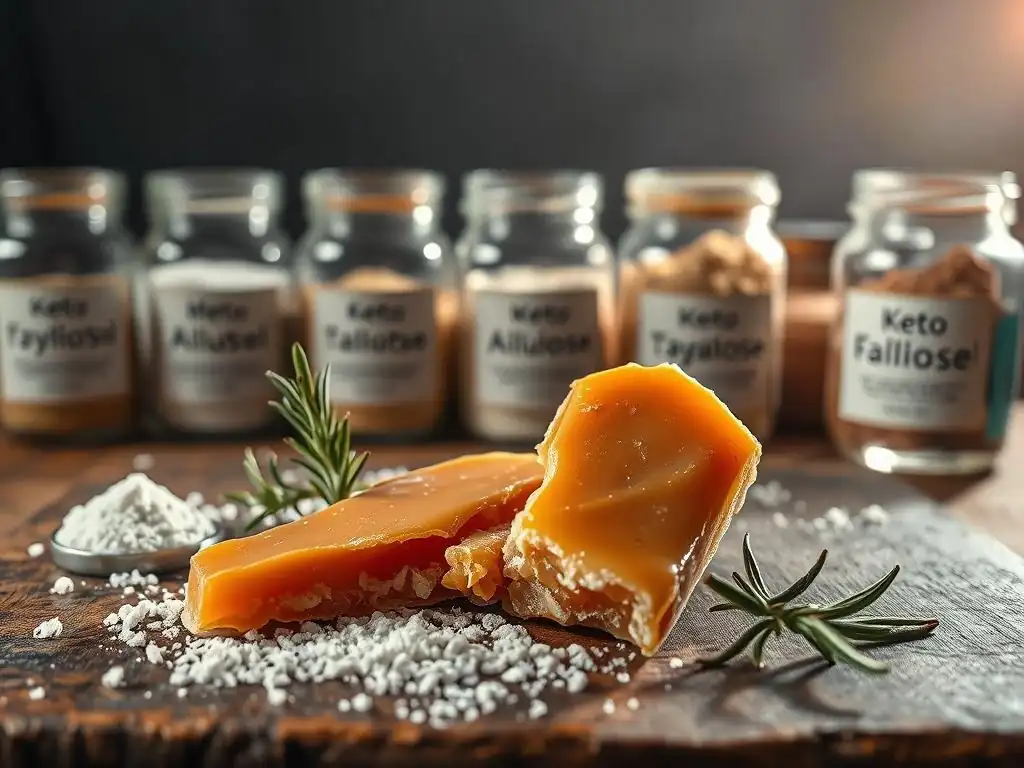
Welcome to BakeWithEase, your baking sanctuary! Are you ready to indulge in the sweet life without the sugar crash? This article delves deep into the world of Keto Toffee and unravels the secrets behind using sugar alcohols and low-carb sweeteners to create delectable treats. Discover how to achieve that perfect toffee crunch, even while staying keto-friendly. What are the best sugar alcohol alternatives, and how do they impact the texture and flavor? Read on to unlock the secrets and bake your way to guilt-free indulgence!
- Keto Toffee: A Guide to Sugar Alcohols and Low-Carb Sweeteners
- Understanding Keto Toffee and Sugar Substitutes
- Exploring Different Sugar Alcohols for Keto Toffee
- Low-Carb Sweeteners Beyond Sugar Alcohols for Keto Toffee
- Achieving the Perfect Texture: Sweetener Blends and Techniques
- Troubleshooting Keto Toffee Recipes with Sugar Alcohols
- Best Practices for Baking Keto-Friendly Toffee
- Keto Toffee Sweetener Comparison Chart
- Keto Toffee Recipe Adaptations: Almond Flour Toffee Recipe
-
Frequently Asked Questions
- What are sugar alcohols and why are they used in keto toffee?
- Which sugar alcohols are best for making keto toffee, and why?
- How do low-carb sweeteners compare to traditional sugar in toffee recipes?
- Can I use any low-carb sweetener in a keto toffee recipe, or are some better than others?
- What are the potential downsides or considerations when using sugar alcohols in keto toffee?
- Final Reflection: The Sweet Truth About Keto-Friendly Treats
- Unlock Your Keto-Friendly Baking Potential!
Keto Toffee: A Guide to Sugar Alcohols and Low-Carb Sweeteners
Understanding Keto Toffee and Sugar Substitutes
What Makes Toffee Keto-Friendly? The Role of Low-Carb Sweeteners
Traditional toffee relies heavily on granulated sugar, which is a carbohydrate and spikes blood sugar levels significantly. For those following a ketogenic diet, which emphasizes low carbohydrate intake, this sugar needs to be replaced. Keto-friendly toffee achieves its sweetness and structure by using sugar substitutes that have minimal impact on blood glucose, keeping the body in a state of ketosis. The primary players in achieving this transformation are sugar alcohols and other low-carb sweeteners like stevia, monk fruit, and allulose.
These sugar substitutes provide sweetness without the high carbohydrate count of regular sugar. While some, like sugar alcohols, contain a small amount of carbohydrates, they are often not fully absorbed by the body, resulting in a lower net carb count. Others, like stevia and monk fruit, are zero-calorie and zero-carb. The key challenge in creating keto toffee lies in replicating the texture, caramelization, and stability that traditional sugar provides, which is where understanding the properties of different low-carb sweeteners becomes crucial. Achieving that signature brittle snap requires careful selection and handling of these alternative sweetening agents.
The Importance of Sugar Alcohols in Keto Baking
Sugar alcohols, also known as polyols, are a class of sweeteners commonly used in sugar-free and low-carb products, including keto toffee. Unlike regular sugars (monosaccharides and disaccharides), sugar alcohols are not fully digested in the small intestine. This incomplete absorption is why they contribute fewer calories and have a lower impact on blood sugar compared to sucrose. They are derived from sugars but have a chemical structure that includes an alcohol group. Common examples include erythritol, xylitol, maltitol, sorbitol, and mannitol.
In keto baking, particularly for something like keto toffee, sugar alcohols play a vital role beyond just sweetness. Many provide bulk, which is essential for structure, and can replicate some of the physical properties of sugar, like contributing to the caramelization process (though often requiring higher temperatures or additional ingredients) and preventing crystallization. However, their incomplete absorption can sometimes lead to digestive discomfort if consumed in large quantities. Understanding the specific metabolic effects and baking properties of each type of sugar alcohol is key to successfully making keto toffee sugar alcohol-based treats.
Exploring Different Sugar Alcohols for Keto Toffee
Erythritol: A Popular Choice for Keto Toffee Recipes
Erythritol is perhaps one of the most widely used sugar alcohols in keto baking, and it's a strong contender for making keto toffee. It's naturally found in some fruits and fermented foods. What makes it popular is its high digestive tolerance compared to other sugar alcohols – about 90% is absorbed in the small intestine and excreted unchanged, meaning very little reaches the large intestine where fermentation and digestive issues can occur. It has about 60-80% the sweetness of sugar and a glycemic index of zero, making it truly keto-friendly.
When using erythritol for keto toffee, it's important to note that it can crystallize easily upon cooling, which can lead to a slightly grainy texture. This tendency can be mitigated by using powdered erythritol, combining it with other sweeteners like stevia or monk fruit for added sweetness without increasing bulk, or blending it with allulose, which helps inhibit crystallization. Despite this potential drawback, its low glycemic impact and minimal digestive side effects make it a go-to for many keto bakers attempting that perfect keto toffee sugar alcohol base.
Erythritol's Benefits and Considerations for Toffee Making
One of the main benefits of erythritol for keto toffee is its stability at high temperatures, which is necessary for cooking the mixture to the hard-crack stage (around 300-310°F or 149-154°C). It doesn't break down or lose sweetness when heated. Furthermore, its zero caloric value and zero net carbs align perfectly with ketogenic goals. It also provides some bulk, contributing to the overall volume of the toffee.
However, there are considerations. As mentioned, crystallization is a common issue, potentially resulting in a less smooth texture than traditional toffee. Erythritol also has a characteristic cooling sensation in the mouth, which some people find noticeable, especially in high concentrations. To counteract crystallization and improve texture, blending erythritol with a small amount of allulose (perhaps 10-20% of the total sweetener weight) can be highly effective. Achieving the desired golden brown color might also require cooking for slightly longer or using a small amount of a sweetener like allulose that browns more readily.
Xylitol: Sweetness and Precautions for Keto Toffee
Xylitol is another sugar alcohol that boasts a sweetness level very similar to sugar (about 100%) and has a lower glycemic index (around 7-13) than sugar (65). It's often derived from birch trees or corn cobs. Its sweetness and mouthfeel are quite comparable to sugar, making it appealing for many applications. In theory, it could be used for keto toffee due to its lower carb impact compared to sugar.
However, xylitol is known to cause significant digestive distress, including bloating, gas, and diarrhea, even in moderate amounts. This is because a larger portion of ingested xylitol reaches the large intestine where it is fermented by bacteria. While it melts and hardens similarly to sugar, its strong laxative effect makes it a less preferred choice for a treat like toffee, which might be consumed in more than just a small bite.
Is Xylitol Safe for Keto Dieters and Pets?
For keto dieters, xylitol is generally considered acceptable in very small quantities if digestive tolerance allows, as its net carb count is low (often calculated as about half its total carb content). However, due to the high risk of digestive upset, it's often avoided or used sparingly in keto recipes. The primary concern with xylitol, and a critical point to remember, is its extreme toxicity to dogs and other pets. Even small amounts can cause a rapid and dangerous drop in blood sugar (hypoglycemia), liver failure, and even death.
Therefore, while xylitol might technically work from a baking perspective for keto toffee, the significant health risks to pets and the high likelihood of digestive issues for humans make it a risky choice. Many keto bakers opt for safer and more easily tolerated sugar alcohols like erythritol or alternative sweeteners when developing recipes for keto toffee sugar alcohol variations.
Maltitol: A Less Recommended Sugar Alcohol for Keto Toffee
Maltitol is a sugar alcohol frequently used in commercially produced "sugar-free" candies and chocolates. It has about 90% the sweetness of sugar and provides a smooth texture. On the surface, it might seem suitable for keto applications like toffee. However, its glycemic impact is significantly higher than other popular keto sweeteners.
While classified as a sugar alcohol, maltitol has a glycemic index ranging from 35 to 50, which is much closer to sugar (65) than erythritol (0) or xylitol (7-13). This higher glycemic response means it can potentially raise blood sugar and insulin levels, which is counterproductive for maintaining ketosis. Many individuals find that maltitol causes a noticeable blood sugar spike.
Maltitol's Glycemic Impact and Potential Side Effects
The relatively high glycemic index of maltitol means that while it's "sugar-free," it's not necessarily "keto-friendly" for everyone. Its impact on blood sugar varies among individuals, but it is consistently higher than other common keto sweeteners. This makes it difficult to reliably incorporate into a strict ketogenic diet without risking being knocked out of ketosis.
Furthermore, like xylitol, maltitol is well-known for its potent laxative effect. Consuming even moderate amounts can lead to significant gastrointestinal distress, including severe bloating, gas, and diarrhea. This makes it particularly unsuitable for treats like toffee, which are often consumed in multiple pieces. Due to its higher glycemic impact and significant digestive side effects, maltitol is generally not recommended for those strictly following a ketogenic diet or for making keto toffee sugar alcohol treats at home.
Other Sugar Alcohols: Sorbitol, Mannitol, and Isomalt
Beyond the more common ones, other sugar alcohols like sorbitol, mannitol, and isomalt are also used in food production, including some sugar-free products. Sorbitol is about 60% as sweet as sugar and has a glycemic index around 9. Mannitol is about 50-70% as sweet and has a glycemic index of 0. Isomalt has about 45-65% sweetness and a glycemic index of 9.
These sugar alcohols share some characteristics with xylitol and maltitol, particularly regarding their potential for causing digestive upset. They are often used in hard candies, chewing gum, and baked goods for their bulk and texture properties. However, their laxative effects can be quite pronounced, especially sorbitol and mannitol.
When to Use (or Avoid) These Alternatives in Keto Toffee
For homemade keto toffee, sorbitol, mannitol, and isomalt are generally not the preferred options. Their lower sweetness requires using larger quantities, increasing the risk of digestive issues. While isomalt is sometimes used in sugar art because it resists crystallization and is less hygroscopic than sugar, its lower sweetness and potential digestive effects make it less practical for simply sweetening toffee in a home kitchen context compared to erythritol or blends.
Given the availability of better-tolerated and more keto-aligned options like erythritol and allulose, most home bakers making keto toffee sugar alcohol blends will steer clear of sorbitol, mannitol, and isomalt. Their primary use cases are often in specific commercial applications or sugar-free confectionery where precise texture properties are paramount and serving sizes might be controlled, but for general keto toffee making, they are best avoided.
Low-Carb Sweeteners Beyond Sugar Alcohols for Keto Toffee
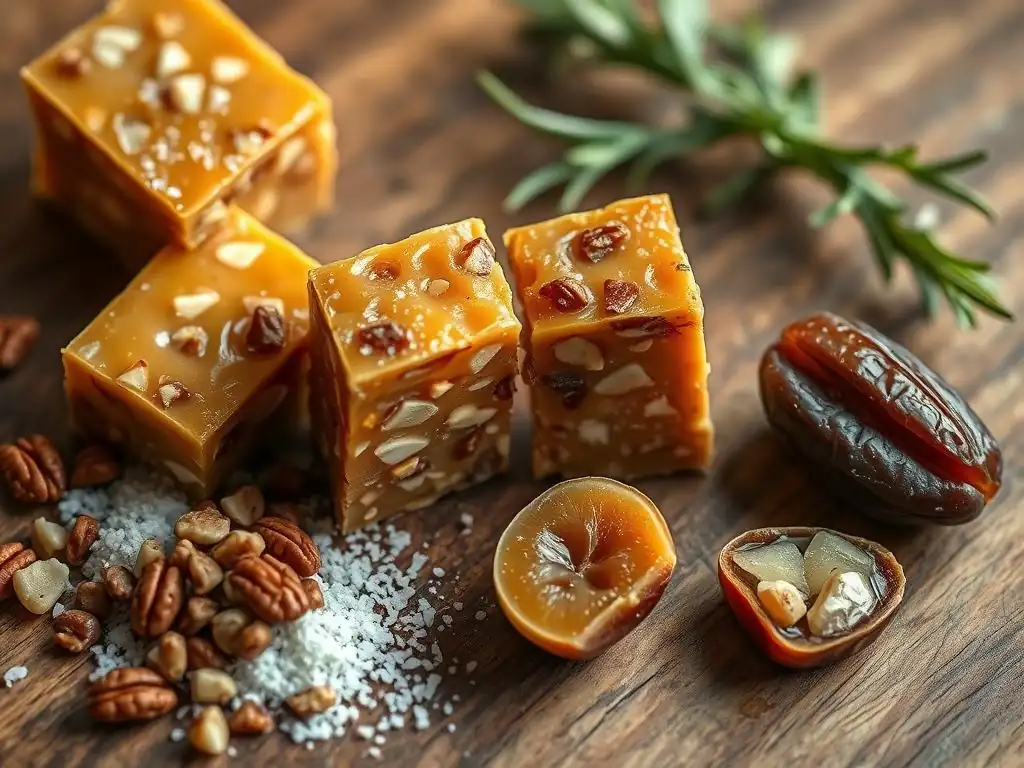
Stevia: A Natural Zero-Calorie Sweetener
Stevia is a natural sweetener derived from the leaves of the Stevia rebaudiana plant. Its sweet compounds, called steviol glycosides (like Reb A, Reb D, Reb M), are many times sweeter than sugar – ranging from 50 to 400 times sweeter depending on the specific compound and concentration. Stevia is calorie-free and has a glycemic index of zero, making it an excellent option for keto.
Because of its intense sweetness, only a very small amount of pure stevia extract is needed. This means it doesn't provide any bulk, which can be a challenge when trying to replicate the volume and structure that sugar provides in recipes like toffee. It's often sold in liquid drops or powdered form, sometimes blended with fillers like erythritol or dextrose (though dextrose should be avoided on keto).
Using Stevia Extract in Toffee: Tips and Tricks
When using stevia extract in keto toffee, it's typically used in conjunction with a bulking agent like erythritol or allulose to provide structure. You would use the erythritol or allulose for the majority of the bulk and texture, and then add a tiny amount of stevia extract to boost the sweetness to your desired level without adding significant volume or carbohydrates.
One potential drawback of stevia is that some people detect a slightly bitter or metallic aftertaste, especially with certain extracts or in high concentrations. Using high-purity extracts, such as those rich in Reb M or Reb D, can minimize this. Start with a very small amount and add more gradually, tasting as you go (carefully, as hot toffee is dangerous!)
if possible, or testing the sweetness of the pre-cooked mixture. Blending stevia with other sweeteners like monk fruit or erythritol can also help mask any off-flavors and create a more balanced sweetness profile for your keto toffee sugar alcohol blend.
Monk Fruit Sweetener: Another Natural Option
Monk fruit sweetener is derived from the luo han guo fruit native to Southeast Asia. Like stevia, the sweet compounds (mogrosides) are intensely sweet, ranging from 100 to 250 times sweeter than sugar. It is also calorie-free and has a glycemic index of zero, making it another highly suitable sweetener for a ketogenic diet.
Monk fruit sweetener is often sold as a liquid extract or a powder. Similar to stevia, pure monk fruit extract is very potent and provides no bulk. It is commonly blended with erythritol or allulose to create granular or powdered sweeteners that measure more like sugar, making them easier to use in recipes like keto toffee.
Monk Fruit's Unique Flavor Profile in Keto Toffee
Monk fruit sweetener generally has a cleaner, less noticeable aftertaste than some stevia extracts for many people. Some describe it as having a slightly fruity note, which can be pleasant in many desserts. When used in keto toffee, especially in a blend with erythritol or allulose, the monk fruit contributes pure sweetness without interfering with the caramel flavor that develops during cooking.
Using a blend of erythritol and monk fruit is a popular approach for making keto toffee. The erythritol provides the bulk and structure necessary for the toffee, while the monk fruit boosts the sweetness without adding carbs or significantly altering texture. This combination often results in a well-rounded sweetness and minimizes the cooling effect sometimes associated with large amounts of erythritol alone. When selecting a monk fruit blend, check the ingredients list to ensure it's not mixed with high-carb fillers like maltodextrin or dextrose.
Allulose: A Rare Sugar with Keto Benefits
Allulose is a "rare sugar" that is found naturally in small amounts in foods like wheat, raisins, and figs. Structurally, it is a monosaccharide (a simple sugar) like fructose or glucose, but the human body doesn't metabolize it in the same way. It is only partially absorbed and not significantly metabolized, meaning it provides very few calories (about 0.2-0.4 calories per gram compared to sugar's 4 calories per gram) and has a negligible impact on blood sugar and insulin levels (glycemic index near zero). It has about 70% the sweetness of sugar.
What makes allulose particularly exciting for keto baking, and especially for keto toffee, are its functional properties. Unlike erythritol, allulose does not readily crystallize, resulting in a smoother texture. It also browns and caramelizes more similarly to sugar than other keto sweeteners, contributing to a richer color and flavor in cooked applications like toffee.
Allulose in Toffee: Texture and Browning Considerations
Allulose is arguably one of the best sweeteners for achieving a smooth, non-grainy texture in keto toffee. Its resistance to crystallization is a major advantage over erythritol. When heated, it dissolves well and remains amorphous upon cooling, yielding that desirable brittle snap without the grittiness.
Another significant benefit is its ability to participate in the Maillard reaction (browning) at temperatures relevant to candy making. This helps develop the characteristic golden-brown color and complex flavors associated with traditional toffee.
While it's only about 70% as sweet as sugar, you can compensate by using a slightly larger quantity or by blending it with a high-intensity sweetener like stevia or monk fruit to reach the desired sweetness level without compromising texture or browning capabilities. Using allulose, either alone or as a significant portion of your keto toffee sugar alcohol blend, is highly recommended for superior texture and color.
Achieving the Perfect Texture: Sweetener Blends and Techniques
Combining Erythritol and Monk Fruit for Optimal Sweetness
As discussed, blending sweeteners is a common strategy in keto baking to leverage the best properties of each. A popular and effective blend for keto toffee involves using erythritol as the primary bulking agent and adding monk fruit extract for additional sweetness. This combination helps achieve a sweetness level comparable to sugar without the high carbs or calories.
For instance, a recipe might use a cup of granular erythritol and a teaspoon of liquid monk fruit extract (or the equivalent in powdered form). The erythritol provides the necessary volume and structure, while the monk fruit boosts the overall sweetness intensity. This blend can help reduce the amount of erythritol needed compared to using it alone, potentially minimizing the cooling effect and slightly reducing the tendency to crystallize, although crystallization can still be a factor with high amounts of erythritol. When making keto toffee sugar alcohol blends, this is a widely used and effective method.
Using Allulose to Improve Toffee Texture
For the smoothest texture in keto toffee, incorporating allulose is a game-changer. Allulose's unique properties make it highly resistant to crystallization, which is the main culprit behind grainy toffee. Replacing a significant portion of erythritol with allulose will drastically improve the final product's smoothness and mouthfeel.
A common approach is to use a blend where allulose makes up 50% or more of the total sweetener weight, with the remainder being erythritol for cost-effectiveness or a high-intensity sweetener like monk fruit or stevia for extra sweetness. For example, a recipe might use 1/2 cup allulose and 1/2 cup erythritol, plus monk fruit to taste. The allulose ensures a smooth, non-grainy texture, while the erythritol helps provide bulk and structure. Experimenting with the ratio of allulose to other sweeteners is key to finding the perfect balance for your keto toffee.
The Importance of Temperature Control When Working with Sugar Alcohols
Achieving the correct temperature is absolutely critical when making any type of toffee, including keto toffee made with sugar alcohols. Toffee requires reaching the "hard-crack" stage, which typically falls between 300°F and 310°F (149°C and 154°C). At this temperature, the sugar (or sugar alcohol) molecules reach a specific concentration that allows the mixture to become brittle upon cooling.
Using a reliable candy thermometer is non-negotiable. Unlike traditional sugar, some sugar alcohols behave slightly differently when heated. Erythritol, for example, melts around 242°F (117°C) but needs to reach the higher temperatures to achieve the hard-crack stage. Allulose can brown more readily at lower temperatures than erythritol. Precise temperature control ensures that the moisture content is reduced to the correct level, allowing the sweetener base to harden properly as it cools. Overheating can lead to burning, while underheating will result in a soft, chewy, rather than brittle, toffee.
Troubleshooting Keto Toffee Recipes with Sugar Alcohols
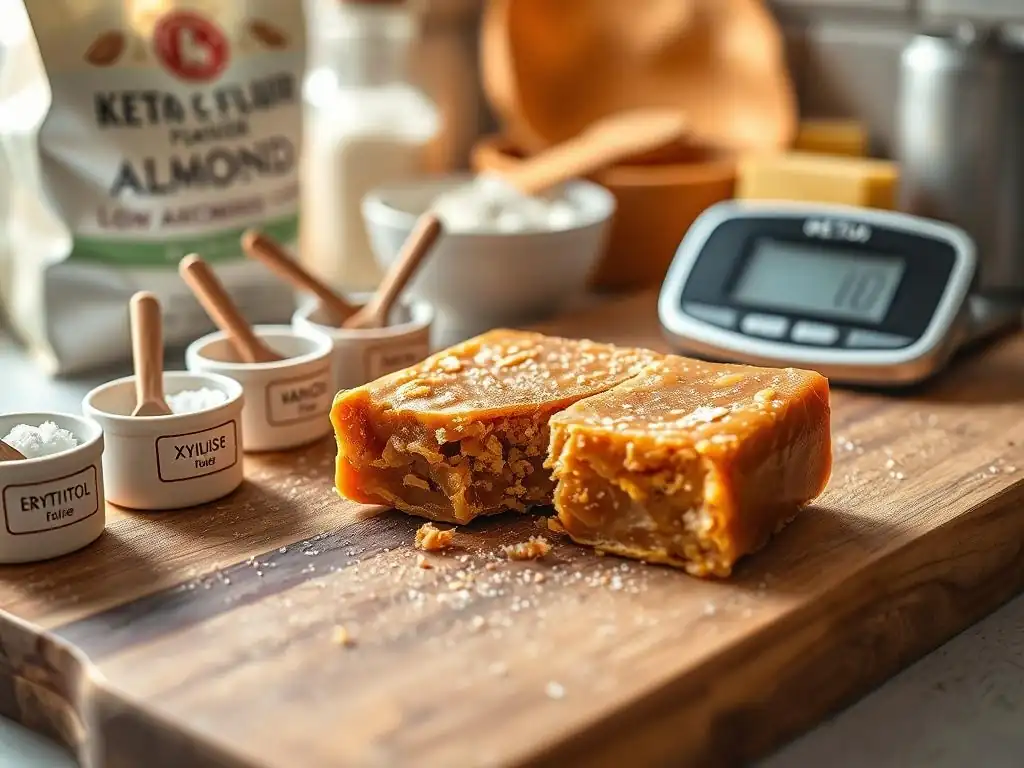
My Toffee is Grainy: Understanding Crystallization
One of the most common issues when making keto toffee with sugar alcohols, particularly erythritol, is graininess. This occurs when the sugar alcohol recrystallizes out of the mixture as it cools, forming small crystals that give the toffee a sandy texture. Traditional sugar toffee can also crystallize, but some sugar alcohols are more prone to it.
- Causes:
- Using too much erythritol relative to other ingredients or sweeteners that inhibit crystallization.
- Not heating the mixture to a high enough temperature (below the hard-crack stage).
- Stirring the mixture while it's cooling, which can encourage crystal formation.
- Introducing stray crystals (e.g., from the side of the pan or a dirty utensil) during the cooking process.
Toffee is Too Soft: Adjusting Sweetener Ratios
If your keto toffee turns out soft and chewy instead of hard and brittle, it's usually an issue with the ratio of ingredients or the cooking temperature. The sweetener base (sugar alcohols, allulose, etc.) needs to reach a high enough concentration by boiling off moisture to become hard when cooled.
- Potential Fixes:
- Increase Cooking Temperature: The most likely cause is not reaching the hard-crack stage (300-310°F or 149-154°C). Ensure you are using an accurate thermometer and cooking until the correct temperature is reached.
- Adjust Sweetener Ratio: If you're using a blend, ensure there's enough of the primary bulking/hardening sweetener (like erythritol or allulose) relative to fats (butter) and liquids. Too much fat can sometimes result in a softer product, though high-temperature cooking usually overcomes this.
- Reduce Liquid: Ensure you aren't adding extra liquid beyond what the recipe calls for (e.g., from extracts or flavorings before the final stages).
Toffee Doesn't Brown: Tips for Achieving a Golden Color
Unlike sugar, which caramelizes relatively easily, many sugar alcohols don't undergo the same browning reactions at typical candy-making temperatures. Erythritol, for instance, will melt and harden but won't turn golden brown on its own. Achieving that classic toffee color and some of the associated flavor requires different strategies when using keto sweeteners.
- Strategies for Browning:
- Use Allulose: Allulose browns much more readily than other keto sweeteners. Including a significant amount of allulose in your sweetener blend is the most effective way to get a nice golden color and a more complex flavor profile.
- Cook Butter Longer: Allow the butter to cook and brown slightly before adding the sweeteners. Brown butter adds depth of flavor and color.
- Add a Small Amount of Molasses (Use with Caution): A tiny amount (like 1/4 teaspoon per batch) of blackstrap molasses can contribute color and flavor. However, molasses contains sugar, so this adds a small amount of carbs and is a less strict keto approach. Use this method judiciously if tracking carbs closely.
Best Practices for Baking Keto-Friendly Toffee
Measuring and Mixing Ingredients Accurately
Precision is paramount in candy making, and keto toffee is no exception. Using accurate measurements for all ingredients – especially the sweeteners and fats – is crucial for achieving the correct texture and consistency. Unlike some baking where slight variations are forgiving, candy making relies on specific ratios and temperatures.
Use kitchen scales for weighing solid ingredients like sweeteners and butter whenever possible, as volume measurements (cups) can vary significantly depending on how the ingredient is packed. Ensure your liquid measurements are also precise. When mixing, follow the recipe instructions carefully regarding stirring – often, minimal stirring is required once the mixture starts boiling to prevent crystallization, especially when working with erythritol-based keto toffee sugar alcohol blends.
Choosing the Right Fats and Butters for Keto Toffee
The fat component is essential for the flavor and texture of toffee. Unsalted butter is the traditional choice and works very well in keto toffee recipes. Using high-quality butter contributes significantly to the rich flavor.
Some recipes might incorporate other fats like coconut oil or MCT oil. While these are keto-friendly, they can sometimes affect the final texture or melting point of the toffee. Butter provides the best balance of flavor, texture, and stability for most keto toffee recipes. Ensure your butter is fresh, as off-flavors can become concentrated during the cooking process. Using clarified butter or ghee (butter with milk solids removed) might slightly alter the flavor but can sometimes help prevent scorching, although this is not typically necessary if temperature is controlled.
Storing Your Keto Toffee for Maximum Freshness
Proper storage is key to keeping your keto toffee brittle and fresh. Toffee is hygroscopic, meaning it attracts moisture from the air. Exposure to humidity will cause it to become sticky and lose its snap.
Once your keto toffee has cooled completely and hardened, break it into pieces. Store the pieces in an airtight container at room temperature. If you live in a humid environment, you might consider adding a food-grade desiccant packet to the container (separate from the toffee pieces) to absorb excess moisture. For longer storage or in very humid conditions, the toffee can be stored in the refrigerator or freezer, ensuring it's well-sealed to prevent condensation from forming on the surface when it's brought back to room temperature.
Keto Toffee Sweetener Comparison Chart
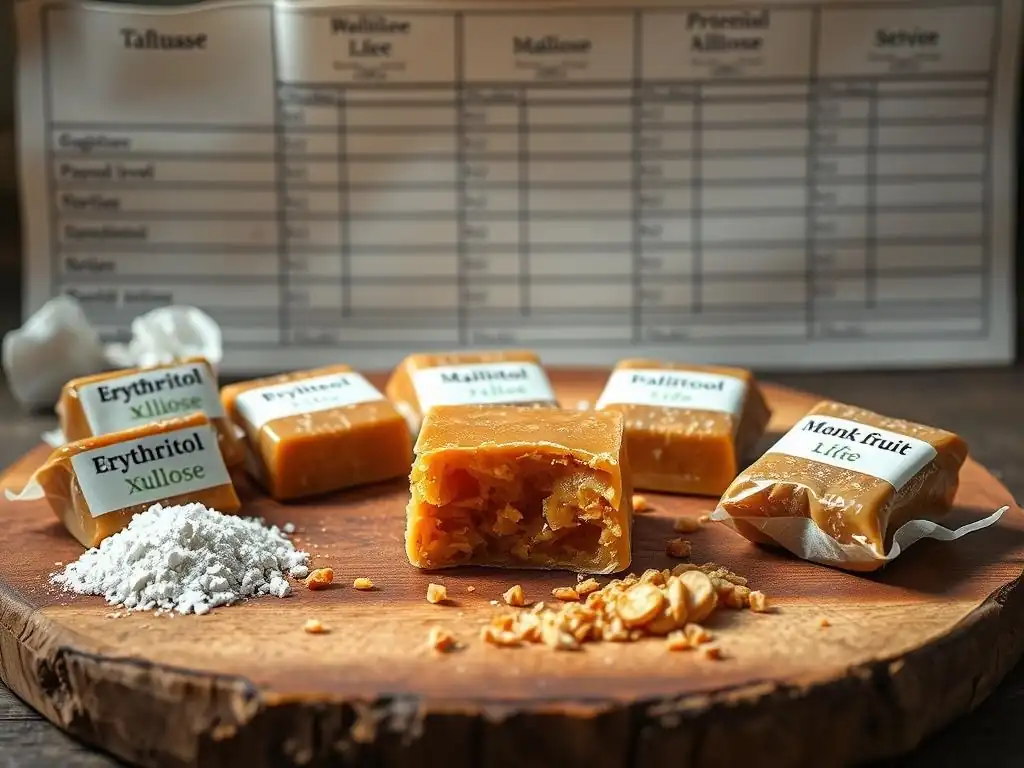
A Quick Reference Guide to Different Sweeteners and Their Properties
| Sweetener | Type | Sweetness (vs. Sugar) | Glycemic Index | Calories (per gram) | Digestibility Concerns | Browning/Texture Notes | Best for Keto Toffee? |
|---|---|---|---|---|---|---|---|
| Sugar Alcohols | |||||||
| Erythritol | Sugar Alcohol | 60-80% | 0 | ~0.2 | Low (High tolerance) | Can crystallize; Cooling sensation; Doesn't brown. | Good (often blended) |
| Xylitol | Sugar Alcohol | ~100% | 7-13 | ~2.4 | High (Laxative) | Melts/hardens well; Toxic to pets. | Avoid (due to risks) |
| Maltitol | Sugar Alcohol | ~90% | 35-50 | ~2.1 | High (Laxative) | Smooth texture; Higher GI impact than other options. | Avoid (Higher GI/risks) |
| Sorbitol | Sugar Alcohol | ~60% | 9 | ~2.6 | High (Laxative) | Used for bulk; Prone to causing digestive upset. | Avoid |
| Mannitol | Sugar Alcohol | 50-70% | 0 | ~1.6 | High (Laxative) | Often used in confections; Prone to causing GI upset. | Avoid |
| Isomalt | Sugar Alcohol | 45-65% | 9 | ~2.0 | Moderate (Laxative) | Resists crystallization; Less sweet. | Avoid (Lower sweetness/GI issues) |
| Other Sweeteners | |||||||
| Stevia Extract | Natural, Glycosides | 50-400x | 0 | 0 | None (in small doses) | No bulk; Can have aftertaste; Use with bulking agent. | Good (for sweetness boost) |
| Monk Fruit Ext. | Natural, Mogrosides | 100-250x | 0 | 0 | None (in small doses) | No bulk; Clean taste; Use with bulking agent. | Good (for sweetness boost) |
| Allulose | Rare Sugar | ~70% | ~0 | ~0.3 | Low (High tolerance) | Doesn't crystallize; Browns well; Smoothest texture. | Excellent (ideal for texture) |
Note: Glycemic Index and calorie values are approximate and can vary based on product purity and individual metabolism.
Keto Toffee Recipe Adaptations: Almond Flour Toffee Recipe
Making keto toffee often involves adapting classic recipes. A common adaptation is to create a base layer, similar to a traditional toffee bar. This often involves using almond flour. While the toffee layer itself is the focus of the sweeteners, the base provides structure and added flavor.
A simple base involves mixing almond flour, melted butter, and a small amount of sweetener (like powdered erythritol or allulose) to form a crumbly dough. This dough is pressed into the bottom of a baking pan and pre-baked until lightly golden and firm. Once the base is ready, the hot keto toffee mixture, made using your chosen keto toffee sugar alcohol and low-carb sweetener blend, is poured directly over the warm base.
Adapting Classic Toffee Recipes for a Keto Lifestyle
To adapt a classic toffee recipe, the primary substitution is replacing the granulated sugar with a blend of keto-friendly sweeteners. A common starting point is to use a 1:1 volume replacement for sugar with a granular keto blend (often erythritol + monk fruit). However, you'll need to adjust the quantity based on the sweetness level of your chosen blend and your personal preference.
- Key Adaptation Steps:
- Replace Sugar: Substitute granulated sugar entirely with a keto-friendly blend, focusing on erythritol, allulose, or a combination as the primary component for bulk and structure.
- Maintain Fat Ratio: Keep the amount of butter or fat similar to the original recipe, as this is crucial for flavor and consistency.
- Control Temperature: Use a candy thermometer to ensure you reach the hard-crack stage (300-310°F), regardless of the sweetener used. This temperature is critical for achieving a brittle texture.
- Address Browning/Texture: Be aware that erythritol won't brown. Use allulose or brown the butter slightly beforehand if a golden color is desired. If using a lot of erythritol, expect potential crystallization and consider using powdered versions or blending with allulose for a smoother result.
- Add Flavorings: Incorporate flavorings like vanilla extract after the mixture has reached the target temperature and been removed from the heat, as high heat can destroy delicate flavors.
Making keto toffee sugar alcohol-based treats successfully requires understanding the unique properties of these alternative sweeteners and adjusting techniques accordingly. Experimentation is key to finding the perfect blend and method for your ideal keto toffee.
Frequently Asked Questions
What are sugar alcohols and why are they used in keto toffee?
Sugar alcohols are low-calorie sweeteners often used in keto baking because they have a minimal impact on blood sugar. They provide sweetness without the carbs of regular sugar.
Which sugar alcohols are best for making keto toffee, and why?
Erythritol and xylitol are popular choices. Erythritol is well-tolerated and has a clean taste, while xylitol offers a similar sweetness to sugar but can be toxic to pets.
How do low-carb sweeteners compare to traditional sugar in toffee recipes?
Low-carb sweeteners have a lower glycemic index than sugar. This prevents blood sugar spikes, making them a suitable alternative for keto diets.
Can I use any low-carb sweetener in a keto toffee recipe, or are some better than others?
No, not all sweeteners are created equal. Some sweeteners may not caramelize properly like sugar, impacting the toffee's texture and flavor. Experimentation is key!
What are the potential downsides or considerations when using sugar alcohols in keto toffee?
Some people experience digestive issues like bloating or gas when consuming large amounts of sugar alcohols. Also, some sugar alcohols might have a cooling aftertaste that needs to be masked.
Final Reflection: The Sweet Truth About Keto-Friendly Treats
The quest for delicious, guilt-free indulgence is a modern challenge, and the ketogenic diet, with its focus on low-carb, high-fat consumption, has made finding suitable sweeteners a crucial aspect of its success. The seemingly simple act of enjoying a piece of toffee becomes a complex equation when navigating the world of sugar alcohols and alternative sweeteners. This article has explored the nuances of this equation, providing a practical guide to making informed choices.
The impact of low-carb diets on our relationship with food is profound. It forces a re-evaluation of what constitutes a "treat" and challenges ingrained societal norms around sugar consumption. The only way to do great work is to love what you do.
- Steve Jobs. This applies equally to finding joy in healthy eating; the pursuit of keto-friendly treats shouldn't feel like deprivation, but rather a creative exploration of flavor and texture. The journey of discovering the best sugar alcohols and sweeteners for keto toffee, as detailed in this article, reflects this broader shift in our approach to food and well-being.
Now, consider your own relationship with sweet treats. Are you ready to experiment with the options presented? Perhaps you'll discover a new favorite keto-friendly toffee recipe, or maybe this guide will inspire you to explore other low-carb alternatives. The key takeaway is empowerment: understanding the options available allows you to make conscious choices that align with your dietary goals and satisfy your sweet tooth. Embrace the challenge, experiment with different sweeteners, and discover the joy of guilt-free indulgence.
Unlock Your Keto-Friendly Baking Potential!
Thanks for taking the time to explore the world of keto-friendly toffee and low-carb sweeteners! We hope you found the guide insightful and empowering. Ready to put your newfound knowledge to the test?
- Craft your perfect keto toffee: Use the recipes and tips from the article to bake your own delicious, guilt-free treat. Experiment with different sugar alcohols and sweeteners to find your favorite combination!
- Share your baking journey: Tag us on social media with your creations – we’d love to see your keto toffee masterpieces! Use #BakeWithEaseKeto.
- Dive deeper into low-carb baking: Explore more recipes and resources on our website to expand your keto-friendly baking skills!
What exciting low-carb dessert will you create next? Let us know in the comments below!