
Exploring Specialty Flours: Rye, Spelt, and Ancient Grains

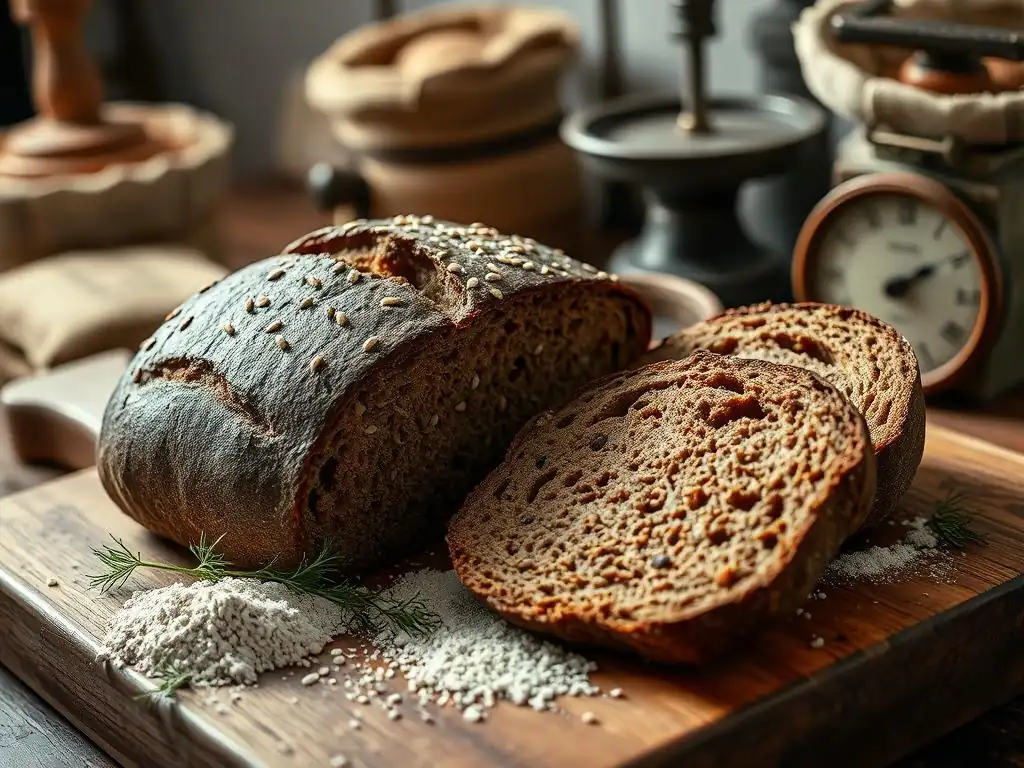
Welcome to BakeWithEase, your culinary companion on the journey to baking brilliance! Are you ready to delve into the nuanced world of specialty flours? This week, we're unlocking the secrets to crafting exceptional bread using often-overlooked ingredients. Ever wondered how to achieve that distinctive tangy flavor and delightfully chewy texture in a Rye flour sourdough bread? Prepare to be amazed as we explore the unique characteristics of rye, spelt, and ancient grains, and discover how they can elevate your baking from ordinary to extraordinary. Ready to begin? Let's get baking!
- Exploring Specialty Flours: Rye, Spelt, and Ancient Grains for Baking
- Understanding Specialty Flours for Elevated Baking
- Rye Flour: Unlocking Unique Flavors in Baking
- Spelt Flour: A Nutritious and Versatile Baking Alternative
- Ancient Grains in Baking: Expanding Your Flour Repertoire
- Incorporating Specialty Flours into Your Baking: A Practical Guide
- The Benefits of Using Specialty Flours: Taste, Texture, and Nutrition
- Conclusion: Embracing the Diversity of Specialty Flours for Baking Excellence
-
Frequently Asked Questions
- What is rye flour and why is it used in sourdough bread?
- Can I substitute rye flour completely for wheat flour in a sourdough recipe?
- What are the benefits of using rye flour in my sourdough bread?
- How do I store rye flour to maintain its freshness?
- What are some common problems when baking rye flour sourdough bread, and how can I avoid them?
- Final Reflection: The Enduring Appeal of Ancient Grains
- Unlock Your Baking Potential: Flour Power Awaits!
Exploring Specialty Flours: Rye, Spelt, and Ancient Grains for Baking
Understanding Specialty Flours for Elevated Baking
Beyond the ubiquitous all-purpose and bread flours, the world of baking offers a rich variety of specialty flours, each bringing unique characteristics to the table. These flours, derived from different grains or milling processes, can dramatically alter the flavor, texture, and nutritional profile of baked goods. Exploring them opens up new possibilities for both novice and experienced bakers looking to expand their repertoire and create truly distinctive breads, pastries, and more.
Diving into specialty flours like rye, spelt, and ancient grains allows bakers to connect with traditional methods and experiment with diverse sensory experiences. These flours often require different handling techniques compared to standard wheat flour due to variations in gluten content, absorption rates, and particle size. Understanding these nuances is key to successfully incorporating them into your baking and achieving delicious results that stand out.
Rye Flour: Unlocking Unique Flavors in Baking
What is Rye Flour? A Baker's Introduction
Rye flour is milled from the grain of the rye plant ( Secale cereale), a cereal grain closely related to wheat and barley. It has been cultivated for centuries, particularly in cooler climates, and is a staple in the bread-making traditions of Northern and Eastern Europe. Unlike wheat, rye contains less gluten-forming protein and more soluble fiber, which significantly impacts how dough behaves and the final texture of baked goods.
Historically, rye was often more reliable than wheat in less fertile soils and harsher weather, making it a crucial food source. Its distinctive, slightly tangy flavor and dense texture have made it a beloved ingredient in hearty breads, crackers, and certain pastries. For bakers accustomed to working solely with wheat flour, rye presents an exciting challenge and a rewarding opportunity to explore different dough structures and flavor profiles.
The Distinct Characteristics of Rye Flour: Flavor, Texture, and Color
Rye flour imparts a signature earthy, slightly sour, and robust flavor to baked goods that deepens with fermentation, especially in sourdough. This distinct taste is one of its most appealing attributes. In terms of texture, rye flour yields a denser, moister crumb compared to wheat flour. This is partly due to its lower gluten content and higher proportion of pentosans, complex carbohydrates that absorb significant amounts of water.
The color of rye flour varies depending on the milling process, ranging from light cream to dark brown. This color also influences the final baked good, giving rye breads their characteristic darker hue. The aroma of rye flour is often described as slightly spicy or malty, contributing to the overall sensory experience of baking with it. Its unique properties mean that recipes often require adjustments in hydration and mixing techniques.
Baking with Rye Flour: Tips and Techniques for Success
Baking with rye flour requires an understanding of its low gluten-forming protein content. Unlike wheat dough, which relies heavily on gluten development for structure, rye dough structure is more dependent on starches and pentosans. Over-kneading is generally not necessary and can even be detrimental. Many rye recipes benefit from a gentler mixing approach.
Hydration levels are often higher with rye flour because the pentosans absorb a lot of water. However, the dough can feel sticky and less elastic than wheat dough. Using a "pâte fermentée" (preferment) or sourdough starter, especially for rye flour sourdough bread, is highly recommended as the acidity helps to manage the enzymatic activity in rye, leading to better structure and volume. Resting periods are also crucial to allow the flour to fully hydrate.
Rye Flour Varieties: Light, Medium, and Dark Rye Explained
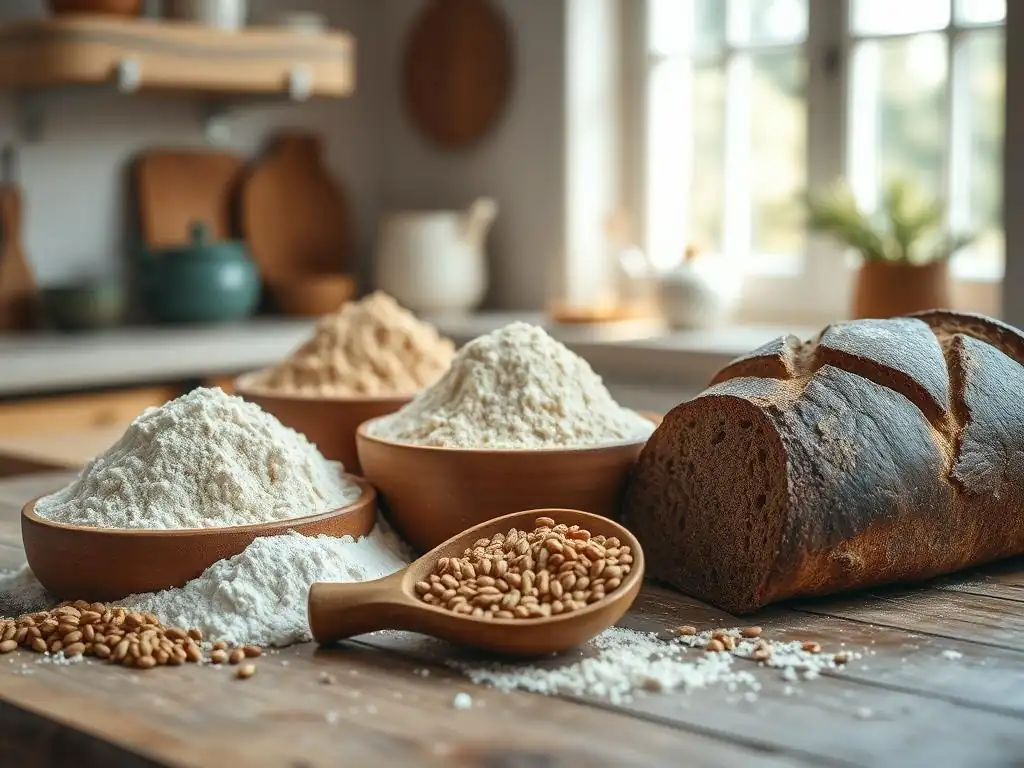
Rye flour is typically categorized by its extraction rate, which refers to how much of the rye berry is included in the milling process. This results in different grades, most commonly light, medium, and dark rye. Light rye flour is milled from the inner part of the rye berry, similar to white wheat flour. It contains less bran and germ, resulting in a milder flavor and lighter color. It's often used in combination with wheat flour.
Medium rye flour contains more of the outer layers than light rye but less than dark rye. It offers a balance of flavor and color and is a versatile choice for various rye baked goods. Dark rye flour is milled from the whole rye berry, including a significant portion of the bran and germ. It has the strongest flavor, darkest color, and highest nutritional value. Dark rye is commonly used in dense, traditional rye breads like pumpernickel. Each variety behaves slightly differently in baking due to variations in protein, fiber, and starch content.
Rye Flour Sourdough Bread: A Deep Dive into Flavorful Sourdough
Baking rye flour sourdough bread is a rewarding experience that yields a loaf with incredible depth of flavor and a unique texture. Rye's natural tanginess complements the sour notes of sourdough fermentation beautifully. Crafting a successful rye flour sourdough bread requires attention to detail, particularly concerning the starter and dough hydration.
Creating a delicious rye flour sourdough bread involves managing the sticky nature of rye dough and leveraging the power of the sourdough starter to build structure and flavor. The resulting loaf is typically dense, moist, and keeps well, offering a satisfying chew and a complex, earthy taste profile that is distinct from wheat sourdough.
The Art of Making Rye Sourdough Starter
Creating a sourdough starter specifically for rye flour sourdough bread or a starter that incorporates rye is straightforward and beneficial. Rye flour is highly nutritious for the wild yeasts and bacteria needed for fermentation, often leading to a vigorous and active starter. You can create a 100% rye starter or feed an existing wheat starter with rye flour.
To start a rye starter from scratch, combine equal weights of dark rye flour and non-chlorinated water (e.g., 50g flour, 50g water) in a jar. Mix well, cover loosely, and let it sit at room temperature (ideally around 70-75°F or 21-24°C). Feed it daily by discarding half and feeding with fresh rye flour and water. Within 5-10 days, it should become bubbly, active, and ready to use for baking, imparting a wonderful tang to your rye flour sourdough bread.
Mastering the Rye Sourdough Bread Recipe
Mastering a rye flour sourdough bread recipe involves understanding the dough's unique characteristics. A typical recipe might use a significant percentage of rye flour (from 30% up to 100%), combined with water, salt, and an active rye sourdough starter. Due to rye's high absorption, hydration levels are often higher than for wheat bread, sometimes exceeding 80% relative to the flour weight.
Mixing is usually gentle, focusing on incorporating ingredients rather than developing gluten. Bulk fermentation can be shorter than for wheat sourdough, and shaping requires a lighter touch as the dough is less elastic. Baking often benefits from a slightly lower temperature or longer baking time to ensure the dense crumb is fully cooked. A common technique is baking in a Dutch oven or with steam to promote crust development. Achieving a perfect rye flour sourdough bread is a process of learning the feel of this unique dough.
Troubleshooting Common Rye Sourdough Bread Issues
Baking rye flour sourdough bread can present specific challenges. A common issue is a dense, gummy crumb. This is often due to insufficient fermentation, inadequate hydration, or not allowing the bread to cool completely before slicing (rye bread needs several hours, sometimes up to 24, to set). Another issue is lack of rise; ensure your rye sourdough starter is very active and that the dough has had sufficient bulk fermentation and proofing time, though rye dough won't double in size like wheat dough.
Cracking crusts can occur if the surface dries out during baking; using steam or baking in a covered pot helps. Sticky dough is normal with high-hydration rye; use wet hands or a dough scraper for handling. By understanding rye's properties and paying attention to fermentation cues, you can overcome these hurdles and consistently bake delicious rye flour sourdough bread.
Spelt Flour: A Nutritious and Versatile Baking Alternative
Exploring Spelt Flour: Origins and Nutritional Benefits
Spelt ( Triticum spelta) is an ancient grain and a subspecies of wheat that has been cultivated for thousands of years, predating common wheat ( Triticum aestivum). It has seen a resurgence in popularity due to its unique flavor and nutritional profile. Spelt is known for its slightly nutty and sweet taste, making it a pleasant alternative to modern wheat in many recipes.
Nutritionally, spelt offers advantages over refined wheat flour. It is often higher in protein (around 14-17% in some varieties) and fiber than all-purpose wheat flour. It also contains a broader spectrum of vitamins and minerals, including iron, magnesium, zinc, and B vitamins. While spelt does contain gluten, its gluten structure is different from modern wheat, being more fragile and water-soluble, which can make it easier to digest for some individuals sensitive to wheat gluten (though it is not gluten-free).
Spelt Flour vs. Wheat Flour: A Comparative Analysis for Baking
Comparing spelt flour to modern wheat flour reveals key differences that impact baking. Spelt's gluten is more brittle and less elastic than wheat gluten. This means spelt dough requires less kneading and can be easily overmixed, leading to a crumbly texture. Hydration levels are often similar to or slightly higher than wheat flour, but the dough handles differently – it can feel stickier initially but then break down if overworked.
Flavor-wise, spelt has a distinct sweet and nutty profile that differs from the neutral taste of all-purpose wheat or the robust flavor of rye flour. This makes it excellent for both sweet and savory baked goods. Unlike rye, spelt can often be substituted for wheat flour in recipes with minimal adjustments, especially in softer baked goods like muffins or quick breads. For yeast breads, a blend with stronger wheat flour or careful handling is often needed to achieve good structure.
Baking with Spelt Flour: Recipes and Applications
Spelt flour's versatility makes it suitable for a wide range of baking applications. It works wonderfully in quick breads, muffins, pancakes, and waffles, where its flavor and softer texture shine. It can replace a portion or even all of the wheat flour in many cookie and cake recipes, adding a pleasant nuttiness.
For yeast-leavened goods, spelt can be used in loaves, rolls, or even pizza dough. However, due to its delicate gluten, it's best to handle spelt dough gently and avoid long fermentation times that can degrade the gluten structure. Recipes often call for shorter kneading or mixing times compared to traditional wheat bread. Using a pâte fermentée or poolish can help build structure without extensive kneading.
Spelt Flour Bread: Spelt and Honey Bread
A simple and delicious way to experience spelt flour is by baking a Spelt and Honey Bread. This recipe typically combines whole spelt flour with a liquid sweetener like honey, yeast, water, and salt. The dough is mixed gently, allowed to rise, shaped, and baked. The honey enhances spelt's natural sweetness, resulting in a moist loaf with a tender crumb and a lovely golden crust.
Making this bread highlights spelt's baking properties. The dough is often softer and less elastic than wheat dough. It might require less kneading, perhaps just a few minutes or a series of stretch-and-folds during bulk fermentation. The resulting bread has a delightful, slightly nutty flavor and a softer texture than traditional wheat bread, making it perfect for sandwiches or toast.
Spelt Flour Pastries: Spelt Scones
Spelt flour also excels in pastries like scones. Using spelt flour in scones imparts a subtle nutty flavor and results in a tender, slightly crumbly texture. A typical Spelt Scones recipe involves combining spelt flour with cold butter, sugar, baking powder, and milk or buttermilk. The delicate gluten structure of spelt means the dough comes together easily without the risk of overworking and developing toughness.
The process is similar to making traditional scones: cut cold butter into the spelt flour, add sugar and baking powder, then mix in the liquid until just combined. The dough is then shaped and baked. Spelt scones offer a delightful twist on a classic, providing a richer flavor and a wonderfully tender crumb that melts in your mouth.
Ancient Grains in Baking: Expanding Your Flour Repertoire
What are Ancient Grains? A Look at Baking's Ancestral Ingredients
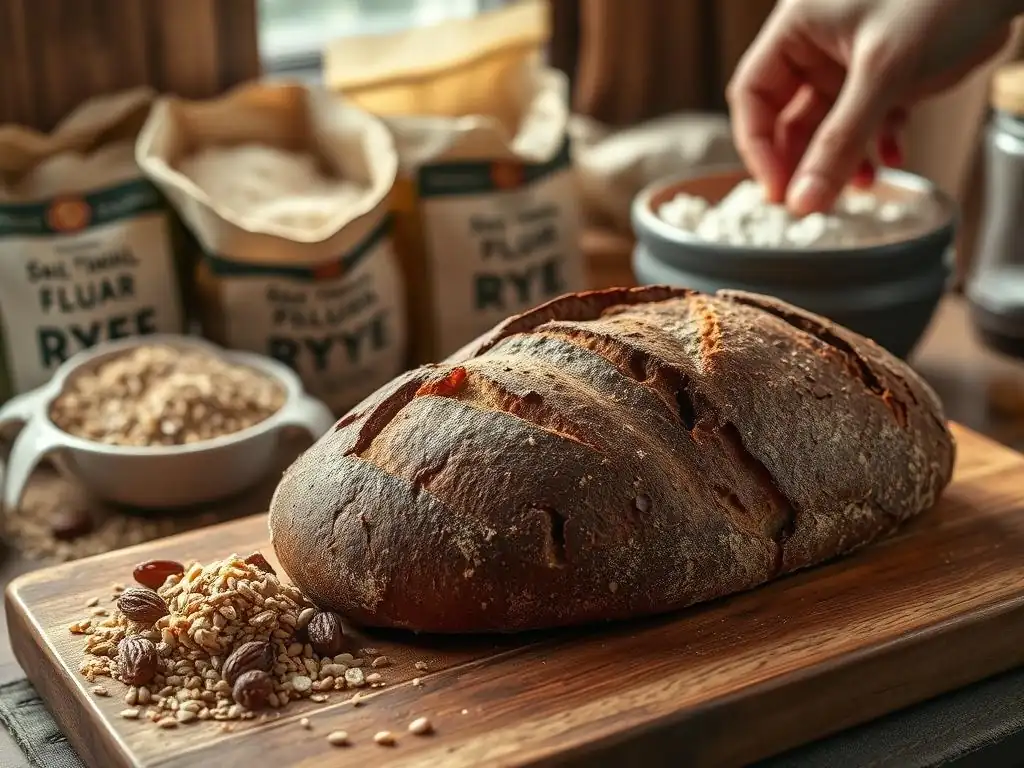
The term "ancient grains" broadly refers to grains that have remained largely unchanged over the last several hundred years, not having been subject to the same level of intensive selective breeding as modern wheat or corn. These include grains like spelt, but also others such as einkorn, emmer, farro, kamut (Khorasan wheat), quinoa, amaranth, and millet. For bakers, the focus is often on the ancient wheats or pseudo-cereals that can be milled into flour.
Baking with ancient grains allows for a connection to the history of food and offers unique flavors, textures, and nutritional benefits. They often have distinct characteristics that require different handling compared to modern flours. Exploring flours from einkorn, emmer, and kamut provides exciting opportunities to create baked goods with novel qualities.
Popular Ancient Grains for Baking: Einkorn, Emmer, and Kamut
Among the ancient grains suitable for baking, einkorn, emmer, and kamut are particularly notable. Einkorn ( Triticum monococcum) is considered one of the earliest forms of cultivated wheat. Its flour has a simple genetic structure (diploid) compared to modern wheat (hexaploid). It yields a flour with a weak, sticky gluten structure and a sweet, slightly nutty flavor.
Emmer ( Triticum dicoccum), also known as farro (though farro can also refer to spelt or einkorn), is another ancient wheat (tetraploid). Emmer flour has a richer, nuttier flavor than einkorn and a slightly stronger gluten structure, though still weaker than modern wheat. Kamut ( Triticum turgidum ssp. turanicum), also known as Khorasan wheat, is a large-grained ancient wheat (tetraploid) with a rich, buttery flavor and a slightly higher protein content than modern wheat, but its gluten is less elastic.
Baking with Einkorn Flour: Einkorn Pancakes
Einkorn flour's sweet flavor and unique gluten make it excellent for recipes that don't rely on strong gluten development, such as pancakes. Einkorn Pancake recipes typically use einkorn flour, eggs, milk, a leavening agent (like baking powder), and a touch of sweetener. The batter often benefits from a brief rest to allow the flour to hydrate.
When baking Einkorn Pancakes, you'll notice the batter might be slightly stickier than wheat batter. The resulting pancakes are wonderfully tender, moist, and have a subtle sweetness from the einkorn itself. They don't require extensive mixing, which helps preserve the delicate gluten structure and ensures a light result.
Baking with Emmer Flour: Emmer Bread Loaf
Emmer flour can be used to bake flavorful bread loaves, often blended with modern wheat for better structure or used on its own for a denser crumb. An Emmer Bread Loaf recipe might involve combining emmer flour with water, yeast or sourdough starter, and salt. Emmer dough tends to be less elastic than wheat dough and can feel slightly coarse.
Baking with emmer flour often involves a gentler approach to kneading and a longer fermentation time to help develop flavor and structure. The resulting bread has a rustic texture, a beautiful golden-brown color, and a rich, nutty flavor profile that is distinct from wheat or rye flour sourdough bread. It's a hearty loaf perfect for serving with soups or stews.
Baking with Kamut Flour: Kamut Pasta Dough
Kamut flour's buttery flavor and slightly firmer gluten make it a fantastic choice for making pasta dough. A Kamut Pasta Dough recipe typically involves mixing Kamut flour with eggs and a pinch of salt, similar to traditional pasta dough. The dough comes together beautifully and has a lovely golden hue.
Working with Kamut Pasta Dough is similar to working with durum wheat pasta dough. It can be kneaded until smooth and elastic, then rolled out thin by hand or using a pasta machine. The resulting pasta has a delightful chew and a richer flavor than pasta made with standard wheat flour. It pairs wonderfully with simple sauces that allow the grain's natural flavor to shine through.
Incorporating Specialty Flours into Your Baking: A Practical Guide
Blending Specialty Flours: Creating Custom Flour Mixes
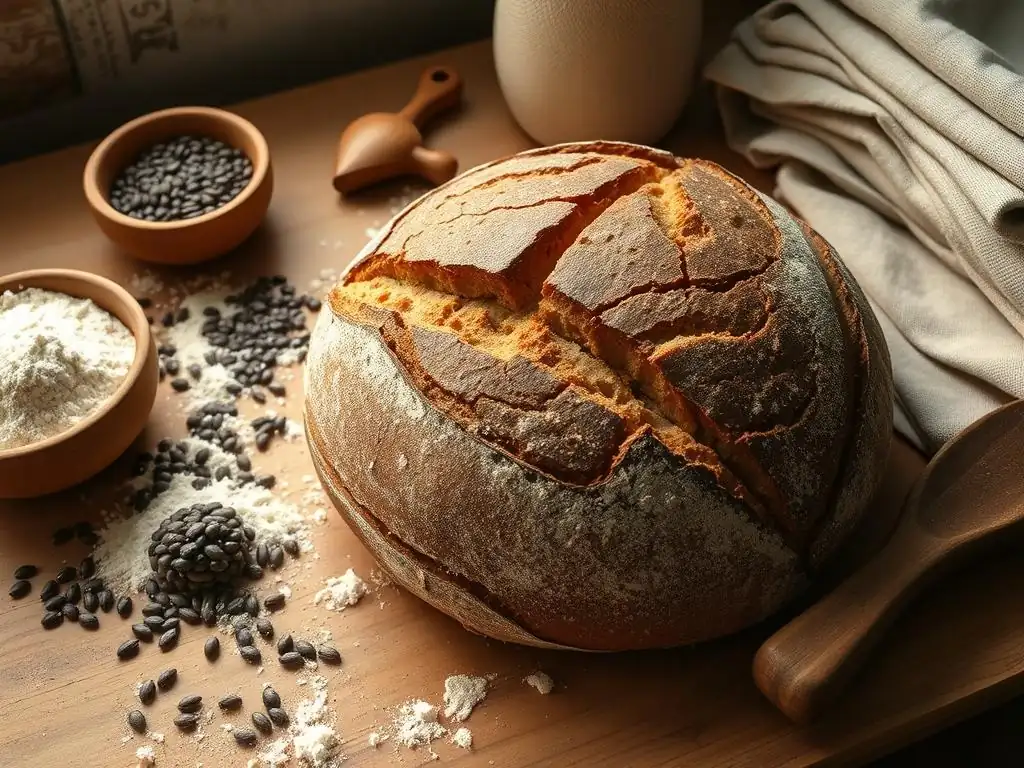
One of the easiest ways to start using specialty flours is by blending them with all-purpose or bread flour. This allows you to introduce new flavors and textures while still relying on the familiar structure provided by modern wheat gluten. For example, substituting 10-20% of the wheat flour in a recipe with rye flour can add a subtle tang and depth without drastically changing the dough's handling properties.
You can create custom flour mixes tailored to specific recipes or desired outcomes. A mix for a hearty bread might include 60% bread flour, 30% medium rye, and 10% whole wheat. A blend for a nutty cake could be 70% all-purpose flour and 30% spelt or einkorn. Experimenting with different ratios allows you to control the intensity of the specialty flour's characteristics and gradually adapt your technique.
Adjusting Recipes for Specialty Flours: Hydration and Gluten Development
When substituting specialty flours, particularly in yeast-leavened recipes, adjustments are often necessary. Rye and ancient grains like einkorn and emmer typically require higher hydration than wheat flour because their starches and fibers absorb more water. However, adding too much water can make the dough excessively sticky and difficult to handle, especially with low-gluten flours. Start by adding liquid gradually and observe the dough's consistency.
Gluten development is another key consideration. Flours like rye, spelt, einkorn, and emmer have weaker or different gluten structures than modern wheat. This means less kneading is usually required. Overworking the dough can break down the fragile gluten, resulting in a dense or crumbly loaf. Focus on gentle mixing and folding techniques rather than aggressive kneading. For rye flour sourdough bread, the starter's acidity also plays a role in managing enzymatic activity, which impacts structure.
Storage Tips for Rye, Spelt, and Ancient Grain Flours
Proper storage is crucial for maintaining the freshness and quality of specialty flours. Whole grain flours, including dark rye, whole spelt, and flours from ancient grains like einkorn and emmer, contain the germ, which is rich in oils. These oils can go rancid if exposed to air, heat, and light.
It's best to store specialty flours in airtight containers made of glass or food-grade plastic. For longer storage, especially in warm climates or if you don't use them frequently, keep them in the refrigerator or freezer. Flours can absorb odors, so ensure the storage area is clean and free of strong smells. Freezing can extend the shelf life significantly, allowing you to stock up and always have fresh, flavorful flour on hand for your next rye flour sourdough bread or ancient grain bake.
The Benefits of Using Specialty Flours: Taste, Texture, and Nutrition
Enhancing Flavor Profiles with Rye, Spelt, and Ancient Grains
One of the most compelling reasons to explore specialty flours is the incredible range of flavors they offer. Rye flour brings a distinct tanginess and earthy depth, especially pronounced in a long-fermented rye flour sourdough bread. Spelt contributes a pleasant nuttiness and subtle sweetness. Ancient grains like einkorn offer a sweet, slightly buttery note, while emmer provides a deeper, richer nuttiness, and kamut has a rich, almost savory, buttery flavor.
Blending or substituting these flours can transform familiar recipes into something entirely new and exciting. A simple muffin made with a portion of spelt flour tastes different and more complex than one made solely with wheat. Incorporating dark rye into chocolate cookies adds an unexpected depth that is both intriguing and delicious. Specialty flours provide a palette of flavors for the creative baker.
Achieving Unique Textures in Baked Goods
Beyond flavor, specialty flours significantly impact the texture of baked goods. Rye flour, with its high pentosan content and lower gluten, results in a dense, moist, and sometimes slightly sticky crumb, characteristic of traditional rye breads. Spelt flour tends to produce a tender, softer crumb compared to hard wheat, making it excellent for cakes and pastries.
Ancient grains like einkorn often yield very tender and sometimes crumbly results due to their weak gluten. Emmer and Kamut can provide a firmer structure than einkorn but still differ from modern wheat. These unique textures allow for a wider variety of baked goods, from dense, hearty loaves of rye flour sourdough bread to delicate spelt scones and rustic ancient grain crackers.
Nutritional Advantages of Specialty Flours in Your Diet
Incorporating specialty flours into your baking can also boost the nutritional value of your diet. Many specialty flours, especially when used as whole grains (like dark rye or whole spelt), are higher in fiber than refined wheat flour, which aids digestion and contributes to satiety. They also often contain higher levels of certain vitamins and minerals like magnesium, zinc, iron, and B vitamins.
While spelt and some ancient grains contain gluten, their different protein structure can be easier for some people to digest than modern wheat. Choosing whole grain specialty flours adds more complex carbohydrates, protein, and beneficial plant compounds (phytochemicals) to your baked goods, making them not just delicious but also more nourishing.
Conclusion: Embracing the Diversity of Specialty Flours for Baking Excellence
Exploring specialty flours like rye, spelt, and ancient grains is a journey into the rich history and diverse possibilities of baking. Each flour brings its own unique personality in terms of flavor, texture, and nutritional benefits, offering exciting new avenues for creativity in the kitchen. From mastering the complex flavors of rye flour sourdough bread to enjoying the nutty tenderness of spelt pastries or the rustic charm of ancient grain loaves, there's a world of baking waiting to be discovered.
Don't be intimidated by these less common flours. Start by substituting a small percentage in your favorite recipes, observe how the dough behaves, and taste the difference. As you gain confidence, you can tackle recipes that feature these flours more prominently. Embracing the diversity of specialty flours will not only expand your baking skills but also enrich your palate and allow you to create truly exceptional baked goods. Happy baking!
Frequently Asked Questions
What is rye flour and why is it used in sourdough bread?
Rye flour is a type of flour made from rye grain, offering a distinctive tangy flavor and denser texture compared to wheat flour. It's often used in sourdough to contribute to a unique taste profile and improved moisture retention.
Can I substitute rye flour completely for wheat flour in a sourdough recipe?
Generally, no. Rye flour contains less gluten than wheat flour, so a complete substitution can result in a flat and dense loaf. It's best to use rye flour in combination with wheat flour, typically as a percentage of the total flour amount, to maintain structure.
What are the benefits of using rye flour in my sourdough bread?
Rye flour adds a complex, earthy flavor to sourdough. It also helps to retain moisture, leading to a bread that stays fresher for longer. Finally, it can improve the crust's texture and color.
How do I store rye flour to maintain its freshness?
Rye flour should be stored in an airtight container in a cool, dark, and dry place. Storing it in the refrigerator or freezer can further extend its shelf life, preventing it from going rancid or developing off-flavors.
What are some common problems when baking rye flour sourdough bread, and how can I avoid them?
Common issues include a sticky dough, a dense crumb, and a lack of rise. To avoid these, ensure you use the correct ratio of rye to wheat flour, adjust hydration levels carefully, and allow for a longer proofing time due to the lower gluten content.
Final Reflection: The Enduring Appeal of Ancient Grains
The resurgence of specialty flours like rye, spelt, and other ancient grains signifies a powerful shift in our relationship with food—a return to tradition, a focus on nutrition, and a deeper appreciation for the artistry of baking. This isn't just a fleeting trend; it's a movement reflecting a growing desire for authenticity and a conscious effort to understand the ingredients that nourish us. The rich, complex flavors and textures these flours offer are captivating a new generation of bakers, proving that sometimes, the oldest methods yield the most rewarding results.
The journey through the world of specialty flours, particularly the exploration of rye flour's unique properties in sourdough bread, has been a fascinating one. It highlights not only the diverse culinary possibilities but also the deep-rooted connection between food, culture, and history. Bread is the staff of life,
a simple phrase, yet it encapsulates the profound significance of this staple food in human civilization. Understanding the nuances of different flours allows us to appreciate the artistry and tradition behind each loaf, connecting us to a heritage far richer than we might initially realize.
Consider the possibilities. Experiment with different flours, explore new recipes, and rediscover the joy of baking with intention. Don't be afraid to embrace the challenges; the rewards—a crusty, flavorful loaf of rye sourdough bread, for instance—are well worth the effort. Let this exploration inspire you to delve deeper into the world of food, to appreciate the craftsmanship involved, and to savor the simple pleasure of sharing a freshly baked loaf with loved ones. The journey of culinary discovery is a lifelong adventure, and it begins with a single grain.
Unlock Your Baking Potential: Flour Power Awaits!
Thanks for exploring the wonderful world of specialty flours with us! We hope you've discovered new possibilities for your baking adventures. Ready to take your skills to the next level?
- Bake a loaf: Try a recipe using one of the specialty flours discussed – rye, spelt, or an ancient grain – and share your experience in the comments below! This is your chance to put your newfound knowledge into practice.
- Experiment with substitutions: See how your favorite recipes change when you swap out all-purpose flour for a unique alternative. The results might surprise you!
- Share this article with a fellow baking enthusiast: Let's spread the flour power!
What unique flavor profile will you explore first?