
The Role of Oil and Salt in Developing Pizza Dough Flavor

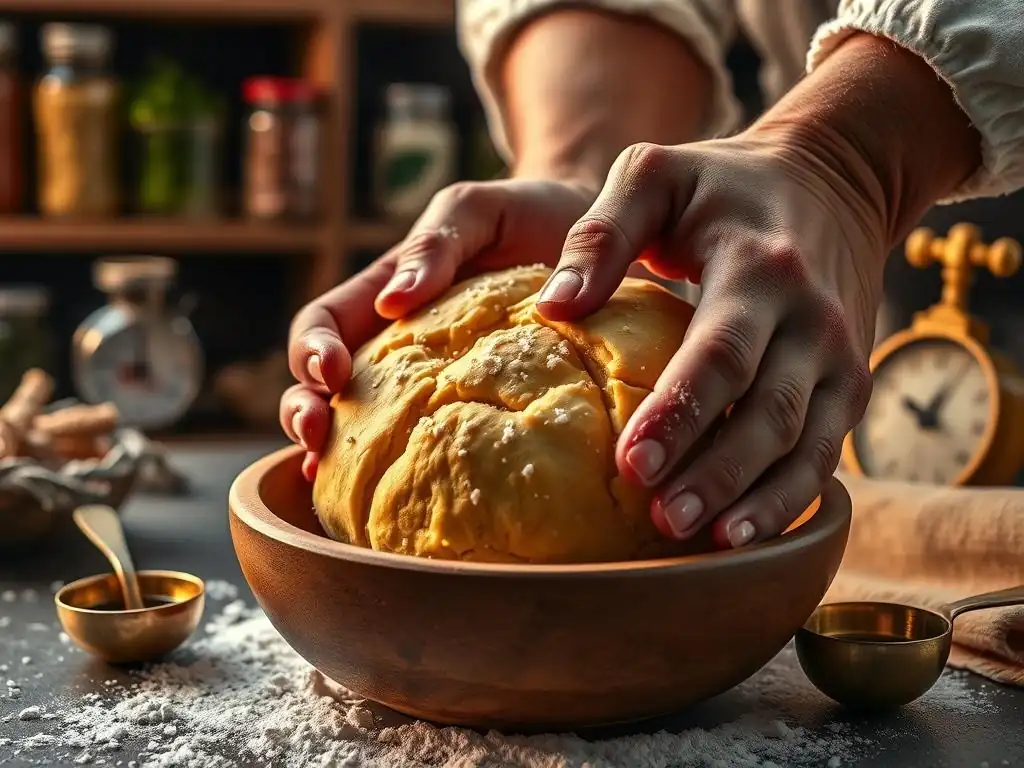
Welcome to BakeWithEase, your partner in turning baking dreams into delicious realities! Ever wondered how to elevate your homemade pizza from good to unforgettable? This week, we're diving deep into a surprisingly simple yet crucial element: how to season pizza dough. Forget bland bases – discover the secrets to unlocking incredible flavor with just a few key ingredients, and learn how the right balance of oil and salt can transform your pizza crust into a culinary masterpiece. Ready to bake a pizza that truly wows? Let's get started!
- The Role of Salt and Olive Oil in Developing Pizza Dough Flavor
- Understanding Pizza Dough Flavor
- The Importance of Salt in Pizza Dough
- The Impact of Olive Oil on Pizza Dough
- Salt and Olive Oil: A Synergistic Combination
- Troubleshooting Pizza Dough Flavor
- Advanced Flavor Techniques
- Mastering Pizza Dough Seasoning
- Frequently Asked Questions
- Final Reflection: The Unsung Symphony of Oil and Salt in Pizza Dough
- Unlock Your Pizza Dough's Flavor Potential!
The Role of Salt and Olive Oil in Developing Pizza Dough Flavor
Understanding Pizza Dough Flavor
Creating delicious pizza starts with flavorful dough. While often seen as just a carrier for toppings, the dough itself contributes significantly to the overall taste experience. Understanding the fundamental components that influence dough flavor is key to mastering how to season pizza dough effectively.
Flour Type and Flavor Development
The type of flour used is perhaps the most foundational element influencing pizza dough flavor. High-protein bread flour, often containing around 12-14% protein, provides a robust structure and develops complex flavors during fermentation due to enzymatic activity breaking down starches. Italian "00" flour, with its lower protein (typically 10-12%) but fine grind, results in a tender crust with a slightly different flavor profile, often described as more delicate and sweet when properly fermented.
Beyond protein content and grind, the origin and milling process of the flour also play a role. Whole wheat flour introduces nutty, earthy notes not present in refined flours. Artisan flours, sometimes stone-ground or made from heritage grains, can impart unique regional flavors and textures. Experimenting with different flours is a fantastic way to explore varied flavor bases when learning how to season pizza dough.
Hydration Level and Its Impact on Taste and Texture
Hydration level, the ratio of water to flour by weight, profoundly affects both the texture and flavor development of pizza dough. Higher hydration doughs (typically 65% water or more relative to flour weight) tend to ferment more actively and develop a more open crumb structure. This increased water content allows enzymes within the dough to work more efficiently, leading to a more complex flavor profile over time, often described as slightly tangy or yeasty, especially during longer fermentation periods.
Conversely, lower hydration doughs (below 60%) are easier to handle and result in a denser crust. While they may not develop the same depth of complex fermented flavors as high-hydration doughs during short proofs, they can still achieve excellent flavor through proper seasoning and baking. The interplay between hydration and fermentation time is crucial for unlocking the full potential of flavor in your dough, directly impacting how you might approach how to season pizza dough for different styles.
The Importance of Salt in Pizza Dough
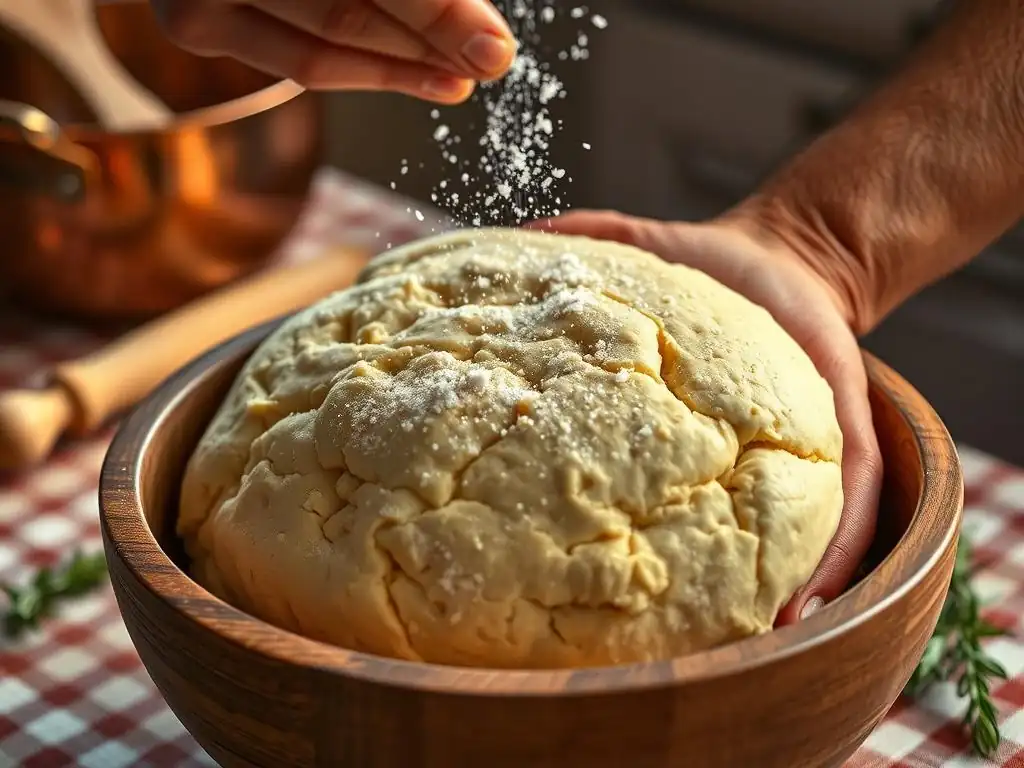
Salt is far more than just a seasoning in pizza dough; it's a critical functional ingredient that influences structure, fermentation, and, of course, flavor. Understanding its multiple roles is essential for anyone learning how to season pizza dough properly.
Salt's Role in Gluten Development and Dough Structure
Salt plays a vital, though often overlooked, role in gluten development. It tightens the gluten network, making the dough stronger and more elastic. Without salt, dough can be slack and difficult to handle. This strengthening effect helps the dough hold its shape during proofing and baking, contributing to a better rise and crust structure.
Furthermore, salt helps regulate yeast activity. It slows down fermentation, preventing the dough from rising too quickly. This controlled fermentation allows for a longer period for flavors to develop through enzymatic action and the production of desirable metabolic byproducts. This balance is key to achieving not just a good texture but also a richer, more nuanced flavor profile, which is fundamental to how to season pizza dough for optimal results.
Optimal Salt Percentage for Pizza Dough
For most pizza dough recipes, the optimal salt percentage typically falls within the range of 1.8% to 2.5% of the total flour weight. Using 2% salt is a common starting point for many bakers. For example, if you're using 500 grams of flour, you would add 10 grams of salt. This range provides sufficient flavor enhancement and structural support without inhibiting yeast activity too much.
Going significantly below this range can result in bland dough that is sticky and difficult to handle, as the gluten network won't be adequately tightened. Exceeding 2.5% can overly slow down or even kill the yeast, leading to a dense dough with an overwhelmingly salty taste. Finding your preferred percentage within this window is part of mastering how to season pizza dough to your personal taste.
Salt Varieties for Pizza Dough: Impact on Flavor and Texture
While table salt (iodized or non-iodized) is commonly used and effective, different salt varieties can subtly impact the flavor and texture of your pizza dough. Fine sea salt or kosher salt are popular choices among bakers because they dissolve easily and are free of anti-caking agents found in some table salts. Their clean, pure saltiness enhances the dough's natural flavors.
Flaky sea salts, like Maldon, are less commonly mixed into the dough but can be sprinkled on the crust before baking for a burst of briny flavor and pleasant textural crunch. While the primary salt incorporated into the dough structure is crucial for its function, understanding the nuances of different salt types adds another layer to how to season pizza dough effectively.
The Impact of Olive Oil on Pizza Dough
Olive oil is a staple ingredient in many pizza dough recipes, particularly those aiming for a softer, more tender crust. Its influence extends beyond texture, contributing significantly to the overall flavor profile and handling characteristics of the dough.
Olive Oil's Contribution to Flavor
Olive oil, especially extra virgin olive oil, brings its own distinct flavor to the dough. Depending on the variety and origin, it can impart fruity, peppery, or grassy notes that complement the other ingredients in the dough and toppings. This added layer of flavor is particularly noticeable in the baked crust, contributing to its richness and aroma.
Using a good quality olive oil is essential here. Cheaper, refined olive oils may not offer the same depth of flavor. The type of olive oil chosen directly impacts the final taste, making selection an important step in how to season pizza dough for a specific flavor outcome.
Olive Oil's Effect on Dough Elasticity and Rise
Olive oil coats the flour particles and gluten strands, inhibiting gluten development slightly. This results in a dough that is less elastic and more extensible, meaning it stretches more easily without snapping back as much. This property is particularly desirable for creating thin-crust pizzas that can be stretched wide.
Additionally, the presence of oil can contribute to a softer crumb and crust texture after baking. It also helps the dough retain moisture, which can be beneficial during longer fermentation periods. While it slightly reduces the dough's ability to trap gases compared to a lean dough, the benefits in texture and handling make it a preferred ingredient for many, influencing how you approach how to season pizza dough with fats.
Olive Oil Selection for Pizza Dough
Selecting the right olive oil depends on the desired flavor profile. For a pronounced olive flavor, choose a high-quality extra virgin olive oil with a robust taste. Italian or Greek extra virgin olive oils are popular choices, each offering distinct characteristics. A Tuscan olive oil might be peppery, while a Sicilian one could be more fruity.
If you prefer a more subtle hint of olive flavor, a lighter olive oil or even a pure olive oil blend can be used. Avoid using oils with strong, potentially off-putting flavors that might clash with your pizza toppings. The quality and type of olive oil are just as important as the amount when considering how to season pizza dough.
Salt and Olive Oil: A Synergistic Combination
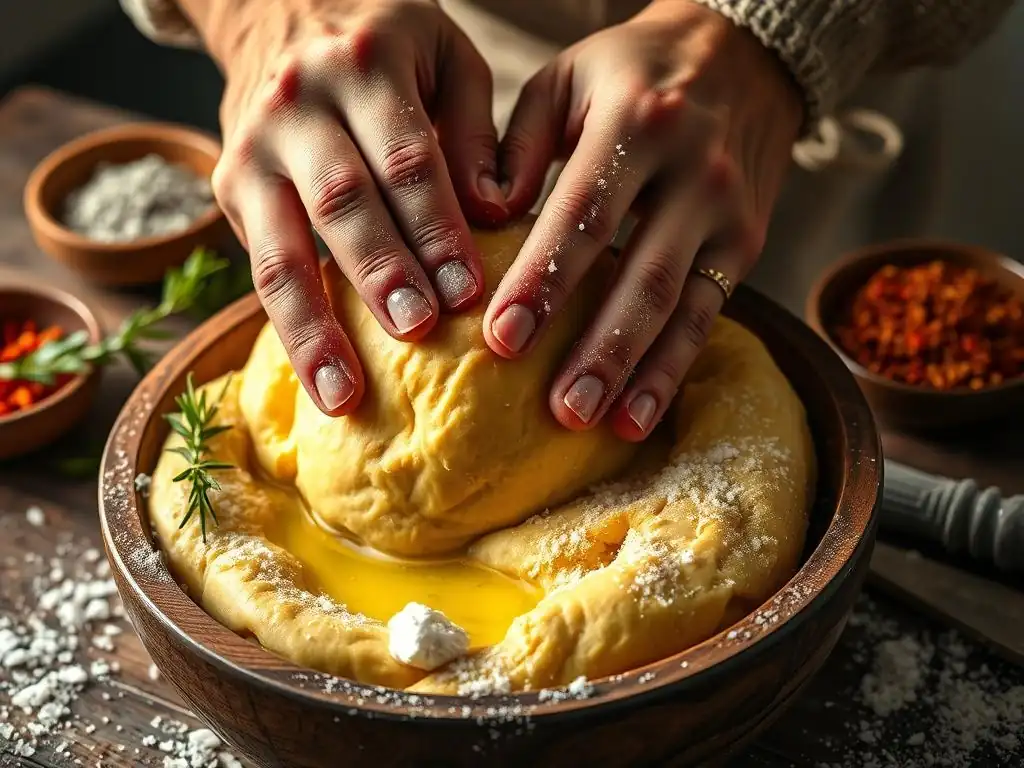
While salt and olive oil each play distinct roles, their combined effect on pizza dough is synergistic, contributing to both structure and a harmonious flavor. Mastering the balance between these two ingredients is key to achieving great results.
Balancing Salt and Olive Oil for Optimal Flavor
The proportion of salt and olive oil relative to the flour and each other significantly impacts the final dough. A typical range for olive oil in pizza dough is 2% to 5% of the flour weight. For 500g of flour, this would be 10g to 25g of olive oil. When combined with the standard 1.8-2.5% salt, this creates a balanced environment for flavor development and texture.
Too much oil can make the dough greasy and heavy, potentially inhibiting the rise and leading to a dense crust. Too little oil might result in a tougher crust. Similarly, the salt level needs to complement the oil – too little salt with oil can result in a bland, oily dough, while too much salt can overpower the subtle notes from the oil and fermentation. Finding the perfect ratio is a key part of how to season pizza dough effectively.
Using Infused Olive Oils
For an extra layer of flavor, consider using infused olive oils. Garlic-infused olive oil is a popular choice, adding a savory depth directly into the dough. Chili-infused oil can introduce a gentle warmth. Herb-infused oils (like rosemary or basil) can also be used, though sparingly, to prevent the flavor from becoming overwhelming.
When using infused oils, you might slightly reduce the total amount of oil if the infusion process has made the oil very potent. This technique allows you to build complex flavors right into the foundation of your pizza, offering creative possibilities when exploring how to season pizza dough beyond just basic ingredients.
Troubleshooting Pizza Dough Flavor
Even with a solid recipe, sometimes pizza dough doesn't turn out exactly as planned. Knowing how to identify common flavor issues and adjust is a valuable skill in mastering how to season pizza dough.
Adjusting Salt Levels for Bland Dough
If your baked pizza crust tastes bland or flat, the most likely culprit is insufficient salt. Review your recipe and measurement process. Did you accidentally omit the salt, or use significantly less than the recommended 1.8-2.5% of the flour weight? A common mistake is measuring salt by volume instead of weight, which can be inaccurate.
For future batches, increase the salt percentage slightly within the optimal range (e.g., from 1.8% to 2%). You can also try adding a pinch of flaky sea salt directly to the top of the crust before baking for an immediate flavor boost. Consistent measurement is key to avoiding blandness when learning how to season pizza dough.
Managing Olive Oil Content for Oily Dough
If your dough feels excessively greasy or the baked crust is oily and heavy, you've likely used too much olive oil. The typical range is 2-5% of the flour weight. If you're using significantly more, reduce it in your next batch. Ensure you are measuring the oil accurately, ideally by weight for precision, rather than volume.
High hydration can sometimes mimic an oily texture during handling, but excessive residue on your hands or the proofing container after it's risen usually indicates too much oil. Adjusting the oil percentage is a direct way to impact richness and texture when figuring out how to season pizza dough for your desired outcome.
Exploring Olive Oil Varieties for Depth of Flavor
If your dough lacks a certain richness or depth, the type of olive oil might be the factor. A very light or refined olive oil contributes fat and texture but minimal flavor. Try switching to a good quality extra virgin olive oil. Pay attention to the tasting notes provided by the producer – look for oils described as "robust," "fruity," or "peppery" if you want a noticeable olive flavor.
Alternatively, consider using a blend of oils or trying an infused olive oil as mentioned earlier. Experimenting with different oils can unlock new flavor dimensions in your pizza crust, adding another layer to the art of how to season pizza dough.
Advanced Flavor Techniques
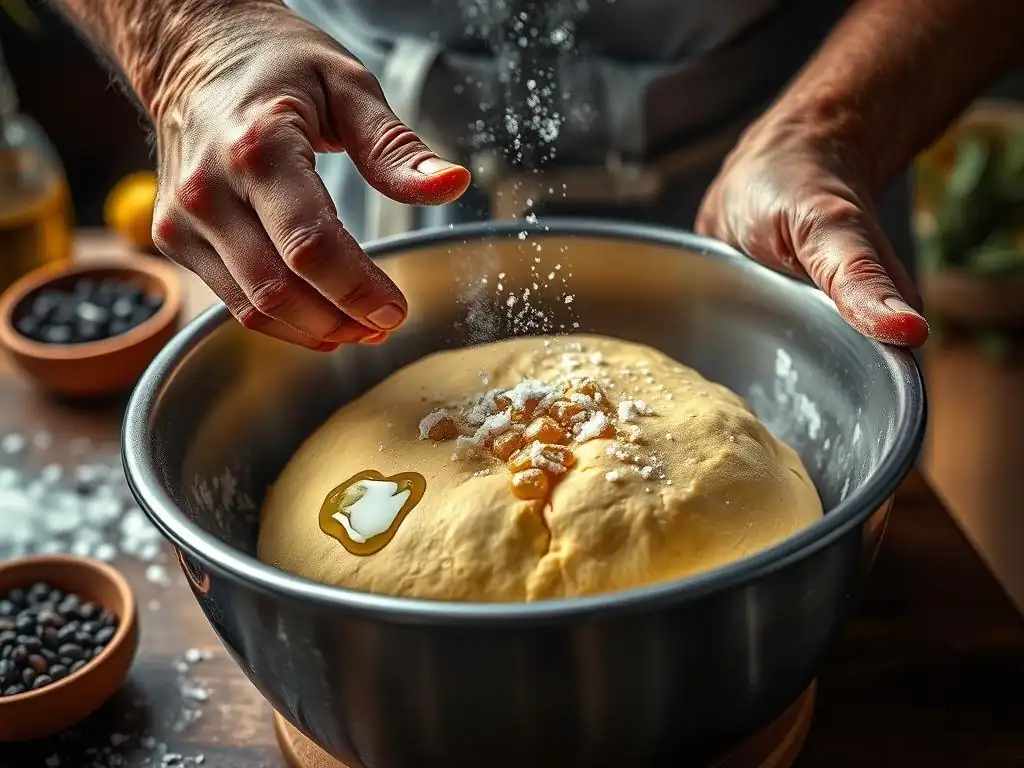
Beyond the basic ingredients, several advanced techniques can significantly enhance the flavor of your pizza dough, allowing for more complex and nuanced results. These methods often involve longer fermentation times and the introduction of pre-fermented doughs.
Pre-Ferments and Flavor Development
Incorporating a pre-ferment, such as a poolish (equal parts flour and water by weight, plus a tiny amount of yeast, fermented for several hours) or a biga (a drier pre-ferment with less water than flour), is a powerful way to boost flavor. These starters are made ahead of time and allowed to ferment, developing complex organic acids and alcohols.
When the pre-ferment is added to the final dough mix, it inoculates the dough with active yeast and beneficial bacteria, jumpstarting fermentation and contributing the flavors developed during its initial fermentation phase. This adds depth and a slight tanginess that is difficult to achieve with a direct dough method, significantly impacting how to season pizza dough with fermentation products.
Cold Fermentation for Enhanced Flavor
Cold fermentation involves refrigerating the dough for an extended period, typically 24 to 72 hours, or even longer. The cold temperature dramatically slows down yeast activity but allows enzymes (protease and amylase) to break down proteins and starches in the flour slowly. This breakdown produces simpler sugars and amino acids.
These simpler compounds contribute significantly to flavor development, resulting in a more complex, nuanced taste and a more easily digestible crust. Cold fermentation also improves the dough's structure and handling. While it requires patience, the flavor payoff is immense and is a cornerstone technique for achieving superior results when learning how to season pizza dough through time.
Adding Herbs and Spices to Pizza Dough
While not traditional in classic Neapolitan style, adding dried herbs or spices directly to the dough mix is another way to infuse flavor. A small amount of dried oregano, basil, garlic powder, or onion powder can add subtle aromatic notes. Red pepper flakes can introduce a gentle heat.
It's important not to overdo it, as strong spices can overpower the delicate flavors developed through fermentation. Typically, adding 1-2 teaspoons of dried herbs or spices per 500 grams of flour is a good starting point. This is a direct way to enhance the flavor profile, adding another dimension to how to season pizza dough.
Mastering Pizza Dough Seasoning
Mastering how to season pizza dough is an ongoing journey of learning, experimentation, and refinement. It involves precise technique, careful observation, and a willingness to adjust based on results.
Accurate Ingredient Measurement
Precision is paramount in baking, especially when it comes to key ingredients like salt and oil. Using a digital kitchen scale to weigh your flour, water, salt, and oil is the most accurate method. Measuring by volume (cups, spoons) can lead to inconsistencies due to variations in how ingredients are packed.
Even slight deviations in salt or oil percentages can noticeably impact the dough's behavior and the final flavor. Consistent, accurate measurement is the foundation upon which all other techniques for how to season pizza dough are built.
Taste Testing and Flavor Adjustments
The best way to understand the impact of your seasoning choices is to taste the finished product. Pay attention to the flavor of the crust itself, not just the pizza as a whole. Is it appropriately salty? Does it have a pleasant richness from the olive oil? Are there complex notes from fermentation or added seasonings?
Based on your tasting notes, make small adjustments in subsequent batches. Perhaps increase the salt slightly if it was bland, or try a different olive oil if the flavor was lacking. Keep a baking journal to track your ingredient percentages and results, which leads to the final step.
Recipe Documentation
Maintaining a detailed record of your pizza dough experiments is invaluable. Note the exact quantities of all ingredients (by weight! ), the type of flour, salt, and oil used, hydration percentage, fermentation times (room temperature and cold fermentation), and your observations on handling, rise, and crucially, the final flavor and texture.
This documentation allows you to replicate successful batches and troubleshoot failures systematically. Over time, this process of careful recording, testing, and adjusting will allow you to truly master how to season pizza dough to consistently achieve the delicious results you desire.
Frequently Asked Questions
How does salt affect the flavor of pizza dough?
Salt is crucial for developing flavor in pizza dough. It not only enhances the other ingredients but also controls yeast activity, leading to a more complex and balanced taste. Without salt, the dough will taste bland and potentially rise too quickly.
What role does oil play in the flavor and texture of pizza dough?
Oil contributes to both the flavor and texture of pizza dough. It adds a subtle richness and helps to create a more tender and pliable dough. Certain oils, like olive oil, can also impart their own distinct flavor profile.
Can I use different types of oil to season my pizza dough?
Yes, you can experiment with different oils to season your pizza dough. While olive oil is a classic choice, other options include vegetable oil, canola oil, or even infused oils. Each will impart a slightly different flavor and texture to your crust.
How much salt and oil should I use when seasoning pizza dough?
The amount of salt and oil depends on the recipe, but a general guideline is 1-2% salt and 1-3% oil relative to the flour weight. Experiment to find the perfect balance for your taste.
What happens if I use too much salt in my pizza dough?
Too much salt can inhibit yeast activity, resulting in a dough that doesn't rise properly. It can also lead to a tough and overly salty crust. Always measure salt carefully for the best results.
Final Reflection: The Unsung Symphony of Oil and Salt in Pizza Dough
The subtle dance of oil and salt in pizza dough isn't just a recipe detail; it's the foundation of a truly exceptional crust. Ignoring their impact means missing out on unlocking the full potential of your pizza-making journey. A perfectly seasoned dough is the difference between a good pizza and a truly unforgettable one.
The exploration of oil and salt's role in dough development has profoundly impacted my own approach to baking, shifting my focus from simply following recipes to understanding the why behind each ingredient. The best pizza is made with love, and that love starts with the dough.
This simple statement, though seemingly cliché, highlights the importance of understanding the fundamental elements that contribute to a truly satisfying culinary experience. The subtle nuances of flavor created by the careful balance of oil and salt are a testament to this principle. It's about more than just taste; it's about creating a textural experience that complements the toppings and elevates the entire pizza to a higher level.
Now, it's your turn. Consider the next time you make pizza dough. Don't just measure out the oil and salt; feel their contribution. Experiment with different types of oil, varying their quantity, and noticing how the salt interacts with the flour. Embrace the process, understand the science, and unlock the secret to crafting a pizza dough that sings with flavor. The journey of creating the perfect crust is a rewarding one, and the delicious results are well worth the effort.
Unlock Your Pizza Dough's Flavor Potential!
Thanks for diving into the world of pizza dough flavor with us! We hope you learned how crucial oil and salt are to creating that perfect crust. Now it's time to put your new knowledge to the test.
- Experiment with different oils: Try substituting olive oil with avocado oil or even a touch of roasted garlic oil in your next dough batch. Notice the difference in taste and texture! This is your primary action.
- Share your results: Post a picture of your delicious creation on social media and tag us @BakeWithEase! Let's build a community of pizza-making enthusiasts.
- Explore different salt types: Consider using flaky sea salt or even a flavored salt like smoked salt for a unique twist on your crust.
Ready to elevate your pizza game? What exciting flavor combinations will you try first?