
Using Puff Pastry for Savory Sausage Rolls: A Technique Walkthrough

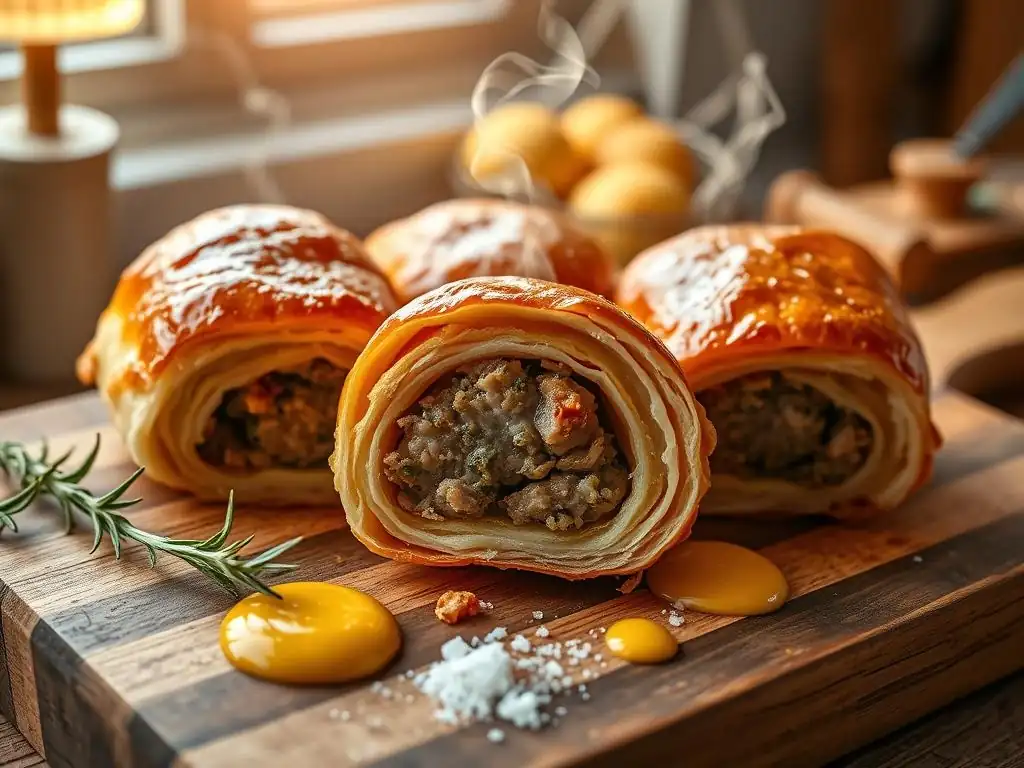
Welcome to BakeWithEase, your trusted companion in the delightful world of baking! Ever dreamt of creating delectable, golden-brown sausage rolls that rival those from your favorite bakery? Get ready to unlock the secrets of working with puff pastry in our technique walkthrough. Discover how to achieve perfect flakiness and incredible flavor, even if you're just starting out. Intrigued? Let's explore how to make irresistibly easy puff pastry sausage rolls together!
- Easy Puff Pastry Sausage Rolls: A Technique Walkthrough
- Introduction to Savory Sausage Rolls with Puff Pastry
- Preparing Your Ingredients
- Step-by-Step Guide
- Baking Tips
- Variations and Creative Twists
- Serving and Storing
- Conclusion: Enjoying Your Sausage Rolls
- Frequently Asked Questions
- Final Reflection: The Unexpected Joy of Easy Puff Pastry Sausage Rolls
- Unleash Your Inner Pastry Chef!
Easy Puff Pastry Sausage Rolls: A Technique Walkthrough
Introduction to Savory Sausage Rolls with Puff Pastry
Mastering Sausage Rolls
Creating delicious sausage rolls might seem intimidating, but with the right approach, particularly using puff pastry, it becomes a surprisingly accessible task for home bakers. The goal is to achieve a perfect balance: a rich, flavorful sausage filling encased in a golden, crispy, and utterly flaky shell.
This classic savory bake is a staple in many cuisines, cherished for its comforting warmth and versatility, making it ideal for snacks, appetizers, or even a light meal. Mastering the technique involves understanding the interaction between the meat filling and the delicate pastry, ensuring both cook through evenly and achieve their desired textures.
Our focus here is on simplifying the process, making easy puff pastry sausage rolls achievable for bakers of all levels. By breaking down each step – from selecting the best ingredients to the final bake – we aim to demystify this popular recipe. Whether you're hosting a gathering or simply craving a homemade treat, these guidelines will help you produce sausage rolls that are not only simple to make but also consistently delicious, showcasing that beautiful flaky puff pastry texture that everyone loves.
Why Puff Pastry is Perfect for Sausage Rolls
Puff pastry is undeniably the star ingredient when making savory sausage rolls, and for good reason. Its unique structure, composed of countless thin layers of dough and butter, is specifically designed to expand dramatically when baked. This expansion, or "puff," creates an incredibly light, airy, and flaky texture that provides a delightful contrast to the dense, savory sausage filling. Unlike other pastries that might yield a more solid or crumbly crust, puff pastry delivers that signature shatteringly crisp exterior that is the hallmark of a great sausage roll.
Furthermore, using ready-made puff pastry significantly streamlines the process of making easy puff pastry sausage rolls. Crafting traditional puff pastry from scratch is a time-consuming endeavor involving multiple folds and chilling periods. Opting for a good quality store-bought version allows bakers to achieve impressive results with minimal effort, cutting down preparation time dramatically. This convenience makes puff pastry the ideal choice for anyone looking to enjoy homemade sausage rolls without the complexity of traditional pastry making, ensuring a reliable and delicious outcome every time.
Preparing Your Ingredients
Selecting Puff Pastry
Choosing the right puff pastry is a crucial first step in ensuring your easy puff pastry sausage rolls turn out perfectly flaky. You typically have two main options available in most supermarkets: blocks of frozen puff pastry or pre-rolled sheets, often found in the chilled section.
While block pastry allows you slightly more control over the final thickness and shape when rolling, pre-rolled sheets offer maximum convenience, requiring only a quick thaw (if frozen) or tempering before use. Aim for an all-butter puff pastry if possible, as the flavor and flakiness are generally superior to those made with vegetable shortenings, though standard versions work well too.
Regardless of whether you choose block or pre-rolled, proper handling is key. Keep the pastry chilled until you are ready to use it. Puff pastry relies on cold butter layers to create steam and puff during baking.
If the pastry gets too warm, the butter melts prematurely, resulting in less lift and a greasier texture. Allow frozen pastry to thaw in the refrigerator overnight or at room temperature for about 30-40 minutes until pliable but still cool to the touch. Chilled pastry should be used directly from the fridge, allowing it to sit out for just a few minutes if needed to prevent cracking when unrolling.
Choosing Your Sausage: Flavor Profiles
The type of sausage you select will significantly impact the final flavor of your savory sausage rolls. Traditional recipes often call for plain pork sausage meat, which provides a classic, rich base. However, don't be afraid to experiment! A good quality Cumberland or Lincolnshire sausage offers added herbs like sage and thyme, lending a more aromatic profile. Beef sausage can provide a deeper, more robust flavor, while chicken or turkey sausage offers a lighter alternative. Consider the fat content as well; sausage meat with a moderate amount of fat (typically around 20-25%) helps keep the filling moist during baking.
Beyond the basic meat type, consider the existing seasonings in the sausage. Some sausages are already seasoned heavily with pepper, nutmeg, or other spices. Tasting a tiny bit of the raw sausage meat (or cooking a small piece) before mixing in additional seasonings can help you gauge the existing flavor profile and decide what additions are needed. This ensures your easy puff pastry sausage rolls have a well-balanced and delicious filling that complements the flaky pastry rather than being overpowering or bland.
Enhancing the Flavor: Seasoning and Add-ins
While good quality sausage meat provides a solid foundation, adding extra seasonings and binders helps to elevate the flavor and improve the texture of the filling. Finely diced onion or shallots, sautéed until soft and translucent, add sweetness and depth. Fresh herbs like parsley, sage, thyme, or chives bring freshness. A binding agent like breadcrumbs (about 50g per 500g of meat) or a beaten egg helps hold the mixture together and prevents it from becoming crumbly inside the pastry. Mustard, Worcestershire sauce, or a dash of nutmeg can introduce subtle layers of flavor.
Don't underestimate the power of simple salt and black pepper. Even if your sausage is pre-seasoned, a little extra can often boost the overall taste. For approximately 500g of sausage meat, you might start with 1/4 teaspoon of salt (adjusting based on the sausage's saltiness) and 1/2 teaspoon of freshly ground black pepper. A tablespoon of finely chopped fresh herbs or 2-3 tablespoons of finely grated onion adds noticeable flavor without overwhelming the sausage. Remember, the goal is a well-seasoned filling that stands up to the richness of the puff pastry.
Step-by-Step Guide
Step 1: Preparing the Sausage Filling
Mixing and Seasoning the Sausage Meat
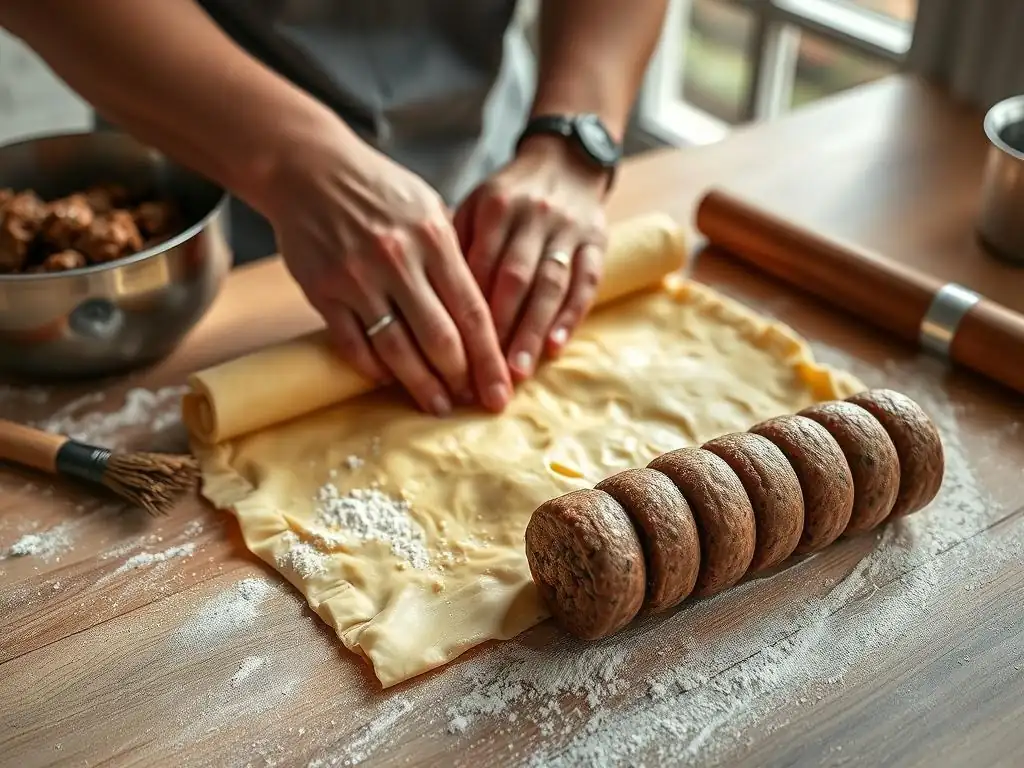
Start by placing your chosen sausage meat into a medium-sized bowl. If using sausages in casings, simply squeeze the meat out of the casings into the bowl. Add your chosen seasonings and binders at this stage. For a classic mix using 500g of pork sausage meat, you might add 50g of fresh breadcrumbs, 1/4 teaspoon of salt, 1/2 teaspoon of black pepper, a pinch of nutmeg, and a tablespoon of finely chopped fresh sage or parsley. If using sautéed onions, ensure they are cooled before adding to the meat.
Using your hands is the most effective way to combine the ingredients thoroughly and evenly. Gently mix everything together until the seasonings are well distributed throughout the meat. Avoid overmixing, which can make the sausage filling tough. The mixture should be cohesive but not overly dense. This well-prepared filling is the heart of your delicious easy puff pastry sausage rolls, ensuring every bite is packed with flavor alongside the flaky pastry.
Step 2: Rolling Out the Puff Pastry
Achieving the Ideal Thickness
If using block puff pastry, lightly flour a clean work surface and your rolling pin. Place the pastry block in the center. Roll the pastry out evenly into a rectangle. The ideal thickness for puff pastry sausage rolls is usually between 3mm and 4mm (about 1/8 inch). This thickness allows the pastry to puff beautifully without becoming too thin and tearing or too thick and doughy. Aim for dimensions that will yield strips suitable for wrapping your sausage filling – typically a rectangle around 30-40 cm wide will work well for standard rolls.
For pre-rolled pastry sheets, simply unroll them onto a lightly floured surface or keep them on their parchment paper if provided. These are usually already rolled to the correct thickness, saving you this step. If the sheet feels a little stiff, let it sit at room temperature for just a couple of minutes to make it more pliable, but don't let it get warm. A perfectly rolled or unrolled sheet is essential for forming consistent and attractive easy puff pastry sausage rolls.
Step 3: Assembling the Sausage Rolls
Placing the Filling and Sealing the Pastry
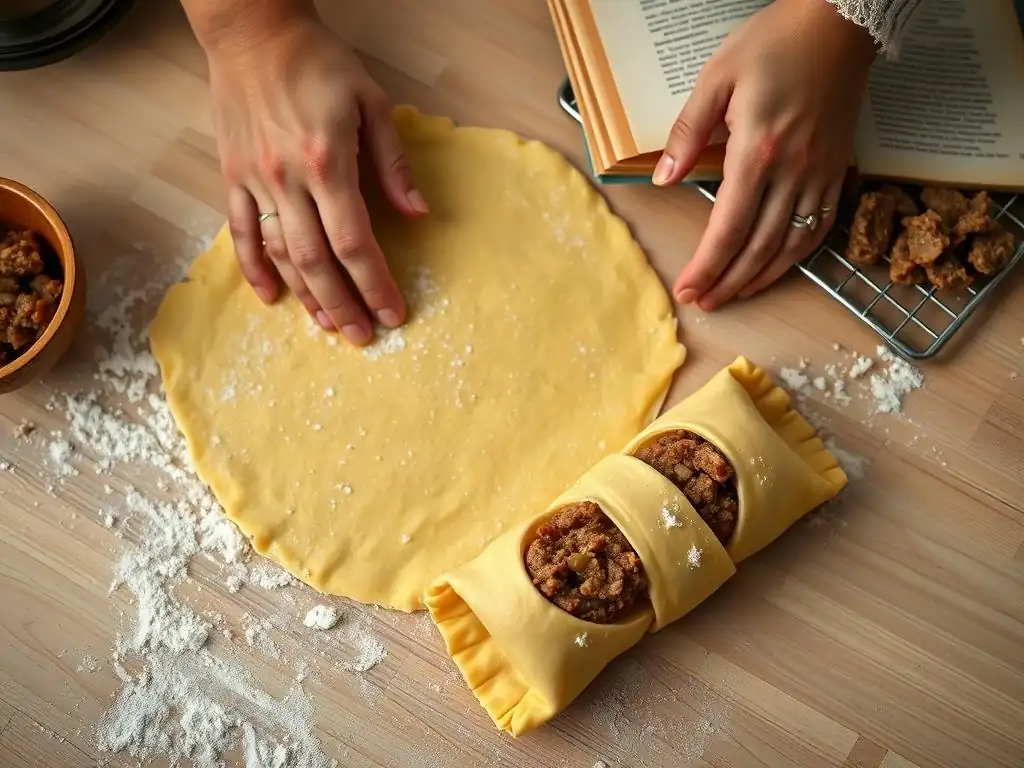
Once your pastry is ready, cut it into strips. The width of the strips will determine the size of your sausage rolls. For mini rolls, strips about 5-6 cm (2-2.5 inches) wide are suitable. For larger, more substantial rolls, aim for strips about 8-10 cm (3-4 inches) wide. Shape the sausage filling into long, even logs that are slightly shorter than the length of your pastry strips and about 1.5-2 cm (about 3/4 inch) in diameter for mini rolls, or larger for bigger ones.
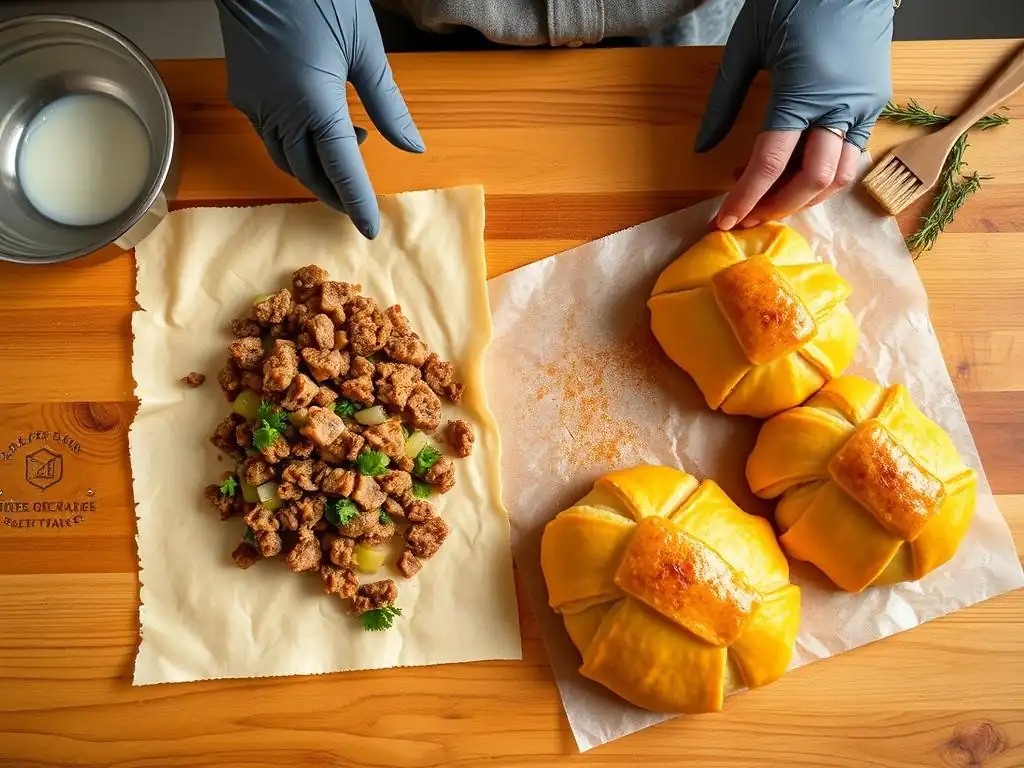
Place a sausage log along one edge of each pastry strip, leaving a small border (about 1 cm) along the edge. Brush the opposite edge of the pastry strip lightly with egg wash or water. Carefully fold the pastry over the sausage log, ensuring the edges meet. Press the edges together firmly to seal, using the tines of a fork to crimp them securely. This crimping not only seals the pastry but also adds a decorative touch to your easy puff pastry sausage rolls. Repeat with the remaining pastry and filling.
Step 4: Egg Wash and Scoring
Achieving a Golden-Brown Crust
Before baking, applying an egg wash to your assembled sausage rolls is crucial for achieving that beautiful, glossy, golden-brown finish. Whisk one egg with a tablespoon of water or milk in a small bowl. Using a pastry brush, lightly coat the entire surface of each sausage roll with this mixture. Be careful not to let the egg wash drip down the sides onto the cut edges, as this can sometimes seal the layers and inhibit the puff.
Scoring the top of the sausage rolls is the next step. Using a sharp knife, make diagonal slits or a criss-cross pattern across the top of each roll. These cuts serve a few purposes: they allow steam to escape from the filling during baking, helping to prevent the pastry from bursting open, and they also add visual appeal. Make sure not to cut all the way through to the filling – just score the top layer of pastry. This preparation step ensures your easy puff pastry sausage rolls look as good as they taste.
Step 5: Baking the Sausage Rolls
Oven Temperature and Baking Time
Preheat your oven to a relatively hot temperature, typically around 200°C (400°F) or 180°C (350°F) fan/convection. The initial high heat helps the puff pastry layers to expand rapidly and achieve maximum lift and flakiness. Place the prepared sausage rolls seam-side down on a baking sheet lined with parchment paper. Leave some space between each roll to allow for even heat circulation and puffing; about 2-3 cm (1 inch) is usually sufficient.
Baking time will vary depending on the size of your sausage rolls and your oven. Mini sausage rolls (about 5-6 cm long) will typically bake for 15-20 minutes, while larger rolls (about 10-12 cm long) may take 25-30 minutes. You'll know they're ready when the pastry is deeply golden brown, puffed up, and the filling is cooked through. The internal temperature of the sausage should reach at least 71°C (160°F). For assurance, you can carefully cut one open or use a meat thermometer. This final step brings your easy puff pastry sausage rolls to their delicious, flaky perfection.
Baking Tips
Preventing Soggy Bottoms
A common issue when baking sausage rolls is a soggy bottom crust. This often happens because the moisture from the sausage filling seeps into the bottom layer of pastry before it has a chance to bake and crisp up. To combat this, ensure your sausage filling isn't excessively wet; if you've added ingredients like sautéed onions, make sure they are well-drained and cooled. Using a relatively hot oven (like 200°C/400°F) from the start helps the bottom pastry cook quickly.
Another effective technique is to bake the sausage rolls on a preheated baking sheet or a wire rack placed on a baking sheet. Placing the rolls directly onto a hot surface provides an immediate burst of heat to the bottom pastry, helping it crisp up faster. If using a rack, it also allows air to circulate underneath, further promoting even baking and preventing moisture buildup. These simple steps can make a significant difference in achieving perfectly crisp easy puff pastry sausage rolls.
Achieving Maximum Puff and Flakiness
Maximizing the puff and flakiness of your pastry depends heavily on keeping the puff pastry cold and handling it gently. As mentioned earlier, the layers of butter need to be cold and solid when they hit the hot oven. This causes the water in the butter to turn to steam, which forces the pastry layers apart, creating the characteristic puff. Work quickly when assembling the rolls to prevent the pastry from warming up too much.
Avoid stretching the pastry when rolling or assembling, as this can damage the delicate layers. Also, ensure your oven is fully preheated to the correct temperature before putting the rolls in. Opening the oven door frequently during the initial baking phase releases heat and can hinder the puff. Patience and a hot oven are your best friends for achieving wonderfully flaky easy puff pastry sausage rolls.
Troubleshooting Common Problems
- Pastry not puffing: This is usually due to warm pastry, insufficient oven heat, or the egg wash sealing the edges. Ensure pastry is cold, oven is hot, and apply egg wash carefully.
- Filling leaking out: This might happen if the pastry isn't sealed properly or if the filling is too wet or packed too tightly. Make sure edges are well-crimped and don't overfill. Scoring helps release steam.
- Uneven browning: Ovens often have hot spots. Rotate the baking sheet halfway through the baking time to ensure your easy puff pastry sausage rolls brown evenly. If the tops are browning too quickly but the pastry isn't fully cooked, you can loosely tent the rolls with foil.
Variations and Creative Twists
Adding Cheese for Extra Flavor
Incorporating cheese into your sausage rolls is a fantastic way to add richness and a tangy flavor dimension. Grated cheese can be mixed directly into the sausage filling – mature cheddar, Gruyère, or Parmesan work particularly well. For about 500g of sausage meat, you could add 50-75g of finely grated cheese. Alternatively, you can sprinkle cheese over the sausage log just before wrapping it in the pastry.
Another popular method is to sprinkle cheese over the egg-washed pastry tops before baking. This creates a lovely cheesy crust as it melts and browns in the oven. A mix of cheese in the filling and on top provides a double dose of cheesy goodness. Cheese variations transform simple sausage rolls into something even more indulgent, pairing wonderfully with the flaky puff pastry.
Incorporating Vegetables
Adding finely diced or grated vegetables is a great way to boost flavor, add moisture, and even sneak in some extra nutrients into your savory sausage rolls. Finely grated carrot, zucchini (squeezed dry to remove excess moisture), or finely chopped mushrooms are excellent additions to the sausage mix. They should be very finely diced or grated so they cook through at the same rate as the sausage meat and don't create large lumps.
Remember to sauté harder vegetables like onions or mushrooms before adding them to the raw sausage meat to ensure they are tender. For about 500g of sausage meat, you might add 50-100g of prepared vegetables. These additions not only enhance the filling's flavor but also contribute to a more interesting texture, making your easy puff pastry sausage rolls even more appealing.
Spicy Sausage Roll Variations: Jalapeño Cheddar Sausage Rolls
For those who enjoy a bit of heat, creating spicy sausage rolls is simple and delicious. One popular variation is Jalapeño Cheddar Sausage Rolls. Start with your basic sausage meat filling. Finely dice pickled or fresh jalapeños (remove seeds for less heat) and mix them into the sausage meat – start with a tablespoon or two for 500g of meat and adjust to your spice preference.
Add a generous amount of grated cheddar cheese (about 75-100g per 500g meat) to the mixture. The cheese helps to balance the heat from the jalapeños. You can also add a pinch of cayenne pepper or red pepper flakes for extra fire. This combination of spicy jalapeño, sharp cheddar, savory sausage, and flaky puff pastry creates a truly addictive treat, turning simple easy puff pastry sausage rolls into a fiery delight.
Serving and Storing
Serving Suggestions
Easy puff pastry sausage rolls are incredibly versatile and can be served in numerous ways. They are perfect served warm as a snack or appetizer, perhaps with a side of ketchup, brown sauce, or a sweet chili dip. For a more substantial offering, serve larger sausage rolls alongside a fresh green salad or coleslaw for a simple lunch or light dinner.
Mini sausage rolls are ideal for parties or buffets, easy to pick up and enjoy. Arranging them on a platter with various dipping sauces adds visual appeal and allows guests to customize their experience. The flaky texture and savory filling make them a crowd-pleaser in any setting, highlighting the success of your homemade easy puff pastry sausage rolls.
Storing Leftover Sausage Rolls
Proper storage is key to keeping leftover sausage rolls fresh. Once cooled completely, they should be stored in an airtight container in the refrigerator. They will typically keep well for 2-3 days. Ensure they are fully cooled before storing to prevent condensation, which can make the pastry soggy.
If you've made a large batch, sausage rolls also freeze exceptionally well, both baked and unbaked. To freeze unbaked rolls, assemble them (without egg wash or scoring), place them on a baking sheet lined with parchment paper, and freeze until solid. Then transfer them to a freezer bag or container for up to 1-2 months. To freeze baked rolls, cool completely, then store in a freezer bag or container for up to 1-2 months. This makes preparing easy puff pastry sausage rolls in advance a breeze.
Reheating Sausage Rolls
Reheating sausage rolls properly is essential to reviving that desirable flaky texture. Avoid using a microwave, as this will invariably result in soggy pastry. The best method is to reheat them in a preheated oven or a toaster oven.
Place the sausage rolls on a baking sheet and heat in a preheated oven at around 180°C (350°F) for 10-15 minutes for refrigerated rolls, or 20-25 minutes for frozen baked rolls, or until heated through and the pastry is crisp again. This gentle reheating process ensures your easy puff pastry sausage rolls regain their delicious crispness, tasting almost as good as fresh from the oven.
Conclusion: Enjoying Your Sausage Rolls
Mastering the art of making savory sausage rolls with puff pastry is a rewarding endeavor that yields a versatile and beloved treat. By following these steps, from selecting the right ingredients and preparing a flavorful filling to handling the delicate pastry and baking to golden perfection, you can confidently create delicious, flaky sausage rolls right in your own kitchen. The convenience of puff pastry truly makes this a simple and accessible recipe for bakers of all levels.
Whether you stick to the classic recipe or experiment with exciting variations like cheese or spice, the result is a satisfying combination of rich, savory filling and light, crisp pastry. Enjoy your homemade easy puff pastry sausage rolls warm from the oven, share them with friends and family, or store them for later enjoyment. With a little practice, these will surely become a go-to favorite in your baking repertoire.
Frequently Asked Questions
What kind of puff pastry works best for easy sausage rolls?
The best puff pastry for sausage rolls is a high-quality all-butter puff pastry, either store-bought or homemade. This provides the best flavor and flaky texture. Cheaper versions may not rise as well.
How do I prevent my sausage rolls from getting soggy?
To avoid soggy sausage rolls, ensure the sausage filling is not too wet and bake at a high enough temperature. Also, place the sausage rolls on a baking rack after baking to allow air circulation.
Can I freeze sausage rolls before baking?
Yes, you can freeze unbaked sausage rolls. Arrange them on a baking sheet and freeze until solid, then transfer them to a freezer bag. Bake from frozen, adding a few extra minutes to the baking time.
What are some variations I can add to the sausage filling?
You can add chopped herbs like sage or thyme, grated cheese (cheddar or parmesan), or a pinch of red pepper flakes to the sausage filling for extra flavor. Experiment with your favorite seasonings and flavors!
How do I get a golden-brown color on my puff pastry sausage rolls?
Brush the sausage rolls with an egg wash (egg beaten with a little milk or water) before baking. This will give them a shiny and golden-brown finish. You can also sprinkle with seeds before baking.
Final Reflection: The Unexpected Joy of Easy Puff Pastry Sausage Rolls
The humble sausage roll, elevated by the flaky magic of puff pastry, remains a testament to the power of simple ingredients transformed by skillful technique. This seemingly straightforward recipe, explored in detail throughout this article, offers more than just a delicious snack; it unlocks a gateway to confident baking for even the most novice cooks. The ease of execution, coupled with the impressive results, makes it a perfect entry point into the world of pastry.
The impact of this seemingly simple recipe extends beyond the immediate gratification of a perfectly golden, crispy sausage roll. It fosters a sense of accomplishment, proving that culinary mastery doesn't require years of training or complex techniques. The process itself, from carefully unfolding the pastry to achieving that perfect bake, is inherently satisfying. As Julia Child once wisely said, Find something you're passionate about and keep tremendously interested in it.
This recipe, in its simplicity, allows for that passion to bloom, whether you're a seasoned baker or just starting your culinary journey.
Now, it's your turn. Don't just read about the joy of creating these easy puff pastry sausage rolls; experience it. Gather your ingredients, follow the steps outlined, and allow yourself to be surprised by the delicious results. Share your creations, your triumphs, and even your minor mishaps – because even in the kitchen, learning is a journey, not a destination. Embrace the process, savor the taste, and discover the unexpected joy that awaits you in the heart of your own kitchen.
Unleash Your Inner Pastry Chef!
Thanks for joining us on this savory sausage roll adventure! We hope you've gained some delicious new techniques and confidence in your pastry skills. Ready to take your baking to the next level?
- Master the art of puff pastry: Try experimenting with different fillings – maybe a spicy chorizo or a vegetarian option? The possibilities are endless!
- Share your creations: Tag us on social media with your beautiful sausage rolls – we'd love to see them! Use #BakeWithEaseSausageRolls.
- Challenge yourself: Try making mini sausage rolls for a fun appetizer, or even try a different savory pastry altogether!
What surprising flavor combination will you create with your newfound puff pastry expertise?