
Adding Flavors to Your Viennoiserie Dough Beyond Butter

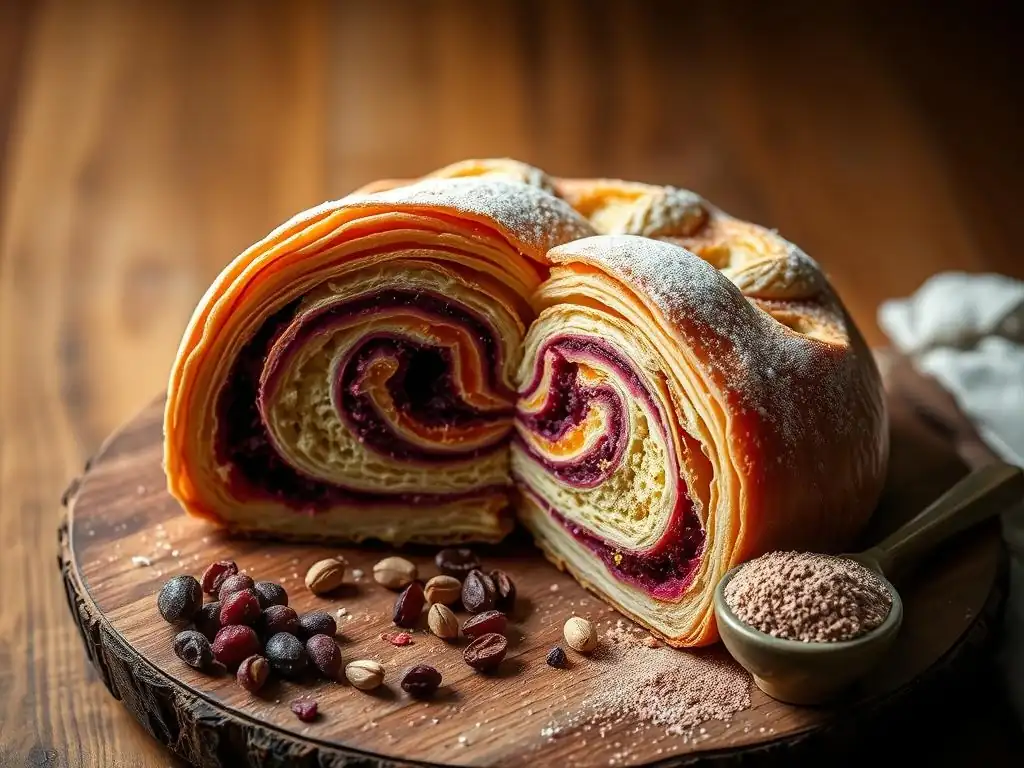
Welcome to BakeWithEase, your companion in the delightful world of baking! Ever wondered how to elevate your viennoiserie beyond the classic buttery taste? Get ready to embark on a flavor adventure as we delve into the exciting world of butterfree viennoiserie dough flavors. Discover innovative techniques and unexpected ingredients to transform your croissants and pastries into truly unforgettable treats. Are you ready to unlock a new level of deliciousness? Read on to find out how!
- Adding Flavors to Your Viennoiserie Dough: A Comprehensive Guide
- Introduction: Expanding Viennoiserie Flavors Beyond Butter
- The Role of Butter in Traditional Viennoiserie Dough
- Viennoiserie Flavor Infusions: Creative Alternatives
- Techniques for Incorporating Flavors into Viennoiserie Dough
- Recipes and Examples: Viennoiserie Dough Flavor Combinations
- Tips for Success: Achieving Perfect Flavored Viennoiserie
- Troubleshooting Common Issues with Flavored Viennoiserie Dough
- Horizontal Rule:
- Conclusion: Elevating Your Viennoiserie with Innovative Flavors
-
Frequently Asked Questions
- How can I add flavors to my viennoiserie dough without relying solely on butter?
- What are some good flavor pairings for viennoiserie dough that complement the butter?
- Can I use fruit purees to flavor my viennoiserie dough?
- What about adding chocolate to my viennoiserie dough?
- How do I ensure the added flavor is evenly distributed throughout the viennoiserie dough?
- Final Reflection: Unlocking the Flavor Universe of Butterfree Viennoiserie
- Unleash Your Inner Pâtissier: Elevate Your Viennoiserie!
Adding Flavors to Your Viennoiserie Dough: A Comprehensive Guide
Introduction: Expanding Viennoiserie Flavors Beyond Butter
Mastering Viennoiserie: Exploring Flavor Infusion
Viennoiserie, the delightful category of baked goods including croissants, pain au chocolat, and brioche, is traditionally celebrated for its rich butter flavor and exquisite laminated layers. However, the art of mastering viennoiserie extends beyond the classic. It involves understanding dough structure, fermentation, and lamination, but also opens doors to creative flavor infusion.
Exploring how to introduce new tastes allows bakers to craft unique pastries that captivate the palate and offer exciting alternatives to the standard profile. This journey into flavored viennoiserie dough involves carefully integrating ingredients like fruit purees, nut pastes, spices, and even savory elements, transforming familiar shapes into novel culinary experiences.
Adding flavors requires a nuanced approach, as each ingredient interacts differently with the dough's gluten structure and hydration. Successful integration means achieving a balanced flavor that complements, rather than overpowers, the pastry's inherent richness and texture. This exploration into diverse flavor options is not just about taste; it's about enhancing the overall sensory experience, creating visually appealing pastries with complex aromas and delightful finishes. It's a chance to personalize your baking and offer unique creations that stand out from the traditional butter-forward pastries.
Why Explore Alternative Viennoiserie Flavor Options?
While the classic butter flavor is undeniably delicious, exploring alternative viennoiserie flavor options offers several compelling reasons. Firstly, it allows for innovation and differentiation. In a crowded market or even among home bakers sharing their creations, a unique flavor profile can make your pastries memorable. Imagine a vibrant raspberry swirl croissant or an aromatic spiced pain aux raisins – these variations spark curiosity and excitement.
Secondly, expanding flavor horizons caters to a wider range of preferences and dietary considerations (though butter-free options aren't the focus here, the idea of alternative flavors resonates). Some might prefer a less intensely buttery taste, while others might seek specific fruit or spice notes. Providing a variety of flavored viennoiserie dough options means there's something for everyone. It challenges the baker to push their skills, understand how different inclusions affect dough handling and baking, and ultimately leads to a deeper appreciation for the versatility of viennoiserie.
The Role of Butter in Traditional Viennoiserie Dough
Butter's Impact on Texture, Flavor, and Lamination
Butter is arguably the most iconic ingredient in traditional viennoiserie, playing a multifaceted role that defines its texture, flavor, and structure. During lamination, the process of repeatedly folding butter into the dough, thin layers of butter are created between thin layers of dough. As the pastry bakes, the water in the butter turns to steam, forcing the dough layers apart and creating the characteristic airy, flaky texture. High-quality butter with a specific fat content (typically 82% or higher for European-style butter) is crucial for achieving these distinct layers and the desired crispness.
Beyond texture, butter imparts a rich, creamy flavor that is synonymous with croissants and their cousins. The fat carries flavor compounds and contributes to the overall richness and mouthfeel. The melting point of the butter also affects lamination; butter that is too soft melts into the dough, preventing layer separation, while butter that is too hard can break during folding. This delicate balance is why mastering the temperature control of both dough and butter is paramount in traditional viennoiserie, highlighting the ingredient's foundational importance before considering alternative viennoiserie flavor options.
Considerations for Flavoring Viennoiserie
When introducing additional flavors into viennoiserie dough, several key considerations arise. The primary challenge is maintaining the integrity of the dough structure and the lamination process. Liquid additions, such as fruit purees, can increase hydration and require adjustments to the base dough formula. Solid inclusions, like spices or chocolate pieces, can tear the delicate dough layers during rolling and folding if not incorporated carefully or if they are too large or sharp.
Furthermore, the added flavor should ideally complement the butter flavor, not just mask it. A delicate spice blend might enhance the richness, while a bright fruit flavor can provide a pleasant contrast. The timing and method of flavor incorporation are also critical. Some flavors are best added to the dough during the initial mixing, while others, like zests or spices, might be mixed into the butter block itself or added later in the process. Understanding these interactions is vital for successful flavored viennoiserie dough.
Viennoiserie Flavor Infusions: Creative Alternatives
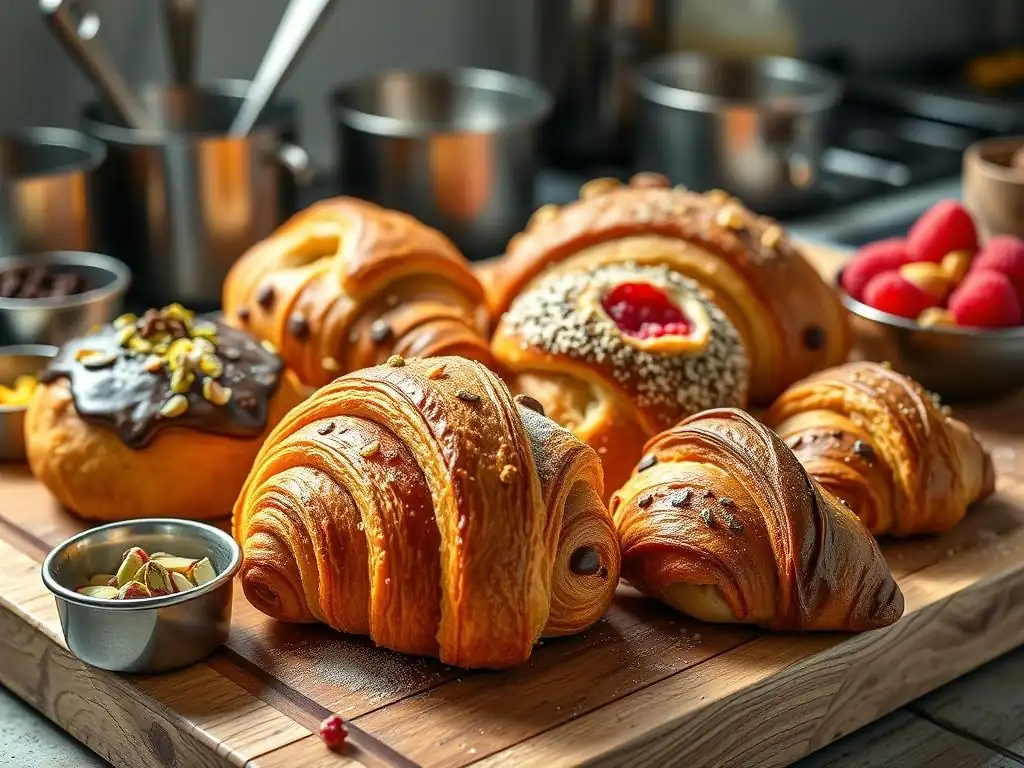
Incorporating Fruit Purees for Natural Sweetness and Flavor
Using fruit purees is an excellent way to introduce natural sweetness, vibrant color, and distinct flavor into viennoiserie dough, moving beyond the standard butter profile. Purees offer a different dimension compared to adding just sugar or extracts. They bring the essence of the fruit itself, complete with subtle acidity and natural sugars, which can interact beautifully with the dough during fermentation and baking.
Fruit Puree Options for Viennoiserie Dough
A variety of fruit purees work well, each offering a unique profile for your flavored viennoiserie dough. Popular choices include:
- Raspberry: Provides a bright, slightly tart flavor and a beautiful pink hue.
- Apple: Offers a subtle sweetness and classic aroma, often used in fillings but effective in dough too.
- Passion Fruit: Delivers an intense, tropical tanginess.
- Apricot: Adds a mellow sweetness and lovely golden color.
When selecting purees, opt for those with a relatively thick consistency and intense flavor. For instance, a high-quality raspberry puree might contain approximately 10-15% natural sugars and minimal added water, ensuring concentrated flavor without excessive liquid.
Techniques for Integrating Fruit Purees
Incorporating fruit purees requires careful hydration management. Purees are essentially liquid, so you'll need to reduce the water or milk content in your base dough recipe. A common starting point is to substitute a portion of the liquid with the puree, perhaps 5-10% of the total dough weight in puree, and then adjust based on the puree's consistency.
- Method 1 (Initial Mix): Add the puree along with the other wet ingredients during the initial mixing phase. This allows the flavor to disperse evenly throughout the dough. You might need to slightly increase the flour or reduce other liquids to compensate.
- Method 2 (Swirl/Layer): For a more visual effect, a thicker puree or fruit paste can be swirled into the dough after the initial mix or even layered during lamination, similar to how fillings are incorporated. This creates beautiful patterns like in a raspberry swirl croissant.
Adjusting hydration:
Let X = original liquid weight
Let Y = puree weight
New liquid weight = X - (Y * % reduction, e.g., 0.8)
This formula is a simplification; empirical testing is often needed to find the perfect balance for your specific puree and recipe. Remember that the acidity in some fruit purees can affect gluten development and yeast activity, potentially requiring slight adjustments to fermentation times.
Utilizing Nut Pastes for Richness and Depth
Nut pastes offer another fantastic avenue for adding depth and richness to viennoiserie dough, providing a different kind of complexity compared to butter alone. These pastes, made from finely ground nuts, contribute healthy fats, protein, and intense flavor that can create truly decadent pastries.
Exploring Different Nut Paste Profiles (Pistachio, Peanut, Walnut)
The world of nut pastes offers diverse flavor profiles for viennoiserie flavor options:
- Pistachio Paste: Highly prized for its vibrant green color and distinct, slightly sweet, earthy flavor. It pairs wonderfully with white chocolate or berry flavors. High-quality pistachio paste is made from 100% pistachios, sometimes roasted, and can be quite expensive, reflecting its intense flavor.
- Peanut Paste: Offers a familiar, comforting, slightly salty and roasted flavor. It pairs well with chocolate or caramel. Use natural, unsweetened peanut butter for the purest flavor.
- Walnut Paste: Provides a more robust, slightly bitter, and earthy flavor. It can be lovely paired with spices like cinnamon or cardamom.
When choosing a paste, look for pure nut pastes without added sugars, oils, or emulsifiers if possible, as these can affect dough consistency and flavor purity.
Adjusting Liquid Ratios with Nut Paste Additions
Nut pastes, despite being fatty, also contain some moisture and can alter dough consistency significantly. They add richness but can also make the dough heavier and potentially tougher if not balanced. When adding nut paste, which is typically incorporated during the initial mixing phase, you usually need to increase the liquid slightly, as the paste absorbs some moisture and adds solids.
- Start by replacing a small percentage of the flour weight with nut paste (e.g., 5-15%).
- Then, incrementally add a little more liquid (water or milk) until the dough reaches the desired consistency. This might be an increase of 2-5% of the original liquid amount, depending on the paste's oil and moisture content.
Block Quote: Adding nut pastes requires a delicate touch. Too much can make the dough heavy and greasy, while too little might not provide enough flavor impact. It's a balance between richness and maintaining that essential viennoiserie lightness.
The fat content in nut pastes can also slightly interfere with gluten development, potentially leading to a slightly less elastic dough. Careful mixing and adequate rest periods become even more important when working with these flavorful additions.
Infusing Spices and Zests for Aromatic Complexity
Spices and citrus zests are fantastic for adding aromatic complexity and warmth to viennoiserie dough, creating layers of flavor that complement the richness of butter and any other fillings. Unlike purees or pastes, these additions primarily contribute aroma and sharp, bright flavors rather than significant bulk or hydration changes.
Spice Blends that Complement Viennoiserie (Ginger, Anise, Lavender)
Aromatic spices can transform a simple croissant into something extraordinary. Consider these options for your viennoiserie flavor combinations:
- Cinnamon & Cardamom: The classic duo for pain aux raisins or morning buns. Use high-quality ground spices for maximum impact.
- Ginger: Offers a warm, slightly pungent note. Ground ginger can be added to the dough, or finely grated fresh ginger can be used in fillings.
- Star Anise: Provides a distinct, licorice-like sweetness. Use sparingly, often ground or infused into the liquid.
- Lavender: Edible lavender flowers can add a delicate, floral aroma, pairing well with fruit or honey. Use culinary-grade lavender and grind it finely before adding.
Spices are typically added during the initial dry ingredient mixing or blended into the butter block for lamination. Start with small amounts, perhaps 1-2 teaspoons of ground spice per kilogram of flour, as their flavors can intensify during baking.
Choosing the Right Zests: Lemon, Orange, Lime
Citrus zests provide bright, fragrant oils that cut through richness and add a refreshing note. Ensure you use only the colored part of the peel, avoiding the bitter white pith.
- Lemon Zest: Offers a clean, sharp brightness.
- Orange Zest: Provides a warmer, sweeter citrus aroma.
- Lime Zest: Delivers a more tart, slightly floral note.
Zests are best added towards the end of mixing or even worked into the butter block. The oils are volatile, so adding them later helps preserve their potency through fermentation and proofing. Use a microplane grater for the finest zest, which integrates smoothly without tearing the dough. Roughly 5-10 grams of zest per kilogram of flour is a good starting point, but this can be adjusted based on desired intensity.
Adding Chocolate and Cocoa for Decadent Variations
Chocolate and cocoa powder are natural partners for viennoiserie, most famously in pain au chocolat. However, they can be incorporated directly into the dough for an all-over chocolate flavor, creating truly decadent flavored viennoiserie dough.
Using Cocoa Powder for a Chocolate Croissant Twist
Adding cocoa powder to the dough creates a rich, chocolate-colored viennoiserie. Use high-quality unsweetened cocoa powder (either natural or Dutch-processed). Cocoa powder absorbs liquid, so you'll need to slightly increase the hydration of your dough.
- Replace a small percentage of the flour (e.g., 5-8%) with cocoa powder.
- Increase the liquid (water or milk) by roughly the same percentage as the cocoa powder added, or slightly more, until the dough feels correctly hydrated.
Example: For 1000g flour, add 50g cocoa. Increase water from 550g to approx. 600-610g.
This creates a dough with a subtle chocolate flavor and a beautiful brown hue, perfect for filling with more chocolate or other complementary flavors.
Melting Chocolate into the Dough: Tips and Tricks
Melting chocolate directly into the dough is less common than using cocoa powder but can add a different type of richness and sweetness. Use good quality chocolate with a moderate cocoa percentage (e.g., 50-70%).
- Melt the chocolate gently and let it cool slightly before incorporating it into the dough during the initial mixing phase, along with the other wet ingredients.
- You will need to adjust the fat content in your recipe, potentially slightly reducing the butter in the dough itself (not the lamination butter) or adjusting other liquids, as the melted chocolate adds fat and some solids.
Be mindful that melted chocolate can make the dough stiffer once cooled. It's crucial to ensure the chocolate is fully incorporated and the dough is mixed to the correct development stage. This method creates a richer, sweeter dough than using cocoa powder alone.
Savory Flavors in Viennoiserie: A Unique Approach
While traditionally sweet, viennoiserie dough can be adapted for savory applications, offering a unique twist on classic pastries. Incorporating herbs, cheese, or other savory elements creates delicious viennoiserie flavor options perfect for brunch or as an accompaniment to meals.
Incorporating Herbs and Cheese into the Dough
Dried or fresh herbs can be finely chopped and added to the dough during the initial mixing. Good choices include:
- Rosemary: Pairs well with cheese or olives.
- Thyme: Adds an earthy, slightly floral note.
- Chives: Provides a mild oniony flavor.
For cheese, finely grated hard cheeses like Parmesan or Gruyère work best. Add them towards the end of the mixing process to prevent them from becoming fully incorporated into the gluten structure.
- Add dried herbs at approximately 1-2% of the flour weight (e.g., 10-20g per kg).
- Add grated cheese at 5-15% of the flour weight (e.g., 50-150g per kg), adjusting hydration slightly as cheese can absorb moisture.
Savory Viennoiserie Recipe Ideas [Example: Olive & Rosemary Twists]
A simple yet effective savory example is Olive & Rosemary Twists.
- Prepare a standard viennoiserie dough, incorporating finely chopped fresh rosemary (about 15g per kg flour) and pitted, chopped olives (about 100g per kg flour) towards the end of mixing.
- Proceed with lamination as usual.
- Instead of cutting rectangles for croissants, cut strips of dough, sprinkle with grated Parmesan cheese, twist, and bake.
Block Quote: Savory viennoiserie opens up a world of possibilities. Think beyond the sweet – flaky pastry is a wonderful vehicle for robust flavors like aged cheese, herbs, or even cured meats.
Other ideas include: Feta and Spinach Swirls, Sun-Dried Tomato and Basil Croissants, or Gruyère and Black Pepper Pain Suisse. The key is balancing the savory additions so they don't impede lamination or make the dough too heavy.
Techniques for Incorporating Flavors into Viennoiserie Dough
Adjusting Hydration Levels Based on Flavor Additions
Successfully adding flavors often requires careful adjustments to the dough's hydration. Ingredients like fruit purees or cocoa powder absorb liquid differently than flour, while nut pastes add fat and solids that alter consistency.
- Absorbent additions (cocoa, some spices): Generally require a slight increase in liquid. Start by adding 5-10% more liquid relative to the weight of the added ingredient.
- Liquid/Wet additions (purees, melted chocolate): Require a reduction in the base liquid. Reduce the primary liquid (water/milk) by roughly 80-90% of the weight of the added wet ingredient.
- Fatty additions (nut pastes): May require a slight increase in liquid as they absorb some moisture but primarily add fat. Add liquid incrementally until the desired dough consistency is achieved.
It's often helpful to reserve a small amount of the main liquid when mixing and add it gradually after the flavor ingredient is incorporated, allowing you to feel the dough and adjust in real-time. The goal is to maintain a dough consistency similar to your standard viennoiserie dough before lamination – pliable but not overly sticky or stiff.
Maintaining Dough Strength and Structure
Adding foreign ingredients can sometimes weaken the gluten network, which is crucial for the dough's ability to stretch during lamination and hold its shape during proofing and baking.
- Proper Mixing: Ensure adequate mixing time to develop gluten before adding inclusions, especially solids like nuts or cheese, which can tear the network.
- Resting Periods: Longer or additional rest periods (autolyse or bulk fermentation) can help the dough relax and strengthen naturally after additions.
- Gentle Handling: Be extra gentle during folding and shaping flavored viennoiserie dough, particularly if it contains inclusions that could tear the layers.
Task List:
- [x] Ensure base dough is well-developed before adding inclusions.
- [x] Adjust hydration carefully based on the added ingredient.
- [x] Allow sufficient rest time for gluten relaxation.
- [x] Handle dough gently during lamination and shaping.
Lamination Techniques for Flavored Viennoiserie Dough
Lamination with flavored dough follows the same fundamental principles as traditional lamination, but with added considerations.
- Temperature Control: Maintaining optimal dough and butter temperatures is even more critical. Additions can alter the dough's thermal properties. If the dough feels soft or the butter is breaking, chill it down.
- Even Distribution: Ensure flavorings are evenly distributed in the dough before starting lamination. Lumpy dough will lead to uneven layers and potential blowouts.
- Gentle Rolling: Roll the dough carefully and evenly, especially if it contains inclusions like herbs or small fruit pieces, to avoid tearing the butter layers or pushing ingredients through the dough.
Using a consistent, cool surface and taking breaks to chill the dough between folds are standard practices that become even more important when working with flavored viennoiserie dough. Aim for smooth, even turns to preserve the delicate layers essential for that classic flaky texture.
Recipes and Examples: Viennoiserie Dough Flavor Combinations
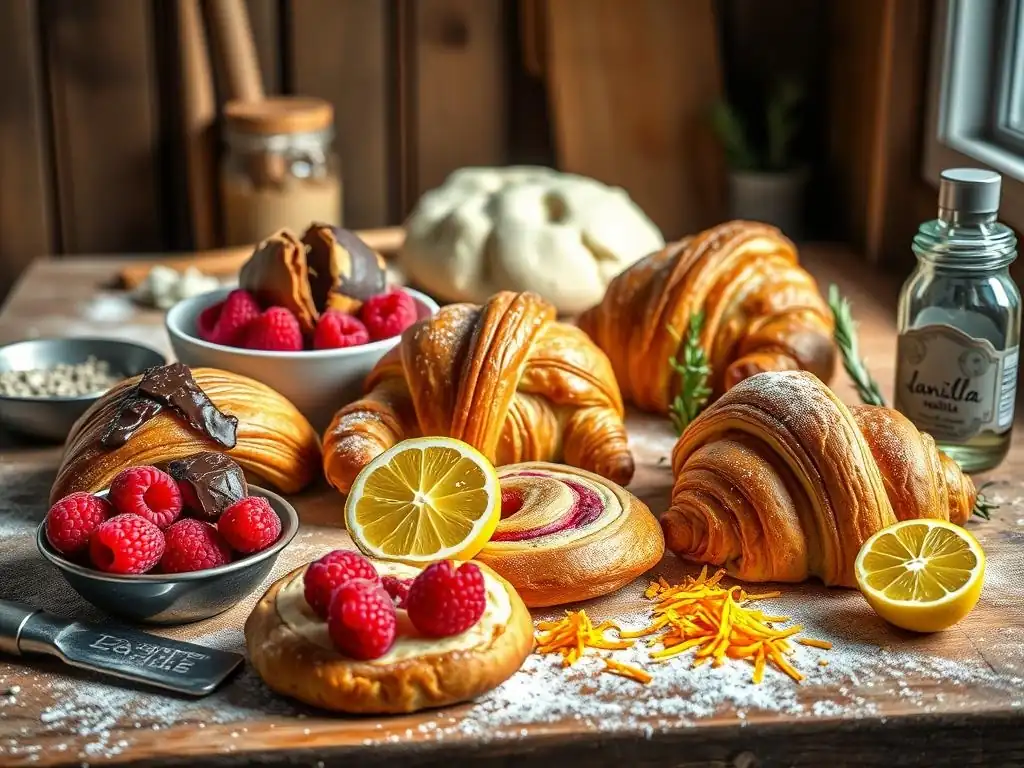
Recipe 1: Raspberry Swirls (Fruit Puree)
Ingredients and Instructions
This adaptation focuses on incorporating a vibrant raspberry flavor and color directly into the dough and as a swirl.
- Dough Base: Prepare a standard viennoiserie dough, reducing the liquid (milk/water) by about 8% of the total flour weight.
- Flavor Addition: Add a concentrated raspberry puree equal to approximately 10% of the flour weight during the initial dough mixing, along with the adjusted liquid. Mix until the dough is smooth and the puree is evenly distributed, resulting in a pink dough. Adjust hydration as needed.
- Lamination: Proceed with lamination using your standard butter block and folding technique (e.g., three single folds).
- Swirl Prep: Prepare a slightly thicker raspberry paste (puree reduced on the stove until thick) or use a commercial fruit paste.
- Shaping: After the final fold and rest, roll the dough into a rectangle. Spread the raspberry paste thinly over the surface (leaving a border). Roll the dough up tightly from one long edge. Slice the roll into individual swirls (e.g., 2-3 cm thick).
- Proofing & Baking: Proof until puffy (approximately 2-3 hours at 24°C / 75°F), then bake at 180°C (350°F) until golden brown and set, roughly 15-20 minutes depending on size.
This method creates a pastry with raspberry flavor notes in the dough itself, enhanced by the concentrated swirl.
Recipe 2: Pistachio Croissants (Nut Paste)
Ingredients and Instructions
Infusing dough with pistachio paste creates a sophisticated and richly flavored croissant.
- Dough Base: Prepare a standard viennoiserie dough.
- Flavor Addition: During the initial dough mixing, add high-quality pistachio paste equal to about 8% of the flour weight. You may need to increase the total liquid slightly (e.g., by 2-3%) to achieve the correct dough consistency, as the paste adds solids and fat. Mix until the beautiful green paste is fully incorporated into the dough.
- Lamination: Proceed with lamination using your standard butter block and folding technique (e.g., three single folds). The dough will be slightly softer due to the added fat.
- Shaping: Shape the dough into classic croissant triangles.
- Proofing & Baking: Proof until approximately doubled in size (around 2.5-3.5 hours at 24°C / 75°F). Bake at 190°C (375°F) for 18-22 minutes, or until golden brown.
These croissants will have a subtle, nutty pistachio flavor woven throughout the flaky layers, which can be further enhanced by filling them with pistachio cream after baking.
Recipe 3: Orange Infused Pain au Chocolat (Zest)
Ingredients and Instructions
Adding orange zest provides a bright, aromatic counterpoint to the rich chocolate in this classic pastry.
- Dough Base: Prepare a standard viennoiserie dough.
- Flavor Addition: Add finely grated orange zest (from 1-2 oranges per kg flour, roughly 8-15g) to the dough towards the end of the initial mixing. Ensure the zest is evenly distributed.
- Lamination: Proceed with lamination using your standard butter block and folding technique. The zest is fine enough that it shouldn't interfere with layers.
- Shaping: Roll the dough into a rectangle and cut into appropriate sizes for pain au chocolat. Place one or two chocolate batons at one end and roll up.
- Proofing & Baking: Proof until puffy and jiggly (around 2-3 hours at 24°C / 75°F). Bake at 180°C (350°F) until golden brown, approximately 18-22 minutes.
The orange zest infuses the dough with its fragrant oils, creating a delightful aroma during baking and a subtle citrus note that complements the rich chocolate filling beautifully. This is a wonderful example of a simple viennoiserie flavor combination using zest.
Tips for Success: Achieving Perfect Flavored Viennoiserie
Choosing High-Quality Ingredients
The quality of your ingredients is paramount when making any viennoiserie, and even more so when adding flavors. Inferior ingredients can compromise both the structure and the intended taste.
- Butter: Always use a high-fat (82%+) European-style butter specifically recommended for lamination. Its plasticity and high melting point are crucial.
- Flour: Use a strong bread flour with a protein content suitable for developing a robust gluten network (typically 11-13%).
- Flavorings: Opt for pure, concentrated flavorings. For purees, choose those with minimal added sugar or water. For nut pastes, look for 100% nut content. Use fresh spices and organic citrus for zest if possible to avoid pesticides.
Quality In = Quality Out.
Using high-quality ingredients ensures that your flavored viennoiserie dough achieves the desired flaky texture and the added flavors are clean and true.
Proper Dough Handling and Proofing
Correct dough handling and proofing are critical steps that can make or break your viennoiserie, especially when working with dough modified by flavor additions.
- Mixing: Do not overmix the dough after adding flavorings, particularly solid inclusions, as this can damage the gluten network.
- Chilling: Ensure the dough is properly chilled between folds during lamination. This keeps the butter solid and distinct from the dough layers. A minimum of 30-45 minutes in the refrigerator between turns is recommended.
- Proofing Environment: Proof in a controlled environment with consistent temperature and humidity. Over-proofing can cause the layers to separate prematurely or the dough to collapse, while under-proofing results in a dense pastry. An ideal proofing temperature is often around 24-26°C (75-79°F) with moderate humidity (around 70-75%).
Ideal Proofing Conditions:
Temperature: 24-26°C (75-79°F)
Humidity: 70-75%
Duration: Until puffy and visibly increased in size, but not doubled.
Learning to recognize the signs of perfectly proofed dough – it should be puffy, slightly jiggly, and hold a gentle indentation – is key.
Baking Temperature and Time Considerations
Baking is the final step where the magic of lamination happens. Correct temperature and time ensure the butter melts properly to create steam and the dough cooks through to a golden, crispy finish.
- Oven Temperature: Viennoiserie is typically baked at relatively high temperatures, often starting around 180-200°C (350-400°F). The exact temperature can vary based on the size of the pastries and your oven.
- Baking Time: Baking time depends on the size and shape of the pastries. Croissants usually take 18-25 minutes, while pain au chocolat might take slightly longer. They should be deep golden brown on the outside and feel light when lifted.
- Convection vs. Conventional: Convection ovens circulate air, leading to faster and more even browning. If using a convection oven, you might need to reduce the temperature by 10-15°C (25-30°F) compared to a conventional oven and potentially reduce baking time.
Monitor your pastries closely during baking, especially when experimenting with flavored viennoiserie dough, as additions might slightly alter baking characteristics. If the outside is browning too quickly, you can reduce the temperature slightly or loosely tent with foil.
Troubleshooting Common Issues with Flavored Viennoiserie Dough
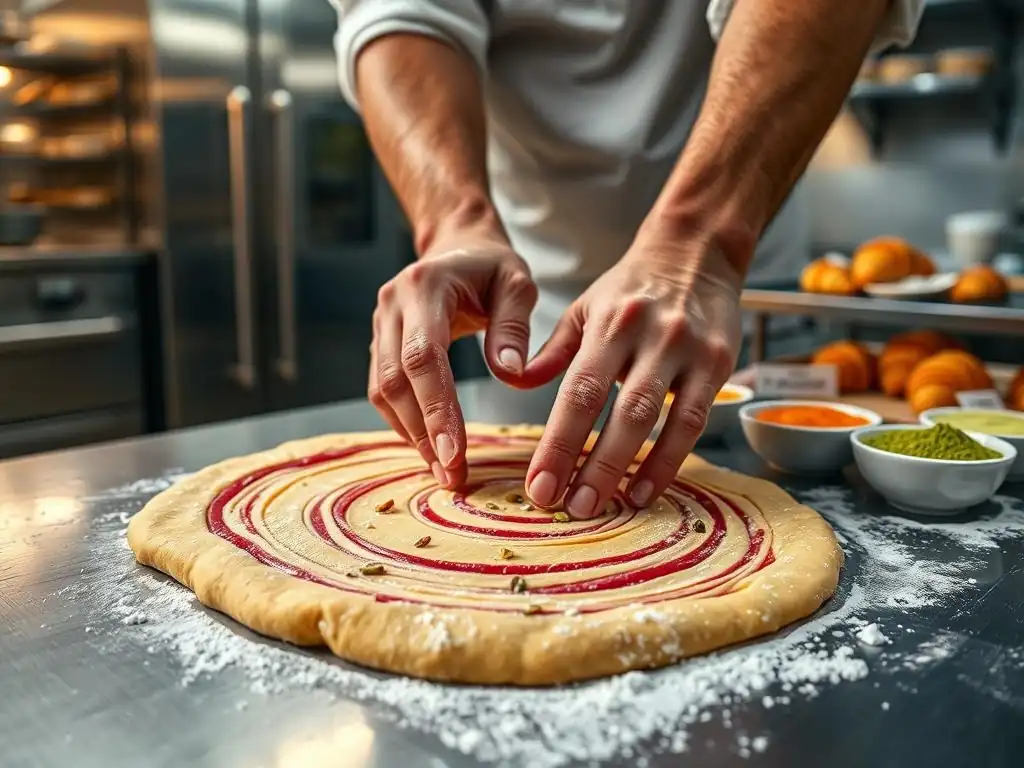
Dough Too Sticky or Dry
Adding flavorings can sometimes throw off the dough's hydration balance, leading to issues with stickiness or dryness.
- Too Sticky: If the dough is overly sticky after mixing, it likely has too much liquid relative to the flour and additions. This makes lamination difficult as the butter will squish into the dough rather than staying in distinct layers.
- Fix: Knead in a small amount of flour, a tablespoon at a time, until the dough reaches the desired consistency. Be cautious not to add too much, which can result in a tough dough.
- Too Dry: Dry dough is difficult to work with during lamination; it tears easily and the layers may not adhere properly. This can happen if the flavoring ingredient absorbed more liquid than anticipated or if not enough extra liquid was added to compensate for dry inclusions like cocoa powder.
- Fix: Carefully knead in a very small amount of liquid (water or milk), a teaspoon at a time, until the dough becomes pliable.
It's always better to err on the side of slightly less liquid initially and adjust during mixing than to start with a dough that is too wet.
Uneven Lamination
Uneven lamination results in pastries that don't rise uniformly and lack that signature flaky texture. This can be caused by several factors when working with flavored viennoiserie dough.
- Uneven Ingredient Distribution: If flavorings like herbs or nuts are not evenly mixed into the dough, they can create weak spots or lumps that disrupt the layers during rolling.
- Inclusions Tearing Dough: Solid inclusions that are too large or sharp can tear the dough layers, allowing butter to escape or merge during rolling and baking.
- Incorrect Temperature: Dough or butter that is too warm will lead to the butter melting into the dough. Dough or butter that is too cold can cause the butter block to break instead of spreading evenly.
Horizontal Rule:
- Fixes: Ensure flavorings are finely processed and evenly incorporated. Maintain strict temperature control throughout the lamination process. Roll gently and evenly, applying consistent pressure across the dough. If you encounter resistance or tearing, stop, chill the dough, and try again.
Lack of Rise
If your flavored viennoiserie doesn't rise properly during proofing or baking, it can be due to issues with yeast activity, dough structure, or proofing conditions.
- Yeast Inhibition: Some flavorings, particularly acidic ones like certain fruit purees or strong spices, can inhibit yeast activity if used in large quantities.
- Weak Gluten Structure: Over-mixing, under-mixing, or the addition of ingredients that interfere with gluten development (like high amounts of fat from nut pastes or inclusions that tear the network) can result in a dough that lacks the strength to hold its shape and rise.
- Incorrect Proofing: Too cold a temperature will slow yeast activity to a crawl, while too hot can kill the yeast or cause the fat to melt prematurely. Insufficient humidity can cause the surface to dry out, inhibiting expansion.
- Fixes: Use fresh yeast and ensure your liquid temperature is appropriate for activating it. Adjust the amount of potentially inhibitory flavorings or compensate with slightly more yeast. Ensure the dough is mixed to the correct gluten development stage. Provide a warm, humid, and consistent proofing environment. Verify your oven temperature is accurate.
Conclusion: Elevating Your Viennoiserie with Innovative Flavors
The Future of Viennoiserie Baking: Exploring New Flavor Profiles
The world of viennoiserie is constantly evolving, with bakers pushing the boundaries of traditional techniques and flavors. Exploring new flavor profiles in viennoiserie dough is not just a trend; it's a movement towards creating more diverse, exciting, and personalized pastries. From incorporating regional ingredients to experimenting with unexpected flavor combinations like matcha and white chocolate, or even savory profiles featuring smoked paprika and cheese, the possibilities are virtually limitless.
This exploration encourages a deeper understanding of how different ingredients interact with the complex structure of laminated dough. It moves beyond the simple addition of fillings to truly integrating flavor into the very fabric of the pastry. As bakers become more comfortable with the fundamentals, they naturally seek ways to innovate, leading to a future where flavored viennoiserie dough is as common and celebrated as the classic butter croissant.
Embrace Experimentation and Personalize Your Viennoiserie Creations.
Ultimately, the most rewarding aspect of exploring viennoiserie flavor options is the opportunity to experiment and make your creations truly your own. Don't be afraid to start small, perhaps adding a pinch of cinnamon or a little citrus zest to a portion of your dough. As you gain confidence, you can tackle more complex additions like purees or nut pastes.
Baking is an art and a science. Keep detailed notes of your experiments – what flavorings you added, how much, how you adjusted hydration, and the outcome. This iterative process will teach you invaluable lessons about how different ingredients behave in laminated dough. Embrace the occasional setback as a learning opportunity. The journey of discovering your favorite flavored viennoiserie dough combinations is a delicious adventure, promising a world of unique pastries waiting to be created in your kitchen.
Frequently Asked Questions
How can I add flavors to my viennoiserie dough without relying solely on butter?
You can incorporate flavors through infusions, extracts, or even by adding finely ground spices directly to the dough. This allows for a wider range of tastes beyond the traditional buttery flavor.
What are some good flavor pairings for viennoiserie dough that complement the butter?
Citrus zest like orange or lemon, warm spices like cinnamon or cardamom, and nutty flavors like almond or hazelnut extract can create harmonious combinations with the rich butter flavor.
Can I use fruit purees to flavor my viennoiserie dough?
Yes, but use them sparingly. The moisture content in fruit purees can significantly alter the dough's consistency and rise. You might need to adjust the liquid in the recipe.
What about adding chocolate to my viennoiserie dough?
Cocoa powder is a great option, but be aware that it can dry out the dough. For richer chocolate flavor, consider using melted dark chocolate, but ensure it's cooled before incorporating it.
How do I ensure the added flavor is evenly distributed throughout the viennoiserie dough?
Mix the flavoring thoroughly with the dry ingredients before adding the wet ingredients. For extracts or liquid flavorings, add them to the wet ingredients before combining with the dry.
Final Reflection: Unlocking the Flavor Universe of Butterfree Viennoiserie
The pursuit of delicious, flaky viennoiserie without relying solely on butter is not just a culinary challenge; it's a testament to the boundless creativity within baking. This exploration into alternative fats and flavor profiles demonstrates that achieving exceptional viennoiserie is achievable beyond the traditional butter-centric approach. We've proven that innovation and experimentation can lead to equally satisfying, and perhaps even more nuanced, results.
The journey through various oils, fats, and flavor infusions has been a fascinating exploration of texture and taste. It's highlighted the importance of understanding the role of fat in dough development, moving beyond a simple "butter equals flaky" equation. The best baker is the one who is not afraid to experiment.
This quote, though not directly about butterfree viennoiserie, perfectly encapsulates the spirit of this article and the broader baking world. The impact of this research extends beyond simply offering alternatives; it encourages a deeper understanding of the fundamental principles of baking, empowering bakers to confidently adapt and innovate.
Now, it's your turn. Consider the possibilities! Don't be afraid to step outside the traditional boundaries of viennoiserie. Experiment with different fats, explore unexpected flavor combinations, and most importantly, trust your palate. The world of butterfree viennoiserie is vast and waiting to be explored by you. What unique flavors will you unlock? What innovative techniques will you discover? The possibilities are as limitless as your imagination.
Unleash Your Inner Pâtissier: Elevate Your Viennoiserie!
Thanks for taking the time to explore the world of flavor beyond butter in your viennoiserie! We hope you discovered some exciting new possibilities for your baking. Ready to put your newfound knowledge into practice?
- Experiment with a new flavor profile this week: Choose one of the flavor combinations we discussed and bake a small batch to test it out. Don't be afraid to get creative!
- Share your baking journey: Tag us on social media with your creations – we'd love to see what you come up with!
- Explore other BakeWithEase recipes: Dive deeper into the world of viennoiserie and discover even more flavor adventures on our website.
What unexpected flavor combination are you most excited to try in your next viennoiserie creation?