
Baking Flour Made Simple: Your Quick Reference Guide

Welcome to BakeWithEase, your guide to effortless baking! Ever wondered if your flour is the secret ingredient you've been missing? Dive into our latest article, " Baking Flour Made Simple: Your Quick Reference Guide," where we unlock the mysteries of different flours and reveal the best flour for baking recipes. Discover how the right flour can transform your creations from ordinary to extraordinary, and get ready to elevate your baking game! Ready to uncover the perfect flour for your next masterpiece?
- Understanding Flour for Baking: A BakeWithEase Guide
-
Different Types of Flour for Baking: Choosing the Right One
- All-Purpose Flour: The Baker's Workhorse
- Bread Flour: Achieving Optimal Gluten Development
- Cake Flour: For Tender and Delicate Baked Goods
- Pastry Flour: The Secret to Flaky Crusts
- Self-Rising Flour: Convenience in a Bag
- Whole Wheat Flour: Adding Nutrients and Texture
- Alternative Flours: Exploring Gluten-Free Baking Options
- The Best Flour for Baking Recipes: A Detailed Breakdown
- Flour Selection Guide: Matching Flour to Your Baking Project
- Storing Flour Properly: Maintaining Freshness and Quality
- Troubleshooting Common Baking Problems Related to Flour
- Mastering Flour Blends for Baking: Creating Custom Combinations
- Conclusion: Choosing the Best Flour for Baking Success with BakeWithEase
-
Frequently Asked Questions
- What is the best type of flour to use for most baking recipes?
- How does cake flour differ from all-purpose flour, and when should I use it?
- Can I substitute different types of flour in a recipe?
- What is the role of gluten in baking flour?
- Where can I find more information on specific flour types and their uses?
- Final Reflection: Embracing the Art of Baking with the Right Flour
- Unlock Your Baking Potential: Flour Power Unleashed!
Understanding Flour for Baking: A BakeWithEase Guide
Flour is the cornerstone of countless baking creations, from airy cakes to crusty loaves of bread. At its core, flour is typically made by grinding grains, most commonly wheat, into a fine powder. However, the world of flour is vast and varied, with different types offering unique properties that profoundly impact the texture, structure, and flavor of your baked goods. Understanding these differences is the first step towards mastering your favorite recipes and consistently achieving delicious results.
The key components in most flours are starch and protein. While starch provides structure and absorbs liquid, the protein content, specifically gluten-forming proteins (gliadin and glutenin), is what truly differentiates many flour types. When liquid is added and the dough or batter is mixed, these proteins form a network called gluten. The strength and elasticity of this gluten network determine whether your bread will rise high and chewy or your cake will be tender and delicate. Recognizing how different flours behave based on their protein content is essential for selecting the best flour for baking recipes.
Different Types of Flour for Baking: Choosing the Right One
Choosing the right flour can seem daunting with so many options available. However, each type is designed with specific baking outcomes in mind. Whether you're aiming for a light and airy texture or a dense and chewy crumb, selecting the appropriate flour is crucial. Let's explore the most common types you'll encounter in the kitchen and how they influence your baking.
All-Purpose Flour: The Baker's Workhorse
All-purpose flour, often abbreviated as AP flour, is milled from a blend of hard and soft wheat, resulting in a moderate protein content, typically ranging from 10% to 12%. This medium protein level makes it incredibly versatile, suitable for a wide range of baking applications, including cookies, cakes, muffins, biscuits, and even some breads. It provides enough structure for quick breads and sufficient tenderness for pastries, making it a pantry staple for most home bakers.
Its name truly reflects its utility; all-purpose flour is designed to perform reasonably well in almost any recipe that calls for wheat flour. While it might not yield the absolute best results for highly specialized recipes (like a super chewy sourdough or an exceptionally tender cake), it's the go-to choice for everyday baking. If a recipe doesn't specify a particular type of flour, chances are, all-purpose flour is what you should reach for.
Bread Flour: Achieving Optimal Gluten Development
Bread flour is milled primarily from hard wheat varieties and boasts a higher protein content than all-purpose flour, typically between 12% and 14%. This higher protein level translates to a stronger gluten network when mixed with liquid and kneaded. The robust gluten structure is essential for yeasted breads, as it provides the elasticity needed to trap the carbon dioxide produced by the yeast, allowing the dough to rise significantly and create a chewy texture and open crumb structure.
Using bread flour is key when your goal is a loaf with good volume and a satisfying chew, such as artisan loaves, bagels, or pizza crusts. While you can make bread with all-purpose flour, bread flour is specifically formulated to provide the superior gluten development necessary for truly professional-quality bread results. It helps the dough maintain its shape during proofing and baking and contributes to that desirable chewy interior.
Cake Flour: For Tender and Delicate Baked Goods
Cake flour is a finely milled flour made from soft wheat, characterized by a very low protein content, usually between 7% and 9%. This low protein means less gluten development, resulting in a delicate, tender, and fine crumb structure in baked goods. Additionally, cake flour is often bleached, which not only whitens the flour but also slightly alters the starch molecules, allowing them to absorb more liquid and sugar, leading to a moister cake.
This flour is the secret to achieving light, airy cakes, cupcakes, and some types of cookies where tenderness is paramount. Its fine texture can be felt even before mixing; it's noticeably softer and silkier than all-purpose or bread flour. While you can approximate cake flour by sifting all-purpose flour and replacing a small amount with cornstarch, using genuine cake flour provides the most reliable path to those coveted soft and delicate textures.
Pastry Flour: The Secret to Flaky Crusts
Pastry flour falls between cake flour and all-purpose flour in terms of protein content, typically ranging from 9% to 10%. Like cake flour, it's milled from soft wheat, contributing to tenderness. However, its slightly higher protein level compared to cake flour allows for a little more structure, which is ideal for pastries like pie crusts, tarts, biscuits, and scones. The balance of tenderness and minimal structure is key to creating those desirable flaky layers.
The goal when making flaky pastries is to limit gluten development as much as possible while still providing enough structure to hold the shape. Pastry flour strikes this balance perfectly. It allows fats (like butter) to remain in distinct pockets within the dough. As the pastry bakes, the water in the butter turns to steam, creating air pockets and separating the dough layers, resulting in that signature flakiness.
Self-Rising Flour: Convenience in a Bag
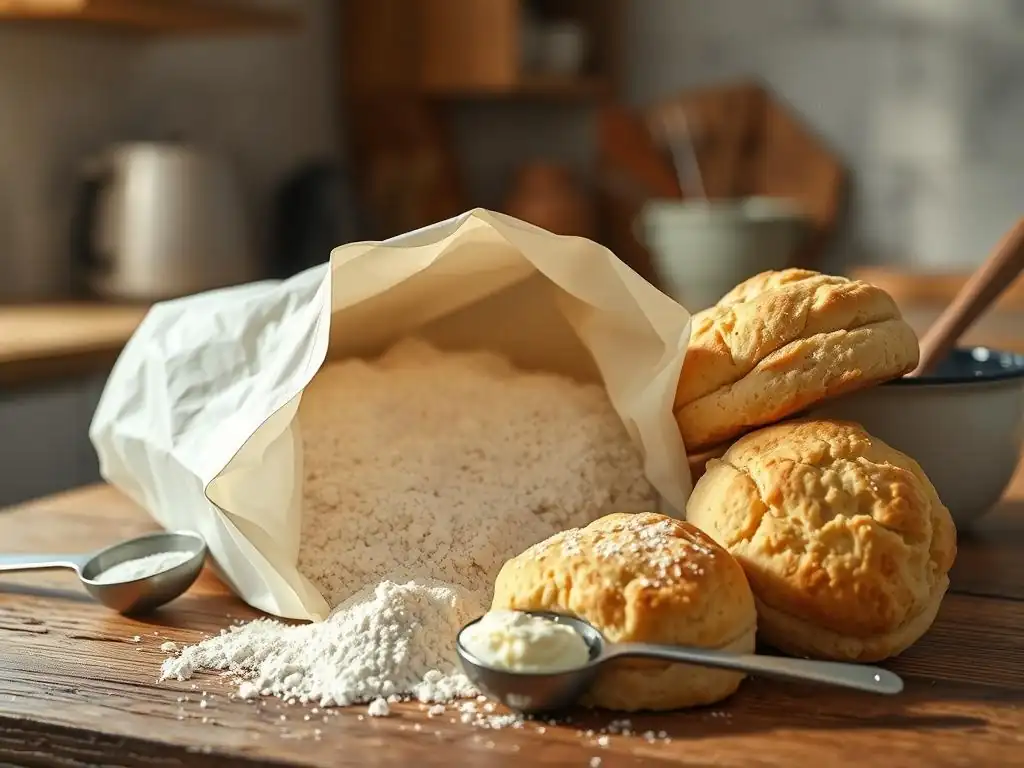
Self-rising flour is essentially all-purpose flour that has leavening agents (baking powder) and salt already mixed in. It typically contains about 1 ½ teaspoons of baking powder and ¼ teaspoon of salt per cup of flour. This pre-mixed composition makes it convenient for quick recipes like biscuits, scones, pancakes, and some cakes, eliminating the need to measure these ingredients separately.
While convenient, self-rising flour offers less control over the leavening process. The potency of baking powder can diminish over time, so checking the expiration date is important. It's also crucial not to add extra baking powder or salt to recipes specifically calling for self-rising flour, as this can lead to an unpleasant metallic taste or excessive rising followed by collapse. It's best used in recipes specifically developed for it.
Whole Wheat Flour: Adding Nutrients and Texture
Whole wheat flour is made by grinding the entire wheat kernel, including the bran, germ, and endosperm. This inclusion of all parts of the grain results in a higher nutritional profile compared to refined white flours, offering more fiber, vitamins, and minerals. It also has a distinct nutty flavor and a coarser texture. Whole wheat flour typically has a protein content similar to or slightly higher than all-purpose flour, often ranging from 11% to 14%.
However, the presence of bran and germ interferes with gluten development, making doughs made with 100% whole wheat flour denser and heavier. For this reason, whole wheat flour is often combined with all-purpose or bread flour in recipes to achieve a lighter texture while still benefiting from the added nutrients and flavor. It's excellent for hearty breads, muffins, and cookies where a denser texture and rustic flavor are desired.
Alternative Flours: Exploring Gluten-Free Baking Options
For those with gluten sensitivities, celiac disease, or simply looking to experiment with different flavors and textures, the world of alternative flours offers exciting possibilities. These flours are derived from sources other than wheat and behave quite differently in baking due to the absence of gluten. Understanding their unique properties is key to successful gluten-free baking.
Almond Flour: Nutty and Grain-Free
Almond flour is made from finely ground blanched almonds (almonds with the skins removed). It's a popular gluten-free option with a slightly sweet, nutty flavor and a relatively high fat content. Almond flour lacks gluten entirely, meaning it won't provide the elasticity and structure that wheat flour does. Recipes using almond flour often rely on eggs or other binders to hold them together.
Due to its fat content, baked goods made with almond flour tend to be moist and tender, but they won't rise as much as those made with wheat flour. It's excellent for cookies, muffins, cakes, and crusts where a dense, moist, and slightly crumbly texture is desired. It's important to distinguish almond flour from almond meal, which is coarser and includes the almond skins.
Coconut Flour: High Fiber and Unique Flavor
Coconut flour is made from dried, defatted coconut meat that has been ground into a fine powder. It is extremely absorbent due to its high fiber content, often requiring significantly more liquid in recipes compared to other flours. Like almond flour, it is gluten-free and has a distinct coconut flavor that can complement or overpower other ingredients depending on the recipe.
Baking with coconut flour can be tricky due to its absorbency and lack of gluten. Recipes typically require a higher ratio of eggs to provide structure and moisture. Baked goods made with coconut flour tend to be dense and slightly crumbly. It's best used in recipes specifically formulated for it, such as certain muffins, quick breads, and bars, where its unique properties are taken into account.
Oat Flour: Naturally Sweet and Gluten-Free
Oat flour is made by grinding rolled oats into a fine powder. While oats are naturally gluten-free, cross-contamination during processing is common, so look for certified gluten-free oat flour if you have celiac disease. Oat flour has a slightly sweet flavor and imparts a moist, tender texture to baked goods. It contains some protein and soluble fiber (beta-glucan), which can help bind ingredients.
Oat flour can often be used to replace a portion of wheat flour in recipes (e.g., substituting 25-30% of the wheat flour in muffins or cookies) to add nutrition and a tender crumb. For 100% gluten-free baking, recipes need to be specifically designed for oat flour or use it in combination with other gluten-free flours and binders like xanthan gum to achieve desired structure and texture.
The Best Flour for Baking Recipes: A Detailed Breakdown
Determining the best flour for baking recipes isn't about finding a single winner, but rather matching the flour type to the specific requirements of the recipe you're tackling. The desired outcome – whether it's a chewy crust, a fluffy cake, or a tender cookie – dictates the ideal flour choice. Let's break down which flours excel in different baking categories.
Best Flour for Baking Bread: Achieving the Perfect Loaf
For most traditional yeasted breads, especially those requiring significant rise and a chewy texture, the best flour for baking recipes is typically bread flour. Its high protein content (12-14%) ensures strong gluten development, which is essential for trapping gas produced by yeast, leading to good oven spring and a satisfyingly chewy crumb. Think of rustic artisan loaves, chewy bagels, or classic sandwich bread – bread flour provides the necessary structure.
While all-purpose flour (10-12% protein) can be used for some simpler or less chewy bread recipes, it won't provide the same robust structure or chewiness as bread flour. For whole wheat breads, a blend of whole wheat flour (which adds flavor and nutrition but can inhibit gluten) and bread flour is often the best approach to balance texture, rise, and health benefits. Aiming for a protein content around 12-13% in your final blend is often a good target for a well-risen whole wheat loaf.
Best Flour for Baking Cakes: Creating Moist and Fluffy Delights
When the goal is a light, tender, and fluffy cake with a fine crumb, the best flour for baking recipes is cake flour. Its low protein content (7-9%) minimizes gluten development, preventing the cake from becoming tough. The fine texture and often bleached nature of cake flour also contribute to a softer, more delicate final product that absorbs moisture beautifully.
Using all-purpose flour (10-12% protein) instead of cake flour will result in a cake with slightly more structure and a less tender crumb. While perfectly acceptable for many home-style cakes, it won't achieve the same level of delicacy as a cake made with cake flour. For the absolute lightest and most tender cakes, like angel food or chiffon cakes, cake flour is indispensable.
The best flour for baking recipes for cookies can vary depending on the desired texture. For a classic chewy cookie, all-purpose flour is often the top choice. Its moderate protein content provides enough structure to prevent excessive spread while allowing for some chewiness. A typical chocolate chip cookie recipe relies on AP flour for that familiar balance of crisp edges and a soft, chewy center.
If you're aiming for a more tender or delicate cookie, like shortbread or sugar cookies meant for cutting, some bakers prefer a lower-protein flour like pastry flour (9-10%) or even a blend of all-purpose and cake flour. This reduces gluten development, resulting in a more tender, melt-in-your-mouth texture. For crisp cookies, factors like sugar and fat ratios play a larger role, but all-purpose flour remains a versatile base.
Best Flour for Baking Pastries: Mastering Flaky Crusts
For flaky pastries like pie crusts, tarts, biscuits, and scones, the best flour for baking recipes is often pastry flour. Its protein content (9-10%) strikes the ideal balance – low enough to limit toughening gluten development, but just high enough to provide a little structure. This allows the fat (like cold butter) to remain in distinct pieces, which melt and create steam, separating the layers during baking.
Using all-purpose flour (10-12% protein) is also common and works well for many pastry recipes, though it might result in a slightly less tender or flaky outcome compared to pastry flour. The key techniques for flaky pastries – using cold ingredients, minimal handling, and not overworking the dough – are crucial regardless of whether you use pastry or all-purpose flour, but pastry flour gives you a slight edge for maximum tenderness and flakiness.
Flour Selection Guide: Matching Flour to Your Baking Project
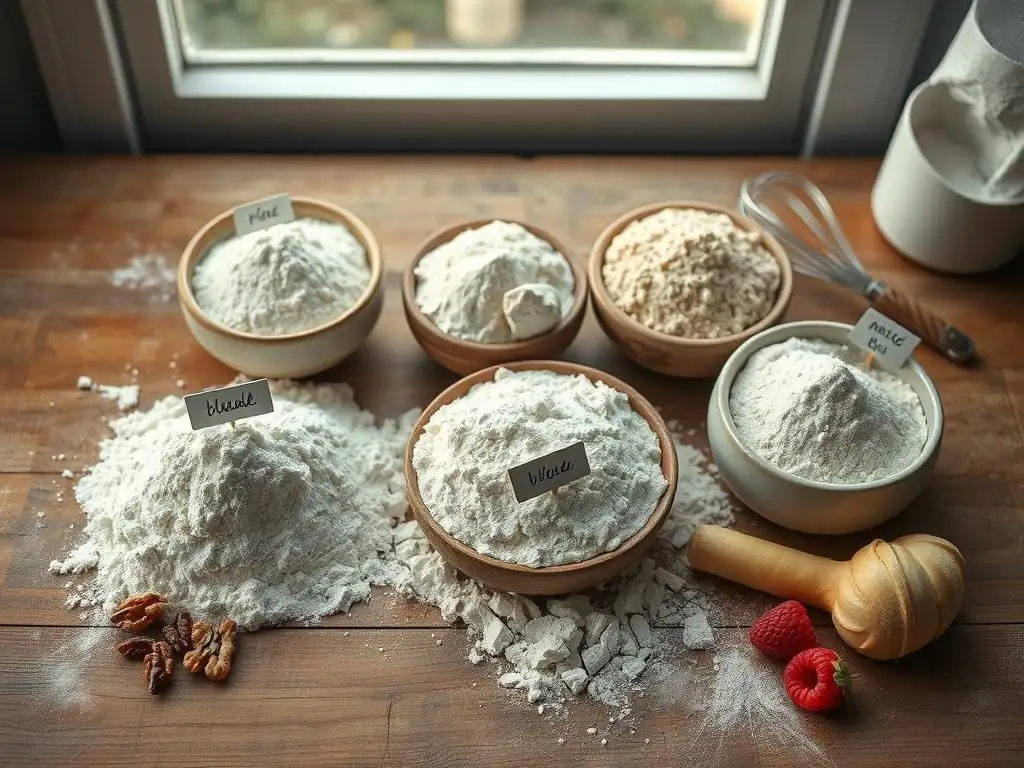
Choosing the right flour is like selecting the right tool for a job – using a screwdriver when you need a hammer won't yield the best results. Understanding the properties of different flours and how they interact with other ingredients is fundamental to successful baking. This guide will help you think critically about flour selection based on protein content, gluten strength, and the desired outcome.
Considering Protein Content in Baking Flour
The protein content of flour is the most significant factor determining its baking performance. Higher protein flours (like bread flour at 12-14%) develop stronger gluten networks, leading to chewier, more structured results, ideal for breads. Lower protein flours (like cake flour at 7-9%) develop weaker gluten, resulting in tender, delicate textures, perfect for cakes and pastries. All-purpose flour (10-12%) sits in the middle, offering versatility.
When looking for the best flour for baking recipes, consider the role the flour needs to play. Does it need to create a strong elastic dough that can rise and hold its shape (high protein)? Or does it need to contribute to a soft, tender crumb that melts in your mouth (low protein)? Checking the typical protein range for a flour type gives you a strong indication of its suitability for a specific baking task.
Understanding Gluten Strength in Different Flours
Gluten strength is directly related to protein content and the type of wheat used. Hard wheat varieties have proteins that form stronger, more elastic gluten when hydrated and manipulated. Soft wheat varieties have proteins that form weaker, less extensible gluten. Bread flour, made from hard wheat, has high gluten strength, allowing doughs to be kneaded vigorously and stretch without tearing. Cake flour, from soft wheat, has low gluten strength, meaning batters should be mixed minimally to avoid toughness.
Understanding gluten strength helps explain why certain flours are best for specific jobs. A strong gluten network is vital for trapping gases in yeasted bread, while a weak network is necessary to prevent toughness in delicate cakes and pastries. Controlling gluten development through mixing techniques (kneading vs. gentle folding) and fat inclusion is also crucial, but it starts with the inherent gluten potential of the flour itself.
How to Substitute Flours in Baking Recipes: A Practical Guide
Substituting flours can be tricky, as different types absorb liquid differently and have varying protein levels. While a 1:1 substitution might work in very simple recipes (like substituting AP for pastry flour in biscuits with minor changes), it's generally not recommended for recipes where the flour type is critical, such as yeasted breads or delicate cakes.
- Substituting AP for Cake Flour: For every cup of AP flour, remove 2 tablespoons and replace with 2 tablespoons of cornstarch. Sift together several times. This approximates the lower protein and starch characteristics of cake flour, though results may still differ slightly from using true cake flour.
- Substituting AP for Bread Flour: In some quick recipes, you might get away with it, but for serious bread baking, AP won't provide the same chewiness or structure. You can try adding 1-2 teaspoons of vital wheat gluten per cup of AP flour to boost protein, but it's not a perfect substitute for bread flour's inherent qualities.
- Substituting Whole Wheat for White Flour: Start by substituting only a portion (e.g., 25-50%) of the white flour with whole wheat flour in recipes like muffins or cookies. This adds flavor and nutrition without drastically altering texture. For bread, a blend is often necessary. Whole wheat flour also absorbs more liquid, so you may need to slightly increase the liquid in the recipe.
- Substituting Gluten-Free Flours: This is the most complex substitution. Gluten-free flours cannot typically be substituted 1:1 for wheat flour. They require specific blends and often binders like xanthan gum or psyllium husk to mimic the structure provided by gluten. It's best to follow recipes specifically designed for gluten-free baking or using the specific alternative flour (like almond or coconut flour).
Storing Flour Properly: Maintaining Freshness and Quality
Even the best flour for baking recipes won't perform well if it's not stored correctly. Flour is susceptible to moisture, pests, and oxidation, which can lead to staleness, off-flavors, and even spoilage. Proper storage ensures your flour remains fresh, potent, and ready to produce delicious baked goods every time.
Best Practices for Flour Storage
The ideal storage conditions for flour are cool, dry, and dark. Air-tight containers are essential to protect the flour from moisture, odors, and pantry pests. Transferring flour from its paper bag into a rigid, air-tight container made of plastic, glass, or metal is the first step. Store the container in a cool pantry, cupboard, or even the refrigerator or freezer, especially if you live in a warm or humid climate or buy flour in bulk.
- Pantry Storage: Store in an air-tight container in a cool, dark pantry. Shelf life for white flours is typically 6-12 months, while whole wheat and alternative flours (due to their higher fat content) are shorter, around 3-6 months.
- Refrigerator Storage: Storing flour in the fridge extends its shelf life significantly, especially for whole grain or alternative flours. Ensure the container is truly air-tight to prevent moisture absorption and picking up odors from other foods.
- Freezer Storage: For long-term storage, the freezer is best. Flour can last for a year or more in the freezer. Again, use an air-tight container. Bring the flour back to room temperature before measuring for recipes, as cold flour can affect dough/batter temperature and yeast activity.
Signs of Spoiled Flour: What to Watch Out For
Even with proper storage, flour doesn't last forever. Recognizing the signs of spoiled flour is important to avoid ruining your baking projects. The most common signs include changes in smell, color, and the presence of pests.
- Odor: Fresh flour has a neutral, slightly sweet smell. Spoiled flour may smell musty, sour, or rancid, especially whole grain flours due to the oxidation of fats in the germ. If it smells 'off', it's best to discard it.
- Color: White flour should be consistently white or creamy. Whole wheat flour has a uniform tan or brown color. Any discoloration, green or gray spots, or clumping that doesn't dissipate easily could indicate mold or spoilage.
- Pests: Check for small insects like pantry moths or weevils, or their larvae and webbing. If you find pests, the flour is compromised and should be discarded. Thoroughly clean the storage area to prevent infestation of other pantry items.
- Taste: While you shouldn't taste flour directly to check for spoilage, baked goods made with stale or rancid flour will have an unpleasant, bitter, or 'off' taste. If a trusted recipe suddenly tastes bad, check your flour.
Flour plays such a central role in baking that it's often implicated when things go wrong. Understanding how flour behaves and interacts with other ingredients can help you diagnose and fix common issues, ensuring your quest for the best flour for baking recipes leads to success, not frustration.
A dense cake can be incredibly disappointing. Often, this issue is related to gluten development. Using flour with too high a protein content (like bread flour instead of cake or all-purpose), overmixing the batter, or not using enough leavening can all contribute to a tough, dense texture. Overmixing develops gluten unnecessarily in cake batters, which should have minimal gluten structure.
To avoid dense cakes:
- Ensure you are using the correct flour type specified in the recipe, ideally cake flour for the tenderest results.
- Mix the batter only until the ingredients are just combined. Stop as soon as you no longer see streaks of dry flour. Gentle folding is often preferred after wet and dry ingredients are mostly incorporated.
- Verify your leavening agents (baking powder/soda) are fresh. While not directly a flour issue, insufficient leavening won't lift the batter properly, contributing to density, especially when combined with moderate gluten development.
Tough Bread: Understanding Gluten Overdevelopment
While gluten development is desired in bread making, overdeveloping it can lead to tough, rubbery bread. This usually happens from excessive kneading or using flour with very high protein content in a recipe that doesn't require it (though this is less common than over-kneading). Different flours have different kneading requirements; a dough made with high-protein bread flour can handle more kneading than one made with lower-protein all-purpose flour.
To avoid tough bread:
- Follow the kneading time recommended in the recipe. Dough is properly kneaded when it is smooth, elastic, and passes the "windowpane test" (a small piece can be stretched thinly without tearing). Over-kneading beyond this point can break down the gluten structure.
- Use the appropriate flour type – bread flour for chewy loaves, but be mindful that different brands or types might require slight adjustments to hydration or kneading time.
- Ensure proper hydration. Too little water can make dough difficult to knead and prone to becoming tough.
Dry, crumbly cookies can result from various factors, but an imbalance related to flour is a common culprit. Using too much flour, incorrectly measuring flour (scooping directly from the bag can pack it down, adding too much), or using a flour type that's too absorbent without adjusting liquid can lead to a dry dough and consequently, dry cookies.
To avoid dry cookies:
- Measure flour accurately. The most reliable method is using a kitchen scale. If using volume measurements, gently spoon flour into the measuring cup and level it off with a straight edge – do not scoop directly with the cup.
- Ensure you're using the flour type recommended by the recipe creator. While AP flour is common for cookies, substituting a more absorbent flour without adjusting liquid or fat ratios will likely result in dryness.
- Don't overmix the cookie dough after adding the flour. Mixing develops gluten; while some structure is needed, too much can make cookies tough and dry. Mix only until the dry ingredients are just incorporated.
Mastering Flour Blends for Baking: Creating Custom Combinations
Sometimes, the best flour for baking recipes isn't a single type, but a thoughtful blend. Combining different flours allows you to customize the protein content, flavor, and texture to achieve a specific result that might not be possible with one flour alone. Blending is particularly useful when aiming for a balance between different characteristics, like nutrition and texture, or tenderness and structure.
Blending All-Purpose and Cake Flour for a Delicate Texture
A common and effective flour blend is combining all-purpose flour with cake flour. This blend can be used in recipes for cakes, cupcakes, or muffins where you want a texture that's more tender than using 100% all-purpose flour, but perhaps not as delicate as 100% cake flour. It's also a way to approximate a lower-protein pastry flour if you don't have it on hand.
For example, a 50/50 blend of AP and cake flour results in a protein content roughly around 9-10%, similar to pastry flour. A blend with a higher ratio of cake flour (e.g., 2 parts cake to 1 part AP) will yield an even more tender result, approaching that of pure cake flour. This technique allows you to fine-tune the texture of your baked goods, giving you greater control over the final outcome.
Combining Whole Wheat and All-Purpose Flour for Added Nutrition
Blending whole wheat flour with all-purpose or bread flour is a popular way to incorporate the nutritional benefits and flavor of whole grains into baked goods without sacrificing too much texture or rise. As mentioned earlier, whole wheat flour's bran and germ can interfere with gluten development and make baked goods dense if used alone in large quantities.
A common starting point for adding whole wheat is substituting 25-50% of the white flour with whole wheat flour in recipes like bread, muffins, or cookies. This adds fiber, vitamins, minerals, and a pleasant nutty flavor while still allowing the white flour to provide sufficient gluten structure for a good texture. For a hearty loaf of bread, a 50/50 or even 75% whole wheat to 25% bread flour blend can produce a delicious, well-risen loaf. Remember that whole wheat absorbs more liquid, so slight adjustments to hydration might be needed.
Conclusion: Choosing the Best Flour for Baking Success with BakeWithEase
Navigating the world of flour is a fundamental step in becoming a confident baker. Understanding the different types, their protein content, and how they influence gluten development empowers you to select the best flour for baking recipes, whether you're aiming for a crusty loaf, a cloud-like cake, or a perfectly chewy cookie.
From the versatile all-purpose flour to specialized types like bread and cake flour, each has its unique strengths. Exploring alternative flours opens up new possibilities for flavor and dietary needs. By paying attention to storage and learning to troubleshoot common issues, you ensure that the foundation of your baked goods is always of the highest quality. At BakeWithEase, we encourage you to experiment, learn, and discover how choosing the right flour can transform your baking from good to truly great. Happy baking!
Frequently Asked Questions
What is the best type of flour to use for most baking recipes?
While there's no single "best," all-purpose flour is a versatile choice. It's a blend of hard and soft wheat flours, making it suitable for a wide range of baked goods. However, specific recipes may benefit from other flours!
How does cake flour differ from all-purpose flour, and when should I use it?
Cake flour has a lower protein content than all-purpose flour. This results in a more tender and delicate crumb in cakes, pastries, and other fine-textured baked goods.
Can I substitute different types of flour in a recipe?
Yes, but with caution! Substitutions can affect the texture and flavor. Research the protein content and gluten development of each flour before substituting, and you might need to adjust the liquid content.
What is the role of gluten in baking flour?
Gluten is a protein that develops when flour is mixed with liquid. It provides structure and elasticity to doughs and batters. The amount of gluten developed affects the chewiness and texture of the final product.
Where can I find more information on specific flour types and their uses?
BakeWithEase.com offers detailed guides, including recipes, on various flour types. Explore our website for step-by-step instructions and baking tips to enhance your baking skills.
Final Reflection: Embracing the Art of Baking with the Right Flour
In a world where culinary creativity flourishes, the choice of flour can make or break your baking experience. As we explore the nuances of different flours, it becomes clear that understanding their unique properties is essential for achieving the perfect bake. Today, as home bakers and professional chefs alike seek to elevate their creations, the significance of selecting the best flour for baking recipes resonates more than ever. The right flour not only enhances flavor and texture but also empowers bakers to express their artistry in the kitchen.
The impact of flour selection extends beyond mere baking; it shapes our cultural and social experiences around food. As we gather around the table, sharing homemade treats, we create memories that bind us together. The choice of flour can reflect our values, dietary needs, and even our heritage. As culinary expert Julia Child once said, No one is born a great cook, one learns by doing.
This sentiment underscores the importance of experimentation and learning in the kitchen, encouraging us to embrace the journey of baking with the right flour as our foundation.
As you reflect on your own baking adventures, I invite you to consider how the knowledge gained from this guide can transform your culinary creations. Take a moment to explore the diverse world of flours and experiment with new recipes that challenge your skills and ignite your passion for baking.
Whether you’re a novice or a seasoned baker, remember that each loaf, cake, or pastry is an opportunity to connect with others and share the joy of homemade goodness. Let the right flour be your ally in this delicious journey, inspiring you to create, share, and savor the moments that matter most.
Unlock Your Baking Potential: Flour Power Unleashed!
Thanks for diving into the world of baking flours with us! We hope you now feel more confident navigating the different types and their unique properties. Ready to put your newfound knowledge to the test?
- Bake your dream recipe: Choose a recipe you've always wanted to try and experiment with the flour type we discussed that best suits it. Let us know how it turns out!
- Share your flour findings: Tell your fellow baking enthusiasts about your favorite flour discoveries – what worked best, and what you learned. Let's build a community of flour experts!
- Try a new flour: Step outside your comfort zone and try baking with a type of flour you've never used before. Document your experience!
So, what new baking adventure will you embark on with your newfound flour knowledge?