
The Mark of Quality: What Makes Vanilla Truly Gourmet?

Welcome to BakeWithEase, where the joy of baking meets accessible expertise. Ever wondered what truly elevates a vanilla bean from ordinary to gourmet? Prepare to unlock the secrets behind the mark of quality in our latest article, diving deep into the world of gourmet vanilla bean recipes. Discover how to identify, source, and utilize this exceptional ingredient to transform your baking into a truly unforgettable experience. Are you ready to elevate your desserts?
- Understanding Gourmet Vanilla: A Baker's Guide
- Key Characteristics of High-Quality Vanilla: A Deep Dive
- Gourmet Vanilla Bean Recipes: Elevating Your Baking
- Choosing the Right Gourmet Vanilla for Your Needs: A Buying Guide
- Storing Gourmet Vanilla to Preserve Its Flavor
- Where to Buy Gourmet Vanilla Beans and Extracts: Online and In-Store Options
- Beyond the Bean: Exploring Vanilla Powder and Vanilla Paste
- The Cost of Gourmet Vanilla: Is It Worth the Investment?
-
Frequently Asked Questions
- How does "gourmet" vanilla bean differ from regular vanilla extract?
- What are the key indicators of a high-quality, gourmet vanilla bean?
- How can I best incorporate gourmet vanilla bean into my baking recipes from BakeWithEase?
- Are there specific "Gourmet vanilla bean recipes" that BakeWithEase.com recommends for beginners?
- How should I store gourmet vanilla beans to maintain their quality and flavor?
- Final Reflection: The Enduring Allure of Gourmet Vanilla
- Unleash Your Inner Pastry Chef: Elevate Your Baking!
Understanding Gourmet Vanilla: A Baker's Guide
What Defines "Gourmet" Vanilla? Beyond the Label
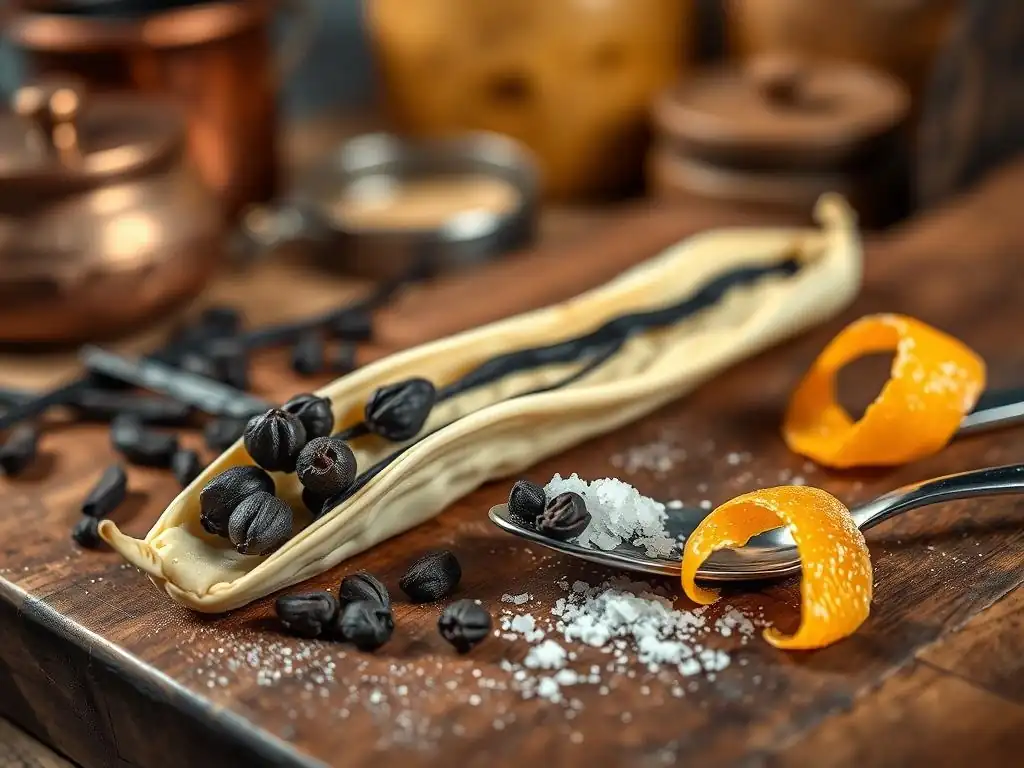
The term "gourmet" when applied to vanilla signifies much more than just a fancy label; it points to a superior quality bean, typically Grade A, that meets specific criteria for moisture content, appearance, and aroma. These beans are harvested at peak ripeness and undergo a meticulous curing process, often taking several months, which is crucial for developing the complex spectrum of over 250 aromatic compounds that give vanilla its distinctive flavor. Unlike lower-grade beans used primarily for extraction, gourmet beans are supple, oily, and packed with vanillin crystals, often visible as tiny, glistening specks known as "vanilla frost."
A key differentiator for gourmet vanilla is its moisture level, which is usually between 25% and 35%. This higher moisture makes the beans pliable and easy to split, allowing bakers to effortlessly scrape out the precious seeds (often called "vanilla caviar") for use in recipes.
Lower quality beans, like Grade B "extract grade" vanilla, have a moisture content below 25%, making them drier and less suitable for direct use in gourmet vanilla bean recipes where the visual presence and immediate flavor release of the seeds are desired. The careful curing process also ensures optimal enzyme activity, converting glucovanillin into vanillin, the primary flavor compound, resulting in a richer, more nuanced taste profile compared to quickly processed or artificially flavored alternatives.
Exploring Vanilla Varieties: Madagascar, Tahitian, Mexican, and More
The world of gourmet vanilla is rich with diversity, primarily defined by its origin. Each region boasts beans with unique flavor characteristics influenced by climate, soil, and curing methods. Madagascar Bourbon vanilla (Vanilla planifolia) is perhaps the most well-known, celebrated for its classic, creamy, sweet, and slightly floral notes. Grown on the islands off the southeast coast of Africa, particularly Madagascar, Réunion (formerly Île Bourbon), and Comoros, these beans are the benchmark for many gourmet vanilla bean recipes, offering a balanced and universally appealing profile.
Tahitian vanilla (Vanilla tahitensis) offers a distinctly different experience. Cultivated primarily in French Polynesia, Papua New Guinea, and Indonesia, these beans are plumper and moister than their Madagascar counterparts. Their aroma is often described as fruity and floral, with hints of cherry, licorice, and anise. Tahitian vanilla adds an exotic, perfumed complexity to dishes, making it a favorite for delicate pastries, fruit-based desserts, and custards where its unique bouquet can truly shine.
Mexican vanilla (Vanilla planifolia), the species' birthplace, provides a bolder flavor profile with smoky, spicy, and sometimes woody undertones, often with a hint of clove or nutmeg. Historically significant, authentic Mexican vanilla beans offer a robust warmth that complements chocolate and spice-driven gourmet vanilla bean recipes beautifully. Other notable origins include Uganda (earthy, chocolatey), India (classic, sweet), and Indonesia (smoky, sometimes phenolic if not cured properly).
Gourmet Vanilla Beans vs. Vanilla Extract: Which is Right for Your Recipe?
Choosing between gourmet vanilla beans and gourmet vanilla extract depends largely on the desired intensity of flavor, texture, visual appeal, and, of course, cost. Gourmet vanilla beans offer the purest, most complex vanilla flavor directly from the source. The seeds, or "caviar," not only provide intense flavor but also add characteristic dark speckles that visually signify high-quality vanilla, particularly prized in dishes like crème brûlée or ice cream. Using a whole or half bean scraped into a recipe imparts a depth and nuance that is hard to replicate.
Gourmet vanilla extract, on the other hand, provides convenience and consistent flavor distribution throughout a batter or liquid. Made by macerating vanilla beans in alcohol and water, high-quality extracts capture many of the bean's flavor compounds. While they lack the visual impact of the seeds, they are ideal for recipes where incorporating seeds is difficult (like thin batters) or where the pure flavor infusion is the primary goal without altering texture.
For many gourmet vanilla bean recipes, using both a scraped bean and a touch of extract can layer the flavors, offering both the visual appeal and a deeper, more rounded vanilla note. Ultimately, the "right" choice is subjective and depends on the specific demands of your baking project and personal preference for flavor intensity and presentation.
Key Characteristics of High-Quality Vanilla: A Deep Dive
Aroma: The First Sign of Gourmet Vanilla (and How to Detect It)
The aroma of a vanilla bean is arguably the most immediate indicator of its quality and origin. A premium gourmet vanilla bean should possess a rich, complex, and captivating fragrance that is both sweet and nuanced, free from medicinal, smoky, or overly alcoholic smells.
For example, a high-quality Madagascar bean should smell predominantly sweet and creamy with subtle floral undertones, while a Tahitian bean will present a more exotic, fruity, and distinctly floral perfume, perhaps reminiscent of cherries or tropical blossoms. A faint or weak aroma suggests a bean that was either harvested too early, improperly cured, or has lost its volatile compounds due to poor storage or age.
To properly assess the aroma, gently squeeze a bean between your fingers to release some of its fragrant oils. Bring it close to your nose and inhale deeply. You should perceive layers of scent, not just a flat sweetness.
A truly gourmet vanilla bean will have an intense and lasting fragrance that hints at the depth of flavor it will impart to your gourmet vanilla bean recipes. If you detect off-notes or a lack of vibrancy, it's likely not a top-tier bean. This initial olfactory test is a crucial step before committing to using the bean, as the aroma is a direct reflection of the bean's vanillin content and the success of its curing process.
Visual inspection is another critical step in identifying gourmet vanilla. For vanilla beans, look for a bean that is dark brown to black in color, supple, and slightly oily or waxy to the touch. It should be pliable enough to bend without breaking, indicating adequate moisture content (typically 25-35% for Grade A).
The surface should be smooth and lustrous, with occasional visible vanillin crystals (frost) being a positive sign of high quality, though not all gourmet beans exhibit frost. Avoid beans that are dry, brittle, split excessively along their length, or have red spots or mold, which indicate poor quality or improper handling. A typical gourmet bean is often 6 inches (approximately 15 cm) or longer.
When assessing gourmet vanilla extract, clarity and color are good initial indicators, though not definitive proof of quality alone. High-quality pure vanilla extract should have a clear, amber to dark brown hue, free from cloudiness or sediment (unless it's a whole bean extract). The intensity of the color doesn't necessarily correlate directly with strength, as it's influenced by the type of bean and extraction process.
The real visual test for extract quality comes from its viscosity and how it coats the inside of the bottle slightly. Ultimately, while appearance gives clues, the aroma and taste are the definitive tests for both beans and extracts used in gourmet vanilla bean recipes.
Moisture Content: Why It Matters for Flavor and Shelf Life
The moisture content of a vanilla bean is a critical factor determining its grade, pliability, and flavor potential. Gourmet Grade A vanilla beans are defined, in part, by their high moisture content, typically ranging from 25% to 35%. This level of moisture keeps the beans supple and easy to work with, allowing bakers to effortlessly split them open and scrape out the fragrant, oily seeds.
More importantly, adequate moisture is essential for the enzymatic processes that occur during curing, which develop the complex array of flavor compounds beyond just vanillin. A bean that is too dry (below 20-25%, typically Grade B) will be brittle, harder to use, and may not have fully developed its flavor profile.
However, too much moisture can also be detrimental, leading to mold growth or a less concentrated flavor. The ideal moisture range for gourmet vanilla strikes a balance, ensuring maximum flavor development and ease of use while promoting a reasonable shelf life when stored correctly. Beans within the 25-35% range retain their aromatic oils and vanillin content effectively, ready to infuse your gourmet vanilla bean recipes with intense flavor. Understanding the importance of moisture helps bakers select the best beans and also appreciate why proper storage in airtight conditions is necessary to maintain this crucial characteristic.
Vanilla Bean Size and Plumpness: An Indicator of Quality
While not the sole determinant, the size and plumpness of a vanilla bean are often good indicators of its quality and maturity at harvest. Gourmet Grade A vanilla beans are typically long and full, often measuring 6 inches (approximately 15 cm) or more in length. These longer, plumper beans generally come from vines where the pods were allowed to mature fully on the plant before harvesting. This longer maturation period allows the bean to accumulate more vanillin and other flavor precursors.
A plump bean also suggests a higher moisture content and a greater yield of the precious vanilla "caviar" inside. When you split a plump bean, you should find it packed with tiny, black, oily seeds. Thin, short, or shriveled beans often indicate premature harvesting, improper curing, or drying out due to age or poor storage. While some varieties like Tahitian are naturally plumper than others, within a given variety, a longer, plumper bean is usually a sign of a higher-quality product, promising richer flavor for your gourmet vanilla bean recipes.
Gourmet Vanilla Bean Recipes: Elevating Your Baking
Vanilla Bean Infused Crème brûlée: A Rich and Creamy Delight
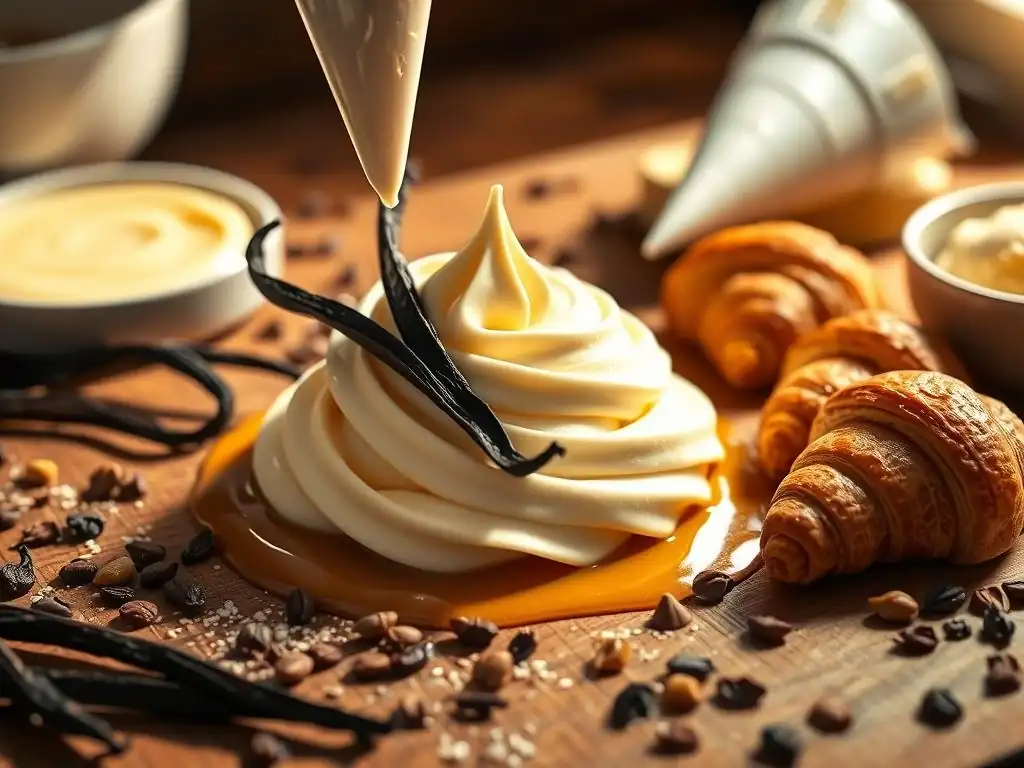
Crème brûlée is a classic dessert where the subtle, creamy base provides the perfect canvas for high-quality vanilla to shine. Infusing the custard base with a gourmet vanilla bean is transformative. Typically, a recipe for four to six servings might call for one whole vanilla bean. The bean is split lengthwise, and both the scraped seeds and the pod are steeped in the warm cream mixture. As the cream heats, it extracts the complex flavors from the bean.
The real magic happens as the custard sets and is then caramelized. The visible speckles of vanilla bean seeds distributed throughout the smooth, rich custard are the hallmark of a truly gourmet crème brûlée. The intense, creamy, and slightly floral notes from a Madagascar bean, or the fruity, exotic hints from a Tahitian bean, permeate every spoonful, creating a depth of flavor far superior to that achievable with extract alone. These gourmet vanilla bean recipes highlight both the taste and visual appeal that only using the bean can provide.
Sugar cookies might seem simple, but their minimal ingredients mean that the quality of each component is paramount, especially the vanilla. Using gourmet vanilla bean seeds in a classic sugar cookie recipe elevates it from ordinary to extraordinary. A typical batch yielding two to three dozen cookies might use the seeds from half to one whole gourmet vanilla bean, in addition to or instead of extract. The seeds are usually creamed in with the butter and sugar, allowing their flavor to infuse the dough completely.
As the cookies bake, the heat releases the volatile compounds from the vanilla seeds, filling your kitchen with an incredible aroma. The resulting cookies have a pure, clean vanilla flavor with tiny, delightful speckles throughout. Unlike extract, which can sometimes bake out slightly, the flavor from the seeds seems to meld more deeply with the dough. These gourmet vanilla bean recipes demonstrate how a simple ingredient swap can dramatically improve a humble classic, making each bite a testament to the power of quality vanilla.
Vanilla Bean Ice Cream: A Decadent Dessert Worth the Effort
Homemade vanilla bean ice cream is the epitome of simple decadence, and it's one of the best ways to experience the full glory of gourmet vanilla. A standard recipe for about a quart of ice cream typically calls for one or two whole gourmet vanilla beans. The process usually involves steeping the split beans and their seeds in the milk and cream base, often heating it gently to help extract maximum flavor. The base is then chilled thoroughly before churning.
As the ice cream freezes, the intense, creamy flavor of the vanilla develops, and the distinctive black speckles from the seeds are suspended throughout the rich, frozen custard. Unlike ice cream made with extract, which can sometimes taste predominantly of alcohol or be less complex, ice cream made with gourmet vanilla beans has a smoother, more rounded, and lasting flavor profile. It's a labor of love, but the resulting creamy texture and intense, pure vanilla taste make these gourmet vanilla bean recipes incredibly rewarding.
Vanilla Bean Panna Cotta: A Silky Smooth Italian Dessert
Panna Cotta, meaning "cooked cream" in Italian, is a delicate dessert whose mild, creamy base is the perfect vehicle for showcasing the nuanced flavor of gourmet vanilla. Similar to crème brûlée, the subtlety of panna cotta allows the specific profile of the vanilla bean used to truly stand out. A recipe for four to six servings might utilize one whole gourmet vanilla bean. The bean is split, and the seeds and pod are steeped in the warm cream and sugar mixture before adding gelatin and chilling until set.
The result is a wobbly, silky-smooth dessert studded with the beautiful black vanilla bean speckles. The pure, slightly sweet cream base doesn't compete with the vanilla but rather highlights its complexity. Whether you use a classic Madagascar bean for its sweet creaminess or a unique Tahitian bean for its floral and fruity notes, the gourmet vanilla becomes the star. These gourmet vanilla bean recipes emphasize how using high-quality ingredients in simple preparations can yield truly exquisite results.
Choosing the Right Gourmet Vanilla for Your Needs: A Buying Guide
Factors to Consider Before You Buy: Origin, Grade, and Price
Selecting the right gourmet vanilla requires considering a few key factors. First, the origin of the bean significantly impacts its flavor profile. As discussed, Madagascar offers classic sweetness, Tahitian brings floral and fruity notes, and Mexican provides smoky depth. Consider the type of recipe you're making; a delicate custard might benefit from Tahitian, while a robust chocolate cake could pair well with Mexican or Ugandan.
Second, pay close attention to the grade. For gourmet vanilla bean recipes where you want to scrape and use the seeds, look for Grade A (often labeled "Gourmet" or "Prime"). These beans are typically 6 inches or longer, supple, dark, and have a moisture content around 25-35%. Grade B ("Extract" grade) beans are drier (under 25% moisture) and less pliable, making them better suited for infusing liquids or making extract, not for scraping seeds into a finished dish.
Finally, consider the price. Gourmet vanilla is the second most expensive spice globally, and prices fluctuate based on supply and demand. While it's an investment, remember that the intense flavor means you often need less to achieve a noticeable impact compared to lower-quality alternatives. Compare prices per bean or per ounce to get the best value for your gourmet vanilla bean recipes.
Top Gourmet Vanilla Bean Brands: Our Recommendations
When seeking out high-quality gourmet vanilla beans, several brands consistently earn praise from bakers for their reliability and flavor. These companies often source beans directly from growers and oversee careful curing processes.
Nielsen-Massey Vanilla Beans: A Classic Choice for Bakers
Nielsen-Massey is a long-standing, respected name in the vanilla world. They offer a range of vanilla products, including gourmet vanilla beans from various origins like Madagascar, Tahitian, and Mexican. Their beans are known for consistent quality, reliable moisture content, and true-to-type flavor profiles, making them a go-to choice for many professional and home bakers creating gourmet vanilla bean recipes.
Heilala Vanilla Beans: Sustainably Sourced and Exceptionally Flavorful
Heilala Vanilla stands out for its focus on ethical and sustainable sourcing, particularly from Tonga. Their Tongan vanilla beans, a type of Vanilla planifolia, are celebrated for their rich, intense, and often slightly cherry-like flavor profile. Choosing brands like Heilala supports fair practices for vanilla farmers while providing bakers with exceptionally flavorful gourmet vanilla beans.
Singing Dog Vanilla Beans: Ethically Sourced and Organically Grown
Singing Dog Vanilla is another brand committed to ethical sourcing, operating on a "partnering with farmers" model that ensures fair wages. They offer organic gourmet vanilla beans, often from Papua New Guinea or other origins, known for their sweet, classic vanilla flavor. Their focus on organic and ethically sourced beans appeals to bakers looking for both quality and responsible production methods for their gourmet vanilla bean recipes.
Best Gourmet Vanilla Extracts: Quality and Convenience Combined
While beans offer unparalleled complexity, high-quality gourmet vanilla extract is indispensable for convenience and consistent flavor in many baking applications. Pure vanilla extract should contain only vanilla bean extractives, alcohol, and water, meeting the FDA standard of 13.35 ounces of vanilla beans per gallon of alcohol (single fold).
Nielsen-Massey Madagascar Bourbon Vanilla Extract: The Gold Standard
Nielsen-Massey's Madagascar Bourbon Vanilla Extract is widely regarded as a benchmark for quality. Made from select Madagascar Bourbon beans, it offers a classic, rich, creamy, and sweet vanilla flavor that performs beautifully across a vast range of gourmet vanilla bean recipes and other baked goods. Its consistent quality makes it a reliable choice for bakers who demand excellence.
Rodelle Vanilla Extract: A Budget-Friendly Gourmet Option
Rodelle offers high-quality pure vanilla extracts that are often more accessible in price than some ultra-premium brands. Their extracts, particularly their Madagascar Bourbon, provide a strong, balanced vanilla flavor suitable for everyday baking and many gourmet applications. It's a great option for bakers seeking excellent quality without the highest price tag, proving that gourmet flavor can be attainable.
Amadeus Vanilla Extract: An Organic Vanilla Extract for the Health-Conscious Baker
For bakers prioritizing organic ingredients, Amadeus offers organic pure vanilla extract. Sourced from organically grown beans, this extract provides clean, pure vanilla flavor. While specific flavor profiles can vary by origin (which Amadeus offers), their commitment to organic certification provides an appealing option for those focused on ingredient sourcing for their gourmet vanilla bean recipes and other baked goods.
Storing Gourmet Vanilla to Preserve Its Flavor
Proper Storage for Vanilla Beans: Keeping Them Fresh and Fragrant
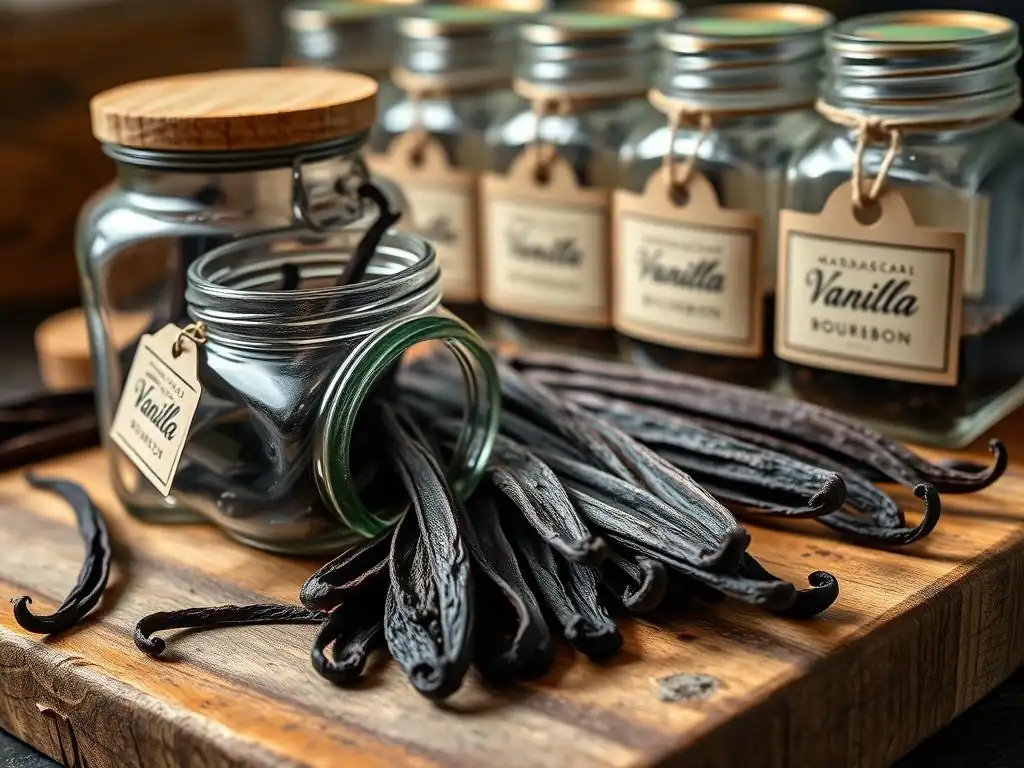
Proper storage is crucial to maintain the quality, moisture, and flavor of gourmet vanilla beans. The ideal environment is airtight, cool, and dark. Store beans in a glass tube or a sealed plastic bag, pressing out as much air as possible, or in a tightly sealed glass jar. Avoid refrigeration, as this can dry out the beans and potentially lead to mold due to condensation fluctuations.
A cool pantry or cupboard, away from direct sunlight and heat sources like ovens, is the best location. Stored correctly, gourmet vanilla beans can remain fresh and pliable for up to two years, though their aroma and flavor are often best within the first year. If beans seem a little dry, you can try briefly "reviving" them in a slightly humid environment (like placing them near a damp paper towel in a sealed container for a day), but prevention through proper storage is always best to preserve their potent flavor for your gourmet vanilla bean recipes.
Storing Vanilla Extract: Maximizing Shelf Life and Flavor Retention
Gourmet vanilla extract has a much longer shelf life than beans due to its alcohol content, which acts as a preservative. However, proper storage is still important to prevent flavor degradation. Like beans, extract should be stored in a cool, dark place away from heat and light. A pantry shelf is ideal.
Ensure the bottle is tightly capped after each use to prevent the alcohol from evaporating, which would concentrate the flavor but also potentially expose the extract to air that can degrade it over time. Stored correctly in its original dark glass bottle (which protects it from light), pure vanilla extract can last for several years, often improving slightly in complexity as it ages.
While it may not "go bad" in the sense of becoming unsafe, its flavor can become less vibrant over time if not stored properly, impacting the quality of your gourmet vanilla bean recipes and other baked goods.
Where to Buy Gourmet Vanilla Beans and Extracts: Online and In-Store Options
Finding high-quality gourmet vanilla is easier than ever, thanks to a variety of purchasing options.
Supporting Local Businesses: Finding Gourmet Vanilla in Your Area
Many specialty food stores, high-end grocery markets, and spice shops carry gourmet vanilla beans and extracts. Purchasing locally allows you to physically inspect the beans for pliability and aroma before buying. It also supports local businesses and provides an opportunity to ask questions about sourcing and quality directly from knowledgeable staff. Some farmers' markets might even feature vendors selling locally sourced or imported high-quality vanilla products.
Beyond the Bean: Exploring Vanilla Powder and Vanilla Paste
Gourmet Vanilla Powder: A Versatile Ingredient for Baking
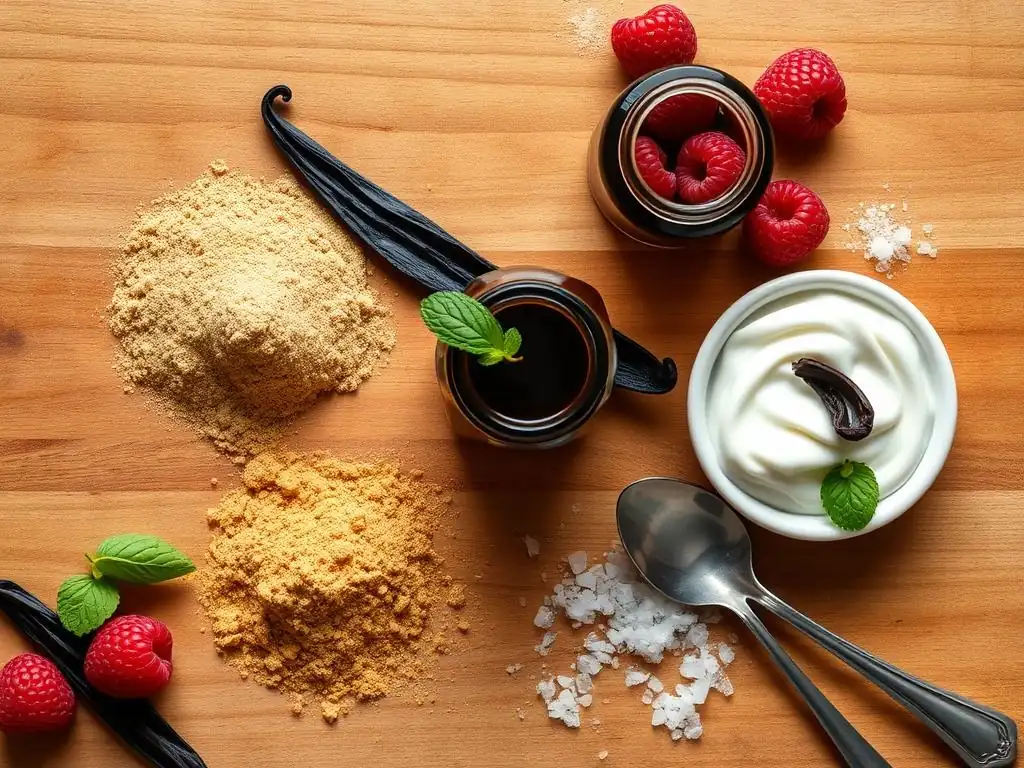
Gourmet vanilla powder is made from whole, dried vanilla beans that are finely ground. It's a versatile ingredient that offers pure vanilla flavor without adding any liquid. This makes it ideal for applications where moisture balance is critical, such as dry mixes for cakes or cookies, or for dusting onto finished baked goods, beverages, or even savory dishes.
Because it contains the entire bean, gourmet vanilla powder includes not only vanillin but also the myriad of other flavor compounds, offering a rich, complex profile. It's also more heat-stable than extract, meaning its flavor doesn't evaporate as readily during prolonged cooking or high-heat baking. While it doesn't provide the visual speckles as prominently as paste or scraped beans, it delivers potent, long-lasting vanilla flavor.
Gourmet Vanilla Paste: Convenient Flavor and Visual Appeal
Gourmet vanilla paste is a thick, syrupy mixture typically made from concentrated vanilla extract combined with vanilla bean seeds and a natural thickener like gum tragacanth. It offers the convenience of extract but with the added benefit of the visible vanilla bean speckles that bakers love. One teaspoon of paste is often considered equivalent to one whole vanilla bean in terms of flavor and visual effect.
Vanilla paste is incredibly easy to measure and incorporate into batters, custards, and sauces. It disperses the seeds evenly, ensuring both flavor and visual appeal throughout the dish. It's a fantastic compromise for gourmet vanilla bean recipes when you want the look and flavor of beans but prefer the ease of a liquid ingredient. Just be aware that the flavor can vary between brands depending on the extract concentration and the quality of beans used.
The Cost of Gourmet Vanilla: Is It Worth the Investment?
Understanding the Price Fluctuations of Vanilla
Vanilla is renowned as the second most expensive spice in the world, after saffron, and its price can fluctuate dramatically. These fluctuations are often due to factors like weather events (cyclones in Madagascar, for instance), political stability in growing regions, disease affecting the vanilla vines, and market speculation.
The labor-intensive nature of vanilla cultivation and curing – vanilla flowers must be hand-pollinated within a few hours of blooming, and the curing process takes months – also contributes to its high cost. A sudden increase in global demand or a poor harvest in a major producing region can send prices soaring, sometimes doubling or tripling in a single year.
For example, between 2015 and 2018, vanilla prices spiked dramatically due to cyclones and increased demand, reaching over $600 per kilogram for cured beans. While prices have somewhat moderated since then, they remain relatively high compared to historical averages. Understanding these market dynamics helps explain why gourmet vanilla beans and extracts carry a premium price tag and why their cost can vary significantly from year to year or even month to month.
Value vs. Price: Making an Informed Decision
While the sticker price of gourmet vanilla might seem high, it's important to consider the value it brings to your baking. High-quality gourmet vanilla beans or extract offer a much more intense, complex, and nuanced flavor than cheaper alternatives like artificial vanilla extract. This often means you can use a smaller quantity of gourmet vanilla to achieve a superior flavor impact in your gourmet vanilla bean recipes.
For instance, a little bit of a premium single-origin extract or the seeds from half a gourmet bean might provide more genuine vanilla flavor than a full tablespoon of a lower-quality extract. When you factor in the superior taste and aroma that elevate your baked goods, the cost per serving can become more justifiable, especially for special occasions or recipes where vanilla is the star. The satisfaction of achieving truly authentic vanilla flavor often outweighs the higher initial price.
When to Splurge on Gourmet Vanilla (and When to Opt for a Substitute)
Deciding when to invest in gourmet vanilla depends on the recipe and desired outcome. For recipes where vanilla is the primary flavor and not competing with strong ingredients – think custards, panna cotta, crème brûlée, simple cakes, shortbread, or vanilla ice cream – splurging on gourmet vanilla beans or a top-tier extract is absolutely worth it. These gourmet vanilla bean recipes allow the subtle complexities and pure flavor of high-quality vanilla to shine through.
However, for recipes with numerous strong flavors, heavy spices (like gingerbread), or large quantities of chocolate or fruit, the nuances of gourmet vanilla might get lost. In these cases, a good quality pure vanilla extract (perhaps not the absolute top-tier single-origin, but still pure) or even a combination with a touch of artificial vanilla (which contains concentrated vanillin) might be sufficient and more cost-effective. Save your precious gourmet beans and premium extracts for those moments when vanilla deserves to be the star of the show.
Frequently Asked Questions
How does "gourmet" vanilla bean differ from regular vanilla extract?
Gourmet vanilla beans are distinguished by their higher moisture content and more potent flavor profile. They offer a richer, more complex taste compared to extract.
What are the key indicators of a high-quality, gourmet vanilla bean?
Look for beans that are plump, dark brown or almost black, and fragrant. Avoid those that appear dry, brittle, or have a musty odor.
How can I best incorporate gourmet vanilla bean into my baking recipes from BakeWithEase?
Scrape the seeds directly into your batter or dough, or infuse the entire bean pod in milk or cream for a subtle but intense vanilla flavor. Remember to adjust quantities based on the recipe.
Are there specific "Gourmet vanilla bean recipes" that BakeWithEase.com recommends for beginners?
BakeWithEase suggests starting with simpler recipes like vanilla bean shortbread cookies or a classic vanilla bean panna cotta. These allow the vanilla flavor to shine through.
How should I store gourmet vanilla beans to maintain their quality and flavor?
Store vanilla beans in an airtight container in a cool, dark place. Avoid refrigeration, as it can dry them out.
Final Reflection: The Enduring Allure of Gourmet Vanilla
The pursuit of exceptional vanilla transcends mere culinary indulgence; it's a journey into the heart of flavor, quality, and sustainability. The quest for the perfect vanilla bean, as explored in this article, reveals a complex interplay of terroir, cultivation practices, and processing methods that directly impact the final product's richness and complexity. This isn't just about finding a better recipe; it's about understanding the profound impact our choices have on the entire vanilla supply chain.
The journey into the world of gourmet vanilla has profoundly shifted my own approach to baking and cooking. I've come to appreciate the subtle nuances in flavor profiles, recognizing that the seemingly simple act of adding vanilla can elevate a dish from ordinary to extraordinary. The dedication and artistry involved in producing high-quality vanilla beans are truly inspiring. The best things in life are worth waiting for,
and this certainly rings true for the exquisite flavors found in exceptional vanilla. The patience and care invested in each bean are reflected in the final product's unparalleled aroma and taste.
Now, it's your turn to embark on this flavorful adventure. Don't just settle for ordinary vanilla extract; explore the world of gourmet vanilla beans. Experiment with the recipes outlined in this article, and discover the transformative power of quality ingredients. Let the rich aroma and exquisite taste inspire your culinary creativity, and remember that the journey towards culinary excellence begins with a commitment to sourcing the finest ingredients. The mark of quality, after all, is a testament to both the maker and the appreciator.
Unleash Your Inner Pastry Chef: Elevate Your Baking!
Thanks for taking the time to explore the world of gourmet vanilla with us! You've now unlocked the secrets to truly exceptional flavor. Ready to put your newfound knowledge into action?
- Craft your signature vanilla bean paste: This is your chance to create a personalized ingredient that elevates all your baked goods. Remember those tips for selecting the best beans? Put them to the test!
- Share your vanilla expertise: Spread the word! Discuss your favorite vanilla sources and recipes with fellow baking enthusiasts. Let's build a community of flavor fanatics!
- Experiment with different vanilla types: Don't be afraid to branch out! Try incorporating Tahitian vanilla in your next cake or Madagascar vanilla in your signature cookies. What surprising flavor combinations will you discover?
What unique twist will your gourmet vanilla creations bring to the world of baking?