
Get Amazing Lift: Vegan Leavening Hacks That Work

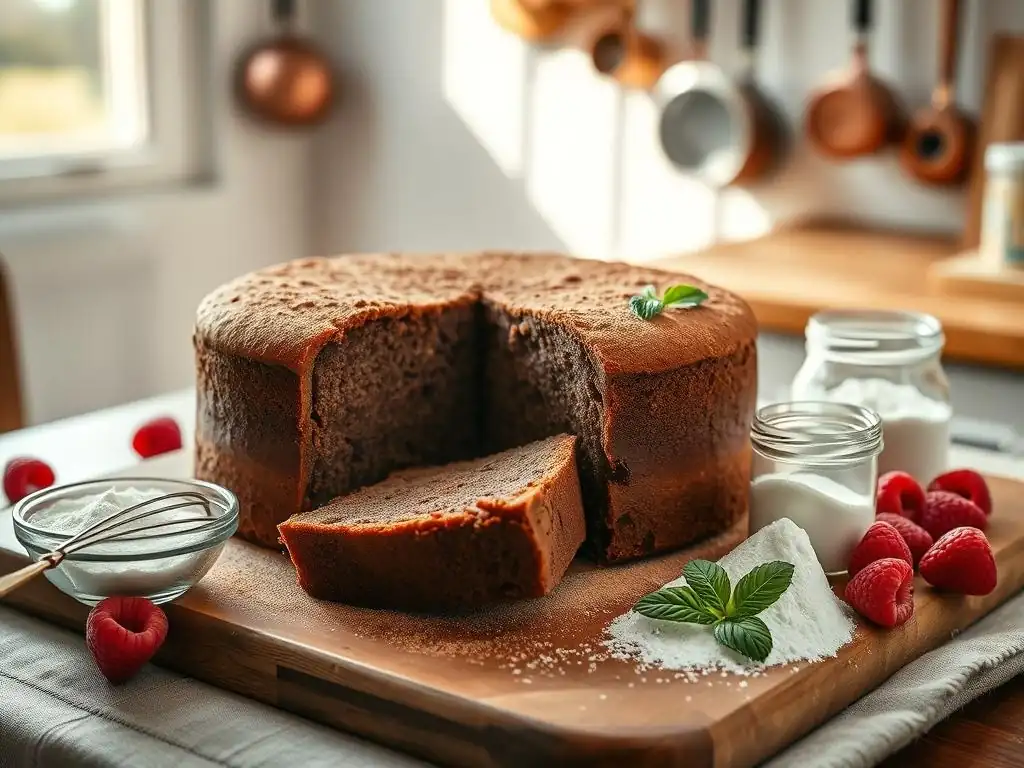
Welcome to BakeWithEase, where we believe everyone can create delicious baked goods! Are you ready to unlock the secrets to achieving incredible height and texture in your vegan cakes? Forget flat, dense results! Dive into our article on Vegan Cake Leavening Tips and discover the game-changing hacks that will transform your baking. Curious how to make your plant-based creations truly rise to the occasion? Let's get baking!
- Achieving Optimal Rise: Vegan Leavening Techniques for Cakes
- Understanding Vegan Cake Leavening
- Vegan Cake Leavening Techniques
- Troubleshooting Vegan Cake Leavening Issues
- Vegan Cake Leavening Comparison
- Advanced Vegan Cake Leavening
- Conclusion
-
Frequently Asked Questions
- How can I achieve a good rise in my vegan cake without using eggs?
- What acidic ingredients are best for activating baking soda in vegan cake recipes?
- What is the role of aquafaba in vegan cake leavening?
- Can I use only baking powder for leavening in a vegan cake?
- Are there any special considerations for leavening when baking a dense vegan cake, like a chocolate cake?
- Final Reflection: The Rising Tide of Vegan Baking
- Unleash Your Inner Vegan Baker!
Achieving Optimal Rise: Vegan Leavening Techniques for Cakes
Understanding Vegan Cake Leavening
The Importance of Leavening in Vegan Baking
Achieving a light, airy crumb in vegan cakes can sometimes feel like a mystery, but it all comes down to effective leavening. In traditional baking, eggs often play a significant role in providing lift and structure. Without them, vegan batters need alternative methods to create the gas bubbles that expand during baking, giving the cake its rise and tender texture.
Poor leavening results in dense, heavy, or gummy cakes, which is exactly what we want to avoid when aiming for delicious, fluffy results. Mastering vegan cake leavening tips is crucial for any baker looking to create plant-based treats that rival their conventional counterparts.
Beyond just lift, leavening agents also influence the overall texture and structure of the final cake. The size and distribution of air bubbles created by leavening directly impact the crumb. Small, uniform bubbles contribute to a finer, more tender crumb, while larger, uneven bubbles can result in a coarser texture. Understanding how different vegan leavening options work allows you to choose the best approach for specific recipes, ensuring your cakes rise beautifully and have the desired soft, moist crumb that everyone loves.
How Leavening Agents Work
Leavening agents work by producing gases, primarily carbon dioxide, within the cake batter. As the batter heats in the oven, these gases expand, causing the mixture to rise. There are two main types of leavening: chemical and biological. In vegan cake baking, chemical leavening agents are the most common. These typically involve a reaction between an acid and a base, often in the presence of liquid, to produce carbon dioxide gas immediately or during the baking process.
Biological leavening, primarily using yeast, is more common in bread making and less frequently used for cakes due to the flavors it imparts and the longer proofing times required. Chemical leavening agents like baking soda and baking powder react quickly, making them ideal for cake batters that don't require long fermentation periods. The effectiveness of these agents depends on factors like moisture, temperature, and the balance of acidic and alkaline ingredients in the recipe, highlighting the importance of precise measurements and understanding ingredient interactions when applying vegan cake leavening tips.
Vegan Cake Leavening Techniques
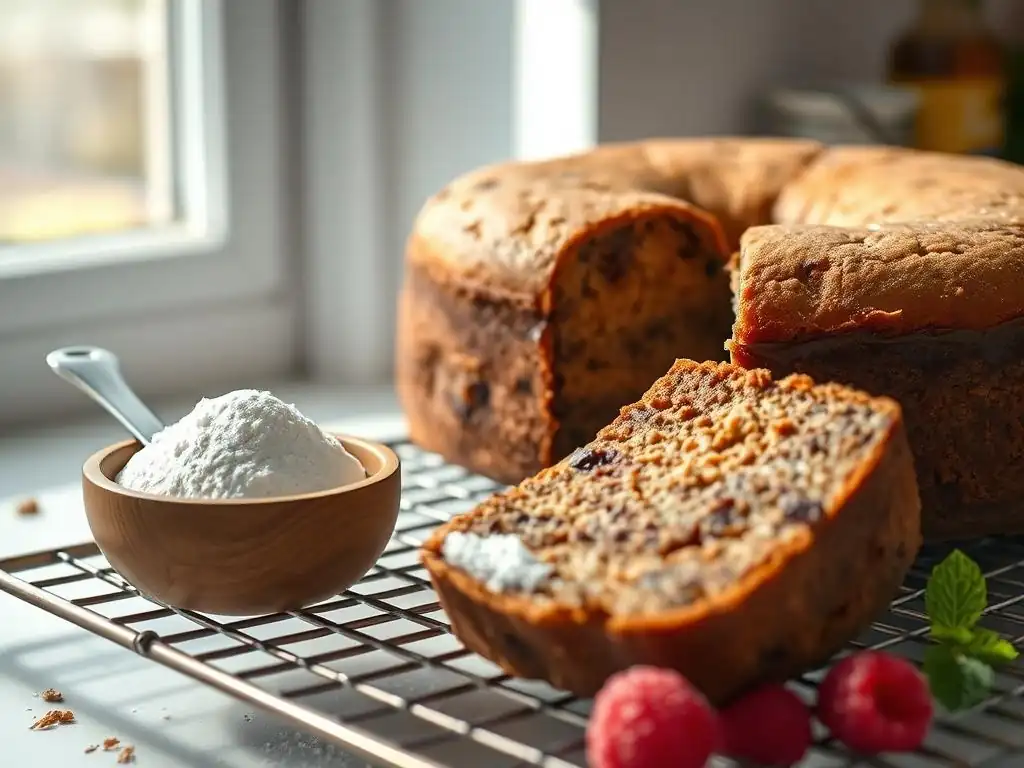
1. Baking Soda and Acid
Using baking soda in combination with an acid is one of the most fundamental vegan cake leavening tips. Baking soda, or sodium bicarbonate, is an alkaline compound. When it reacts with an acid and a liquid, it produces carbon dioxide gas, which provides lift. This reaction is immediate and vigorous once the wet and dry ingredients are combined, so it's important to get the cake into the oven relatively quickly after mixing. This technique is particularly effective in recipes that already contain acidic ingredients.
The amount of baking soda needed is typically balanced with the amount of acid present. Too much baking soda without enough acid can leave a soapy or metallic taste in the cake, while too little will result in poor rise. A common ratio is roughly 1 part baking soda to 2-3 parts acid. For example, if a recipe uses 1 teaspoon of baking soda, it might require around 2-3 teaspoons of lemon juice or vinegar to react fully. This method is powerful but requires careful balancing to ensure both optimal rise and pleasant flavor.
Using Baking Soda Effectively
To use baking soda effectively for vegan cake leavening, it's crucial to measure it accurately and mix it thoroughly with the dry ingredients before combining with the wet. This ensures it's evenly distributed throughout the batter. The reaction starts as soon as the wet, acidic ingredients hit the dry ingredients containing the baking soda, so minimal mixing after combining is key. Overmixing can deflate the bubbles that have formed, leading to a tougher, less airy cake.
Ensure your baking soda is fresh. Over time, baking soda can lose its potency, resulting in less effective leavening. You can test its freshness by adding a teaspoon to a small amount of vinegar; it should bubble vigorously. Using fresh ingredients is a simple yet effective vegan cake leavening tip that can make a significant difference in your results.
Pairing Acidic Ingredients with Baking Soda
The choice of acidic ingredient paired with baking soda can influence the flavor profile of your vegan cake. Common acidic ingredients used in vegan baking include citrus juices, vinegars, molasses, and even some plant-based yogurts or buttermilks. The goal is to provide enough acid to react with the baking soda without overpowering the other flavors in the cake.
Experimenting with different acids allows you to tailor the leavening and taste. For instance, lemon juice adds a bright, citrusy note, while apple cider vinegar is more neutral in flavor, especially when baked. Molasses, besides adding acidity, contributes moisture, color, and a distinct flavor. Understanding these nuances helps you apply vegan cake leavening tips more effectively based on the specific cake recipe you are working with.
Lemon Juice
Lemon juice is a readily available and effective acid for activating baking soda. Its bright, tangy flavor pairs well with many cake types, particularly those with fruit or vanilla bases.
A common guideline is about 1 teaspoon of baking soda per 1-2 tablespoons of lemon juice, though this can vary based on the recipe's overall composition. The reaction is immediate and noticeable when the two come into contact.
Apple Cider Vinegar
Apple cider vinegar is another excellent acidic agent for vegan cake leavening. It's often preferred when you want a more neutral flavor profile compared to lemon juice.
Typically, 1 teaspoon of baking soda can be effectively activated by 1 tablespoon of apple cider vinegar. This combination is a staple in many vegan baking recipes because it provides reliable lift without imparting a strong vinegary taste to the final product.
Molasses
Molasses, particularly blackstrap molasses, is quite acidic and works well with baking soda, especially in darker cakes like gingerbread or spice cakes.
Molasses adds moisture, color, and a deep flavor along with its leavening power. Roughly 1/4 cup of molasses can react with about 1 teaspoon of baking soda, providing both leavening and richness to the batter.
2. Baking Powder
Baking powder is a complete leavening system in itself, containing both an acid and a base (baking soda), usually with a starch filler (like cornstarch) to keep them separate and absorb moisture. Most baking powder available today is double-acting, meaning it produces gas in two stages: first, when it comes into contact with liquid at room temperature, and second, when it's heated in the oven. This provides a more sustained lift compared to using baking soda alone.
Using baking powder is often simpler than balancing baking soda and a separate acid, making it a popular choice for many vegan cake recipes. It provides reliable lift and contributes to a tender crumb. However, like baking soda, it's important to use fresh baking powder and measure it accurately. A general guideline is 1 to 1 1/4 teaspoons of baking powder per cup of flour, but specific recipes may vary.
Single-Acting vs. Double-Acting
Single-acting baking powder contains only one acid that reacts with baking soda upon contact with liquid. The gas is released quickly, so the batter needs to be baked immediately to capture the lift. This type is less common in home baking now.
Double-acting baking powder contains two different acids: one that reacts with liquid at room temperature and another that reacts when heated. This two-stage reaction provides a sustained lift throughout the baking process, making it more forgiving if the batter sits for a few minutes before going into the oven. Most vegan cake leavening tips involving baking powder refer to the double-acting variety, as it's the standard for reliable rise.
Effective Use of Baking Powder
For effective leavening with baking powder, ensure it's evenly distributed by whisking it with the dry ingredients. Avoid overmixing the batter once the wet and dry ingredients are combined, as this can develop gluten and deflate the initial gas bubbles. Gentle folding is usually sufficient.
Check the expiration date on your baking powder, as it can lose its effectiveness over time. Store it in a cool, dry place in a tightly sealed container. A simple freshness test involves adding a teaspoon of baking powder to about 1/4 cup of hot water; it should bubble vigorously. Using fresh ingredients is a key factor in successful vegan cake leavening tips.
3. Aquafaba
Aquafaba, the liquid from canned chickpeas or other legumes, is a remarkable vegan egg substitute that can also contribute to leavening and texture in cakes. When whipped, it forms a stable foam similar to egg whites, capable of trapping air. This trapped air expands during baking, providing lift and contributing to a lighter, more delicate crumb structure. It's particularly useful in recipes aiming for a fluffy texture, like sponges or meringues.
Using aquafaba effectively requires whipping it to the desired consistency, which can range from soft peaks to stiff peaks depending on the recipe's needs. The amount of aquafaba used typically replaces eggs on a volume basis; roughly 3 tablespoons of aquafaba are equivalent to one large egg. While aquafaba primarily provides mechanical leavening by trapping air, it can be used in conjunction with chemical leaveners like baking powder for enhanced lift and texture in certain cakes.
Whipping Aquafaba for Cake Texture
To whip aquafaba, drain the liquid from a can of unsalted chickpeas into a clean, grease-free bowl. Using an electric mixer, start on low speed and gradually increase to high. It may take 5-10 minutes to reach soft or stiff peaks. Adding a pinch of cream of tartar (discussed next) can help stabilize the foam.
Once whipped, aquafaba should be gently folded into the cake batter. Its ability to trap air is what contributes to a lighter texture, similar to how whipped egg whites are used in some traditional cake recipes. This makes aquafaba a valuable addition to your repertoire of vegan cake leavening tips for achieving specific textures.
Recipes Benefiting from Aquafaba
Aquafaba is excellent in recipes where a light, airy structure is desired, such as vegan sponge cakes, angel food cake variations, or even some muffin recipes. It also works well in recipes where a delicate crumb is key.
It's less critical in denser cakes like loaf cakes or brownies, where chemical leavening agents often suffice. However, even in these cases, a small amount of whipped aquafaba can sometimes enhance the lightness. For instance, adding whipped aquafaba to a vegan chocolate cake batter can help prevent it from becoming too heavy.
4. Cream of Tartar
Cream of tartar, a powdered acidic salt, is often used in baking to stabilize whipped egg whites. In vegan baking, it plays a similar role when whipping aquafaba, helping it form stiffer, more stable peaks that are less likely to collapse. This stability is crucial for trapping air effectively, which then contributes to leavening when baked.
Beyond stabilizing aquafaba, cream of tartar can also be used in conjunction with baking soda as an acidic component for chemical leavening. While not as common as vinegar or citrus juice for this purpose, it provides a clean, neutral acid source. A typical ratio might be 1/2 teaspoon of cream of tartar per 1/4 teaspoon of baking soda to provide a gentle lift, often used in recipes where a slower, more controlled reaction is desired.
Cream of Tartar in Aquafaba Meringues and Cakes
When whipping aquafaba for cakes or meringues, adding about 1/4 teaspoon of cream of tartar per 1/2 cup of aquafaba significantly improves its stability. It helps the aquafaba whip faster and hold its structure longer, which is essential when gently folding it into a cake batter.
The stability provided by cream of tartar ensures that the air bubbles incorporated into the aquafaba remain intact during mixing and baking, leading to a more consistently airy and lighter cake texture. This is a simple yet effective vegan cake leavening tip for working with aquafaba.
Combining Cream of Tartar with Baking Soda
While baking powder (which contains cream of tartar) is a common leavener, you can also create your own leavening mix by combining cream of tartar and baking soda. This allows for more control over the reaction speed, as cream of tartar provides a slower-acting acid compared to vinegar or lemon juice.
A general starting point for a homemade baking powder substitute is 1 part baking soda to 2 parts cream of tartar. For example, mixing 1/2 teaspoon baking soda with 1 teaspoon cream of tartar can replace approximately 2 teaspoons of double-acting baking powder in some recipes, providing a different reaction profile that some bakers prefer for specific results.
5. Carbonated Water
Surprisingly, carbonated water can act as a gentle leavening agent in vegan cakes. The carbonation comes from dissolved carbon dioxide gas. When heated in the oven, this gas expands, providing some lift to the batter. While it won't create the dramatic rise of baking powder or soda, it can contribute to a lighter texture, especially in recipes where a very tender crumb is desired.
Using carbonated water is often a substitution for some or all of the liquid in a recipe. It's important to use it cold and handle the batter gently to minimize the loss of carbonation before baking. This method is best used in combination with other leavening agents for reliable results, but it can provide an extra boost of lightness and moisture.
Suitable Carbonated Water Types
Plain sparkling water or seltzer water are the most suitable types of carbonated water for baking. Avoid flavored or sweetened varieties, as they can introduce unwanted tastes and sugars that affect the recipe balance.
Club soda contains added minerals, which can slightly affect flavor, but it also works. The key is the dissolved carbon dioxide. Using a freshly opened bottle or can ensures maximum carbonation for the best leavening effect.
Incorporating Carbonated Water for Cake Texture
To use carbonated water for leavening, substitute it ounce-for-ounce for some or all of the liquid (like plant milk or water) in your recipe. Add it as the very last ingredient and mix just until combined, then immediately pour the batter into the pan and bake.
The bubbles in the carbonated water help create small air pockets throughout the batter, contributing to a more tender and slightly lighter texture. This is a helpful vegan cake leavening tip for achieving a delicate crumb, often used in simple recipes like vegan pancakes or waffles where a lighter texture is desired.
6. Fruit Purees
Certain fruit purees, like applesauce and mashed banana, can contribute to leavening in vegan cakes, though their primary roles are often as egg substitutes for binding and moisture. They contain natural sugars and some acidity, which can interact with baking soda. More importantly, when whipped or mixed into the batter, they can trap small air bubbles.
While not powerful stand-alone leaveners, fruit purees work synergistically with chemical leavening agents. Their moisture content also helps activate baking powder and soda. Substituting eggs or some fat with fruit puree can sometimes lead to a slightly denser cake, but when combined with adequate chemical leavening, they can help create a moist, tender crumb with a decent rise.
Applesauce
Unsweetened applesauce is a popular vegan egg or fat substitute. It provides moisture and some binding. Its slight acidity can also weakly interact with baking soda.
Using about 1/4 cup of applesauce can replace one egg in many recipes. While it won't provide significant lift on its own, it works well alongside baking powder and baking soda, contributing to a moister cake and aiding in the activation of the chemical leaveners.
Banana Puree
Mashed ripe banana is another common fruit puree used in vegan baking. Like applesauce, it adds moisture, binding, and a distinctive flavor. Its natural sugars and slight acidity can also interact positively with baking soda.
Approximately 1/4 cup of mashed ripe banana can substitute for one egg. It adds density compared to aquafaba but contributes to a very moist, tender crumb, especially in banana bread or cakes where the flavor is desired. Ensure you still use adequate chemical leavening when substituting with banana puree to prevent a heavy result.
7. Plant-Based Yogurt or Buttermilk
Plant-based yogurts and homemade vegan buttermilk (plant milk curdled with an acid) are excellent additions to vegan cake batters. They provide moisture, richness, and acidity, which makes them ideal partners for baking soda. The acidity reacts with the baking soda to produce carbon dioxide, contributing to leavening.
Using these ingredients also contributes to a tender crumb because the acidity helps to break down proteins in the flour, preventing the cake from becoming tough. They add a pleasant tanginess that can enhance the overall flavor of the cake, similar to how dairy buttermilk is used in traditional baking.
Making Vegan Buttermilk
Making vegan buttermilk is simple: combine 1 cup of plant milk (soy, almond, oat, or cashew work well) with 1 tablespoon of acid, such as lemon juice or apple cider vinegar. Stir it and let it sit for 5-10 minutes until it thickens and appears slightly curdled.
This homemade vegan buttermilk can then be used cup-for-cup in recipes calling for dairy buttermilk or other liquids. Its acidity provides a reliable reaction with baking soda, making it a valuable component in many vegan cake leavening tips.
Using Plant-Based Yogurt
Unsweetened, plain plant-based yogurt (soy or coconut are common) can be used in cake batters to add moisture and acidity. Like vegan buttermilk, its acidity helps activate baking soda.
Substitute a portion of the liquid or fat with plant-based yogurt. For example, replacing 1/4 cup of oil or liquid with plant yogurt can add richness and contribute to leavening when baking soda is present. It also helps create a tender, moist crumb.
Troubleshooting Vegan Cake Leavening Issues
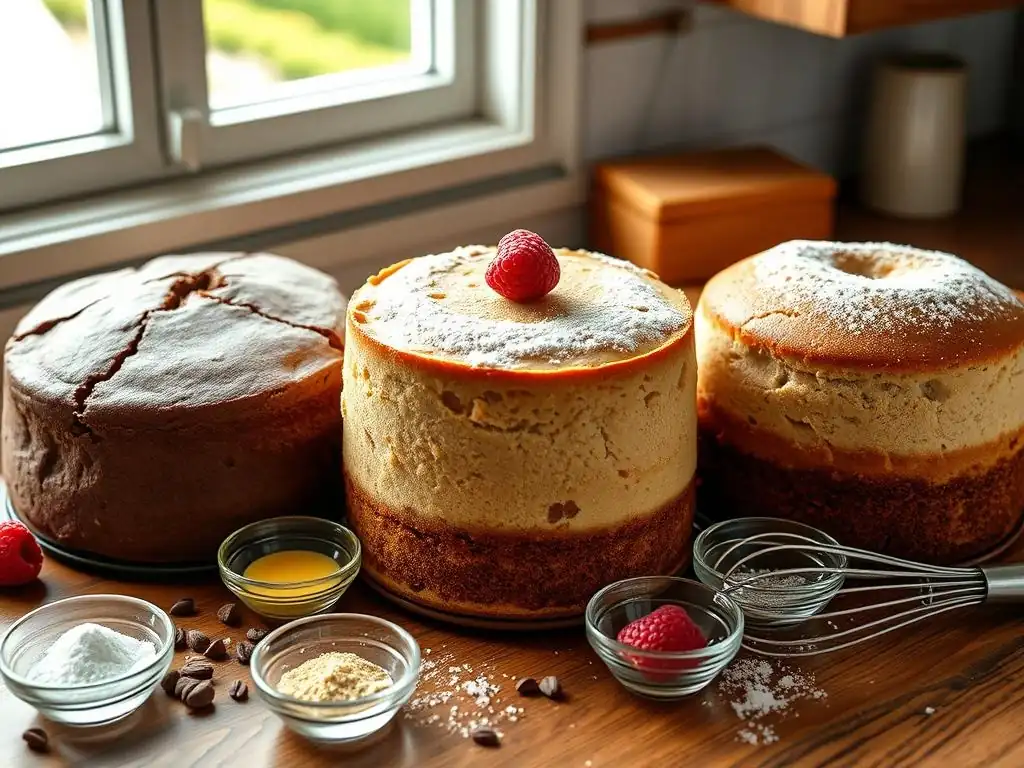
Even with the best vegan cake leavening tips, sometimes things don't go as planned. Understanding common issues and their causes can help you diagnose problems and improve your results. Most issues relate back to the leavening agents, ingredient ratios, or baking technique.
Cake Not Rising
If your vegan cake is flat or hasn't risen properly, several factors could be at play. The most common culprit is inactive leavening agents. Check the expiration dates of your baking soda and baking powder and test their freshness. Using old leaveners is a frequent reason for poor rise.
Another cause could be incorrect measurements of leavening agents or acidic ingredients. Ensure you are measuring accurately. Overmixing the batter after adding the wet ingredients can also deflate the air bubbles necessary for rise. Finally, the oven temperature might be incorrect; if the oven isn't hot enough, the leavening reaction might not be sufficient.
Dense and Gummy Cake
A dense or gummy texture often indicates insufficient leavening or overmixing. If the cake didn't rise well, it will likely be dense. Ensure you used the correct amount of fresh leavening agents balanced properly (if using soda and acid).
Overmixing develops gluten in the flour, leading to a tough, gummy texture. Mix the batter only until the ingredients are just combined. The type of flour used can also impact texture; using too much high-protein flour can contribute to gumminess. Using some vegan cake leavening tips like incorporating aquafaba can help counteract potential density.
Sinking Cake
A cake that rises beautifully but then sinks in the middle can be frustrating. This is often caused by opening the oven door too early during baking, causing a sudden temperature drop that collapses the structure before it's set. Avoid opening the oven until the cake is mostly baked.
Other causes include using too much leavening agent, which can cause the cake to rise too quickly and then collapse, or insufficient baking time, where the center hasn't fully cooked and set before being removed from the oven. Ensure your oven temperature is accurate and bake until a toothpick inserted into the center comes out clean.
Vegan Cake Leavening Comparison
Choosing the right leavening agent depends on the desired outcome, the recipe's ingredients, and personal preference. Each agent or combination offers unique benefits regarding lift, speed of reaction, and impact on texture and flavor.
| Leavening Agent | Primary Mechanism | Speed of Reaction | Best For... | Notes |
|---|---|---|---|---|
| Baking Soda + Acid | Chemical (CO₂ production) | Fast (upon contact) | Recipes with existing acidic ingredients | Requires careful balancing of acid and base; immediate baking needed. |
| Baking Powder (Double-Acting) | Chemical (CO₂ production) | Two-stage (wet + heat) | Reliable, consistent rise in most cakes | Easier to use than soda+acid; less sensitive to mixing time. |
| Aquafaba | Mechanical (air trapping) | N/A (requires whipping) | Light, airy sponges; contributing to tender crumb | Best used with chemical leaveners for significant lift. |
| Cream of Tartar | Acidic component; Stabilizer | Slow acid reaction | Stabilizing aquafaba; controlled soda reaction | Often used in conjunction with baking soda or aquafaba. |
| Carbonated Water | Chemical (CO₂ expansion) | Moderate (upon heating) | Adding extra lightness and moisture | Gentle leavener; best used with other agents. |
| Fruit Purees | Minor chemical; moisture; some air trapping | Slow/Minor | Adding moisture and binding; supporting chemical leaveners | Primary role is not leavening; works well with soda/powder. |
| Plant Yogurt/Buttermilk | Acidic component; moisture | Fast (upon contact) | Moist, tender cakes with a slight tang | Excellent partner for baking soda. |
Comparing Leavening Agents
Baking soda and acid provide a quick, powerful burst of lift, ideal for recipes where you can mix and bake immediately. Baking powder offers a more sustained and reliable rise, making it versatile for many cake types. These two chemical leaveners are the workhorses of vegan cake leavening tips.
Aquafaba provides mechanical lift through trapped air, contributing to a finer, more delicate crumb, particularly useful in lighter cakes. Cream of tartar enhances the stability of aquafaba and can moderate baking soda reactions. Carbonated water adds a subtle lightness and moisture. Fruit purees and plant yogurts/buttermilk contribute acidity and moisture that support chemical leavening while improving texture and flavor. Often, the best results are achieved by combining different leavening methods.
Advanced Vegan Cake Leavening
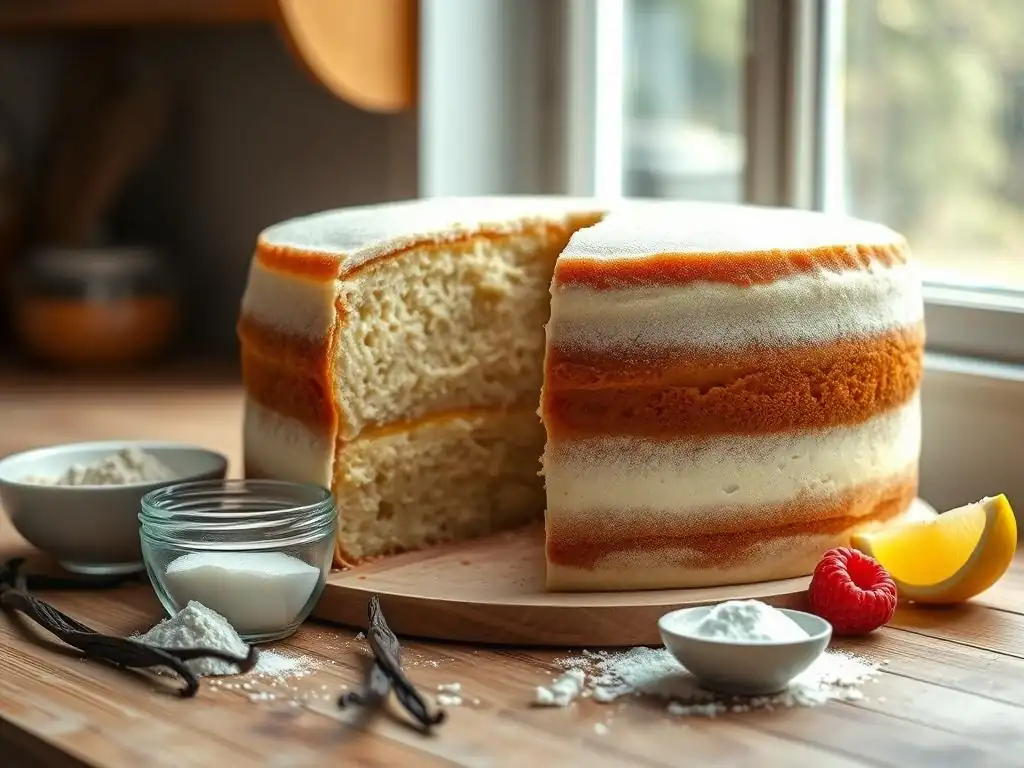
Moving beyond the basics, advanced vegan cake leavening tips involve strategically combining leavening agents and considering environmental factors like altitude to fine-tune your results. Understanding how different leaveners interact allows for greater control over the final cake's texture and rise.
Combining Leavening Agents
Many successful vegan cake recipes use a combination of leavening agents. For example, using both baking soda and baking powder is very common. The baking soda reacts with an acid in the batter (like vegan buttermilk or vinegar) providing an initial lift, while the double-acting baking powder provides sustained lift during baking. This combination ensures both quick expansion and ongoing support for the cake's structure as it sets.
Combining chemical leaveners with mechanically leavened aquafaba is another advanced technique. Using baking powder for the main lift and gently folding in whipped aquafaba can result in an exceptionally light and airy cake, like a vegan chiffon cake. Experimenting with these combinations based on the desired texture is a key aspect of mastering vegan cake leavening tips.
Adjusting for Altitude
Baking at high altitudes presents unique challenges because the lower atmospheric pressure causes leavening gases to expand more rapidly and liquids to evaporate faster. This can lead to cakes rising too quickly and then collapsing, or becoming dry. Adjusting leavening is crucial for success.
For every 1,000 feet above sea level (roughly 300 meters), consider reducing baking powder by 10-15%, baking soda by 10-15%, and sugar by a tablespoon or two. You may also need to increase liquid slightly and potentially increase the baking temperature by about 15-25°F (8-14°C) to help the cake set faster before collapsing. Specific adjustments vary depending on the recipe and altitude, but reducing leavening is a primary vegan cake leavening tip for high-altitude baking.
Conclusion
Mastering vegan cake leavening opens up a world of possibilities for delicious, fluffy plant-based desserts. By understanding how different agents like baking soda, baking powder, aquafaba, and acidic ingredients work, you can confidently tackle any recipe. Remember to use fresh ingredients, measure accurately, and avoid overmixing.
Experiment with combining leaveners and don't be afraid to troubleshoot common issues like poor rise or dense texture. With these vegan cake leavening tips and a little practice, you'll be baking amazing cakes with optimal lift and perfect texture every time. Happy baking!
Frequently Asked Questions
How can I achieve a good rise in my vegan cake without using eggs?
Vegan cakes often lack eggs, which contribute to structure and lift. You can achieve a good rise by using a combination of baking powder and baking soda, often paired with an acidic ingredient like apple cider vinegar.
What acidic ingredients are best for activating baking soda in vegan cake recipes?
Common acidic ingredients include apple cider vinegar, lemon juice, and even plant-based yogurt. These react with baking soda to create carbon dioxide, which helps the cake rise.
What is the role of aquafaba in vegan cake leavening?
Aquafaba, the liquid from canned chickpeas, can be whipped into a meringue-like consistency and used as an egg replacement to provide structure and airiness in vegan cakes.
Can I use only baking powder for leavening in a vegan cake?
While baking powder can provide some lift, it's often best used in combination with baking soda and an acid for optimal results. This double-acting approach helps ensure a light and fluffy texture.
Are there any special considerations for leavening when baking a dense vegan cake, like a chocolate cake?
Dense cakes might require a little extra leavening. Consider adding a tablespoon or two of strong brewed coffee to enhance the chocolate flavor and boost the effectiveness of your leavening agents.
Final Reflection: The Rising Tide of Vegan Baking
The quest for the perfect vegan cake is far from over, but the journey itself is proving remarkably rewarding. This article explored several innovative leavening techniques, demonstrating that achieving light and airy vegan cakes isn't just possible, it's achievable with a little understanding and experimentation. The increasing demand for vegan alternatives isn't just a trend; it's a reflection of a growing awareness of ethical and health-conscious choices, and baking is no exception.
The shift towards plant-based baking has profoundly impacted the culinary landscape, forcing us to rethink traditional methods and embrace new possibilities. It's a testament to human ingenuity and our ability to adapt and innovate. This journey of discovery has been personally enriching, pushing me to refine my own baking skills and appreciate the subtle nuances of different leavening agents. The best things in life are unexpected.
This certainly holds true for the surprising results I've achieved while experimenting with vegan leavening.
Now, it's your turn. Don't be afraid to experiment with these techniques, to tweak recipes, and to discover your own perfect vegan cake. The journey of baking is a personal one, filled with both triumphs and setbacks. Embrace the process, learn from your mistakes, and most importantly, enjoy the delicious results. The world of vegan baking awaits – go forth and create something amazing!
Unleash Your Inner Vegan Baker!
Thanks for taking the time to explore the amazing world of vegan baking! We hope you discovered some incredible leavening hacks that will transform your baking journey. Now it's time to put your new skills to the test!
- Bake your dream vegan cake! Try one of the recipes mentioned in the article, or experiment with your own creations using the techniques you learned. This is your chance to shine!
- Share your baking triumphs! Post a picture of your vegan masterpiece on social media and tag #BakeWithEaseVegan so we can all celebrate your success.
- Join our vibrant BakeWithEase community! Share your tips, tricks, and favorite vegan recipes in the comments below – let's inspire each other!
What delicious vegan treat will you bake first?