
Easy German Fruit Tart (Obstkuchen) Bases You Can Bake

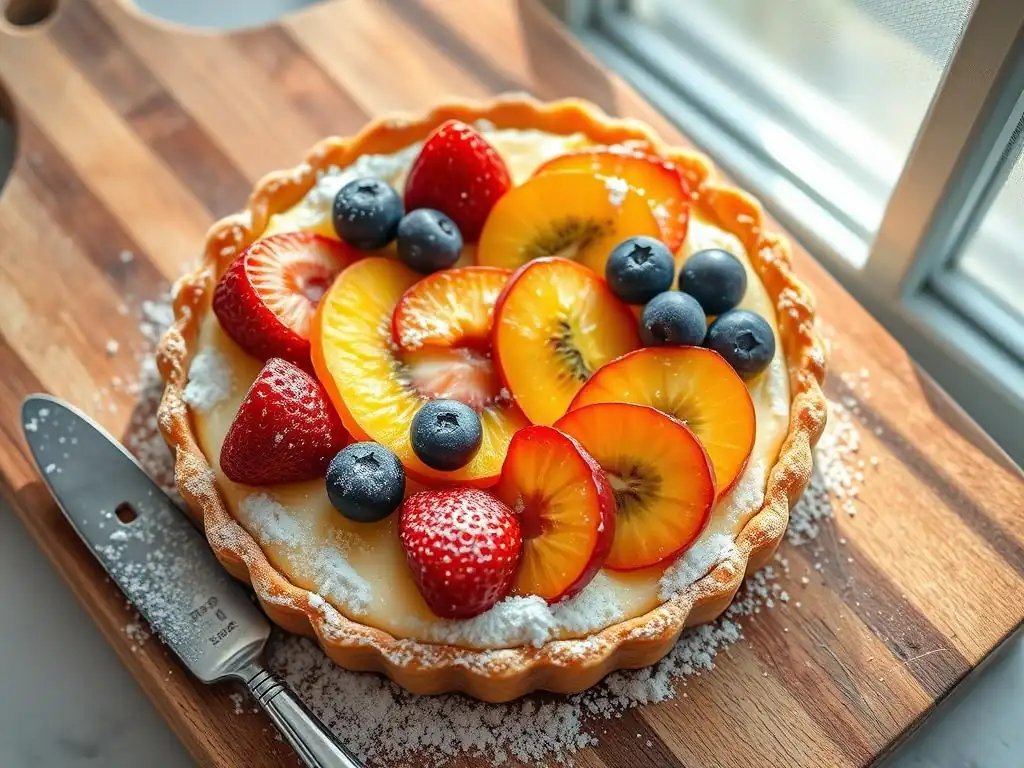
Welcome to BakeWithEase, your trusted companion on your baking journey! Ever dreamed of creating a stunning Obstkuchen that tastes like it came straight from a German Konditorei? Look no further! Our Easy German Fruit Tart recipe unlocks the secrets to a perfect, effortlessly delicious base. But how do you achieve that authentic taste and texture? Discover the surprisingly simple steps and ingredients that will have you baking like a pro in no time. Keep reading to unravel the mysteries and wow your friends and family with this delightful treat!
- Introduction to Easy German Fruit Tart Baking
- Understanding the Obstkuchen: A German Baking Delight
- Choosing the Right Base for Your Easy German Fruit Tart Recipe
- Easy German Fruit Tart Recipe: Step-by-Step Guide to Mürbeteig
- Assembling Your Easy German Fruit Tart
- Tips and Tricks for Baking the Perfect Easy German Fruit Tart
- Variations and Adaptations of the Easy German Fruit Tart Recipe
- Conclusion: Enjoy Baking Your Own Easy German Fruit Tart
-
Frequently Asked Questions
- What makes this German Fruit Tart recipe considered "easy"?
- What are the different types of bases I can use for an "Obstkuchen" (German Fruit Tart)?
- Can I substitute the fruits listed in the recipe with my own choices?
- How do I prevent the tart base from becoming soggy after adding the fruit and glaze?
- How should I store the finished Easy German Fruit Tart?
- Final Reflection: The Enduring Allure of Simple German Baking
- Unleash Your Inner Bäcker: Bake Your Dream Obstkuchen Today!
Introduction to Easy German Fruit Tart Baking
Welcome to the wonderful world of German baking, where simple ingredients transform into delightful treats! One beloved classic that perfectly embodies this philosophy is the German fruit tart, known as Obstkuchen. It's a staple in German cafes and home kitchens, celebrated for its fresh fruit topping and often surprisingly easy preparation. Mastering the Obstkuchen base is the first step to creating this delicious dessert right in your own home.
This guide will walk you through the different types of easy bases commonly used for Obstkuchen, focusing on simplicity and delicious results. Whether you're new to baking or looking for straightforward ways to enjoy classic German flavors, we'll explore options that make baking an authentic easy German fruit tart recipe accessible to everyone. Get ready to discover the secrets to a perfect foundation for your fruity masterpiece!
Understanding the Obstkuchen: A German Baking Delight
Obstkuchen, or German fruit tart, is a quintessential part of German cake culture. Unlike some elaborate pastries, the beauty of Obstkuchen lies in its focus on fresh, seasonal fruit. It's a celebration of nature's bounty, presented simply and elegantly on a baked base, often finished with a clear glaze that makes the fruit glisten. It's a versatile dessert, perfect for coffee time (Kaffee und Kuchen) or as a light finish to a meal.
The appeal of Obstkuchen is its refreshing taste and relatively light nature, especially when compared to cream-heavy desserts. While variations exist, the core concept remains consistent: a simple, often thin, cake or pastry base topped generously with fruit. Learning an easy German fruit tart recipe allows you to recreate this authentic experience with minimal fuss.
What is Obstkuchen?
Obstkuchen directly translates to "fruit cake," but in common usage, it refers specifically to a tart or flan-like cake topped with fruit. The base is typically a flat layer, baked first, before being covered with fresh fruit and then often sealed with a clear or sometimes colored glaze (like red currant or apricot). The type of base can vary significantly, ranging from a simple shortcrust pastry (Mürbeteig) to a light sponge cake (Biskuitteig) or even a soft yeast dough (Hefeteig).
Historically, Obstkuchen recipes were tied to seasonal availability, with strawberries and cherries popular in summer, plums in late summer/autumn, and apples year-round. The emphasis is always on showcasing the flavor and texture of the fruit itself. A good easy German fruit tart recipe simplifies the base while still allowing the fruit to be the star.
Key Characteristics of a Great German Fruit Tart
A truly great German fruit tart boasts several defining characteristics. Firstly, the fruit must be fresh and of good quality, arranged appealingly on the base. The glaze, if used, should be clear and shiny, protecting the fruit and adding a slight sweetness without overpowering the natural fruit flavor. It should set firmly enough to hold the fruit in place when sliced.
Secondly, the base plays a crucial supporting role. It should be sturdy enough to hold the weight and moisture of the fruit but not overly thick or heavy. It should complement the fruit, providing a pleasant texture contrast – whether that's the crumbly richness of Mürbeteig, the soft airiness of Biskuitteig, or the slight chewiness of Hefeteig. The ease of preparation for the base is often a key factor in an easy German fruit tart recipe.
Choosing the Right Base for Your Easy German Fruit Tart Recipe
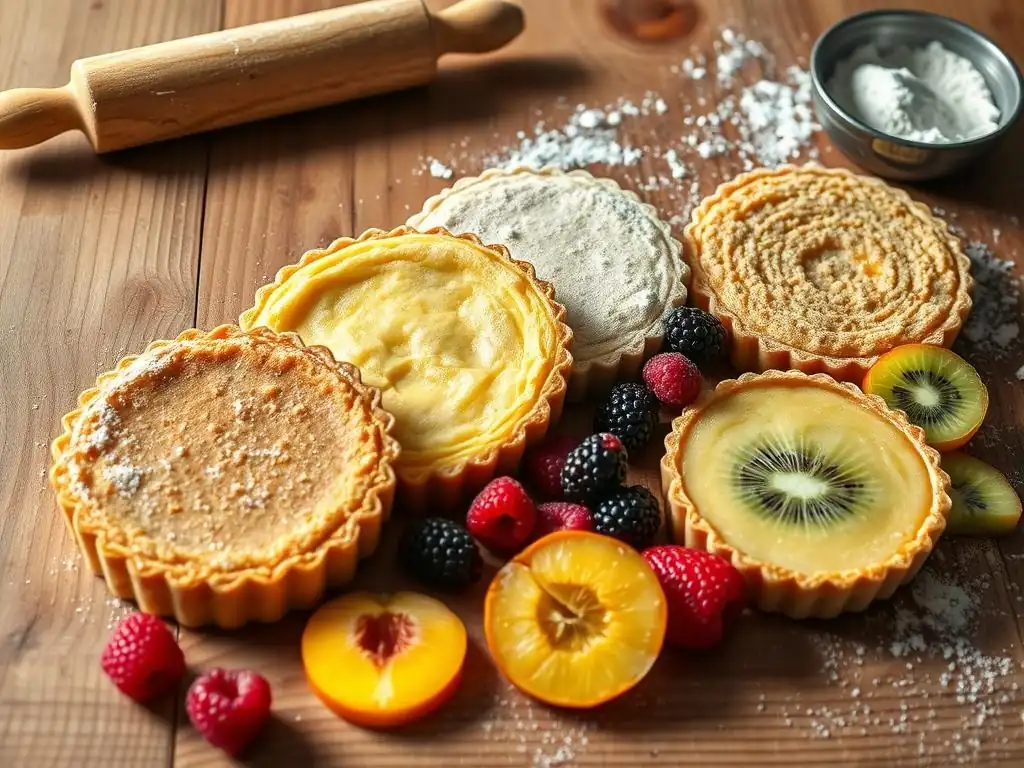
Selecting the appropriate base is vital for your Obstkuchen. The choice often depends on the type of fruit you're using, the desired texture, and your personal preference for ease of preparation. For an easy German fruit tart recipe, we typically focus on bases that are forgiving and quick to make.
Three of the most common and approachable bases for German fruit tarts are Mürbeteig (shortcrust pastry), Hefeteig (sweet yeast dough), and Biskuitteig (sponge cake). Each offers a distinct texture and flavor profile, making them suitable for different types of Obstkuchen. Understanding their characteristics will help you choose the best foundation for your delicious creation.
Shortcrust Pastry (Mürbeteig): The Classic Obstkuchen Base
Mürbeteig is arguably the most traditional and popular base for German fruit tarts. It's a simple mixture of flour, butter, sugar, and often egg, resulting in a tender, crumbly texture similar to a shortbread cookie. This base is sturdy and holds up well to juicy fruits, making it a reliable choice for many Obstkuchen variations.
Its simplicity makes Mürbeteig a fantastic starting point for an easy German fruit tart recipe. The ingredients are basic pantry staples, and the mixing process is straightforward. While it requires chilling time, the active preparation is minimal, contributing significantly to the "easy" aspect of the recipe.
Advantages of Using Mürbeteig for Fruit Tarts
One major advantage of Mürbeteig is its stability. It bakes into a firm crust that provides an excellent foundation, preventing the tart from becoming soggy, especially when using fruits with high water content like strawberries or plums. The buttery richness of the pastry also pairs wonderfully with the brightness of fresh fruit.
Furthermore, Mürbeteig is relatively forgiving. As long as you avoid overworking the dough and chill it properly, you're likely to achieve a good result. It's also versatile; you can bake it as a flat base in a tart pan or press it slightly up the sides to create a shallow dish for the fruit. This robustness and ease of handling solidify its status as a top choice for an easy German fruit tart recipe.
Tips for a Perfect Shortcrust Pastry
To achieve a perfect Mürbeteig base, keep your ingredients cold, especially the butter. Cut the cold butter into the dry ingredients quickly, either by hand, using a pastry blender, or in a food processor, until the mixture resembles coarse crumbs. Add just enough liquid (often egg and/or a splash of cold water or milk) to bring the dough together without making it sticky.
- Use cold butter, cut into small cubes.
- Don't overwork the dough; mix until just combined.
- Chill the dough for at least 30 minutes before rolling.
- Consider blind baking the crust partially or fully before adding fruit, especially for very wet fillings.
- Prick the base with a fork before baking to prevent puffing.
Sweet Yeast Dough (Hefeteig): A Fluffy Alternative
While less common than Mürbeteig for classic flat fruit tarts, a sweet Hefeteig provides a delightful, soft, and slightly bread-like base for some German fruit cakes, particularly those with streusel toppings or baked directly with the fruit (like Pflaumenkuchen, plum cake). It offers a completely different texture experience – light, airy, and slightly chewy.
Working with yeast dough might seem less "easy" to some, but a simple sweet Hefeteig for a tart base is quite manageable. It requires proofing time for the yeast to work, adding to the overall preparation duration compared to Mürbeteig, but the active steps are still relatively straightforward, making it a viable option for an easy German fruit tart recipe if you're comfortable with yeast.
When to Choose Hefeteig for Your Fruit Tart
Hefeteig is an excellent choice when you desire a softer, more cake-like base that isn't as crumbly as shortcrust. It works well with fruits that bake down nicely, like plums or apples, especially when the fruit is placed directly on the dough before baking. The slightly sweet, tender dough complements the baked fruit wonderfully.
It's also a good base for fruit tarts that might feature a layer of Pudding (German vanilla pudding) or Quark (a type of fresh cheese) under the fruit, as the softer base pairs well with creamy layers. If you're making a traditional German Pflaumenkuchen (plum cake), a Hefeteig base is often the authentic choice, making it a key component of that specific easy German fruit tart recipe variation.
Achieving a Light and Airy Yeast Dough
Success with Hefeteig for a tart base depends on proper yeast activation and kneading. Use lukewarm milk (around 35-40°C or 95-105°F) to dissolve the yeast, along with a pinch of sugar to feed it. Combine this with flour, sugar, softened butter, and egg. Knead the dough until it's smooth and elastic – about 5-10 minutes by hand or mixer.
Allow the dough to rise in a warm place until it has doubled in size, typically 30-60 minutes depending on the temperature. After punching down, gently press or roll it into your tart pan. Avoid overworking it at this stage.
- Ensure yeast is fresh and active.
- Use lukewarm, not hot, liquid.
- Knead thoroughly to develop gluten.
- Allow sufficient time for the dough to rise in a warm, draft-free spot.
- Handle the dough gently after the first rise.
Sponge Cake Base (Biskuitteig): A Light and Airy Option
Biskuitteig, or sponge cake, offers the lightest and most delicate base for an Obstkuchen. It's essentially a simple cake batter made from eggs, sugar, and flour, relying on whipped eggs for its airy structure. This base is often used for tarts where a very tender, cakey foundation is desired, sometimes paired with a layer of cream or pudding before the fruit.
Using a Biskuitteig base can make for a very easy German fruit tart recipe, especially if you're comfortable making simple sponge cakes. The batter comes together quickly, and it bakes relatively fast. Its neutral, slightly sweet flavor allows the fresh fruit to shine through beautifully.
Using Biskuitteig for a German Fruit Tart
A Biskuitteig base is typically baked as a thin layer in a tart pan or a round cake pan. Once cooled, it's carefully removed and placed on a serving plate or back into the cleaned tart pan ring. Because it's soft, it's best suited for tarts that won't be moved around excessively after assembly.
This base is ideal for showcasing delicate fruits like strawberries or raspberries. It's also the perfect partner for a layer of Pudding or whipped cream placed directly on the cooled sponge before the fruit is arranged and glazed. This combination results in a classic German Tortenboden (cake base) with fruit and cream, a popular form of Obstkuchen and a truly delightful easy German fruit tart recipe variation.
Baking a Perfect Sponge Cake Base
The key to a light Biskuitteig is properly whipping the eggs and sugar until very pale and voluminous – this can take 5-10 minutes with an electric mixer. This creates the structure. Then, gently fold in the flour using a spatula, being careful not to deflate the airy egg mixture.
Bake the batter in a prepared tart pan (greased and floured) in a moderate oven (around 180°C or 350°F) for a relatively short time, typically 15-25 minutes, depending on thickness, until golden and a skewer inserted comes out clean.
- Whip eggs and sugar until thick and pale yellow.
- Gently fold in the flour to maintain airiness.
- Do not overmix once flour is added.
- Bake immediately after preparing the batter.
- Bake just until done to prevent dryness.
Easy German Fruit Tart Recipe: Step-by-Step Guide to Mürbeteig
Let's focus on the most classic and arguably easiest base for your German fruit tart: Mürbeteig. This simple shortcrust pastry provides a stable, buttery foundation that pairs perfectly with a wide variety of fruits. This step-by-step guide will walk you through creating a reliable Mürbeteig base for your easy German fruit tart recipe.
This method is designed for simplicity and minimal fuss, making it perfect for home bakers. We'll use standard ingredients and basic techniques to ensure a successful outcome. Once you master this base, you can use it for countless Obstkuchen variations throughout the year.
Ingredients for the Shortcrust Pastry Base
You only need a few basic ingredients to make a delicious Mürbeteig base. The ratio of flour to butter is crucial for that classic crumbly texture. We'll use approximate quantities here, suitable for a standard 24-26 cm (9-10 inch) tart pan.
- 200 grams (about 1 ½ cups) All-purpose flour
- 100 grams (about 7 tablespoons) Cold unsalted butter, cut into small cubes
- 70 grams (about ⅓ cup) Granulated sugar
- 1 large Egg
- A pinch of Salt
- Optional: 1 teaspoon Vanilla extract or Lemon zest for flavor
Using cold butter is essential for creating the desired crumbly texture, as it creates pockets of fat that melt during baking. The sugar adds sweetness and helps with browning, while the egg binds the dough together. This simple combination forms the foundation of your easy German fruit tart recipe base.
Instructions for Making the Shortcrust Pastry
Making Mürbeteig is a quick process, but it requires a light touch and patience for chilling. Follow these steps for a perfect base.
Preparing the Dough
Combine the flour, sugar, and salt in a large bowl. Add the cold butter cubes.
- Cut the butter into the dry ingredients using your fingertips, a pastry blender, or a food processor until the mixture resembles coarse crumbs with some larger pea-sized pieces of butter still visible.
- Add the egg (and optional vanilla or lemon zest) to the center of the well.
- Mix with a fork or your hands until the dough just starts to come together. Do not overwork.
- Turn the dough out onto a lightly floured surface and gently bring it together to form a flat disc.
- Wrap the disc tightly in plastic wrap.
- Chill the dough in the refrigerator for at least 30-60 minutes. This step is crucial for easy rolling and a tender crust.
Rolling Out the Dough
Once chilled, the dough is ready to be rolled. This is where the chilling pays off, making the dough less sticky and easier to handle.
- Lightly flour a clean work surface and your rolling pin.
- Place the chilled dough disc on the floured surface.
- Roll the dough evenly from the center outwards, rotating the dough occasionally and adding minimal flour as needed to prevent sticking.
- Roll the dough into a circle large enough to fit your 24-26 cm tart pan, with enough overhang to go up the sides. Aim for a thickness of about 3-4 mm (⅛ inch).
- Carefully transfer the rolled dough to your tart pan. You can gently roll it around your rolling pin and then unroll it over the pan, or fold it into quarters and unfold it in the pan.
- Gently press the dough into the bottom and up the sides of the pan. Trim any excess dough from the edges.
- Prick the bottom of the dough all over with a fork. This helps prevent the base from puffing up unevenly during baking.
- For best results, chill the formed crust in the pan for another 15-20 minutes before baking.
Baking the Base
Baking the Mürbeteig base (often called blind baking if done without filling) ensures it's cooked through and sturdy before the fruit is added.
- Preheat your oven to 180°C (350°F).
- Line the chilled pastry shell with parchment paper or foil and fill with pie weights, dried beans, or rice. This prevents the sides from collapsing.
- Bake for about 15-20 minutes, or until the edges are lightly golden.
- Carefully remove the weights and parchment/foil.
- Bake for another 5-10 minutes, or until the bottom is dry and lightly golden. If the recipe calls for a fully baked crust before adding fruit, bake until it's a deeper golden brown.
- Let the baked base cool completely in the pan on a wire rack before adding any filling or fruit. This is a critical step for your easy German fruit tart recipe base to set properly.
Assembling Your Easy German Fruit Tart
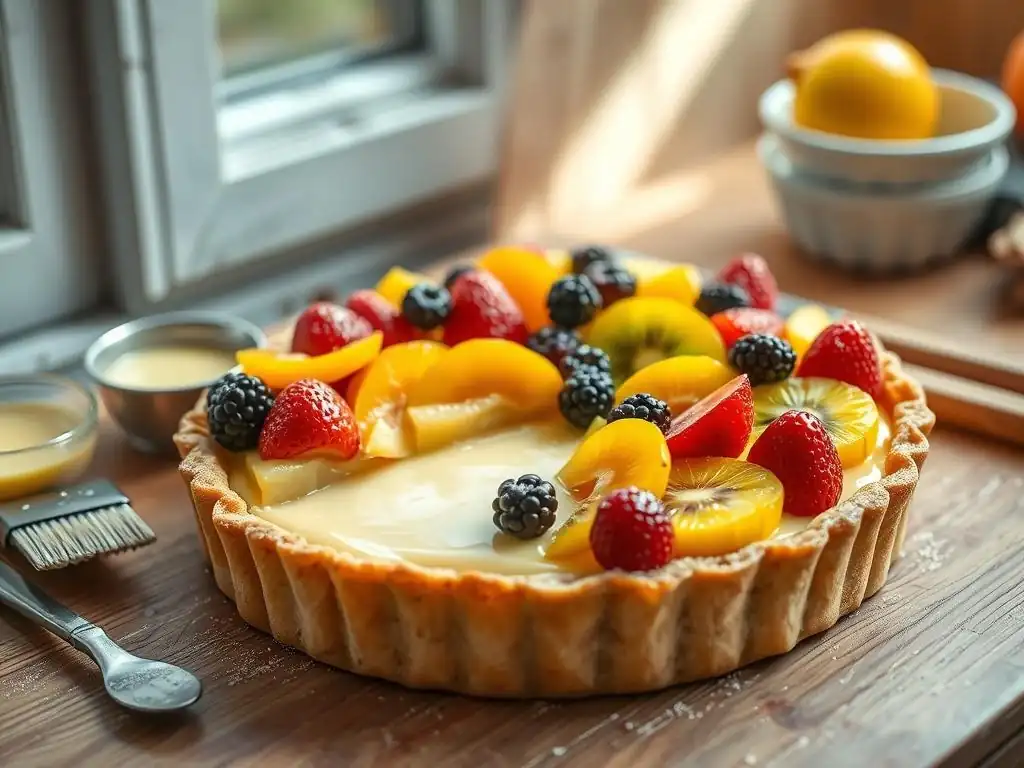
With your chosen base baked and cooled, it's time for the most visually appealing part: adding the fruit! Assembling an Obstkuchen is straightforward, focusing on fresh, appealing fruit and a simple glaze to bring it all together. This step makes your easy German fruit tart recipe truly shine.
The assembly process is relatively quick compared to the baking of the base. It's also where you can get creative with fruit arrangements and combinations, personalizing your German fruit tart.
Preparing the Fruit Filling
The fruit is the star of the Obstkuchen. It should be fresh, ripe, and prepared appropriately for arranging on the baked base.
Choosing the Best Fruits for Your Obstkuchen
Seasonal fruits are always the best choice for an authentic German fruit tart. In summer, strawberries (Erdbeerkuchen) and cherries (Kirschkuchen) are immensely popular. Late summer and autumn bring plums (Pflaumenkuchen) and apples (Apfelkuchen).
- Summer: Strawberries, Raspberries, Blueberries, Cherries, Red Currants.
- Autumn: Plums, Apples, Pears, Grapes.
- Year-round: Bananas (less traditional but used), Canned Peaches or Mandarins (common for convenience).
Choose firm, ripe fruit. Wash it thoroughly. Hull strawberries, pit cherries or plums, and peel/core/slice apples or pears. Ensure the fruit is relatively dry before placing it on the base to help prevent sogginess. For an easy German fruit tart recipe, using fruit that requires minimal prep (like berries) simplifies things further.
Arranging the Fruit on the Tart Base
Once the fruit is prepared, arrange it neatly on the cooled tart base. The arrangement is part of the charm of Obstkuchen. You can place slices or whole berries in concentric circles, overlapping slightly, or create a more freeform pattern.
For sliced fruits like apples or plums, arrange them in overlapping rows or circles. For berries, you can scatter them evenly or arrange them closely together. Aim for a generous layer of fruit that covers the base completely. The visual appeal of the fruit arrangement is key to a beautiful German fruit tart.
Glazing the Fruit Tart for a Perfect Finish
The glaze is the final touch that gives Obstkuchen its characteristic shine and helps to set the fruit. A clear glaze is most common, often made from fruit juice, sugar, and a thickener. Apricot glaze is also widely used, adding a lovely color and flavor.
Glazing not only makes the tart look professional but also protects the fruit from drying out and adds a touch of sweetness. It's an essential step in completing your easy German fruit tart recipe.
Simple Glazing Techniques
The simplest method involves using a store-bought clear cake glaze mix (found in German or international food stores), which you typically mix with water or fruit juice and sugar according to package instructions, then heat until thickened.
Alternatively, you can make a simple glaze from scratch using fruit juice (like apple or orange juice), sugar, and a thickener like cornstarch or potato starch. Heat the mixture, stirring constantly, until it thickens to a pourable consistency.
Preparing Apricot Glaze
Apricot glaze is a popular choice, especially for tarts with stone fruits or apples, as it adds a beautiful golden hue and a slight tang.
- In a small saucepan, combine about 100-150 grams (⅓ to ½ cup) of apricot jam (preferably smooth).
- Add 1-2 tablespoons of water or fruit juice (like orange or apple).
- Heat the mixture over medium heat, stirring constantly, until the jam is melted and the mixture is smooth and slightly thinned.
- For a perfectly smooth glaze, you can strain the mixture through a fine-mesh sieve to remove any fruit pieces.
- Let the glaze cool slightly for a few minutes until it thickens slightly but is still pourable.
- Carefully spoon or brush the warm glaze over the arranged fruit, ensuring an even coating. Work from the center outwards. The glaze will set as it cools.
This simple apricot glaze adds a professional finish to your easy German fruit tart recipe.
Tips and Tricks for Baking the Perfect Easy German Fruit Tart
Baking an Obstkuchen is relatively straightforward, but a few tips can elevate your results from good to great. These pointers address common challenges and help ensure your German fruit tart turns out perfectly every time.
Applying these simple techniques can make your easy German fruit tart recipe even more foolproof and delicious.
Preventing a Soggy Crust
A common issue with fruit tarts, especially those with juicy fillings, is a soggy bottom crust. Fortunately, this is easily preventable.
- Blind Baking: As mentioned in the Mürbeteig instructions, partially or fully pre-baking the crust before adding the fruit is the most effective way to prevent sogginess. Bake it until it's at least lightly golden and set.
- Protective Layer: For Mürbeteig bases, you can brush the partially blind-baked crust with a thin layer of egg wash (beaten egg) or even melted white chocolate after removing the pie weights. Bake for another minute or two to set the egg wash. This creates a seal that prevents moisture from the fruit from seeping into the crust.
- Dry the Fruit: Ensure the fruit is washed and patted dry before arranging it on the base. For very juicy fruits, you might consider tossing them gently with a tablespoon of cornstarch or a small amount of sugar before adding them, although this isn't traditional for Obstkuchen where the glaze usually handles moisture.
Achieving a Golden-Brown Crust
A beautifully golden crust is visually appealing and adds to the flavor and texture.
- Proper Baking Time and Temperature: Ensure your oven is preheated correctly. Bake the base at the recommended temperature (around 180°C / 350°F for Mürbeteig) for the specified time, or until it reaches the desired color.
- Watch the Edges: The edges of the crust tend to brown faster than the center. If they are browning too quickly, you can loosely cover them with strips of aluminum foil.
- Blind Baking Helps: Fully blind baking the crust will result in a more evenly golden base compared to just partially baking it.
Storing Your German Fruit Tart
Proper storage helps maintain the freshness and quality of your Obstkuchen.
- Cool Completely: Always let the fruit tart cool completely before storing it. Putting a warm tart in the refrigerator will create condensation, which can make the crust soggy.
- Refrigeration: Due to the fresh fruit and often the glaze, German fruit tarts should be stored in the refrigerator. Cover the tart loosely with plastic wrap or aluminum foil, or store slices in an airtight container.
- Best Enjoyed Fresh: Obstkuchen is best enjoyed within 1-2 days of baking. The crust may soften over time due to the moisture from the fruit and glaze. Some firmer fruit tarts, like apple or plum on a yeast base, might keep slightly longer (up to 3 days).
Variations and Adaptations of the Easy German Fruit Tart Recipe
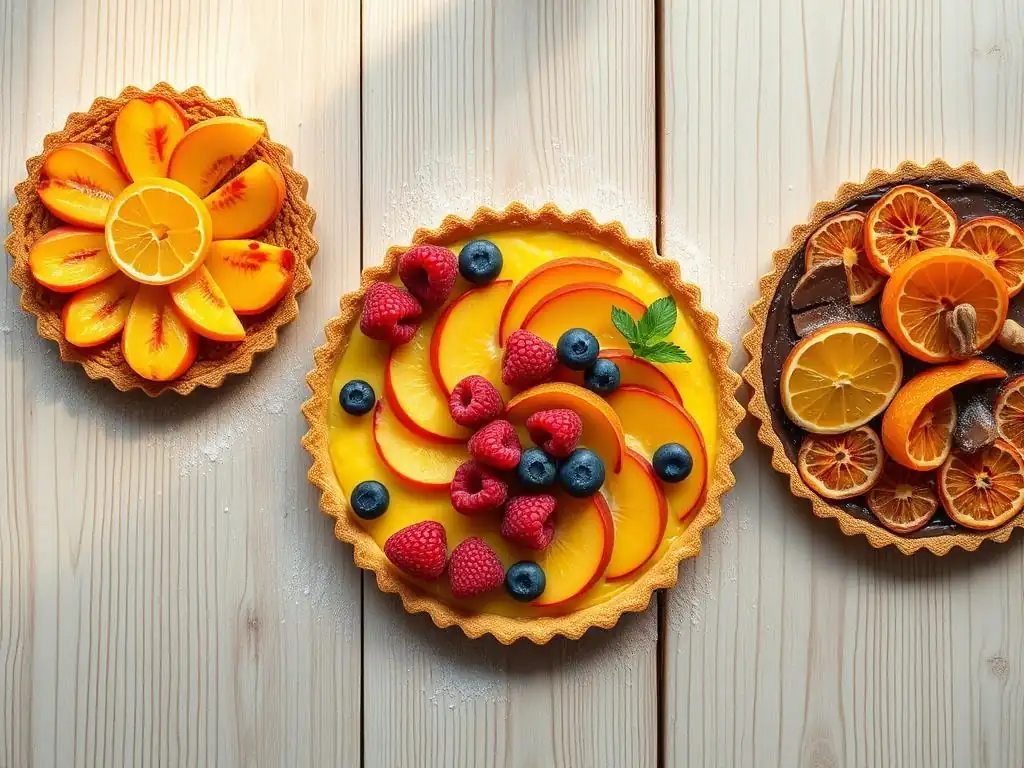
The beauty of the German fruit tart is its adaptability. Once you have a reliable base, you can easily experiment with different fruits, add extra layers, or modify the recipe to suit dietary needs. This makes your easy German fruit tart recipe a versatile foundation for many delicious desserts.
Exploring variations allows you to enjoy Obstkuchen throughout the year and cater to different tastes or requirements.
Different Fruit Combinations for Your Tart
Don't limit yourself to just one type of fruit! Combining different fruits can create exciting flavors and colors.
- Mixed Berry: A mix of strawberries, raspberries, blueberries, and red currants is vibrant and delicious.
- Apple and Cinnamon: Sliced apples are classic, often paired with a sprinkle of cinnamon before baking or glazing.
- Plum and Streusel: While often on a yeast base, plums also work on Mürbeteig, sometimes topped with crumbly streusel topping.
- Stone Fruit Medley: Combine peaches, apricots, and plums for a late summer treat.
- Exotic Twist: While not traditional, sliced kiwi, mango, or pineapple (ensure it's canned or cooked to reduce acidity) can be used on a sponge base.
Experiment with what's in season for the freshest and most flavorful results for your easy German fruit tart recipe.
Adding a Cream Filling Layer
Many German fruit tarts feature a layer of cream or pudding between the base and the fruit. This adds richness and a lovely texture contrast.
- Vanilla Pudding (Pudding): A thick layer of homemade or store-bought vanilla pudding is a very common addition, especially on a sponge base.
- Whipped Cream (Sahne): Simply spreading a layer of sweetened whipped cream on the cooled base before adding the fruit is another easy option.
- Quark Filling: A mixture of Quark (German fresh cheese, similar to ricotta or cream cheese but lower in fat), sugar, egg, and sometimes vanilla or lemon zest can be baked onto a Mürbeteig base before adding fruit.
Adding a cream layer transforms the Obstkuchen into a richer "Torte" but is still a popular variation of the easy German fruit tart recipe.
Vegan and Gluten-Free Options for Obstkuchen Bases
It's possible to adapt the classic bases to be vegan or gluten-free, allowing more people to enjoy this delightful dessert.
- Vegan Mürbeteig: Replace butter with vegan butter or margarine, and the egg with a flax egg (1 tbsp flaxseed meal + 3 tbsp water, let sit 5 mins) or a commercial egg replacer. The process remains similar.
- Gluten-Free Mürbeteig/Sponge: Use a good quality gluten-free all-purpose flour blend. You might need to adjust the liquid slightly. For sponge, ensure the egg whipping is very robust as gluten-free flours lack the structure of wheat flour.
- Almond Flour Base: A simple base can be made from almond flour, sugar, and vegan butter/coconut oil, pressed into the pan and baked. This offers a nutty, gluten-free option.
Adapting an easy German fruit tart recipe for dietary needs makes this delicious treat accessible to a wider audience.
Conclusion: Enjoy Baking Your Own Easy German Fruit Tart
Baking a German fruit tart, or Obstkuchen, doesn't have to be complicated. By choosing a simple base like Mürbeteig, Hefeteig, or Biskuitteig, you can create a delightful dessert that celebrates fresh fruit with minimal fuss. We've explored the characteristics of these bases, provided a step-by-step guide for the classic Mürbeteig, and offered tips for perfect assembly and storage.
Armed with this knowledge, you are well-equipped to bake your own delicious Obstkuchen. Remember that the key to an easy German fruit tart recipe lies in the simplicity of the base and the quality of the fresh fruit. Don't be afraid to experiment with different fruits and variations. Enjoy the process, and more importantly, enjoy sharing your homemade German fruit tart with friends and family. Happy baking!
Frequently Asked Questions
What makes this German Fruit Tart recipe considered "easy"?
This recipe focuses on simplified steps and readily available ingredients, making it accessible even for beginner bakers. It breaks down complex techniques into manageable tasks.
What are the different types of bases I can use for an "Obstkuchen" (German Fruit Tart)?
The article likely details a few options, such as a shortcrust pastry, a yeast dough, or even a cookie crust, offering variations for different preferences.
Can I substitute the fruits listed in the recipe with my own choices?
Absolutely! While traditional German Fruit Tarts often feature specific fruits, you can certainly customize it with your favorite seasonal fruits.
How do I prevent the tart base from becoming soggy after adding the fruit and glaze?
The article likely suggests techniques like pre-baking the crust (blind baking) and using a thin layer of jam or pastry cream as a barrier before adding the fruit.
How should I store the finished Easy German Fruit Tart?
Ideally, store the tart in the refrigerator to maintain freshness and prevent spoilage, especially due to the fresh fruit and glaze. Consume within 2-3 days for optimal taste.
Final Reflection: The Enduring Allure of Simple German Baking
The seemingly simple act of baking a German Obstkuchen transcends mere culinary creation; it's a connection to tradition, a celebration of seasonal bounty, and a testament to the power of uncomplicated recipes. This exploration of easy Obstkuchen bases highlights the accessibility of this beloved dessert, proving that deliciousness doesn't require hours of complex techniques. The ease of these recipes opens the door for anyone to experience the joy of baking and sharing this comforting treat.
The influence of German baking traditions extends far beyond the kitchen; it's woven into the fabric of family gatherings, celebrations, and everyday moments. The simple act of sharing a slice of Obstkuchen fosters connection and warmth, a sentiment echoed in countless family kitchens across generations. Baking is at once child's play and adult joy. And love, of course.
– This quote perfectly captures the essence of this seemingly simple act, transforming it into something deeply meaningful and personal.
Now, I invite you to embrace the simplicity and joy of baking your own German Obstkuchen. Choose your favorite base from those explored in this article, select your seasonal fruits, and let the aroma of warm spices and sweet fruit fill your home. Don't be afraid to experiment, to adapt, and to share the delicious results with those you love. The true reward lies not just in the taste, but in the experience of creating something beautiful and delicious with your own hands.
Unleash Your Inner Bäcker: Bake Your Dream Obstkuchen Today!
Thanks for taking the time to explore the wonderful world of German Obstkuchen bases with us! We hope you've discovered some new baking inspiration and feel confident tackling your next tart. Ready to get baking?
- Bake your favorite Obstkuchen base today! Grab those ingredients and let's get started. This is your chance to create something truly delicious and unique.
- Share your baking journey! Post a picture of your finished masterpiece on social media and tag us – we'd love to see your creations.
- Explore our other easy dessert recipes – we have tons more sweet treats waiting to be discovered!
So, which Obstkuchen base are you most excited to try first, and what delicious fruit filling will you pair it with?