
The Anatomy of a Perfect Bakewell Tart: Frangipane, Jam, and Icing

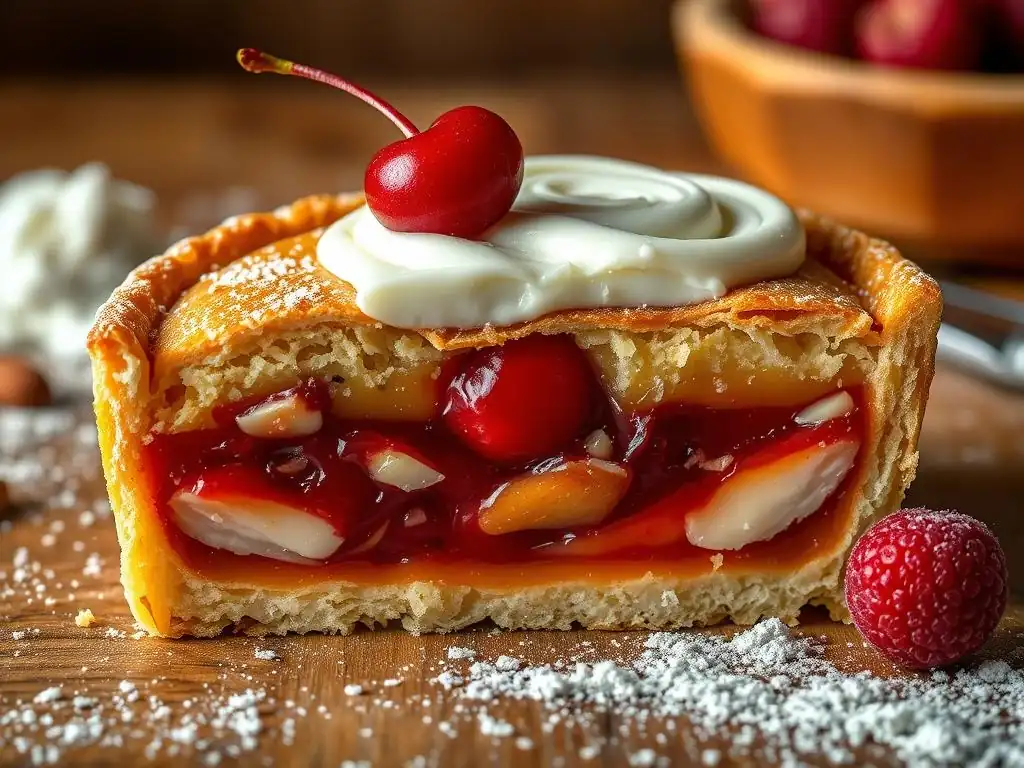
Welcome to BakeWithEase, your guide to unlocking baking brilliance! Ever wondered what truly makes a Bakewell tart irresistible? Dive into the secrets behind achieving the perfect balance of flavors and textures in our latest article. We're dissecting the "Bakewell tart filling recipe" to reveal the key ingredients and techniques that will elevate your baking game. Discover the anatomy of this classic British treat and prepare to create a masterpiece!
- Understanding the Allure of the Bakewell Tart
- Deconstructing the Perfect Bakewell Tart: A Layer-by-Layer Guide
- The Heart of the Tart: Raspberry Jam Layer
- Crafting the Signature Frangipane: The Bakewell Tart Filling Recipe
- The Crowning Glory: Icing and Decoration
- Baking Your Bakewell Tart: Achieving Golden Perfection
- Bakewell Tart Variations and Customizations
- Troubleshooting Common Bakewell Tart Issues
- Storing Your Bakewell Tart for Optimal Freshness
- The Ultimate Bakewell Tart Filling Recipe: A Summary
-
Frequently Asked Questions
- What exactly is frangipane, and why is it important in a Bakewell Tart?
- Can I use different types of jam in my Bakewell Tart filling recipe?
- What kind of pastry is best for the base of a Bakewell Tart, and how do I prevent it from becoming soggy?
- What if I don't have almond flour for the frangipane filling? Can I use an alternative?
- How can I achieve a smooth and even icing layer on top of my Bakewell Tart?
- Final Reflection: The Enduring Allure of the Bakewell Tart
- Unleash Your Inner Baker: Craft the Perfect Bakewell Tart!
Understanding the Allure of the Bakewell Tart
A Brief History of the Bakewell Tart
The Bakewell tart holds a cherished place in British baking, a sweet pastry delight with roots tracing back to the Derbyshire town of Bakewell. Legend has it that the original Bakewell Pudding was created by accident in the mid-19th century when a cook misinterpreted a recipe, spreading egg and almond paste over jam instead of stirring it into the pastry.
This happy mishap resulted in a delicious, albeit slightly different, dessert. The Bakewell tart, as we typically know it today with its pastry base, jam layer, frangipane filling, and icing, evolved from this pudding, becoming a distinct and much-loved confection in its own right throughout the UK and beyond.
While the exact transition from pudding to tart isn't precisely documented, the tart version gained popularity, likely due to its more stable structure and easier preparation for bakeries and home cooks alike. By the early 20th century, the Bakewell tart with its characteristic layers had become a staple, often found in tea rooms and bakeries across the country. The combination of buttery pastry, sweet jam, rich almond frangipane, and a simple icing topped with a cherry has cemented its status as a classic, evoking feelings of nostalgia and comfort for many.
Why This Bakewell Tart Filling Recipe Stands Out
Our focus on the Bakewell tart filling recipe here is because the frangipane layer is arguably the soul of this dessert. A truly exceptional Bakewell tart hinges significantly on the quality, texture, and flavor of its frangipane. Many recipes offer variations, but achieving that perfect balance – moist but not wet, flavorful with almond but not overwhelmingly so, and with a pleasant, slightly dense crumb – is key. This guide specifically targets creating that ideal frangipane, the star of your Bakewell tart filling recipe endeavor.
Beyond just the frangipane, a stand-out Bakewell tart filling recipe considers the interplay of all its components. It's not just about making a good frangipane; it's about how that frangipane complements the tart pastry, the sweetness of the jam, and the final touch of the icing. We'll explore how to select ingredients and techniques that ensure each layer contributes to a harmonious, delicious whole, resulting in a Bakewell tart that is truly memorable.
Deconstructing the Perfect Bakewell Tart: A Layer-by-Layer Guide
The Foundation: Shortcrust Pastry Perfection
Achieving a Crisp and Buttery Shortcrust
The foundation of any great Bakewell tart is a crisp, buttery shortcrust pastry. This requires careful attention to detail, particularly when handling the dough. The key is to keep ingredients cold – cold butter, cold water, and even cold hands if possible. When rubbing butter into the flour, aim for a texture resembling coarse breadcrumbs, leaving some small pieces of butter intact. This process helps create flaky layers as the butter melts during baking. Overworking the dough develops the gluten, leading to a tough crust, which is the opposite of the desired light, crumbly texture.
Once the dough comes together (using just enough cold water), wrap it tightly and chill it for at least 30 minutes. This chilling period is crucial for two main reasons: it allows the gluten to relax, making the dough easier to roll, and it firms up the butter, which is vital for achieving that desirable crispness. Rolling the dough evenly, typically to about 3-4mm thickness, ensures uniform baking. For a standard 20cm tart tin, you'll likely need a pastry circle slightly larger than the tin's diameter to line the sides properly.
Blind Baking for a Flawless Base
Blind baking is a non-negotiable step for a Bakewell tart to prevent a soggy bottom, especially given the moisture from the jam and the Bakewell tart filling recipe. After lining your tart tin with the chilled pastry, prick the base all over with a fork. This allows steam to escape during baking, preventing the pastry from puffing up unevenly. Then, line the pastry with parchment paper or foil and fill it with baking beans, rice, or ceramic weights. These weights keep the pastry sides from collapsing and the base flat.
Bake the pastry shell in a preheated oven, typically around 180°C (160°C fan/350°F), for about 15-20 minutes with the weights in place. After this initial bake, carefully remove the weights and paper. Return the pastry shell to the oven for another 5-10 minutes, or until the base appears dry and lightly golden. This second bake without weights ensures the bottom is fully cooked and sturdy enough to hold the subsequent layers of jam and your perfected Bakewell tart filling recipe without becoming saturated.
The Heart of the Tart: Raspberry Jam Layer
Choosing the Right Raspberry Jam for Your Bakewell Tart
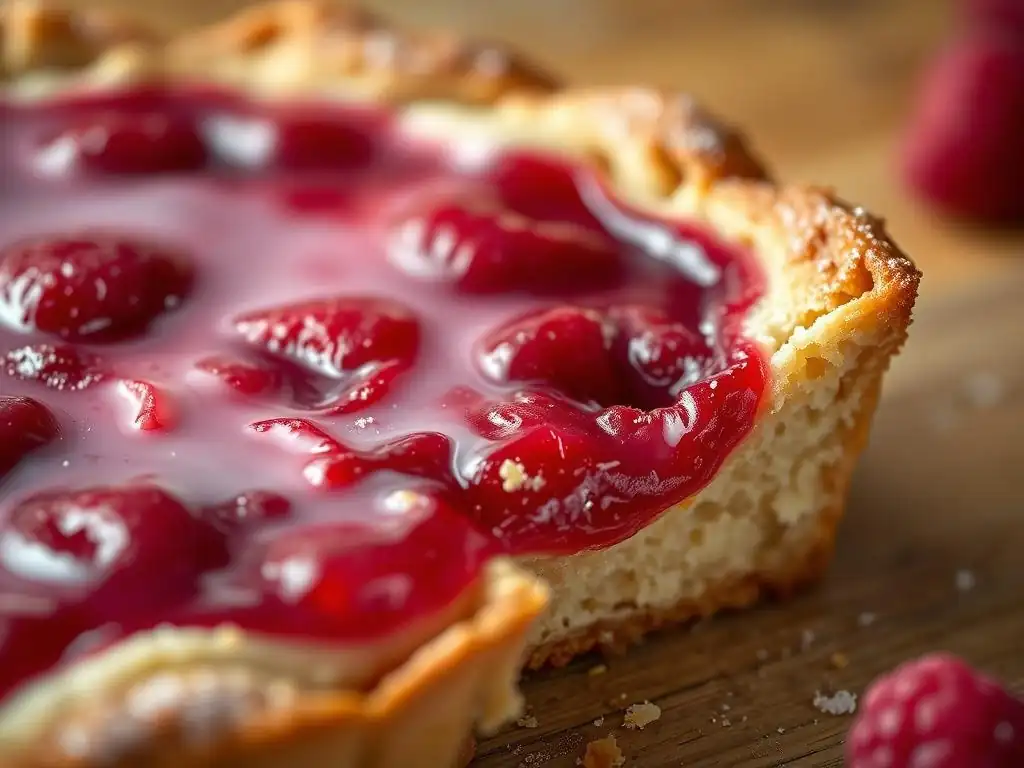
The raspberry jam layer provides a crucial counterpoint to the rich, sweet frangipane. The best jam for a Bakewell tart should have a good balance of sweetness and tartness, with a vibrant raspberry flavor. Avoid overly sweet jams that lack any tang, as they won't provide the necessary contrast. A good quality raspberry jam, perhaps one labelled as "extra fruit" or with a high fruit content (often 45-60% fruit), is ideal. Some bakers prefer a jam with seeds for texture, while others opt for seedless for a smoother finish.
Consistency is also important. The jam should be spreadable but not too runny. If your jam is very thick, you might gently warm it in a small pan or microwave for a few seconds to make it easier to spread evenly across the blind-baked pastry base. Conversely, if it seems too liquidy, it might seep into the pastry during baking, contributing to a soggy bottom. Aim for a jam that holds its shape reasonably well at room temperature.
Spreading the Jam: Achieving Even Distribution
Once your pastry base is blind-baked and slightly cooled, it's time to add the jam layer. Using a spoon or offset spatula, spread a generous, even layer of raspberry jam over the base of the tart shell. The thickness of the jam layer is a matter of personal preference, but typically a layer about 2-3 mm thick is sufficient to provide a distinct layer of flavor without overwhelming the other components. Ensure the jam covers the entire base right up to the edges of the pastry.
An even layer is important for consistent flavor in every bite and also helps create a smooth surface for the frangipane layer that follows. Take care not to disturb the delicate blind-baked pastry as you spread the jam. This layer is simple, but crucial for the overall success and classic taste profile of your Bakewell tart.
Crafting the Signature Frangipane: The Bakewell Tart Filling Recipe
What is Frangipane? A Deep Dive
Frangipane is a classic pastry cream made from butter, sugar, eggs, and ground almonds. It's renowned for its rich, moist texture and distinct almond flavor, making it a cornerstone of many European pastries and, of course, the essential Bakewell tart filling recipe. Unlike a simple almond paste, frangipane is lighter and more custard-like when baked, providing a wonderful contrast to the pastry and jam layers. Its versatility allows it to be flavored with extracts, zest, or even cocoa, though for an authentic Bakewell tart, almond is paramount.
Historically, frangipane is said to have been named after the 16th-century Italian nobleman, Marquis Muzio Frangipani, who created an almond-scented perfume for gloves. Later, chefs adapted the almond scent into a culinary ingredient, evolving into the pastry cream we know today. This rich, aromatic filling transforms simple baked goods into something truly special, providing that characteristic soft, slightly chewy texture found just beneath the icing layer of a perfect Bakewell tart.
The Essential Ingredients for Authentic Frangipane Filling
Creating a sublime Bakewell tart filling recipe requires specific ingredients, each playing a vital role in the final texture and flavor. The core components are ground almonds (or almond flour), butter, sugar, and eggs. Using high-quality ingredients is key; for instance, unsalted butter allows you to control the salt level, and fresh eggs contribute to the richness and binding properties. Vanilla or almond extract is often added to enhance the flavor profile.
The proportions of these ingredients are critical to achieving the correct consistency for the frangipane. A typical ratio might involve equal weights of butter, sugar, and ground almonds, with eggs added to bind. For example, a recipe might call for 150g butter, 150g sugar, 150g ground almonds, and 2-3 medium eggs. Variations in these ratios can slightly alter the final texture, making it denser or lighter.
Almond Flour: The Key to Frangipane Texture
Almond flour, or finely ground almonds, is the star ingredient in the Bakewell tart filling recipe. It provides the characteristic nutty flavor and contributes significantly to the unique texture of frangipane – moist, tender, and slightly dense. Using high-quality, finely ground blanched almonds (where the skins have been removed) typically yields the smoothest frangipane. If you use unblanched almonds, the frangipane will have tiny brown flecks, which is also perfectly acceptable and adds a rustic appearance.
The amount of almond flour used directly impacts the frangipane's consistency. Too little, and it might be too wet; too much, and it could become dry or crumbly. Ensure your almond flour is fresh, as nuts can become rancid over time, which would negatively affect the taste of your Bakewell tart filling.
Butter and Sugar: Creating Richness and Flavor
Butter and sugar form the creamy base of the frangipane, providing richness, moisture, and sweetness. Unsalted butter is creamed together with caster sugar (fine granulated sugar) until light and fluffy. This creaming process incorporates air, contributing to a slightly lighter texture in the baked frangipane. Using soft, room-temperature butter is essential for achieving this smooth, aerated mixture.
The sugar not only sweetens the frangipane but also helps to keep it moist. Caster sugar is preferred over standard granulated sugar because its finer crystals dissolve more easily, resulting in a smoother texture. The combination of butter and sugar provides the luxurious mouthfeel that is a hallmark of a delicious Bakewell tart filling.
Eggs: Binding the Frangipane Together
Eggs are the primary binder in the frangipane, bringing the butter, sugar, and almond flour together into a cohesive mixture. They also add richness and contribute to the structure as the frangipane bakes. Typically, medium or large eggs are used, added one at a time and beaten in thoroughly after each addition to ensure they are fully incorporated.
The number of eggs can slightly influence the final texture. More eggs will result in a softer, more custard-like frangipane, while fewer eggs will yield a denser result. Getting the egg quantity right is crucial for the correct consistency of your Bakewell tart filling recipe before baking and for the desired texture after baking.
Almond Extract: Enhancing the Almond Flavor
While ground almonds provide the base flavor, a touch of almond extract is often added to intensify the characteristic almond note in the frangipane. A little goes a long way, as almond extract can be quite potent. Start with a small amount, perhaps half a teaspoon for a batch using 150g of almonds, and add more to taste if desired.
For an extra layer of flavor, some recipes also include a splash of vanilla extract. The combination of almond and vanilla creates a complex, warm flavor profile that perfectly complements the other layers of the Bakewell tart. Ensure you use high-quality extracts for the best results in your Bakewell tart filling recipe.
Step-by-Step Frangipane Preparation: The Bakewell Tart Filling Recipe Process
Making frangipane is relatively straightforward.
- Start by creaming the softened butter and sugar together in a bowl until the mixture is pale and fluffy. This usually takes 2-3 minutes with an electric mixer.
- Beat in the eggs, one at a time, mixing well after each addition until fully incorporated. The mixture might look slightly curdled at this stage, but don't worry.
- Stir in the almond extract and any vanilla extract you are using.
- Finally, fold in the ground almonds using a spatula or wooden spoon until just combined. Be careful not to overmix once the almonds are added.
The resulting mixture should be a thick, spreadable paste. Once prepared, the frangipane is ready to be spread over the jam layer in your blind-baked pastry case. This simple process yields the delicious core of your Bakewell tart filling recipe.
Tips for a Smooth and Flavorful Frangipane
Achieving a smooth and flavorful frangipane is key to a perfect Bakewell tart.
- Ensure your butter is genuinely soft, not melted, for easy creaming.
- Use finely ground almonds for the smoothest texture; if your almonds are coarse, you can pulse them briefly in a food processor (be careful not to turn them into butter! ).
- Don't overmix the frangipane once the almonds are added, as this can develop the oils in the nuts and change the texture.
- Taste a tiny amount of the raw mixture (if comfortable) to check the almond extract level before adding it to the tart.
- Consider adding a pinch of salt to balance the sweetness, although this is optional and depends on whether you used salted or unsalted butter.
Following these simple tips will help ensure your Bakewell tart filling recipe results in a frangipane that is rich, moist, and bursting with almond flavor, elevating your Bakewell tart to new heights.
The Crowning Glory: Icing and Decoration
Royal Icing vs. Fondant Icing: Choosing the Right Finish
The traditional topping for a Bakewell tart is a simple icing, often a glacé icing made from icing sugar (powdered sugar) and water or lemon juice. However, some variations use royal icing or even rolled fondant. Glacé icing is the easiest and most common, providing a slightly opaque, sweet layer that sets firm but not hard.
Royal icing, made with egg whites or meringue powder, sets much harder and shinier, often used for intricate piping, though less common for a simple tart topping. Rolled fondant provides a very smooth, opaque finish but can be overly sweet and lacks the slight melt-in-the-mouth quality of glacé icing.
For an authentic and easy-to-eat Bakewell tart, glacé icing is usually the preferred choice. It provides just enough sweetness and a pleasant texture that complements the richness of the frangipane and the tartness of the jam without being too hard or chewy. A simple mixture of icing sugar and liquid creates this classic finish.
Creating a Smooth and Glossy Icing
To make a smooth glacé icing, sift your icing sugar into a bowl to remove any lumps. Gradually add a liquid, such as water, milk, or lemon juice, a teaspoon at a time, stirring constantly with a spoon or whisk until you reach a thick, smooth, pourable consistency. You want the icing to be thick enough to coat the back of a spoon but thin enough to spread easily over the tart. Using warm liquid can help create a glossier finish.
Once the Bakewell tart has cooled completely (this is crucial, as warm icing will melt and run), pour the icing over the top of the frangipane layer. Use an offset spatula or the back of a spoon to gently spread it evenly across the surface, allowing some to drip slightly down the sides for a classic look. Work relatively quickly, as glacé icing starts to set as it cools.
Traditional Bakewell Tart Decoration: The Cherry on Top
The quintessential finishing touch for a Bakewell tart is the cherry. Typically, a glacé cherry (candied cherry) is placed directly in the center of the tart after the icing has been applied but before it has fully set. Some bakers prefer to halve the cherry or use multiple cherries. Another common decoration is to create a feathered pattern in the icing. This is done by drizzling thin lines of contrasting icing (often chocolate or red food coloring mixed with a little icing) across the wet white icing, then drawing a skewer or toothpick through the lines in alternating directions.
While simple, these decorations are instantly recognizable and contribute to the iconic appearance of a Bakewell tart. The bright red cherry provides a visual focal point and a little burst of chewy sweetness. This final step completes the assembly, transforming your layered creation into a beautiful and delicious dessert.
Baking Your Bakewell Tart: Achieving Golden Perfection
Oven Temperature and Baking Time: The Key to Success
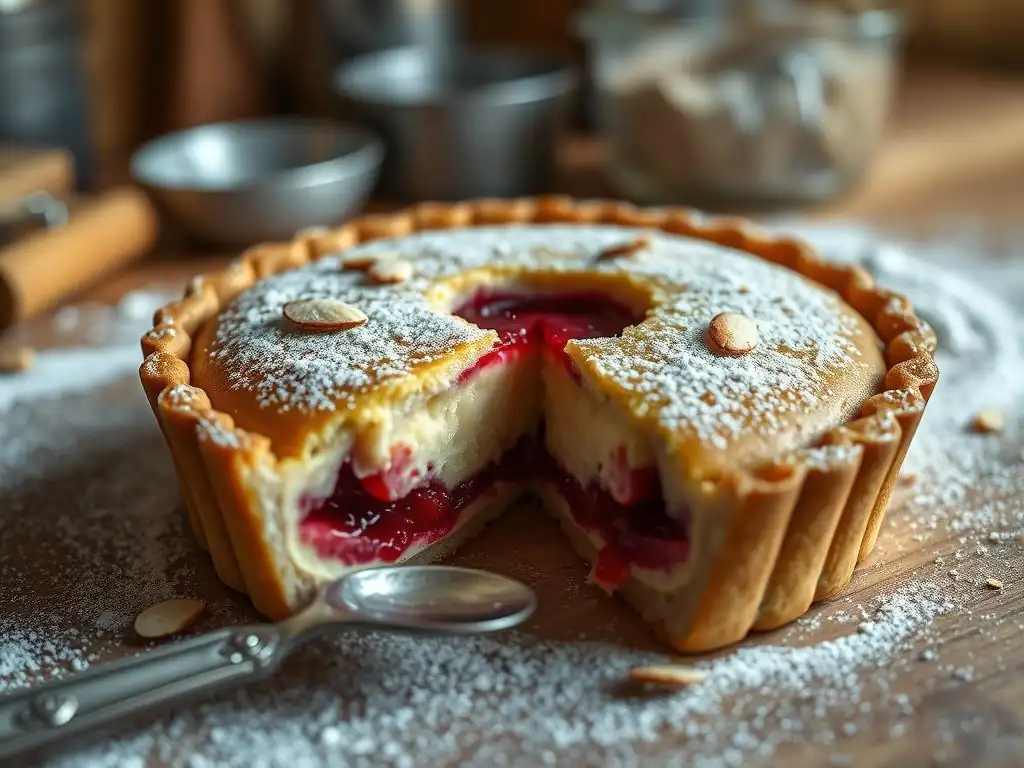
Baking the assembled Bakewell tart requires the right temperature and duration to ensure the pastry is fully cooked, the frangipane is set, and the top achieves a lovely golden hue. A standard temperature is around 180°C (160°C fan/350°F). The baking time can vary depending on your oven and the size of your tart, but typically a 20-23cm tart will bake for 30-45 minutes.
It's important to place the tart on a baking sheet to catch any potential drips and to ensure even heat distribution from the bottom. Keep an eye on the tart during the last 10-15 minutes of baking. If the top of the frangipane starts to brown too quickly before the filling is set, you can loosely cover the tart with foil.
Recognizing When Your Bakewell Tart is Perfectly Baked
Knowing when your Bakewell tart is ready is crucial. The frangipane filling should appear set and slightly risen, with a beautiful golden-brown color on top. You can gently press the center of the frangipane; it should feel firm, not liquidy. Another good indicator is the pastry crust; it should be golden brown around the edges.
If you're unsure, you can insert a skewer or toothpick into the center of the frangipane (avoiding the jam layer). It should come out mostly clean, possibly with a few moist crumbs attached, but not wet batter. Baking it just long enough ensures the frangipane is cooked through and moist without becoming dry or cracking excessively.
Bakewell Tart Variations and Customizations
Exploring Different Jam Flavors: Beyond Raspberry
While raspberry jam is traditional, the beauty of the Bakewell tart filling recipe is its adaptability. You can easily substitute the raspberry jam with other flavors to create delightful variations. Strawberry jam is a popular choice, offering a similar balance of sweetness and slight tartness. Black cherry jam provides a deeper, richer flavor that pairs wonderfully with the almond.
Other options include apricot jam, which offers a lovely tang, or even a mixed berry jam. When choosing an alternative jam, consider how its flavor profile will interact with the almond frangipane. A jam that is too sweet might make the tart cloying, while one that is overly tart could be jarring. Experimenting with different fruit preserves is a fun way to put your own spin on this classic dessert.
Adding Chocolate to Your Bakewell Tart Filling Recipe
For chocolate lovers, incorporating chocolate into the Bakewell tart filling recipe is a delicious possibility. You can add cocoa powder to the frangipane mixture, typically substituting a small amount of almond flour or adding it directly. For instance, replacing 20-30g of almond flour with cocoa powder or adding 2-3 tablespoons of good quality cocoa powder can give the frangipane a subtle chocolatey depth.
Alternatively, you could add chocolate chips or chopped chocolate to the frangipane mixture before baking. This creates pockets of melted chocolate within the almond filling. Another approach is to spread a thin layer of melted chocolate over the jam before adding the frangipane. This offers a distinct chocolate layer. These chocolate variations add a modern twist to the classic Bakewell tart.
Nut-Free Bakewell Tart Options
For those with nut allergies, enjoying a traditional Bakewell tart can be challenging due to the almond-based frangipane. However, it is possible to create nut-free versions. SunButter (made from sunflower seeds) can sometimes be used as a substitute for almond flour and butter, though the texture and flavor will differ significantly. Seed-based flours like sunflower seed flour can also be explored for the Bakewell tart filling recipe base.
Another approach is to adapt the filling entirely. A simple sponge cake batter baked over the jam layer can mimic some of the texture, or a coconut-based macaroon-style topping. While these variations won't be authentic frangipane, they allow individuals with nut allergies to enjoy a dessert with a similar structure and appearance to the beloved Bakewell tart. Clearly labelling these variations is crucial for safety.
Troubleshooting Common Bakewell Tart Issues
Soggy Bottoms: Preventing Pastry Problems
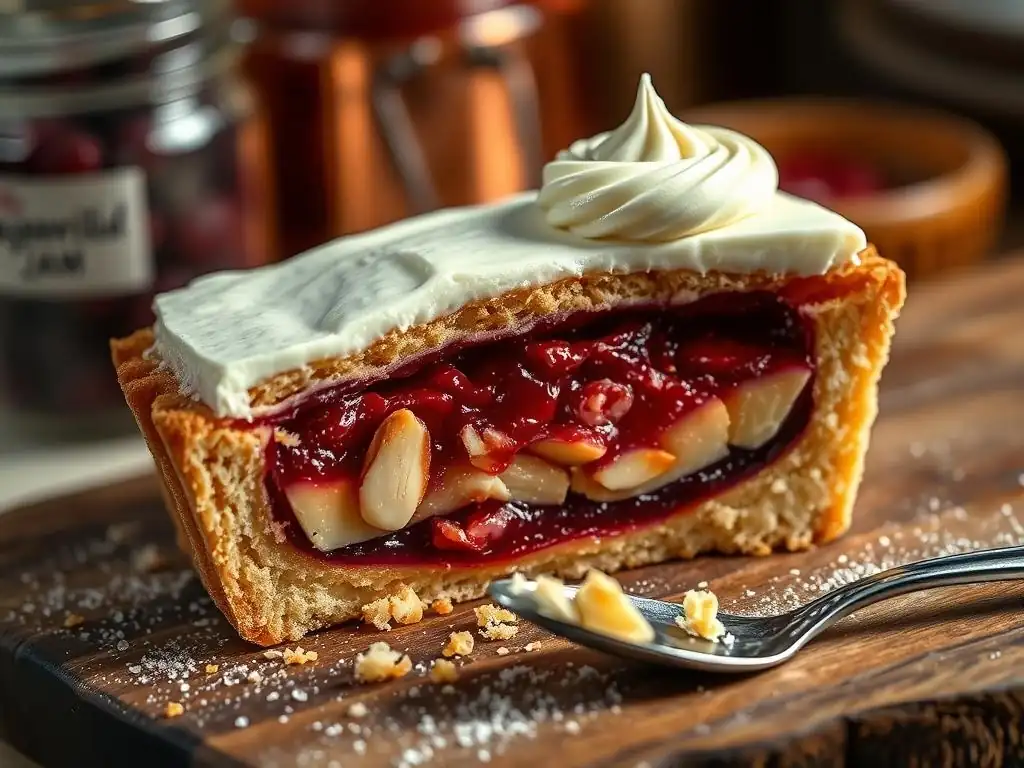
A soggy bottom is one of the most frustrating issues when baking tarts. For a Bakewell tart, it's often caused by moisture from the jam or frangipane seeping into an underbaked pastry base. The primary defense against this is thorough blind baking. Ensure your pastry base is baked until dry and lightly golden without the weights before adding the fillings.
Using a hot baking sheet or pizza stone placed in the oven before adding the tart can also help transfer heat quickly to the base, promoting crispness. Additionally, ensuring your jam layer isn't excessively wet and that the frangipane isn't too runny before baking contributes to preventing a soggy bottom in your Bakewell tart.
Frangipane Overflow: Managing the Filling
Sometimes, the frangipane can puff up significantly during baking and overflow the pastry case. This can happen if the tart tin is overfilled or if the frangipane mixture is too light or contains too much leavening (which isn't typical for frangipane but can occur in some recipes). To prevent this, ensure you don't fill the pastry case right to the very top edge with the frangipane – leave about 5-10mm of space.
If you notice the frangipane rising excessively during baking, you can sometimes gently press it down with the back of a spoon after about 20-25 minutes in the oven, though be cautious not to deflate it completely. Using a tart tin with straight, relatively tall sides also helps contain the Bakewell tart filling as it bakes.
Icing Cracking: Achieving a Flawless Finish
Cracked icing on a Bakewell tart usually happens if the tart is sliced before the icing has fully set or if the icing layer is too thick or too thin. Glacé icing needs time to firm up properly; slicing a warm tart will inevitably cause the still-soft icing to crack and potentially slide off.
To achieve a smooth, uncracked finish, ensure the tart is completely cool before icing. Make the icing to the correct consistency – thick enough to coat but thin enough to spread smoothly. Apply it evenly and allow it to set undisturbed at room temperature. Avoid refrigerating the tart immediately after icing, as rapid cooling can sometimes cause cracking. If cracks still appear, a very thin second layer of icing can sometimes help mask them.
Storing Your Bakewell Tart for Optimal Freshness
A freshly baked Bakewell tart is best enjoyed at room temperature. To store it, cover it loosely with foil or plastic wrap, or place it in an airtight container. It will keep well at room temperature for 2-3 days. Storing it in the refrigerator can extend its shelf life to about 4-5 days, but the texture of the pastry might become slightly firmer.
If refrigerating, allow the tart to sit at room temperature for 30-60 minutes before serving to allow the flavors and textures to soften and become more enjoyable. Bakewell tart also freezes reasonably well, ideally before icing. Wrap the cooled, baked tart (without icing) tightly in plastic wrap and then foil. Thaw overnight in the refrigerator and then ice before serving. The frangipane, the star of the Bakewell tart filling recipe, holds up quite well to freezing.
The Ultimate Bakewell Tart Filling Recipe: A Summary
Crafting the perfect Bakewell tart is a delightful journey through layers of texture and flavor. It begins with a perfectly blind-baked, crisp shortcrust pastry base, providing a sturdy foundation. This is followed by a vibrant layer of slightly tart raspberry jam, which cuts through the richness of the subsequent filling. The heart of the tart, the frangipane, is made using a balanced Bakewell tart filling recipe combining softened butter, caster sugar, eggs, and finely ground almonds, often enhanced with almond extract, creating a moist, flavorful, and slightly dense layer.
Once baked to golden perfection, the tart is finished with a smooth glacé icing and the traditional cherry on top. Each element, from the careful preparation of the pastry to the precise measurements in the Bakewell tart filling recipe and the final decorative touches, contributes to the classic appeal of this beloved British bake. Mastering these steps ensures a delicious result every time, showcasing why the Bakewell tart remains a timeless favorite.
Frequently Asked Questions
What exactly is frangipane, and why is it important in a Bakewell Tart?
Frangipane is a sweet almond-based cream that forms the signature filling of a Bakewell Tart. It provides a moist and flavorful foundation that complements the jam. Its texture is crucial for a good tart.
Can I use different types of jam in my Bakewell Tart filling recipe?
Absolutely! While raspberry jam is traditional, you can experiment with other fruit preserves like strawberry or blackcurrant. The key is to choose a jam with a good balance of sweetness and tartness to complement the frangipane.
What kind of pastry is best for the base of a Bakewell Tart, and how do I prevent it from becoming soggy?
Shortcrust pastry is generally recommended for its crisp and crumbly texture. To prevent a soggy bottom, blind bake the pastry shell before adding the jam and frangipane, creating a protective barrier.
What if I don't have almond flour for the frangipane filling? Can I use an alternative?
While almond flour is ideal, you can use finely ground almonds as a substitute. However, the texture might be slightly different. Try to grind the almonds as finely as possible to achieve a smooth frangipane texture.
How can I achieve a smooth and even icing layer on top of my Bakewell Tart?
Ensure the tart is completely cool before icing. Use a palette knife or offset spatula to spread the icing evenly, working from the center outwards. A thin, consistent layer is key for a visually appealing and delicious finish.
Final Reflection: The Enduring Allure of the Bakewell Tart
The perfect Bakewell tart isn't just a recipe; it's a testament to the enduring power of simple, quality ingredients, perfectly balanced. This exploration into the heart of the Bakewell – its frangipane, its jam, its icing – reveals a surprisingly complex interplay of textures and flavors that continues to captivate bakers and eaters alike. The seemingly straightforward nature of this classic dessert belies a depth of culinary artistry that deserves appreciation and continued exploration.
The Bakewell tart's influence extends far beyond the kitchen; it's a symbol of British baking heritage, a comforting tradition passed down through generations. Its simple elegance speaks to a time when less was more, when the focus was on quality ingredients and meticulous technique. As we navigate an increasingly complex culinary landscape, the Bakewell tart serves as a welcome reminder of the beauty in simplicity. The best things in life are simple,
a sentiment perfectly embodied by this iconic dessert. Its enduring popularity speaks volumes about our collective desire for comfort, tradition, and deliciousness.
Now, I invite you to consider your own approach to baking. Will you experiment with different jam varieties? Perhaps try a unique twist on the frangipane? The beauty of the Bakewell tart lies in its adaptability, its ability to be both a faithful reproduction of tradition and a canvas for personal creativity. Embrace the process, savor the experience, and most importantly, enjoy the delicious results. The perfect Bakewell tart awaits your personal touch.
Unleash Your Inner Baker: Craft the Perfect Bakewell Tart!
Thanks for joining us on this delicious journey into the world of Bakewell tarts! We hope you've gained a deeper appreciation for the art of creating this classic treat. Now it's time to put your newfound knowledge to the test!
- Bake your own Bakewell Tart: This is your chance to shine! Follow our recipe and let your creative baking skills soar. Don't be afraid to experiment with different jam flavors or add your personal touch.
- Share your creation: Post a picture of your masterpiece on social media using #BakewellTartChallenge and #BakeWithEase – let's see those beautiful tarts!
- Explore our other recipes: Dive deeper into the world of baking with our extensive collection of delicious recipes, perfect for all skill levels. Find your next baking adventure on BakeWithEase.com!
Ready to create your own award-winning Bakewell Tart? What unique twist will you add to make it your own?