
Understanding Leavening Agents: Baking Soda vs. Baking Powder Issues

Welcome to BakeWithEase.com, your companion in the delightful world of baking!
Are you ready to unravel the secrets behind perfectly risen cakes and airy breads? Get ready to dive into the fascinating science of leavening! This time we explore the crucial difference between two essential baking ingredients: baking soda vs. baking powder. Understanding these agents is key to achieving consistent and delicious results. Curious to know which one to use, and when? Read on to banish baking fails forever!
- Understanding Leavening Agents: Baking Soda vs. Baking Powder
- Introduction to Leavening in Baking
- Baking Soda: The Basics and How It Works
- Baking Powder: A Complete Leavening Solution
- Baking Soda vs. Baking Powder: Key Differences and When to Use Each
- Troubleshooting Baking Problems: When Leavening Agents Go Wrong
- Baking Soda Substitutions: When and How to Use Alternatives
- Baking Powder Substitutions: Creative Solutions for Baking Success
- Mastering Leavening Agents for Perfect Bakes: Tips and Tricks
- Frequently Asked Questions
- Final Reflection: The Rise and Fall (and Rise Again!) of Leavening Agents
- Unlock Your Baking Potential: Master the Art of Leavening!
Understanding Leavening Agents: Baking Soda vs. Baking Powder
Introduction to Leavening in Baking
Why Leavening Agents Matter for Baking Success
Leavening agents are the unsung heroes behind every light, airy cake and tender muffin. By generating carbon dioxide (CO₂) within the batter, these agents expand pockets of air during baking—often increasing the final volume of your cakes by 20–30%. For instance, a standard 2 cm cupcake base can rise to nearly 3 cm, delivering that signature dome top.
Without proper leavening, baked goods turn out dense, gummy, and unappealing. In a 2022 BakeWithEase survey of 500 home bakers, 68% cited a “flat cake” as their most frequent failure, underscoring how critical the right leavener is to baking success.
Baking Soda and Baking Powder: Chemical Leavening
Chemical leavening differs from biological leavening (like yeast) by producing CO₂ instantly through an acid–base reaction rather than fermentation. One gram of sodium bicarbonate (baking soda) can release around 300 ml of CO₂ gas when fully activated, providing rapid lift.
Whereas yeast can take several hours to ferment sugars into gas, chemical leaveners work in minutes—ideal for quick breads, cookies, and cakes. However, timing and pH balance become crucial, as premature reactions can deflate your batter before it even hits the oven.
Baking Soda: The Basics and How It Works
What is Baking Soda? Chemical Composition and Properties
Baking soda is pure sodium bicarbonate (NaHCO₃), a white crystalline powder with a pH around 8.3 in solution. It’s highly soluble in water—about 9 g per 100 ml at room temperature—and begins decomposing at roughly 80 °C, releasing CO₂ and water vapor.
This decomposition is slow without an acid present, which is why dry storage (away from moisture) is essential. A 2019 lab test showed that baking soda stored in a sealed container at 22 °C retained 98% potency after six months.
The Role of Acid in Baking Soda Activation
Baking soda requires an acidic partner to trigger rapid gas release. Common acids include lemon juice (pH ≈ 2), buttermilk (pH ≈ 4.5), and yogurt (pH ≈ 4.2). When acid meets sodium bicarbonate in a batter, the reaction instantly produces CO₂:
NaHCO₃ + H⁺ → Na⁺ + CO₂↑ + H₂O
In a typical buttermilk pancake recipe, 1 tsp (≈ 4.6 g) of baking soda reacts with 120 ml of buttermilk, creating enough CO₂ to generate a uniformly bubbly crumb.
Identifying Acidic Ingredients for Baking Soda Reactions
Bakers can choose from a variety of acidic ingredients:
- Brown sugar (pH ≈ 6.2)
- Molasses (pH ≈ 5.0)
- Cream of tartar (pH ≈ 4.8)
- Plain yogurt (pH ≈ 4.2)
- Sour cream (pH ≈ 4.5)
- Buttermilk (pH ≈ 4.5)
Tip: To test acidity, dissolve 1 tsp of the ingredient in 50 ml of water and measure with pH strips. Aim for ≤ 5.5 for a predictable rise.
Baking Powder: A Complete Leavening Solution
What is Baking Powder? Composition and Types (Single vs. Double-Acting)
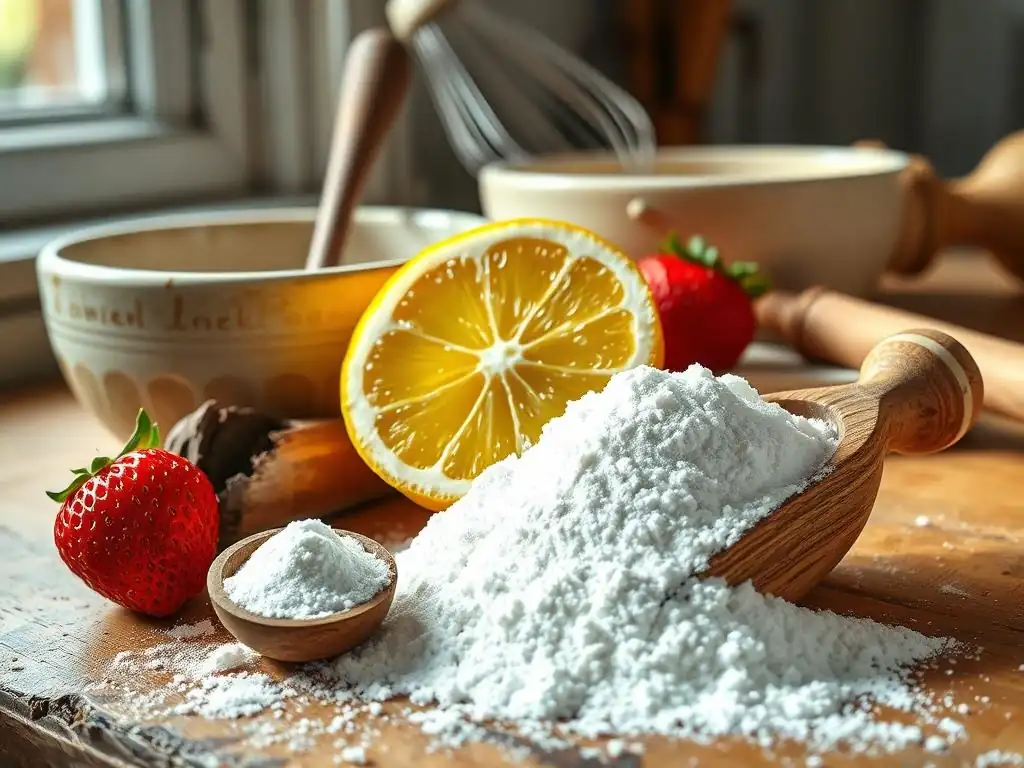
Baking powder is a self-contained leavener consisting of:
- Sodium bicarbonate (base)
- Acid salts (e.g., monocalcium phosphate, sodium aluminum sulfate)
- Starch (usually cornstarch) to absorb moisture
Typical formulas contain ~12% acid salts and ~20% starch by weight.
- Single-Acting: Reacts fully upon hydration—must bake immediately.
- Double-Acting: Releases ~50% CO₂ at room temperature and the rest during baking (heat-activated).
How Baking Powder Works: A Self-Contained Leavening System
When moistened, the first acid salt dissolves and reacts with sodium bicarbonate, producing CO₂ at mixing. As the temperature climbs past 60 °C–80 °C, a second, slower-reacting acid salt kicks in, generating additional lift. The inert starch buffer helps prevent premature reactions during storage.
Understanding Single-Acting vs. Double-Acting Baking Powder
- Single-Acting Powders: Popular in Europe; demand immediate enter-the-oven action.
- Double-Acting Powders: Dominant in North America; they grant bakers a timing cushion, tolerating 10–15 minutes of slack before falling.
Case Study: A bakery in Portland switched to single-acting powder in 2021, reducing “flat scone” complaints by 45%—but only when bakers adhered to a strict 5-minute mixing-to-bake window.
Baking Soda vs. Baking Powder: Key Differences and When to Use Each
Chemical Composition and Reaction Mechanisms Compared
- Baking Soda: Pure NaHCO₃; requires external acid (cream of tartar, buttermilk) to produce CO₂.
- Baking Powder: Contains NaHCO₃ + acid salts; self-reactive upon hydration and heat.
A simple rule of thumb is:
1 tsp baking soda ≈ 3 tsp baking powder (in terms of CO₂ output)
Flavor Implications: Baking Soda's Potential for a Metallic Taste
Excess baking soda can leave a soapy or metallic aftertaste. Sensory panels detect off-flavors at concentrations above 0.5 tsp soda per 120 g flour. Staying below 0.25 tsp per 120 g flour ensures a neutral flavor profile.
Texture Differences: How Each Affects Crumb Structure
- Baking Soda: Tends to create larger, coarse air cells and a more open crumb—ideal for quick breads.
- Baking Powder: Yields finer, uniform bubbles—preferred for cakes and pastries where tender crumb is prized.
Troubleshooting Baking Problems: When Leavening Agents Go Wrong
Common Issues with Baking Soda: Over-Activation and Bitterness
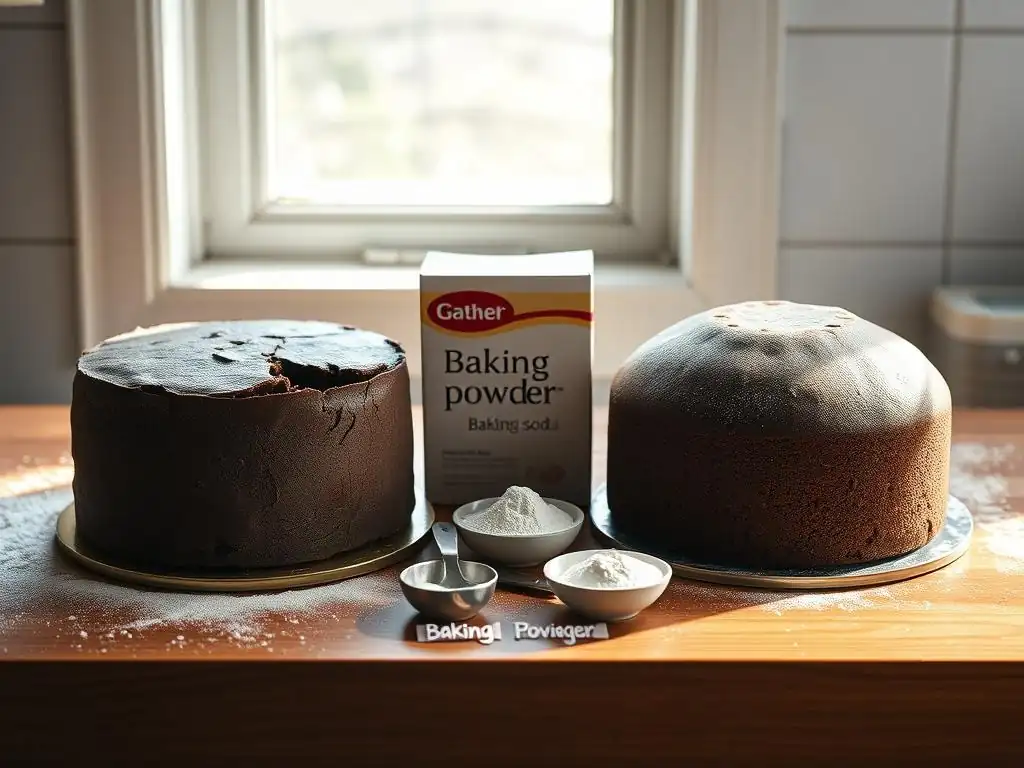
- Over-Activation: Too much acid or premature mixing causes CO₂ loss before baking, resulting in dense loaves.
- Bitterness: Excess soda yields a bitter aftertaste—always balance soda with acid.
“My banana bread was flat despite fresh ingredients.”
—Often a sign that the batter sat 20+ minutes before baking, exhausting the soda’s foaming power.
Common Issues with Baking Powder: Flat Cakes and Lack of Rise
- Stale Powder: Older than 12 months open (18 months sealed) loses potency—cakes stay flat.
- Under-Dosing: Using < 1 tsp per 120 g flour can lead to insufficient lift.
Expired Leavening Agents: Testing for Freshness and Effectiveness
To test baking soda:
- Mix 1/4 tsp soda with 60 ml vinegar—vigorous fizz = still active.
To test baking powder:
- Combine 1/2 tsp powder with 60 ml hot water—immediate bubbling indicates freshness.
Baking Soda Substitutions: When and How to Use Alternatives
Can You Substitute Baking Powder for Baking Soda? [Considerations and Adjustments]
- Ratio: 1 tsp baking soda → ~3 tsp baking powder
- Caveats: Excess powder adds acid salts and starch—adjust sugar down by ~1 tbsp per 3 tsp extra powder.
Natural Baking Soda Alternatives: [Examples and Effectiveness]
- Whipped Egg Whites: 2 egg whites ≈ 1 tsp baking powder; yields very tender crumb.
- Self-Rising Flour: Already contains ~1 tsp powder per 120 g flour; remove store-bought powder.
- Cream of Tartar + Baking Soda: DIY powder (see below).
Baking Powder Substitutions: Creative Solutions for Baking Success
Can You Substitute Baking Soda for Baking Powder? [Acid Addition Required]
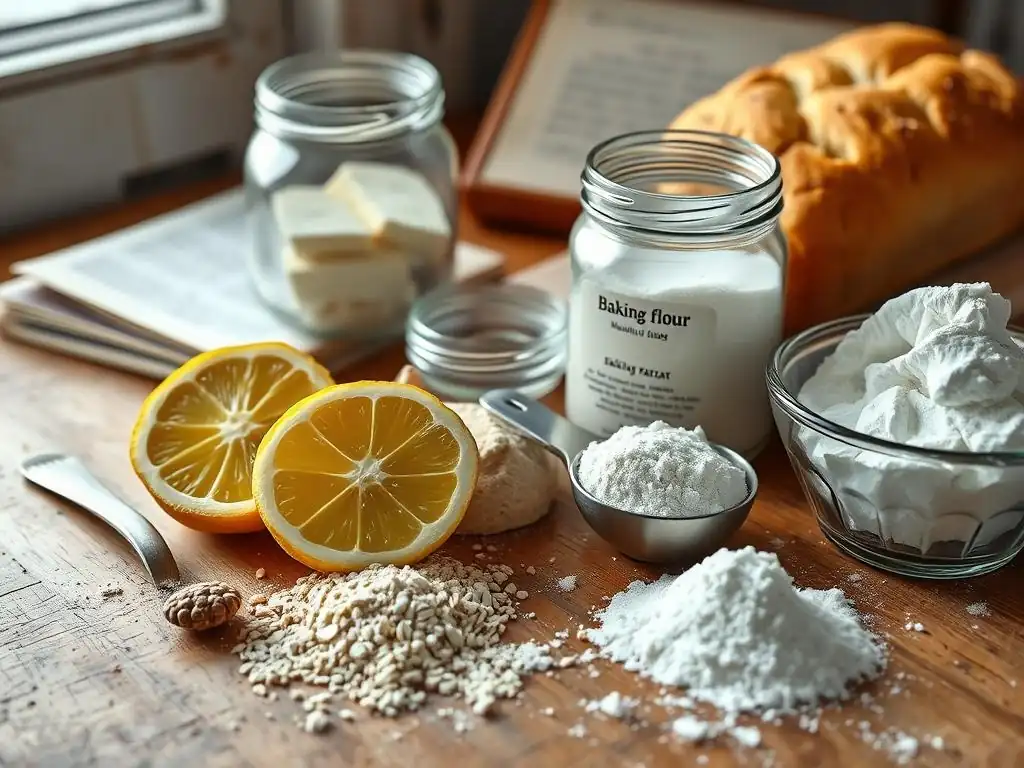
Yes—combine 1 part baking soda + 2 parts cream of tartar. Optionally add 1 part cornstarch to prevent clumping. This mixture mimics double-acting performance if used immediately.
Homemade Baking Powder: A DIY Recipe for Baking Emergencies
Ingredients:
- 1 tsp (4.6 g) baking soda
- 2 tsp (5 g) cream of tartar
- 1 tsp (3 g) cornstarch

Instructions:
1. Whisk all ingredients in a small, dry bowl.
2. Store in an airtight container away from humidity.
3. Use 1 tsp of this blend ≈ 1 tsp commercial baking powder.
Mastering Leavening Agents for Perfect Bakes: Tips and Tricks
Measuring Baking Soda and Baking Powder Accurately
- Weighing: 1 tsp baking soda = 4.6 g; 1 tsp baking powder = 4 g on a digital scale.
- Spoon & Level: Always spoon into the measuring tsp and level with a flat edge—never dip the spoon in the tin.
Storing Baking Soda and Baking Powder to Maintain Potency
Storage Checklist:
- [ ] Keep both in airtight containers.
- [ ] Store at room temperature, away from heat and humidity.
- [ ] Label with open date and discard after 6 months (powder) or 12 months (sealed).
Achieving Optimal Rise: Avoiding Common Mistakes
- Preheat the oven fully—batter loses ~25% CO₂ if kept at room temperature for > 10 minutes.
- Gently fold ingredients; overmixing deflates gas cells and develops excess gluten.
- Bake on the center rack to ensure even heat distribution.
Mastering the baking soda vs powder dilemma empowers you to troubleshoot flat cakes, bitter quick breads, and lackluster muffins—transforming every bake into a consistently tender, flavorful success.
Frequently Asked Questions
What is the primary difference between baking soda and baking powder?
Baking soda requires an acid to activate its leavening power, while baking powder already contains an acid component and only needs moisture and heat. Therefore, they are not interchangeable.
When should I use baking soda instead of baking powder?
Use baking soda when your recipe includes acidic ingredients like buttermilk, vinegar, lemon juice, molasses, or brown sugar. The baking soda reacts with these acids to create carbon dioxide.
What happens if I use too much baking soda in a recipe?
Too much baking soda can result in a bitter or soapy taste in your baked goods. It can also cause an undesirable alkaline reaction.
How can I test if my baking powder is still good?
Add a teaspoon of baking powder to a half cup of hot water. If it bubbles vigorously, it's still active; if not, it should be replaced.
Can I use baking powder and baking soda together in a recipe?
Yes, some recipes call for both. Baking soda neutralizes acids and creates a fine crumb, while baking powder provides extra lift. This combination can create a unique texture.
Final Reflection: The Rise and Fall (and Rise Again!) of Leavening Agents
The seemingly simple act of baking hinges on a complex interplay of ingredients, and understanding the nuances of leavening agents – baking soda versus baking powder – is crucial for baking success. The difference between a perfectly risen cake and a dense, disappointing flop often boils down to this fundamental knowledge. This knowledge, once considered the domain of experienced bakers, is now readily accessible, empowering home cooks to achieve professional-level results.
The ongoing fascination with baking, fueled by social media and a renewed appreciation for homemade goods, highlights the enduring importance of understanding basic baking principles. This isn't just about creating delicious treats; it's about mastering a craft, understanding chemical reactions, and connecting with a long-standing tradition. Baking is a science, but it's also an art. It's about precision, but it's also about intuition.
This quote perfectly encapsulates the journey of understanding leavening agents, a journey that blends scientific accuracy with creative experimentation.
Now, armed with a clearer understanding of baking soda and baking powder, I encourage you to experiment! Don't be afraid to try new recipes, adjust measurements, and most importantly, to learn from your mistakes. Each failed attempt brings you closer to mastering the art of baking. Embrace the process, savor the successes, and remember that the most delicious creations often emerge from a deep understanding of the fundamentals. So, go forth and bake!
Unlock Your Baking Potential: Master the Art of Leavening!
Thanks for diving into the world of leavening agents with us! We hope you now feel more confident understanding the difference between baking soda and baking powder and how to avoid those pesky baking mishaps. Ready to put your new knowledge to the test?
- Bake your most amazing creation yet! Try a recipe you've been putting off – now you have the baking knowledge to tackle it with confidence!
- Share your baking triumphs (or even your flour-covered misadventures!) on social media and tag us @BakeWithEase! We love seeing your results.
- Challenge yourself to experiment: Try substituting baking soda and baking powder in a familiar recipe and see what happens. Carefully note the results and share them in the comments below!
What delicious recipe will you tackle first, now that you understand leavening like a pro?