
How to Bake Perfect British Flapjacks Every Time

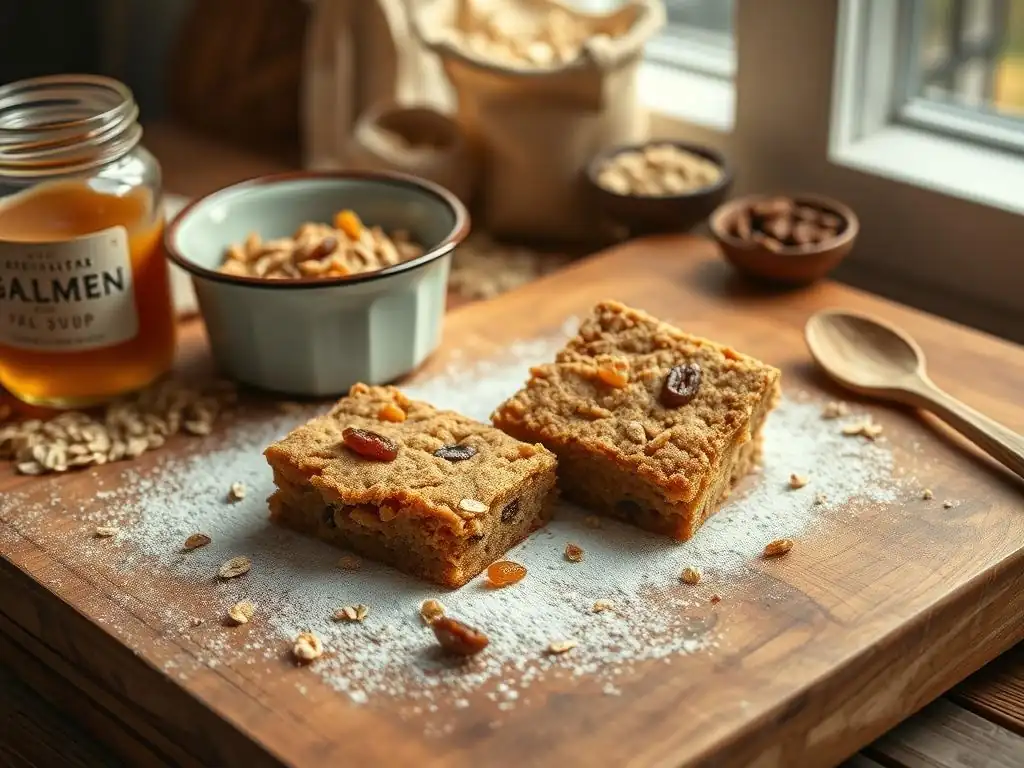
Welcome to BakeWithEase, your trusted companion on your baking journey! Ever dreamt of creating that perfect, chewy-on-the-inside, golden-brown-on-the-outside treat? Well, you're in the right place. Dive in to discover our Perfect British Flapjacks recipe easy, a delightful taste of regional baking guaranteed to impress. But that's just the beginning... what secrets await within this simple oat bar? Keep reading to unlock the delicious potential!
- How to Bake Perfect British Flapjacks Every Time: An Easy Recipe
- Introduction to Perfect British Flapjacks
- Easy Flapjack Recipe: Ingredients and Equipment
- Step-by-Step Guide
- Tips and Tricks
- Storing
- Enjoying
- Conclusion: Mastering Easy British Flapjacks.
- Frequently Asked Questions
- Final Reflection: The Enduring Allure of the Perfect Flapjack
- Unlock Your Inner Flapjack Master!
How to Bake Perfect British Flapjacks Every Time: An Easy Recipe
Introduction to Perfect British Flapjacks
What Makes a Great British Flapjack?
A truly great British flapjack is a delightful balance of chewy texture and buttery sweetness. Unlike some other oat bars, the classic British version relies heavily on golden syrup, which is key to achieving that signature bendy, slightly sticky chewiness rather than a dry, crumbly result. The core ingredients are simple – oats, butter, sugar, and golden syrup – but the ratio and baking technique are what elevate a simple mix into a perfect British flapjack. It should hold together firmly but yield to a gentle bite, never feeling brittle or overly hard.
The ideal texture is often described as 'soft and chewy'. The golden syrup contributes significantly to this, acting as a binder and providing a unique flavour profile distinct from using only sugar. While recipes vary slightly, a common ratio might use approximately equal parts butter, sugar, and syrup by weight, combined with about twice the weight of rolled oats.
For example, a standard recipe might call for around 100-125g each of butter, sugar, and syrup, with 200-250g of oats. Getting this balance right is crucial for achieving the desired texture and making a perfect British flapjacks recipe easy to follow.
Why This Recipe is Easy and Reliable
This particular easy flapjack recipe is designed for simplicity and consistent results, making perfect British flapjacks accessible even for novice bakers. It requires minimal steps: melting the wet ingredients, mixing with the oats, pressing into a tin, and baking. There's no complex creaming of butter and sugar or multiple mixing stages. The ingredients are common pantry staples, easily found in most supermarkets.
The reliability of this recipe comes from its forgiving nature regarding minor variations and the clear indicators for baking time. By focusing on visual cues like the edges turning golden, you can avoid common pitfalls like over-baking, which leads to hard flapjacks, or under-baking, which makes them fall apart. Following the simple measurements and cooling instructions ensures that you can bake perfect British flapjacks every time without fuss.
Easy Flapjack Recipe: Ingredients and Equipment
Essential Ingredients
Rolled Oats
Rolled oats, also known as old-fashioned oats, are the cornerstone of a great flapjack. They provide the bulk and the characteristic texture. It's important to use rolled oats rather than instant or quick oats, as the latter can turn mushy and won't give you the desired chewy bite. The larger flakes of rolled oats hold their shape better during baking and contribute to the structure of the flapjack.
For a typical batch baked in a 20cm square tin, you'll generally need around 200 to 250 grams of rolled oats. This amount ensures the mixture is not too wet or too dry when combined with the melted ingredients, providing the right density for those perfect British flapjacks. Using the correct type and amount of oats is vital for this easy flapjack recipe.
Golden Syrup
Golden syrup is a thick, amber-coloured sugar syrup unique to British baking and is absolutely essential for authentic British flapjacks. It provides the signature chewy texture and a distinct rich, caramel-like flavour that granulated sugar alone cannot replicate. It acts as a primary binder, holding the oats together once cooled.
Most reliable easy flapjack recipes call for a significant amount of golden syrup, often ranging from 100 to 150 grams per batch. Using too little golden syrup can result in crumbly or dry flapjacks, while too much might make them overly sticky and difficult to set. Its presence is what truly defines a perfect British flapjack.
Butter
Butter adds richness, flavour, and helps bind the ingredients together. Using real butter, rather than margarine or spreads, is recommended for the best taste and texture. Unsalted butter is typically preferred as it allows you to control the saltiness, although a pinch of salt can enhance the overall flavour.
You'll usually need between 100 and 125 grams of butter for a standard recipe batch. The butter is melted together with the sugar and golden syrup, creating the liquid base that coats the oats. The fat content in the butter also contributes to the slightly crisp edge and tender centre of the flapjacks when baked correctly.
Brown Sugar
Brown sugar adds sweetness and contributes to the chewy texture and lovely golden colour of the flapjacks. Soft light brown sugar is commonly used, though dark brown sugar can provide a deeper, more treacle-like flavour. The molasses content in brown sugar helps keep the flapjacks moist and chewy compared to using only white sugar.
A typical amount of brown sugar is around 100 to 125 grams, similar in proportion to the butter and golden syrup. The sugar melts into the butter and syrup mixture, creating a rich, sweet liquid that coats the oats. The type and amount of sugar significantly influence the final flavour and chewiness of your perfect British flapjacks.
Necessary Equipment
Baking Tin
A sturdy baking tin is essential for shaping and baking the flapjacks. A square tin, approximately 20cm x 20cm (8 inches x 8 inches), or a similar-sized rectangular tin (like 23cm x 15cm) is ideal. The size of the tin directly impacts the thickness of your flapjacks. A smaller tin will result in thicker bars, while a larger one will produce thinner ones.
Using the recommended tin size for this easy flapjack recipe ensures the correct baking time and results in flapjacks of a standard thickness, typically around 2-3 cm before cutting. Make sure the tin has relatively straight sides to get neat edges on your bars.
Parchment Paper
Lining your baking tin with parchment paper (also known as baking paper) is a crucial step for an easy and clean removal of the flapjacks after baking and cooling. Without it, the sticky mixture is likely to adhere firmly to the tin, making it difficult to get the flapjacks out in one piece.
Cut the parchment paper to fit the tin, leaving some overhang on the sides. This overhang acts as handles, allowing you to lift the entire baked and cooled flapjack slab out of the tin easily before cutting. This simple step prevents frustration and helps maintain the integrity of your perfect British flapjacks.
Step-by-Step Guide
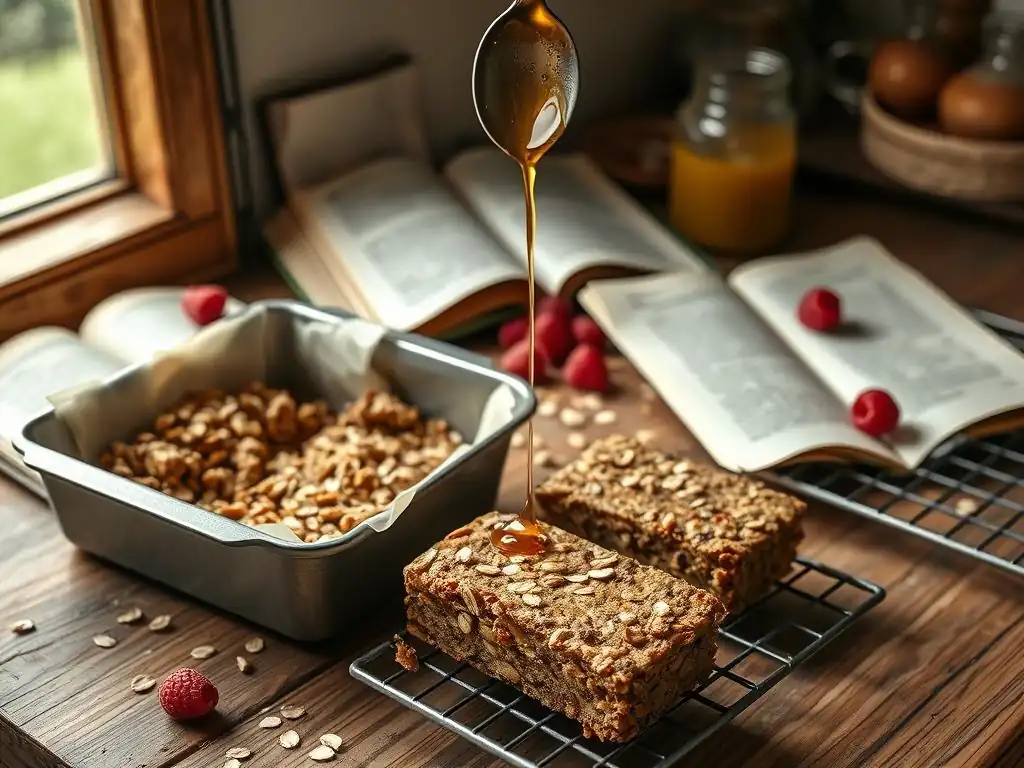
Step 1: Preparing Ingredients
Measuring Ingredients
Accurate measurement of your ingredients is the first step towards baking perfect British flapjacks. While flapjacks are relatively forgiving, getting the proportions right, especially the ratio of oats to the wet ingredients (butter, sugar, syrup), is key to achieving the desired chewy texture. Using kitchen scales is the most reliable method for measuring oats, butter, sugar, and golden syrup by weight, as volume measurements can be less consistent.
For instance, precisely measuring 225g of rolled oats and 115g each of butter, sugar, and golden syrup, as specified in many reliable recipes, helps ensure the correct balance. Having all ingredients measured and ready before you start melting saves time and prevents errors in the subsequent steps of this easy flapjack recipe.
Step 2: Melting Butter, Sugar, and Golden Syrup
Achieving the Right Consistency
Combine the measured butter, brown sugar, and golden syrup in a medium-sized saucepan. Place the saucepan over low to medium heat. Stir continuously as the ingredients melt together. The goal is to create a smooth, homogenous liquid mixture without bringing it to a vigorous boil. Gentle heat is key to prevent the sugar from burning.
Continue stirring until the butter is completely melted and the sugar has largely dissolved into the syrup. This typically takes about 5-7 minutes on low heat. The mixture should be warm and liquid, ready to coat the oats evenly. This step is fundamental in creating the binder for your perfect British flapjacks.
Step 3: Combining Wet and Dry Ingredients
Ensuring Even Distribution
Once the butter, sugar, and golden syrup mixture is melted and smooth, remove the saucepan from the heat. Add the measured rolled oats directly into the saucepan or transfer the liquid mixture to a large mixing bowl with the oats. Using a sturdy wooden spoon or a heatproof spatula, mix the oats into the warm liquid.
Stir thoroughly, ensuring that every single oat flake is coated in the sticky, sweet mixture. Take your time with this step, scraping the bottom and sides of the pan or bowl to incorporate all the oats. Even distribution is vital for the flapjacks to bind together properly and bake uniformly, leading to consistent, perfect British flapjacks.
Step 4: Pressing Mixture into Tin
Achieving Uniform Thickness
Transfer the entire oat mixture into the baking tin that you have previously lined with parchment paper. Use the back of a spoon, a spatula, or even your hands (lightly dampened to prevent sticking) to press the mixture down firmly and evenly into the tin. Pay particular attention to pressing the mixture right into the corners and against the sides of the tin.
Ensuring uniform thickness across the entire tin is crucial for even baking. If one area is thicker than another, it will bake at a different rate, potentially resulting in some parts being hard while others are too soft or crumbly. A well-pressed mixture is key to flapjacks that hold their shape and deliver that satisfying chewiness. Aim for a consistent layer, typically around 2-3 cm deep depending on your tin size and quantity of ingredients.
Step 5: Baking to Golden Perfection
Determining Baking Time and Temperature
Preheat your oven to the correct temperature, typically around 160°C (320°F) for a fan oven or 180°C (350°F) for a conventional oven. Place the prepared tin in the preheated oven. Baking time for perfect British flapjacks usually ranges from 20 to 25 minutes, but this can vary depending on your oven and how chewy or firm you prefer them.
The key indicator that the flapjacks are ready is when the edges turn a lovely golden brown colour. The centre might still look a little pale and feel soft when gently pressed – this is normal and desirable, as they will firm up significantly upon cooling. For a slightly firmer flapjack, you might bake for an extra couple of minutes, but watch closely.
Preventing Over-Baking or Under-Baking
Over-baking is the most common mistake that leads to hard, brittle flapjacks instead of the desired chewy texture. Keep a close eye on them after the 18-minute mark. If the edges are golden, it's usually time to take them out. They should not look dark brown all over.
Conversely, under-baking will result in flapjacks that are too soft and fall apart when you try to cut or handle them. If the entire surface still looks pale and the mixture feels very loose, they need a few more minutes. Trust the visual cue of the golden edges for this easy flapjack recipe – it's the best indicator of doneness for perfect British flapjacks.
Step 6: Cooling and Cutting
Allowing to Cool Completely
This is arguably the most critical step for flapjacks that hold their shape: you must let them cool almost completely in the tin before attempting to cut or move them. When they first come out of the oven, the mixture is very soft and fragile due to the melted sugar and syrup. Trying to cut them too soon will result in a crumbly mess.
Allow the flapjacks to cool in the tin on a wire rack for at least 30-60 minutes, or even longer until the tin is cool to the touch. As they cool, the sugar and syrup mixture hardens, binding the oats together firmly. Patience here is key to achieving neatly cut, perfect British flapjacks that don't disintegrate.
Cutting Techniques
Once the flapjacks have cooled significantly in the tin but are not yet completely cold and hard, it's the ideal time to cut them. If you wait until they are fully cold, they can become brittle and crack when you cut. Use a sharp knife to score the flapjacks into your desired bar shapes while they are still in the tin.
You can then lift the entire slab out using the parchment paper overhang and place it on a cutting board to make the final cuts. Cutting while slightly warm makes the process much easier and yields cleaner edges. A standard batch from a 20cm tin can be cut into 12 or 16 equal bars, depending on your preference for size. Cutting into 12 bars gives generous portions, while 16 are perfect snack sizes.
Tips and Tricks
Customizing Flavor
Adding Dried Fruits, Nuts, or Chocolate
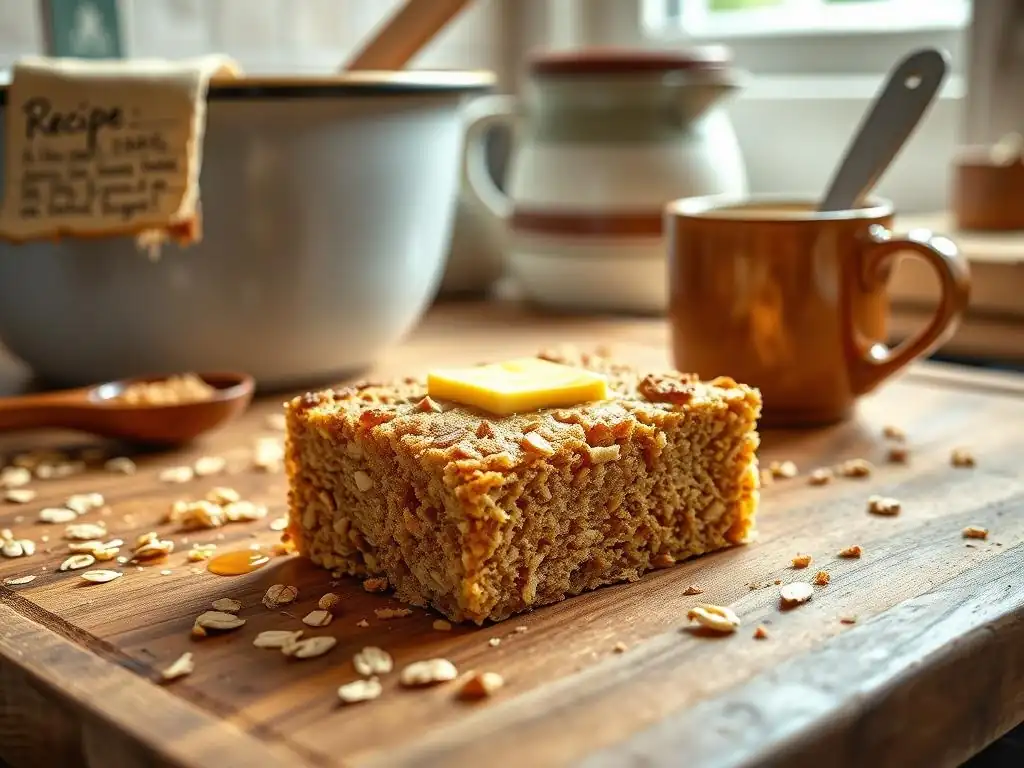
While the basic perfect British flapjack is delicious on its own, adding extra ingredients is a fantastic way to customize your easy flapjack recipe. Dried fruits like raisins, sultanas, chopped apricots, or cranberries add bursts of sweetness and chewiness. Nuts such as chopped almonds, walnuts, or pecans provide crunch and nutty flavour. Chocolate chips or chunks (milk, dark, or white) melt slightly during baking and create lovely pockets of chocolate.
These additions should typically be mixed in with the rolled oats before combining with the melted wet ingredients. A good starting point is to add about 50-100 grams of your chosen additions to the oat mixture. Experiment with different combinations, like apricot and almond or chocolate and cranberry, to find your favourite variation on easy British flapjacks.
Experimenting with Spices
Adding spices can introduce another layer of flavour to your flapjacks. Warm spices like cinnamon, ginger, mixed spice, or a pinch of nutmeg pair wonderfully with the oats and golden syrup. They can elevate the simple sweetness and make the flapjacks feel more autumnal or festive.
Add about 1/2 to 1 teaspoon of ground spice, mixing it either into the dry oats or into the melted butter, sugar, and syrup mixture before combining everything. Start with a small amount and adjust in future batches based on your preference. Cinnamon is a particularly popular addition to this easy flapjack recipe, complementing the sweetness perfectly.
Troubleshooting
Flapjacks Too Dry
If your flapjacks turn out too dry, it's often due to an imbalance in the wet-to-dry ingredients or baking for too long. Too many oats relative to the butter, sugar, and syrup will absorb all the moisture and result in a dry bar. Baking for too long at too high a temperature will also dry them out.
To avoid this next time, ensure you measure accurately, perhaps slightly increasing the amount of butter and golden syrup (by 10-15g each) or slightly reducing the oats (by 10-15g). Also, reduce the baking time or temperature, ensuring you take them out when the edges are just golden, even if the centre looks soft.
Flapjacks Too Crumbly
Crumbly flapjacks usually indicate that there wasn't enough binder (butter and golden syrup) or that they weren't pressed firmly enough into the tin. Insufficient cooling time before cutting is another common cause. If the mixture is too dry or loose, it won't hold together when set.
Ensure you use the specified amounts of butter and golden syrup in your easy flapjack recipe – remember golden syrup is key to chewiness and binding. Make sure you press the mixture down very firmly into the tin using the back of a spoon or spatula. Most importantly, allow the flapjacks to cool almost completely in the tin before attempting to cut them; this allows the binder to set properly.
Flapjacks Too Hard
Flapjacks becoming hard and brittle is almost always a sign of being over-baked. The sugars caramelize excessively and become hard upon cooling, losing that desirable chewiness. Using too much sugar relative to other ingredients can also contribute to hardness.
To prevent hard flapjacks, reduce the baking time or temperature. Aim for the edges to be golden, not dark brown. Take them out when the centre still looks slightly soft, as they will continue to cook slightly and firm up as they cool. Ensure your oven temperature is accurate; using an oven thermometer can help.
Storing
Keeping Fresh
Perfect British flapjacks are best stored in an airtight container at room temperature. This helps prevent them from drying out and keeps them chewy. Avoid storing them in the refrigerator, as this can alter their texture and make them hard.
When stored properly, homemade flapjacks will typically stay fresh and delicious for 5 to 7 days. If you've added moist ingredients like fresh fruit (not recommended), their shelf life might be shorter. Layering them with small pieces of parchment paper can prevent them from sticking together, especially if they are very chewy.
Freezing
Flapjacks freeze exceptionally well, making them a great make-ahead treat. Once completely cooled and cut into individual bars, wrap each flapjack tightly in cling film or beeswax wrap, then place them in a freezer-safe bag or container.
Frozen flapjacks can be stored for up to 2-3 months. To enjoy one, simply take it out of the freezer and let it thaw at room temperature for an hour or two. They maintain their texture and flavour well after thawing, providing a convenient snack whenever you need one.
Enjoying
Serving Suggestions
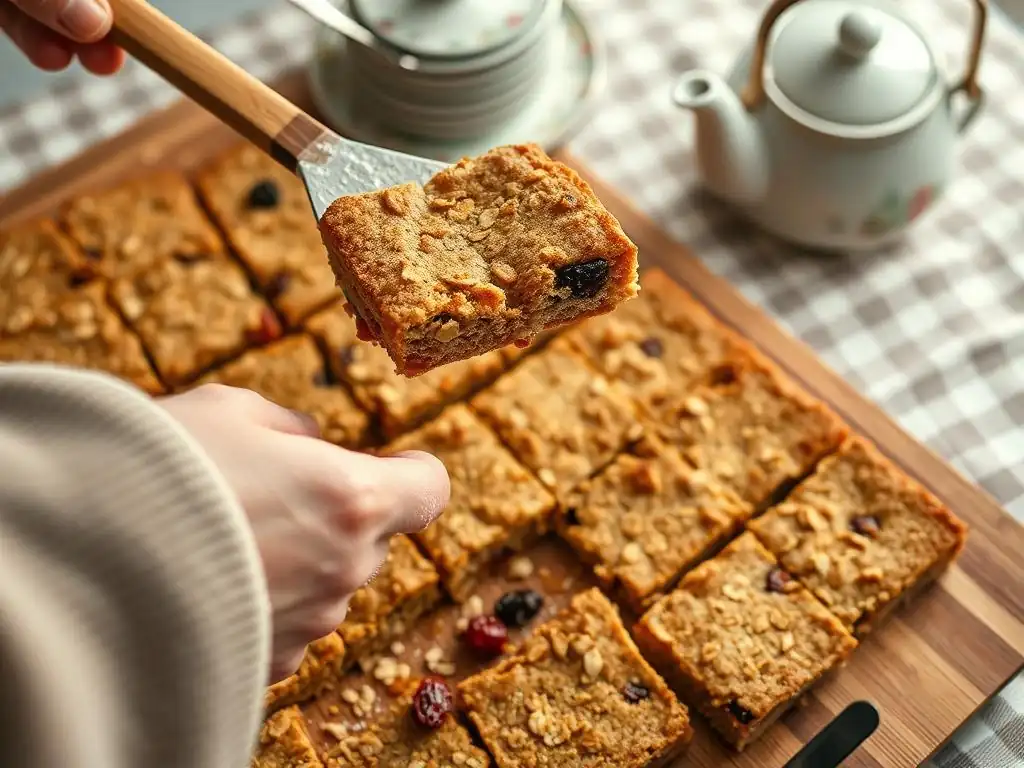
Flapjacks are wonderfully versatile. While delicious on their own, they pair perfectly with a hot cup of tea or coffee, making them an ideal companion for a mid-morning break or afternoon snack. For a simple dessert, they can be served warm with a scoop of vanilla ice cream or a dollop of clotted cream.
You can also crumble them over yogurt or use them as a base for a deconstructed crumble with stewed fruit. Their simple, comforting nature makes them suitable for almost any occasion where a sweet, satisfying treat is desired.
Flapjacks as a Treat
As a classic British bake, flapjacks are perfect as an everyday treat. They are substantial enough to be filling, making them ideal for packed lunches for both children and adults. Their portability and relatively robust nature (once cooled and set) make them great for picnics or snacks on the go.
Whether you're looking for a quick energy boost, a comforting snack, or a simple sweet indulgence, these easy British flapjacks hit the spot. Mastering this perfect British flapjacks recipe easy version means you'll always have a delightful homemade treat ready to enjoy.
Conclusion: Mastering Easy British Flapjacks.
Frequently Asked Questions
What makes this British flapjack recipe "easy"?
This recipe is designed to be easy because it uses simple ingredients, requires minimal equipment, and includes clear, step-by-step instructions perfect for beginner bakers.
Can I substitute any ingredients in this flapjack recipe?
While modifications are possible, sticking to the recipe ensures the best results. You can try substituting the dried fruit, but alterations to the base ingredients like oats, butter, and sugar might affect the texture and outcome.
How do I prevent my flapjacks from being too hard or too soft?
Achieving the perfect texture relies on precise baking time and temperature. Overbaking leads to hardness, while underbaking results in a soft, crumbly texture. Monitor closely during the final few minutes.
What kind of oats are best for British flapjacks?
Rolled oats (also known as old-fashioned oats) are generally recommended for flapjacks. They provide the ideal texture and chewiness. Quick oats may result in a softer, less textured flapjack.
How long do these flapjacks stay fresh?
When stored in an airtight container at room temperature, these flapjacks typically stay fresh for 3-5 days. They can also be frozen for longer storage.
Final Reflection: The Enduring Allure of the Perfect Flapjack
The humble flapjack, a seemingly simple treat, holds a surprising power to connect us to comforting memories and shared experiences. Its ease of preparation belies the satisfaction of a perfectly golden, chewy square, a testament to the magic of simple ingredients expertly combined. This recipe, designed for ease and consistent success, aims to empower everyone to experience that joy.
The enduring appeal of the flapjack lies not just in its deliciousness, but in its versatility and adaptability. It's a blank canvas for creativity, allowing for personal touches and variations that reflect individual tastes. From adding chocolate chips to incorporating dried fruits, the possibilities are endless. This adaptability mirrors the ever-evolving nature of our culinary traditions, constantly adapting and innovating while retaining their core essence. The best things in life are simple.
This sentiment perfectly encapsulates the flapjack's enduring charm.
So, I invite you to embrace the simplicity and satisfaction of baking your own perfect British flapjacks. Don't be intimidated by the seemingly straightforward nature of the recipe; the true magic lies in the process, the careful attention to detail, and the joy of sharing your creations with loved ones. Go forth, experiment, and discover the unique pleasure of a perfectly golden, chewy square – a small act of baking that can bring immense satisfaction and joy.
Unlock Your Inner Flapjack Master!
Thanks for taking the time to explore the world of perfect British flapjacks! We hope you've gained some delicious insights and are ready to conquer your kitchen. Now it's time to put your newfound knowledge into action.
- Bake a batch of your own amazing flapjacks today! Use the recipe and tips from the article as your guide. Experiment with different additions—what unique flavor combinations will you create?
- Share your flapjack creations with friends and family! Tag us on social media (@BakeWithEase) —we'd love to see your masterpieces.
- Join our online baking community and share your tips, tricks, and flapjack triumphs (and even your flops! ).
What unexpected ingredient will you add to your next batch of flapjacks to elevate them to the next level?