
Pastry Brush Breakdown: Natural vs Silicone for Even Glazes

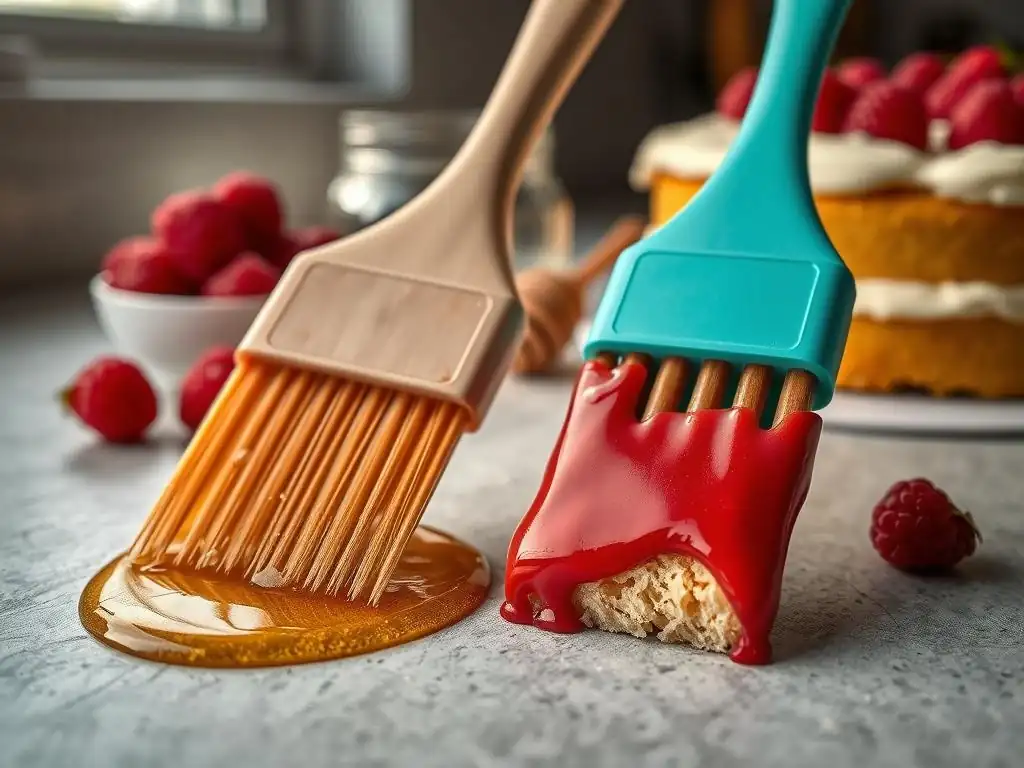
Welcome to BakeWithEase, your haven for baking bliss! Ever wondered if your pastry brush is truly working for you, or secretly sabotaging your perfect glaze? This week, we're diving deep into the world of pastry brushes, specifically exploring the silicone pastry brush benefits and contrasting them with traditional natural bristle options. Prepare to uncover the secrets to achieving flawlessly even glazes and discover which brush will become your new baking best friend! Let's get baking!
Introduction: Achieving Perfect Glazes with the Right Pastry Brush
A perfectly baked loaf of bread, a glistening fruit tart, or a beautifully browned roast chicken often owes its appealing finish to a simple tool: the pastry brush. This humble piece of kitchen equipment is essential for applying glazes, washes, melted butter, or sauces, transforming a plain surface into a work of art. Choosing the right brush can significantly impact the final look and texture of your baked goods, ensuring even coverage and a professional touch.
From imparting a golden sheen with an egg wash to moistening layers with simple syrup, the pastry brush is indispensable in both sweet and savory baking. The type of brush you use affects how well it holds liquid, how smoothly it applies glazes, and how easy it is to clean afterward. Understanding the differences between traditional natural bristle brushes and modern silicone options is key to elevating your baking game and achieving those coveted, even glazes every time.
- What are the main benefits of using a silicone pastry brush compared to a natural bristle brush?
- How does the heat resistance of a silicone pastry brush impact its use in baking?
- Are silicone pastry brushes easier to clean than natural bristle brushes, and why?
- What are the potential drawbacks of using a silicone pastry brush in certain baking applications?
- Do silicone pastry brushes contribute to more even glaze distribution compared to other types?
Understanding Pastry Brush Types: A Baker's Guide
Natural Bristle Pastry Brushes: Traditional Choice, Timeless Results
For centuries, bakers have relied on pastry brushes made from natural animal hair. These brushes are often favored for their ability to hold a significant amount of liquid, allowing for generous and even distribution of washes like egg wash or melted butter. The fine tips of natural bristles can provide a smooth, delicate application, particularly useful for fragile pastries or when precision is needed.
While they offer a classic feel and excellent liquid retention, natural bristle brushes require careful handling and cleaning. They are typically made from materials like boar hair, horsehair, or badger hair, each offering slightly different characteristics in terms of stiffness and absorbency. The quality of a natural brush often depends on the density and length of the bristles, as well as the quality of the ferrule (the metal part holding the bristles) and handle.
What are Natural Bristle Pastry Brushes Made Of?
Natural pastry brushes are traditionally crafted using animal hair, most commonly boar hair due to its stiffness and excellent ability to hold and distribute liquids like egg washes or melted butter. Other materials include horsehair, which is softer and more pliable, or even badger hair for very fine applications. The bristles are bundled tightly and secured into a handle, often made of wood or plastic, using a metal ferrule.
The choice of animal hair impacts the brush's performance. Boar hair is favored for tasks requiring a bit more stiffness and capacity for thicker liquids, while softer hairs might be preferred for delicate glazes or dusting flour. Regardless of the specific hair type, these brushes are prized for their natural absorbency, which helps them pick up and evenly distribute washes and glazes across surfaces like bread dough or pie crusts.
Advantages of Using Natural Bristle Brushes for Baking
One of the primary advantages of using natural bristle brushes is their superior liquid retention capacity. The porous nature of animal hair allows the bristles to soak up and hold more liquid than silicone alternatives, making them excellent for applying generous coats of egg wash, milk, or melted butter to large surfaces like loaves of bread or sheets of pastries. This absorbency helps create rich, golden crusts and flaky layers.
Natural bristles also tend to have very fine tips, which can provide a smooth and even application, minimizing brush marks, especially with thin glazes or washes. For delicate tasks such as brushing crumbs off a cake layer or gently applying simple syrup to sponge cake, the softness and flexibility of natural bristles can be a significant benefit, allowing for precise control and a gentle touch that won't damage fragile surfaces.
Disadvantages of Using Natural Bristle Brushes
Despite their traditional appeal, natural bristle brushes come with several drawbacks. A major concern is hygiene; the porous nature of animal hair makes these brushes more difficult to clean thoroughly. Food particles, fats, and sugars can get trapped deep within the bristles, creating a breeding ground for bacteria if not meticulously washed and dried, which can be a time-consuming process compared to modern alternatives.
Another common issue is bristle shedding. Over time, or if exposed to high heat, natural bristles can loosen and fall out, potentially ending up in your food. This requires careful inspection before use and can be particularly frustrating when trying to achieve a smooth, clean finish. Furthermore, natural brushes are not typically heat-resistant, meaning they can be damaged or even melt if used on hot surfaces like grilling meats or fresh-out-of-the-oven bread, limiting their versatility in the kitchen.
Silicone Pastry Brushes: Modern Baking Efficiency
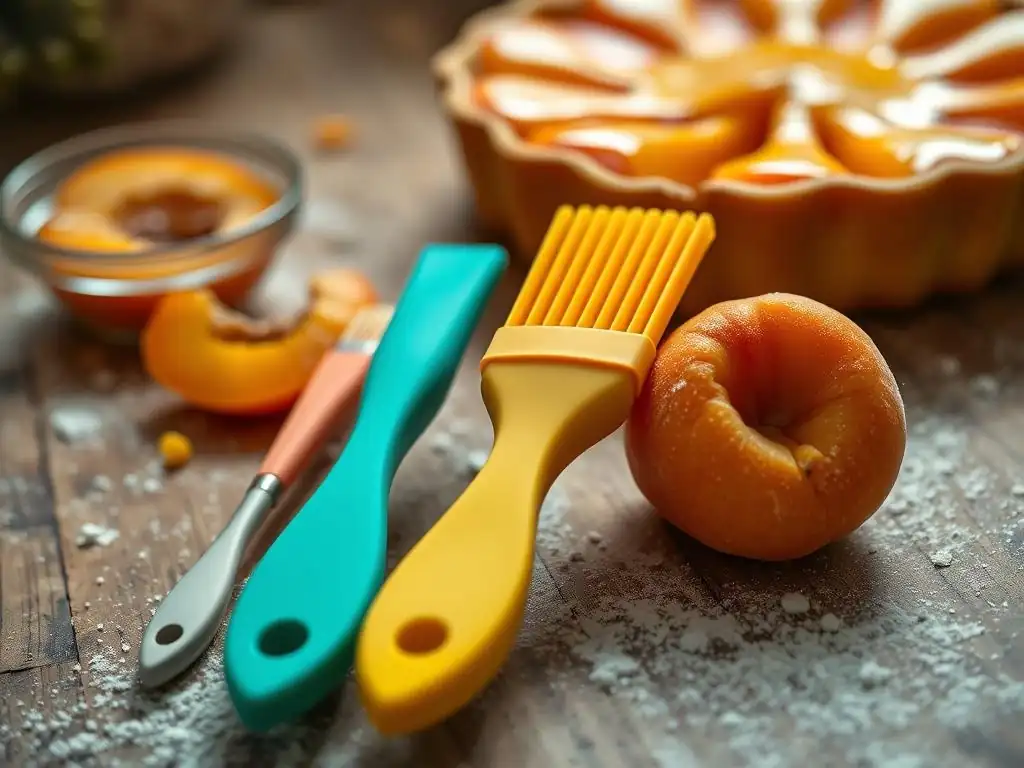
Exploring Silicone Pastry Brush Benefits for Effortless Glazing
Silicone pastry brushes represent a significant evolution in baking equipment, offering numerous advantages over their traditional counterparts. One of the key silicone pastry brush benefits is their non-porous surface, which prevents the absorption of liquids and odors, making them incredibly hygienic and easy to clean. This means no more worrying about residual fats or sugars harboring bacteria after washing.
Beyond hygiene, the practical silicone pastry brush benefits include their durability and heat resistance. Unlike natural bristles that can shed or melt, silicone can withstand high temperatures, making it suitable for a wider range of tasks, including basting meats on a hot grill or brushing butter onto hot pans. Their longevity and ease of maintenance contribute to their growing popularity among home bakers and professionals alike.
Heat Resistance: A Key Advantage of Silicone Pastry Brushes
A standout feature and significant silicone pastry brush benefit is their exceptional heat resistance. High-quality food-grade silicone can typically withstand temperatures ranging from -40°F up to 400°F or even 500°F (approximately -40°C to 260°C) without melting, deforming, or leaching chemicals. This makes them ideal for tasks that would ruin a natural bristle brush, such as basting meats roasting at high temperatures in an oven or brushing melted butter onto bread immediately after it comes out of a hot oven.
This high-temperature tolerance opens up possibilities beyond just baking glazes. You can confidently use a silicone brush to apply marinades to food on a hot grill, brush oil onto a searing pan, or even spread sauces on hot barbecue ribs. The bristles remain intact and functional under heat, ensuring consistent application without the risk of melting or shedding, which is a major safety and quality advantage in hot kitchen environments.
Hygiene and Cleaning: Why Silicone Brushes Simplify Baking Cleanup
The non-porous nature of silicone is a major hygiene advantage and a core silicone pastry brush benefit. Unlike natural bristles that have tiny scales and pores where food particles, fats, and bacteria can hide, silicone surfaces are smooth and repel moisture. This makes them incredibly easy to clean; most glazes, washes, or sauces simply rinse off with warm soapy water.
Furthermore, many silicone pastry brushes are dishwasher safe, offering the ultimate convenience for cleanup. Simply toss the brush in the dishwasher, and the high temperatures and detergents will effectively sanitize it, ensuring it's ready for your next baking project without any lingering odors or residues. This ease of cleaning significantly reduces the risk of cross-contamination and makes maintaining kitchen hygiene much simpler compared to the laborious process required for natural bristle brushes.
Durability and Longevity: Investing in Silicone Pastry Brushes
Another significant silicone pastry brush benefit is their impressive durability and longevity. Silicone is a robust material that does not degrade or break down easily with regular use or washing. The "bristles" (often strips or small prongs) are molded as a single piece with the brush head or securely attached, virtually eliminating the problem of shedding that plagues natural brushes.
While the initial cost of a good silicone pastry brush might be slightly higher than a basic natural one, their lifespan often makes them a more economical choice in the long run. They resist wear and tear, don't become brittle or shed over time, and maintain their shape and effectiveness through countless baking sessions and washes. Investing in a quality silicone brush means you won't need to replace it as frequently, providing reliable performance for years.
Natural vs Silicone Pastry Brush: A Detailed Comparison
Glaze Application: Which Brush Provides the Smoothest Finish?
When it comes to applying thin glazes like egg wash or milk, natural bristle brushes often excel due to their high absorbency. They can hold a large volume of liquid and distribute it generously and relatively evenly across a surface like bread dough, resulting in a rich, golden-brown crust. The fine tips of natural bristles can help minimize visible brush strokes if applied carefully.
Silicone brushes, while less absorbent, are excellent for applying thinner layers or sticky glazes like simple syrup or melted chocolate. Because they don't hold as much liquid, they are less likely to deposit too much glaze in one spot, reducing the risk of pooling or drips. While some silicone brushes with thicker prongs might leave slight lines, those with finer, denser configurations can achieve a surprisingly smooth and even finish, especially with viscous liquids that sit on the surface rather than soaking in.
Ease of Cleaning: Comparing the Cleaning Process for Natural and Silicone Brushes
The difference in cleaning difficulty between natural and silicone pastry brushes is stark, highlighting a major silicone pastry brush benefit. Cleaning a natural bristle brush thoroughly requires careful hand washing in warm, soapy water, trying to work the soap deep into the bristles to remove all traces of fat and sugar. They must then be rinsed meticulously and hung or laid flat to dry completely to prevent mildew and bacterial growth, a process that can take several hours.
Silicone brushes, on the other hand, offer unparalleled ease of cleaning. Their non-porous surface means glazes and sauces simply wash off. A quick rinse under warm water with a little soap is usually sufficient for immediate cleanup. For a deeper clean, or after using fatty substances, they can often be placed directly into the dishwasher. This ease of sanitation is a significant time-saver and contributes greatly to kitchen hygiene, making silicone a preferred choice for busy bakers.
Durability and Lifespan: Which Brush Lasts Longer?
In terms of durability and lifespan, silicone pastry brushes generally outperform natural bristle brushes. Natural brushes are prone to shedding bristles over time, especially with frequent use or exposure to heat. The bristles can also become matted or damaged if not cleaned and stored properly, reducing their effectiveness and requiring eventual replacement. A well-used natural brush might need replacing every year or two depending on frequency of use and care.
Silicone brushes are far more resilient. Made from a durable, flexible material, they do not shed bristles and are resistant to cracking, breaking, or deforming under normal kitchen conditions. Their heat resistance means they can handle tasks that would destroy a natural brush, further extending their utility. A good quality silicone pastry brush can easily last for many years, providing consistent performance and standing up to repeated washing, including in the dishwasher.
Cost Comparison: Natural Bristle vs Silicone Pastry Brushes
The initial cost of pastry brushes can vary widely based on size, brand, and quality. Generally, basic natural bristle brushes can be found at a lower price point, sometimes costing just a few dollars for smaller sizes. Higher-quality natural brushes, particularly those made with premium hair or featuring sturdy wooden handles, can be more expensive, potentially ranging from $10 to $20 or more.
Silicone pastry brushes often have a slightly higher entry price compared to the most basic natural options, typically starting around $5-$10 for a standard size. However, considering their superior durability and longevity, the cost per use over the brush's lifetime is often lower for silicone. While premium silicone brushes with ergonomic handles or specialized designs can also reach higher price points, the overall value proposition of silicone is strong due to its extended lifespan and lower replacement frequency.
Choosing the Right Pastry Brush for Your Baking Needs
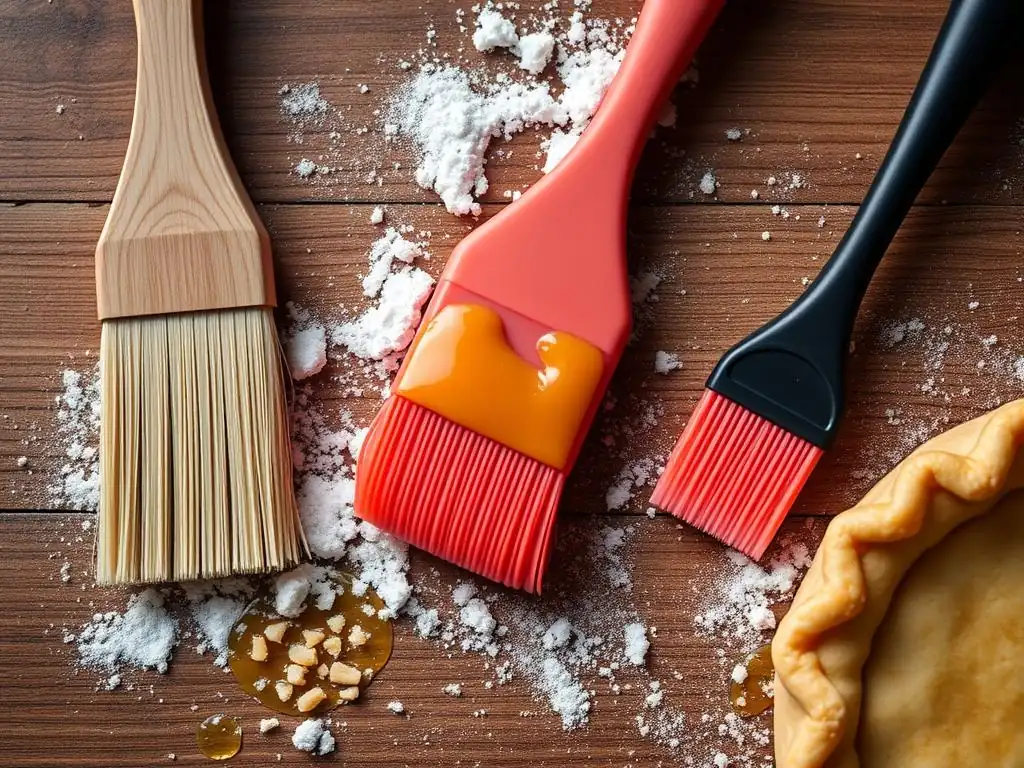
Consider Your Baking Style: Matching the Brush to Your Recipes
Your typical baking repertoire should heavily influence your choice of pastry brush. If you frequently bake large loaves of bread, enrich doughs with melted butter, or apply generous egg washes for shine and color, a natural bristle brush might appeal due to its ability to hold and distribute a significant amount of liquid across large surfaces quickly. It provides that classic, deep browning often desired on yeasted breads or brioche.
Conversely, if your baking involves delicate pastries, applying thin layers of simple syrup to cakes, working with sticky glazes like chocolate ganache, or basting meats at high temperatures, the silicone pastry brush benefits become more apparent. Their ease of cleaning makes them perfect for sticky substances, while their heat resistance is essential for hot applications. For general-purpose use covering a wide variety of tasks, a silicone brush often offers greater versatility and convenience.
Factors to Consider When Selecting a Pastry Brush: Bristle Type, Handle, and Size
Beyond the fundamental choice between natural and silicone, several other factors influence a brush's performance and usability. The density and configuration of the bristles (or silicone prongs) are crucial; denser brushes hold and apply more liquid, while more spaced-out ones might be better for thicker sauces or dusting. For silicone, look for fine, flexible prongs that mimic the feel of natural bristles for smoother application.
The handle material and design also matter. Wooden handles offer a classic feel but require careful drying to prevent cracking. Plastic or silicone handles are more durable and often dishwasher safe. Ergonomics are important for comfort during extended use. Finally, consider the size and shape of the brush head. Wider brushes are great for large surfaces like sheet pans or full loaves, while smaller, narrower brushes or angled designs offer better control for detailed work on smaller pastries or edges.
Brush Recommendations for Specific Baking Projects: Bread, Pastries, and Meat
For brushing loaves of bread with egg wash, milk, or melted butter to achieve a golden crust, a medium to large natural bristle brush (say, 2-3 inches wide) is a traditional favorite due to its high liquid capacity. Alternatively, a dense, wide silicone brush can also work well, especially if you prefer easier cleanup and heat resistance.
When working with delicate pastries, tarts, or applying simple syrup to cakes, a smaller, finer natural bristle brush or a silicone brush with thin, flexible prongs (1-1.5 inches wide) provides better control and a gentler touch. For basting meats or applying marinades at high temperatures, a heat-resistant silicone brush is the clear winner; look for one with a sturdy handle and thick prongs that can hold sauces effectively.
Caring for Your Pastry Brush: Extending Its Lifespan
Cleaning Natural Bristle Pastry Brushes: A Step-by-Step Guide
Proper cleaning is vital for the longevity and hygiene of natural bristle pastry brushes. Immediately after use, rinse the brush under warm running water to remove as much residue as possible. Fill a sink or bowl with warm water and a small amount of dish soap. Swirl the brush in the soapy water, gently working the soap into the bristles with your fingers to dislodge any trapped food particles or fats.
Rinse the brush thoroughly under warm running water until no soap bubbles remain and the water runs clear. Gently squeeze out excess water from the bristles, reshaping the brush head back to its original form. Avoid soaking natural brushes for extended periods, as this can weaken the glue holding the bristles. Hang the brush upside down or lay it flat on a towel to air dry completely before storing. Ensure it is fully dry before putting it away to prevent mildew.
Cleaning Silicone Pastry Brushes: Quick and Easy Methods
Cleaning silicone pastry brushes is significantly simpler, highlighting another key silicone pastry brush benefit. After use, most glazes and washes can be rinsed off under warm running water. For greasy or sticky residues, apply a small amount of dish soap and rub the bristles gently with your fingers or a sponge. Rinse thoroughly until the water runs clear and no soap remains.
Many silicone brushes are designed to be dishwasher safe. If yours is, you can simply place it in the cutlery basket or on the top rack of your dishwasher for a thorough cleaning and sanitization cycle. The high temperatures and detergents in the dishwasher are very effective at removing residues and killing bacteria from the non-porous surface. After washing, they dry relatively quickly due to the non-absorbent material.
Proper Storage: Preventing Damage and Maintaining Brush Quality
Storing your pastry brushes correctly helps maintain their shape and extends their lifespan. For natural bristle brushes, ensure they are completely dry before storing to prevent mold and mildew. Store them in a way that allows the bristles to maintain their shape – either hanging them up or storing them flat in a drawer where the bristles won't be crushed or bent. Avoid storing them bristle-down unless they are specifically designed for hanging this way without bending the tips.
Silicone brushes are less prone to damage from improper storage due to their flexible and durable material. Once clean and dry, they can be stored in a drawer, utensil crock, or hung up. Because they don't shed or absorb odors, you don't need to worry as much about air circulation during storage, although ensuring they are dry before putting them away is still a good practice to prevent any potential moisture buildup in the handle or ferrule area if it's not solid silicone.
Mastering the Art of Glazing with Your Chosen Pastry Brush
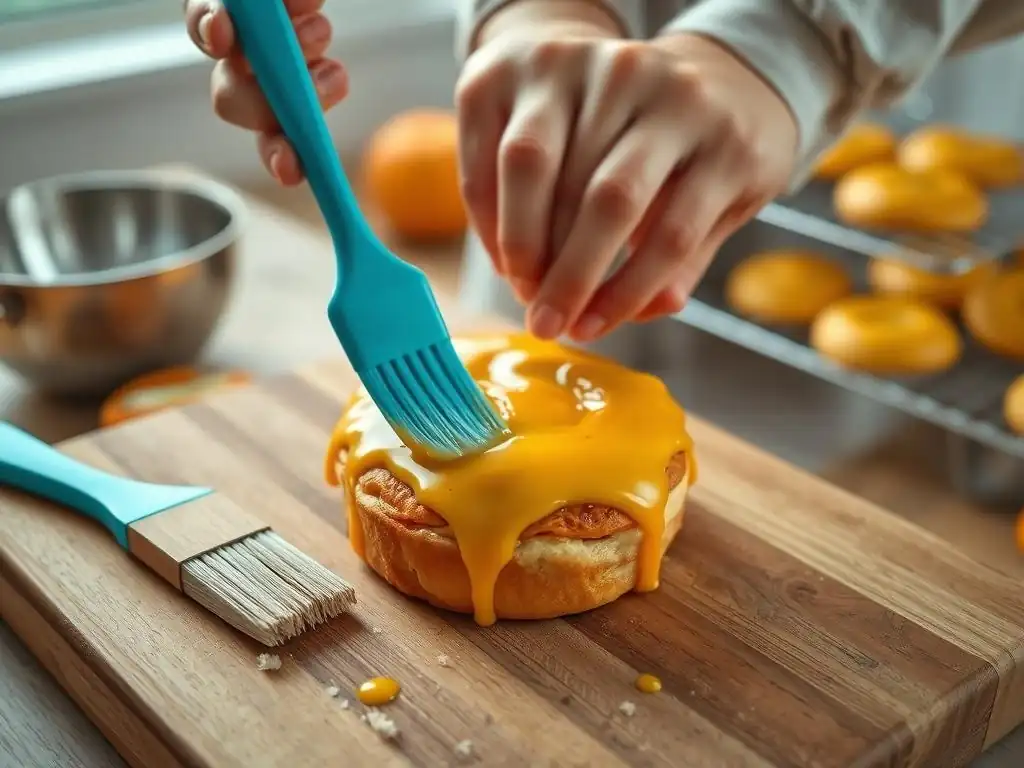
Techniques for Achieving Even Glazes: Tips and Tricks
Achieving a perfectly even glaze requires more than just the right brush; technique is key. For thin washes like egg wash or milk, use light, even strokes in one direction across the surface of your dough or pastry. Avoid pressing down too hard, which can leave distinct brush marks or deflate delicate dough. Apply enough liquid for coverage but avoid pooling in crevices. For a richer color, you might apply a second thin coat after the first has slightly dried.
When working with thicker glazes such as simple syrup or chocolate ganache, use a dabbing or gentle spreading motion rather than sweeping strokes, especially on porous surfaces like cake. This helps the glaze adhere smoothly without pulling crumbs or creating streaks. For shiny finishes, ensure the glaze is the right temperature – often slightly warm for optimal flow. Using a brush size appropriate for the surface area also helps maintain control and evenness during application.
Brush Recommendations for Different Glazes: Egg Wash, Simple Syrup, Chocolate Ganache
The ideal brush can vary depending on the consistency of the glaze you're applying. For a classic egg wash (egg mixed with water or milk) on bread or pie crust, a natural bristle brush is excellent for its ability to hold and evenly distribute the liquid, providing a rich color and shine. A dense silicone brush can also work, offering ease of cleaning after dealing with raw egg.
For applying simple syrup to moisten cakes or pastries, a smaller natural brush with fine tips or a silicone brush with flexible prongs is suitable. The goal is even absorption without oversaturating. For thicker glazes like chocolate ganache or melted butter, a silicone brush is often preferred. Its non-porous surface prevents the sticky or fatty glaze from becoming trapped in the bristles, and its heat resistance is beneficial if the glaze is warm, fully leveraging the silicone pastry brush benefits for easy cleanup.
Troubleshooting Common Glazing Problems
Uneven glazes are a common issue, often resulting in patchy color or shine. This can be caused by applying too much pressure, using a brush that is too dry or too saturated, or inconsistent application strokes. Ensure your brush is adequately loaded with glaze (not dripping, but not dry) and use consistent, gentle strokes. If using a natural brush, ensure it's clean and free of matted bristles. If using silicone, check that the prongs aren't bent or damaged.
Another problem is brush marks left on the finished product. This is often more noticeable with thicker glazes or when using brushes with stiff, widely spaced bristles. For a smoother finish, try using a brush with finer, denser bristles (either natural or silicone) and apply the glaze gently. Sometimes, warming a thick glaze slightly can help it spread more smoothly, reducing visible marks. Ensure the surface you're glazing is also clean and free of crumbs.
Conclusion: Elevating Your Baking with the Perfect Pastry Brush
Key Benefits of Silicone Pastry Brushes
Silicone pastry brushes offer a compelling set of advantages that make them a modern baking essential. Their superior hygiene is arguably the most significant silicone pastry brush benefit; the non-porous material is easy to clean, prevents bacterial growth, and is often dishwasher safe, simplifying kitchen sanitation dramatically. This makes them ideal for handling raw ingredients like egg wash or sticky glazes.
Furthermore, the durability, longevity, and heat resistance are key silicone pastry brush benefits. They don't shed bristles into your food, withstand high temperatures without damage, and last considerably longer than most natural bristle brushes, providing excellent value over time. While natural brushes have their place, the practical benefits of silicone make them a versatile, reliable, and low-maintenance tool for a wide range of baking and cooking tasks.
Final Thoughts on Choosing Between Natural and Silicone Brushes
Ultimately, the choice between a natural bristle and a silicone pastry brush depends on your personal preferences, baking habits, and priorities. Natural brushes offer a traditional feel and excellent liquid retention for tasks like generous egg washes on bread, but they require careful cleaning and maintenance. Silicone brushes excel in hygiene, durability, heat resistance, and ease of cleaning, making them incredibly versatile and low-fuss tools that leverage numerous silicone pastry brush benefits.
Many bakers find value in owning both types for different tasks. A natural brush for classic bread finishes and a silicone brush for everything from sticky glazes to hot basting can cover all your needs. Regardless of your choice, investing in a good quality brush and caring for it properly will ensure you have a reliable tool for achieving beautifully glazed and finished baked goods, adding that professional touch to your creations with ease.
Frequently Asked Questions
What are the main benefits of using a silicone pastry brush compared to a natural bristle brush?
Silicone pastry brushes are known for being more hygienic as they don't harbor bacteria like natural bristles can. They are also heat-resistant and easier to clean, often being dishwasher-safe.
How does the heat resistance of a silicone pastry brush impact its use in baking?
The high heat resistance allows you to use the brush with hot liquids or directly in the oven without the bristles melting or warping, providing greater versatility.
Are silicone pastry brushes easier to clean than natural bristle brushes, and why?
Yes, silicone brushes are generally easier to clean because they are non-porous and don't absorb oils or sauces. This makes them less likely to retain flavors or harbor bacteria and allows for easy cleaning under running water or in the dishwasher.
What are the potential drawbacks of using a silicone pastry brush in certain baking applications?
Some bakers find that silicone brushes don't hold liquids as well as natural bristle brushes, potentially requiring more frequent dipping. Also, some cheaper silicone brushes may have a slight synthetic smell.
Do silicone pastry brushes contribute to more even glaze distribution compared to other types?
Silicone brushes often provide more even glaze distribution due to their flexible bristles and consistent application. This helps prevent clumping or uneven coverage, leading to a more professional finish.
Final Reflection: The Perfect Glaze, A Brush with Perfection
The quest for the ideal pastry glaze is a timeless pursuit, and the humble pastry brush plays a surprisingly crucial role. Choosing between natural bristle and silicone brushes isn't just about aesthetics; it directly impacts the final product's texture and appearance, affecting everything from the even distribution of glaze to the overall professional finish. This seemingly small detail significantly impacts the baking experience, ultimately influencing the success and enjoyment of the final creation.
The ongoing debate between natural and silicone pastry brushes highlights a larger conversation about the intersection of tradition and innovation in the culinary arts. We've explored the benefits of both, acknowledging the time-honored elegance of natural bristles alongside the modern convenience and durability of silicone. This choice, however small, reflects a broader shift in how we approach kitchen tools and techniques. The best tool is the one that best serves its purpose,
a wise chef once said, and this rings true when selecting the right pastry brush. This simple decision reflects a deeper consideration of our values and priorities in the kitchen.
Consider your own baking journey. What tools do you gravitate towards? Do you prioritize tradition, efficiency, or perhaps a balance of both? I encourage you to reflect on your own preferences and experiment with different pastry brushes to discover which best suits your style and the results you desire. The perfect glaze isn't just about the ingredients; it's about the tools and the care you put into the process. Embrace the journey, and may your pastries always be perfectly glazed!
Unleash Your Inner Pastry Pro: Glaze Like a Master!
Thanks for taking the time to explore the world of pastry brushes with us! We hope you now feel confident in choosing the perfect tool for flawlessly glazed treats. Ready to put your newfound knowledge into practice?
- Master the Glaze: Try glazing your next batch of pastries using the brush you've chosen, and notice the difference in evenness and finish! Pay close attention to your technique for optimal results.
- Share Your Success: Show off your perfectly glazed creations on social media using #BakeWithEaseGlaze – we'd love to see them!
- Experiment with Flavors: Try experimenting with different glazes and fillings to truly elevate your baking game. What flavor combinations will you explore?
What innovative glaze techniques will you try next? Let's discuss in the comments below!