
Using Carbonated Water and Beer as Natural Leaveners in Quick Breads

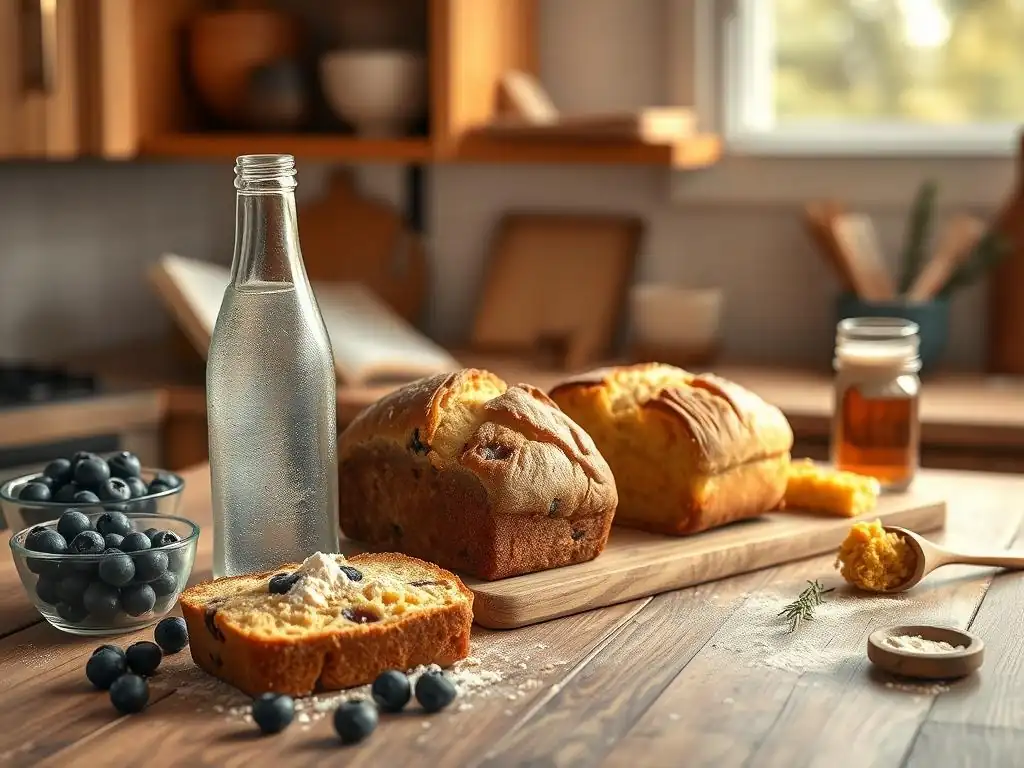
Welcome to BakeWithEase.com, your haven for effortless baking mastery! Ever wondered if you could ditch the commercial yeast and still achieve a beautifully risen quick bread? Prepare to be amazed! This week, we're diving deep into the fascinating world of natural leaveners quick bread recipes, exploring how carbonated water and beer can transform your baking. Discover the secrets, unlock incredible flavors, and elevate your quick bread game – the possibilities are bubbling over!
- Natural Leavening in Quick Breads: Carbonated Water and Beer
- Introduction: Exploring Natural Leavening
- Quick Breads and Leavening
- Carbonated Water as Leavener
- Beer as Leavener
- Comparing Carbonated Water and Beer
- Tips for Success
- Other Natural Leavening Options
- Conclusion: Mastering Natural Leavening
-
Frequently Asked Questions
- How does carbonated water act as a natural leavener in quick breads?
- Can I substitute any type of beer for another in these quick bread recipes?
- What are the advantages of using carbonated water or beer over traditional leaveners like baking powder?
- How do I adjust the liquid content in a quick bread recipe when using carbonated water or beer?
- What kind of quick bread recipes are best suited for using carbonated water or beer as a leavener?
- Final Reflection: The Unexpected Rise of Natural Leaveners
- Unleash Your Inner Baker: Craft Amazing Quick Breads!
Natural Leavening in Quick Breads: Carbonated Water and Beer
Introduction: Exploring Natural Leavening
Alternative Leavening Agents
Beyond the usual suspects like baking soda and baking powder, the world of baking offers fascinating alternative leavening agents. These natural methods leverage the power of fermentation or dissolved gases to create lift and tenderness in baked goods, particularly in quick breads where speed is of the essence. Exploring these alternatives allows bakers to experiment with unique flavors and textures while sometimes simplifying ingredient lists. Think about how traditional cultures relied on methods like natural fermentation for sourdough or harnessing the inherent properties of liquids.
Diving into these natural leavening methods, we discover ingredients commonly found in our pantries that possess hidden leavening capabilities. Carbonated beverages, including sparkling water and beer, contain dissolved carbon dioxide (CO2) that can expand when heated, providing lift. Unlike chemical leaveners that react upon mixing or heating, these rely on the physical release and expansion of existing gas. This opens up a realm of possibilities for creating delicious natural leaveners quick bread recipes with distinct characteristics.
Benefits of Natural Ingredients
Utilizing natural ingredients for leavening brings several advantages to your baking endeavors. Firstly, it can introduce subtle or even pronounced flavor nuances that chemical leaveners simply cannot. For instance, using a stout beer will impart malty and roasted notes, while lemon-lime soda can add a zesty brightness. This allows for greater complexity and depth in your natural leaveners quick bread recipes.
Furthermore, relying on ingredients like carbonated water means you're often using a simpler, less processed component compared to some commercial baking powders which can contain multiple chemical salts. For bakers seeking cleaner labels or exploring historical baking techniques, these natural options align well with a focus on whole or minimally processed ingredients. It's an opportunity to connect with the fundamental science of baking using everyday items.
Quick Breads and Leavening
Definition of Quick Bread
Quick breads are a category of baked goods that, unlike yeast breads, do not require a lengthy fermentation or proofing period to rise. Their leavening is typically achieved through chemical leaveners like baking soda and baking powder, or sometimes through steam or air incorporated during mixing. This characteristic makes them significantly faster to prepare from start to finish, living up to their "quick" name.
Examples of popular quick breads include muffins, scones, biscuits, cornbread, and many types of loaves like banana bread or zucchini bread. The batter or dough is usually mixed just until combined, avoiding overmixing which can develop gluten and result in a tough texture. This reliance on non-yeast leavening is what sets them apart and makes them ideal candidates for experimenting with alternative natural leaveners quick bread recipes.
Leavening Agent's Role
The leavening agent is perhaps the most critical component in a quick bread recipe, responsible for creating the light, airy texture we desire. Without a leavening agent, the baked good would be dense and heavy, much like a cracker or flatbread. The leavener produces gas bubbles within the batter or dough, and as the quick bread bakes, these bubbles expand due to the heat, causing the mixture to rise.
In traditional quick bread recipes, baking soda requires an acidic ingredient (like buttermilk, yogurt, or vinegar) to produce carbon dioxide gas, while baking powder contains both an acid and a base and reacts when wet and/or heated. Natural leaveners like carbonated water and beer introduce pre-existing CO2 gas into the batter, which then expands during baking, performing the same essential function of lift and aeration. Understanding this role is key to successfully adapting recipes for natural leaveners quick bread recipes.
Traditional vs. Natural Leavening
Traditional quick bread leavening primarily relies on chemical reactions between acids and bases (baking soda and powder) or the biological process of yeast fermentation (in non-quick breads). These methods are reliable and widely used, providing consistent results. Baking soda, for instance, can produce a large volume of gas quickly when activated by acid.
Natural leavening, using ingredients like carbonated water or beer, operates on a different principle for quick breads. Instead of creating gas through a chemical reaction, it utilizes the dissolved carbon dioxide already present in the liquid. As the batter heats up in the oven, the CO2 becomes less soluble in the liquid and expands significantly, causing the quick bread to rise. This method can result in a slightly different crumb structure compared to chemical leaveners, often producing a tender result. This distinction is fundamental when exploring natural leaveners quick bread recipes.
Carbonated Water as Leavener
Mechanism of Action
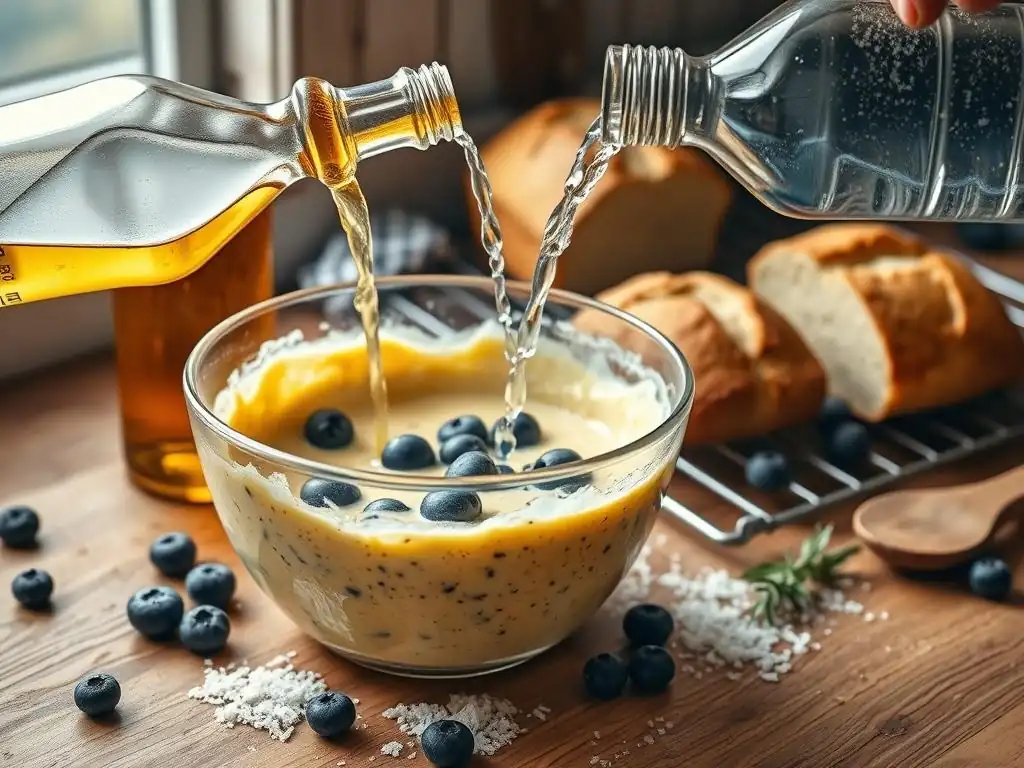
The leavening power of carbonated water comes from the dissolved carbon dioxide (CO2) gas it contains under pressure. When carbonated water is mixed into quick bread batter, the CO2 gas is dispersed throughout the mixture in tiny bubbles. As the batter is heated in the oven, the solubility of gases in liquid decreases, and the CO2 gas bubbles expand significantly due to the increased temperature.
This expansion of gas bubbles creates pockets within the batter, causing it to rise and develop a light, porous structure. It's similar to how steam contributes to the rise in some baked goods, but here the primary gas responsible is CO2. The amount of lift depends on the volume of dissolved gas and how well it is retained in the batter until baking. Using cold carbonated water can help retain more CO2 before heating.
Science of Carbon Dioxide
Carbon dioxide is a gas that is highly soluble in water under pressure and at low temperatures. When you open a bottle of sparkling water, you release the pressure, allowing some CO2 to escape as bubbles. Heating the liquid has a similar effect, as the kinetic energy of the water molecules increases, making it harder for the gas molecules to stay dissolved.
In the context of quick bread baking, the heat of the oven is the catalyst. As the temperature of the batter rises, the dissolved CO2 transitions from being in solution to being a gas, expanding dramatically according to the ideal gas law (PV=nRT). This physical process of gas expansion is what provides the lift. A typical soda or sparkling water can contain around 3 to 4 volumes of CO2, meaning one volume of liquid contains 3-4 volumes of gas at standard temperature and pressure, ready to expand when heated.
Best Practices
To maximize the leavening effect when using carbonated water in natural leaveners quick bread recipes, consider these best practices. Firstly, use freshly opened, cold carbonated water. Cold liquids hold more dissolved gas, and using a fresh bottle ensures maximum CO2 content. Avoid flat or previously opened bottles.
Secondly, handle the batter gently and avoid overmixing once the carbonated water is added. Excessive mixing can cause the dissolved CO2 to escape prematurely, resulting in a denser quick bread. Mix just until the dry and wet ingredients are combined. Bake the quick bread immediately after mixing to capture as much of the expanding gas as possible during the crucial early stages of baking.
Recipe Adaptations
Adapting traditional quick bread recipes to use carbonated water as a leavener requires careful consideration, as it often replaces the liquid component and the leavening agent simultaneously. A general rule of thumb is to substitute the liquid called for in the original recipe (like milk or water) with an equal volume of carbonated water.
You may also need to adjust or omit the chemical leaveners (baking soda and baking powder) depending on the original recipe and your desired outcome. If the original recipe relied heavily on baking soda reacting with an acid in the liquid (like buttermilk), you might lose some of that reaction's initial lift, relying solely on the CO2 from the water. Experimentation is key; perhaps start by replacing half the liquid with carbonated water and reducing the baking powder slightly in your natural leaveners quick bread recipes.
Carbonated Water Quick Bread Recipe: Lemon-Lime Soda Bread
One delightful application of carbonated water as a natural leavener is in a Lemon-Lime Soda Bread. This recipe leverages the sweetness and acidity of lemon-lime soda (a type of carbonated water with flavorings) not only for leavening but also for flavor. The CO2 in the soda provides the primary lift, while the soda's sugar contributes to browning and tenderness.
In a typical version, you'd combine self-rising flour (which contains some leavening, but the soda augments it significantly) with sugar, and then mix in lemon-lime soda and perhaps some melted butter. The soda reacts minimally with the leavening in self-rising flour but primarily relies on the thermal expansion of its dissolved CO2. The result is a sweet, slightly tangy quick bread with a tender crumb, showcasing how a simple carbonated beverage can act as a natural leavener quick bread recipes ingredient.
Beer as Leavener
Leavening Power of Beer
Beer, like carbonated water, contains dissolved carbon dioxide from the fermentation process and often additional carbonation added before packaging. This CO2 is the primary source of leavening power when beer is used in quick bread batters. When heated, the CO2 expands, providing lift similar to how carbonated water works.
Beyond just CO2, some beers, particularly unfiltered or bottle-conditioned varieties, may contain residual yeast. While this yeast isn't typically expected to ferment significantly during the quick mixing and baking time of a quick bread, it can potentially contribute a very minor amount of additional gas production if conditions were somehow favorable, though the main leavening comes from the dissolved CO2. The alcohol content also evaporates during baking, which can create some steam lift, further contributing to the overall rise and texture.
Selecting Beer
The type of beer you choose will significantly impact the flavor and color of your natural leaveners quick bread recipes. Lighter beers like lagers or pilsners will impart less flavor and color, making them suitable for quick breads where you don't want the beer to dominate, perhaps in a savory cheese bread. They still offer good carbonation for lift.
Darker beers, such as stouts, porters, or brown ales, will contribute rich, malty, sometimes roasted or chocolatey notes, along with a deeper color. These are excellent choices for quick breads featuring ingredients like chocolate, coffee, or nuts. Consider the beer's bitterness as well; hoppy IPAs might add an unwanted bitter edge unless balanced by other flavors. A medium-bodied amber ale offers a good balance for many applications.
Beer Types and Flavor
The vast spectrum of beer types offers incredible versatility for flavoring natural leaveners quick bread recipes. A Stout, known for its roasted malt character often with notes of chocolate or coffee, pairs wonderfully with cocoa powder and dark sugars in a sweet quick bread. Brown Ales provide nutty, caramel, and toffee flavors that complement spice cakes or breads with dried fruit.
For savory applications, a crisp Lager or Pilsner can add moisture and lift without overpowering flavors like cheese, herbs, or jalapeños. A Wheat Beer (like a Hefeweizen) can introduce fruity or spicy notes (banana, clove) that work well in certain sweet quick breads. Experimenting with different beer styles is key to finding your favorite flavor combinations in beer-leavened quick breads.
Beer-Infused Techniques
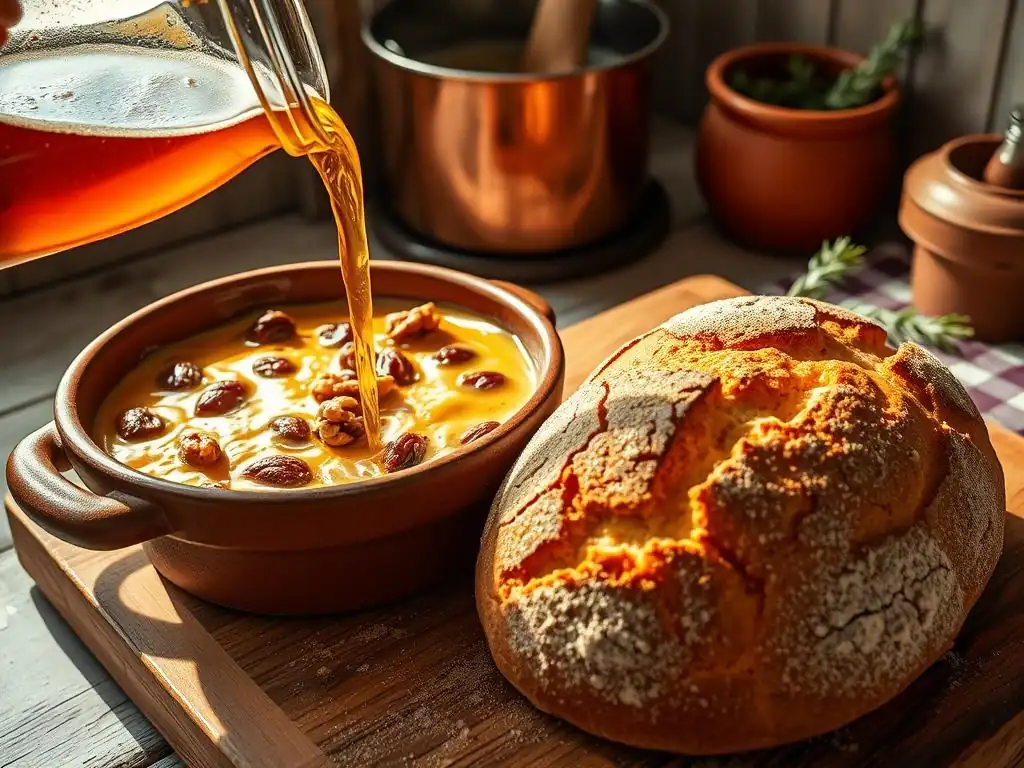
Using beer as a leavener goes beyond just adding it as a liquid. Consider how its properties can enhance specific techniques. Using a frothy pour of beer can help incorporate extra air into the batter initially. Ensure the beer is at room temperature if you want to encourage any potential minor yeast activity (though again, dissolved CO2 is the main leavener here), or cold if you want to maximize CO2 retention until baking.
Some recipes might call for reducing the beer slightly to concentrate its flavor before adding it to the batter, particularly with darker beers where you want a more intense maltiness. However, reducing will diminish the CO2 content, so this technique is more for flavor enhancement than primary leavening. For optimal lift from the beer's carbonation, use it straight from a freshly opened bottle or can, mixed in gently just before baking.
Beer Quick Bread Recipe: Stout and Chocolate Quick Bread
A classic example of using beer as a natural leavener is a Stout and Chocolate Quick Bread. This recipe harnesses the deep, complex flavors of a stout beer to complement and enhance the chocolate. The beer's carbonation provides lift, resulting in a moist and tender crumb, while its roasted malt notes add depth that baking soda and powder alone cannot.
In a typical Stout and Chocolate Quick Bread, you'd combine dry ingredients like flour, cocoa powder, sugar, and a bit of baking soda (sometimes used in combination with beer for extra lift and to react with acidic compounds in the stout). The wet ingredients would include eggs, oil or butter, and a generous amount of stout beer. The mixture is gently combined and baked, yielding a dark, rich quick bread with a subtle hint of the stout's character. This demonstrates how beer can be a star ingredient in natural leaveners quick bread recipes.
Comparing Carbonated Water and Beer
Flavor Profiles
The most significant difference between using carbonated water and beer as natural leaveners lies in their impact on flavor. Carbonated water, whether plain sparkling water or flavored soda, introduces primarily just the fizziness and potentially sweetness or specific fruit flavors (like lemon-lime or ginger ale). It offers a relatively neutral or specific bright flavor profile that can be easily predicted and paired with other ingredients.
Beer, on the other hand, brings a complex range of flavors depending on its style. From the light, crisp notes of a lager to the rich, roasted, and sometimes bitter characteristics of a stout or IPA, beer introduces malty, hoppy, yeasty, and fermented notes. This makes beer a more dominant flavor contributor, requiring careful pairing with other ingredients in your natural leaveners quick bread recipes to ensure the flavors harmonize.
Texture and Crumb
Both carbonated water and beer contribute to a tender crumb in quick breads due to the gas expansion creating air pockets. However, subtle differences can arise. Carbonated water tends to produce a relatively consistent, even crumb, similar to quick breads made with chemical leaveners, assuming the CO2 is well-distributed and retained.
Beer can sometimes contribute to a slightly more open or rustic crumb structure, potentially influenced by any residual yeast or the specific proteins and compounds present in the beer. The alcohol content evaporating during baking can also play a minor role in creating flakiness or tenderness. While both provide lift, the end texture might vary slightly depending on the specific quick bread recipe and the type of beer or carbonated water used.
Ease of Use and Availability
Both carbonated water and beer are widely available in most grocery stores, making them accessible natural leavening options. They are also relatively easy to use; you simply substitute them for the liquid component in a recipe. There's no complex activation step like proofing yeast or precise measurement for a double-acting chemical leavener.
However, selecting the right beer for a recipe requires more consideration than choosing carbonated water, as the flavor impact is much greater. You need to think about how the beer's characteristics will interact with other ingredients. Carbonated water offers simplicity and neutrality, while beer offers complexity and the need for thoughtful pairing in natural leaveners quick bread recipes.
Choosing the Right Leavener
Deciding whether to use carbonated water or beer as a natural leavener depends entirely on your desired outcome for your quick bread. If you want a neutral lift that allows other flavors (like fruit, spices, or chocolate) to shine without interference from the leavener itself, carbonated water (plain or flavored appropriately) is an excellent choice.
If you are looking to introduce malty, roasted, hoppy, or specific fermented notes and want the leavener to be part of the flavor profile, beer is the way to go. Consider the other ingredients in your recipe and choose a beer style that complements them. Experimentation with both options in various natural leaveners quick bread recipes will help you discover your preferences.
Tips for Success
Accurate Measurement
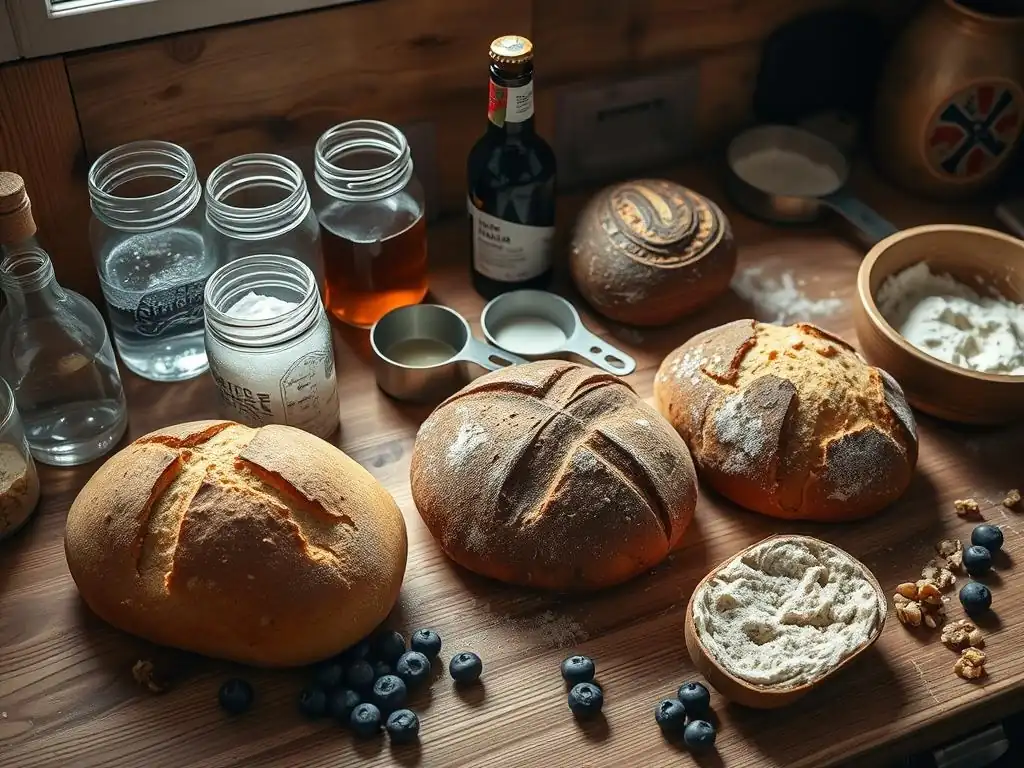
While natural leaveners like carbonated water and beer are forgiving in some ways, accurate measurement of all ingredients, including the liquid leavener, is still crucial for consistent results. Quick bread recipes rely on a specific ratio of dry to wet ingredients. Too much liquid can result in a dense, soggy quick bread, while too little can make it dry and crumbly.
Use standard liquid measuring cups for your carbonated water or beer, ensuring you measure at eye level. For dry ingredients, use the spoon-and-level method (spooning flour into the measuring cup and leveling off the excess with a straight edge) for accuracy, or preferably, use a kitchen scale for the most precise measurements. Precision ensures your natural leaveners quick bread recipes turn out as intended.
Optimal Rise and Texture
Achieving optimal rise and a tender texture with carbonated water or beer leavening depends on several factors. As mentioned, using cold, fresh, highly carbonated liquid is key to maximizing the available CO2. Mixing the batter gently and quickly after adding the liquid helps retain the gas bubbles.
Baking the quick bread immediately after mixing prevents the CO2 from escaping before it can expand in the oven's heat. Ensure your oven is properly preheated to the specified temperature. An oven thermometer can verify accuracy, as incorrect temperatures can drastically affect rise and texture. Baking at the correct temperature ensures the quick bread sets properly as the gases expand.
Troubleshooting
If your natural leaveners quick bread comes out dense or doesn't rise properly, several factors could be at play.
- Was the carbonated water or beer fresh and cold? Flat liquid equals no rise.
- Was the batter overmixed after adding the liquid? Overmixing develops gluten and causes CO2 loss.
- Was the quick bread baked immediately? Delay allows gas to escape.
- Was the oven temperature correct? Too low a temperature won't cause sufficient gas expansion.
Consider reducing the amount of liquid slightly in your next attempt if it was too wet, or check the freshness of your carbonated beverage. Sometimes, a small amount of baking powder (perhaps 1/2 to 1 teaspoon per cup of flour) can be used in conjunction with the natural leavener for insurance, especially when adapting recipes.
Storing Quick Breads
Proper storage is essential to maintain the texture and freshness of your natural leaveners quick bread. Once completely cooled, quick breads should be stored in an airtight container at room temperature for 2-3 days. Wrapping them tightly in plastic wrap and then placing them in a container or zip-top bag helps prevent them from drying out.
For longer storage, quick breads freeze exceptionally well. Wrap the cooled quick bread tightly in plastic wrap, then in aluminum foil or place it in a freezer-safe bag. Frozen quick bread can last for 2-3 months. Thaw overnight at room temperature before serving. Proper storage ensures you can enjoy your delicious natural leaveners quick bread recipes for longer.
Other Natural Leavening Options
Beyond Carbonated Water and Beer
While carbonated water and beer are fascinating natural leaveners for quick breads, they aren't the only options beyond traditional chemical agents. Steam is a significant natural leavener in many baked goods, particularly those with high moisture content or cooked at high temperatures (like popovers or choux pastry). Air is also incorporated through mechanical means like creaming butter and sugar or whisking eggs, contributing to lift in cakes and cookies.
Historically, pearl ash (potassium carbonate) and saleratus (potassium bicarbonate, an early form of baking soda) were used as chemical leaveners derived from natural sources like wood ashes. Today, some bakers explore options like sourdough starter, though its fermentation process is much slower and less suited for the "quick" nature of quick breads, typically requiring hours of proofing rather than minutes of mixing and baking.
Experimentation
The world of natural leavening in quick breads invites experimentation. Don't be afraid to try different types of carbonated beverages – ginger ale for a spiced bread, cream soda for sweetness, or even tonic water for a hint of bitterness (though this might be an acquired taste!). Explore various beer styles and see how a fruit lambic or a sour ale might affect flavor and texture compared to a stout or lager.
You can also experiment with combining a natural leavener like carbonated water with a small amount of baking powder to find a balance between the unique texture from the natural leavener and the reliable lift from the chemical one. Keep detailed notes on your experiments, including the type of liquid used, measurements, baking time, and the resulting texture and flavor. This will help you refine your natural leaveners quick bread recipes and discover new favorites.
Conclusion: Mastering Natural Leavening
Embracing Natural Baking
Exploring natural leavening agents like carbonated water and beer opens up a new dimension in quick bread baking. It allows you to move beyond standard chemical leaveners and experiment with ingredients that contribute not just lift but also unique flavors and textures. Embracing these natural methods connects you to simpler, sometimes older, baking techniques and encourages creativity in the kitchen.
Using natural leaveners quick bread recipes is a rewarding way to understand the science behind baking – how gases expand with heat and how different liquids can influence the final product. It's about working with the inherent properties of ingredients to achieve delicious results. This approach can make baking feel more intuitive and less reliant on pre-mixed powders.
Elevating Quick Bread Baking
Mastering the use of carbonated water and beer as natural leaveners can truly elevate your quick bread baking skills. It moves you from simply following a recipe to understanding the function of each ingredient and how to manipulate them to achieve desired outcomes. You learn how to predict the flavor impact of a stout versus a lager or how the carbonation level of a soda might affect the rise.
By successfully incorporating these natural leaveners into your repertoire, you gain confidence in adapting recipes and developing your own unique natural leaveners quick bread recipes. It's a step towards becoming a more intuitive and innovative baker, capable of creating quick breads that are not only light and tender but also rich in complex, natural flavors.
Frequently Asked Questions
How does carbonated water act as a natural leavener in quick breads?
Carbonated water provides carbon dioxide bubbles which create a light and airy texture in quick breads, similar to baking powder or soda. The bubbles expand during baking, giving the bread its rise.
Can I substitute any type of beer for another in these quick bread recipes?
While generally yes, be mindful that darker beers impart stronger flavors and can affect the bread's overall taste. Lighter beers offer a more subtle flavor profile.
What are the advantages of using carbonated water or beer over traditional leaveners like baking powder?
Using these natural leaveners can add a unique flavor and often results in a slightly different texture compared to traditional methods. It can also appeal to those seeking alternatives to processed ingredients.
How do I adjust the liquid content in a quick bread recipe when using carbonated water or beer?
Typically, you can directly substitute the amount of liquid called for in the recipe with the carbonated water or beer. However, monitor the batter consistency and adjust if needed.
What kind of quick bread recipes are best suited for using carbonated water or beer as a leavener?
Recipes that already benefit from a lighter texture, such as muffins, pancakes, or simple loaf breads, are excellent candidates. These leaveners work well when minimal rise is required.
Final Reflection: The Unexpected Rise of Natural Leaveners
The quest for healthier, more flavorful quick breads is leading bakers to explore the fascinating world of natural leaveners. This isn't just a fleeting trend; it's a fundamental shift in how we approach baking, prioritizing natural ingredients and unique flavor profiles over convenience. The surprising versatility of carbonated water and beer, as demonstrated throughout this article, opens up a whole new realm of possibilities for home bakers.
The subtle nuances in texture and taste achieved through these natural leaveners are truly remarkable. They offer a depth of flavor that traditional chemical leaveners simply can't match. This exploration has not only broadened my own baking horizons but also highlighted the importance of understanding the fundamental chemistry of baking. The simplest ingredients, when handled with care, can create extraordinary results.
This quote perfectly encapsulates the essence of this baking journey, emphasizing the power of mindful experimentation and a deep appreciation for the natural world.
Now, it's your turn. Consider the possibilities! Experiment with different types of carbonated water and beer, adjusting the recipes to suit your preferences. Don't be afraid to fail; each failed attempt is a lesson learned, leading you closer to baking perfection. Embrace the journey of discovery, and unlock the hidden potential of natural leaveners in your own kitchen. The rewards—delicious, unique, and naturally leavened quick breads—are well worth the effort.
Unleash Your Inner Baker: Craft Amazing Quick Breads!
Thanks for exploring the world of naturally leavened quick breads with us! We hope you discovered new ways to add unique flavor and texture to your baking. Ready to put your newfound knowledge into action?
- Bake your first naturally leavened loaf today! Experiment with the recipes we shared, substituting your favorite ingredients. Don't be afraid to get creative!
- Share your baking journey! Post a picture of your creation on social media and tag us – we'd love to see your results.
- Challenge a friend to bake alongside you. Make it a friendly competition, or simply enjoy the experience together.
What unique flavor combination will you try in your next naturally leavened quick bread?