
Bake It Less Sweet: How to Cut Sugar Without Ruining Texture or Flavor

Welcome to BakeWithEase, your haven for effortless baking! Ever wondered if you could indulge in your favorite treats without the guilt? This week, we're diving deep into the surprisingly simple world of low sugar baking recipes. Discover the secrets to crafting delicious desserts that are both healthier and just as satisfying. Intrigued? Keep reading to learn how to cut sugar without sacrificing texture or flavor!
- Bake It Less Sweet: How to Cut Sugar Without Ruining Texture or Flavor - BakeWithEase.com
- Introduction to Low Sugar Baking
- Understanding Sugar's Role in Baking
- Practical Tips for Reducing Sugar in Baking Recipes
- Low Sugar Baking Recipes: Adapting Your Favorites
- Troubleshooting Low Sugar Baking
- Delicious Low Sugar Baking Recipe Ideas
- Conclusion: Enjoying Healthier Baking with Reduced Sugar
-
Frequently Asked Questions
- What are some common sugar substitutes used in low sugar baking recipes?
- How does reducing sugar affect the texture of baked goods?
- Can I completely eliminate sugar in low sugar baking recipes?
- What are some tips for maintaining flavor in low sugar baking recipes?
- Where can I find reliable low sugar baking recipes designed for beginners?
- Final Reflection: The Sweet Truth About Baking Less Sweet
- Unleash Your Inner Pastry Chef: Bake Healthier, Taste Better!
Bake It Less Sweet: How to Cut Sugar Without Ruining Texture or Flavor - BakeWithEase.com
Introduction to Low Sugar Baking
Embarking on a journey to reduce sugar in your baking might seem daunting, but it's a rewarding path that opens up new flavors and textures. Many bakers are exploring low sugar baking recipes not only for health reasons but also to allow the natural flavors of other ingredients, like fruits, spices, and chocolate, to shine through. This approach requires understanding the multifaceted role sugar plays in baking, beyond just sweetness.
Successfully cutting sugar involves more than simply reducing the amount in a recipe. Sugar is a functional ingredient, contributing significantly to texture, moisture, browning, and even the leavening process in some baked goods. Learning how to modify recipes and incorporate alternative sweeteners or ingredients is key to achieving delicious results that don't compromise on quality or enjoyment.
Why Reduce Sugar in Baking? Health Benefits and Flavor Preferences
Reducing sugar in baked goods offers notable health advantages. High sugar intake is linked to various health issues, including weight gain, increased risk of type 2 diabetes, and heart disease. By opting for low sugar baking recipes, you can significantly lower your calorie consumption and glycemic load per serving, making your favorite treats more health-conscious. For example, a standard chocolate chip cookie can contain upwards of 10-15 grams of sugar; reducing this by even a third per cookie across a batch makes a substantial difference.
Beyond health, reducing sugar can dramatically improve the flavor profile of your baked goods. When sugar is dominant, it can mask the subtle nuances of ingredients like cocoa powder, vanilla bean, or fresh berries. Lowering sugar allows these flavors to come to the forefront, creating a more complex and satisfying taste experience. Imagine a blueberry muffin where the tartness of the blueberries is a vibrant contrast to a gentle sweetness, rather than being overwhelmed by sugary syrup. This enhanced flavor clarity is a primary reason many experienced bakers explore low sugar baking recipes.
The Challenges of Baking with Less Sugar
Reducing sugar presents several technical challenges in baking. Sugar is hygroscopic, meaning it attracts and retains moisture. Without sufficient sugar, baked goods can become dry, crumbly, and stale more quickly. For instance, a cake made with significantly less sugar might lack the moist crumb characteristic of a traditional recipe. Sugar also interferes with gluten development, contributing to tenderness; reducing it can result in tougher textures, particularly in items like cookies or muffins if not compensated for.
Furthermore, sugar plays a crucial role in the browning process through caramelization and the Maillard reaction, which develop desirable flavors and crust colors. A cookie baked with less sugar might spread less, remain pale, and lack the rich, caramelized edges that contribute to its appeal. Achieving the right balance of sweetness, texture, and appearance in low sugar baking recipes requires careful adjustments to ingredients, baking times, and temperatures. It's a process of understanding sugar's functions and finding ways to replicate them using alternative methods or ingredients.
Understanding Sugar's Role in Baking
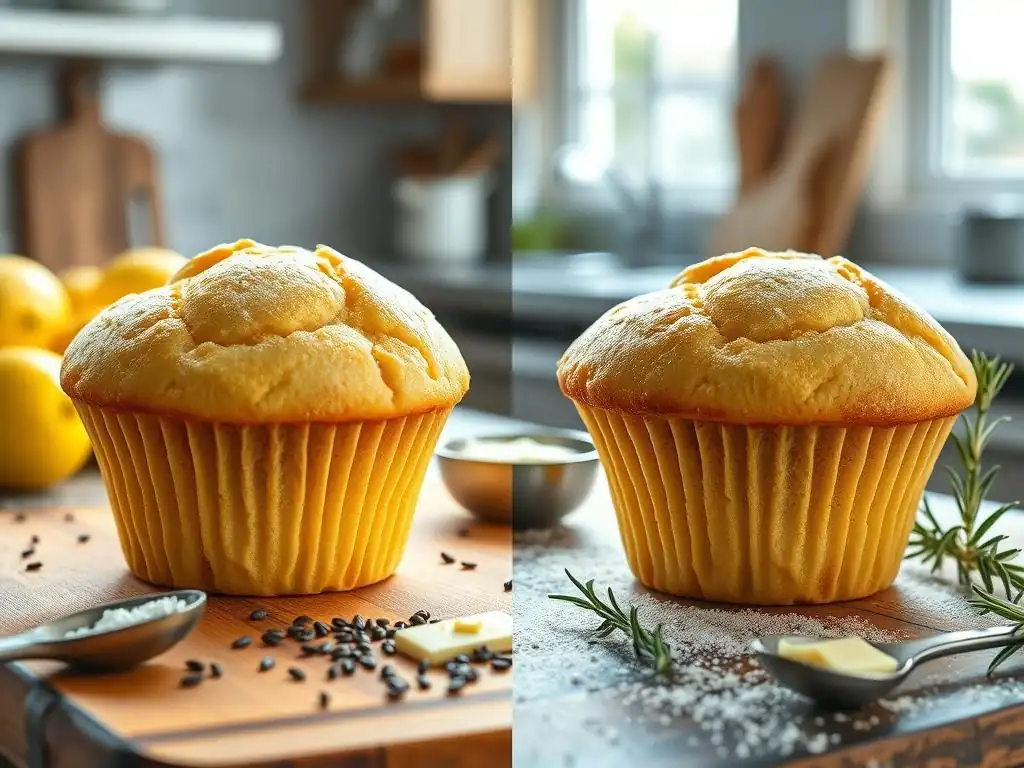
Sugar is far more than just a sweetener in the world of baking. It's a critical structural and functional ingredient that impacts almost every aspect of the final product. From the moment you cream butter and sugar to the final bite of a perfectly baked cookie, sugar is actively working. Understanding these roles is the first step toward successfully modifying low sugar baking recipes without compromising quality.
Its presence affects consistency, shelf life, and even the height of your cakes. Attempting to simply remove sugar from a recipe without considering its other jobs is likely to lead to disappointing results, such as flat cookies, dense cakes, or pale, flavorless crusts. Acknowledging these functions allows for informed adjustments and substitutions when creating low sugar baking recipes.
Sugar's Impact on Texture: Moisture, Tenderness, and Structure
Sugar significantly influences the texture of baked goods, primarily through its interaction with water and protein. As a hygroscopic substance, sugar draws and holds moisture, contributing to the moistness and softness of cakes, muffins, and quick breads. Reducing sugar often leads to drier results because there's less ingredient available to bind water. For example, a standard pound cake relies heavily on sugar to maintain its dense yet moist crumb; cutting sugar drastically without adding other moistening agents will likely result in a dry, heavy texture.
Moreover, sugar affects tenderness by interfering with the formation of gluten networks and protein coagulation in eggs. In cookies and cakes, sugar crystals cut through fat during creaming, creating air pockets essential for leavening and tender structure. Sugar also raises the temperature at which proteins (like those in flour and eggs) set, allowing the baked good to expand more before solidifying, leading to a more tender crumb.
Without enough sugar, gluten can develop more readily, potentially leading to a tougher texture, especially in recipes that involve mixing for extended periods. Adjusting techniques or adding ingredients that inhibit gluten, like fats or acidic components, is often necessary for successful low sugar baking recipes.
Sugar's Contribution to Flavor: Sweetness and Beyond
The most obvious role of sugar is providing sweetness, which balances other flavors like salt, acid, and bitterness in baked goods. However, sugar contributes more than just a sweet taste. It enhances the overall flavor profile by allowing other ingredients to be perceived more fully. For example, a small amount of sugar can make chocolate taste richer and less bitter, or highlight the fruitiness of berries. This is why even savory baked goods often include a touch of sugar – not necessarily for sweetness, but to round out and enhance other flavors.
Beyond simple sweetness, sugar undergoes chemical changes during baking that create complex flavor compounds. Caramelization occurs when sugar is heated to high temperatures (around 320°F or 160°C), resulting in nutty, buttery, and slightly bitter notes that are crucial for the flavor of caramel, toffee, and the crust of many baked goods.
The Maillard reaction, which involves sugars and amino acids, also contributes to the rich, complex flavors and aromas found in bread crusts, cookies, and cakes. Achieving these desirable flavor notes in low sugar baking recipes requires either using sugar substitutes that participate in these reactions or incorporating alternative flavor enhancers.
Sugar's Function in Browning and Caramelization
Sugar is instrumental in achieving the appealing golden-brown crusts and edges characteristic of many baked goods. This browning occurs through two primary chemical reactions: caramelization and the Maillard reaction. Caramelization is the direct browning of sugars under heat, while the Maillard reaction is a complex interaction between reducing sugars and amino acids, responsible for the savory-sweet flavors and brown color in everything from seared meat to toasted bread. Both reactions require sugar and heat to occur effectively.
In recipes with adequate sugar, these reactions happen readily in the oven, contributing to a desirable color, aroma, and flavor in the crust. For instance, the rich brown color of a classic chocolate chip cookie is a result of both caramelization of the sugars and the Maillard reaction involving sugars and proteins in the flour and eggs. When sugar is reduced in low sugar baking recipes, these reactions are inhibited.
This can lead to pale baked goods that lack the characteristic depth of flavor and visual appeal associated with proper browning. Bakers often need to adjust oven temperature (sometimes slightly higher to encourage surface browning) or add ingredients that promote browning, like milk solids or baking soda, when working on low sugar baking recipes.
Practical Tips for Reducing Sugar in Baking Recipes
Successfully reducing sugar in your baking involves strategic adjustments rather than simple omission. It's about understanding the function of sugar and finding ways to compensate for its absence. These practical tips will help you navigate the process and achieve delicious results in your low sugar baking recipes.
Experimentation is key. Don't be afraid to try different methods and ingredients to see what works best for specific recipes and your personal taste preferences. Keep notes on your adjustments and results, much like a scientist in the kitchen!
Start Small: Gradually Decrease Sugar Levels
One of the most effective ways to begin adapting low sugar baking recipes is to reduce the sugar incrementally. Instead of cutting the sugar by half immediately, try reducing it by 10-25% in your favorite recipes first. For example, if a cookie recipe calls for 1 cup of sugar, try using 3/4 cup. This gradual approach allows you to observe the effects on texture, moisture, and flavor without drastically altering the outcome.
After baking with a slight reduction, taste the result. If you enjoy the level of sweetness and the texture is still acceptable, you can try reducing the sugar by another 10-15% the next time you make the recipe. This iterative process helps you find the 'sweet spot' (or rather, the 'less sweet spot') for each specific recipe while minimizing failures. It's a gentle way to transition your palate and baking skills towards creating delicious low sugar baking recipes.
Replace Refined Sugar with Natural Sweeteners
Replacing refined white sugar with natural sweeteners is a popular strategy in creating low sugar baking recipes, although it's important to note that many natural sweeteners still contain sugar, just in different forms or alongside other compounds. Options like honey, maple syrup, date paste, and fruit purees offer varying levels of sweetness and also bring their own unique flavors and functional properties to baked goods.
Additionally, some non-nutritive or low-calorie natural sweeteners like stevia and monk fruit, or sugar alcohols like erythritol and xylitol, can be used. These often behave differently than sugar, lacking its bulk, moisture-retaining properties, and browning capabilities. Combining different types of sweeteners is often necessary to mimic sugar's multiple roles effectively in low sugar baking recipes. For instance, you might use a small amount of maple syrup for moisture and flavor, combined with a non-caloric sweetener for primary sweetness.
Pros and Cons of Using Honey in Low Sugar Baking
Honey is a liquid sweetener that can be a great addition to low sugar baking recipes, offering a distinct floral or earthy flavor depending on its source. It is sweeter than granulated sugar by weight, so you typically use less. A common substitution guideline suggests using about 1/2 to 2/3 cup of honey for every cup of granulated sugar, while also reducing the liquid elsewhere in the recipe by about 1/4 cup. Honey also contributes moisture and promotes browning, sometimes even more so than sugar due to its fructose content.
However, using honey presents challenges. Its liquid nature can alter the wet-to-dry ingredient ratio, potentially leading to denser or stickier results. The strong flavor of honey can also overpower delicate flavors in some baked goods.
Because it browns faster, you might need to reduce oven temperature by about 25°F (around 15°C) and potentially increase baking time when using it in low sugar baking recipes to prevent burning. Furthermore, honey is not suitable for vegan recipes and contains fructose and glucose, so while 'natural', it's still a form of sugar to be mindful of if the goal is drastically reducing overall sugar intake.
Using Maple Syrup for Reduced Sugar Baking: Tips & Tricks
Maple syrup, particularly dark or very dark varieties, provides a rich, caramel-like flavor that complements many baked goods, making it a favored ingredient in low sugar baking recipes. Like honey, it's a liquid sweetener and is generally considered slightly less sweet than granulated sugar, though substitution ratios vary. A common starting point is replacing 1 cup of sugar with about 3/4 to 1 cup of maple syrup, while also reducing other liquids by roughly 1/4 to 1/3 cup to maintain the proper consistency.
When baking with maple syrup, be aware that its liquid volume is significant. This added moisture can be beneficial in keeping baked goods tender but requires careful balancing with dry ingredients. Maple syrup also contributes to browning, similar to honey.
To prevent over-browning, especially around the edges, consider lowering your oven temperature slightly (around 25°F or 15°C) and potentially covering the baked goods with foil towards the end of the baking time. Its distinct flavor profile makes it excellent in recipes featuring nuts, spices, or apples, but it might not be suitable for recipes where a neutral sweetness is desired. Experimenting with different grades of maple syrup can also yield varying flavor intensities for your low sugar baking recipes.
Baking with Dates: A Natural Sweetener and Binder
Dates, especially when pureed into a paste, are an excellent whole-food option for adding sweetness, moisture, and fiber to low sugar baking recipes. Date paste is made by soaking pitted dates in hot water and then blending them into a smooth paste. It provides a rich, caramel-like sweetness and acts as a binder, often allowing for a reduction in fat or eggs. As a general guideline, you might substitute 1 cup of sugar with about 1 to 1.5 cups of date paste, depending on desired sweetness and the moisture content of the paste.
Using date paste adds bulk and nutrients that granulated sugar doesn't provide, which can affect the texture of baked goods. Recipes using date paste tend to be denser and chewier. Because it's a natural product, the sweetness and consistency of date paste can vary depending on the type and ripeness of the dates used.
It works particularly well in muffins, quick breads, brownies, and energy bars where a denser, moist texture is desirable. While dates are naturally sweet, they still contain natural sugars, so they are used more for replacing refined sugar with a less processed, nutrient-rich alternative in low sugar baking recipes rather than eliminating sugar entirely.
The Role of Stevia and Erythritol in Low Sugar Baking Recipes
Stevia and erythritol are popular non-nutritive sweeteners used to significantly reduce calories and sugar content in low sugar baking recipes. Stevia, derived from the stevia plant, is many times sweeter than sugar and is typically used in very small amounts, often requiring bulking agents when substituting larger quantities of sugar. Erythritol is a sugar alcohol that has about 60-70% of the sweetness of sugar and is often used as a cup-for-cup substitute by volume, although it provides significantly fewer calories (about 0.2 calories per gram compared to sugar's 4 calories per gram).
These sweeteners do not behave like sugar in terms of moisture retention, browning, or providing structure. Baked goods made solely with these substitutes can be dry, pale, and may not spread properly. Erythritol can also leave a cooling sensation in the mouth for some people, particularly when used in large quantities.
Often, a blend of erythritol with other sweeteners (like stevia for increased sweetness or a small amount of sugar or a liquid sweetener for function) or the addition of ingredients like applesauce or yogurt for moisture is necessary to achieve satisfactory results in low sugar baking recipes. They are best used in recipes where sugar's primary role is sweetness, and other ingredients provide structure and moisture, such as cheesecakes or some types of custards, or in conjunction with other functional ingredients in cakes and cookies.
Adjusting Other Ingredients to Compensate for Less Sugar
Reducing sugar impacts the entire balance of a recipe. To compensate for the loss of sugar's functional properties – moisture, tenderness, and browning – you'll likely need to adjust other ingredients. This might involve increasing liquids, adding fats, incorporating binding agents, or enhancing flavors through non-sweet means.
Think of the recipe as a system where altering one component requires rebalancing others. For example, if reducing sugar makes cookies too dry and crumbly, you might need to add a bit more butter or an egg yolk. If a cake is too dense, you might need to increase the leavening agent or adjust the mixing method. These adjustments are crucial for successful low sugar baking recipes.
Increasing Moisture with Pureed Fruits and Vegetables
Pureed fruits and vegetables are excellent additions to low sugar baking recipes as they add natural sweetness, moisture, fiber, and nutrients while helping to compensate for the moisture lost when sugar is reduced. Common options include applesauce, mashed bananas, pumpkin puree, sweet potato puree, and even zucchini puree (though zucchini adds moisture without significant sweetness).
For example, replacing a portion of the fat or sugar in a muffin or quick bread recipe with applesauce or mashed banana can result in a very moist and tender crumb. Approximately 1/4 to 1/2 cup of applesauce can replace a similar amount of sugar or fat in many recipes, although you may need to slightly reduce other liquids. These purees contribute to a desirable texture and allow for a significant reduction in added sugars, making them staples in many low sugar baking recipes aimed at increasing nutritional value and moisture.
Adding Spices and Extracts to Enhance Flavor
When reducing sugar, which also enhances other flavors, it's often necessary to boost the flavor profile using non-sweet ingredients. Spices and extracts are invaluable for this purpose in low sugar baking recipes. Ingredients like vanilla extract, almond extract, cinnamon, nutmeg, cardamom, ginger, and citrus zest can add depth and complexity that make baked goods satisfying even with less sweetness.
For instance, a simple oatmeal cookie with reduced sugar can be transformed by adding a generous amount of cinnamon, a pinch of nutmeg, and a splash of vanilla extract. The spices provide warmth and aroma, while the vanilla enhances the perception of sweetness and rounds out the flavors. Using high-quality extracts and fresh spices can make a significant difference in the overall enjoyment of low sugar baking recipes, ensuring they don't taste bland despite the reduced sugar content.
Using Acidic Ingredients to Balance Sweetness
Acidic ingredients play a dual role in low sugar baking recipes: they can balance and brighten flavors, and they interact with leavening agents like baking soda to provide lift. Ingredients such as lemon juice, vinegar, buttermilk, yogurt, or sour cream can enhance the perceived sweetness of a baked good even with less sugar by providing a pleasant tang that contrasts with the remaining sweetness.
Moreover, if your recipe uses baking soda, an acidic component is necessary to activate it and produce carbon dioxide gas, which helps the baked good rise. Buttermilk or yogurt are common choices that add both acidity and moisture. Even in recipes using baking powder (which contains its own acid), a touch of added acid can help balance flavors and ensure proper leavening, contributing to a better texture in low sugar baking recipes.
Low Sugar Baking Recipes: Adapting Your Favorites
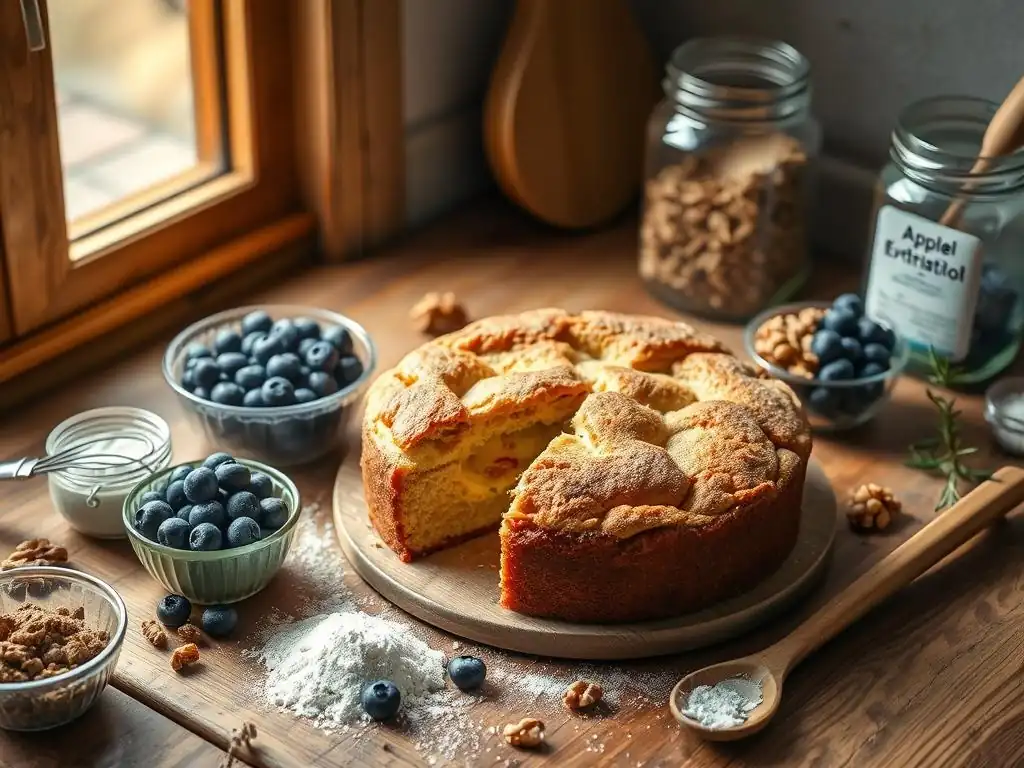
Transforming your go-to recipes into low sugar versions is an exciting challenge. It requires understanding the original recipe's mechanics and applying the principles of sugar reduction and compensation. With practice, you can successfully adapt many traditional baking recipes to fit a lower-sugar lifestyle without sacrificing taste or texture.
This section explores how to approach adapting different types of baked goods, from sturdy cookies to delicate cakes and yeasty breads. Each type of baked good presents unique challenges and opportunities when it comes to reducing sugar, requiring specific considerations for successful low sugar baking recipes.
Converting Traditional Baking Recipes to Low Sugar Versions
Converting a traditional recipe involves more than just reducing the sugar quantity. You need to assess the original recipe's structure and identify where sugar is playing a functional role beyond sweetness. Consider the ratio of wet to dry ingredients, the amount of fat, and the leavening agents used. If the recipe relies heavily on creaming butter and sugar for leavening and tenderness (like many cookie or butter cake recipes), reducing sugar significantly will require finding alternative ways to incorporate air and maintain tenderness.
Start by making a moderate reduction (e.g., 25%) and note the changes. If the result is too dry or dense, consider adding moisture through pureed fruit, yogurt, or slightly increasing the liquid. If it's pale, try adding a pinch of baking soda (if the recipe is acidic) or brushing the top with milk before baking. If the texture is tough, ensure you're not overmixing and consider adding a touch more fat. It's a process of trial and error, but applying the principles discussed earlier will guide you in creating successful low sugar baking recipes from your existing collection.
Adapting cookie recipes to be low sugar often focuses on managing spread, texture (from crisp to chewy), and browning. Sugar significantly affects how much a cookie spreads in the oven and contributes to those desirable crispy edges and chewy centers. Reducing sugar can result in thicker, less spread-out, and paler cookies. To counteract this in low sugar baking recipes for cookies, you might need to slightly flatten the cookies before baking or increase the proportion of butter (which encourages spread) while slightly reducing flour.
For moisture and chewiness, consider incorporating ingredients like mashed banana, apple butter, or a small amount of liquid sweetener like maple syrup or honey (adjusting other liquids accordingly). Using alternative flours like almond flour or oat flour can also affect texture and moisture. To promote browning without excess sugar, ensure your oven temperature is accurate, and consider baking on darker baking sheets, which absorb more heat. Experimenting with baking times and temperatures is crucial to get the right balance of texture and color in your low sugar baking recipes for cookies.
Modifying Cake Recipes for Less Sugar
Cakes rely on sugar for moisture, tenderness, structure (especially through creaming), and a tender crumb. Reducing sugar in cake recipes can lead to dry, dense, or tough cakes that don't rise as high. When creating low sugar baking recipes for cakes, compensation for these functions is vital. To maintain moisture, increase wet ingredients like milk, buttermilk, yogurt, or sour cream, or incorporate fruit/vegetable purees like applesauce or pumpkin.
For tenderness and structure, ensure your leavening is adequate. If the original recipe used the creaming method, you might need to rely more on chemical leaveners (baking powder/soda). Adding an extra egg yolk can also contribute richness and tenderness. Consider using a blend of sweeteners; a small amount of liquid sweetener can help with moisture and browning, while a bulk sweetener like erythritol can maintain volume. Gentle mixing is also key to avoid developing tough gluten. Successfully adapting cake recipes for low sugar baking recipes requires careful attention to the balance of wet and dry ingredients and leavening.
Bread Baking with Reduced Sugar: Maintaining Texture and Rise
Sugar in yeast bread recipes serves as food for the yeast, contributing to a good rise, and also aids in browning and keeping the bread soft. While yeast can ferment other carbohydrates in flour, a small amount of added sugar often kickstarts the process and ensures vigorous activity. In low sugar baking recipes for bread, you can often significantly reduce or even eliminate added granulated sugar, especially in rustic loaves.
However, for softer sandwich breads or enriched doughs (like brioche or cinnamon rolls), sugar contributes to tenderness and helps achieve a soft crust. When reducing sugar in these types of low sugar baking recipes, the yeast might be slower to activate, so allowing a longer proofing time can be beneficial. To maintain a soft crumb and aid browning, ingredients like milk, butter, or eggs (in enriched doughs) become even more important. Brushing the crust with milk or an egg wash before baking can also help achieve a desirable golden color even with less sugar in the dough itself.
Troubleshooting Low Sugar Baking
Even with careful planning, challenges can arise when venturing into low sugar baking recipes. Common issues include dryness, lack of browning, and undesirable textures. Knowing how to identify and address these problems will save you frustration and improve your results.
Developing an eye for what the batter or dough should look and feel like, and understanding the science behind the potential issues, are key skills for successful low sugar baking. Don't be discouraged by initial setbacks; they are learning opportunities.
Dealing with Dryness and Crumbliness
Dryness and crumbliness are among the most common problems encountered in low sugar baking recipes, primarily because sugar is a key moisture retainer. If your baked goods turn out dry, it's a strong indication that the recipe needs more moisture or ingredients that hold moisture effectively.
To combat dryness, consider increasing the liquid components slightly – perhaps an extra tablespoon or two of milk, buttermilk, or water. Incorporating moistening ingredients like mashed banana, applesauce, yogurt, or sour cream can also significantly help. Adding a bit more fat, such as butter or oil, can also contribute to a moister and more tender crumb by coating flour particles and inhibiting gluten development.
Ensure you are not over-baking, as this is a major culprit for dryness regardless of the sugar content. Using an oven thermometer to verify your oven's temperature is accurate can be very helpful in low sugar baking recipes.
Achieving Proper Browning Without Excessive Sugar
Baked goods with reduced sugar often come out pale because sugar is essential for caramelization and the Maillard reaction. While flavor can be enhanced with spices and extracts, achieving that appealing golden-brown color requires specific strategies in low sugar baking recipes.
One method is to increase the baking temperature slightly (e.g., by 15-25°F or about 10-15°C) for the last part of the baking time to encourage surface browning, watching carefully to prevent burning. Using baking sheets made of darker metal can also promote browning due to better heat absorption. Brushing the surface of cakes, muffins, or breads with milk, cream, or an egg wash before baking provides proteins and sugars that will brown nicely.
Some recipes benefit from adding a small amount of molasses, honey, or maple syrup, which brown readily, even if the primary sweetener is non-nutritive. A pinch of baking soda can also increase pH and promote the Maillard reaction in certain low sugar baking recipes, leading to better browning.
Addressing Texture Issues in Low Sugar Baked Goods
Texture problems in low sugar baking recipes can range from toughness and density to excessive spread or lack of structure. These issues often stem from the altered balance of ingredients when sugar's functional roles are diminished.
If baked goods are tough, it might be due to increased gluten development. Ensure you are not overmixing the batter or dough, especially after adding flour. Using softer flours (like cake flour) or incorporating ingredients that inhibit gluten, such as fats, egg yolks, or acidic components (like buttermilk or yogurt), can help. If baked goods are too dense, check your leavening agents – ensure they are fresh and used in the correct proportions, and that acidic ingredients are present if using baking soda.
If cookies spread too much (less common with reduced sugar, but possible depending on fat content), try chilling the dough before baking. If they don't spread enough, slightly increase the fat or bake at a slightly higher temperature. Adjusting the ratio of wet to dry ingredients is often necessary to fine-tune the texture in low sugar baking recipes.
Delicious Low Sugar Baking Recipe Ideas
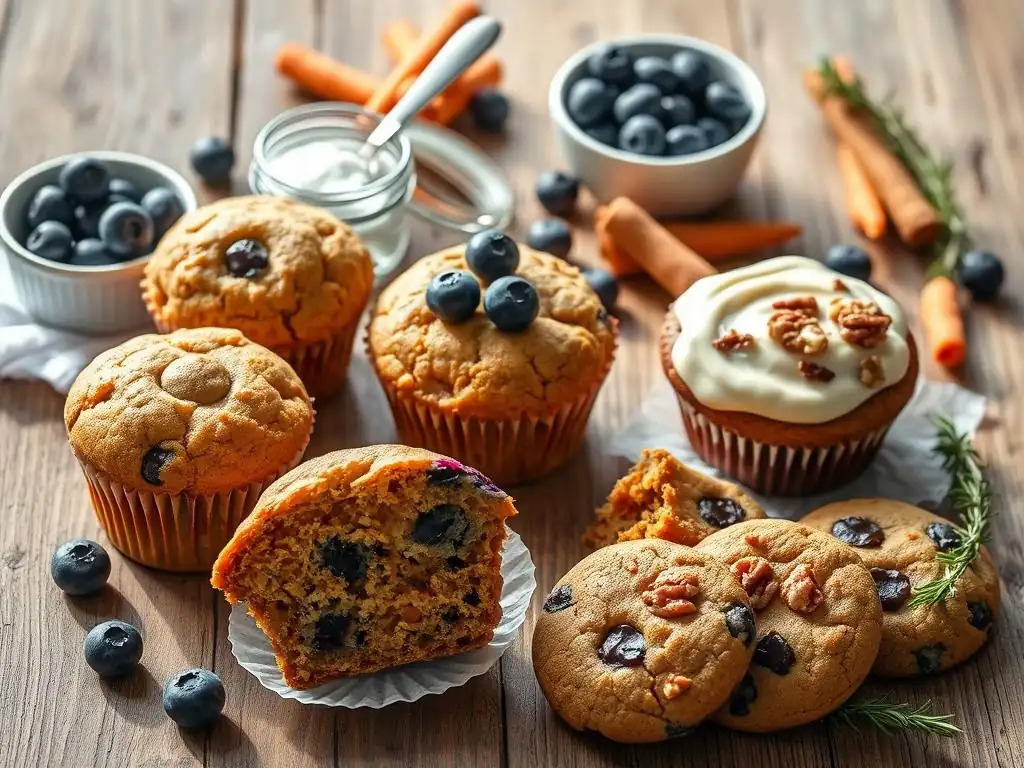
Putting theory into practice is the best way to master low sugar baking. Here are some ideas for low sugar baking recipes that are naturally more adaptable or benefit greatly from sugar reduction, allowing the main ingredients to shine.
These examples demonstrate how different types of baked goods can be successfully modified to create flavorful, less sweet versions that everyone can enjoy. They serve as a great starting point for your own low sugar baking adventures.
Low Sugar Blueberry Muffin Recipe
Blueberry muffins are excellent candidates for low sugar baking recipes because the natural sweetness and moisture from the blueberries can compensate for reduced added sugar. A typical recipe might call for 1 cup of sugar, but you can often reduce this to 1/2 or 1/3 cup, or replace a portion with a natural sweetener like maple syrup or date paste.
To maintain moisture and tenderness, ensure you don't overmix the batter – just combine until the dry ingredients are barely incorporated. Using buttermilk or yogurt instead of milk adds moisture and tenderness due to acidity. Adding a generous amount of blueberries (fresh or frozen) not only provides sweetness but also keeps the muffins moist. Enhancing the flavor with lemon zest and vanilla extract further complements the blueberries and makes the muffins satisfying with less overall sweetness, creating delightful low sugar baking recipes for breakfast or snacks.
Peanut butter cookies are relatively forgiving when it comes to sugar reduction, making them a good entry point for low sugar baking recipes. Many traditional recipes rely heavily on the simple ratio of peanut butter, sugar, and egg. Sugar contributes to spread and crispness in these cookies.
To make them low sugar, you can often reduce the granulated sugar by half or more, or replace it with a sugar substitute like erythritol. Since peanut butter itself provides fat and structure, the cookies often hold together well even with less sugar. To compensate for lost moisture and tenderness, consider adding a splash of milk or using a natural peanut butter that might be slightly oilier. For added flavor and a hint of sweetness, you can stir in sugar-free chocolate chips or chopped nuts. These are simple low sugar baking recipes to adapt and customize.
Low Sugar Pumpkin Pie Recipe
Pumpkin pie is a custard-based dessert where sugar primarily provides sweetness and contributes to the smooth texture of the filling. Adapting it into a low sugar baking recipe is quite straightforward compared to cakes or cookies. The bulk and moisture come from the pumpkin puree and dairy.
You can significantly reduce the amount of sugar in the filling or replace it entirely with a blend of sugar substitutes like erythritol and stevia. Because the filling is a liquid before baking, the bulking property of sugar is less critical than in solid batters. To enhance flavor without added sugar, be generous with warm spices like cinnamon, nutmeg, ginger, and cloves.
Ensure the pie crust is made separately; traditional pie crusts contain fat and flour and are more forgiving to sugar reduction in the dough itself, focusing the low sugar effort on the filling. This makes for a comforting and flavorful low sugar baking recipe perfect for holidays.
Conclusion: Enjoying Healthier Baking with Reduced Sugar
Embracing low sugar baking recipes is a journey that enhances your baking skills and allows you to create delicious treats that are better for you. By understanding the science behind sugar's function and learning how to compensate for its reduction, you gain confidence in modifying recipes and experimenting with new ingredients.
Remember that reducing sugar doesn't mean sacrificing flavor or texture. It means finding new ways to achieve desirable results, often leading to baked goods where the true flavors of ingredients like fruit, nuts, and spices can finally take center stage.
Embrace Experimentation and Find Your Perfect Balance
The most important aspect of successful low sugar baking is a willingness to experiment. Every oven is different, every ingredient brand varies, and personal taste preferences are unique. Start with small changes, keep detailed notes on your adjustments and results, and learn from each batch.
Don't aim for perfection immediately. Some attempts might not turn out exactly as planned, but they provide valuable lessons. The process of trial and error will help you refine your techniques and develop an intuition for how different ingredients interact in low sugar baking recipes, ultimately allowing you to find the perfect balance of sweetness and texture for your own palate.
Further Resources for Low Sugar Baking
As you continue your journey into low sugar baking recipes, seek out reliable resources. Look for cookbooks or websites specifically dedicated to reduced-sugar or sugar-free baking, as these often provide tested recipes and valuable insights into working with alternative sweeteners and ingredients.
Many baking blogs and forums also offer tips, recipe adaptations, and troubleshooting advice from experienced low sugar bakers. Exploring these resources can provide new ideas, help you solve specific problems, and connect you with a community of like-minded bakers. Keep learning, keep experimenting, and enjoy the delicious world of low sugar baking recipes!
Frequently Asked Questions
What are some common sugar substitutes used in low sugar baking recipes?
Common substitutes include natural sweeteners like stevia, erythritol, and monk fruit. You can also use unsweetened applesauce or mashed bananas.
How does reducing sugar affect the texture of baked goods?
Sugar contributes to moisture and tenderness. Reducing it can result in drier or denser results, so consider using moist ingredients or adjusting liquid levels.
Can I completely eliminate sugar in low sugar baking recipes?
While possible, it's not always recommended. Sugar contributes to browning, flavor, and structure. Gradual reduction is often more successful than complete elimination.
What are some tips for maintaining flavor in low sugar baking recipes?
Enhance other flavors! Use spices like cinnamon or nutmeg, add citrus zest, or incorporate vanilla extract for a richer taste.
Where can I find reliable low sugar baking recipes designed for beginners?
Websites like BakeWithEase.com offer step-by-step guides and easy-to-find ingredients specifically for low sugar baking, catering to all skill levels.
Final Reflection: The Sweet Truth About Baking Less Sweet
The quest for healthier baking isn't about deprivation; it's about rediscovering the inherent deliciousness of ingredients. We've explored how reducing sugar in baked goods doesn't necessitate sacrificing texture or flavor, proving that delicious and healthy can coexist. This isn't just a trend; it's a fundamental shift in how we approach baking, one that acknowledges the impact of excessive sugar consumption on our well-being.
The journey to understanding the role of sugar in baking has been a fascinating one, revealing the intricate balance between sweetness, structure, and moisture. It's a journey that continues to evolve as we learn more about the science behind baking and the impact of our food choices on our health. The best recipes are those that allow the natural flavors of the ingredients to shine.
This quote perfectly encapsulates the philosophy behind baking less sweet – letting the inherent goodness of fruits, spices, and even the subtle sweetness of naturally occurring sugars take center stage.
Consider this your invitation to experiment. Don't be afraid to reduce sugar gradually in your favorite recipes, trusting in the power of alternative sweeteners and mindful ingredient choices. Embrace the challenge of unlocking new flavor profiles and textures. You might be surprised by the depth and complexity you discover in baking less sweet. The rewards extend beyond a healthier lifestyle; they include a deeper appreciation for the art and science of baking itself.
Unleash Your Inner Pastry Chef: Bake Healthier, Taste Better!
Thanks for joining us on this delicious journey into baking with less sugar! You've learned how to create delightful treats without sacrificing texture or flavor – a truly rewarding skill. Now it's time to put your newfound knowledge into action.
- Master the Art of Sugar Reduction: Experiment with the recipes and techniques discussed, adjusting sugar levels to your preference. Note your results—what worked best, what surprised you?
- Share Your Sweet Successes (and Challenges!): Post a photo of your low-sugar creation on social media and tag #BakeWithEase – let's inspire each other!
- Dive Deeper into Healthy Baking: Explore other articles on our site for more tips and tricks on creating delicious, wholesome desserts.
Ready to transform your baking repertoire? What's your next low-sugar baking adventure?