
Corn Syrup in Baking: The Secret to Chewy and Moist Treats

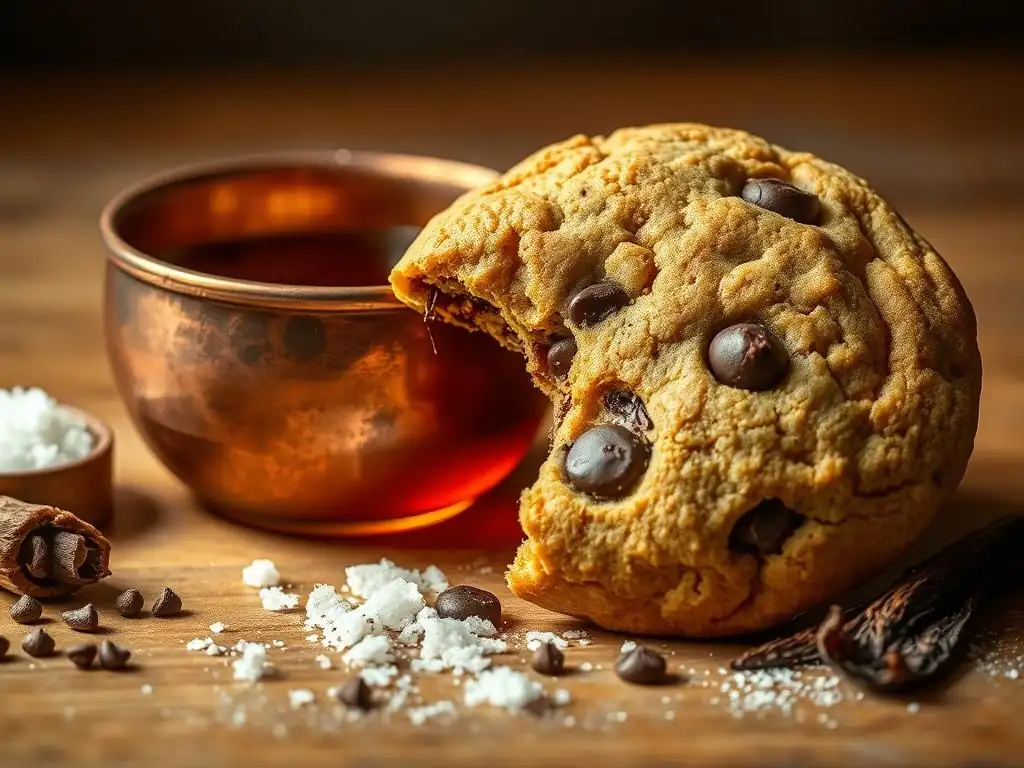
Welcome to BakeWithEase, your guide to unlocking baking brilliance! Ever wondered how to achieve that irresistibly chewy texture in your cookies or that perfect moistness in your cakes? Dive in as we explore the secret ingredient behind baking perfection: corn syrup. Prepare to discover how these chewy corn syrup baking recipes can transform your treats from ordinary to extraordinary. Ready to bake something amazing? Let's get started!
- Mastering Moisture and Texture: The Baker's Guide to Honey
- BakeWithEase Introduction to Honey in Baking
- Understanding Honey: A Baker's Guide
- Moist Honey Baking Recipes: Unlocking Superior Flavor
- Benefits of Using Honey in Baking
- Honey Substitutes in Baking: When and How to Use Them
- Tips and Tricks for Baking with Honey
- Moist Honey Baking Recipe Examples
- Troubleshooting Common Issues When Baking with Honey
- Advanced Techniques: Exploring the Full Potential of Honey
- Conclusion: Mastering Moist and Flavorful Treats with Honey
-
Frequently Asked Questions
- What is the primary benefit of using corn syrup in baking, especially for chewy recipes?
- How does corn syrup differ from other sweeteners like granulated sugar or honey in baking?
- Are there any substitutes for corn syrup in chewy corn syrup baking recipes if I have allergies or dietary restrictions?
- What types of baked goods commonly benefit from the addition of corn syrup to achieve a chewy texture?
- Where can I find reliable and easy-to-follow "chewy corn syrup baking recipes" for beginners?
- Final Reflection: The Enduring Allure of Chewy Goodness
- Unlock Your Baking Potential: Chewy, Moist Treats Await!
Mastering Moisture and Texture: The Baker's Guide to Honey
BakeWithEase Introduction to Honey in Baking
Welcome to BakeWithEase! As bakers, we're always seeking ways to elevate our creations, whether it's achieving that perfectly moist crumb or infusing complex flavors. While sugar is the standard sweetener, honey offers a unique dimension to baked goods. Its natural composition not only imparts distinct tastes but also significantly impacts texture and shelf life, making it a secret weapon for many professional bakers.
Incorporating honey into your baking can transform ordinary recipes into extraordinary treats. From tender muffins and rich cakes to flavorful quick breads and glossy glazes, honey brings a natural sweetness and a depth of flavor that granulated sugar simply can't replicate. Understanding how honey behaves in different baking applications is key to unlocking its full potential and mastering truly moist and flavorful results.
Understanding Honey: A Baker's Guide
What is Honey and How is it Made?
Honey is a natural sweet substance produced by honey bees from the nectar of flowers. Bees collect nectar, store it in their honey sac, and transport it back to the hive. Inside the hive, worker bees process the nectar by repeatedly regurgitating and consuming it, which helps to reduce its water content and add enzymes, most notably invertase. This enzyme breaks down the sucrose in nectar into simpler sugars: fructose and glucose. Once the water content is reduced to about 17-20% and the sugars are converted, the bees store the honey in honeycomb cells and seal them with beeswax.
The primary components of honey are carbohydrates, mainly fructose (typically 38-40%) and glucose (around 30-35%), along with sucrose and other complex sugars in smaller amounts. It also contains water, enzymes, vitamins, minerals, pollen, and acids. The specific ratio of fructose to glucose is particularly important in baking, as fructose is more hygroscopic (attracts and retains moisture) and caramelizes at a lower temperature than glucose or sucrose. This composition is what gives honey its unique properties in baked goods compared to table sugar (sucrose).
Different Types of Honey and Their Impact on Baking
The type of flower the bees visit determines the honey's color, flavor, aroma, and even consistency. There are over 300 recognized types of honey in the United States alone, each offering a unique profile. Lighter-colored honeys, like clover or acacia, tend to have a milder, more delicate flavor that won't overpower other ingredients. These are excellent choices for subtly sweet cakes, pastries, and light-colored baked goods where you want moisture without a dominant honey taste. For example, using clover honey in a vanilla cake adds moisture without significantly altering the classic vanilla flavor.
Darker honeys, such as buckwheat or manuka, have a more robust, sometimes malty or earthy flavor. These are perfect for baked goods with strong accompanying flavors, like gingerbread, spice cakes, or certain types of bread. Buckwheat honey, with its distinct, pungent aroma, pairs wonderfully with warm spices. The varying mineral content in different honeys can also affect their acidity and how they interact with leavening agents, while the sugar profile (fructose/glucose ratio) influences their rate of crystallization and browning characteristics. Experimenting with different varietals allows bakers to fine-tune the flavor and appearance of their final product.
The Role of Honey in Achieving Perfect Texture and Flavor
Honey plays a crucial role in the texture and flavor of baked goods primarily due to its hygroscopic nature and unique sugar composition. Fructose, the main sugar in honey, is much better at attracting and holding onto moisture than sucrose (table sugar). This means that baked goods made with honey tend to stay moist and soft for a longer period, extending their shelf life. Cakes remain tender, muffins don't dry out as quickly, and breads retain a softer crumb. This moisture retention also contributes to a pleasant mouthfeel.
Beyond texture, honey is a potent flavor enhancer. Its complex profile, influenced by the floral source, adds a depth and aroma that goes beyond simple sweetness. It can introduce floral, fruity, spicy, or even malty notes to your baking, creating more nuanced and interesting results. Furthermore, honey's slight acidity can interact with baking soda, aiding in leavening and contributing to a lighter texture in some recipes. The lower caramelization temperature of fructose also means honey-sweetened goods often develop a beautiful golden-brown crust more readily than those made solely with sugar.
Moist Honey Baking Recipes: Unlocking Superior Flavor
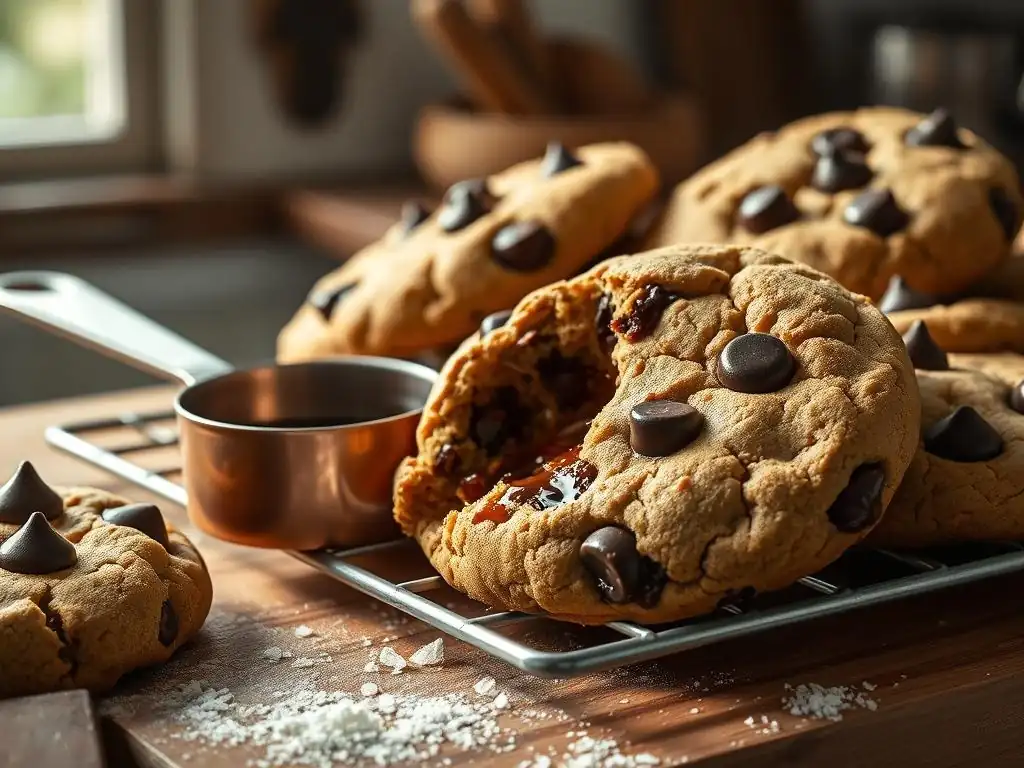
Achieving Moist Muffins with Honey: A Step-by-Step Guide
Honey is a fantastic ingredient for making muffins that are not only flavorful but also incredibly moist and tender, staying fresh for days. To successfully incorporate honey into muffin recipes, you often need to adjust the liquid content and sometimes the leavening.
A general rule of thumb when substituting honey for granulated sugar is to use about 3/4 cup of honey for every cup of sugar called for, and simultaneously reduce the total liquid in the recipe by about 1/4 cup. This adjustment accounts for honey's sweetness and its higher moisture content (around 17-20% water compared to less than 1% in granulated sugar).
When mixing your muffin batter, ensure the honey is well incorporated with the other wet ingredients before combining with the dry components. Overmixing can lead to tough muffins, a rule that holds true whether using sugar or honey. Because honey contributes to browning more quickly, consider reducing your oven temperature by 25°F (approx.
15°C) and potentially increasing the baking time slightly to ensure the inside cooks through without the outside burning. For instance, if a recipe calls for 375°F (190°C), try baking at 350°F (175°C). This careful balance results in muffins with a wonderfully moist crumb, a subtle honey flavor, and an appealing golden crust.
Honey's Impact on Cake Flavor: A Baker's Secret
Using honey in cakes is a baker's secret for achieving a moist texture and adding a complex, aromatic sweetness that granulated sugar alone cannot provide. Honey contributes a unique depth of flavor that pairs wonderfully with spices like cinnamon, nutmeg, and ginger, as well as fruits like lemon and orange. The type of honey used can dramatically change the cake's character; a light clover honey will offer a subtle sweetness, while a dark buckwheat honey will lend a more intense, almost molasses-like richness, perfect for robust spice cakes.
Beyond flavor, honey's hygroscopic properties are invaluable in cake baking. It attracts and retains moisture, resulting in cakes that remain soft and delicious for significantly longer than those made solely with sugar. This is particularly noticeable in recipes like pound cakes or loaf cakes, which can sometimes dry out quickly. Substituting a portion of the sugar with honey ensures a tender crumb and extended freshness. Remember to make the necessary adjustments for liquid and potentially leavening when substituting, as discussed for muffins, to maintain the proper balance in your cake batter.
Quick Breads and Beyond: Honey for Flavorful Delights
Quick breads, such as banana bread, zucchini bread, or cornbread, benefit immensely from the inclusion of honey. Their nature means they rely on chemical leaveners (baking soda/powder) rather than yeast, and they can sometimes turn out dry. Honey combats this by locking in moisture, ensuring a tender and palatable loaf days after baking. A classic banana bread recipe, for example, can be made exceptionally moist and flavorful by swapping some or all of the granulated sugar for honey, adjusting liquids accordingly. The honey also complements the natural sweetness of the bananas beautifully.
Beyond quick breads, honey can enhance various other baked goods. In cookies, it can affect texture; using a small amount can contribute to chewiness, while larger amounts might cause excessive spread or a softer cookie depending on the recipe's structure. Honey-sweetened bars or brownies often have a fudgier texture and a richer flavor. It can also be used to create beautiful, glossy glazes for pastries or fruit tarts. The key across all these applications is understanding honey's properties – its sweetness, moisture content, and flavor profile – and making thoughtful adjustments to traditional sugar-based recipes.
Benefits of Using Honey in Baking
Enhancing Moistness and Softness in Baked Goods
One of the most significant advantages of using honey in baking is its ability to enhance and retain moisture, leading to exceptionally moist and soft baked goods. This property stems from honey's high fructose content. Fructose is a more effective humectant (a substance that attracts and retains moisture) than sucrose, the primary sugar in granulated sugar. As a result, cakes, muffins, breads, and cookies made with honey tend to have a softer crumb and stay fresh and palatable for a longer duration compared to their sugar-sweetened counterparts.
Consider a simple experiment: bake two identical batches of muffins, one using only granulated sugar and the other using a portion of honey as the sweetener (with appropriate liquid adjustments). After a day or two, you'll likely notice that the honey-sweetened muffins remain considerably softer and more pleasant to eat, while the sugar-only muffins may have started to feel dry or stale. This extended shelf life is particularly valuable for baked goods intended to be enjoyed over several days or those sold commercially.
Adding Unique Flavor Profiles to Your Creations
While granulated sugar provides sweetness without much inherent flavor, honey introduces a complex and diverse range of flavors depending on its floral origin. This allows bakers to add an extra layer of depth and character to their creations. For example, a delicate clover or orange blossom honey can impart subtle floral or citrus notes to a sponge cake or scone, complementing other light flavors.
On the other hand, using a strongly flavored honey like buckwheat or chestnut can add a deep, slightly smoky, or malty richness that pairs wonderfully with robust ingredients like dark chocolate, coffee, or spices. This versatility means honey can be used to create everything from light and airy treats with a hint of sweetness to dark, dense, and intensely flavored desserts. It encourages creativity and experimentation in the kitchen, allowing bakers to explore new flavor combinations simply by swapping one type of honey for another.
Providing Natural Sweetness and Antioxidants
Honey serves as a natural alternative to refined sugars, appealing to those seeking less processed ingredients in their baking. While it is still a concentrated source of sugar and should be used in moderation, it undergoes less processing than granulated white sugar. It contains a mix of sugars (fructose, glucose) along with trace amounts of other compounds, including enzymes, vitamins, minerals, and antioxidants.
Although the primary benefit of honey in baking from a culinary perspective is its impact on flavor and texture, its presence of naturally occurring antioxidants is often highlighted. The levels and types of antioxidants vary significantly depending on the honey's floral source and color; generally, darker honeys contain higher levels of these compounds. While baking at high temperatures can affect some of these heat-sensitive nutrients, some beneficial compounds may still remain. For bakers, using honey means leveraging a natural sweetener that brings functional benefits (moisture, flavor) alongside the appeal of a less refined ingredient.
Honey Substitutes in Baking: When and How to Use Them
Maple Syrup as a Honey Alternative: Pros and Cons
Maple syrup is a popular liquid sweetener that can often substitute for honey, but it's important to understand its differences. Like honey, pure maple syrup (Grade A Dark or Very Dark recommended for baking) is hygroscopic, meaning it contributes to moistness in baked goods. It also offers a distinct, warm flavor profile that works well in many recipes, particularly those with nuts, spices, or apples. The primary pros are its moisture-retaining ability and unique flavor.
However, maple syrup has a different sugar composition (primarily sucrose) and a slightly thinner consistency than most honeys. This means it may not retain moisture quite as effectively as honey in all applications, and it contributes a different type of sweetness and browning characteristic. Maple syrup is often less dense than honey, so substituting 1:1 by volume might lead to slightly less sweetness and potentially more liquid depending on the specific recipe.
A common substitution guideline is similar to honey, using about 3/4 cup to 1 cup of maple syrup for 1 cup of sugar, while reducing other liquids. The con is mainly its differing flavor and slightly varied performance compared to honey.
Molasses: A Rich Sweetener for Baking
Molasses, a byproduct of sugar refining, is another liquid sweetener that can sometimes substitute for honey, particularly in recipes where a deep, rich flavor and dark color are desired. Different types of molasses exist, from light to blackstrap, each with varying sweetness, flavor intensity, and nutritional profiles. Molasses is highly hygroscopic, making baked goods exceptionally moist and chewy, and it imparts a distinctive, robust, slightly bitter flavor that is characteristic of items like gingerbread or certain cookies.
Substituting molasses for honey requires careful consideration of its intense flavor and darker color, which will significantly impact the final product. It's also often thicker and less sweet than honey (especially darker grades). While it excels at adding moisture and a specific flavor profile, it's not a neutral substitute and will dramatically change the taste compared to honey.
Substitution ratios vary depending on the type of molasses and the recipe, but often less is used due to its strong flavor. Molasses also has a higher mineral content, particularly iron and calcium in blackstrap, which can interact differently with leavening agents.
Agave Nectar and Its Impact on Texture
Agave nectar, derived from the agave plant, is another liquid sweetener sometimes used as a honey substitute. It is primarily composed of fructose (often 75-90%), making it very hygroscopic and significantly sweeter than both sugar and honey by volume. Its relatively neutral flavor (though some varieties exist) makes it versatile, and its thin consistency makes it easy to mix into batters.
The high fructose content means agave is excellent at retaining moisture, often resulting in very soft or even slightly dense baked goods. However, this high fructose also means it caramelizes very quickly, potentially leading to excessive browning on the exterior before the interior is fully cooked. Like honey, using agave requires reducing the overall liquid in a recipe and potentially lowering the oven temperature.
A common substitution is about 2/3 cup of agave for 1 cup of sugar, reducing liquid by 1/4 to 1/3 cup. While it provides moisture and sweetness, its impact on browning and potentially denser texture can differ from honey.
Tips and Tricks for Baking with Honey
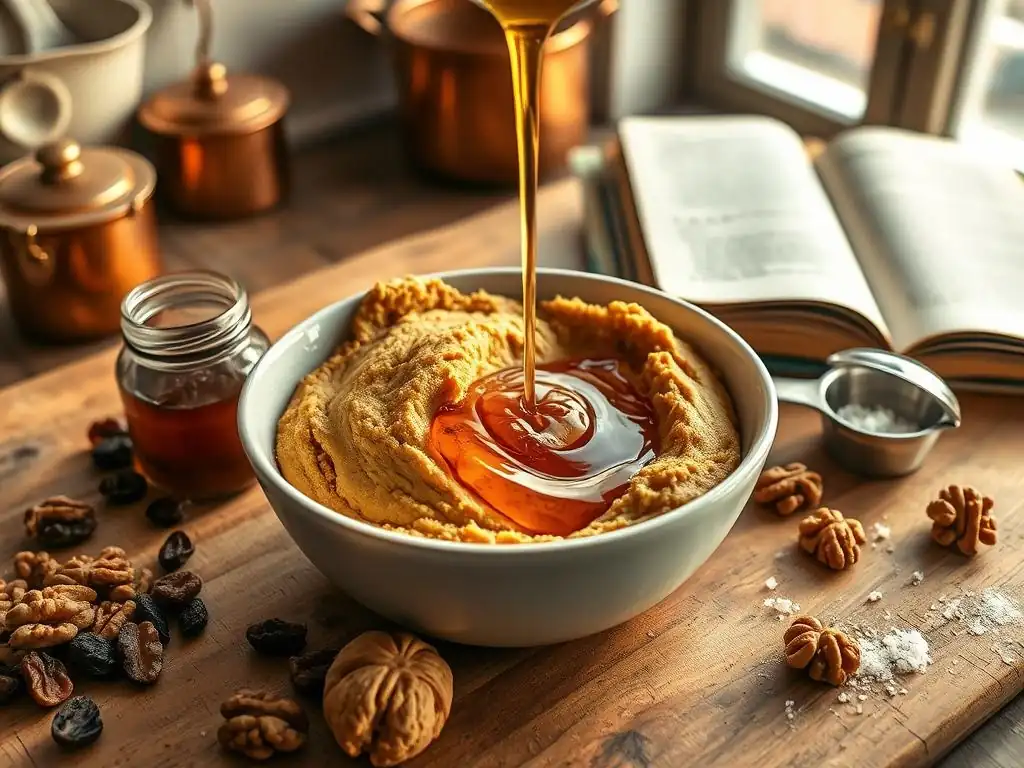
Measuring Honey Accurately for Consistent Results
Measuring viscous liquids like honey can be tricky, but accuracy is key for consistent baking results. By volume, honey is denser than granulated sugar; approximately 1 cup of honey weighs about 12 ounces (around 340 grams), while 1 cup of granulated sugar weighs about 7 ounces (around 200 grams). For the most accurate measurement, especially in recipes developed specifically for honey, weighing is the preferred method. Using a kitchen scale ensures you have the exact amount every time, regardless of how tightly packed it is in a measuring cup.
If measuring by volume, a useful trick to ensure all the honey slides out easily is to lightly oil or spray your measuring cup or spoon with non-stick cooking spray before pouring in the honey. This simple step prevents the sticky residue from clinging to the sides, ensuring you get the full amount into your batter. Scraping the cup clean with a spatula also helps. Consistent measurement, whether by weight or using the oil trick for volume, is vital for achieving the desired texture and sweetness.
Incorporating Honey into Different Batter Types
Honey's viscous nature means it needs to be properly incorporated into your batter to ensure even distribution of sweetness and moisture. In recipes using the creaming method (where butter and sugar are beaten together), honey is typically added along with the other wet ingredients (eggs, vanilla, milk, etc.) after the butter and sugar have been creamed. This ensures it blends smoothly with the liquids before being combined with the dry ingredients.
For recipes using the muffin method (combining wet and dry ingredients separately before mixing quickly), honey is added to the bowl with the other wet components. Because it's a liquid, it replaces some of the traditional liquid volume. Ensure all wet ingredients, including the honey, are fully whisked together before adding them to the dry mixture. Its thickness means you might need to mix slightly longer than you would with just sugar water, but be careful not to overmix, which can develop too much gluten and lead to a tough texture.
Adjusting Oven Temperature When Baking with Honey
One of the most important adjustments when baking with honey is reducing the oven temperature. Honey contains fructose, which caramelizes at a lower temperature (around 230°F / 110°C) than sucrose (around 320°F / 160°C). This means baked goods made with honey will brown much faster, especially on the surface. To prevent the exterior from burning before the interior is cooked through, it is generally recommended to lower your oven temperature by about 25°F (approx. 15°C) compared to a recipe using only granulated sugar.
For example, if a cake recipe calls for baking at 350°F (175°C), you would bake the honey version at 325°F (160°C). This lower temperature allows the heat to penetrate the center of the baked good more gradually, ensuring it cooks evenly while the exterior develops a beautiful golden-brown color rather than turning dark brown or black too quickly.
You might also need to increase the baking time slightly at this lower temperature. If the top still seems to be browning too fast, you can loosely tent the baked good with aluminum foil during the last portion of the baking time.
Moist Honey Baking Recipe Examples
Recipe: Classic Honey Oat Muffins
These muffins showcase honey's ability to create a wonderfully moist and tender crumb, perfectly complementing the hearty texture of oats. The honey provides a gentle, natural sweetness that enhances the simple flavors without being cloying. By using honey as the primary sweetener, these muffins stay soft and enjoyable for several days, unlike many sugar-only muffin recipes that can become dry quickly. The honey also contributes to a lovely golden-brown exterior, adding to their visual appeal.
Recipe: Honey-Glazed Lemon Cake
A Honey-Glazed Lemon Cake benefits from honey in two ways: within the cake batter for moisture and a subtle, complex sweetness, and in the glaze for a beautiful sheen and delightful flavor pairing. Honey's natural acidity works well with the tartness of lemon, creating a balanced flavor profile. The honey incorporated into the cake batter ensures a tender, moist crumb, while the glaze, often a simple mixture of honey and lemon juice (sometimes with powdered sugar), creates a sticky, flavorful coating that helps seal in moisture and adds a lovely aroma.
Recipe: Spiced Honey Cake
Spiced Honey Cake is a classic example of how honey's robust flavor can be the star of a baked good, especially when paired with warm spices like cinnamon, ginger, cloves, and nutmeg. Darker honeys, like buckwheat or a robust wildflower blend, work exceptionally well here, providing a deep, earthy sweetness that stands up to the strong spices. Honey's hygroscopic nature is crucial in these often dense cakes, ensuring they remain incredibly moist and develop a rich, almost gingerbread-like texture and flavor that improves over time.
Troubleshooting Common Issues When Baking with Honey
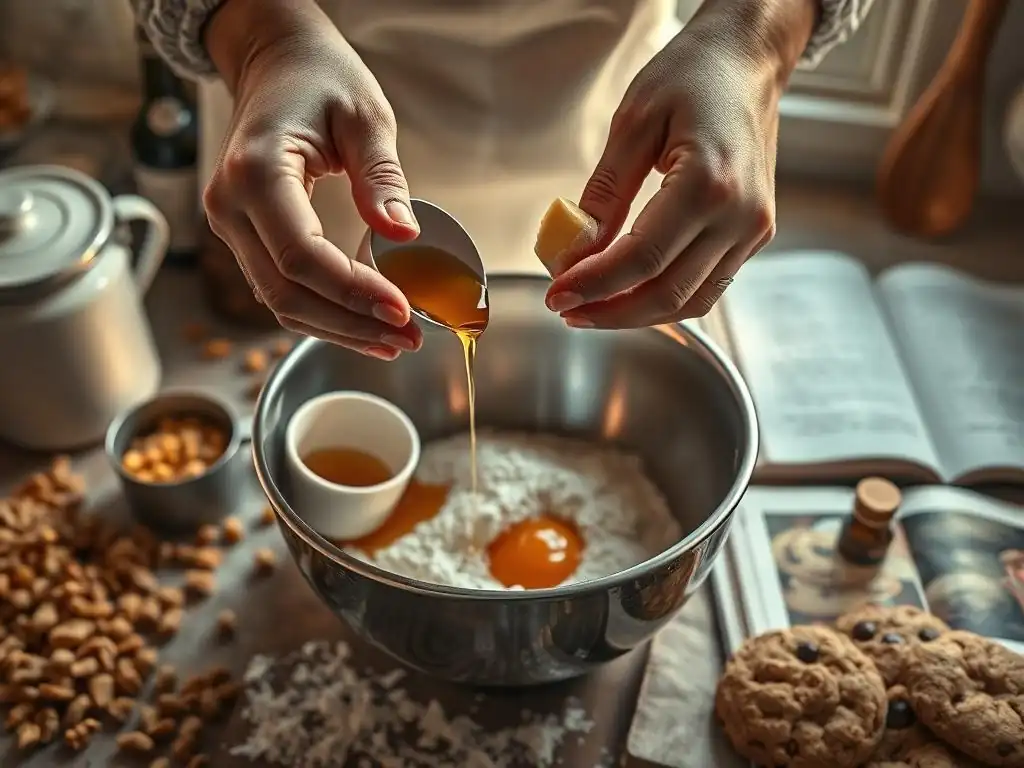
Dealing with Over-Browning
Over-browning is a frequent issue when first baking with honey due to its high fructose content, which caramelizes at a lower temperature than sucrose. The most effective way to combat this is by reducing your oven temperature by approximately 25°F (15°C) compared to recipes using granulated sugar. This allows the internal temperature to rise and the baked good to cook through before the exterior burns.
If you notice the tops or edges of your baked goods browning too quickly despite lowering the temperature, you can loosely tent them with aluminum foil. Simply create a foil tent and place it over the baking pan or individual items during the latter half of the baking time. This shields the surface from direct heat, slowing down the browning process while allowing the rest of the item to finish baking properly. Keep an eye on it and remove the foil towards the end if you want a little more color.
Adjusting Recipes for Different Types of Honey
The wide variety of honey types means their flavor intensity, color, and even viscosity can differ significantly, requiring slight adjustments depending on the specific honey you use. A strong-flavored honey like buckwheat will impart a much more dominant taste than a mild clover honey.
If a recipe calls for "honey" without specifying the type and you are using a very strong variety, you might consider reducing the amount slightly or ensuring the other flavors in the recipe are robust enough to balance it. Conversely, if using a very mild honey in a recipe designed for a stronger one, the honey flavor might be less noticeable than intended.
Consistency can also vary; some honeys are runnier, while others are quite thick. While this usually doesn't require major adjustments in most recipes, extremely thick honey might necessitate a tiny increase in other liquids, and very runny honey might require a slight decrease, although this is less common. Generally, the most important adjustment is considering the flavor intensity and choosing a honey that complements the other ingredients in your recipe.
Balancing Honey's Sweetness with Other Ingredients
Honey is perceived as sweeter than granulated sugar due to its higher fructose content and the presence of enzymes that break down sugars, making them more readily available to taste receptors. Additionally, because it's a liquid, it's denser than sugar by volume. A common substitution guideline is to use about 3/4 cup of honey for every cup of granulated sugar. Using a 1:1 substitution by volume will likely result in a baked good that is too sweet and potentially too moist or dense.
Furthermore, honey is slightly acidic (pH typically ranges from 3.2 to 4.5). This acidity can react with alkaline leavening agents like baking soda, producing carbon dioxide gas that aids in leavening.
If a recipe relies heavily on baking soda and you substitute sugar with honey, the honey's acidity might provide enough acid, potentially requiring a reduction in other acidic ingredients or even some adjustments to the leavening agents themselves (e.g., using a bit less baking soda or adding a touch of baking powder for lift). Always start with standard substitution guidelines and adjust based on the specific recipe and desired outcome.
Advanced Techniques: Exploring the Full Potential of Honey
Using Honey in Bread Making
Honey is a wonderful addition to yeast-leavened breads, offering several benefits beyond just sweetness. It serves as a readily available food source for yeast, helping to activate it and promote a vigorous rise. The natural sugars in honey contribute to better browning of the crust during baking, resulting in a beautiful golden color and a slightly crisp exterior.
Inside the loaf, honey contributes to a softer crumb texture and, importantly, helps the bread retain moisture. This means a honey-sweetened loaf often stays fresh and soft for a longer period compared to bread made with only granulated sugar or no sweetener. Recipes for whole wheat bread, oat bread, or challah often benefit significantly from the flavor and moisture retention provided by honey. It adds a subtle sweetness and aroma that enhances the overall character of the bread.
Honey-Based Glazes and Frostings
Honey is a versatile ingredient for creating delicious glazes and frostings that add flavor, shine, and moisture to baked goods. A simple honey glaze can be made by whisking honey with a liquid like lemon juice, orange juice, milk, or water. This creates a thin, pourable glaze perfect for drizzling over cakes, muffins, or scones. The honey provides sweetness and a lovely natural aroma, while the glaze helps keep the underlying baked good moist.
For a thicker, more opaque frosting, honey can be incorporated into buttercreams or cream cheese frostings. This adds a unique flavor dimension that complements many cakes and cupcakes. Cooked frostings, like a honey-caramel sauce used as a topping or filling, leverage honey's ability to caramelize, creating rich, complex flavors. When making frostings, the distinct taste of honey means it pairs best with flavors that can stand up to or complement it, such as citrus, spices, nuts, or coffee.
Conclusion: Mastering Moist and Flavorful Treats with Honey
Honey is far more than just a natural sweetener; it's a dynamic ingredient with the power to transform your baked goods. Its unique composition, rich in fructose, makes it a champion of moisture retention, ensuring cakes, muffins, and breads remain wonderfully soft and fresh for longer. Beyond texture, the incredible variety of honey types available allows bakers to infuse their creations with a spectrum of complex, natural flavors, from delicate floral notes to robust malty undertones.
By understanding honey's properties – its sweetness relative to sugar, its impact on browning, and its need for liquid adjustments – you can confidently substitute it into your favorite recipes or explore creations specifically designed to highlight its virtues. Measuring accurately, adjusting oven temperatures, and choosing the right honey varietal for the job are simple steps that yield significant results. So, next time you reach for the sugar, consider reaching for the honey instead. Experiment with different types, embrace the adjustments, and unlock a new level of moistness, tenderness, and unparalleled flavor in your baking journey.
Frequently Asked Questions
What is the primary benefit of using corn syrup in baking, especially for chewy recipes?
Corn syrup contributes significantly to chewiness and moisture in baked goods. It also prevents sugar crystallization, resulting in a smoother texture and longer shelf life. It enhances overall texture.
How does corn syrup differ from other sweeteners like granulated sugar or honey in baking?
Corn syrup, unlike granulated sugar, doesn't crystallize easily, leading to a chewier texture. Compared to honey, it has a more neutral flavor, allowing other ingredients to shine. It also helps keep baked goods more moist.
Are there any substitutes for corn syrup in chewy corn syrup baking recipes if I have allergies or dietary restrictions?
While difficult to replicate exactly, you can try using brown rice syrup or golden syrup as alternatives. These will provide a similar level of moisture and chewiness, but the flavor profile will be slightly different.
What types of baked goods commonly benefit from the addition of corn syrup to achieve a chewy texture?
Cookies, especially those aiming for a soft and chewy center, benefit greatly. Certain candies and bars also use corn syrup to achieve a desirable texture and prevent crystallization. Other examples include caramels and some cakes.
Where can I find reliable and easy-to-follow "chewy corn syrup baking recipes" for beginners?
BakeWithEase.com is a great resource! We offer step-by-step guides and simple recipes specifically designed for bakers of all levels. We focus on easy-to-find ingredients and clear instructions.
Final Reflection: The Enduring Allure of Chewy Goodness
The quest for the perfect chewy cookie, cake, or brownie is a timeless pursuit, and corn syrup, often overlooked, plays a surprisingly significant role in achieving that coveted texture. Its ability to retain moisture and contribute to a delightful chewiness makes it a secret weapon for bakers seeking to elevate their creations beyond the ordinary. This isn't just about achieving a specific texture; it's about understanding the science behind baking and harnessing its power to create truly memorable treats.
The influence of corn syrup in baking extends beyond mere texture; it's woven into the fabric of countless cherished recipes passed down through generations. The subtle sweetness and unique contribution to mouthfeel have shaped our culinary landscape, influencing everything from classic pie fillings to modern fusion desserts. The best things in life are the simple things, and a perfectly chewy cookie is a testament to that simplicity.
This simple statement encapsulates the profound satisfaction derived from mastering the art of baking with corn syrup, a seemingly humble ingredient with extraordinary capabilities. It's a reminder that even the smallest details can make a world of difference.
Now, consider your own baking journey. What textures have you strived for? What ingredients have surprised you with their impact? I encourage you to experiment with corn syrup in your own recipes, to explore its versatility and discover the unique magic it brings to your culinary creations. Don't be afraid to tweak ratios, to substitute, and to embrace the unexpected. The path to baking mastery is paved with experimentation, and the reward is the joy of sharing delicious, perfectly chewy treats with those you love.
Unlock Your Baking Potential: Chewy, Moist Treats Await!
Thanks for diving into the world of corn syrup and its baking magic! You've now unlocked the secret to creating irresistibly chewy and moist treats. Ready to put your new knowledge into action?
- Bake your dream dessert: Try substituting corn syrup in your favorite recipe today! Start small – perhaps with cookies or brownies – and experience the difference. This is your chance to create the perfect, delightfully textured treat.
- Share your success (or your questions!): Let us know in the comments how it goes! Show off your culinary creations and share any tips or tricks you discover.
- Explore more baking secrets: Dive deeper into our baking guides – we've got plenty more delicious tips and techniques to share!
Will your next baking adventure be the chewiest, moistest masterpiece yet?