
Oat Flour: How to Bake Delicious Treats with This Versatile Grain

Welcome to BakeWithEase!
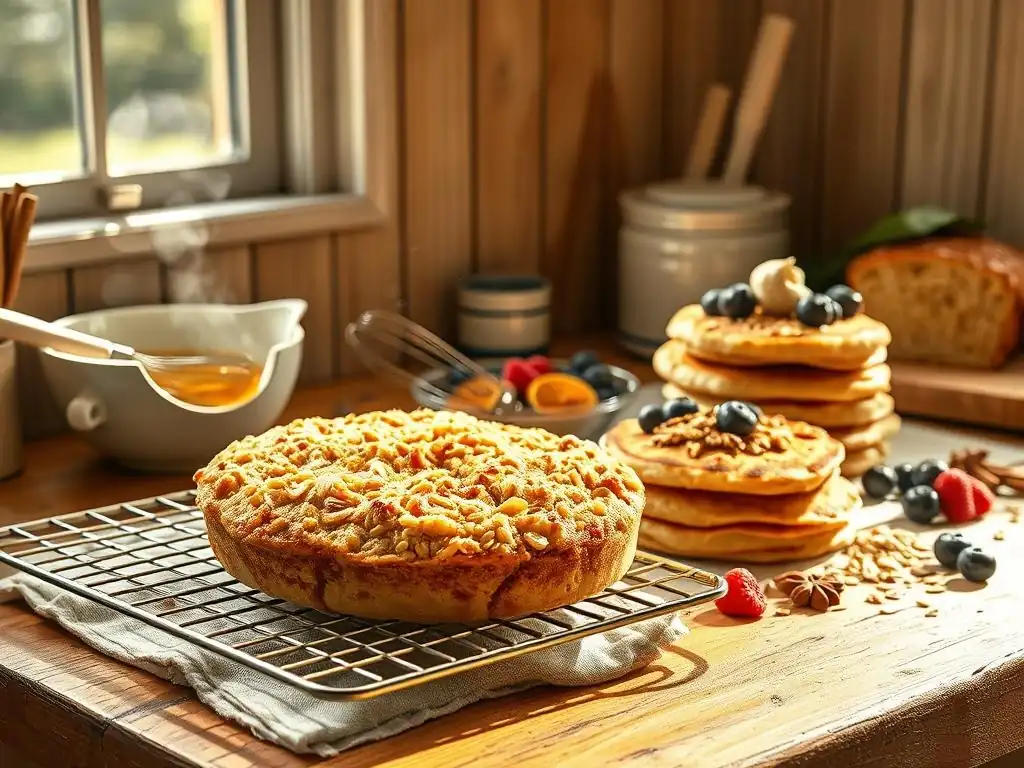
Unlock a world of delicious possibilities with oat flour! Are you ready to discover how this versatile grain can transform your baking? Dive in to explore our collection of oat flour baking recipes and learn how to create delectable treats that are both wholesome and incredibly satisfying. What secrets will you uncover? Let's get baking!
- Introduction to Oat Flour Baking
- Understanding Oat Flour for Baking Success
-
Frequently Asked Questions
- What exactly is oat flour, and how does it differ from all-purpose flour?
- Can I substitute oat flour 1:1 for all-purpose flour in any baking recipe?
- What are some of the best types of recipes to use oat flour in?
- How should I store oat flour to ensure it stays fresh?
- Where can I purchase oat flour, or is it easy to make at home?
- Final Reflection: The Enduring Appeal of Oat Flour Baking
- Unleash Your Inner Baker: Oat Flour Adventures Await!
Introduction to Oat Flour Baking
What is Oat Flour and Why Bake With It?
Oat flour is simply finely ground oats, transformed into a powdery consistency perfect for incorporating into baked goods. It's made by processing rolled oats, quick oats, or even steel-cut oats in a blender or food processor until a flour-like texture is achieved. This versatile ingredient brings a slightly sweet, nutty flavor and a tender crumb to a wide array of baked treats.
Unlike wheat flour, oat flour is naturally gluten-free, making it a popular choice for those with gluten sensitivities or celiac disease, provided the oats are certified gluten-free to avoid cross-contamination. Its unique properties allow it to absorb moisture differently than traditional flours, influencing texture and structure in baked goods.
Choosing to bake with oat flour opens up a world of possibilities for creating delicious and nutritious treats. It's not just a substitute; it's an ingredient that adds its own character. Many home bakers turn to oat flour for its ease of use, especially when making it at home, and for the wholesome touch it lends to cookies, muffins, pancakes, and more.
Experimenting with oat flour in your favorite "Oat flour baking recipes" can lead to delightful discoveries, offering a healthier twist without sacrificing taste or texture in many cases. Its ability to blend well with other flours also makes it a fantastic component in multi-grain baking projects.
Benefits of Using Oat Flour in Baking Recipes
Incorporating oat flour into your baking offers numerous benefits, starting with its impressive nutritional profile. Oats are a fantastic source of soluble fiber, particularly beta-glucan, which is known for its potential to help lower cholesterol levels and promote digestive health.
Using oat flour means you're adding this valuable fiber, along with protein, vitamins (like B vitamins), and minerals (such as iron and magnesium), to your baked goods, making those treats a little bit healthier. For example, a typical serving of oat flour (around 1/4 cup) can contain approximately 4 grams of fiber and 5 grams of protein, significantly boosting the nutritional density of your "Oat flour baking recipes" compared to recipes using only refined white flour.
Beyond its nutritional value, oat flour contributes positively to the texture and moisture of baked goods. It tends to absorb liquid well, which can result in moist and tender crumbs in cakes and muffins, or chewy textures in cookies. While it doesn't provide the structural network that gluten does, its starch content helps bind ingredients together.
This characteristic makes it particularly effective in recipes where a delicate texture is desired, like pancakes or quick breads. The subtle, pleasant flavor of oat flour also complements a wide range of ingredients, from fruits and spices to chocolate, making it a versatile base for countless "Oat flour baking recipes."
Understanding Oat Flour for Baking Success
Oat Flour vs. Wheat Flour: Key Differences
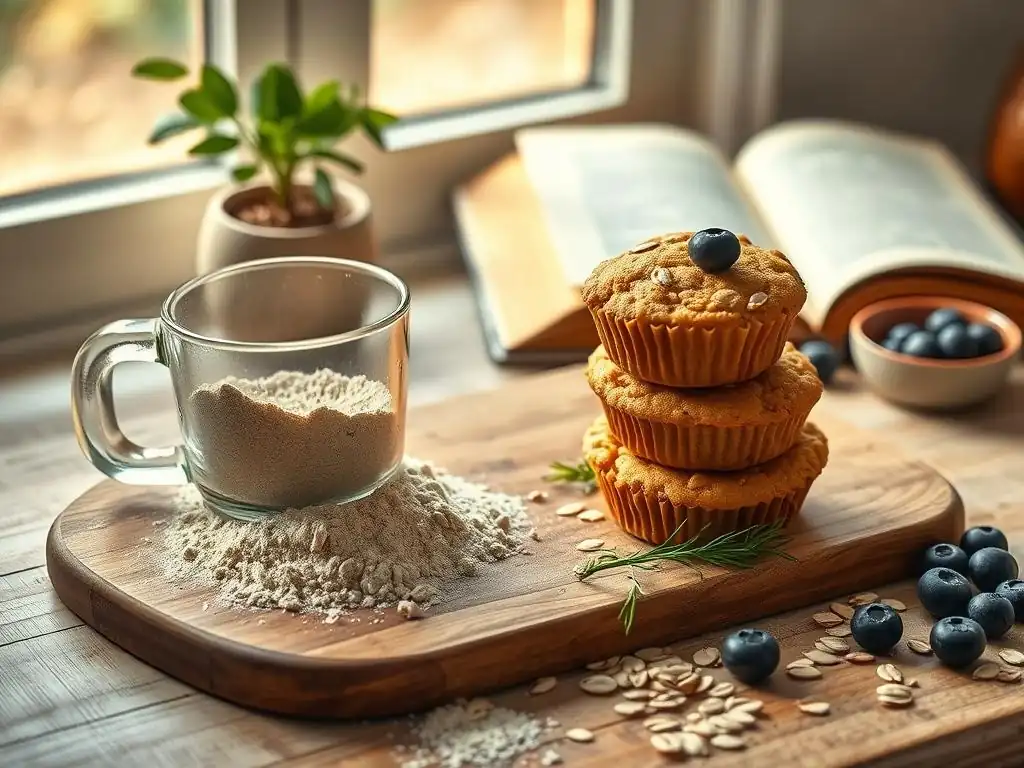
The primary difference between oat flour and wheat flour lies in their gluten content. Wheat flour contains gluten, a protein network that provides structure and elasticity to baked goods, allowing bread to rise and dough to be kneaded. Oat flour, conversely, is naturally gluten-free (though cross-contamination is a risk if not certified).
This lack of gluten means oat flour doesn't provide the same structural support. When substituting oat flour for wheat flour in a recipe, you can't simply swap them 1:1, especially in recipes that rely heavily on gluten for structure, like yeast breads. Recipes specifically designed as "Oat flour baking recipes" often account for this by including binders like xanthan gum or using techniques that don't require strong gluten development.
Another significant difference is how these flours absorb liquid. Oat flour tends to absorb more liquid than wheat flour and does so more slowly initially, but continues to absorb over time. This characteristic is why batters made with oat flour often benefit from a resting period before baking – it allows the flour to fully hydrate, preventing a dry or crumbly texture in the final product.
Wheat flour, especially all-purpose white flour, absorbs liquid more readily and reaches saturation faster. Understanding this difference in absorption is crucial for successfully adapting or creating "Oat flour baking recipes" to achieve the desired consistency and texture.
Choosing the Right Oat Flour: Steel-Cut vs. Rolled Oats
When making oat flour or purchasing it, the type of oats used as the base can slightly influence the final flour and its behavior in baking. The most common and generally recommended type of oat for making flour is rolled oats (also known as old-fashioned oats). These oats have been steamed and flattened, making them easier to grind into a fine flour texture using a standard blender or food processor.
Flour made from rolled oats typically results in a lighter, finer texture in baked goods, which works well for cookies, muffins, and quick breads. Most "Oat flour baking recipes" assume you are using flour made from rolled oats unless otherwise specified.
Flour can also be made from steel-cut oats, which are whole oat groats chopped into pieces. Because they are less processed than rolled oats, they are harder and require more powerful equipment and longer grinding time to turn into flour. Flour made from steel-cut oats tends to be coarser and denser than that made from rolled oats.
While it can still be used in baking, it may result in a slightly different texture and might require minor adjustments to liquid in "Oat flour baking recipes" compared to recipes using rolled oat flour. For consistency and ease, especially if you're new to working with this ingredient, starting with flour made from rolled oats is often the best approach.
How to Make Oat Flour at Home: A Simple Guide
Making oat flour at home is incredibly straightforward and only requires one ingredient: oats! You can use rolled oats, quick oats, or even steel-cut oats (though they take longer to grind). The process is simple: measure the amount of oats you need for your recipe and place them in a high-powered blender or food processor.
Process the oats on high speed for about 30 seconds to 1 minute, or until they reach a fine, powdery consistency similar to wheat flour. Be careful not to over-process, as this can heat the oats and affect the flour's quality. Stop and shake the container or stir the oats occasionally to ensure even grinding.
Once the oats are ground into flour, you can use it immediately in your "Oat flour baking recipes." For an even finer flour, especially if your blender isn't high-powered, you can sift the ground oats through a fine-mesh sieve. Any larger pieces that don't pass through can be returned to the blender for a quick re-grind or saved for another use, like adding to granola. Store homemade oat flour in an airtight container in a cool, dry pantry for up to a month, or in the refrigerator or freezer for longer storage, up to several months, to maintain freshness.
---

## Mastering Oat Flour Baking Techniques

### Tips and Tricks for Baking with Oat Flour

Baking with oat flour requires a slightly different approach than baking with traditional wheat flour, but a few key tips can ensure success in your "Oat flour baking recipes." Firstly, measuring accurately is paramount. Because oat flour can be lighter or denser depending on how it's ground, measuring by weight (grams) is always more reliable than by volume (cups) for consistent results. If measuring by volume, lightly spoon the flour into the cup and level it off without packing it down. Secondly, allow your batter or dough to rest for at least 10-15 minutes before baking. This resting period gives the oat flour time to fully absorb the liquid, which is crucial for preventing dry, crumbly baked goods and achieving a tender texture.

Another helpful tip is to consider combining oat flour with other flours, especially if you're adapting a recipe not specifically designed for 100% oat flour. Blending oat flour with almond flour, rice flour, or even a small amount of wheat flour (if not aiming for gluten-free) can improve the structure and texture of the final product. For instance, using a mix of oat and almond flour in cookies can yield a delightful chewiness and richness. Also, don't be afraid to adjust the liquid content in recipes; you may find you need slightly more liquid when using oat flour compared to wheat flour due to its absorption properties. Pay attention to the batter consistency described in reliable "Oat flour baking recipes" and adjust as needed.

### Adjusting Recipes for Oat Flour: Conversion Ratios

Adjusting recipes originally written for wheat flour to use oat flour can be a bit of an art form, as there isn't a single universal conversion ratio that works for every recipe. A common starting point for substitution is to use approximately 3/4 cup to 1 cup of oat flour for every 1 cup of all-purpose wheat flour. However, this is just a guideline, and the required amount will vary based on the specific recipe, the type of oat flour used (homemade vs. store-bought, fineness of grind), and other ingredients. Recipes that rely heavily on gluten for structure, like yeast breads, are particularly challenging to convert to 100% oat flour without significant modifications, often requiring binders like psyllium husk or xanthan gum.

For simpler "Oat flour baking recipes" like muffins, pancakes, or quick breads, starting with the 3/4 cup per 1 cup substitution and then assessing the batter consistency is a good approach. Oat flour batters often appear slightly thicker than wheat flour batters before resting, but they should still be pourable or scoopable depending on the bake. You may need to add a tablespoon or two more liquid than the original recipe calls for. It's often easier and more reliable to start with recipes specifically developed as "Oat flour baking recipes," as these have already been tested and perfected for the unique properties of this flour, saving you the guesswork and potential trial-and-error.

### Preventing Dryness: Hydration Considerations in Oat Flour Recipes

One of the most common challenges when baking with oat flour is preventing dryness. Oat flour is highly absorbent, and if there isn't enough moisture in the batter or dough, the resulting baked goods can turn out dense, dry, or crumbly. Ensuring adequate hydration is key to achieving moist and tender results in your "Oat flour baking recipes." This means you might need to increase the amount of liquid (milk, water, buttermilk, yogurt, etc.) slightly compared to what a similar recipe using wheat flour would require. Don't just rely on the initial look of the batter; remember that oat flour continues to absorb liquid as it rests.

Allowing the batter or dough to rest before baking is perhaps the most critical step for hydration. A rest of 10-20 minutes gives the oat flour granules time to soak up the liquid and soften, preventing them from drawing moisture out during baking. Incorporating moist ingredients like mashed banana, applesauce, pumpkin puree, yogurt, sour cream, or extra oil or butter can also significantly boost moisture content and richness in "Oat flour baking recipes." For recipes like cookies or scones where you want a less wet dough, ensuring you don't over-bake is also vital, as excess time in the oven will dry them out quickly.

---

## Delicious Oat Flour Baking Recipes: Sweet Treats

### Oat Flour Pancakes: A Quick and Easy Breakfast

Oat flour pancakes are a fantastic way to start your day with a nutritious and satisfying breakfast. Using oat flour results in pancakes that are delightfully fluffy yet possess a subtle, hearty texture and a pleasant, nutty flavor. They cook up beautifully golden brown and are perfect for soaking up your favorite syrups and toppings. A basic recipe might involve whisking together oat flour, baking powder (about 1.5-2 teaspoons per cup of flour for lift), a pinch of salt, and a touch of sweetener like sugar or maple syrup.

In a separate bowl, combine wet ingredients such as milk (dairy or non-dairy works well), an egg, and a little melted butter or oil. Combine the wet and dry mixtures, stirring just until combined – a few lumps are okay. Let the batter rest for about 5-10 minutes; this allows the oat flour to hydrate properly, leading to tender pancakes. Cook on a hot, greased griddle, flipping when bubbles appear on the surface. These "Oat flour baking recipes" for pancakes are typically quick, taking less than 30 minutes from start to finish, making them ideal for busy mornings.

### Gluten-Free Oat Flour Muffins: Blueberry Oat Muffins

Oat flour is an excellent base for moist and tender muffins, particularly when you're aiming for gluten-free "Oat flour baking recipes." Blueberry muffins are a classic choice that pairs wonderfully with the subtle flavor of oat flour. The flour provides a slightly denser, more substantial texture compared to muffins made solely with white flour, while still maintaining a tender crumb. To ensure they are truly gluten-free, remember to use certified gluten-free oats when making your flour or purchase certified gluten-free oat flour.

A typical blueberry oat muffin recipe involves combining dry ingredients like oat flour, baking powder, baking soda, and salt. Wet ingredients usually include eggs, milk or yogurt, oil or melted butter, sugar (or another sweetener), and vanilla extract. Blueberries are then gently folded into the batter. Baking these muffins at around 375°F (190°C) for 20-25 minutes typically yields about 12 standard-sized muffins that are golden brown on top and cooked through. The oat flour helps keep the muffins moist, and the resting period for the batter is beneficial here too, allowing the flour to absorb the liquids for a better texture.

### Oat Flour Cookies: Chewy Oatmeal Raisin Cookies

Using oat flour in cookies, particularly oatmeal raisin cookies, enhances their chewiness and provides a wonderful depth of flavor. While traditional oatmeal raisin cookies often use rolled oats, incorporating oat flour into the dough matrix creates a more uniform texture and ensures that delightful chewiness throughout the cookie, not just from the whole oats. These "Oat flour baking recipes" often combine oat flour with other ingredients like butter, sugars (brown sugar is key for chewiness), eggs, vanilla, baking soda, salt, and of course, raisins and sometimes additional rolled oats for texture contrast.

The process usually involves creaming together the butter and sugars, adding the egg and vanilla, then incorporating the dry ingredients (oat flour, baking soda, salt) followed by the raisins and any additional oats. Chilling the dough for at least 30 minutes before baking is highly recommended; this helps the flavors meld, prevents excessive spreading, and contributes to a thicker, chewier cookie. Baking at around 350°F (175°C) for 8-12 minutes, depending on size and desired chewiness, will result in perfectly golden edges and soft centers. These "Oat flour baking recipes" result in cookies that are both comforting and satisfying.

### Oat Flour Cakes: Lemon Poppy Seed Oat Flour Cake

Baking cakes with 100% oat flour can be challenging due to the lack of gluten structure, often resulting in a denser crumb. However, oat flour works beautifully in combination with other flours or in recipes specifically formulated to account for its properties, like a moist Lemon Poppy Seed Oat Flour Cake. In such recipes, oat flour contributes moisture and a tender texture, while other ingredients or techniques provide the necessary structure. For instance, combining oat flour with almond flour or a gluten-free blend can improve the cake's rise and texture.

A Lemon Poppy Seed Oat Flour Cake recipe might use ingredients like oat flour, baking powder, salt, butter, sugar, eggs, yogurt or sour cream for moisture, lemon zest and juice for flavor, and poppy seeds for texture and visual appeal. The method often involves creaming butter and sugar, adding eggs and wet ingredients, then gently folding in the dry ingredients and poppy seeds. Baking in a loaf pan or round cake pan at a moderate temperature (around 350°F or 175°C) for 40-60 minutes, depending on size, yields a fragrant, moist cake with a lovely crumb. This showcases how oat flour can be successfully integrated into sophisticated "Oat flour baking recipes" for cakes.

---

## Savory Oat Flour Baking Ideas

### Oat Flour Bread: A Hearty and Nutritious Loaf

Baking a hearty and nutritious loaf of bread using oat flour is definitely possible, though it differs significantly from traditional wheat bread. Because oat flour lacks gluten, a 100% oat flour loaf will be dense and won't achieve the same airy structure as wheat bread without assistance. Recipes for "Oat flour baking recipes" focused on bread often incorporate ingredients like psyllium husk or xanthan gum to act as binders, providing some of the structure that gluten would normally offer. Yeast is still typically used to provide leavening, resulting in a rise, albeit a more modest one than wheat bread.

The process usually involves hydrating the yeast, mixing wet and dry ingredients including the oat flour and binder, kneading (though less vigorous than wheat dough), and allowing for a rise. The dough is often quite wet and may be spooned or pressed into a loaf pan rather than shaped freely. Baking typically occurs at temperatures around 375-400°F (190-200°C) for 45-60 minutes. The result is a dense, moist, and incredibly satisfying loaf with a rich, nutty flavor. It's perfect for toasting or using as a base for open-faced sandwiches, highlighting the versatility of "Oat flour baking recipes" beyond sweets.

### Oat Flour Pizza Crust: Gluten-Free Pizza Night

For those seeking a gluten-free alternative for pizza night, an oat flour pizza crust is a fantastic option. Oat flour provides a base that can achieve a pleasant texture – often crispy around the edges with a slightly softer center – making it a great canvas for your favorite toppings. Like oat flour bread, a pizza crust recipe using 100% oat flour may benefit from a binder like psyllium husk or a small amount of another gluten-free flour blend to help with dough manageability and structure.

Making an oat flour pizza crust typically involves combining oat flour, a binder (if used), salt, and sometimes a leavening agent like baking powder or yeast. Wet ingredients usually include water or milk and a little oil. The dough is often quite sticky and is usually pressed or spread onto a pizza pan or baking sheet rather than being tossed. Par-baking the crust for 10-15 minutes at a high temperature (around 400-425°F or 200-220°C) before adding toppings is crucial for ensuring it's cooked through and develops a nice crispness. This allows you to enjoy delicious homemade pizza as part of your repertoire of "Oat flour baking recipes."

### Oat Flour Crackers: A Crunchy and Healthy Snack

Oat flour is exceptionally well-suited for making homemade crackers, yielding a result that is wonderfully crunchy and satisfying. These savory "Oat flour baking recipes" are often simple, requiring just a few ingredients and offering endless possibilities for customization with herbs, spices, and seeds. The fine texture of oat flour helps create a dough that can be rolled out very thinly, which is key to achieving that desirable crisp snap in a cracker.

A basic oat flour cracker recipe might combine oat flour with water, oil, salt, and any desired seasonings like dried rosemary, thyme, garlic powder, or sesame seeds. The dough is mixed, kneaded briefly until it comes together, and then rolled out as thinly as possible between two sheets of parchment paper. Cutting the dough into squares or rectangles using a knife or pizza cutter, and then baking at a moderate temperature (around 350-375°F or 175-190°C) for 15-25 minutes, or until golden brown and crisp, produces perfect crackers. These homemade treats are significantly more flavorful and often healthier than store-bought options, making them a rewarding addition to your "Oat flour baking recipes."

---

## Troubleshooting Oat Flour Baking

### Common Mistakes When Baking with Oat Flour

Baking with oat flour is rewarding, but like any ingredient, there are common pitfalls to avoid. One frequent mistake is attempting a direct 1:1 substitution of oat flour for wheat flour in recipes not designed for it. As discussed, oat flour behaves differently due to its lack of gluten and absorption properties, so a straight swap in a wheat-based recipe often leads to disappointing results, such as dense or crumbly textures. Another common error is not giving the batter or dough sufficient time to rest. Skipping this crucial step means the oat flour doesn't fully hydrate, leaving your baked goods dry and gritty.

Underestimating the need for binders in certain "Oat flour baking recipes," particularly those aiming for a lighter, more structured result like bread or some cakes, is another pitfall. Without gluten, oat flour alone may not provide enough structure, leading to flat or crumbly outcomes. Lastly, inaccurate measurement, especially when using volume measures (cups) rather than weight (grams), can significantly impact the outcome. Packing the oat flour into the cup can result in using too much flour, leading to dry bakes. Always lightly spoon and level when measuring by volume, or ideally, use a kitchen scale for precision.

### How to Fix Dry or Crumbly Oat Flour Baked Goods

If your oat flour baked goods turn out dry or crumbly, don't despair! There are several strategies to address this common issue in your future "Oat flour baking recipes." The primary cause is insufficient hydration, so the most direct fix is to increase the liquid content in your recipe. This might mean adding a few extra tablespoons of milk, water, or other liquid until the batter or dough reaches the desired consistency (which is often slightly wetter than a wheat-based equivalent). Incorporating ingredients known for adding moisture, such as applesauce, mashed banana, yogurt, sour cream, or additional oil or butter, can also significantly improve the texture.

Ensuring the batter or dough rests adequately before baking is also critical. Allowing it to sit for 10-20 minutes lets the oat flour properly absorb the liquid. If your finished bake is already dry, storing it correctly can help mitigate further dryness. Keeping items like cakes, muffins, or bread in an airtight container can retain moisture. For cookies, while they are meant to be crisp, if they are excessively dry and break apart easily, slightly reducing the baking time or temperature in the future can help keep them more tender. Always double-check your measurements and consider using a scale for accuracy in your "Oat flour baking recipes."

### Storing Oat Flour and Oat Flour Baked Goods Properly

Proper storage is essential for maintaining the freshness and quality of both oat flour and the delicious "Oat flour baking recipes" you create. Unopened store-bought oat flour can typically be stored in its original packaging in a cool, dark pantry for several months, often up to a year, provided the best-by date hasn't passed. Once opened, or for homemade oat flour, it's best transferred to an airtight container to protect it from moisture, air, and pantry pests. Storing it in the pantry is fine for regular use (up to a month or two), but for longer-term storage, keeping it in the refrigerator or freezer can significantly extend its shelf life, often up to 6-12 months, as the oils in oats can go rancid over time.

Baked goods made with oat flour should also be stored in airtight containers to prevent them from drying out or becoming stale. Cookies, muffins, and quick breads can usually be kept at room temperature for 2-4 days. Cakes and denser breads might benefit from refrigeration if not consumed within a couple of days, where they can last for up to a week. For longer storage, most oat flour baked goods freeze exceptionally well. Wrap individual portions or the whole item tightly in plastic wrap or aluminum foil, then place in a freezer-safe bag or container. Frozen baked goods can last for 2-3 months and can be thawed at room temperature or gently reheated. Proper storage ensures you can enjoy your "Oat flour baking recipes" at their best.

---

## Conclusion: Embrace the Versatility of Oat Flour

### Oat Flour Baking: Beyond the Basics

As we've explored, oat flour is far more than just a gluten-free alternative; it's a versatile and nutritious ingredient that can elevate a wide range of baked goods. From fluffy pancakes and moist muffins to hearty bread and crispy crackers, the possibilities with oat flour are vast. Its unique absorption properties contribute to wonderful textures, adding tenderness to cakes and chewiness to cookies, while its subtle nutty flavor complements both sweet and savory applications. Mastering "Oat flour baking recipes" involves understanding its characteristics, such as its need for proper hydration and the potential benefit of binders in certain applications, but these techniques are easily learned with a little practice.

Stepping beyond the basic "Oat flour baking recipes" means experimenting with different combinations of flours, incorporating various mix-ins like nuts, seeds, and dried fruits, and exploring more complex bakes. Perhaps try a layered oat flour cake, develop your own signature oat flour cookie recipe with unique spice blends, or venture into making savory oat flour scones. The journey of baking with oat flour is one of discovery, offering a healthier twist on classics and opening doors to entirely new creations. So, stock up on those oats, get grinding (or buy a bag!), and start exploring the wonderful world of "Oat flour baking recipes."
Frequently Asked Questions
What exactly is oat flour, and how does it differ from all-purpose flour?
Oat flour is simply ground oats, making it a whole-grain, gluten-free alternative to all-purpose flour. It results in a softer and more tender bake, but lacks gluten's structure.
Can I substitute oat flour 1:1 for all-purpose flour in any baking recipe?
No, a 1:1 substitution isn't always recommended. Oat flour absorbs more liquid, and lacks gluten which is important for structure. Adjustments to liquid and binding agents are often necessary.
What are some of the best types of recipes to use oat flour in?
Oat flour shines in recipes where a tender crumb and slightly nutty flavor are desired. Think muffins, pancakes, cookies, and quick breads. It's also great as a partial replacement in other recipes.
How should I store oat flour to ensure it stays fresh?
To maintain freshness, store oat flour in an airtight container in a cool, dry, and dark place. Consider refrigerating or freezing it for extended storage, especially if you live in a warm climate.
Where can I purchase oat flour, or is it easy to make at home?
You can find oat flour at most grocery stores or online retailers. Alternatively, you can easily make it at home by blending rolled oats in a food processor until a fine flour is achieved.
Final Reflection: The Enduring Appeal of Oat Flour Baking
The resurgence of oat flour in baking isn't just a trend; it's a testament to our growing desire for healthier, more sustainable, and equally delicious alternatives. Oat flour offers a unique combination of nutritional benefits and versatility that resonates deeply with modern bakers, proving that mindful eating doesn't have to compromise on taste.
The shift towards incorporating whole grains into our diets has profoundly impacted the culinary landscape, and oat flour sits at the forefront of this movement. It's more than just a substitute; it's a gateway to exploring new textures and flavors, enriching our baking experiences and broadening our understanding of what's possible in the kitchen. The best things in life are simple,
a sentiment perfectly encapsulating the ease and satisfaction of baking with oat flour. Its inherent nutty sweetness and ability to create wonderfully moist cakes and cookies makes it a joy to work with, regardless of skill level.
Now, it's your turn. Consider the recipes you've explored, the textures you've discovered, and the flavors you've created. Don't be afraid to experiment! Try substituting oat flour in your favorite recipes, or dive into the many exciting possibilities presented in this article. Embrace the versatility of this incredible ingredient and unlock a world of delicious, wholesome baked goods. The journey of oat flour baking is just beginning, and your next culinary adventure awaits.
Unleash Your Inner Baker: Oat Flour Adventures Await!
Thanks for joining us on this oat flour journey! We hope you've discovered a new favorite ingredient and some delicious baking inspiration. Ready to get your hands floury?
- Bake your first oat flour masterpiece! Try one of the recipes mentioned in the article – or get creative and experiment with your own! We'd love to see what you come up with.
- Share your oat flour creations on social media using #BakeWithEaseOatFlour – let's inspire each other!
- Challenge yourself: Explore other gluten-free flours and compare their baking qualities to oat flour. What surprising results do you find?
What’s your favorite oat flour recipe, or what exciting oat flour creation are you planning to bake next? Let us know in the comments!