
Flan vs. Crème brûlée: Understanding the Delicious Difference

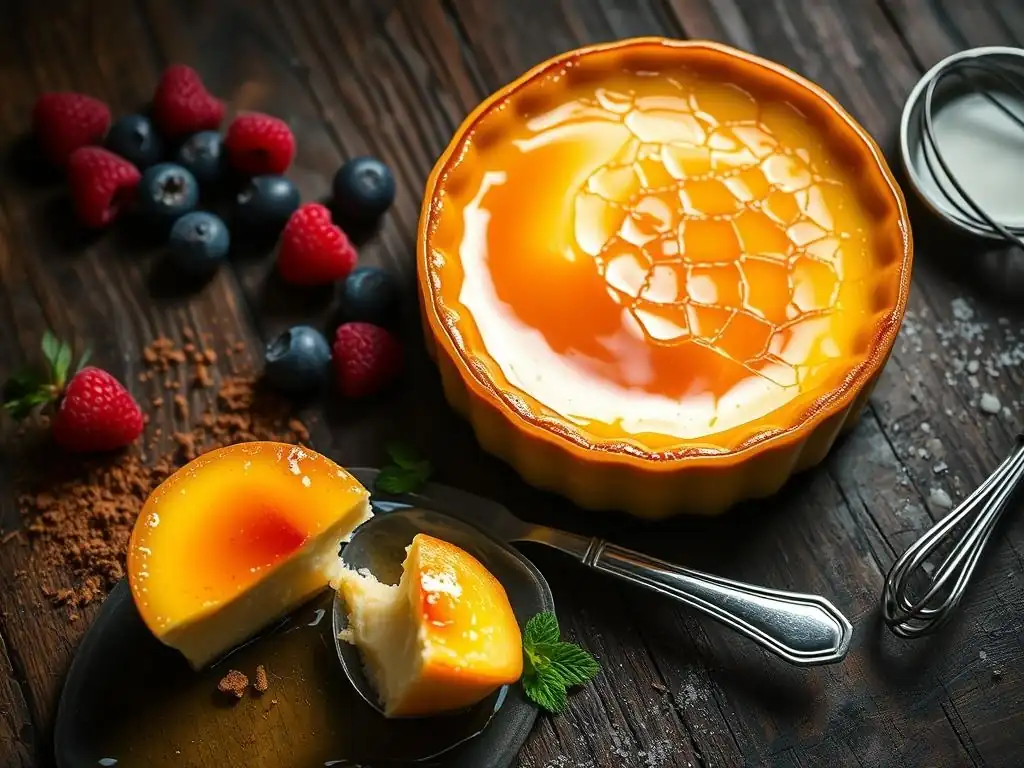
Welcome to BakeWithEase, your culinary companion on a delicious journey through the world of baking! Are you ready to unravel the mysteries behind some of the most beloved desserts? This time, we're diving headfirst into a captivating comparison: Easy Flan vs Crème brûlée. What really sets these two creamy, caramelized delights apart? Prepare to uncover the secrets and perhaps even decide on your next baking adventure!
- Flan vs Crème Brûlée: A Culinary Comparison
- Introduction: Exploring Classic Custard Desserts
- What is Flan? Unveiling the Secrets of Caramel Custard
- What is Crème Brûlée? A Torch-Kissed Delight
- Flan vs Crème Brûlée: A Detailed Comparison
- Key Differences Summarized: Flan vs Crème Brûlée
- Baking Techniques: Mastering Both Desserts
- Serving and Presentation: Elevating Your Dessert Experience
- Classic Flan Recipe
- Simplified Crème Brûlée Recipe
- Variations and Adaptations: Expanding Your Custard Repertoire
- Conclusion: Choosing Your Perfect Custard
-
Frequently Asked Questions
- What is the main difference between flan and crème brûlée?
- Which dessert, flan or crème brûlée, is generally considered easier to make for a beginner baker?
- Do flan and crème brûlée use the same ingredients?
- How should flan and crème brûlée be stored?
- Can you use different flavorings in flan and crème brûlée?
- Final Reflection: A Sweet Debate Resolved, and a Taste of Culinary Exploration to Come
- Unleash Your Inner Pastry Chef: Mastering Flan and Crème Brûlée
Flan vs Crème Brûlée: A Culinary Comparison
Introduction: Exploring Classic Custard Desserts
A Sweet Showdown: Flan and Crème Brûlée
Custard desserts hold a special place in the hearts of sweet treat enthusiasts worldwide. Among the most beloved are flan and crème brûlée, two elegant dishes that share a core identity as baked custards but diverge significantly in preparation, texture, and flavor profile. While both offer a delightful creamy experience, understanding the nuances between them is key to appreciating their unique charms. This article delves into the delicious debate of easy flan vs crème brûlée, exploring what makes each dessert distinct and universally appealing.
These two classics, often served in individual ramekins, represent centuries of culinary tradition. Flan, with its origins debated across Europe and Latin America, typically features a smooth custard base topped with a pourable caramel sauce. Crème brûlée, a French icon, boasts a rich, velvety custard crowned with a brittle layer of caramelized sugar that cracks under the touch of a spoon. Though they both rely on eggs, dairy, and sugar, the subtle differences in ingredients and technique result in vastly different sensory experiences, making the choice between them a matter of personal preference.
BakeWithEase: Your Guide to Perfect Custards
At BakeWithEase, we believe that mastering classic desserts like flan and crème brûlée is within reach for every home baker. Whether you're a beginner or looking to refine your technique, understanding the fundamentals is the first step. This guide aims to clarify the distinction between easy flan vs crème brûlée, breaking down their components and preparation methods.
We're here to equip you with the knowledge and confidence to create both of these exquisite custards in your own kitchen. By exploring their ingredients, textures, and the crucial steps that define them, you'll gain a deeper appreciation for these desserts and be ready to tackle our simplified recipes with ease. Let's embark on this sweet journey to uncover the secrets behind perfect flan and crème brûlée.
What is Flan? Unveiling the Secrets of Caramel Custard
Flan: A Simple Custard Recipe Explained
Flan is fundamentally a baked custard dessert coated in a layer of clear caramel sauce. The magic happens during preparation: a liquid caramel is first poured into the bottom of a mold (often a ramekin or a larger flan mold). The custard mixture is then gently poured over the hardened caramel. The mold is typically placed in a water bath (bain-marie) and baked until the custard is set but still slightly wobbly in the center.
Once baked and thoroughly chilled, the flan is inverted onto a serving plate. The hardened caramel at the bottom melts during baking and chilling, transforming into a glossy, pourable sauce that cascades over the smooth custard when unmolded. This inversion is a hallmark of flan, creating its signature visual appeal and ensuring every bite includes both creamy custard and sweet caramel. While often considered an easy flan recipe for home bakers, achieving the perfect texture and a clean unmolding requires attention to detail.
The Key Ingredients for a Perfect Flan
A classic flan relies on a few simple ingredients, primarily eggs, dairy, sugar, and vanilla. The dairy component is often a mix of milk and condensed milk, sometimes with evaporated milk, which contributes to its characteristic texture and sweetness. Approximately 3-6 eggs or a combination of whole eggs and yolks are typically used per batch, providing the structure that allows the custard to set firm enough to hold its shape when inverted.
Sugar is essential for both the custard and the caramel layer. Vanilla extract or a vanilla bean infuses the custard with aromatic flavor. The specific ratio of eggs to dairy, and the type of dairy used, significantly impacts the final texture, ranging from very light and delicate to slightly denser. Mastering the balance of these core ingredients is crucial for achieving a silky-smooth, delectable flan.
The Importance of Caramel in Flan
The caramel layer is not merely a topping for flan; it's an integral part of its structure and flavor profile. Made by melting sugar, often with a touch of water, until it reaches a rich amber color, this caramel is poured into the mold before the custard is added. As the flan bakes in the water bath, the heat gently warms the caramel, and as it chills, it transforms into the iconic sauce.
The caramel provides a necessary sweetness and a slightly bittersweet counterpoint to the creamy custard. Its liquid form upon serving ensures that the custard is enveloped in flavor. The quality of the caramel – ensuring it's not burnt (which imparts bitterness) or too pale (lacking depth of flavor) – is paramount to a successful flan. This distinct caramel sauce is one of the primary differences when comparing easy flan vs crème brûlée.
What is Crème Brûlée? A Torch-Kissed Delight
Crème Brûlée: The Art of the Burnt Sugar Crust
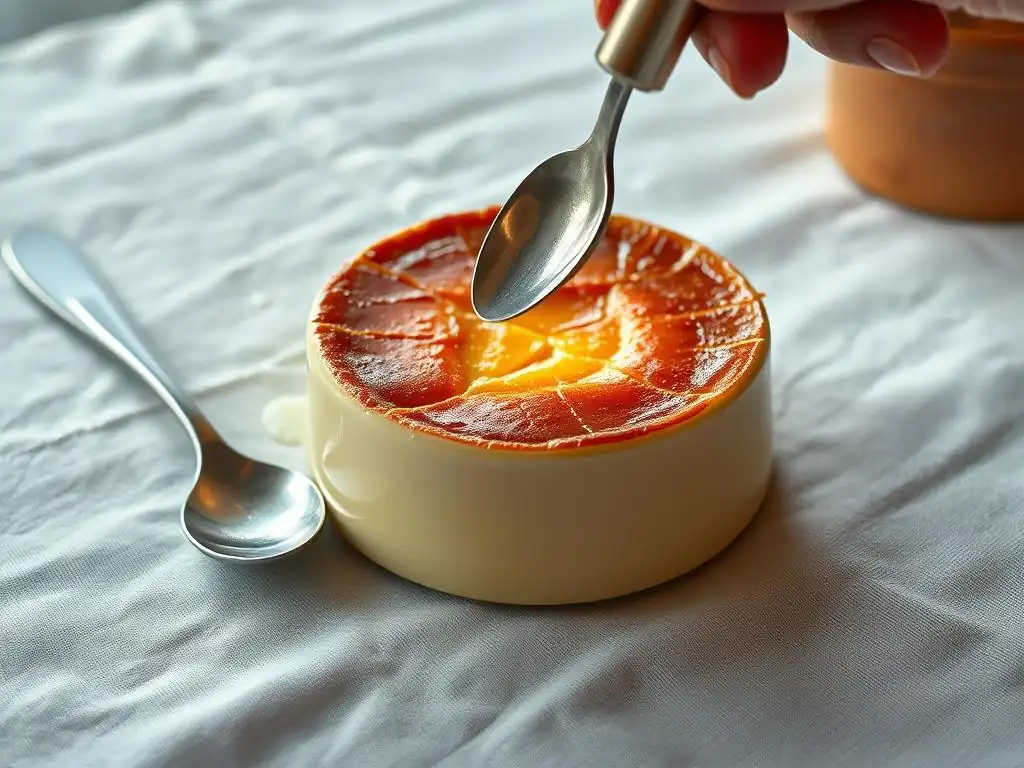
Crème brûlée, meaning "burnt cream" in French, is renowned for its luxurious, rich custard base topped with a signature hard, caramelized sugar crust. Unlike flan, where the caramel is integrated from the start, the crème brûlée crust is created after the custard has been baked and thoroughly chilled. A layer of granulated sugar is sprinkled evenly over the cold custard surface.
This sugar is then caramelized rapidly using a kitchen torch or under a hot broiler. The intense heat melts the sugar and causes it to bubble and brown, forming a thin, brittle glass-like layer. The contrast between the cold, creamy custard and the warm, crisp crust is the defining characteristic of crème brûlée and the source of its enduring appeal. This torching step is a dramatic flourish that visually sets it apart in the easy flan vs crème brûlée debate.
Essential Crème Brûlée Ingredients and Techniques
Crème brûlée typically features a richer custard than flan, primarily relying on heavy cream and a higher proportion of egg yolks. A common ratio might involve using approximately 4-8 egg yolks per 2 cups of heavy cream. This higher fat content contributes to the dessert's incredibly smooth, velvety, and dense texture. Sugar and vanilla are also essential for sweetening and flavoring the custard.
The technique involves gently heating the cream, tempering the egg yolks with some of the hot cream, and then whisking the tempered yolks into the remaining cream. The mixture is often strained to ensure ultimate smoothness before being poured into shallow ramekins. Baking is done in a water bath at a moderate temperature (around 300-325°F or 150-160°C) until the edges are set but the center is still slightly jiggly. Proper chilling for several hours is critical before the final step of adding and torching the sugar crust.
Achieving the Perfect Crème Brûlée Texture
The ideal crème brûlée custard is a study in smooth, creamy perfection. It should be firm enough to support the sugar crust but yield to the spoon with a velvety softness, without any graininess or curdling. This texture is largely achieved through the generous use of egg yolks and heavy cream, as well as the gentle, even heat provided by the water bath during baking.
Baking at a lower temperature for a longer time in a water bath prevents the edges from overcooking and becoming rubbery before the center is set. The chilling period is equally important, allowing the custard to firm up completely and ensuring a stark temperature contrast with the freshly torched sugar crust. A well-executed crème brûlée offers a consistent, luxurious mouthfeel beneath its delightful brittle topping.
Flan vs Crème Brûlée: A Detailed Comparison
Flavor Profiles: Flan's Delicate Sweetness vs Crème Brûlée's Richness
When comparing the flavors of easy flan vs crème brûlée, the primary difference lies in the caramel and the custard base. Flan's flavor is dominated by the cooked sugar caramel sauce, which can range from light and sweet to slightly bitter depending on how dark the caramel is cooked. The custard itself is often less rich, providing a creamy backdrop to the caramel's assertiveness. Vanilla is a common flavor note in the custard.
Crème brûlée, on the other hand, offers a richer, creamier custard experience thanks to its higher fat content from heavy cream and egg yolks. The flavor of the custard is typically pure vanilla and rich dairy. The burnt sugar crust adds an intense, caramelized sweetness with a hint of toasted or slightly bitter notes, creating a compelling contrast with the mild custard beneath. The flavor comparison highlights the distinct roles of caramel in each dessert.
Texture Comparison: From Wobbly Flan to Creamy Crème Brûlée
The textures of these two custards are quite different. Flan, often made with a mix of milk and condensed/evaporated milk and whole eggs, tends to be lighter and more delicate. When properly set and unmolded, it should jiggle slightly – a sign of its tender texture. The accompanying caramel sauce is liquid, flowing around the custard.
Crème brûlée, with its higher proportion of heavy cream and egg yolks, results in a denser, silkier, and more luxurious texture. It's scoopable like a rich pudding rather than wobbly like flan. The defining textural element is the hard, brittle sugar crust on top, which provides a satisfying crack and crunch that contrasts sharply with the smooth custard below. This textural difference is perhaps the most immediate way to distinguish easy flan vs crème brûlée.
Preparation Methods: Baking vs Broiling
Both desserts involve baking a custard in a water bath, but the steps involving caramel/sugar differ significantly. For flan, the caramel is made first and poured into the mold before the custard is added and baked. The caramel melts and forms the sauce during the baking and chilling process.
For crème brûlée, the custard is baked and chilled without any sugar on top. The sugar crust is applied after the custard is fully set and cold. This sugar is then caramelized using intense, direct heat from a kitchen torch or broiler, a process that takes only a minute or two compared to the longer baking time of the custard. This post-baking caramelization is unique to crème brûlée.
Visual Appeal: Classic Flan vs Torched Crème Brûlée
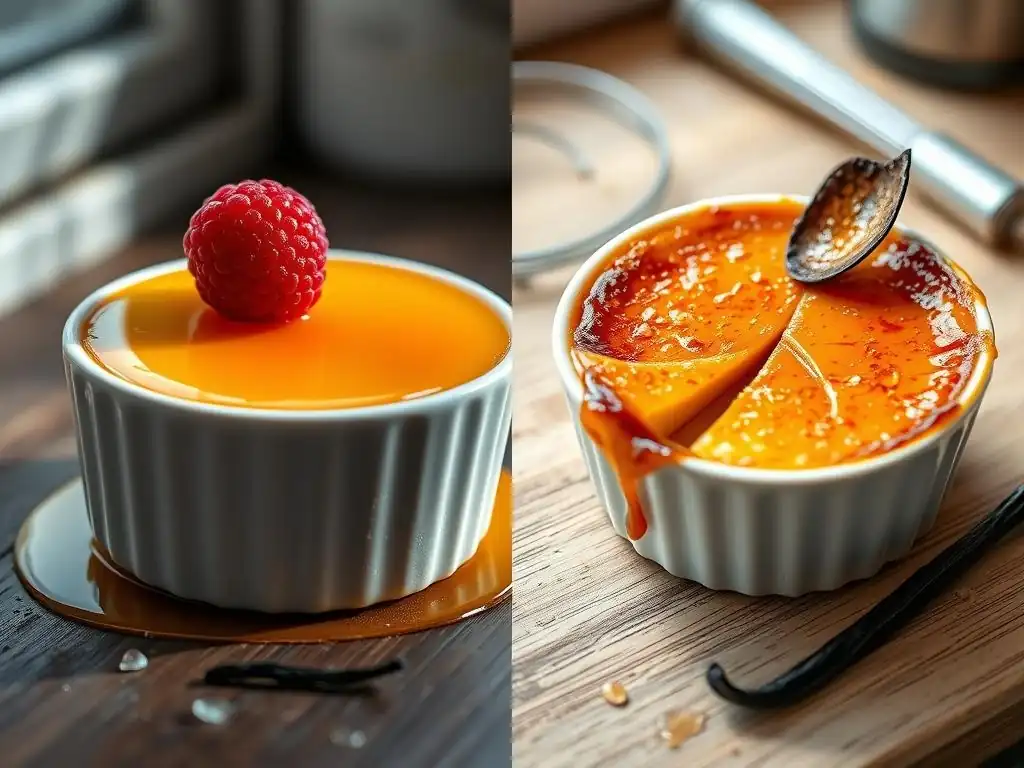
Visually, flan presents as a smooth, often pale yellow custard dome or shape, beautifully coated in a glistening, amber caramel sauce that pools around its base. The shine of the caramel is a key visual feature. A well-unmolded flan is a testament to careful preparation.
Crème brûlée is typically served in the shallow ramekin it was baked in. Its surface is covered by a dark, glassy, and perfectly even caramelized sugar crust. The visual appeal comes from the stark contrast between the crust and the pale custard beneath, and the anticipation of cracking the hard sugar layer. The torching process gives the surface a unique, slightly irregular pattern depending on the technique used.
Key Differences Summarized: Flan vs Crème Brûlée
Flan: Pros and Cons
Flan offers several advantages for the home baker.
- Pros:
- Uses a wider range of dairy (milk, evaporated milk, condensed milk), which can make it less heavy than crème brûlée.
- The caramel is made before baking, simplifying the final serving step.
- Creates its own sauce automatically upon unmolding.
- Can often be made in larger molds, suitable for sharing.
- Generally perceived as a comforting, classic dessert.
However, flan also presents some challenges.
- Cons:
- Unmolding can be tricky; a poorly prepared flan might break.
- The texture can be inconsistent if the baking temperature or time is off.
- Getting the caramel color just right requires practice.
Crème Brûlée: Pros and Cons
Crème brûlée is celebrated for its luxurious qualities.
- Pros:
- Extremely rich, smooth, and decadent texture.
- The dramatic and satisfying act of cracking the sugar crust.
- Impressive presentation, especially when torched tableside.
- Simple ingredient list (cream, yolks, sugar, vanilla).
But it also has its drawbacks.
- Cons:
- Requires a kitchen torch or broiler for the crust (broiler can be less predictable).
- The crust must be caramelized just before serving to maintain its crispness.
- Higher in fat and calories due to the use of heavy cream and numerous egg yolks.
- Typically made in individual portions.
Baking Techniques: Mastering Both Desserts
Essential Flan Baking Tips for BakeWithEase Readers
Achieving a perfect flan involves mastering a few key steps. First, make the caramel carefully. Heat the sugar (and water, if using) without stirring until it turns a beautiful amber color, approximately 340-350°F (170-175°C). Pour it into the mold immediately. Second, strain the custard mixture through a fine-mesh sieve to remove any chalazae (the white stringy bits in eggs) or unincorporated ingredients, ensuring a silky-smooth texture.
Third, always bake flan in a water bath. This insulates the custard, preventing it from curdling or cooking too quickly around the edges. The water level should come at least halfway up the sides of the flan mold. Finally, chilling time is non-negotiable. Flan needs several hours, ideally overnight, in the refrigerator to set completely and allow the caramel to fully liquefy before attempting to unmold.
Expert Crème Brûlée Techniques for Home Bakers
For crème brûlée, focus on the custard's richness and smoothness. Start by gently heating the heavy cream; avoid boiling it. Temper the egg yolks by slowly whisking a small amount of hot cream into the yolks before adding the yolk mixture back to the main pot of cream. This prevents the yolks from scrambling. Strain the custard through a fine-mesh sieve into your ramekins for an incredibly smooth result.
Bake the crème brûlée in a water bath at a relatively low temperature (around 300-325°F or 150-160°C) until the edges are set and the center is just barely jiggly. Overbaking will result in a rubbery texture. After baking, chill the custards thoroughly for at least 4 hours, or until completely cold and firm. The final step, torching the sugar, requires practice to achieve an even, golden-brown crust without burning it. Hold the torch a few inches away and move it constantly.
Common Mistakes to Avoid When Making Flan and Crème Brème Brûlée
Several pitfalls can derail your custard-making efforts. One common mistake for both desserts is overbaking. This causes the protein in the eggs to tighten too much, resulting in a rubbery or curdled texture instead of a smooth, creamy one. Using a water bath helps mitigate this, but paying attention to the baking time and wobble test is crucial.
Another frequent error is not chilling the custards long enough. Both flan and crème brûlée need adequate time in the refrigerator to fully set and develop their final texture and flavor. For flan, insufficient chilling also makes unmolding difficult.
For crème brûlée, a warm custard will melt the sugar instead of letting it caramelize into a crisp crust. Finally, for crème brûlée, burning the sugar crust is a common issue; practice with the torch or broiler is key. For flan, the caramel sticking to the mold can be avoided by ensuring the mold is clean and the caramel is poured while hot.
Serving and Presentation: Elevating Your Dessert Experience
Creative Flan Presentation Ideas
While the classic presentation of an inverted flan with caramel sauce is elegant on its own, there are ways to enhance its visual appeal.
- Serve individual flans in attractive ramekins, allowing the sauce to pool around the base.
- Garnish with fresh berries or sliced tropical fruits like mango or pineapple, which pair well with the caramel.
- Add a sprig of fresh mint for a pop of color.
- Drizzle extra caramel sauce (made separately) around the plate.
- Consider serving with a dollop of lightly sweetened whipped cream.
Presenting flan beautifully adds to the enjoyment of this classic dessert.
Crème Brûlée Serving Suggestions: Beyond the Torch
Crème brûlée is most striking when served in the shallow dish it was baked in, allowing the full glory of the torched crust to be appreciated.
- Always torch the sugar crust just before serving to ensure maximum crispness.
- Serve with a simple garnish, perhaps a single raspberry or a sprinkle of edible gold dust for a touch of luxury.
- Pair with a complementary beverage, such as a rich coffee, espresso, or a dessert wine like Sauternes or Port.
- Offer small dessert spoons designed to crack the crust.
The drama of breaking the crust is a key part of the crème brûlée experience, so ensure your presentation highlights this moment.
Classic Flan Recipe
Step-by-Step Flan Recipe Instructions
Here is a guide to making a classic flan, focusing on the key steps for a successful outcome.
- Prepare the Caramel: In a heavy-bottomed saucepan, combine approximately 1 cup of granulated sugar with about 1/4 cup of water. Heat over medium heat without stirring initially. Once the sugar begins to dissolve and color, you can swirl the pan gently. Continue heating until the caramel turns a rich amber color (around 340-350°F or 170-175°C).
- Pour the Caramel: Carefully and quickly pour the hot caramel into your flan mold(s). Swirl the mold(s) to coat the bottom and slightly up the sides. Be extremely cautious as hot sugar is very dangerous. Let the caramel cool and harden.
- Prepare the Custard: In a large bowl, whisk together approximately 6 whole eggs and 2 egg yolks. In a saucepan, gently heat about 2 cups of whole milk, 1 can (approx. 14 oz) of sweetened condensed milk, and 1 can (approx. 12 oz) of evaporated milk with about 1 teaspoon of vanilla extract. Do not boil.
- Combine Custard Ingredients: Slowly pour the warm milk mixture into the whisked eggs while continuously whisking to temper the eggs. Do not add the hot liquid too quickly, or you will scramble the eggs.
- Strain the Custard: Pour the custard mixture through a fine-mesh sieve into a clean bowl or directly into the caramel-coated mold(s). This removes any lumps or chalazae, ensuring a smooth custard.
- Prepare Water Bath: Place the flan mold(s) in a larger baking dish. Carefully pour hot water into the baking dish until it comes at least halfway up the sides of the flan mold(s).
- Bake: Bake in a preheated oven at approximately 325°F (160°C) for 45-75 minutes, depending on the size of your mold(s). The flan is done when the edges are set but the center is still slightly wobbly.
- Chill: Remove the flan from the water bath and let it cool completely on a wire rack. Once cool, cover and refrigerate for at least 4 hours, preferably overnight, until thoroughly chilled and set.
- Unmold: To unmold, run a thin knife around the edge of the flan to loosen it. Place a serving plate upside down over the mold. Holding the plate and mold together, quickly and confidently invert them. The flan should release, and the caramel sauce will pour down.
## Classic Flan Recipe

### Step-by-Step Flan Recipe Instructions

1.  **Prepare Caramel:** Combine ~1 cup granulated sugar and ~1/4 cup water in a heavy pan. Heat without stirring until amber (~340-350°F / 170-175°C). Swirl gently.
2.  **Pour Caramel:** Carefully pour hot caramel into mold(s). Swirl to coat. Let harden.
3.  **Prepare Custard:** Whisk ~6 whole eggs + ~2 egg yolks. Heat ~2 cups whole milk, ~1 can (14oz) condensed milk, ~1 can (12oz) evaporated milk, ~1 tsp vanilla extract. Do not boil.
4.  **Combine:** Slowly whisk warm milk into eggs to temper.
5.  **Strain:** Pour custard through a fine-mesh sieve into caramel-coated mold(s).
6.  **Water Bath:** Place mold(s) in a larger dish. Add hot water halfway up sides.
7.  **Bake:** Bake at ~325°F (160°C) for ~45-75 min until edges set, center slightly wobbly.
8.  **Chill:** Cool, then refrigerate ~4+ hours (ideally overnight).
9.  **Unmold:** Run knife around edge. Invert onto serving plate.

### Flan Ingredients

-   ~1 cup granulated sugar (~200g)
-   ~1/4 cup water (~60ml)
-   ~6 large whole eggs
-   ~2 large egg yolks
-   ~2 cups whole milk (~470ml)
-   ~1 can (14 oz) sweetened condensed milk (~400g)
-   ~1 can (12 oz) evaporated milk (~350ml)
-   ~1 teaspoon vanilla extract
Simplified Crème Brûlée Recipe
Crème Brûlée Recipe: A Beginner's Guide
Creating a smooth crème brûlée is achievable for home bakers. Here's a simplified approach.
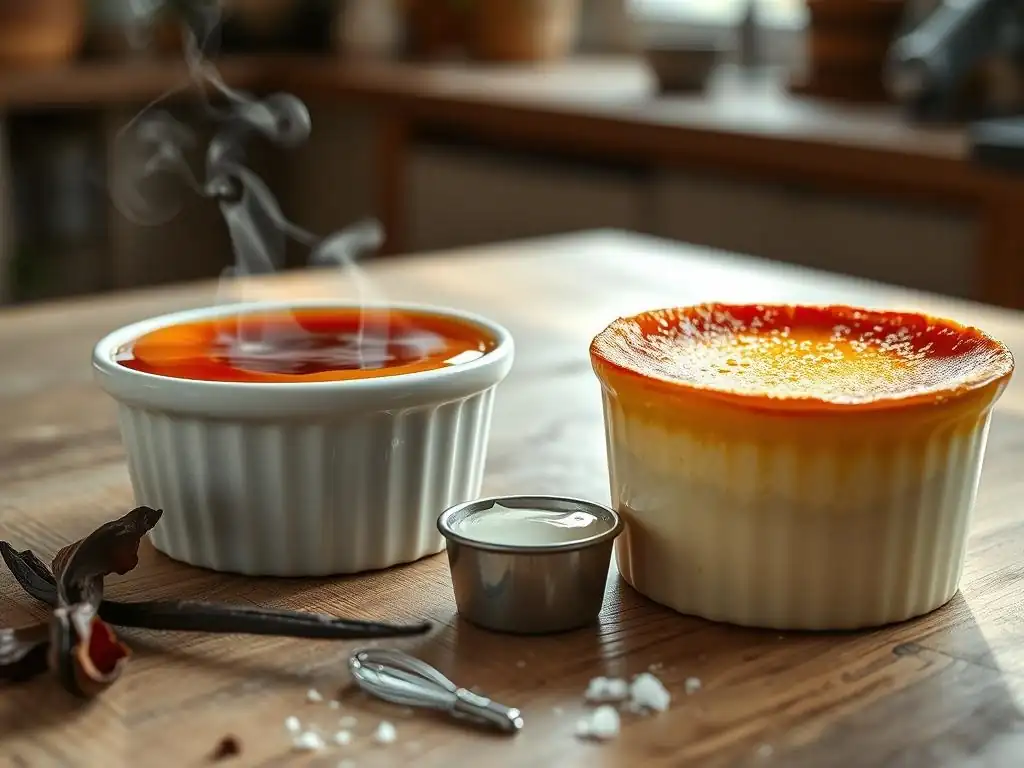
- Preheat Oven and Prepare Water Bath: Preheat your oven to approximately 300°F (150°C). Boil water for the water bath. Place your shallow ramekins (typically 4-6) in a large baking dish.
- Heat the Cream: In a medium saucepan, gently heat approximately 2 cups of heavy cream with about 1/2 cup of granulated sugar and 1 teaspoon of vanilla extract (or seeds from half a vanilla bean). Stir until the sugar dissolves. Do not boil the cream; just heat it until steamy.
- Temper the Egg Yolks: In a separate bowl, whisk together approximately 5-6 large egg yolks. Slowly ladle about half a cup of the warm cream mixture into the egg yolks while whisking continuously. This tempers the yolks, preventing them from scrambling.
- Combine Mixtures: Pour the tempered egg yolk mixture back into the saucepan with the remaining warm cream. Whisk gently to combine.
- Strain the Custard: Pour the custard mixture through a fine-mesh sieve into the prepared ramekins. This step is crucial for achieving a silky texture. Skim off any bubbles on the surface.
- Bake in Water Bath: Carefully place the baking dish with the ramekins into the oven. Pour the hot water you boiled earlier into the baking dish, filling it until the water comes about halfway up the sides of the ramekins.
- Bake: Bake for approximately 30-40 minutes, or until the edges of the custards are set and the centers are still slightly jiggly when gently shaken.
- Chill: Carefully remove the ramekins from the water bath and let them cool completely on a wire rack. Once cool, refrigerate for at least 4 hours, or until thoroughly chilled and firm.
- Caramelize the Sugar Crust: Just before serving, sprinkle a thin, even layer of granulated sugar (about 1-2 tablespoons per ramekin) over the surface of each chilled custard. Use a kitchen torch to caramelize the sugar until it forms a hard, amber crust. Alternatively, place the ramekins under a hot broiler for a minute or two, watching constantly to prevent burning.
## Simplified Crème Brûlée Recipe

### Crème Brûlée Recipe: A Beginner's Guide

1.  **Preheat & Water Bath:** Preheat oven to ~300°F (150°C). Boil water. Place ramekins in a baking dish.
2.  **Heat Cream:** Gently heat ~2 cups heavy cream, ~1/2 cup granulated sugar, ~1 tsp vanilla extract in a saucepan until steamy. Stir to dissolve sugar.
3.  **Temper Yolks:** Whisk ~5-6 large egg yolks. Slowly ladle ~1/2 cup warm cream into yolks, whisking.
4.  **Combine:** Pour tempered yolks back into saucepan with remaining cream. Whisk gently.
5.  **Strain:** Pour custard through a fine-mesh sieve into ramekins. Skim bubbles.
6.  **Bake in Water Bath:** Place baking dish in oven. Pour hot water halfway up ramekins.
7.  **Bake:** Bake ~30-40 min until edges set, center slightly jiggly.
8.  **Chill:** Remove from water bath, cool, then refrigerate ~4+ hours.
9.  **Caramelize:** Just before serving, sprinkle ~1-2 tbsp granulated sugar per ramekin. Torch or broil until hard and amber.

### Crème Brûlée Ingredients

-   ~2 cups heavy cream (~470ml)
-   ~1/2 cup granulated sugar (~100g) + extra for topping
-   ~1 teaspoon vanilla extract (or 1/2 vanilla bean)
-   ~5-6 large egg yolks
Variations and Adaptations: Expanding Your Custard Repertoire
Flan Variations: Adding Flavors and Textures
Flan is a versatile base that welcomes various flavor additions. Coconut flan (Flan de Coco) is popular, often made by substituting some of the milk with coconut milk or cream, and sometimes adding shredded coconut. Coffee flan incorporates instant coffee or espresso into the custard mixture for a rich, aromatic dessert.
Other variations include cheese flan (like the Filipino Leche Flan, which uses a significant amount of condensed milk and egg yolks, sometimes with cream cheese), orange or lemon zest infused into the milk, or adding a touch of liqueur like rum or Grand Marnier. Textural variations can include adding a layer of cake or bread at the bottom before baking (common in some Latin American versions) or incorporating finely ground nuts into the custard.
Crème Brûlée Variations: Experimenting with Ingredients
Crème brûlée's rich custard base is also ripe for flavor experimentation. Chocolate crème brûlée is a favorite, made by melting high-quality chocolate into the warm cream mixture. Espresso or coffee powder can be added for a coffee-flavored version.
Infusing the cream with aromatics is another common technique: lavender, Earl Grey tea, or citrus zest can be steeped in the warm cream before straining and proceeding with the recipe. Liqueurs like Grand Marnier, rum, or amaretto can also be added to the custard for an adult twist. While the classic vanilla is paramount, these variations allow you to explore the easy flan vs crème brûlée concept with exciting new flavor profiles.
Conclusion: Choosing Your Perfect Custard
The Appeal of Flan and Crème Brûlée
Both flan and crème brûlée offer distinct yet equally delightful custard experiences. Flan, with its flowing caramel sauce and tender texture, provides a comforting sweetness that's both elegant and familiar. It's a dessert that feels complete in itself, the caramel sauce an intrinsic part of every bite. Its global presence in various culinary traditions speaks to its universal appeal.
Crème brûlée, on the other hand, is about the contrast: the resistance and subsequent shatter of the brittle crust followed by the yielding richness of the silky custard. It's a dessert of textures as much as flavors, offering a more intense dairy richness and the satisfying, slightly bitter notes of caramelized sugar.
The drama of the torching adds to its special occasion feel. Ultimately, the choice between easy flan vs crème brûlée comes down to whether you prefer a dessert defined by its liquid caramel sauce and delicate custard or one characterized by a rich, creamy base topped with a crisp, caramelized sugar shell.
Embrace the Art of Custard Baking with BakeWithEase
We hope this exploration has clarified the delicious differences between flan and crème brûlée and inspired you to try making them yourself. While they may seem intimidating, both desserts are surprisingly approachable with the right techniques and a little patience. Understanding the unique requirements for creating the perfect caramel sauce in flan versus the signature torched crust in crème brûlée is the first step.
At BakeWithEase, we're committed to making classic baking accessible and enjoyable. Whether you're attempting your first easy flan recipe or mastering the torch for crème brûlée, our guides and recipes are designed to help you succeed. Embrace the art of custard baking, experiment with flavors, and delight your friends and family with these timeless desserts. Happy baking!
Frequently Asked Questions
What is the main difference between flan and crème brûlée?
The primary difference lies in their cooking method and texture. Flan is baked in a water bath, resulting in a softer, more jiggly texture. Crème brûlée is baked in a water bath as well, but its surface is torched to create a hard, brittle caramel crust.
Which dessert, flan or crème brûlée, is generally considered easier to make for a beginner baker?
Generally, flan is considered slightly easier. The custard base is simpler and the caramel is made separately, reducing the risk of burning it during baking, unlike crème brûlée where the caramel is created by torching the top.
Do flan and crème brûlée use the same ingredients?
While both desserts share similar ingredients like eggs, cream, and sugar, the ratios and additional flavorings (like vanilla) can vary. Crème brûlée often uses heavy cream for a richer texture, while flan might use a combination of milk and cream.
How should flan and crème brûlée be stored?
Both should be stored covered in the refrigerator. Flan can typically last for up to 3-4 days, while crème brûlée is best enjoyed within 1-2 days to maintain the crispness of the caramel topping.
Can you use different flavorings in flan and crème brûlée?
Yes, both desserts are very versatile and can be infused with a variety of flavors. Common additions include citrus zest, coffee, chocolate, or even liqueurs to enhance their taste profiles.
Final Reflection: A Sweet Debate Resolved, and a Taste of Culinary Exploration to Come
The seemingly simple question of "flan versus crème brûlée" reveals a much deeper conversation about culinary technique, cultural heritage, and the sheer joy of dessert. Understanding the subtle differences between these two custard-based delights isn't just about satisfying a sweet tooth; it's about appreciating the artistry and precision involved in creating truly exceptional food. This exploration highlights the importance of understanding the nuances of ingredients and techniques to achieve optimal results, no matter the recipe.
The enduring popularity of both flan and crème brûlée speaks volumes about our collective desire for comforting, yet sophisticated, desserts. These dishes transcend mere culinary creations; they become symbols of celebration, comfort, and shared experiences. Their evolution across cultures and generations underscores the power of food to connect us. Food is symbolic of love when words are inadequate.
- Alan D. Wolfelt. This quote perfectly encapsulates the emotional resonance these desserts hold, far beyond their deliciousness.
Now, armed with a clearer understanding of the distinctions between flan and crème brûlée, I encourage you to embark on your own culinary adventure. Don't be afraid to experiment, to tweak recipes, and to discover your own personal preferences. Whether you choose the smooth, caramel-topped perfection of flan or the satisfying crackle of crème brûlée's caramelized sugar, the journey of creation is just as rewarding as the final taste. So, grab your aprons, gather your ingredients, and let the delicious exploration begin!
Unleash Your Inner Pastry Chef: Mastering Flan and Crème Brûlée
Thanks for taking the time to explore the delightful world of flan and crème brûlée with us! We hope you now feel confident in distinguishing these two creamy desserts and are ready to try your hand at making them.
Ready to take the plunge? Here's what you can do next:
- Try your hand at our foolproof Flan recipe: This classic recipe is a great starting point for mastering this beloved dessert. It's simpler than you think!
- Share your baking journey: Post a picture of your creation on social media and tag us – we'd love to see your results!
- Explore variations: Experiment with different flavors and toppings to personalize your flan or crème brûlée. How about adding a hint of cinnamon or a swirl of caramel?
Now, the big question: which creamy masterpiece will you conquer first – flan or crème brûlée?