
The Unique Flavor Profiles of Different Artisan Bread Flours

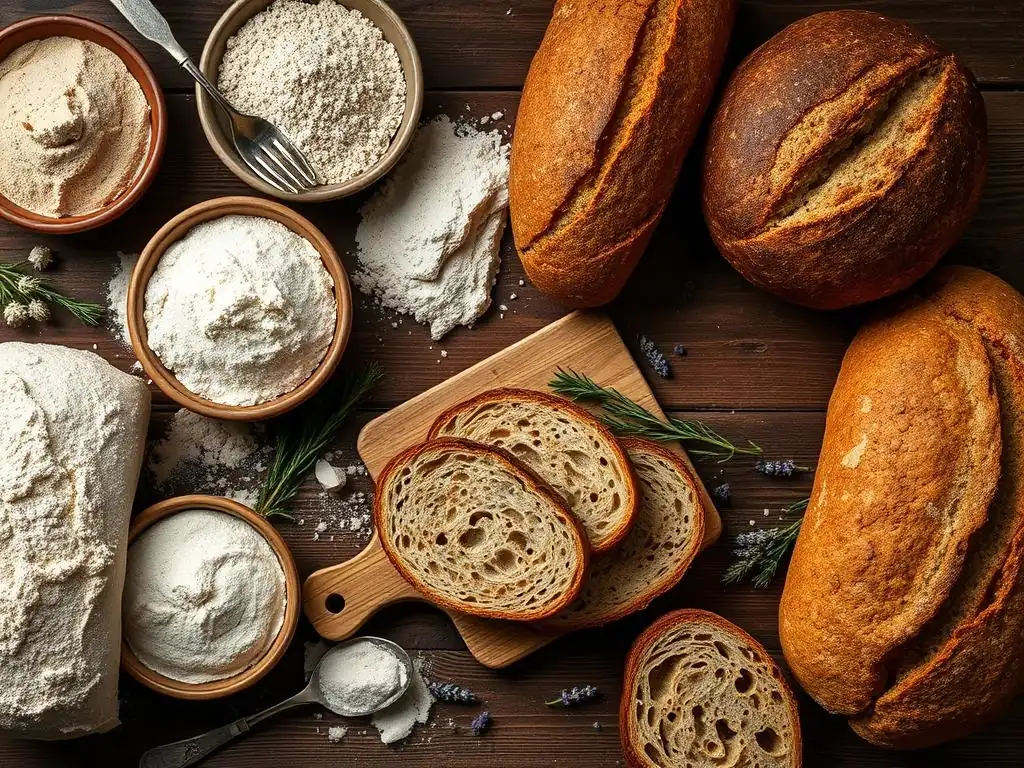
Welcome to BakeWithEase, where the joy of baking meets effortless mastery! Ever wondered what truly sets apart artisan bread flour flavor profiles? Unlock the secrets to crafting extraordinary loaves with our comprehensive guide. Discover how different flours impact taste, texture, and overall baking success. Ready to elevate your bread-making game? Let's dive in!
- Discovering the World of Artisan Bread Flour Flavor Profiles
-
The Best Artisan Bread Flours for Unique Flavor: Our Top Picks
- 1. King Arthur Baking Company - Sir Lancelot High-Gluten Flour: The Robust Choice
- 2. Central Milling Organic Artisan Bakers Craft Plus Flour: The Complex Character
- 3. Bob's Red Mill Artisan Bread Flour: The Versatile Option
- 4. Giusto's Baker's Choice Artisan Flour: The Premium Experience
- 5. Janie's Mill - Stone-Ground Turkey Red Flour: Heritage Wheat with Bold Flavor
- Comparing Artisan Bread Flour Flavor Profiles: A Quick Guide
- Tips for Enhancing Artisan Bread Flour Flavor
- Conclusion: Choosing the Right Artisan Bread Flour for Your Baking Goals
-
Frequently Asked Questions
- What makes artisan bread flour different from regular bread flour?
- How does the type of wheat used affect the flavor of artisan bread flour?
- What are some examples of artisan bread flours and their typical flavor profiles?
- How can I best store artisan bread flour to preserve its flavor?
- Can I blend different artisan bread flours to create a unique flavor profile?
- Final Reflection: Unlocking the Symphony of Flavor in Artisan Bread
- Unleash Your Inner Baker: Craft the Perfect Loaf!
Discovering the World of Artisan Bread Flour Flavor Profiles
Embarking on the journey of baking artisan bread goes beyond simply mixing flour and water. The type of flour you choose plays a pivotal role, not just in the structure and texture of your loaf, but profoundly in its taste. Understanding the unique artisan bread flour flavor profiles is key to elevating your baking from good to truly exceptional. Each flour, depending on the grain, how it's milled, and its protein content, carries distinct characteristics that contribute to the complexity and depth of the final bread.
Exploring the diverse range of artisan flours available opens up a world of possibilities for your bread baking. From the subtle sweetness of a high-protein white flour to the robust, earthy notes of a stone-ground heritage grain, the flavor profile of artisan bread flour is a direct reflection of its origin and processing. By paying close attention to these nuances, bakers can intentionally select flours that will complement their chosen recipe, whether it's a tangy sourdough, a rustic country loaf, or a light and airy baguette.
Why Flavor Matters: Elevating Your Bread Baking with Artisan Flour
Flavor is arguably the most crucial component of a truly memorable loaf of bread. While texture and appearance are important, it's the taste that leaves a lasting impression. Artisan bread flour flavor profiles are inherently more complex than those found in standard all-purpose flours because they often retain more of the wheat kernel's natural components – the germ and the bran – which are packed with flavor compounds.
Consider the difference between a loaf made with bleached white flour and one made with a high-extraction artisan flour. The latter will likely exhibit richer, more nuanced flavors, perhaps nutty, sweet, or even slightly tangy notes that are simply absent in the former. Focusing on the specific artisan bread flour flavor profiles allows bakers to build layers of taste into their bread from the ground up, creating loaves that are not just sustenance, but a culinary experience. This attention to flavor is a hallmark of genuine artisan baking.
Understanding Flour Composition and its Impact on Taste
The composition of flour directly dictates its flavor profile. Flour is primarily made up of starch, but it also contains protein (glutenin and gliadin), fats, sugars, minerals, and vitamins. The ratio and type of these components vary significantly between different flours and grains. For instance, whole wheat flours, which include the bran and germ, contain more fats, minerals, and fiber than refined white flours, contributing to a more pronounced, often earthy or nutty flavor.
Furthermore, the milling process itself influences flavor. Stone-ground flours, for example, tend to produce flours with more character and a richer flavor compared to roller-milled flours because the slower, cooler process preserves more of the grain's natural oils and nutrients. The type of wheat also matters; hard red winter wheat often yields flours with robust flavors, while hard white wheat might offer a milder, sweeter profile. Understanding these fundamental aspects of flour composition is key to predicting and appreciating the unique artisan bread flour flavor profiles you encounter.
The Best Artisan Bread Flours for Unique Flavor: Our Top Picks
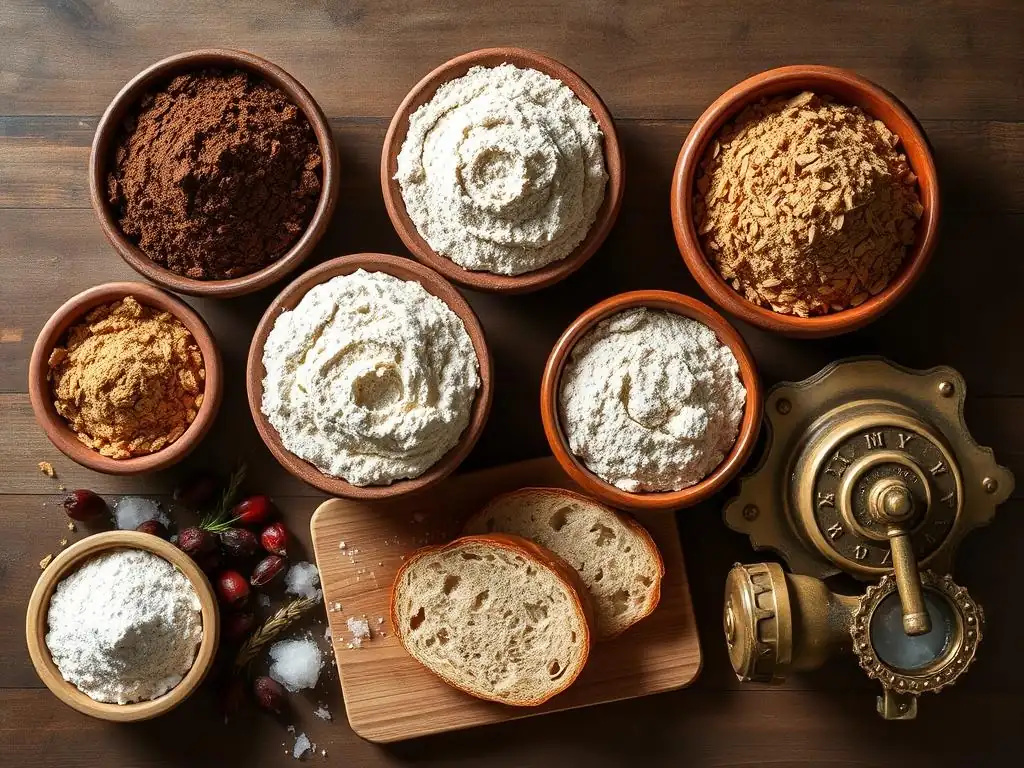
1. King Arthur Baking Company - Sir Lancelot High-Gluten Flour: The Robust Choice
King Arthur's Sir Lancelot is a popular choice among artisan bakers, particularly those seeking high gluten development for chewy crusts and open crumbs. It's known for its consistency and performance, making it a reliable option for demanding bread recipes. This flour is milled from hard red wheat, which contributes to its strength and character.
While primarily chosen for its gluten-forming potential, Sir Lancelot also offers a distinctive artisan bread flour flavor profile. It tends to have a clean, slightly nutty taste with a subtle sweetness that doesn't overpower other ingredients but provides a pleasant foundation for your loaf. This makes it versatile enough for many applications while still contributing positively to the overall flavor experience.
Features of King Arthur Sir Lancelot: Gluten Strength and Performance
Sir Lancelot is renowned for its high protein content, typically ranging from 14% to 14.7%. This high percentage of protein translates directly into superior gluten strength when hydrated and kneaded. The strong gluten network is essential for trapping the carbon dioxide produced by yeast or sourdough starter, allowing the dough to rise significantly and develop that desirable open, airy crumb structure characteristic of many artisan loaves like ciabatta or pain de campagne.
Beyond just protein percentage, the quality of the gluten in Sir Lancelot is exceptional, providing both elasticity and extensibility. This means the dough can be stretched and shaped without tearing easily, a crucial factor in techniques like folding and shaping high-hydration doughs. Its reliable performance under various conditions makes it a favorite for bakers pushing the boundaries of dough handling and rise.
Flavor Profile: A Nutty, Slightly Sweet Artisan Flour Taste
Despite its focus on strength, King Arthur Sir Lancelot contributes a pleasant flavor to baked goods. Its artisan bread flour flavor profile is often described as clean, with noticeable nutty undertones that come from the wheat itself. There's also a subtle hint of sweetness that balances the richness.
This flavor isn't as bold or complex as some whole-grain or heritage flours, but it provides a solid, appealing base. It allows the flavors developed during fermentation (especially in sourdough) or the taste of added ingredients (like seeds or cheese) to shine through, rather than competing with them. It's a flavor that enhances, rather than dominates, the overall bread profile.
Baking Applications: Perfect for Sourdough and Crusty Breads
Given its high gluten strength and reliable performance, King Arthur Sir Lancelot is an excellent choice for recipes requiring significant structure and a robust crust. It's particularly well-suited for sourdough bread, where the strong gluten network is necessary to support the long fermentation process and achieve maximum oven spring.
It also excels in crafting crusty loaves like baguettes, ciabatta, and rustic boules. The high protein helps develop a chewy interior crumb and contributes to the development of a deep, caramelized crust during baking. While versatile, its characteristics truly shine when used for breads where structure and a satisfying chew are paramount.
2. Central Milling Organic Artisan Bakers Craft Plus Flour: The Complex Character
Central Milling is highly respected in the artisan baking community, known for its quality grains and milling practices. Their Organic Artisan Bakers Craft Plus flour is a blend designed specifically for artisan bread, combining the best attributes for both performance and flavor. It's a high-extraction flour, meaning it contains a significant portion of the bran and germ compared to standard white flour, but is still finer than whole wheat.
This careful milling process is key to its unique artisan bread flour flavor profile. By including more of the whole grain components, the flour imparts deeper, more complex tastes than a pure white flour would. It's a favorite for bakers seeking loaves with character and a connection to the grain's natural essence.
Features of Central Milling Craft Plus: Organic Grains and Milled Freshness
Central Milling's commitment to organic grains is a significant feature of their Artisan Bakers Craft Plus. Using organic wheat ensures the flour is free from synthetic pesticides and fertilizers, which many bakers believe contributes to a cleaner, more authentic flavor. The flour is typically milled fresh, often closer to the point of distribution than some larger commercial flours, which helps preserve the delicate oils and flavors in the germ and bran.
The "plus" in its name often refers to the inclusion of a small amount of malted barley flour, a common addition in artisan flours. Malt helps activate enzymes that break down starches into sugars, which feed the yeast and contribute to better crust browning and a touch more sweetness in the final loaf. This careful blending and milling result in a flour that is both highly functional and flavorful.
Flavor Profile: Earthy Undertones with a Hint of Whole Wheat
The artisan bread flour flavor profile of Central Milling Artisan Bakers Craft Plus is notably more complex than many standard white flours. Due to its high extraction rate, it carries distinct earthy undertones derived from the included bran and germ. There's a noticeable hint of whole wheat character, but without the density or sometimes bitterness associated with 100% whole wheat.
This flour often exhibits a subtle sweetness and a pleasant, slightly tangy finish, especially when used in sourdough. The flavor is robust enough to be interesting on its own but versatile enough to pair well with various additions like seeds, nuts, or herbs. It provides a satisfying, wholesome taste that speaks of quality grain.
Baking Applications: Ideal for Rustic Loaves and Multi-Grain Breads
Central Milling Artisan Bakers Craft Plus is perfectly suited for baking rustic loaves that benefit from a bit more depth and character than pure white flour can provide. Its flavor profile and handling properties make it excellent for country breads, pain de campagne, and loaves where you might incorporate seeds or other grains.
While it can be used in many recipes, it truly shines in formulas where the flour's inherent flavor is meant to be a significant part of the final product. It performs well in both yeasted and sourdough recipes, providing good structure and a beautiful crumb. It's a go-to for bakers aiming for that classic, slightly chewy, and flavorful artisan loaf.
3. Bob's Red Mill Artisan Bread Flour: The Versatile Option
Bob's Red Mill is widely available and offers a high-quality artisan bread flour that is accessible to home bakers across the country. Their flour is known for its consistency and reliability, making it a great starting point for those exploring artisan baking. It's a refined white flour, milled from hard red wheat, typically unbleached and unenriched.
This flour is designed to be a workhorse, providing good gluten development suitable for a wide range of bread types. Its artisan bread flour flavor profile is crafted to be adaptable and pleasant, making it a versatile base for countless recipes.
Features of Bob's Red Mill Artisan Flour: Accessibility and Consistency
One of the major advantages of Bob's Red Mill Artisan Bread Flour is its widespread availability in grocery stores, making it an easy option for many home bakers. Beyond accessibility, the brand is known for producing flour with consistent quality from bag to bag. This consistency is crucial for bakers who rely on predictable results when developing and repeating recipes.
The flour typically has a protein content around 12.5% to 13.5%, providing a good balance of strength for structure and extensibility for shaping. It handles well, absorbing water predictably and developing gluten smoothly, which is particularly helpful for beginners learning different dough techniques.
Flavor Profile: Mild and Adaptable, Allowing Other Flavors to Shine
The artisan bread flour flavor profile of Bob's Red Mill Artisan Bread Flour is relatively mild compared to high-extraction or heritage flours. It offers a clean, classic wheat flavor without strong nutty or earthy notes. This makes it incredibly versatile, as it doesn't compete with or overpower other flavors you might add to your bread.
Its subtle taste profile means it serves as an excellent canvas for sourdough starter tang, added herbs, spices, cheese, or fruits. It provides a pleasant, slightly sweet base that is broadly appealing and works well in everyday bread recipes where you want a reliable, non-dominant flour flavor.
Baking Applications: Excellent for Baguettes, Pizza Dough, and Everyday Bread
Bob's Red Mill Artisan Bread Flour's balance of protein, consistency, and mild flavor makes it highly versatile. It's an excellent choice for classic baguettes, providing good structure and a crisp crust. It's also a fantastic flour for pizza dough, yielding a chewy crust with nice browning.
Furthermore, it's a great all-around flour for everyday sandwich loaves, dinner rolls, and other standard bread recipes where you desire a good crumb structure and a clean flavor. While it can be used in sourdough, its milder flavor might be better suited for sourdough recipes where you want the starter's tang to be the primary flavor note.
Giusto's Specialty Foods is a name often associated with high-quality, organic flours, particularly on the West Coast of the US. Their Baker's Choice Artisan Flour is a premium product favored by many professional and serious home bakers. It's typically an unbleached white flour milled from high-protein hard wheat.
This flour is specifically designed with the needs of artisan bakers in mind, focusing on both exceptional performance and a superior artisan bread flour flavor profile that complements long fermentation processes.
Features of Giusto's Baker's Choice: High Protein and Milled for Bakers
Giusto's Baker's Choice boasts a high protein content, often in the 13.5% to 14.5% range, similar to King Arthur Sir Lancelot. This high protein ensures robust gluten development, crucial for achieving lofty volumes and open crumb structures in artisan loaves. The milling process is tailored to produce a flour with excellent absorption qualities and handling characteristics that professional bakers appreciate.
The focus is on creating a flour that performs reliably under demanding conditions, such as high hydration levels and extended fermentation times. This attention to detail in sourcing and milling results in a flour that is both powerful and predictable.
Flavor Profile: Rich and Complex with a Subtle Tang
The artisan bread flour flavor profile of Giusto's Baker's Choice is often described as richer and more complex than many standard white bread flours. While it's a refined flour, it seems to retain more inherent wheat flavor. It can exhibit subtle notes of sweetness and a pleasant, slightly tangy quality, especially after a long fermentation.
This flavor profile is robust enough to stand on its own but refined enough not to be overwhelming. It contributes a depth of flavor that enhances the overall bread, making it a favorite for loaves where the flour's quality is meant to shine.
Baking Applications: Suitable for All Artisan Breads, Especially Those with Long Fermentation
Giusto's Baker's Choice is a highly versatile flour capable of producing excellent results across the spectrum of artisan breads. Its high protein and quality gluten make it ideal for sourdough, where the long fermentation can fully develop both the structure and the flavor.
It performs exceptionally well in high-hydration doughs like ciabatta, as well as in classic boules, batards, and baguettes. If you're looking for a premium white flour that contributes significant structure and a nuanced artisan bread flour flavor profile to your loaves, Giusto's Baker's Choice is an excellent option.
5. Janie's Mill - Stone-Ground Turkey Red Flour: Heritage Wheat with Bold Flavor
Janie's Mill, an organic farm and mill in Illinois, specializes in stone-ground heritage and ancient grains. Their Stone-Ground Turkey Red Flour is a prime example of how grain variety and milling method dramatically impact the artisan bread flour flavor profile. Turkey Red is a heritage hard red winter wheat, one of the first varieties widely planted in the US in the 19th century.
Stone-ground milling means the entire wheat berry is ground between stones, resulting in a whole-grain flour that retains all parts of the kernel: the bran, germ, and endosperm. This process, combined with the characteristics of the Turkey Red wheat itself, yields a flour with a uniquely bold and complex flavor.
Features of Janie's Mill Turkey Red: Stone-Ground and Unbleached
The defining features of Janie's Mill Turkey Red are its heritage grain source and the stone-ground milling process. Stone milling is a slower, cooler method compared to modern roller milling. This gentle process helps to preserve the nutritional value and, crucially, the complex flavors and aromas contained within the wheat germ and bran. The resulting flour is 100% whole wheat, unbleached, and unbromated.
Because it's whole grain, it has a higher fiber content and contains the natural oils from the germ, which contribute significantly to both its flavor and nutritional profile. These oils are also why whole grain flours have a shorter shelf life than refined flours and benefit from refrigeration or freezing.
Flavor Profile: Robust, slightly sweet, with notes of caramel and earth.
The artisan bread flour flavor profile of Stone-Ground Turkey Red is distinctly robust and full-bodied. It's far from the mildness of refined flours. Expect prominent earthy notes from the bran and germ, coupled with a surprising sweetness that can sometimes lean towards caramel or molasses flavors, particularly after fermentation.
It offers a depth and complexity that adds significant character to any bread. The flavor is assertive but appealing, bringing a wholesome, rustic taste that is immediately identifiable as heritage grain. It's a flavor that tells a story of the field and the mill.
Baking Applications: Excellent for rustic loaves, sourdough, and adding depth to pastries.
Janie's Mill Stone-Ground Turkey Red is superb for baking rustic, hearty loaves where its bold flavor can truly shine. It's fantastic in sourdough bread, as the long fermentation interacts beautifully with the complex compounds in the flour, deepening the caramel and earthy notes. It can be used as 100% of the flour in a loaf for a dense, flavorful bread, or it can be blended with white bread flour (e.g., 20-50%) to add significant flavor and nutritional boost without making the loaf too heavy.
Beyond bread, its unique flavor makes it an interesting addition to pastries like scones, muffins, or even pie crusts, where it can contribute a rustic depth not achievable with standard white flour. It's a flour for bakers who want their bread to have a strong, memorable flavor identity.
Comparing Artisan Bread Flour Flavor Profiles: A Quick Guide
Choosing the right artisan bread flour involves considering several factors beyond just the name on the bag. Understanding how key characteristics like flavor intensity, gluten strength, and even price compare across different types can help you make the best selection for your baking project and budget. Let's break down these comparisons to help you navigate the world of artisan bread flour flavor profiles.
Flavor Intensity: From Mild to Bold
The spectrum of artisan bread flour flavor profiles ranges significantly. On one end, you have refined white flours like Bob's Red Mill Artisan or even King Arthur Sir Lancelot, which offer relatively mild, clean, and slightly sweet tastes. These are excellent canvases that allow other ingredients or fermentation byproducts (like sourdough tang) to take center stage.
Moving towards the bolder end, high-extraction flours like Central Milling Artisan Bakers Craft Plus introduce more earthy and whole-wheat notes. At the most intense end are stone-ground whole grain and heritage flours like Janie's Mill Turkey Red, which provide deep, complex flavors with prominent earthy, nutty, and sometimes sweet or caramel undertones. Your choice depends on whether you want the flour's flavor to be a subtle background note or a primary characteristic of the bread.
Gluten Strength: Matching Flour to Your Baking Needs
Gluten strength is a critical functional difference between flours, impacting dough handling, rise, and crumb structure. It's primarily determined by protein content.
- High Gluten (13.5%+ Protein): Flours like King Arthur Sir Lancelot and Giusto's Baker's Choice offer exceptional strength. Ideal for high-hydration doughs, large loaves, and recipes requiring significant oven spring and a chewy texture.
- Medium-High Gluten (12.5-13.5% Protein): Bob's Red Mill Artisan Bread Flour falls into this category, providing a good balance of strength and versatility for most standard bread recipes, baguettes, and pizza dough.
- Moderate Gluten (Often Whole Grain/Heritage): Flours like Central Milling Artisan Bakers Craft Plus and Janie's Mill Turkey Red (though whole grain) have sufficient strength for bread, but their handling might differ due to the presence of bran/germ interfering with gluten development. They still produce excellent loaves, often with a slightly denser crumb structure than high-gluten white flours.
Matching gluten strength to your recipe ensures proper development and structure, which indirectly affects how the artisan bread flour flavor profile presents in the final loaf.
Price Comparison: Finding the Best Value
The price of artisan bread flour can vary considerably based on factors like grain type (heritage grains are often more expensive), organic certification, milling process (stone-ground can be pricier), and brand reputation.
- More Accessible/Mid-Range: Bob's Red Mill Artisan Bread Flour is generally the most widely available and often the most budget-friendly option among quality artisan flours.
- Premium/Mid-to-High Range: King Arthur Sir Lancelot and Central Milling Artisan Bakers Craft Plus typically fall into a slightly higher price bracket, reflecting their specific characteristics and sourcing.
- Specialty/Higher End: Giusto's Baker's Choice and heritage stone-ground flours like Janie's Mill Turkey Red are often at the higher end of the price range, reflecting their premium quality, unique characteristics, and often smaller-scale production.
While price is a consideration, the unique artisan bread flour flavor profiles and performance benefits of premium flours can justify the cost for serious bakers seeking exceptional results.
Tips for Enhancing Artisan Bread Flour Flavor
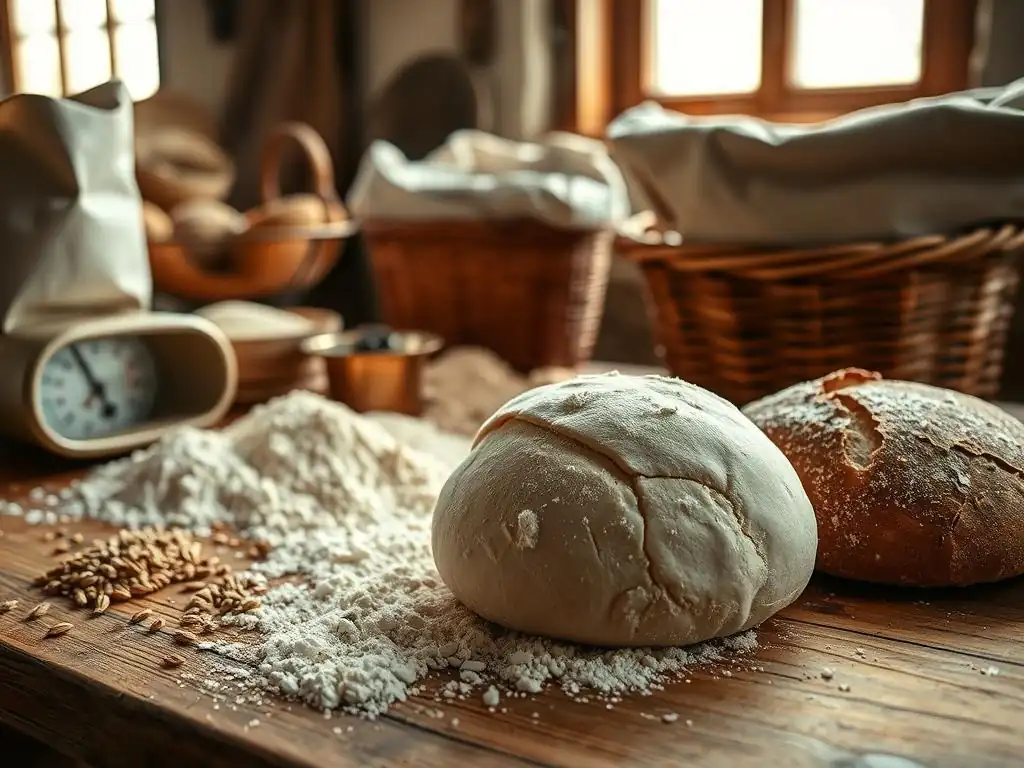
Beyond simply choosing a great flour, several techniques can help you maximize and develop the inherent artisan bread flour flavor profiles in your baking. These methods focus on how you treat the flour and dough throughout the process.
Proper Storage: Maintaining the Flour's Integrity
Flour, especially whole grain or high-extraction artisan flours containing the germ and its oils, can go rancid or absorb off-flavors if not stored correctly. Proper storage is crucial to preserving the intended artisan bread flour flavor profile.
Always store flour in an airtight container to protect it from moisture, pests, and odors. Keep it in a cool, dark place. For whole grain or high-extraction flours, or if you buy in bulk and won't use it quickly, storing it in the refrigerator or freezer is highly recommended. Cold temperatures significantly slow down the oxidation of the oils in the germ, keeping the flavor fresh and vibrant for longer.
Sourdough Starters: Amplifying Flavor Through Fermentation
One of the most powerful ways to enhance and transform the artisan bread flour flavor profiles is through sourdough fermentation. A healthy, active sourdough starter introduces beneficial bacteria and wild yeasts that produce organic acids (lactic and acetic) and other compounds during the long fermentation process.
These compounds react with the components in the flour, breaking down starches and proteins and creating complex flavor precursors. The result is a depth of flavor – often tangy, sometimes creamy or even cheesy notes – that is layered on top of the flour's natural taste. The type of flour used to feed the starter and the main dough can significantly influence the final sourdough flavor profile.
Experimenting with Hydration Levels: Unlocking Deeper Tastes
The amount of water used in a bread dough (hydration level) also impacts flavor development. Higher hydration doughs often undergo a longer, slower fermentation because the gluten structure is looser, making it easier for yeast and bacteria to work. This extended fermentation time allows for more complex flavor compounds to develop.
Furthermore, higher hydration can contribute to a more open crumb structure, which affects the texture and how we perceive flavor. While handling high-hydration doughs can be challenging, successfully baking them often results in bread with a more nuanced and developed artisan bread flour flavor profile compared to lower hydration loaves made with the same flour. Experimenting within the recommended hydration range for your chosen flour can reveal surprising flavor differences.
Conclusion: Choosing the Right Artisan Bread Flour for Your Baking Goals
Selecting the perfect artisan bread flour is a crucial step on your baking journey. It's not just about finding flour that works, but about choosing one whose unique characteristics, particularly its flavor profile, align with the type of bread you want to create and the taste experience you aim to achieve.
Whether you prioritize a mild, versatile base, a robust and earthy character, or the bold notes of heritage grain, there's an artisan flour out there to meet your needs. Consider the flavor intensity, the gluten strength required for your recipe, and your budget when making your choice. Don't be afraid to try different brands and types to discover your personal favorites.
Embrace the Flavor Journey: BakeWithEase's Final Thoughts on Artisan Flours
At BakeWithEase, we believe that exploring the unique artisan bread flour flavor profiles is one of the most rewarding aspects of baking. Each bag of flour holds the potential for a delicious discovery, a new texture, and a distinct taste waiting to be unlocked in your oven.
We encourage you to view flour not just as an ingredient, but as a key contributor to the final flavor of your bread. Pay attention to how different flours handle, how they ferment, and most importantly, how they taste in your finished loaf. By understanding and appreciating the nuances of artisan flours, you'll gain greater control over your baking and produce bread that is truly exceptional, loaf after delicious loaf.
Frequently Asked Questions
What makes artisan bread flour different from regular bread flour?
Artisan bread flour typically has a higher protein content than regular bread flour, leading to better gluten development and a chewier texture. It also often uses specific wheat varieties for unique flavor profiles.
How does the type of wheat used affect the flavor of artisan bread flour?
Different wheat varieties, like heritage grains or modern hybrids, contribute distinct flavor nuances. For example, some wheats may impart a nutty or earthy flavor, while others offer a sweeter or more delicate taste.
What are some examples of artisan bread flours and their typical flavor profiles?
Rye flour is known for its distinctive earthy and slightly sour flavor. Spelt flour offers a subtly sweet and nutty taste. Whole wheat flour provides a hearty and robust flavor.
How can I best store artisan bread flour to preserve its flavor?
Store artisan bread flour in an airtight container in a cool, dark, and dry place. This prevents moisture absorption and oxidation, which can degrade the flour's flavor over time.
Can I blend different artisan bread flours to create a unique flavor profile?
Yes! Blending different artisan bread flours is a great way to experiment with flavors and create a custom flavor profile. Start with small adjustments to understand how each flour contributes to the final result.
Final Reflection: Unlocking the Symphony of Flavor in Artisan Bread
The exploration of artisan bread flour's diverse flavor profiles isn't just a culinary pursuit; it's a journey into the heart of taste itself. Understanding the nuances of different flours—from the nutty depth of whole wheat to the delicate sweetness of spelt—allows us to craft breads that are not merely sustenance, but expressions of artistry and intention. This understanding is more relevant than ever in a world increasingly focused on food provenance and conscious consumption.
The impact of flour choice on the final product extends far beyond mere texture. It shapes our sensory experience, influencing not only the taste but also the aroma and even the visual appeal of the bread. The subtle differences between flours, often overlooked, contribute to a rich tapestry of flavor that elevates the simple act of eating bread into a mindful appreciation of craftsmanship and nature's bounty. Bread is the staff of life,
they say, and I believe that the quality of that staff is directly linked to the quality of the flour we choose.
Now, consider your own baking journey. What new flavors will you explore? Will you experiment with a flour you've never used before, embracing the unexpected notes it might bring to your loaf? Will you delve deeper into the history and cultivation of a particular grain, understanding its unique contribution to the final product? The world of artisan bread flour is vast and endlessly fascinating; the only limit is your own curiosity and willingness to experiment. Embrace the challenge, and discover the symphony of flavor waiting to be unlocked within each grain.
Unleash Your Inner Baker: Craft the Perfect Loaf!
Thanks for exploring the fascinating world of artisan bread flours with us! You've now got the knowledge to elevate your baking game. Ready to put your newfound expertise to the test?
- Bake your dream loaf: Choose your favorite flour profile from the article and get baking! Let the aroma fill your kitchen.
- Share your creation: Post a picture of your masterpiece on social media and tag us — we’d love to see what you’ve baked! Use #BakeWithEaseArtisanBread
- Discover a new flour: Venture beyond your comfort zone and experiment with a type of flour you haven't tried before. What unexpected flavors will you uncover?
What unique flour will you explore next to expand your baking horizons?