
Beyond Sweetness: What Sugar *Really* Does for Your Bakes

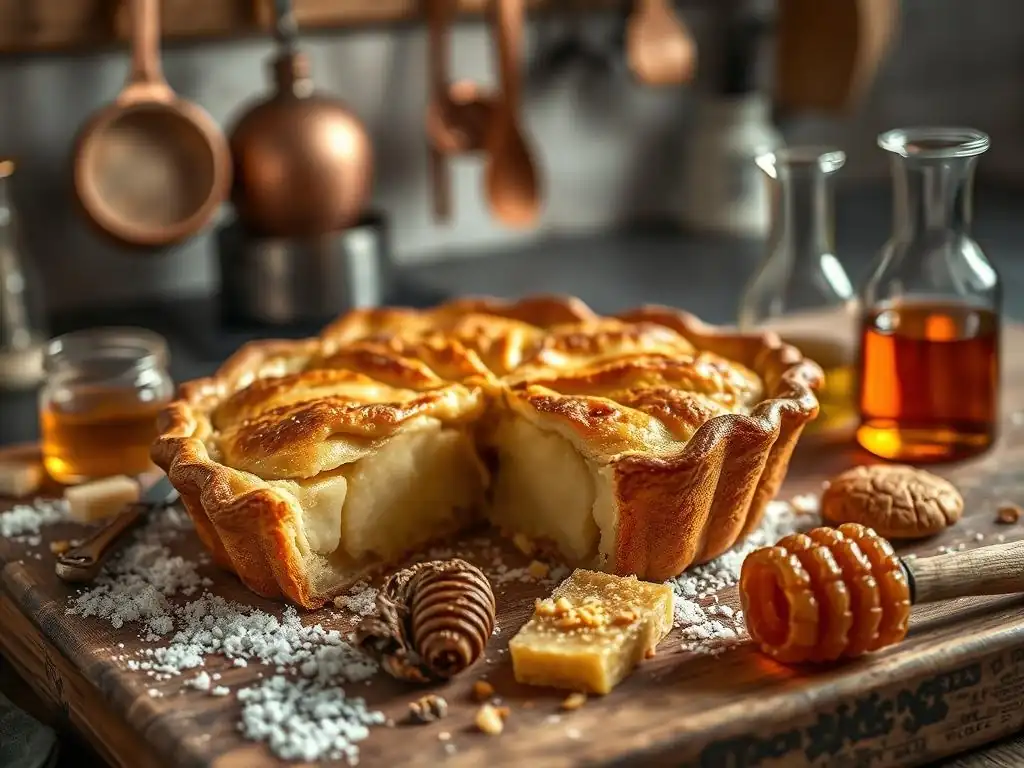
Welcome to BakeWithEase, your haven for effortless baking!
Ever wondered what really makes your cakes rise perfectly or your cookies achieve that irresistible chew? We often think of sugar solely for its sweetness, but its role goes far beyond that. Dive into our article, "Beyond Sweetness: What Sugar Really Does for Your Bakes," to unlock the surprisingly complex impact of sugar on baking. Prepare to transform your understanding and elevate your baking game – you might just be amazed by what you discover!
- Beyond Sweetness: The Multifaceted Role of Sugar in Baking
- Understanding Sugar's Impact on Baking: More Than Just Sweetness
- The Multifaceted Role of Sugar in Baked Goods
- Sugar's Impact on Moisture and Shelf Life
- Sugar and Browning: Achieving the Perfect Golden Crust
- Sugar's Influence on Leavening and Volume
-
Different Types of Sugar and Their Specific Effects
- Granulated Sugar: The All-Purpose Baking Staple
- Brown Sugar: Adding Molasses and Moisture to Your Bakes
- Powdered Sugar (Icing Sugar): For Smooth Finishes and Delicate Textures
- Caster Sugar (Superfine Sugar): Achieving Even Distribution
- Honey: Adding Distinct Flavor and Moisture
- Maple Syrup: Enhancing Flavor and Providing a Unique Sweetness
- Troubleshooting Baking Problems Related to Sugar
- Mastering Sugar's Impact: Baking Tips and Techniques
- Conclusion: Appreciating the Power of Sugar in Baking
-
Frequently Asked Questions
- What are the primary functions of sugar in baking beyond just adding sweetness?
- How does sugar affect the texture of baked goods, like cakes and cookies?
- What are some common sugar alternatives, and how do they impact the final product compared to regular sugar?
- Can the type of sugar used (e.g., granulated, brown, powdered) significantly alter the outcome of a recipe?
- How can I adjust a recipe to reduce the amount of sugar without compromising the quality and outcome of the bake?
- Final Reflection: The Unsweetened Truth About Sugar's Role in Baking
- Unlock Your Baking Potential: Master the Art of Sugar!
Beyond Sweetness: The Multifaceted Role of Sugar in Baking
Understanding Sugar's Impact on Baking: More Than Just Sweetness
When you think of sugar in baking, sweetness is probably the first thing that comes to mind. While adding that delightful sugary taste is certainly one of its primary functions, sugar's impact on baking goes far beyond just making things sweet. It's a workhorse ingredient, influencing everything from the texture and structure of your bakes to their color, moisture content, and even how long they stay fresh. Understanding the complex roles sugar plays is key to mastering your baking skills and achieving consistent, delicious results.
Sugar is a critical component in almost every baked good, from a simple batch of cookies to an elaborate layer cake or a rustic loaf of bread. Its presence affects chemical reactions that occur during mixing, resting, and baking. Without sugar, many beloved recipes would simply not work as intended. It's not merely a sweetener; it's an active participant in the alchemy of baking, profoundly shaping the final product's characteristics. Exploring sugar’s impact on baking reveals a world of subtle yet significant effects that can make or break a recipe.
The Multifaceted Role of Sugar in Baked Goods
Sugar is a truly versatile ingredient in the baker's pantry, contributing to multiple aspects of a finished product. Its functions can be broadly categorized into flavor enhancement, texture and structure modification, moisture retention, browning, and aiding in leavening processes. Each of these roles is distinct yet interconnected, demonstrating the vital importance of sugar in achieving the desired outcome for your baked goods.
- Flavor: Beyond sweetness, sugar enhances other flavors.
- Texture: Affects tenderness, crispness, and crumb structure.
- Moisture: Helps keep bakes moist and extends shelf life.
- Color: Contributes to browning reactions.
- Leavening: Supports yeast activity and helps create air pockets.
Sugar's Contribution to Flavor Profiles in Baking
Sugar doesn't just add sweetness; it also plays a crucial role in developing and enhancing other flavors in baked goods. By caramelizing during baking, it adds complex, sometimes nutty or toasty notes that complement other ingredients like butter, vanilla, or spices.
Think of a perfectly caramelized sugar crust on a crème brûlée or the rich depth of flavor in a dark gingerbread – much of that complexity comes from sugar undergoing chemical changes under heat. Different types of sugar, like brown sugar with its molasses content or honey with its floral undertones, bring their own unique flavor profiles to the mix, adding layers of complexity that simple sweetness alone cannot provide.
Furthermore, sugar can help balance and temper other strong flavors, such as the bitterness of chocolate or the acidity of lemon. In recipes with spices like cinnamon, nutmeg, or ginger, sugar helps to mellow their intensity while allowing their aromatic qualities to shine through. This interaction highlights sugar’s impact on baking beyond just taste, acting as a flavor modulator that harmonizes the various components of a recipe into a cohesive and appealing whole. The right amount and type of sugar can elevate a simple batter into a symphony of flavors.
How Sugar Affects Texture and Structure in Baked Goods
Sugar significantly impacts the texture and structure of baked goods, often contributing to tenderness and creating desirable characteristics like crispness or chewiness. When sugar dissolves in a batter or dough, it interferes with the formation of gluten networks, which are responsible for toughness. By coating flour particles and competing for water, sugar weakens the gluten structure, resulting in a more tender crumb in cakes, muffins, and quick breads. This tenderizing effect is particularly pronounced in recipes with a higher sugar content.
In cookies, sugar plays a dual role in texture. Granulated sugar tends to spread more and create a crispier cookie because its crystals don't melt as quickly, pushing the dough outwards before collapsing. Brown sugar, on the other hand, contains molasses, which is hygroscopic (attracts water).
This extra moisture results in a softer, chewier cookie. The amount of sugar also affects texture; too little sugar can lead to a tough, dry product, while too much can cause excessive spreading or a gummy texture. Understanding sugar’s impact on baking texture allows you to manipulate it to achieve your desired cookie crispness or cake tenderness.
Sugar's Impact on Moisture and Shelf Life
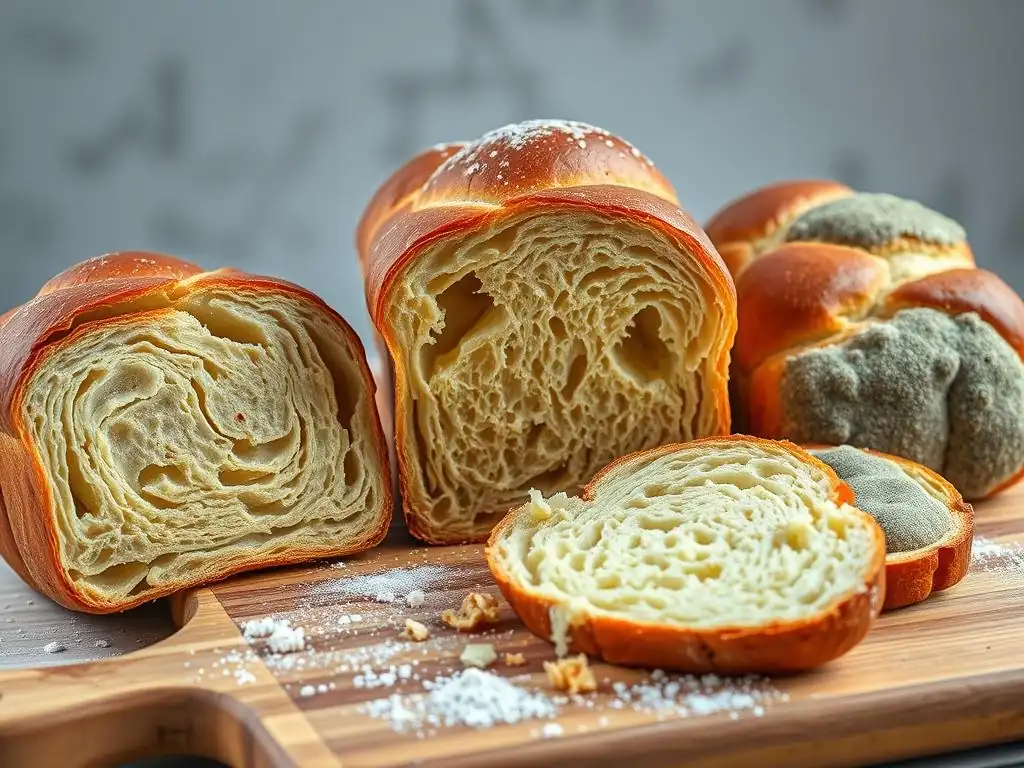
Beyond its role in flavor and texture, sugar is a powerful ally in maintaining moisture and extending the shelf life of baked goods. This is particularly important for items like cakes, muffins, and certain types of cookies that are prone to drying out quickly. Sugar acts as a humectant, a substance that attracts and retains moisture from the environment and within the food itself.
Sugar's humectant properties are crucial for keeping cakes and cookies moist and tender over time. As mentioned, sugar competes with other ingredients, like flour, for water. By holding onto this water, it prevents the starch molecules in the flour from fully crystallizing and becoming rigid, a process that leads to staling and dryness. A cake made with a sufficient amount of sugar will feel softer and more moist days after baking compared to a low-sugar or sugar-free version.
Consider a standard butter cake recipe, which might contain around 25-30% sugar by weight relative to the flour. This significant proportion of sugar is not just for sweetness; it actively works to bind water, ensuring that the cake remains pleasant to eat for several days. In contrast, reducing the sugar significantly in such a recipe often results in a cake that dries out much faster, sometimes becoming noticeably stale within 24 hours. This moisture-retaining function is a key part of sugar’s impact on baking quality.
How Sugar Prevents Staling and Extends Freshness
Staling in baked goods, especially bread and cakes, is primarily caused by the retrogradation of starch molecules – they rearrange and crystallize, squeezing out water and making the product hard and dry. Sugar interferes with this process. By binding water and physically getting in the way of starch molecules, sugar slows down the rate at which starch can crystallize.
This anti-staling effect is a significant benefit of sugar’s impact on baking. While sugar doesn't stop staling entirely, it can noticeably delay it, allowing baked goods to remain fresh and palatable for a longer period. For example, a commercially produced packaged cookie, which often contains a relatively high percentage of sugar (sometimes 30-40% or more of the dry ingredients), can remain soft and fresh on the shelf for weeks or even months, thanks in part to sugar's humectant properties working alongside other preservatives or moisture-retaining ingredients.
Sugar and Browning: Achieving the Perfect Golden Crust
One of the most visually appealing aspects of many baked goods is a golden-brown crust. This desirable color, along with accompanying complex flavors, is largely a result of chemical reactions involving sugar and protein under heat. Understanding these reactions helps bakers control the color and flavor development of their products.
Maillard Reaction: The Science Behind Sugar's Browning Effect
The Maillard reaction is a complex series of chemical reactions that occur between amino acids (from proteins) and reducing sugars when heated. This reaction is responsible for the browning of many foods, including bread crusts, roasted meats, and toasted marshmallows.
It creates hundreds of different flavor compounds, contributing significantly to the aroma and taste of baked goods. While sugar itself isn't the only requirement (you need protein too), the presence of reducing sugars (like glucose and fructose found in honey, maple syrup, or produced when sucrose breaks down) is essential for the Maillard reaction to occur vigorously at typical baking temperatures (generally above 140°C or 284°F).
In bread baking, for instance, the small amount of sugar added to the dough, or the sugars released from flour breakdown during fermentation, participate in the Maillard reaction with flour proteins, giving the crust its characteristic brown color and complex aroma. Without sufficient sugar or high enough temperatures, the Maillard reaction would be minimal, resulting in a pale, less flavorful crust. This is a key aspect of sugar’s impact on baking aesthetics and flavor.
Controlling Browning with Different Types of Sugar
Different types of sugar contribute to browning in varying degrees and ways. Sugars like fructose (found in honey and fruits) are reducing sugars and react more readily in the Maillard reaction than sucrose (table sugar), leading to faster and more intense browning at lower temperatures. Glucose also participates actively. Sucrose must first break down into glucose and fructose to fully participate in the Maillard reaction.
Caramelization, the browning of sugar itself when heated to high temperatures (typically above 160°C or 320°F), also contributes to color and flavor, especially in recipes with high sugar content or on surfaces exposed to direct heat. Using brown sugar, which contains molasses, will result in faster and darker browning than using white granulated sugar due to the presence of reducing sugars and other compounds in the molasses.
Bakers can manipulate sugar types and oven temperatures to control the degree of browning, from a light golden hue on a cake to a deep, rich brown on a caramel sauce, showcasing sugar’s impact on baking color development.
Sugar's Influence on Leavening and Volume
Leavening is the process that makes baked goods rise, creating a light and airy texture. Sugar plays a supporting, yet important, role in both biological leavening (using yeast) and chemical leavening (using baking powder or baking soda).
Sugar's Interaction with Yeast in Bread Making
In yeast-leavened bread, sugar acts as food for the yeast. Yeast consumes simple sugars (like glucose and fructose) and produces carbon dioxide gas and alcohol as byproducts. This gas is trapped by the gluten network in the dough, causing it to rise. While flour naturally contains some sugars that yeast can feed on, adding a small amount of sugar (typically 1-5% of the flour weight) provides an immediate and readily available food source, helping to kickstart fermentation and ensuring vigorous yeast activity.
Too much sugar, however, can have the opposite effect. High concentrations of sugar (above 8-10% of flour weight) can draw water out of yeast cells through osmosis, inhibiting their activity. This is why enriched doughs, like brioche or challah, which contain significant amounts of sugar and fat, often require more yeast or a longer fermentation time compared to lean doughs like baguette dough. Understanding this interaction is vital for optimizing sugar’s impact on baking bread.
Sugar's Role in Creating Air Pockets in Cakes and Muffins
In chemically leavened goods like cakes, muffins, and cookies, sugar contributes to leavening indirectly, particularly through the creaming method. When butter and sugar are creamed together, the sharp edges of the sugar crystals cut into the solid fat, creating tiny air pockets. As the mixture is beaten, more air is incorporated into these pockets.
During baking, this trapped air expands from the heat, contributing to the initial rise and helping to create a fine, even crumb structure. The steam produced from the liquid in the batter also collects in these air pockets, further contributing to leavening. A well-creamed mixture can significantly increase the volume and improve the texture of a cake or muffin, demonstrating a crucial physical aspect of sugar’s impact on baking structure. If sugar isn't creamed properly with butter, the resulting cake can be dense and lack volume.
Different Types of Sugar and Their Specific Effects
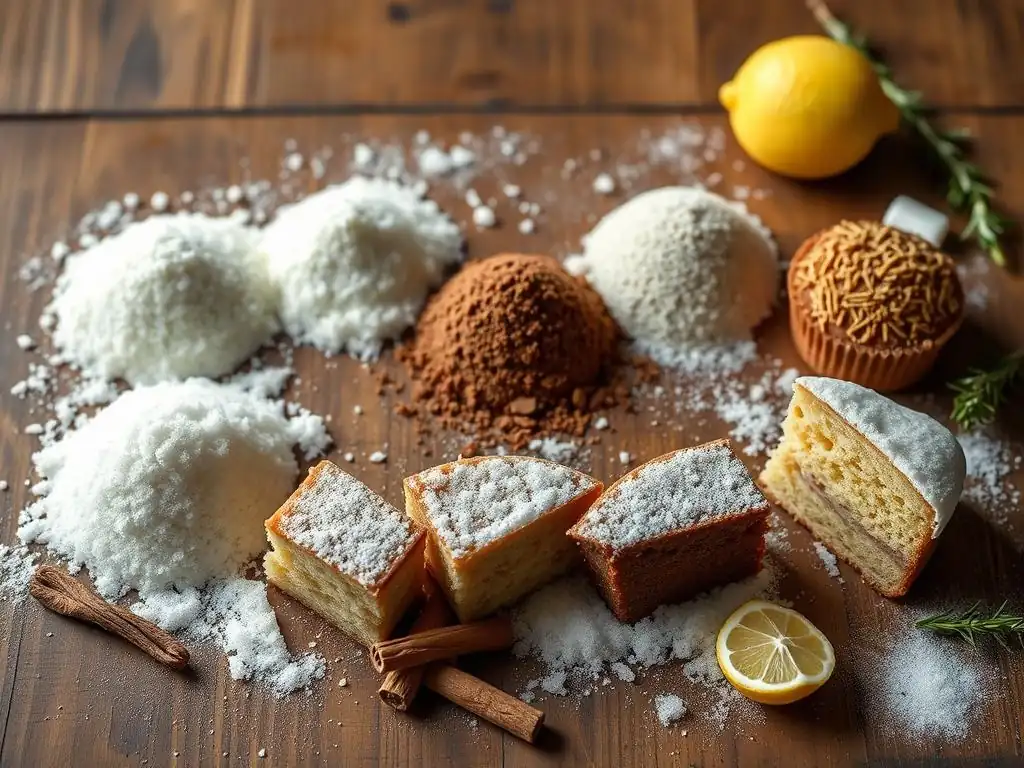
The world of sugar extends beyond the familiar white granules. Each type of sugar possesses unique properties that influence the texture, flavor, and appearance of baked goods in distinct ways. Choosing the right sugar is essential for achieving the intended outcome of a recipe.
Granulated Sugar: The All-Purpose Baking Staple
Granulated sugar, also known as table sugar, is the most common sugar used in baking. It is highly refined sucrose with a crystalline structure. Its primary functions are to provide sweetness, tenderize by interfering with gluten development, aid in creaming with butter to incorporate air, and contribute to browning through caramelization (at high temperatures) and the Maillard reaction (after breaking down into glucose and fructose).
Its uniform crystal size ensures even distribution throughout batters and doughs. While it contributes to moisture retention, it does so less effectively than sugars containing molasses or fructose. Granulated sugar is the go-to for everything from cookies and cakes to muffins and pies, offering consistent performance across a wide range of recipes. Its versatility highlights its foundational role in sugar’s impact on baking.
Brown Sugar: Adding Molasses and Moisture to Your Bakes
Brown sugar is granulated sugar with molasses added back in. The amount of molasses determines whether it's light brown or dark brown sugar, with dark brown sugar containing more molasses. The presence of molasses provides several benefits:
- Flavor: Adds a distinct caramel or toffee-like flavor.
- Moisture: The molasses makes brown sugar hygroscopic, attracting and holding onto moisture more effectively than granulated sugar. This results in softer, chewier baked goods.
- Color: Contributes to darker browning due to the molasses content and its reducing sugars.
Brown sugar is favored in recipes where chewiness and a richer flavor are desired, such as chocolate chip cookies, gingerbread, and certain types of cakes and brownies. Its higher moisture content means it needs to be packed when measured to ensure accuracy. Using brown sugar significantly alters sugar’s impact on baking, lending a different character than white sugar.
Powdered Sugar (Icing Sugar): For Smooth Finishes and Delicate Textures
Powdered sugar, also known as confectioners' sugar or icing sugar, is finely ground granulated sugar mixed with a small amount of cornstarch (usually 3-5%) to prevent clumping. Its extremely fine texture allows it to dissolve easily, making it ideal for icings, glazes, and dusting baked goods.
In some recipes, like shortbread or certain cookies, powdered sugar is used in the dough itself. Its fine particles interfere with gluten development even more effectively than granulated sugar, resulting in a particularly tender and delicate texture. The cornstarch also contributes to a drier, more crumbly texture. While not typically used for volume in creaming, its solubility and fine texture are key aspects of powdered sugar’s impact on baking finishes and delicate doughs.
Caster Sugar (Superfine Sugar): Achieving Even Distribution
Caster sugar, or superfine sugar, is granulated sugar that has been ground to a finer consistency than regular granulated sugar but not as fine as powdered sugar. Its smaller crystals dissolve more quickly and evenly into batters, which is particularly beneficial in recipes where a very fine crumb is desired, such as sponges, meringues, and delicate cakes.
Because it dissolves faster, it helps create a smoother batter and can contribute to a more stable foam when whisked with eggs (as in meringues or genoise). While its chemical functions are similar to granulated sugar, its physical property of smaller crystal size makes a noticeable difference in texture and mixing ease, showcasing a subtle yet important variation in sugar’s impact on baking outcomes.
Honey: Adding Distinct Flavor and Moisture
Honey is a natural liquid sweetener produced by bees. It is primarily composed of fructose and glucose, along with small amounts of sucrose, minerals, vitamins, and enzymes. Honey is significantly sweeter than granulated sugar due to its high fructose content and is also highly hygroscopic, meaning it attracts and retains moisture exceptionally well.
Using honey adds a distinct floral or earthy flavor profile depending on the source nectar. Its hygroscopicity makes baked goods made with honey incredibly moist and helps them stay fresh for a long time. However, because it is a liquid and contains reducing sugars, it causes baked goods to brown faster and more intensely than granulated sugar. Recipes often need to be adjusted when substituting honey for sugar, typically by reducing other liquids and lowering the baking temperature slightly to prevent excessive browning, demonstrating the unique aspects of honey’s impact on baking.
Maple Syrup: Enhancing Flavor and Providing a Unique Sweetness
Maple syrup is another natural liquid sweetener, made from the sap of maple trees. Its primary sugars are sucrose, glucose, and fructose. Like honey, it is hygroscopic and imparts a unique, earthy, and sometimes smoky flavor that pairs well with ingredients like nuts, spices, and oats.
Using maple syrup results in moist baked goods that stay soft. It also contributes to browning, though perhaps less intensely than honey depending on the grade. Substituting maple syrup for granulated sugar requires similar adjustments to liquid content and baking temperature as with honey. Its distinctive flavor and moisture-retaining abilities highlight the specific ways maple syrup contributes to sugar’s impact on baking, offering an alternative to standard granulated sugar for certain flavor profiles.
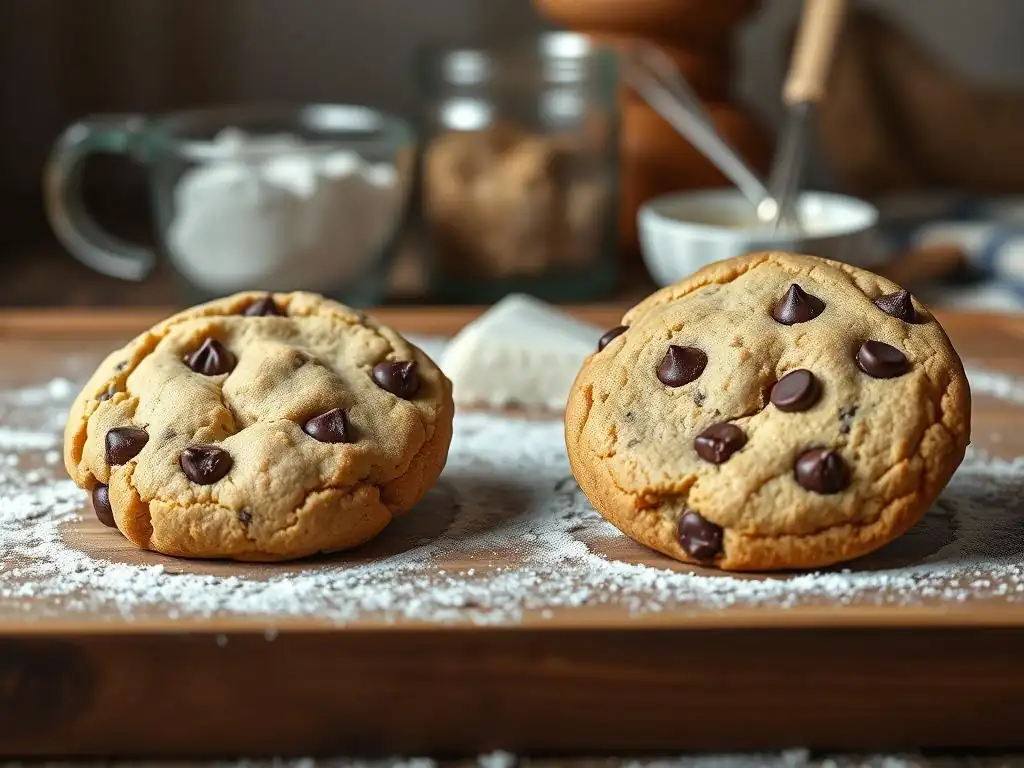
Sugar content and how it's handled can be the source of several common baking issues. Identifying these problems and knowing how sugar plays a role can help you fix them.
Problem: Cake is Too Dense. Solution: Ensure Proper Creaming of Butter and Sugar.
A dense cake often results from insufficient leavening or improper development of structure. One common cause related to sugar is inadequate creaming of butter and sugar. As discussed, creaming incorporates air pockets into the mixture, which expand during baking to contribute to the cake's rise and tender crumb.
If the butter is too cold or the mixture isn't beaten for long enough (typically 3-5 minutes on medium speed until light and fluffy), not enough air will be incorporated. This reduces the potential volume of the cake batter, leading to a denser final product. Ensuring both ingredients are at room temperature and creaming until the mixture is visibly lighter in color and texture is crucial for leveraging sugar’s impact on baking structure and achieving a light, airy cake.
Excessive cookie spread can be caused by various factors, but sugar content and type are major contributors. A high ratio of sugar to flour can cause cookies to spread excessively because sugar melts during baking, and if there's too much, the structure (provided by flour and eggs) can't hold its shape against the liquid sugar and melting fat.
Additionally, using granulated sugar (which encourages spread) or not chilling the dough can exacerbate this. If your cookies consistently spread too thin, try slightly increasing the flour amount relative to the sugar in your recipe. This provides more structural support to counteract the sugar's spreading tendency. Alternatively, reducing the sugar slightly or chilling the dough thoroughly before baking can also help control spread, demonstrating how adjusting sugar’s impact on baking ratios affects outcome.
Problem: Bread Doesn't Rise Properly. Solution: Check Yeast Activity and Ensure Adequate Sugar for Fermentation.
While yeast is the primary leavening agent in bread, sugar plays a supporting role. If your bread dough isn't rising well, it could be due to inactive yeast (check the expiration date or proof it separately) or insufficient food for the yeast. Adding a small amount of sugar (around 1-2% of the flour weight) provides readily available fuel for the yeast, especially in lean doughs where natural sugars are scarce.
However, too much sugar can inhibit yeast, as mentioned earlier. Ensure your recipe uses a balanced amount of sugar for the type of bread you are making. For enriched doughs with higher sugar content, ensure your yeast is active and potentially increase the yeast quantity slightly or allow for a longer proofing time to compensate for the slower fermentation caused by high sugar concentrations. Understanding sugar’s impact on baking fermentation is key to successful bread making.
Mastering Sugar's Impact: Baking Tips and Techniques
Achieving consistent and delicious results in baking often comes down to understanding the nuances of key ingredients like sugar and employing proper techniques. Mastering how you measure and incorporate sugar can significantly improve your bakes.
Measuring Sugar Accurately for Consistent Results
Precise measurement is fundamental in baking, and this is especially true for sugar due to its multifaceted roles. Small variations in sugar quantity can noticeably affect texture, spread, moisture, and sweetness. For granulated sugars, the standard method is to spoon it lightly into the measuring cup and level off the excess with a straight edge. Do not scoop directly from the bag with the cup, as this can compact the sugar and result in too much.
For brown sugar, because of its moisture content, it should be packed firmly into the measuring cup so that it holds its shape when inverted. Liquid sugars like honey and maple syrup should be measured in liquid measuring cups at eye level. Accurate measurement is the first step in controlling sugar’s impact on baking and ensuring your recipe turns out as intended every time.
Incorporating Sugar Correctly for Optimal Texture
The method you use to incorporate sugar into your batter or dough significantly influences the final texture. In recipes using the creaming method (like many cakes and cookies), beating butter and sugar together until light and fluffy is crucial for incorporating air and contributing to leavening and tender crumb. This step should not be rushed.
In recipes where sugar is dissolved into a liquid (like syrups or some bread doughs), ensure it is fully dissolved to prevent a grainy texture. When adding sugar to whipped egg whites (for meringues or soufflés), add it gradually and beat until dissolved to achieve a stable, glossy foam. The way sugar is mixed dictates how it interacts with other ingredients, profoundly affecting sugar’s impact on baking structure and texture.
Tip: Experimenting with Different Sugar Types to Enhance Flavor Profiles
Once you understand the basic functions of different sugars, don't be afraid to experiment (in recipes where it makes sense) to see how they alter the flavor and texture. Swapping a portion of granulated sugar for brown sugar in a simple cookie recipe can add chewiness and a caramel note. Using a mix of granulated and powdered sugar in shortbread can give you a unique balance of crispness and tenderness.
Consider using honey or maple syrup in muffins or quick breads for added moisture and a distinct flavor. However, remember to make necessary adjustments for liquid content and potential faster browning. Experimenting allows you to leverage sugar’s impact on baking in creative ways, tailoring recipes to your personal taste preferences and discovering new flavor combinations.
Conclusion: Appreciating the Power of Sugar in Baking
Sugar is far more than just a sweetener in the world of baking. It is a vital ingredient that influences nearly every aspect of a baked good, from its initial texture and structure to its final color, flavor, and even how long it stays fresh. From aiding in leavening and creating tender crumbs to contributing to rich browning and retaining precious moisture, sugar's impact on baking is truly profound.
By understanding the specific roles that different types of sugar play and how proper techniques like accurate measurement and correct incorporation maximize their potential, you gain greater control over your baking results. So next time you're in the kitchen, take a moment to appreciate the silent, hardworking power of sugar – a seemingly simple ingredient that performs a complex dance to create the delicious treats we all love. Mastering sugar's impact on baking is a significant step on the journey to becoming a confident and skilled baker.
Frequently Asked Questions
What are the primary functions of sugar in baking beyond just adding sweetness?
Sugar contributes to moisture retention, browning (Maillard reaction), and structure by tenderizing gluten. It also acts as a preservative in some baked goods.
Sugar influences texture by inhibiting gluten development, leading to a softer and more tender crumb. It also affects the spread and crispness of cookies.
What are some common sugar alternatives, and how do they impact the final product compared to regular sugar?
Alternatives like honey or maple syrup can add different flavors and moisture levels. Artificial sweeteners may not contribute to browning or structure in the same way as sugar.
Can the type of sugar used (e.g., granulated, brown, powdered) significantly alter the outcome of a recipe?
Yes, different sugars have varying crystal sizes and molasses content. This affects moisture, texture, and flavor. Brown sugar, for instance, adds moisture and a caramel-like flavor.
How can I adjust a recipe to reduce the amount of sugar without compromising the quality and outcome of the bake?
Gradually reduce sugar and compensate with other flavor enhancers like vanilla or spices. Consider adding fruit purees for moisture and sweetness, but be mindful of the liquid balance.
Final Reflection: The Unsweetened Truth About Sugar's Role in Baking
The seemingly simple act of adding sugar to a recipe is far more complex than we often realize; it's not just about sweetness, but a multifaceted interaction that profoundly impacts texture, structure, and even the final flavor profile of our baked goods. Understanding this intricate dance between sugar and other ingredients is crucial for any baker aiming to achieve truly exceptional results.
The influence of sugar extends far beyond the kitchen; it's woven into the very fabric of our culinary heritage and cultural traditions. From the delicate crumb of a Victorian sponge cake to the chewy texture of a modern cookie, sugar's impact is undeniable. Its role in preserving, browning, and creating the perfect mouthfeel has shaped baking techniques for centuries. Baking is a science, but it's also an art. And sugar, my friend, is one of the most important brushes in our artistic palette.
This quote, though fictional, encapsulates the profound and often overlooked influence of this seemingly simple ingredient.
Consider the information presented in this article – the science behind sugar's role in browning, its impact on gluten development, and its contribution to moisture retention. Now, take this knowledge and apply it to your next baking project. Experiment with different types of sugar, vary the quantities, and observe the impact on your creations. Don't just bake; understand the why behind each ingredient, and unlock a deeper appreciation for the artistry and science of baking. The journey of mastering the art of baking is a lifelong one, and understanding sugar's true impact is a crucial step along the way.
Unlock Your Baking Potential: Master the Art of Sugar!
Thanks for diving deep into the world of sugar with us! We hope you gained a new appreciation for its versatile role in baking. Ready to put your newfound knowledge to the test?
- Experiment with different sugars: Try substituting brown sugar for granulated in your favorite cookie recipe and see how the flavor and texture change! This is a great starting point for exploring sugar's impact on your bakes.
- Share your sugar-enhanced baking triumphs (or challenges!) with our community on social media using #BakeWithEaseSugar. Let's learn from each other!
- Dive deeper into our baking archives for more expert tips and recipes – you might discover a whole new world of flavor possibilities!
What surprising sugar substitution are you eager to try in your next baking adventure?