
Can I Swap AllPurpose Flour? Expert Substitution Advice Made Easy


Welcome to BakeWithEase, your guide to unlocking baking brilliance!
Ever wondered if you can really swap out that all-purpose flour? You're not alone! Our latest article dives deep into all purpose flour substitution tips, offering expert advice and easy-to-follow solutions. Discover the secrets to perfect baking, even when you're missing an ingredient. Curious to see what alternatives work best? Let's get baking!
- Substituting All-Purpose Flour: A Baker's Guide
- Understanding All-Purpose Flour
- All-Purpose Flour Substitution: Key Considerations
- Best All-Purpose Flour Alternatives
- Flour Substitutions in Specific Baking Applications
- Troubleshooting Flour Substitution Problems
- Tips for Successful Flour Substitutions
- Conclusion: Mastering Flour Substitution
-
Frequently Asked Questions
- Can I substitute all-purpose flour for other flours in every recipe?
- What factors should I consider when substituting all-purpose flour?
- What are some good substitutes for all-purpose flour in baking?
- Will substituting all-purpose flour affect the baking time or temperature?
- Where can I find reliable information about specific all-purpose flour substitutions?
- Final Reflection: The Ever-Evolving World of Flour
- Unlock Your Baking Potential: Flour Power Unleashed!
Substituting All-Purpose Flour: A Baker's Guide
Understanding All-Purpose Flour
Properties of All-Purpose Flour
All-purpose flour, often abbreviated as AP flour, is a staple in kitchens around the world for good reason. It's milled from a blend of hard and soft wheat, striking a balance that makes it suitable for a vast array of baked goods. Its protein content typically falls within the range of 10% to 12%.
This moderate protein level is crucial because protein develops gluten when mixed with liquid and kneaded, providing structure to baked goods. The exact protein percentage can vary slightly depending on the brand and region, influencing how much gluten is formed and, consequently, the texture of your final product.
This specific protein range allows all-purpose flour to be robust enough for yeasted breads that require some gluten development for chewiness, yet delicate enough for tender cakes and cookies where less gluten is desired. The milling process also removes the wheat germ and bran, resulting in a finer, whiter flour with a longer shelf life compared to whole grain flours. Understanding these fundamental properties is the first step when considering all purpose flour substitution tips for your baking adventures.
Why All-Purpose Flour is Versatile
The name "all-purpose" isn't just a marketing term; it truly reflects this flour's adaptability. From flaky pie crusts and airy muffins to chewy bread loaves and delicate pastries, all-purpose flour can handle it all, albeit sometimes requiring slight adjustments to technique or leavening. Its balanced protein content means it's neither too high in gluten-forming proteins (like bread flour) nor too low (like cake flour), positioning it as a flexible middle-ground option.
This versatility makes it the default flour in countless recipes, simplifying grocery lists and storage for home bakers. If a recipe simply calls for "flour" without specifying the type, it's almost always referring to all-purpose flour. However, while versatile, it may not always yield the absolute best result for every single type of baked good compared to a specialized flour. This is precisely why exploring all purpose flour substitution tips becomes valuable when you're aiming for a specific texture or need to accommodate dietary needs.
All-Purpose Flour Substitution: Key Considerations
Gluten Content and its Impact
Gluten, the protein structure formed when wheat flour is hydrated and mixed, is arguably the most critical factor when substituting all-purpose flour. Different flours have varying protein levels, leading to different amounts of potential gluten development. A flour with higher protein, like bread flour (around 12-14% protein), will form more gluten, resulting in a chewier, sturdier texture, ideal for artisan breads. Conversely, a flour with lower protein, like cake flour (around 7-9% protein), forms less gluten, producing a softer, more tender crumb, perfect for delicate cakes.
When you swap all-purpose flour for another type, you are inherently altering the potential gluten structure of your baked good. Substituting a lower-protein flour for AP in bread might result in a loaf that doesn't rise as high or has a less satisfying chew. Substituting a higher-protein flour for AP in a cake could lead to a tougher, denser texture. Understanding this relationship between protein content and gluten is fundamental to successful all purpose flour substitution tips and achieving your desired outcome.
Desired Texture and Flavor
Beyond gluten, the desired texture and flavor of your final product are paramount considerations when making a substitution. Are you aiming for a light and airy cake, a dense and moist muffin, a chewy cookie, or a rustic, crusty bread? Each of these requires a different balance of structure and tenderness, which is heavily influenced by the type of flour used. For example, using whole wheat flour instead of all-purpose will introduce a nuttier flavor and a denser texture due to the presence of bran and germ.
The absorption rate of different flours also plays a significant role in texture. Whole wheat flour, for instance, absorbs more liquid than all-purpose flour. Failing to adjust liquid when substituting can result in a dry, crumbly product. Similarly, some alternative flours or gluten-free blends might impart distinct flavors that can complement or clash with other ingredients in your recipe. Considering both the structural impact and the sensory characteristics – texture and flavor – is vital for effective all purpose flour substitution tips.
Best All-Purpose Flour Alternatives
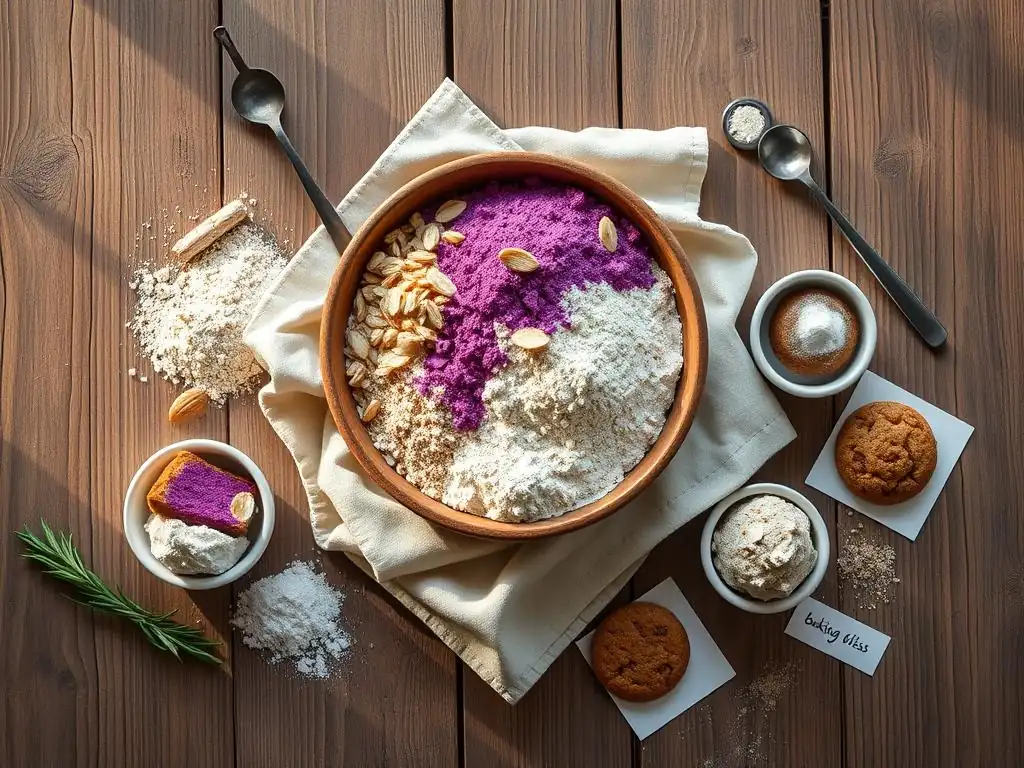
Bread Flour: For Chewy Texture
Bread flour is specifically milled for baking bread, boasting a higher protein content, typically between 12% and 14%. This higher protein level means it develops more gluten when kneaded, giving bread dough the elasticity and strength needed to rise and hold its shape. The result is a loaf with a strong structure, a satisfying chew, and often a better crust than one made solely with all-purpose flour.
While you can substitute bread flour for all-purpose flour in many recipes, it's particularly effective when you want a chewier texture. Think about replacing all-purpose flour with bread flour in recipes for bagels, pizza dough, or rustic loaves. Be mindful that using it in recipes meant to be tender, like cakes or muffins, will likely result in a tougher crumb. When using bread flour as part of your all purpose flour substitution tips, you might find you need slightly more liquid due to its higher absorption.
Cake Flour: For Tender Crumbs
Cake flour is the opposite end of the spectrum from bread flour in terms of protein content, typically ranging from 7% to 9%. It's finely milled from soft wheat and often bleached, which further weakens the protein and alters starches, allowing the flour to absorb more liquid and sugar. This combination results in baked goods with a very fine, soft, and tender crumb – the hallmark of a great cake.
Substituting cake flour for all-purpose flour is ideal when your goal is maximum tenderness and a delicate texture. It's perfect for sponge cakes, angel food cakes, and other light, airy baked goods. If using cake flour as part of your all purpose flour substitution tips, you'll typically need to use slightly more cake flour by volume than all-purpose flour (e.g., about 1 cup plus 2 tablespoons of cake flour for every cup of AP) because it's lighter and less dense.
Pastry Flour: For Delicate Texture
Pastry flour falls between all-purpose and cake flour in terms of protein content, usually around 9% to 10%. It's milled from soft wheat, similar to cake flour, but typically isn't bleached. This moderate protein level provides just enough structure for flaky crusts and tender pastries without developing too much gluten, which would make them tough.
This flour is excellent for recipes like pie crusts, tarts, biscuits, and some cookies where you want a delicate, tender, yet somewhat sturdy result. Using pastry flour as part of your all purpose flour substitution tips for these specific applications can often yield superior results compared to using all-purpose alone. It offers a better balance for flakiness than cake flour and more tenderness than all-purpose or bread flour.
Whole Wheat Flour: Adding Nutty Flavor and Fiber
Whole wheat flour is milled from the entire wheat kernel, including the bran, germ, and endosperm. This inclusion of all parts of the grain significantly increases its fiber, nutrient, and protein content (though the gluten-forming potential isn't as high as bread flour despite similar protein percentages, due to the bran interfering with gluten development). It also imparts a distinct nutty, robust flavor and a denser texture to baked goods.
Replacing all-purpose flour with 100% whole wheat flour can drastically change the texture and flavor of a recipe, often resulting in a denser, heavier product. Many bakers start by substituting only a portion of the all-purpose flour (e.g., replacing 25% to 50%) when first experimenting. Whole wheat flour absorbs more liquid than all-purpose, which is a critical factor to manage when using it in your all purpose flour substitution tips.
Adjusting Liquid Ratios for Whole Wheat Flour
Due to the bran and germ, whole wheat flour is significantly more absorbent than all-purpose flour. If you substitute whole wheat flour 1:1 by volume or weight for all-purpose flour without increasing the liquid, your dough or batter will likely be too dry and crumbly. This is a common pitfall when trying to incorporate more whole grains into baking.
A general guideline is to increase the liquid in the recipe by about 10% to 20% when substituting 100% whole wheat flour for all-purpose. For instance, if a recipe calls for 1 cup of liquid, you might start by adding an extra 1 to 2 tablespoons.
You'll need to observe the consistency of the dough or batter and adjust as needed, as the exact absorption can vary between brands and even batches of flour. Allowing the batter or dough to rest for 10-15 minutes can also help the whole wheat flour fully absorb the liquid before you assess the consistency.
Gluten-Free Flour Blends: Baking Without Gluten
For those avoiding gluten due to celiac disease, gluten sensitivity, or personal preference, gluten-free flour blends are the primary avenue for all purpose flour substitution tips. These blends are typically a mix of various flours and starches from sources like rice, potato, tapioca, corn, or legumes (like fava bean or garbanzo bean). Since these flours lack gluten, many blends also include a binder like xanthan gum or guar gum to help provide structure and prevent crumbling.
The composition of gluten-free blends varies widely by brand, which means they don't always perform identically. Some are formulated specifically for cakes, others for bread, and many are marketed as "all-purpose" gluten-free blends suitable for a range of uses. Successful gluten-free baking often relies on using a well-formulated blend and sometimes adding extra binders or moisture to compensate for the absence of gluten.
Common Gluten-Free Flour Blends
There are numerous combinations used in commercially available gluten-free all-purpose blends. A common blend might include white rice flour, brown rice flour, tapioca starch, and potato starch. Some blends incorporate sorghum flour, millet flour, or almond flour for flavor and nutrition. The specific ratio of flours and starches impacts the texture and how the blend absorbs liquid and behaves during baking.
For example, a blend heavy on rice flours might produce a slightly grittier texture, while one with more tapioca starch could result in a chewier crumb. Many blends now include xanthan gum as an essential component, often listed in the ingredients. If your chosen blend doesn't contain a binder, you'll almost certainly need to add it yourself (typically about 1/4 to 1/2 teaspoon per cup of flour blend for cookies/muffins, and 1 teaspoon per cup for bread).
Tips for Successful Gluten-Free Baking
Baking without gluten requires a slightly different approach than traditional wheat baking. One key tip is to use recipes specifically developed for gluten-free flour blends whenever possible, as they are already formulated with the correct ratios and techniques. If adapting a traditional recipe using an all-purpose gluten-free blend as your all purpose flour substitution tips, start by replacing the AP flour cup-for-cup, but be prepared to adjust liquid.
Gluten-free batters and doughs often benefit from a bit more hydration than their wheat counterparts and can sometimes feel stickier or more like a thick batter than a kneadable dough, especially for breads. Avoid overmixing, as this can break down the starches and result in a gummy texture. Allow batters to rest briefly before baking to hydrate the flours fully. Finally, monitor baking time closely, as gluten-free goods can sometimes bake faster or require slightly different temperatures.
- [x] Choose a reputable gluten-free flour blend.
- [x] Check if the blend contains xanthan gum.
- [ ] If no xanthan gum, add 1/4-1 tsp per cup of flour blend.
- [ ] Adjust liquid slightly (sometimes more needed).
- [ ] Avoid overmixing.
- [ ] Allow batter/dough to rest if the recipe permits.
Flour Substitutions in Specific Baking Applications
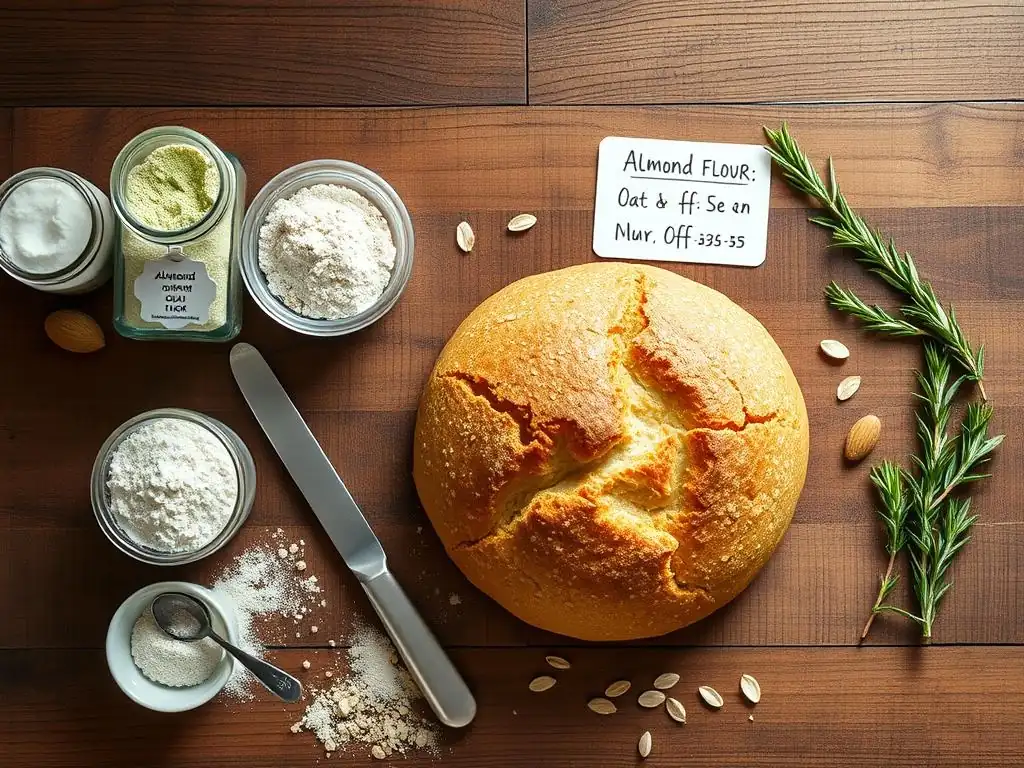
Cakes: Maintaining Structure and Texture
When substituting all-purpose flour in cakes, the primary goal is to maintain a tender, moist crumb while ensuring enough structure to prevent collapsing. For a lighter, more tender cake, substituting with cake flour is an excellent option, typically using 1 cup plus 2 tablespoons of cake flour for every cup of all-purpose flour. This swap reduces gluten development, leading to a finer texture.
If you need to use whole wheat flour, substituting only a portion (like 25-50%) is advisable to avoid a dense, heavy cake. You'll also need to increase the liquid slightly. For gluten-free cakes, using a good quality all-purpose gluten-free blend formulated for cakes is crucial. These blends often contain starches and binders that mimic the tenderizing and structuring effects of gluten, offering effective all purpose flour substitution tips for delicate desserts.
Cookies offer a wide range of desired textures, from soft and chewy to thin and crisp, and flour substitution can significantly impact the outcome. Using all-purpose flour typically results in a balanced cookie. For a chewier cookie, substituting a portion of the all-purpose flour with bread flour can increase gluten development.
If you prefer a more tender, cake-like cookie, a partial substitution with cake flour or pastry flour might work. When using whole wheat flour for added fiber and flavor, substituting up to 50% is often successful, but remember to potentially add a teaspoon or two of extra liquid per cup of whole wheat flour used. Gluten-free all-purpose blends generally work well in cookie recipes, often resulting in a slightly softer or more crumbly texture depending on the blend; chilling the dough is often a helpful step with these alternatives.
Bread: When and How to Substitute
Baking bread with alternative flours depends heavily on the desired loaf type. For rustic, chewy, or artisan loaves, substituting some or all of the all-purpose flour with bread flour is a common technique to boost gluten development and structure. You can often substitute bread flour 1:1 for all-purpose in many bread recipes.
Incorporating whole wheat flour into bread recipes is popular for nutritional benefits and flavor. A common approach is to use a 50/50 mix of all-purpose and whole wheat flour. When using whole wheat, remember the increased liquid absorption and adjust accordingly; sometimes adding a little vital wheat gluten (about 1-2 tablespoons per cup of whole wheat flour) can help improve the structure and rise when using a high percentage of whole wheat. Gluten-free bread requires specialized blends and often different techniques (like no-knead or specific shaping methods) because gluten is the primary structure-builder in traditional bread.
Pie Crusts: For Flaky Results
Flaky pie crusts rely on minimizing gluten development while ensuring enough structure to hold together. All-purpose flour is a standard choice, but pastry flour, with its slightly lower protein content, is often considered ideal for achieving maximum tenderness and flakiness. You can typically substitute pastry flour 1:1 for all-purpose flour in pie crust recipes.
Using whole wheat flour in pie crusts will result in a more rustic, less flaky crust due to the bran interfering with gluten layers and fat distribution; a partial substitution (e.g., 50%) is usually the maximum recommended. Gluten-free pie crusts are achievable using specialized gluten-free pastry blends or recipes that often incorporate ingredients like almond flour, rice flour, and starches with binders like xanthan gum to create a workable dough that bakes up flaky.
Successful flour substitution is about understanding the function of flour in a specific recipe and choosing an alternative that can best fulfill that role, making adjustments as needed. These all purpose flour substitution tips are your starting point!
Troubleshooting Flour Substitution Problems
Dry and Crumbly Baked Goods: Causes and Solutions
One of the most common issues encountered when substituting flour, particularly when using more absorbent flours like whole wheat or some gluten-free blends, is a dry and crumbly texture. This usually indicates insufficient liquid in the dough or batter. Different flours absorb different amounts of moisture, and a direct 1:1 substitution by volume or weight without adjusting liquid is a frequent cause.
To solve this, increase the liquid slightly when making the substitution. For whole wheat, an extra 10-20% liquid per cup is a good starting point. For gluten-free blends, follow the blend manufacturer's recommendations or add liquid until the batter or dough reaches a familiar consistency (though GF doughs can sometimes feel different). Allowing the mixture to rest can also help the flour hydrate fully before baking. If your baked good is already finished and dry, it's hard to fix, but noting the issue for the next attempt is key!
Dense and Heavy Texture: Adjustments
A dense or heavy texture can arise from several factors when substituting flour. It might be due to using a flour with too high a protein content for a recipe intended to be light (like using bread flour in a delicate cake), resulting in excessive gluten development. It could also be caused by the inherent nature of the substitute flour itself, such as the bran and germ in whole wheat flour weighing down the structure.
If using a higher-protein flour, consider reducing mixing/kneading time to minimize gluten development, or adjust leavening slightly. When using whole wheat, substituting only a portion of the all-purpose flour and potentially adding a little extra leavening (like baking powder or yeast) can help compensate for the added weight and reduced gluten function. For gluten-free baking, a dense result might mean the blend wasn't suitable for the recipe, or the balance of flour, starch, and binder was off.
Flavor Imbalances: Balancing Taste
Substituting flour can introduce new flavors to your baked goods. Whole wheat flour has a distinct nutty taste, while some gluten-free flours like sorghum or chickpea flour can also impart noticeable flavors. Sometimes these flavors are desirable, but other times they might clash with the intended taste profile of the recipe.
If the substitute flour's flavor is too dominant or unpleasant, consider blending it with other, milder-flavored flours. For instance, mixing whole wheat flour with all-purpose or white whole wheat flour can mellow its intensity. In gluten-free baking, using a blend of different flours often provides a more neutral flavor than using a single-source flour. You can also try enhancing other flavors in the recipe (like vanilla, spices, or citrus zest) to help balance the taste introduced by the alternative flour.
Tips for Successful Flour Substitutions

Measuring Flour Accurately
Accurate measurement is paramount in baking, and even more so when experimenting with flour substitutions. Using too much or too little flour can drastically alter the outcome. The most accurate method is to weigh your flour using a kitchen scale. Different flours have different densities; for example, a cup of cake flour weighs less than a cup of all-purpose flour, which weighs less than a cup of whole wheat flour.
If you don't have a scale, use the "spoon and level" method: gently spoon the flour into your measuring cup until it overflows, then level off the excess with a straight edge (like a knife or spatula). Do not scoop directly from the bag or tap the cup, as this compacts the flour, resulting in too much being used. Consistent measurement is one of the most important all purpose flour substitution tips you can follow.
Sifting Flour for Baking
Sifting flour helps to aerate it, remove lumps, and distribute leavening agents evenly. While all-purpose flour is often fine enough that sifting isn't strictly necessary for many recipes, it can still improve the lightness of cakes and pastries. For flours that tend to compact easily or have varying particle sizes, like some whole wheat flours or certain gluten-free blends, sifting can be particularly beneficial.
Sifting before measuring (if using the spoon and level method) is crucial for accuracy, especially with lighter flours like cake flour. If a recipe calls for "1 cup sifted flour," sift first, then measure. If it calls for "1 cup flour, sifted," measure first, then sift. Incorporating sifting into your routine, especially when trying out all purpose flour substitution tips, can contribute to a better texture in your baked goods.
Monitor Internal Temperature for Doneness
Relying solely on visual cues or the toothpick test isn't always sufficient, especially when using alternative flours that might brown differently or have varying moisture levels compared to all-purpose flour. Using an instant-read thermometer to check the internal temperature provides a more reliable indicator of doneness.
Different types of baked goods have target temperatures. For example, most bread is done when the internal temperature reaches around 190-210°F (88-99°C), while cakes are often done around 200-210°F (93-99°C). Cookies are trickier and often rely more on visual cues and texture, but for larger items like muffins or quick breads made with substitute flours, temperature checks can prevent under- or over-baking.
Let Baked Goods Cool Completely
Patience is a virtue in baking, particularly after the item comes out of the oven. Allowing baked goods to cool properly is essential for their final texture and structure. While cooling on a wire rack, residual heat continues to cook the interior gently, moisture distributes evenly, and structures (like gluten or starches) set properly.
Cutting into a cake or bread too soon can result in a gummy texture or cause it to collapse slightly. Cookies might seem too soft if evaluated while still warm. Always follow the cooling instructions in the recipe, typically cooling in the pan for a specified time before transferring to a wire rack to cool completely. This final step solidifies the results of your careful all purpose flour substitution tips and baking efforts.
Conclusion: Mastering Flour Substitution
Recap of Key Tips
Successfully substituting all-purpose flour boils down to a few core principles: understand the properties of the flour you're substituting with, consider the desired outcome for your baked good (texture, flavor), and be prepared to make adjustments beyond just the flour type. Key all purpose flour substitution tips include paying close attention to the protein content of the alternative flour, adjusting liquid ratios when using more absorbent options like whole wheat or some gluten-free blends, and using accurate measurement techniques, preferably by weight.
Remember that different flours behave differently in various recipes – a substitution that works perfectly in a muffin might fail in a delicate cake or a chewy bread. Troubleshooting is a natural part of the process; learn from results that are too dry, dense, or crumbly, and adjust your approach for the next bake.
Embrace Experimentation
Baking is both a science and an art, and flour substitution leans heavily into the experimental side. While guidelines and all purpose flour substitution tips provide a solid starting point, the best way to master substituting all-purpose flour is to try it yourself. Start with recipes where the impact of flour type is less critical, like muffins or quick breads, before moving on to more sensitive items like cakes or yeasted bread.
Keep notes on your substitutions, the adjustments you made, and the results. Did increasing the liquid help with whole wheat? Did that gluten-free blend work well for cookies? Each baking experiment adds to your knowledge and intuition. Don't be discouraged by results that aren't perfect initially. Embrace the learning process, have fun exploring new flavors and textures, and you'll become confident in your ability to make smart, effective all purpose flour substitution tips work for you and your baking needs.
Frequently Asked Questions
Can I substitute all-purpose flour for other flours in every recipe?
No, not always. While all-purpose flour is versatile, substituting other flours without adjustments can significantly impact the texture and structure of your baked goods. Consider the gluten content of the substitute.
What factors should I consider when substituting all-purpose flour?
Think about the gluten content, absorption rate, and flavor profile of the alternative flour. Different flours will react differently during baking, affecting the final product's consistency and taste.
What are some good substitutes for all-purpose flour in baking?
Some common substitutes include whole wheat flour, almond flour, oat flour, and gluten-free flour blends. Remember that each will require adjustments to the recipe, such as adding more liquid or using binding agents.
Will substituting all-purpose flour affect the baking time or temperature?
Yes, it potentially can. Different flours have varying cooking characteristics. You might need to adjust the baking time or temperature to ensure your baked goods are properly cooked through.
Where can I find reliable information about specific all-purpose flour substitutions?
BakeWithEase.com is a great resource! We offer step-by-step guides and easy-to-find ingredient information to help you successfully substitute all-purpose flour in your favorite recipes.
Final Reflection: The Ever-Evolving World of Flour
The quest for the perfect bake often hinges on a single ingredient: flour. While all-purpose flour serves as a reliable workhorse, understanding its substitutes unlocks a world of culinary possibilities and caters to dietary needs and preferences. This article explored the nuances of swapping all-purpose flour, highlighting both the ease and the potential complexities involved. The information provided empowers home bakers to experiment confidently, pushing the boundaries of their baking skills.
The impact of readily available information on baking techniques, like those discussed here, is profound. It democratizes culinary expertise, allowing anyone with an internet connection to explore diverse recipes and expand their culinary horizons. The best way to find yourself is to lose yourself in the service of others.
- Mahatma Gandhi. While not directly about baking, this quote speaks to the empowering nature of knowledge sharing, allowing individuals to grow and discover new things, just as learning about flour substitutions allows bakers to discover new flavors and textures.
Now, it's your turn. Consider the recipes you cherish and the ingredients you have on hand. Don't be afraid to experiment! Try substituting all-purpose flour with one of the alternatives discussed, and observe the subtle changes in texture and taste. Each substitution offers a unique learning opportunity, enriching your baking journey and transforming your kitchen into a laboratory of culinary exploration. Embrace the challenge, and discover the joy of baking with newfound confidence and creativity.
Unlock Your Baking Potential: Flour Power Unleashed!
Thanks for taking the time to explore the world of flour substitutions with us! We hope you now feel confident tackling any recipe, regardless of what's in your pantry. Ready to put your newfound knowledge to the test?
- Bake your dream recipe today! Grab that alternative flour and get baking—we can't wait to see what you create.
- Share your baking triumphs (and even your flour-based mishaps!) with us on social media using #BakeWithEaseFlourPower. Let's build a supportive baking community together.
- Explore our other helpful guides on BakeWithEase.com for more baking tips and tricks. Discover even more ways to enhance your baking skills!
What unexpected flour substitution are you most excited to try now? Let us know in the comments below!