
Chocolate Bloom Explained: Is Your Chocolate Still Good?

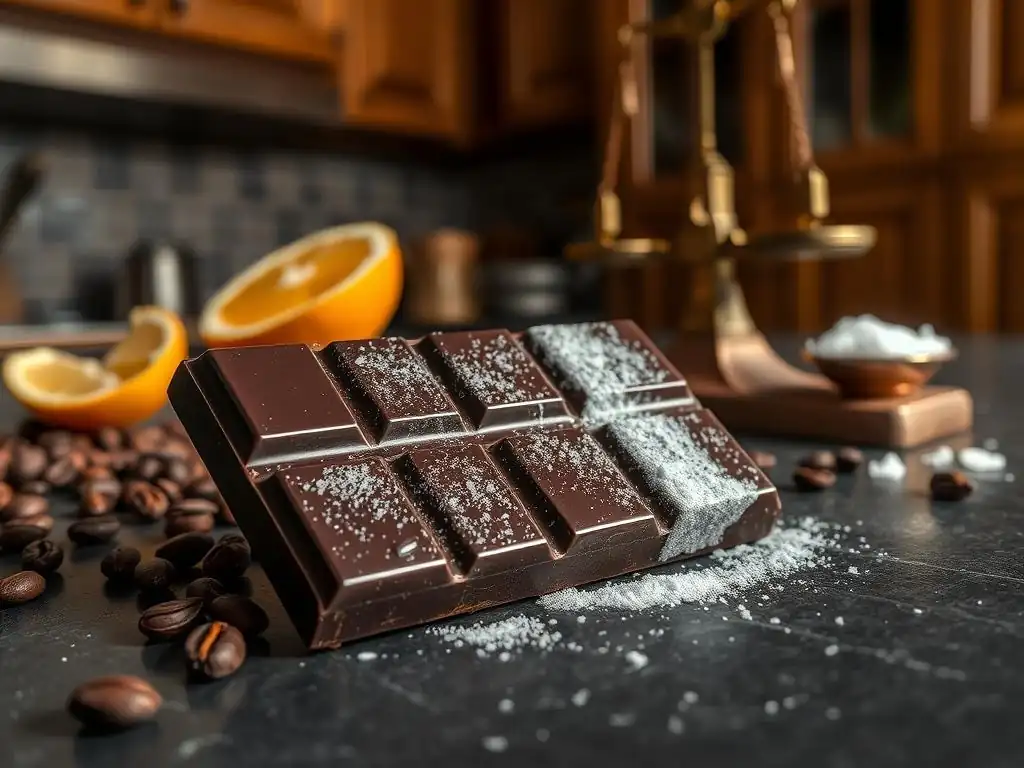
Welcome to BakeWithEase, where the joy of baking is simplified! Ever wondered about that mysterious white coating on your chocolate? Dive into our expert guide on How to tell if chocolate has "bloomed" – a common occurrence that might surprise you. Uncover the science behind chocolate bloom and learn if your favorite treat is still safe to enjoy. Curious to know more? Let's explore!
Understanding Chocolate Bloom: A Baker's Guide
Chocolate bloom is a common phenomenon that bakers encounter, often leading to questions like "How to tell if chocolate is still good?" It manifests as a dull, grayish, or whitish coating on the surface of chocolate, which can be alarming if you're expecting that glossy, rich brown finish.
This cosmetic change doesn't necessarily mean the chocolate is spoiled or unsafe to eat, but it certainly indicates a change in its physical structure. For bakers, understanding bloom is crucial because it can affect how chocolate behaves during melting, tempering, and ultimately, how it impacts the texture and appearance of baked goods like ganaches, molded chocolates, or coatings.
This surface discoloration arises from changes in the chocolate's fat or sugar crystals. It's primarily a storage issue, typically caused by improper temperatures or humidity levels. While unsightly, bloomed chocolate is often still perfectly fine to use in applications where its appearance isn't paramount, such as melting it down for brownies, cakes, or hot chocolate. However, for uses requiring a smooth, shiny finish, like dipping strawberries or making chocolate decorations, bloomed chocolate usually needs special treatment or might not perform as desired without tempering.
What is Chocolate Bloom? Identifying the Issue
Chocolate bloom is the technical term for the whitish or grayish film that sometimes appears on the surface of chocolate. It's not mold, and it's not a sign of spoilage in the way that fuzzy green patches on bread are. Instead, it's a visual indicator that the cocoa butter or sugar within the chocolate has migrated to the surface and recrystallized there. This process disrupts the smooth, uniform texture that gives well-tempered chocolate its characteristic snap and sheen.
Identifying bloom is usually straightforward: look for any surface discoloration that isn't the expected color of the chocolate itself. It can range from faint streaks to a complete covering of the surface. The type of bloom often gives clues about its cause – whether it's fat bloom or sugar bloom – which can help you understand how to tell if chocolate is in good condition or if it needs special handling for your baking project.
Fat Bloom vs. Sugar Bloom: Decoding the Appearance of Bloom
Distinguishing between fat bloom and sugar bloom is key to understanding why your chocolate looks the way it does and how to potentially mitigate the issue. While both appear as a whitish film, their textures and underlying causes differ. Fat bloom typically looks dull, waxy, or streaky, sometimes with a slightly greasy feel. It's caused by changes in the cocoa butter crystals. Sugar bloom, on the other hand, looks dry, powdery, or granular, sometimes resembling fine sand or dust on the surface. It's caused by sugar crystals.
Observing the texture is the easiest way to differentiate. Rub a finger gently over the bloomed area. If it feels smooth and melts slightly from your body heat, it's likely fat bloom. If it feels rough, dry, or gritty, it's almost certainly sugar bloom. For example, a chocolate bar stored in a warm pantry might develop streaks of fat bloom, while one moved repeatedly between a cold fridge and a humid counter might show a powdery layer of sugar bloom.
Identifying Fat Bloom: A Sign of Temperature Fluctuations
Fat bloom occurs when the stable crystal structure of cocoa butter within chocolate is disrupted, causing some of the fat to melt, migrate to the surface, and recrystallize in an unstable form. This is most commonly triggered by storing chocolate at fluctuating temperatures, especially if it gets too warm. Cocoa butter has a melting point around 90-95°F (32-35°C). If chocolate is stored above its optimal temperature range, typically around 60-70°F (15-21°C), the less stable forms of cocoa butter crystals can melt.
Consider a scenario where a chocolate bar is left in a warm car for an hour or two, then cools down. The heat melts some of the cocoa butter. As the chocolate cools, this melted fat hardens on the surface, forming dull, grayish streaks or patches.
This phenomenon is more pronounced in chocolates with higher cocoa butter content, like dark chocolate (which can contain 30-40% cocoa butter or more), compared to milk chocolate or white chocolate which contain dairy fats that behave differently. This waxy surface is a classic indicator of fat bloom, making it one way to tell if chocolate has been stored improperly.
Spotting Sugar Bloom: Moisture's Impact on Chocolate
Sugar bloom happens when moisture comes into contact with the chocolate surface. The moisture dissolves some of the sugar crystals on the surface. When the moisture evaporates, the sugar recrystallizes, but this time in larger, visible crystals on the surface, creating a powdery or granular appearance. This often occurs when chocolate is moved from a cold environment (like a refrigerator at around 40°F or 4°C) to a warmer, more humid environment (like a kitchen counter in a humid climate).
For instance, if you take a box of chocolates directly from a cold fridge and open it immediately in a humid room, condensation can form on the cold surface of the chocolate. The water from the condensation dissolves surface sugar. As this water evaporates, it leaves behind a fine, gritty layer of sugar crystals. This powdery look is a reliable sign of sugar bloom and is another factor in how to tell if chocolate has been exposed to unfavorable humidity conditions.
How to Tell if Chocolate is Still Good: A Practical Guide
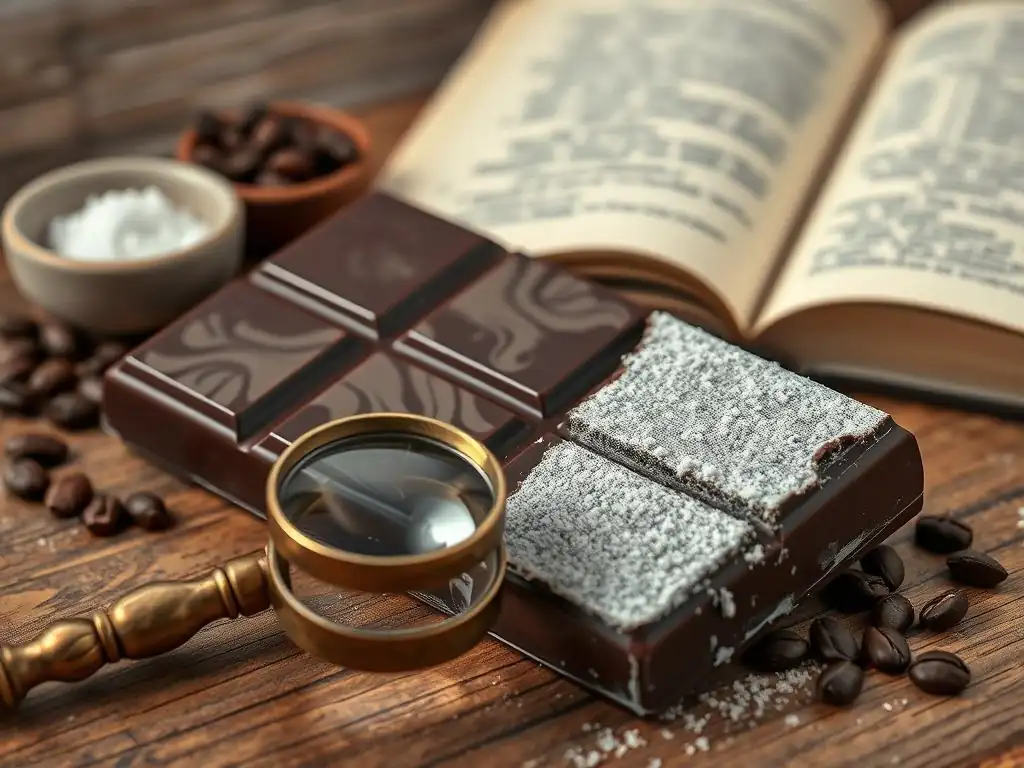
Determining if chocolate is still usable, especially for baking, involves more than just checking for bloom. While bloom affects appearance and sometimes texture, it doesn't necessarily mean the chocolate is spoiled. A practical approach involves a multi-sensory assessment: visual inspection, the snap test, the smell test, and finally, the taste test. These steps help you how to tell if chocolate is still good for your intended purpose.
Even if chocolate shows significant bloom, it might still be perfectly fine for melting into batters or ganaches where the final appearance of the chocolate itself isn't critical. The presence of bloom is primarily a quality indicator related to storage conditions and tempering, not food safety. Therefore, learning how to tell if chocolate is truly past its prime involves looking for signs beyond just surface discoloration.
Visual Inspection: Assessing Chocolate Bloom for Quality
The first step in how to tell if chocolate is still good is a thorough visual inspection. Look closely at the surface. Do you see the characteristic smooth, shiny finish of well-tempered chocolate? Or is there a dull, grayish, or whitish film? As discussed, this film is bloom – either waxy fat bloom or powdery sugar bloom. While bloom affects the visual appeal, it doesn't indicate spoilage in itself.
However, visual inspection can also reveal other issues. Are there any signs of mold (unlikely on pure chocolate but possible if it's mixed with other ingredients and stored improperly)? Are there any foreign objects? Is the chocolate discolored beyond simple bloom, perhaps looking unusually pale or mottled in ways that don't fit the bloom description? A significant amount of bloom suggests the chocolate was stored improperly, which could potentially affect its quality over a longer period, but the bloom itself isn't the primary spoilage indicator.
The Snap Test: Does Your Chocolate Break Properly?
A key characteristic of well-tempered chocolate, especially dark chocolate, is a clean, sharp snap when broken at room temperature. This snap is a result of the stable crystal structure formed during proper tempering. To perform the snap test as part of how to tell if chocolate is still good for applications where texture matters, hold a piece of chocolate and break it firmly.
If the chocolate breaks with a crisp snap, it suggests the cocoa butter crystals are in a relatively stable form, even if there's some surface bloom. If it bends, crumbles softly, or breaks with a dull thud, it indicates that the crystal structure is unstable. Chocolate with significant fat bloom often loses its snap because the unstable fat crystals on the surface and within the chocolate disrupt the structure. While a lack of snap doesn't mean the chocolate is spoiled, it does mean it won't behave like properly tempered chocolate and isn't suitable for molding or coating without re-tempering.
The Smell Test: Detecting Rancidity in Chocolate
Smell is a powerful indicator of food quality, and it's an important step in how to tell if chocolate is still good. Good quality chocolate should have a rich, pleasant aroma characteristic of cocoa and its other ingredients (like vanilla or dairy). The specific scent will vary depending on the type of chocolate – dark chocolate will smell intensely of cocoa, while milk chocolate will have creamy notes.
Rancidity, which is a form of spoilage where fats oxidize, is detectable by smell. Rancid chocolate will often have an unpleasant, chemical, or "off" odor, sometimes described as waxy, metallic, or like old crayons. While bloom is odorless, rancidity signifies that the fats in the chocolate have deteriorated. If your chocolate smells stale or rancid, it's likely past its prime and its flavor will be negatively impacted. This is a much stronger indicator of spoilage than bloom alone.
Taste Test: The Final Verdict on Chocolate Quality
The ultimate test in how to tell if chocolate is still good is the taste test. Take a small piece and let it melt in your mouth, paying attention to the flavor and texture. Properly stored chocolate should taste rich, smooth, and true to its type – bittersweet, milky, or creamy. The flavor notes should be clean and pleasant.
Bloomed chocolate might have a slightly different mouthfeel due to the surface crystals (gritty for sugar bloom, waxy for fat bloom), but the underlying flavor should still be acceptable. However, if the chocolate tastes stale, bitter in an unpleasant way (beyond the normal bitterness of dark chocolate), or has off-flavors like chemicals, soap, or cardboard, it's likely rancid or has absorbed odors from its environment. While bloomed chocolate is usually safe to eat and often fine for melting, rancid chocolate should be discarded as its quality is significantly degraded.
Chocolate Bloom and Baking: Impact on Recipes
Understanding how chocolate bloom affects baking is crucial for achieving desired results. While bloom doesn't make chocolate unsafe, its impact on texture and appearance can be significant, particularly in recipes where chocolate is melted, molded, or used as a coating. Knowing this impact helps you decide if bloomed chocolate is suitable for a specific application or if it needs to be salvaged or replaced.
For many baking applications, especially those where chocolate is simply melted into a batter (like brownies, cakes, or muffins) or incorporated into a ganache or sauce, the presence of bloom has minimal impact on the final flavor and texture of the baked good. The melting process integrates the fat or sugar crystals back into the mass. However, for applications requiring specific handling properties or a beautiful finish, bloom can present challenges.
Does Chocolate Bloom Affect Flavor?
Generally speaking, chocolate bloom itself does not significantly affect the flavor of the chocolate. Fat bloom is simply the recrystallization of cocoa butter, and sugar bloom is the recrystallization of sugar – neither process inherently introduces off-flavors. A piece of bloomed chocolate, when melted down, will typically taste the same as a non-bloomed piece from the same batch, provided it hasn't also gone rancid or absorbed external odors.
However, the conditions that cause bloom (like fluctuating temperatures or high humidity) can contribute to flavor degradation over time. For example, storing chocolate in a warm pantry for many months might lead to both fat bloom and a gradual loss of volatile flavor compounds, resulting in a less vibrant taste. Similarly, chocolate stored unwrapped near strong-smelling foods can absorb those odors, leading to unpleasant flavors, regardless of bloom. So, while bloom isn't the cause of bad flavor, its presence can sometimes be a red flag that storage conditions might have also compromised the taste quality over an extended period.
Does Chocolate Bloom Affect Texture in Baked Goods?
The impact of chocolate bloom on texture in baked goods depends heavily on how the chocolate is used. If you are melting bloomed chocolate completely and incorporating it into a batter or ganache, the bloom will typically disappear during melting, and the final texture of the brownie, cake, or ganache will be unaffected. The fat and sugar crystals are re-integrated into the liquid chocolate mass.
However, if you are using bloomed chocolate in applications that rely on the specific crystalline structure of well-tempered chocolate, such as molding, dipping, or creating decorations, the bloom will negatively affect the texture and appearance. Bloomed chocolate often melts less smoothly, can seize more easily, and will not set with the same glossy finish and crisp snap as properly tempered chocolate.
For example, using bloomed chocolate to dip truffles will likely result in a dull, streaky coating that lacks the desired firmness and shine. In these cases, how to tell if chocolate will work involves testing its melting properties and potential for re-tempering.
Preventing Chocolate Bloom: Tips and Tricks
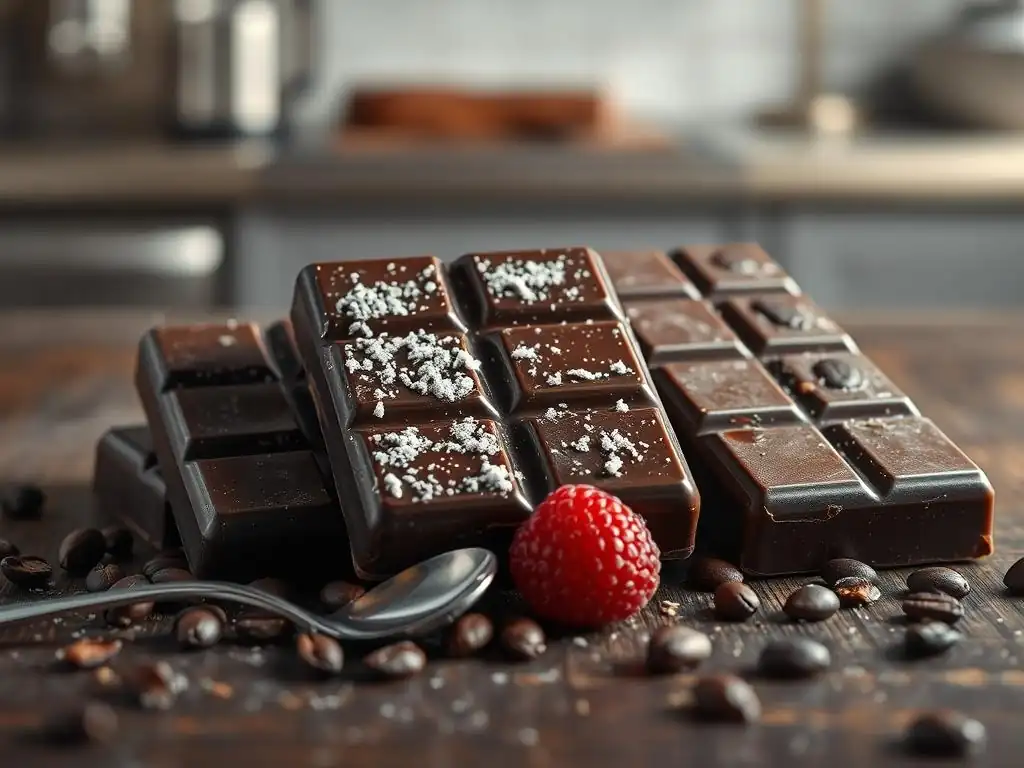
Preventing chocolate bloom is the best way to ensure your chocolate is always ready for any baking task, from melting into cookies to creating delicate molded shapes. Bloom is primarily a storage issue, so controlling the environment is key. Proper storage conditions and handling techniques can significantly reduce the likelihood of both fat and sugar bloom developing, keeping your chocolate looking and performing its best.
Implementing simple storage practices can make a big difference. Think about the enemies of chocolate quality: heat, fluctuating temperatures, moisture, strong odors, and light. Protecting your chocolate from these elements is the foundation of bloom prevention. Additionally, for specific applications like dipping and molding, understanding and utilizing the tempering process is vital for creating stable chocolate that resists fat bloom.
Proper Chocolate Storage: Maintaining Optimal Conditions
Storing chocolate correctly is the most effective way to prevent bloom. The ideal storage environment is cool, dry, dark, and free from strong odors. A consistent temperature between 60°F and 70°F (15°C and 21°C) is generally recommended. Fluctuations outside this range, especially getting too warm or too cold and then warming up in a humid environment, are major culprits for bloom.
Humidity is also a significant factor, particularly for sugar bloom. Chocolate should be stored in a low-humidity environment, ideally below 50% relative humidity. Avoid storing chocolate in the refrigerator unless it's properly sealed to protect it from moisture and odors, and even then, condensation can be an issue when removed. For example, wrapping chocolate tightly in plastic wrap and then placing it in an airtight container before refrigerating can help minimize moisture exposure. A cool pantry or cellar is often a better choice than the fridge for long-term storage.
Tempering Chocolate: Ensuring Stability and Shine
Tempering is a crucial process for working with chocolate, especially for applications requiring a glossy finish and a firm snap, like dipping, molding, or enrobing. Tempering involves carefully melting, cooling, and reheating chocolate to specific temperatures to encourage the cocoa butter crystals to form the most stable structure (known as Beta V crystals). This stable structure is what gives chocolate its desirable physical properties and makes it resistant to fat bloom.
Chocolate that hasn't been properly tempered, or has lost its temper due to poor storage, will likely develop fat bloom much more easily because the cocoa butter is in unstable crystalline forms. Achieving the correct temperatures and agitation during tempering ensures that the Beta V crystals dominate, creating a stable matrix. For example, dark chocolate is typically melted to around 115°F (46°C), cooled to 82-84°F (28-29°C) while agitating, and then gently reheated to 88-90°F (31-32°C) for use. This precise temperature control is essential for preventing future fat bloom and is a key skill for any serious chocolate baker.
Stabilizing Chocolate: Preventing Bloom with Proper Techniques
Beyond storage and tempering, certain techniques can help stabilize chocolate and reduce the risk of bloom in finished products. For instance, ensuring that any added ingredients, like nuts or dried fruit, are completely dry before mixing them into chocolate can help prevent sugar bloom caused by moisture migration. Also, allowing chocolate creations (like dipped candies or molded figures) to set and cool properly in a stable, cool environment helps the chocolate solidify with a strong, bloom-resistant structure.
Using high-quality chocolate with a good percentage of cocoa butter also contributes to stability. Chocolates with added vegetable fats (often labeled as confectionery coating or compound chocolate) behave differently than pure chocolate and may be more or less prone to certain types of bloom depending on the specific fats used. For bakers seeking to avoid bloom and achieve professional results, opting for couverture chocolate (real chocolate with a high cocoa butter content, typically over 30-35% for dark) and handling it correctly is the most reliable method.
Salvaging Bloomed Chocolate: Rescue Ingredients
Finding bloomed chocolate in your pantry doesn't mean it's destined for the trash. In most cases, bloomed chocolate is perfectly salvageable, especially for baking applications where its initial appearance isn't critical. Knowing how to effectively use bloomed chocolate ensures that no delicious ingredient goes to waste.
The key to salvaging bloomed chocolate is usually melting it down. The melting process effectively "resets" the crystalline structure of the fat or sugar, allowing you to reintegrate the migrated crystals back into the bulk of the chocolate. Once melted, the chocolate can be used in various recipes, or in some cases, even re-tempered to restore its glossy finish and snap.
Using Bloomed Chocolate in Baking: Creative Solutions
Bloomed chocolate is ideal for recipes where the chocolate is going to be melted anyway and its final solid appearance isn't the main feature. Think of using it in brownies, cakes, muffins, cookies, or hot chocolate. The bloom disappears completely upon melting, and the flavor remains unaffected (unless the chocolate was also rancid).
For example, if you have a bag of chocolate chips with fat bloom, they are still perfectly fine to use in chocolate chip cookies or to melt down for a chocolate cake batter. Similarly, a bloomed chocolate bar can be chopped and melted for a rich ganache or sauce. Using bloomed chocolate in these applications is a smart way to how to tell if chocolate is still good for certain purposes and avoid waste, as the bloomed appearance has no bearing on the final taste or texture of the baked item itself.
Melting and Retempering: Restoring Chocolate's Appearance
For applications requiring the chocolate to set with a smooth, shiny finish and a crisp snap (like dipping or molding), simply melting bloomed chocolate isn't enough. You need to re-temper it. Retempering involves melting the bloomed chocolate completely, then carefully following the tempering process (melting to a specific temperature, cooling while agitating, and slightly reheating) to encourage the formation of stable cocoa butter crystals.
While you can re-temper bloomed chocolate, sometimes significant bloom can make the process slightly more challenging as the unstable crystals need to be fully melted out. However, with careful temperature control and proper technique, you can often restore the chocolate's working properties and appearance. This is a useful skill for bakers who want to ensure their finished chocolate work looks professional, even if the starting ingredient wasn't perfect. It's how to tell if chocolate can be brought back to life for specific decorative uses.
Chocolate Quality Beyond Bloom: Other Factors to Consider
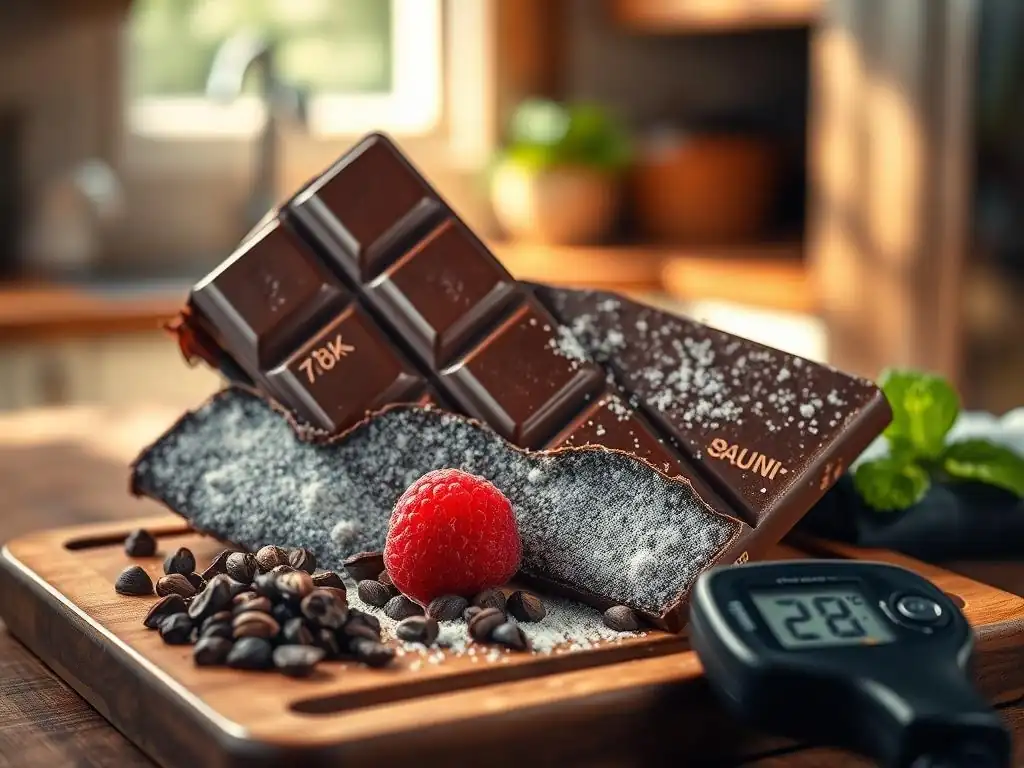
While bloom is a common issue and a key part of how to tell if chocolate has been stored well, it's not the only factor determining chocolate quality. Several other elements contribute to how good chocolate is for baking and eating, including its age, type, and the quality of its ingredients. Considering these aspects provides a more complete picture of your chocolate's usability.
Understanding best-by dates, the differences between dark, milk, and white chocolate, and the importance of ingredient sourcing helps you select and use chocolate effectively. These factors influence not just the potential for bloom, but also the flavor profile, melting properties, and overall performance in recipes.
Expiration Dates: Understanding Best-By Dates
Chocolate, particularly dark chocolate, has a relatively long shelf life due to its low water content. However, it's not immortal. Most chocolate products come with a "Best By" or "Best Before" date, rather than a strict expiration date. This date is the manufacturer's estimate of when the product will be at its peak quality regarding flavor and texture.
Eating chocolate past its best-by date isn't usually unsafe, but its quality may have diminished. It might be more prone to bloom, or the flavors may have faded or become stale due to fat oxidation (rancidity). Dark chocolate typically remains good for 1-2 years past its best-by date if stored properly, while milk and white chocolate, containing dairy fats, have a shorter shelf life, often around 6-12 months past the date. Checking the best-by date is one of the first steps in how to tell if chocolate is likely still in good condition.
Chocolate Type: Dark, Milk, and White Chocolate Considerations
The type of chocolate significantly impacts its properties and how it behaves. Dark chocolate has the highest percentage of cocoa solids and cocoa butter (often 50-80% or more) and no milk solids. Milk chocolate contains cocoa solids, cocoa butter, and milk solids (typically 10-30% cocoa solids). White chocolate contains cocoa butter, milk solids, and sugar, but no cocoa solids.
These differences affect melting points, viscosity, and flavor. Dark chocolate melts at a slightly higher temperature than milk or white chocolate and has a firmer snap when tempered. White chocolate, being primarily fat and sugar, is more sensitive to heat. Understanding these differences is vital for choosing the right chocolate for a recipe and knowing how to handle it properly to prevent issues like bloom. For example, the higher cocoa butter content in dark chocolate can make fat bloom more visually apparent than in milk chocolate.
Ingredient Quality: Starting with the Best Chocolate
The quality of the ingredients used to make the chocolate is fundamental to its overall quality and performance in baking. High-quality chocolate is made from well-sourced cocoa beans, pure cocoa butter, and other fine ingredients like cane sugar and real vanilla. Inferior chocolate might use alternative fats (like palm oil or hydrogenated oils) instead of or in addition to cocoa butter, artificial flavorings, or lower-grade cocoa beans.
Chocolate made with pure cocoa butter is essential for proper tempering and achieving the desired texture and shine in finished goods. Compound coatings, which use vegetable fats instead of cocoa butter, will melt and set differently and cannot be tempered like real chocolate. When assessing how to tell if chocolate is good for your baking project, consider the ingredient list. Choosing chocolate with a high percentage of cocoa butter and minimal additives is usually the best starting point for achieving excellent results and minimizing problems like bloom.
Conclusion: Ensuring Quality Chocolate for Baking
Ultimately, ensuring you have quality chocolate for your baking projects involves more than just avoiding bloom. It requires understanding what bloom is, how to identify it, and recognizing that bloomed chocolate is often still perfectly usable for many applications. Learning how to tell if chocolate is truly past its prime involves checking for rancidity through smell and taste, considering its age relative to the best-by date, and understanding the impact of storage conditions.
By storing your chocolate properly in a cool, dry place away from odors and temperature fluctuations, and by using appropriate techniques like tempering when needed, you can significantly reduce the likelihood of bloom and maintain the chocolate's quality. Even when you do encounter bloom, remember that melting it down often resolves the issue for many recipes. Armed with this knowledge, you can confidently assess your chocolate and use it effectively to create delicious baked goods every time.
Frequently Asked Questions
How does chocolate bloom affect the taste of chocolate?
Chocolate bloom usually doesn't significantly impact the taste. While it may alter the texture slightly, the chocolate is generally still safe and edible. The visual appeal is the most noticeable change.
What are the two main types of chocolate bloom?
There are two types of bloom: fat bloom and sugar bloom. Fat bloom is caused by changes in fat crystals, while sugar bloom results from moisture dissolving sugar on the surface.
How can I prevent chocolate bloom from forming?
Preventing bloom involves proper storage. Keep chocolate in a cool, dry place with stable temperatures. Avoid temperature fluctuations and humidity, as these conditions promote bloom formation.
Is bloomed chocolate safe to use in baking?
Yes, bloomed chocolate is typically safe to use in baking. The bloom will usually disappear when the chocolate is melted and incorporated into the recipe.
How can I tell the difference between bloom and mold on chocolate?
Bloom appears as a whitish or grayish coating, while mold is often fuzzy, discolored (green, blue, or black), and may have an unpleasant odor. If unsure, err on the side of caution and discard it.
Final Reflection: The Enduring Allure of Chocolate, and Knowing When to Let Go
The ability to discern fresh, high-quality chocolate from its past-its-prime counterpart is more than just a culinary skill; it's a testament to appreciating the artistry and craftsmanship behind this beloved treat. Knowing how to tell if your chocolate is still good isn't merely about avoiding a disappointing bite; it's about respecting the ingredients and the process that brought it to your hand.
The impact of chocolate on our culture is undeniable, woven into celebrations, comfort rituals, and even artistic expression. From the ancient Mayan civilizations to modern-day chocolatiers, its allure has persisted through centuries. Its very presence evokes feelings of indulgence and joy. Life is like a box of chocolates; you never know what you're gonna get.
– Forrest Gump. This whimsical quote speaks to the inherent uncertainty, but also the potential for delightful surprises, found in both life and a bar of chocolate. Understanding how to assess its quality allows us to savor those surprises and avoid the disappointments.
Now, consider your own relationship with chocolate. Do you savor each bite, appreciating the nuances of flavor and texture? Or do you simply consume it without much thought? I encourage you to take a moment, the next time you unwrap a bar, to truly examine it – its appearance, its aroma, its texture. By applying the knowledge gained from this article, you can elevate your chocolate experience, transforming a simple indulgence into a mindful appreciation of a truly remarkable food.
Unlock the Secrets of Chocolate Bloom!
Thanks for taking the time to learn about chocolate bloom! You now have the knowledge to confidently handle your chocolate and avoid those frustrating texture issues. Ready to put your newfound expertise to the test?
- Master the art of chocolate storage: Properly storing your chocolate is key to preventing bloom. Experiment with different storage methods and see what works best for you.
- Share your chocolate bloom successes (or challenges!): Let's build a community of chocolate lovers! Share your experiences in the comments below.
- Challenge yourself to a chocolate-making project: Use your new knowledge to create a delicious treat - a decadent truffle, perhaps?
What’s your go-to method for keeping your chocolate in perfect condition?