
Why Your Cookies Spread Too Much (Hint: It Could Be the Sugar)

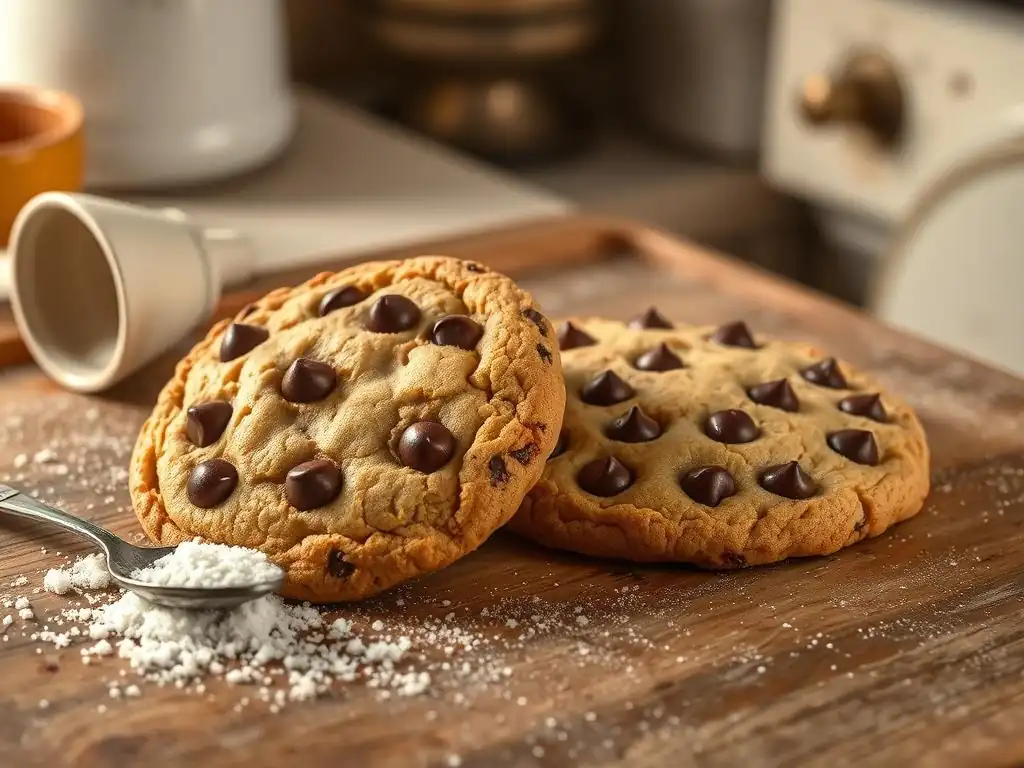
Welcome to BakeWithEase, your guide to confident baking! Ever wondered why your cookies spread too much? It's a common baking woe, and the answer might surprise you. Dive into our latest article to uncover the secrets behind achieving perfectly shaped cookies, starting with the role of – you guessed it – sugar. Ready to unlock the secrets to cookie perfection? Let's get baking!
- Why Your Cookies Spread Too Much (Hint: It Could Be the Fat)
- Bake Like a Pro: Mastering Cookie Baking
- Understanding Cookie Spread: The Role of Ingredients
- The Fat Connection: Too Much Fat in Cookies
- Too Much Fat in Cookies: Identifying the Culprit
- Fixing Flat Cookies: Adjusting Fat Levels for Perfect Cookies
- Beyond Fat: Other Factors Affecting Cookie Spread
- Achieving the Perfect Cookie: Bake Like a Pro Tips
- Fat in Baking: Further Resources from Bake Like a Pro
-
Frequently Asked Questions
- Why did my sugar cookies spread so much during baking?
- How does sugar type affect sugar cookie spreading?
- Can the temperature of the butter contribute to spreading?
- What role does chilling the dough play in preventing spreading?
- Besides sugar, what other ingredients can cause sugar cookies to spread?
- Final Reflection: The Sweet Truth About Perfectly Shaped Cookies
- Unleash Your Perfect Cookie: Bake Better Today!
Baking perfect cookies begins with understanding that precision is everything. When measuring ingredients, a digital scale is your best friend: 227 g of unsalted butter, 200 g of granulated sugar, and 250 g of all-purpose flour provide a reliable baseline. Consistency in mixing methods—whether creaming butter and sugar for 3–4 minutes or folding in dry ingredients gently—ensures even distribution of fat, sugar, and leavening agents.
Another pro tip is to standardize your scoop or tablespoon measure. Using a 1.5-tablespoon cookie scoop yields cookies around 40 g each, which bake uniformly. This prevents stray cookies from over-spreading due to inconsistent dough size. By mastering these basics, you’ll minimize variables and be on your way to bakery-style results every time.
Cookies rise, spread, or stay compact based on ingredient interactions. Fat, sugar, flour, and eggs each bring unique properties; altering one affects the entire chemistry. For instance, too much sugar—or “too much sugar cookies”—not only creates extra sweetness but also contributes to runny dough.
Moisture content is equally crucial. Brown sugar holds about 3.5% moisture from molasses, whereas granulated sugar is almost zero. This subtle water difference can mean the difference between a pillowy center and an excessively thin cookie.
When cookie dough hits the oven at 175 °C (350 °F), several things happen at once:
- Fat Melts: Butter (melting point ~32 °C) liquefies, allowing dough to flow outward.
- Sugar Liquefies and Caramelizes: Granulated sugar’s melting range is between 160–186 °C, contributing to browning and further liquefaction.
- Protein Coagulation: Egg proteins set around 80 °C, eventually giving structure once the initial spread occurs.
“Most cookie spread happens in the first 5 minutes of baking,” notes pastry chef Linda Chua of Portland’s Flour Bakery.
There are three usual suspects:
- Excess Fat: Too much lubrication in the dough.
- High Sugar Ratio: Dough with 1 cup sugar to 1 cup flour can spread by up to 20 mm more than a ¾:1 ratio.
- Insufficient Flour: Underestimating by even 10 g can lead to 15% more spread.
Understanding these factors lets you diagnose the slide-and-spread phenomenon and adjust for thicker, chewier cookies.
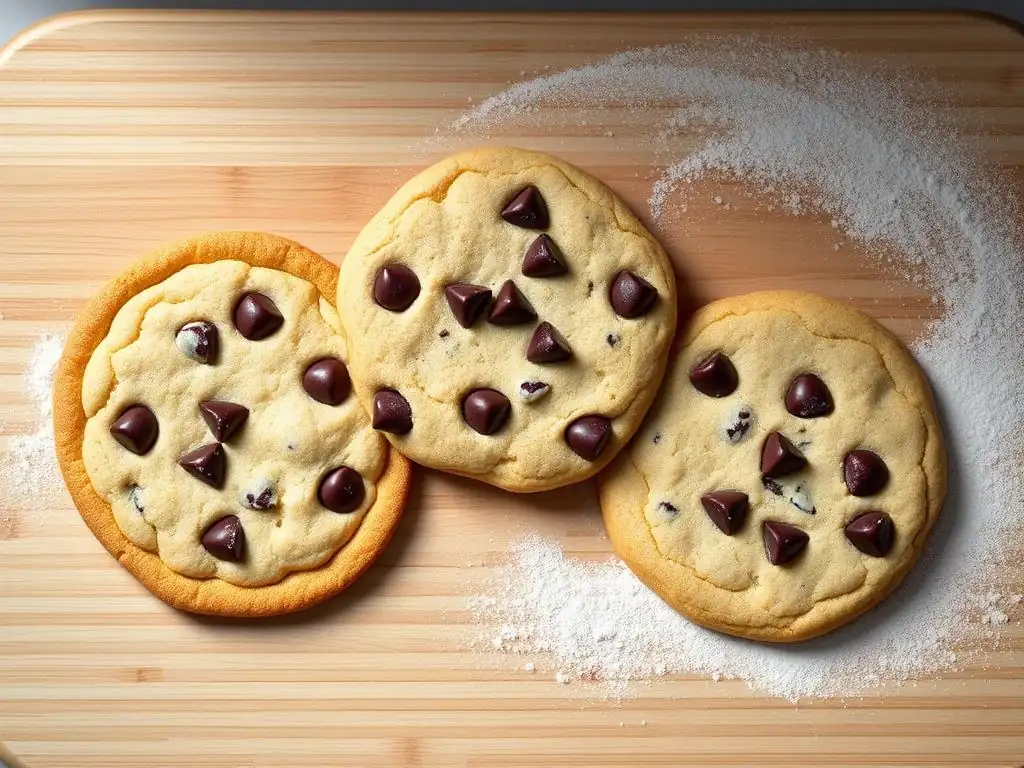
Fat is a double-edged sword: it tenderizes crumb, provides flakiness, and carries flavor—but go overboard, and your cookies will morph into flat, greasy crisps. When your dough contains 30–35% fat by weight, you’re in the sweet spot; above 40%, expect dramatic spreading.
Fat molecules coat flour particles, limiting gluten formation and producing tender cookies. However, excess fat:
- Creates a lower dough viscosity, so cookies spread more.
- Increases grease spots on the baking sheet, indicating oil migration.
- Reduces final thickness, turning soft-centered dough into wafer-thin wafers.
Choosing the right fat influences both flavor and spread. Here’s how:
Butter and Cookie Spread
- Water Content: 16–18% water means steam contributes to lift before collapse.
- Melting Point: ~32 °C, so dough flows early in the bake.
- Flavor: Rich, nutty notes that many home bakers prefer.
Example: A classic Toll House cookie uses 1 cup (227 g) butter and averages 8 mm thickness post-bake. Reduce butter by 15% to gain an extra 2 mm of height.
Shortening and Cookie Spread: A Solid Choice
- 100% Fat: No water means minimal steam rise.
- Higher Melting Point: ~54 °C delays spread until later in the bake.
- Texture: More uniform, less edge-browning.
Professional bakers often substitute half the butter with shortening to cut edge crispiness and produce thicker cookies.
Oil and Cookie Spread: A Liquid Factor
- Fully Liquid at Room Temperature: Immediate lubrication of flour.
- Rapid Spread: Dough can thin by 25% more than butter-based recipes.
- Flavor: Neutral, but lacks the complexity of butter’s milk solids.
Oil-based recipes benefit from extra flour or chilling to compensate for runaway spread.
Recognizing when your dough is too rich in fat is the first step to correction.
Recognizing the Signs of Excessive Fat in Your Dough
- A shiny, greasy sheen on the surface.
- Pooling oil on your work surface after scooping.
- Dough that feels overly soft or doesn’t hold shape.
If your dough cowers under light pressure or leaves oil spots on parchment, you’re dealing with too much fat.
Yes. If cookies consistently fall below 6 mm thickness after a 10-minute bake at 175 °C, check your fat ratio. Dropping fat content by 10–15% often recovers 1–2 mm of height and improves edge definition.
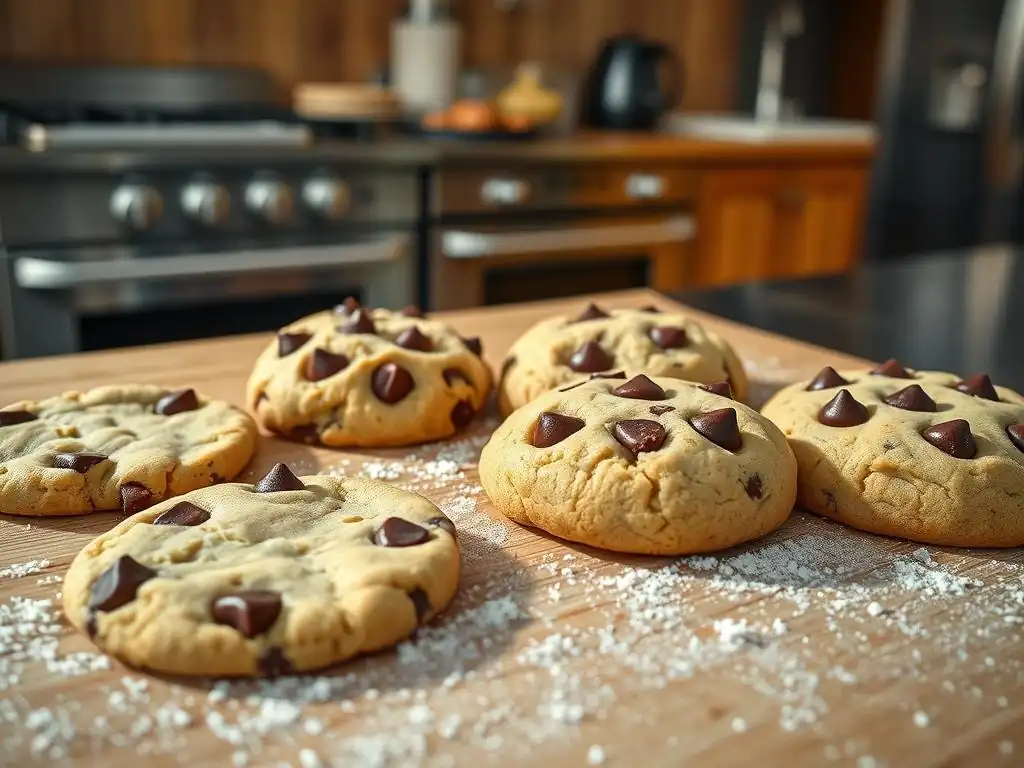
Simple tweaks can transform a flat disaster into a bakery-worthy treat.
Reducing Fat Content for Less Spread
- Cut butter by 15%: Replace 60 g for a standard 400 g dough.
- Or swap ½ cup butter for ⅓ cup shortening to maintain richness.
Always weigh adjustments to preserve the overall dough hydration.
Achieving equilibrium between fat, sugar, and flour is crucial.
The Role of Flour in Controlling Spread
Higher-protein flours absorb more fat and liquid. Switching from all-purpose (10% protein) to bread flour (12% protein) can cut spread by 10–12%. Alternatively, add 2 tbsp (16 g) extra flour per 250 g to stiffen the dough.
The Importance of Sugar Granulation
Granulated sugar crystals create tunnels for melted fat to rush through. Using a finer sugar (superfine) or reducing sugar by 1–2 tbsp (12–24 g) curbs over-spread. Beware of Too much sugar cookies—these often flatten because excess sugar liquefies early, turning them into thin crisps.
Egg's Effect on Cookie Structure
Egg whites (protein) boost structure, while yolks (fat) tenderize. Using one extra egg white (≈30 g) can firm up the dough, reducing spread by approximately 8% without altering fat content excessively.
Though fat is a prime suspect, other variables also play Hitchcockian roles in your cookie drama.
Oven Temperature and Baking Time
- Baking at 325 °F (163 °C) yields ~12 mm cookies; 350 °F (175 °C) yields ~10 mm.
- Each 25 °F drop increases spread by ~15%.
Always preheat for at least 20 minutes and use an oven thermometer for accuracy.
- Dark pans absorb more heat → more spread
- Insulated pans reflect heat → less spread
- Grease or no grease? Greasing can add 3–4 mm of unwanted spread. Parchment is usually sufficient.
Dough Chilling: A Crucial Step
Chill dough for 30 minutes to 2 hours to solidify fats. In trials at King Arthur Flour, chilled dough spread 20% less than room-temperature dough, yielding chewier centers and defined edges.
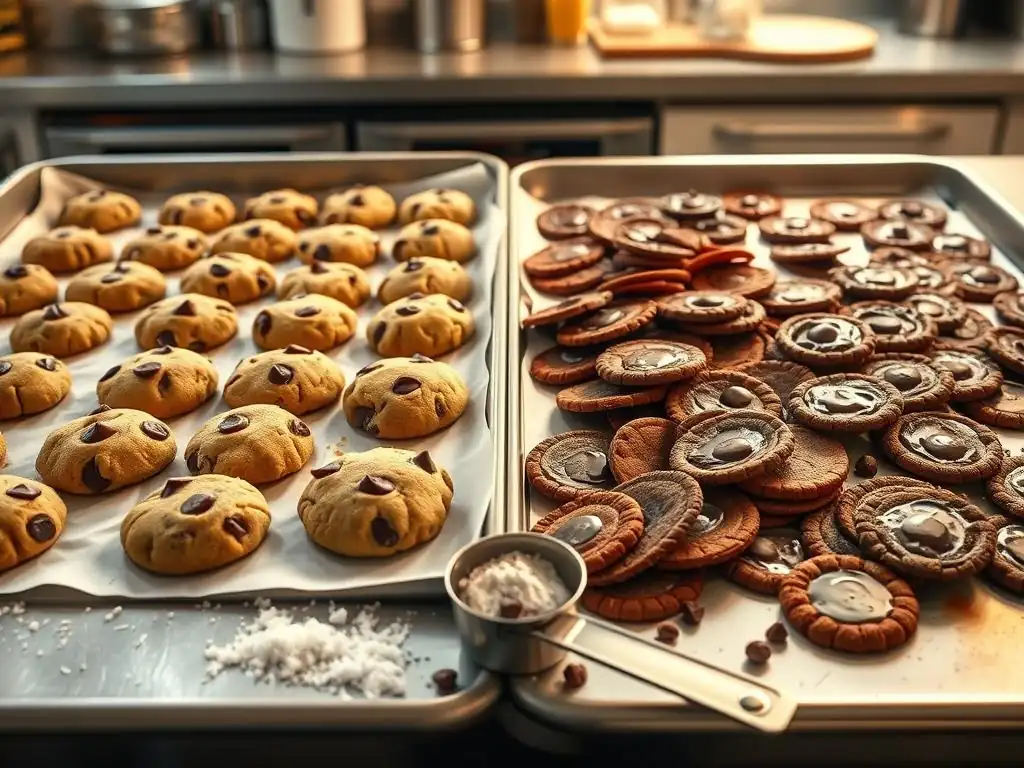
Measuring Ingredients Accurately for Consistent Results
- Use a digital scale (±1 g accuracy).
- Level off measuring cups—no dipping!
- Track humidity: >60% RH can add moisture, so reduce water or sugar slightly.
Experimenting with Fat Ratios for Desired Texture
Start with a 1:1 flour-to-fat ratio by weight, then fine-tune by ±5%. Keep notes:
- 1:1 → classic chewy
- 1:0.9 → slightly firmer
- 1:1.1 → more tender, slightly spread
- Over-browned edges: lower oven temp by 10 °F
- Undercooked centers: increase bake time by 1–2 minutes
- Dry, crumbly texture: add 1 tbsp milk or egg white per batch
- Uneven spread: rotate sheets halfway through baking
Fat in Baking: Further Resources from Bake Like a Pro
Articles about different types of fat in baking
- Understanding Fats: Butter vs. Margarine vs. Shortening
- Healthier Fats: Using Coconut Oil and Nut Butters in Cookies
- Emulsifiers and Lecithin: Improving Dough Stability
- Chewy Molasses Cookies (30% fat)
- Classic Oatmeal Raisin Cookies (28% fat, extra egg white)
- Low-Spread Italian Biscotti (25% fat, high-protein flour)
Frequently Asked Questions
Excessive spreading in sugar cookies is often due to having too much sugar in the dough relative to other ingredients. High sugar content lowers the melting point, causing the cookies to flatten out quickly.
Different types of sugar impact the outcome. For instance, granulated sugar can contribute to spreading more than powdered sugar due to its coarser texture and how it interacts with the dough.
Can the temperature of the butter contribute to spreading?
Yes, using softened butter that is too warm or even melted can cause cookies to spread. Butter that is too soft will melt quickly in the oven, leading to a flatter cookie.
What role does chilling the dough play in preventing spreading?
Chilling the dough is crucial as it allows the butter to solidify, slowing down the melting process during baking. This helps the cookies retain their shape and prevents excessive spreading.
Too much liquid, such as eggs or milk, can also contribute to spreading. Using the correct measurements for all ingredients is essential for preventing overly thin cookies.
The seemingly simple act of baking cookies reveals a complex interplay of ingredients, and understanding that interplay is key to achieving baking success. A perfectly crisp edge and a chewy center aren't just about following a recipe; they're about mastering the science behind the bake. Too much sugar, as we've explored, can lead to disastrously flat, spread-out cookies, a common frustration for even experienced bakers.
This exploration into the world of cookie baking has highlighted more than just the impact of sugar; it's revealed a deeper truth about precision and attention to detail in the culinary arts. The seemingly minor adjustments we make to a recipe can have profound effects on the final product. This resonates far beyond the kitchen; it speaks to the importance of understanding the underlying mechanisms in any endeavor we undertake. The details are not the details. They make the design.
- Charles Eames. This quote perfectly encapsulates the lesson learned: mastering the details, in this case, the precise amount of sugar, is what elevates a good cookie to a great one.
Now, consider your own "recipes" for success – whether it's a project at work, a personal goal, or a relationship. Are you paying attention to the "sugar" in your approach? Are you allowing one element to overshadow the others, leading to an unbalanced and ultimately less satisfying outcome? Take a moment to reflect on this. Identify the "too much sugar" in your own life and adjust accordingly. Embrace the precision, the attention to detail, and the rewarding results that come from a carefully considered approach. The perfectly shaped cookie, after all, is a metaphor for a life well-lived.
Thanks for diving into the world of perfectly-baked cookies! We hope you discovered some valuable tips to avoid that dreaded cookie spread. Now, it's time to put your newfound knowledge into action.
- Master the art of the perfect cookie: Experiment with reducing the sugar in your next batch, and watch the difference it makes in size and texture. Take notes!
- Share your baking triumph (or even your cookie disasters!): Let's build a community of bakers learning together. Share your cookie-baking experience in the comments below.
- Challenge yourself: Try baking a new cookie recipe that specifically controls spread by adjusting the ingredients. Let's see what you create!
Ready to bake the most perfect cookies you’ve ever tasted? What's your favorite trick for avoiding cookie spread?