
Date Sugar Demystified: Baking with Whole Fruit Sweetness and Its Challenges

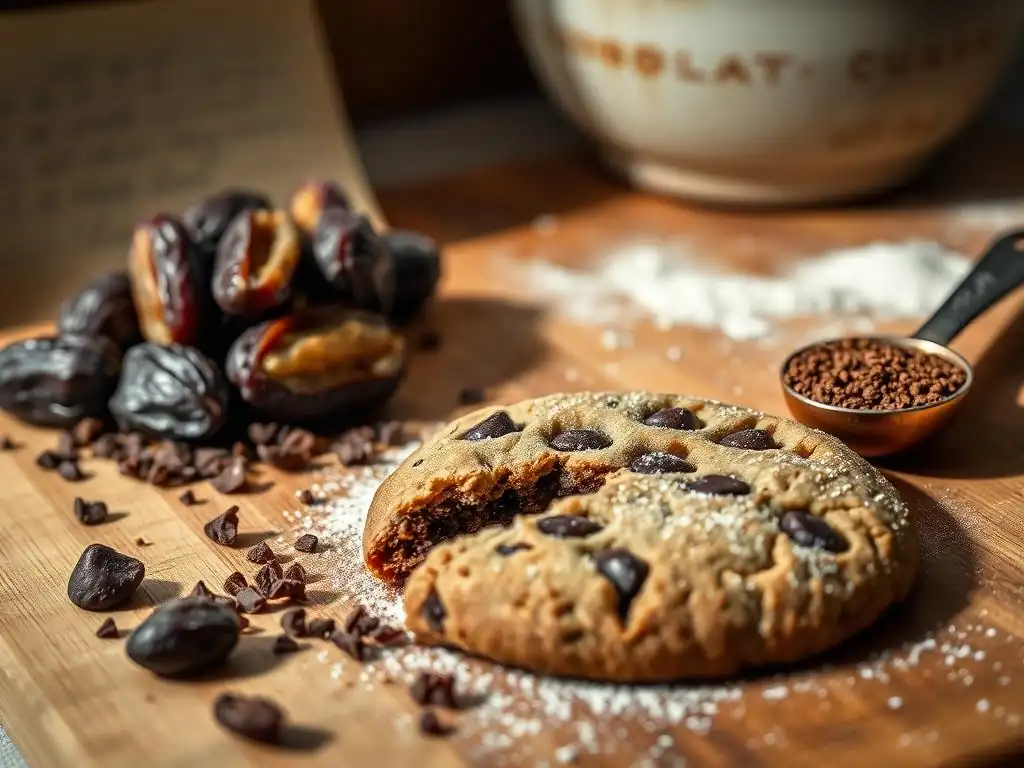
Welcome to BakeWithEase, your haven for effortless baking! Ever wondered if you could swap refined sugar for something naturally sweeter and healthier? In this article, we're diving deep into the world of date sugar, exploring its benefits and the date sugar baking challenges you might encounter. Discover how to navigate these hurdles and unlock a world of delicious possibilities. Ready to bake with whole fruit sweetness? Let's get started!
- Coconut Sugar: A Baker's Guide to Natural Sweetness and Its Nuances
- Introduction to Coconut Sugar in Baking: A Baker's Perspective
- What is Coconut Sugar? Understanding Palm Blossom Sweetener
- Baking with Coconut Sugar: Exploring the Caramel Notes
- Coconut Sugar Baking Challenges: Addressing Moisture and Texture
- Coconut Sugar Baking Recipes: Ideas and Adaptations
- Coconut Sugar Substitutions and Combinations: Balancing Sweetness
- Tips for Successful Coconut Sugar Baking: Achieving Optimal Results
- Troubleshooting Coconut Sugar Baking: Addressing Common Issues
- The Future of Coconut Sugar in Baking: Trends and Applications
- Conclusion: Utilizing Coconut Sugar for Naturally Sweetened and Flavorful Baking
-
Frequently Asked Questions
- What exactly is date sugar, and how is it different from regular granulated sugar?
- What are some common "Date Sugar Baking Challenges" bakers face when first using it?
- Can I substitute date sugar 1:1 for regular granulated sugar in all recipes?
- What types of baked goods work best with date sugar?
- How can I overcome the grittiness sometimes associated with date sugar in baking?
- Final Reflection: Harvesting the Sweetness, Embracing the Challenges
- Unleash Your Inner Baker: Mastering Date Sugar!
Coconut Sugar: A Baker's Guide to Natural Sweetness and Its Nuances
Introduction to Coconut Sugar in Baking: A Baker's Perspective
Bakers are increasingly exploring natural sweeteners as alternatives to traditional refined sugars. Coconut sugar, derived from the sap of the coconut palm blossom, has gained popularity for its perceived health benefits, richer flavor, and unique properties. Unlike highly processed white sugar, coconut sugar retains more nutrients and boasts a distinct caramel-like taste that can add depth to baked goods. However, like any alternative ingredient, it comes with its own set of considerations and techniques required for successful baking outcomes.
This guide delves into the world of coconut sugar, covering everything from its origin and composition to its specific performance in baking. We'll explore its flavor profile, how to measure and substitute with it, and crucially, address the common coconut sugar baking challenges bakers might encounter. Understanding these nuances is key to seamlessly incorporating this sweetener into your favorite recipes and achieving delicious, naturally sweetened results. Navigating the unique properties of alternative sugars, including understanding date sugar baking challenges, is part of the journey toward versatile and health-conscious baking.
What is Coconut Sugar? Understanding Palm Blossom Sweetener
Coconut sugar is a natural sugar produced from the sap of the flower buds of the coconut palm tree ( Cocos nucifera). Harvesters climb the palm trees and tap the unopened flower blossoms, collecting the sweet, milky sap into containers. This sap is then heated, which causes the water content to evaporate, leaving behind a granulated sugar that ranges in color from light brown to deep brown, depending on the processing and the source of the sap.
Despite its name, coconut sugar does not taste like coconut. Its flavor is often described as having notes of caramel, toffee, or brown sugar, which makes it a delightful addition to various baked goods. Its nutritional profile is often cited as being slightly better than refined sugar, containing trace amounts of minerals like iron, zinc, calcium, and potassium, as well as some short-chain fatty acids and antioxidants. While these amounts are small compared to whole foods, they represent a difference from the empty calories of refined sugar.
Coconut Sugar vs. Refined Sugar: A Glycemic Index Comparison for Bakers
One of the primary reasons bakers and health-conscious consumers turn to coconut sugar is its reported lower glycemic index (GI) compared to refined white sugar. The glycemic index is a measure of how quickly a food causes a rise in blood sugar levels.
While refined white sugar typically has a GI around 60-65, coconut sugar is often cited with a GI of around 35-54. However, it's important to note that GI values can vary depending on factors like processing methods, geographical origin, and even individual metabolism, and some studies suggest its GI might be closer to that of regular sugar.
For bakers, a lower GI might appeal to those managing blood sugar levels, but it's crucial to remember that coconut sugar is still sugar and should be used in moderation. Its impact on blood sugar is still significant when consumed in typical baking quantities. Understanding the GI differences between various sweeteners, including the unique characteristics and potential date sugar baking challenges associated with using a whole-fruit sweetener like date sugar, helps bakers make informed choices for different dietary needs and recipe goals.
The Evaporation Process: How Coconut Sugar is Made
The creation of coconut sugar is a relatively simple, natural process compared to the complex refining of white sugar. It begins with tapping the coconut palm blossoms to collect the sugary sap. This sap is perishable and must be processed quickly to prevent fermentation.
Once collected, the sap is transferred to large woks or pans and heated over moderate heat. The heat causes the water in the sap to evaporate slowly. As the moisture level decreases, the sap thickens and begins to crystallize. The mixture is stirred continuously to prevent burning and to encourage the formation of small granules. When most of the water has evaporated, the remaining solid is cooled and then sieved or crumbled to produce the final granulated coconut sugar product. The degree of heating and filtering can influence the color and particle size of the final sugar.
Baking with Coconut Sugar: Exploring the Caramel Notes
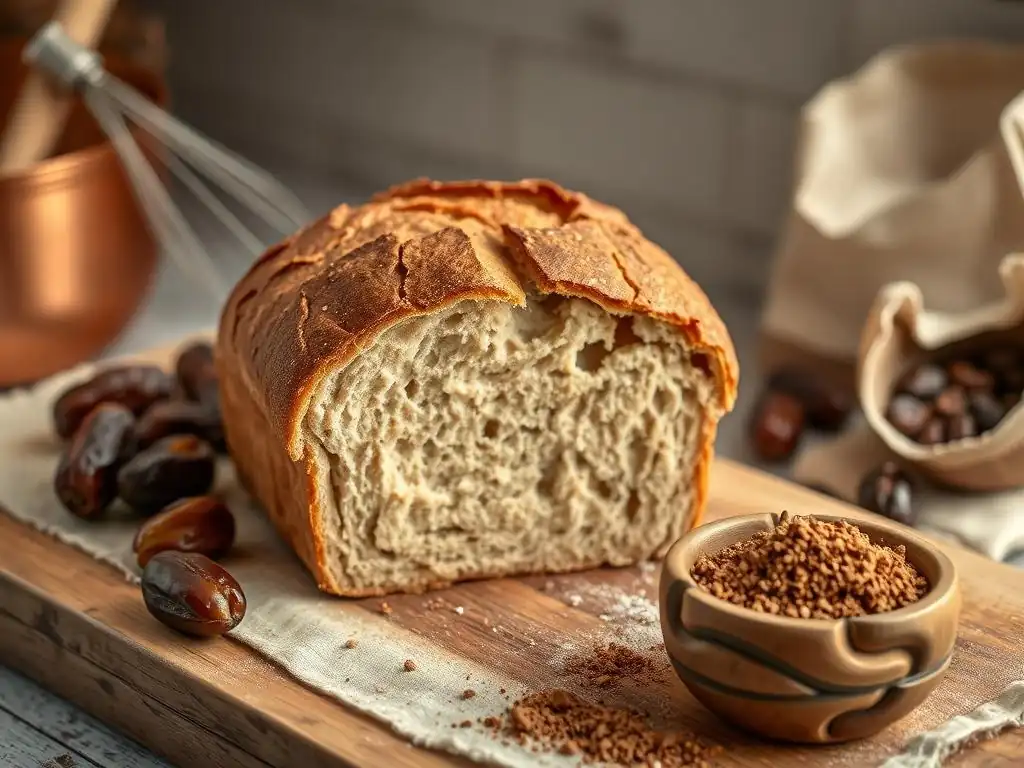
Coconut sugar brings more than just sweetness to baked goods; it imparts a lovely, subtle caramel or toffee flavor that can enhance the complexity of many recipes. This makes it a natural fit for items where brown sugar is traditionally used, such as chocolate chip cookies, muffins, and cakes. The depth of flavor it adds can elevate simple recipes, providing a warm, rich undertone that refined sugar lacks.
When substituting coconut sugar for white or brown sugar, consider the flavor profile you want to achieve. Its distinct taste pairs particularly well with ingredients like chocolate, vanilla, nuts, cinnamon, and bananas. While it can be used as a direct substitute in many recipes, bakers should be mindful of its unique properties, including its moisture content and granulation, which can affect the final texture and appearance of the baked good. Embracing these nuances is key to successfully integrating coconut sugar into your baking repertoire.
Coconut Sugar's Flavor Profile: How it Complements Baked Goods
The characteristic caramel or toffee flavor of coconut sugar is its defining feature in baking. This flavor isn't overpowering; it's subtle and warm, adding a layer of complexity that complements a wide range of ingredients. In chocolate-based recipes, for instance, it can deepen the cocoa flavor. When paired with spices like cinnamon or nutmeg in muffins or quick breads, it enhances the comforting, autumnal notes.
This rich flavor profile makes coconut sugar an excellent choice for baked goods where you want more than just sweetness. It can transform a simple cookie into a more sophisticated treat or add richness to a plain vanilla cake. Experimenting with coconut sugar in recipes that traditionally use brown sugar is a great starting point, as their flavor profiles are somewhat similar, though coconut sugar tends to be less intensely molasses-flavored.
Measuring Coconut Sugar: Considerations for Granularity
Coconut sugar typically has a larger and more irregular granule size than refined white sugar, and it can sometimes be coarser than brown sugar. This difference in granularity can affect how it packs into measuring cups and how quickly it dissolves in batters and doughs. While many recipes suggest a 1:1 substitution ratio by volume when replacing white or brown sugar with coconut sugar, it's important to be aware that this might not always yield identical results due to the difference in density and particle size.
For precision, measuring by weight is always recommended in baking, and this is particularly true when using alternative sugars like coconut sugar. If measuring by volume, gently spoon the coconut sugar into the measuring cup and level it off, similar to measuring flour, rather than packing it like brown sugar, unless the recipe specifically indicates otherwise. The coarser granules might also require slightly longer mixing times to ensure they are adequately dissolved and distributed throughout the batter, helping to avoid a gritty texture in the final product.
Coconut Sugar Baking Challenges: Addressing Moisture and Texture
While coconut sugar offers appealing flavor and nutritional benefits, it does present specific challenges in baking that differ from using refined sugars. One of the most common issues relates to its moisture content and how it behaves during mixing and baking. Understanding these challenges is crucial for adapting recipes and achieving desirable results. These challenges are distinct from, say, the date sugar baking challenges one might face when working with date paste or granulated date sugar, which have their own unique properties related to fruit fibers and stickiness.
Coconut sugar tends to absorb moisture from the air more readily than white sugar, which can affect its texture in storage and its performance in doughs. It also has a slightly lower moisture content inherently compared to brown sugar. These factors can influence the spread of cookies, the rise of cakes, and the overall tenderness of baked goods, sometimes leading to drier or more crumbly textures if not accounted for. Successfully baking with coconut sugar requires attention to hydration and binding techniques.
The Challenge: Coconut Sugar's Moisture Content
Coconut sugar's unique composition means it holds onto moisture differently than other sugars. While it can absorb ambient moisture, making it prone to clumping, it can also contribute to a drier finished product in some baking applications compared to using brown sugar. This is because brown sugar contains added molasses, which provides extra moisture and acidity. Coconut sugar, lacking this added molasses, relies solely on its inherent moisture.
When substituting coconut sugar 1:1 for brown sugar, particularly in recipes where moisture is critical (like chewy cookies or moist cakes), you might find the resulting baked goods are less moist and spread less. This requires potential adjustments to the liquid components in the recipe or the addition of ingredients that enhance moisture and binding, such as extra egg yolk, yogurt, applesauce, or mashed banana. Overcoming this aspect of coconut sugar baking challenges ensures your treats remain tender and delicious.
Preventing Crumbliness: Binding Techniques when Using Coconut Sugar
Due to its tendency to contribute to drier textures, baked goods made with coconut sugar can sometimes turn out crumbly. This is especially true in recipes that rely heavily on the sugar's moisture content and binding properties, like shortbread or certain types of cookies. The lack of molasses found in brown sugar means coconut sugar doesn't provide the same level of binding stickiness.
To counteract potential crumbliness when using coconut sugar, consider incorporating ingredients that act as binders and add moisture. Adding an extra egg yolk, a tablespoon or two of milk or plant-based milk, a bit of applesauce, or even a small amount of a sticky liquid sweetener like maple syrup or agave can help improve the texture. Using ingredients like mashed banana or pumpkin puree, common in quick breads and muffins, also adds moisture and structure. Ensuring adequate mixing to help dissolve the sugar granules can also contribute to a better-bound dough or batter.
Browning and Texture: Monitoring Baking Times with Coconut Sugar
Coconut sugar has a lower melting point than refined white sugar and caramelizes more quickly due to its composition and the presence of trace minerals. This means baked goods made with coconut sugar tend to brown faster, often resulting in a darker exterior color even if the interior isn't fully cooked. This rapid browning requires bakers to pay close attention to baking times and oven temperatures.
To prevent over-browning while ensuring the inside is properly baked, you might need to slightly reduce the oven temperature (by about 10-15°F or 5-8°C) or tent the baked goods loosely with foil partway through the baking time, especially for cakes or muffins. For cookies, watch for the edges to set rather than waiting for the center to turn a deep golden brown. Understanding this characteristic browning is key to successfully navigating coconut sugar baking challenges related to appearance and texture.
Coconut Sugar Baking Recipes: Ideas and Adaptations
Coconut sugar can be successfully incorporated into a wide variety of baked goods, bringing its unique flavor and natural sweetness. While it can be substituted in many recipes, adapting techniques slightly often yields the best results. From classic cookies to moist muffins and even sauces, coconut sugar offers versatility for the adventurous baker.
Experimenting with recipes that naturally benefit from a caramel-like flavor is a great starting point. Think about recipes where brown sugar is typically used or where flavors like chocolate, banana, or warm spices are prominent. With minor adjustments to account for moisture and granularity, you can create delicious treats that showcase the natural goodness of coconut sugar.
Adapting a classic chocolate chip cookie recipe to use coconut sugar can result in cookies with a delightful chewiness and a subtle caramel undertone that complements the chocolate beautifully. Start with a standard recipe that uses a mix of white and brown sugar. Replace the brown sugar 1:1 with coconut sugar. For the white sugar, you can replace it 1:1 as well, or use a slightly smaller amount (e.g., 7/8 cup coconut sugar for 1 cup white sugar) if you prefer less sweetness or are concerned about spread.
To enhance chewiness and counteract potential dryness, consider adding an extra egg yolk to the dough or using melted butter instead of softened butter. Chilling the dough is also crucial; it allows the flavors to meld and the sugar to dissolve further, contributing to a better texture and reducing excessive spread caused by the lower melting point of coconut sugar. Bake just until the edges are set and the centers still look slightly underbaked for that perfect chewy texture.
Coconut Sugar Banana Muffins: Adapting Traditional Recipes for Moistness
Banana muffins are naturally moist thanks to the mashed bananas, which makes them an excellent candidate for using coconut sugar. Coconut sugar's caramel notes pair wonderfully with banana and spices like cinnamon and nutmeg. When substituting coconut sugar for white or brown sugar in a muffin recipe, a 1:1 volume swap usually works well, especially since the banana provides ample moisture.
To ensure maximum moistness, don't overmix the batter; stir just until the dry ingredients are incorporated. Using ripe, spotty bananas is also key, as they are sweeter and provide more moisture. If your recipe calls for a liquid fat like oil, this also helps keep muffins tender. Monitor baking time closely, as coconut sugar will cause the tops to brown faster. A toothpick inserted into the center should come out with moist crumbs, not entirely clean, indicating a perfectly baked, moist muffin.
Coconut Sugar Caramel Sauce: Exploring Coconut Sugar in Sauces
Coconut sugar isn't limited to baked goods; it can also be used to create delicious sauces, including a rich caramel sauce. While traditional caramel sauce relies on the specific chemistry of heating white sugar, coconut sugar can be melted with liquid (like coconut milk or cream) and fat (like butter or coconut oil) to create a similarly rich, pourable sauce with its characteristic caramel flavor.
To make a simple coconut sugar caramel sauce, combine coconut sugar, a liquid (coconut milk or heavy cream), and a fat in a saucepan over medium heat. Stir until the sugar is dissolved and the mixture comes to a boil. Reduce heat and simmer, stirring occasionally, until the sauce thickens to your desired consistency, usually 5-10 minutes. Be careful not to burn the sugar, as it darkens quickly. A pinch of salt can enhance the caramel flavor. This sauce is perfect for drizzling over ice cream, cakes, or fruit.
Coconut Sugar Substitutions and Combinations: Balancing Sweetness
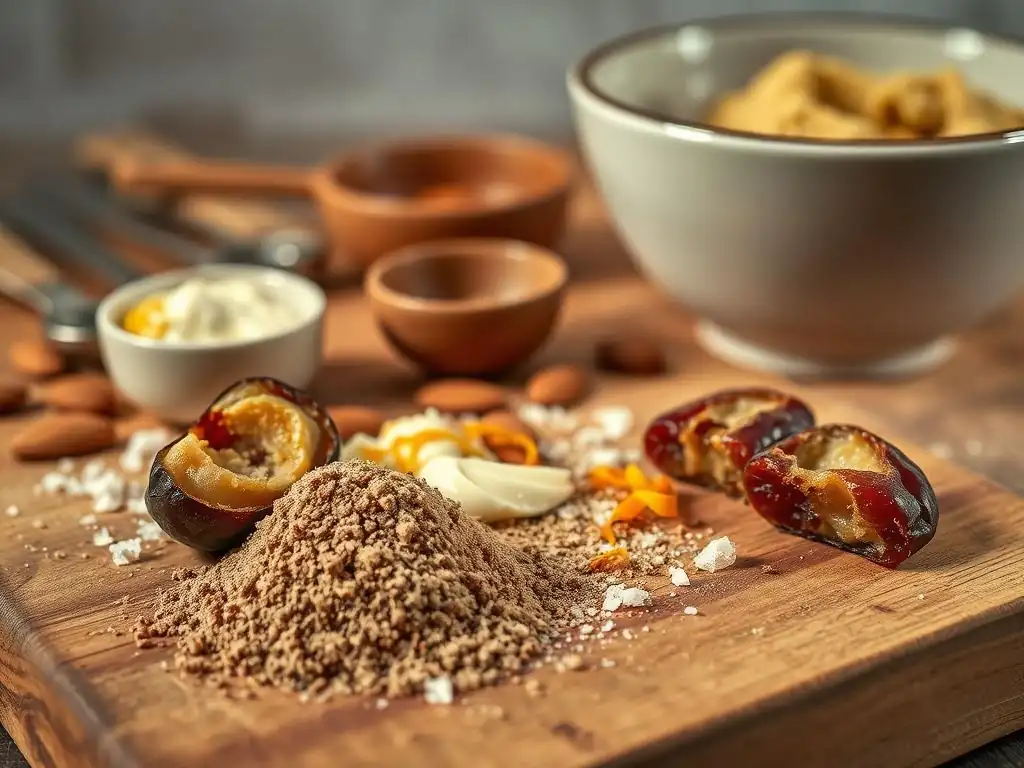
Understanding how to substitute and combine coconut sugar with other sweeteners provides flexibility in baking and allows you to tailor recipes to specific flavor profiles and dietary needs. While a simple 1:1 substitution is often a starting point, fine-tuning ratios and considering combinations can lead to improved results and a wider range of applications. Exploring alternatives also highlights the varying date sugar baking challenges compared to working with other granulated or liquid sweeteners.
Combining coconut sugar with other sweeteners can balance its distinct flavor or adjust the final texture of a baked good. Substituting it entirely or partially for other sugars requires knowledge of how different sweeteners behave. Becoming familiar with these techniques allows bakers to confidently integrate coconut sugar into almost any recipe or find the best alternative when coconut sugar isn't the ideal fit.
Combining Coconut Sugar with Maple Syrup for Depth of Flavor
Combining coconut sugar with liquid sweeteners like maple syrup or honey can add complexity and moisture to baked goods. Maple syrup, in particular, offers its own distinct flavor that harmonizes well with the caramel notes of coconut sugar. Using a combination can also help mitigate some of the dryness issues sometimes associated with using only coconut sugar.
In recipes like granola bars, muffins, or quick breads, replacing a portion of the granulated sugar with maple syrup can improve binding and moisture. For instance, you might use half the amount of coconut sugar called for and add a few tablespoons of maple syrup, slightly reducing other liquids in the recipe to maintain the correct batter consistency. This approach not only enhances the flavor profile but also helps achieve a desirable chewy or moist texture.
Substituting Coconut Sugar for White Sugar: Ratios and Adjustments
When substituting coconut sugar for refined white sugar, a common starting point is a 1:1 ratio by volume. However, due to the difference in particle size and density, this can sometimes result in a slightly sweeter or less sweet outcome depending on how the sugar is measured. By weight, the substitution is usually also 1:1, but precise baking scales are recommended for accuracy.
Beyond the ratio, consider the impact on texture and color. Coconut sugar will make baked goods darker and potentially drier. You might need to increase the liquid slightly (1-2 tablespoons per cup of substituted sugar) or add a binder like an extra egg yolk. For recipes where a light color is desired (like a vanilla cake), coconut sugar might not be the best substitute. Remember that substituting other natural sweeteners, like navigating date sugar baking challenges, involves different considerations regarding texture, sweetness intensity, and moisture content, often requiring specific recipe adaptations.
Coconut Sugar Alternatives: Exploring Other Low-Glycemic Sweeteners
Bakers interested in low-glycemic or natural sweeteners have several options beyond coconut sugar. Exploring these alternatives can help diversify your baking and find the best fit for different recipes and dietary needs. Common alternatives include date sugar, maple sugar, agave nectar, maple syrup, honey, and non-nutritive sweeteners like stevia or erythritol.
Each alternative has its own flavor profile, sweetness level, and baking properties. Date sugar, made from dried and ground dates, offers a whole-fruit sweetness and fiber but doesn't dissolve like granulated sugar, presenting its own set of date sugar baking challenges, particularly regarding texture and consistency. Maple sugar behaves similarly to brown sugar but has a distinct maple flavor. Liquid sweeteners add moisture but require adjusting other liquids and potentially baking times. Understanding the characteristics of these alternatives helps bakers choose the most suitable sweetener for their desired outcome.
Tips for Successful Coconut Sugar Baking: Achieving Optimal Results
To consistently achieve great results when baking with coconut sugar, a few key tips can make a significant difference. These tips help address the unique properties of coconut sugar, from its granularity to its moisture absorption, ensuring your baked goods turn out just right – moist, flavorful, and with the desired texture.
Paying attention to how you handle and measure the sugar, as well as how you integrate it into your doughs and batters, can prevent common issues like grittiness or dryness. Simple techniques can help unlock the full potential of coconut sugar's flavor and natural sweetness in your baking.
Using a Food Processor for Finer Coconut Sugar
If you find your coconut sugar is particularly coarse and resulting in a slightly gritty texture in fine-textured baked goods like cakes or muffins, you can process it briefly in a food processor or blender. Pulsing the coconut sugar for a few seconds will create a finer, more uniform granule size, closer to that of granulated white sugar.
This finer texture helps the sugar dissolve more easily into batters and doughs, contributing to a smoother texture in the final product. Be careful not to over-process, as you don't want to turn it into a powder, which can have different effects on the recipe. A few short pulses are usually sufficient to break down the larger crystals.
Adding Liquids Carefully to Avoid Stickiness
While coconut sugar can contribute to dryness in the final baked good, the raw sugar itself can become quite sticky when combined with liquids, especially warm liquids. Its tendency to absorb moisture means it can clump or create a thick, sticky mass if not handled correctly during the mixing process.
When adding liquid ingredients to your dry ingredients that include coconut sugar, incorporate them gradually and mix until just combined. If creaming butter and sugar, ensure the butter is softened (but not melted) to create a proper emulsion. Avoid adding all liquid at once, particularly in recipes with minimal moisture. This careful approach helps prevent the sugar from seizing or clumping, ensuring even distribution throughout the batter or dough.
Storing Coconut Sugar Properly to Prevent Clumping
Coconut sugar is hygroscopic, meaning it readily absorbs moisture from the air. This can cause it to clump together, making it difficult to measure and use. Proper storage is essential to maintain its granulated texture and usability.
Store coconut sugar in an airtight container in a cool, dry place, away from direct sunlight or sources of humidity. Glass jars with tight-fitting lids or plastic containers with sealed gaskets work well. If your coconut sugar does clump, you can often break it up by hand or by giving the sealed container a few taps against a counter. For stubborn clumps, briefly processing it in a food processor (as mentioned earlier) can restore its granulated form.
Troubleshooting Coconut Sugar Baking: Addressing Common Issues
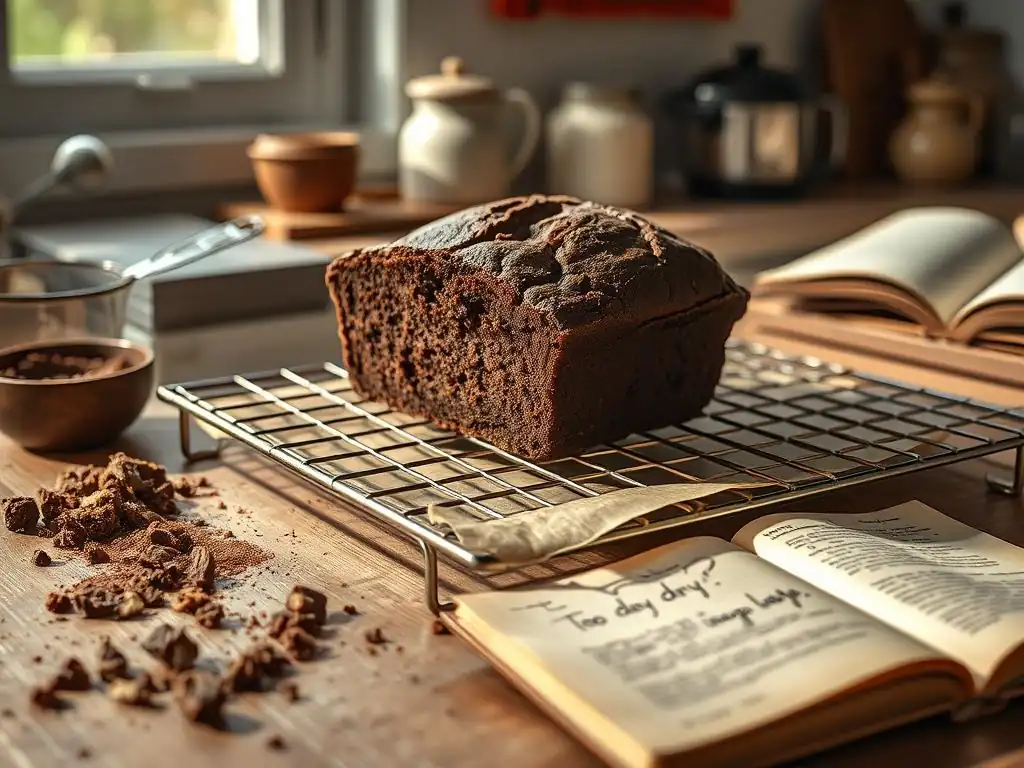
Even with careful technique, you might encounter issues when baking with coconut sugar. Understanding the common problems and their causes can help you troubleshoot and adjust your approach for future baking sessions. Many issues relate to the unique ways coconut sugar behaves compared to refined sugars, particularly concerning color, texture, and sweetness.
Learning to identify the signs of over-browning, uneven texture, or insufficient sweetness allows you to make targeted adjustments to your recipes or techniques. These troubleshooting steps will build your confidence and skill in using this alternative sweetener effectively.
Baked Goods Too Dark: Understanding Coconut Sugar's Caramelization
A frequent complaint when using coconut sugar is that baked goods turn out too dark on the outside before the inside is fully cooked. This is due to coconut sugar's lower melting point and higher rate of caramelization compared to white sugar. The natural compounds in coconut sugar, including trace minerals, promote faster browning reactions.
If your baked goods are consistently too dark, try reducing your oven temperature by 10-15°F (5-8°C). You can also cover the baked goods loosely with aluminum foil once they have reached your desired color but still require more baking time internally. For cookies, removing them from the oven when the edges are set but the center is still slightly soft will often prevent over-browning and result in a chewier texture.
Inconsistent Texture: Adjusting Mixing Times and Techniques
Inconsistent texture, such as a slightly gritty mouthfeel or uneven crumb, can sometimes occur when using coconut sugar, particularly if the granules are coarse. This often happens if the sugar hasn't fully dissolved or been evenly distributed within the batter or dough.
Ensure you are mixing the batter or dough long enough to allow the coconut sugar granules to begin dissolving. This might require slightly longer mixing times than you're used to with finer sugars, especially during the creaming stage with butter. Using room-temperature ingredients helps with emulsification and sugar dissolution. If using particularly coarse coconut sugar, consider pulsing it in a food processor beforehand. Also, avoid overmixing after adding dry ingredients, as this can develop too much gluten and lead to tough results, a different texture issue.
Subtle Sweetness: Enhancing Coconut Sugar's Flavor
Some bakers find that coconut sugar provides a less intense sweetness compared to white sugar, or that its caramel flavor can sometimes overpower the pure sweetness. While its sweetness level is generally comparable to brown sugar, individual perception can vary, and the distinct flavor profile can influence how "sweet" something tastes.
If you desire a brighter sweetness, you can try combining coconut sugar with a small amount of another sweetener, like a touch of white sugar or a liquid sweetener like maple syrup. Adding a pinch of salt to your recipe can also help enhance the perception of sweetness and balance the flavors. Including ingredients like vanilla extract, cinnamon, or citrus zest can also boost the overall flavor profile, making the baked good taste more complex and satisfying even with a less straightforward sweetness than refined sugar.
The Future of Coconut Sugar in Baking: Trends and Applications
Coconut sugar continues to grow in popularity as consumers seek more natural and less refined ingredients. As its use becomes more widespread, bakers and food manufacturers are exploring new ways to utilize its unique properties and flavor profile. This includes looking at different forms and grades of coconut sugar and incorporating it into a wider range of baked goods and confectioneries.
The increasing demand for plant-based and minimally processed foods also positions coconut sugar favorably in the market. As research continues into its health impacts and baking performance, we may see even more tailored applications and techniques developed specifically for this versatile sweetener.
Exploring Different Grades of Coconut Sugar
Just like brown sugar comes in light and dark varieties, coconut sugar can also vary in color and flavor depending on how it's processed and how much of the sap's natural impurities are retained. Lighter grades are typically produced from sap that has been filtered more or heated less intensely, resulting in a milder flavor and lighter color. Darker grades are heated longer or filtered less, leading to a richer, more pronounced caramel or toffee flavor and a deeper brown hue.
As coconut sugar becomes more mainstream, different grades may become more readily available, allowing bakers to choose the specific type that best suits their recipe. A lighter grade might be preferred for delicate cakes where a strong caramel flavor isn't desired, while a darker grade would be ideal for robust cookies or gingerbread. Understanding these variations will further enhance a baker's ability to work with coconut sugar effectively.
Coconut Sugar and Vegan Baking
Coconut sugar is a naturally vegan product, derived solely from the coconut palm sap. This makes it an excellent sweetener choice for vegan baking, where refined white sugar (which is sometimes processed using bone char) or honey (an animal product) are often avoided. Its caramel flavor complements many common vegan baking ingredients like plant-based milks, vegan butter alternatives, and fruit purees.
Its ability to provide moisture and contribute to chewy textures, when handled correctly, also makes it valuable in egg-free and dairy-free recipes. As the demand for delicious vegan baked goods continues to rise, coconut sugar is likely to play an increasingly important role as a go-to natural sweetener in plant-based recipes.
Conclusion: Utilizing Coconut Sugar for Naturally Sweetened and Flavorful Baking
Coconut sugar offers bakers a compelling alternative to refined sugars, providing a unique caramel-like flavor, a slightly better nutritional profile, and the appeal of being a less processed ingredient. While it presents specific challenges, such as managing its moisture content, granularity, and faster browning rate – distinct from issues like date sugar baking challenges – these can be easily overcome with understanding and minor recipe adjustments.
By paying attention to measurement, using appropriate binding techniques, and monitoring baking times, bakers can successfully incorporate coconut sugar into a wide array of recipes, from chewy cookies to moist muffins and rich sauces. Embracing its nuances allows you to create naturally sweetened baked goods that are not only delicious but also offer a richer, more complex flavor profile than those made with white sugar alone. Adding coconut sugar to your pantry opens up a world of possibilities for flavorful, wholesome baking.
Frequently Asked Questions
What exactly is date sugar, and how is it different from regular granulated sugar?
Date sugar is made from whole dried dates that are ground into a powder. Unlike granulated sugar, it retains the fiber and nutrients of the dates, but it doesn't dissolve as easily.
What are some common "Date Sugar Baking Challenges" bakers face when first using it?
One challenge is its texture, which can make baked goods slightly drier. Another is its lack of dissolution, potentially leading to a grainy texture if not properly incorporated. Finally, the distinct date flavor may not complement all recipes.
Can I substitute date sugar 1:1 for regular granulated sugar in all recipes?
While you can substitute, it's not always a 1:1 replacement. You might need to adjust the liquid content in the recipe to compensate for date sugar's drying effect. Experimenting is key!
What types of baked goods work best with date sugar?
Date sugar works well in recipes where a slightly drier, denser texture is acceptable and the date flavor complements the other ingredients. Think muffins, cookies, and quick breads.
How can I overcome the grittiness sometimes associated with date sugar in baking?
To minimize grittiness, try finely grinding the date sugar yourself using a food processor or coffee grinder. You can also cream it with butter or oil before adding other ingredients to help it dissolve better.
Final Reflection: Harvesting the Sweetness, Embracing the Challenges
The rise of natural sweeteners in baking isn't just a trend; it's a conscious shift towards healthier, more sustainable practices. Date sugar, with its unique flavor profile and inherent complexities, sits at the forefront of this movement, presenting both delicious rewards and significant hurdles for the home baker. Understanding these challenges is key to unlocking its full potential.
Working with date sugar has been a journey of discovery, a constant negotiation between the inherent stickiness, the intense sweetness, and the surprising textural nuances it brings to baked goods. It's a testament to the fact that natural ingredients often demand more attention and a deeper understanding than their refined counterparts. The best things in life are worth fighting for,
and this certainly rings true when it comes to mastering the art of baking with date sugar. The effort, however, is richly rewarded with a final product that boasts a unique depth of flavor and a satisfying sense of accomplishment.
Now, it's your turn. Don't be intimidated by the challenges of date sugar; embrace them! Experiment with different ratios, explore various baking techniques, and don't be afraid to let your creativity guide you. Each batch, each slightly altered recipe, is a step closer to mastering this versatile sweetener and unlocking the delicious possibilities it holds. The journey of baking with date sugar is a testament to the rewards of patience, experimentation, and a commitment to crafting something truly special.
Unleash Your Inner Baker: Mastering Date Sugar!
Thanks for diving into the world of date sugar with us! We hope you now feel more confident about using this natural sweetener in your baking. Ready to put your new knowledge into practice?
- Bake a Date Sugar Delight: Try substituting date sugar in your favorite recipe today! Start small – maybe with cookies or muffins – and see how the flavor profile changes.
- Share your creations: Post a picture of your date sugar masterpiece on social media and tag us! Let's inspire each other.
- Experiment with Variations: Explore different types of dates and how they impact the sweetness and texture of your baked goods. What unexpected flavor combinations will you discover?
Ready to transform your baking with the natural sweetness of dates? What exciting recipe will you tackle first?