
Sugar Substitutes for GlutenFree Bakes: A Sweet Swap Guide

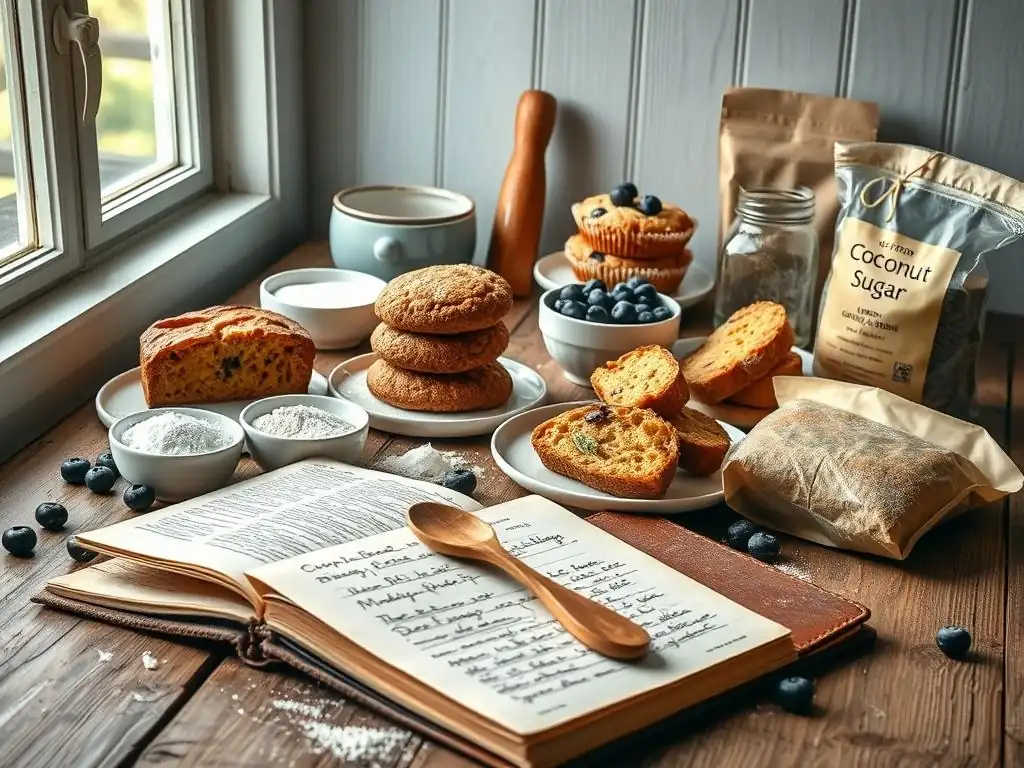
Welcome to BakeWithEase, your culinary companion for all things baking! Intrigued by the possibilities of gluten-free baking without sacrificing sweetness? Dive into our guide on Glutenfree sugar substitute recipes and unlock a world of delicious, healthier alternatives. Discover how to effortlessly swap traditional sugars for guilt-free sweetness in your favorite treats, and let's bake something amazing together!
- Sugar Substitutes for Gluten-Free Baking: A Comprehensive Guide
- Baking Gluten-Free Successfully: Understanding Sugar Substitutes
- Exploring Effective Sugar Substitutes for Gluten-Free Baking
- Gluten-Free Sugar Substitute Recipes: Practical Examples
- Selecting the Ideal Sugar Substitute for Your Gluten-Free Project
- Troubleshooting Common Gluten-Free Sugar Substitute Issues
- Mastering Gluten-Free Baking with Sugar Alternatives: Summary
-
Frequently Asked Questions
- What are the best sugar substitutes to use in gluten-free baking?
- How do sugar substitutes affect the texture of gluten-free baked goods?
- Can I use artificial sweeteners like aspartame in gluten-free recipes?
- Where can I find gluten-free sugar substitute recipes specifically designed for baking?
- What are some common mistakes to avoid when using sugar substitutes in gluten-free baking?
- Final Reflection: The Sweet Science of Gluten-Free Baking
- Unlock Your Gluten-Free Baking Potential!
Sugar Substitutes for Gluten-Free Baking: A Comprehensive Guide
Baking Gluten-Free Successfully: Understanding Sugar Substitutes
Why Use Sugar Alternatives in Gluten-Free Baking?
Many individuals seek out gluten-free baking options for various dietary reasons, ranging from celiac disease and gluten sensitivity to personal preference. Alongside gluten, sugar is another ingredient that bakers sometimes look to modify or reduce. Using sugar alternatives in gluten-free baking can serve multiple purposes: managing blood sugar levels, reducing calorie intake, or catering to specific low-carb or ketogenic diets. Exploring glutenfree sugar substitute recipes allows bakers to enjoy sweet treats while adhering to these dietary needs, opening up a wider range of dessert possibilities.
Furthermore, substituting sugar can impact the overall nutritional profile of baked goods. While sugar provides quick energy, many alternative sweeteners have a lower glycemic index, causing a slower rise in blood glucose. Some natural sweeteners, like fruit purees, also contribute fiber, vitamins, and minerals that refined sugar lacks. Understanding these benefits is the first step in successfully adapting glutenfree sugar substitute recipes to fit specific health and wellness goals without compromising on taste.
The Role of Sugar in Gluten-Free Recipe Structure
Sugar is far more than just a sweetener in baking; it plays crucial structural roles, especially in gluten-free recipes where gluten's binding properties are absent. Sugar contributes to tenderness by interfering with protein development (even gluten-free flours have proteins), ensuring a softer crumb. It also aids in leavening, providing food for yeast in yeasted breads (though less common in typical gluten-free mixes) and working with chemical leaveners like baking soda and powder to promote rise and aeration.
Beyond structure, sugar significantly impacts moisture, browning, and shelf life. Sugar is hygroscopic, meaning it attracts and retains moisture, leading to moister baked goods and preventing them from drying out quickly. It also caramelizes during baking, contributing to the golden-brown crust and rich flavors we associate with delicious treats. When developing glutenfree sugar substitute recipes, bakers must consider how alternatives will perform these vital functions, not just how sweet they are, to achieve desirable results.
Exploring Effective Sugar Substitutes for Gluten-Free Baking
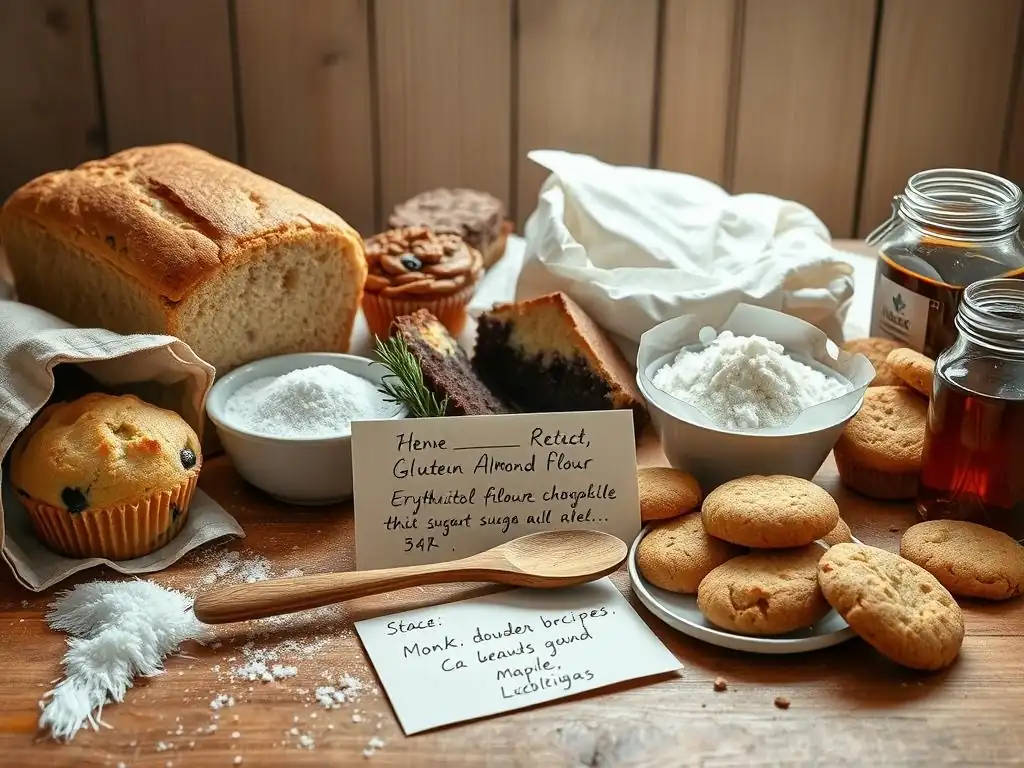
Natural Sweeteners for Gluten-Free Baking
Applesauce: A Natural Moisture-Boosting Sweetener
Applesauce is a popular natural sweetener and fat substitute in baking, offering a mild sweetness and significant moisture. When used as a sugar substitute, it typically replaces sugar at a 1:1 ratio by volume, though the liquid content needs careful adjustment in glutenfree sugar substitute recipes. For instance, replacing 1 cup of sugar with 1 cup of applesauce might require slightly reducing other liquids in the recipe to prevent the final product from becoming too dense or gummy, which is a common challenge in gluten-free baking.
Using applesauce adds fiber (approximately 2.7 grams per cup of unsweetened applesauce) and a subtle apple flavor, which pairs well with spices like cinnamon and nutmeg. However, it doesn't brown or caramelize like sugar, potentially resulting in paler baked goods. Bakers often use unsweetened applesauce to have more control over the overall sweetness and sugar content when modifying glutenfree sugar substitute recipes.
Mashed Banana: Enhancing Flavor and Softness
Mashed ripe banana is another excellent natural sweetener that brings moisture, binding properties, and a distinctive flavor to gluten-free baked goods. It works well in muffins, quick breads, and cakes, contributing to a soft, tender texture. A common substitution ratio is 1 cup of mashed banana for 1 cup of sugar, again requiring potential adjustments to other wet ingredients due to the banana's moisture content.
Beyond sweetness, mashed banana adds potassium and dietary fiber (around 3.1 grams per medium banana). Its strong flavor can sometimes overpower other ingredients, so it's best used in recipes where banana flavor is desired, such as gluten-free banana bread or muffins. Like applesauce, it doesn't promote browning as much as sugar, so bake times or temperatures might need slight adjustments in glutenfree sugar substitute recipes.
Dates: Adding Richness and Sweetness
Dates, particularly Medjool dates, can be processed into a paste or syrup to create a rich, naturally sweet substitute. Date paste is made by soaking dates and blending them into a thick consistency. This substitute provides deep flavor, natural sugars, and fiber (about 6.4 grams per 1/4 cup of date paste). It also contributes to a chewy texture in baked goods.
Date paste can often replace sugar at a 1:1 ratio by volume or weight, depending on the desired sweetness and texture. However, its dark color will affect the appearance of lighter baked goods. When adapting glutenfree sugar substitute recipes with date paste, consider its density and stickiness, which can alter the batter consistency compared to granulated sugar.
Low-Carb Sweeteners in Gluten-Free Baking
Allulose: A Rare Sugar with Minimal Impact
Allulose is a "rare sugar" that has recently gained popularity in low-carb and keto gluten-free baking. It has about 70% of the sweetness of table sugar but significantly fewer calories (approximately 0.4 calories per gram compared to sugar's 4 calories per gram). Unlike many sugar alcohols, allulose is generally well-tolerated digestively and browns similarly to sugar, making it a good candidate for cookies and cakes in glutenfree sugar substitute recipes.
Allulose does not raise blood sugar levels significantly, making it suitable for those managing diabetes or following ketogenic diets. However, it is slightly less sweet than sugar, so you might need to use about 1.3 times the amount of sugar called for in a recipe to achieve similar sweetness. It's also hygroscopic, potentially leading to moister baked goods. Experimentation is key when using allulose in glutenfree sugar substitute recipes.
Xylitol: A Sugar Alcohol with a Cooling Effect
Xylitol is a sugar alcohol commonly used as a sugar substitute. It has a sweetness level similar to sugar (about 95% as sweet) and roughly 40% fewer calories (about 2.4 calories per gram). Xylitol is often used in sugar-free gums and candies because it doesn't contribute to tooth decay. In gluten-free baking, it can replace sugar on a 1:1 volume basis for sweetness.
One unique characteristic of xylitol is its cooling sensation in the mouth, which can be noticeable in baked goods, particularly those that aren't heavily flavored. Like other sugar alcohols, consuming large amounts of xylitol can have a laxative effect. While it provides sweetness, it doesn't offer the same structural benefits or browning properties as sugar, which needs to be accounted for when developing glutenfree sugar substitute recipes.
Sucralose: A High-Intensity Sweetener
Sucralose is a high-intensity artificial sweetener that is about 600 times sweeter than sugar. Due to its extreme sweetness, it is typically used in very small amounts, often mixed with bulking agents like maltodextrin (which may contain gluten, so check labels carefully for gluten-free certification) or dextrose when sold as a granulated sugar substitute blend. These blends are usually formulated to substitute sugar on a 1:1 volume basis, but the actual sucralose content is minimal.
Because sucralose itself provides no bulk or structure, using 1:1 blends means the bulking agent provides the volume. However, these blends still don't replicate sugar's other functions like moisture retention, caramelization, or aid in leavening through fermentation. When adapting glutenfree sugar substitute recipes with sucralose blends, the resulting texture and browning will likely differ significantly from sugar-sweetened versions.
Alternative Sweeteners for Gluten-Free Baking
Brown Rice Syrup: A Mildly Sweet Gluten-Free Option
Brown rice syrup is a natural sweetener made from fermented brown rice. It is a thick, sticky liquid with a mild, slightly nutty flavor and about half the sweetness of granulated sugar. It is composed primarily of glucose and maltose, with very little fructose, and is considered gluten-free as it's derived from rice. It's often used in health food bars and some baked goods.
When substituting brown rice syrup for sugar in glutenfree sugar substitute recipes, you typically need to use more syrup to achieve comparable sweetness, perhaps 1.25 to 1.5 times the volume of sugar. Because it's a liquid, you'll also need to reduce other liquids in the recipe. Brown rice syrup contributes to chewiness but doesn't caramelize as readily as sucrose and can sometimes make baked goods harder upon cooling.
Sorghum Syrup: A Unique Flavor Profile for Gluten-Free Treats
Sorghum syrup is another liquid sweetener derived from sorghum grain, which is naturally gluten-free. It has a distinct, slightly tangy or even slightly bitter flavor profile and is less sweet than honey or maple syrup. Its unique taste makes it suitable for specific types of gluten-free baked goods where its flavor complements other ingredients, such as gingerbread or certain cookies.
Like brown rice syrup, sorghum syrup is a liquid and requires adjustments to other liquids in glutenfree sugar substitute recipes. It also doesn't provide the same level of sweetness or aid in browning/caramelization as sugar. Substituting with sorghum syrup is best done in recipes where its unique flavor is desired and where its lower sweetness is acceptable or compensated for by other ingredients.
Gluten-Free Sugar Substitute Recipes: Practical Examples
Converting Recipes: Gluten-Free Flour and Sweetener Adjustments
Converting traditional recipes to gluten-free sugar substitute recipes involves a delicate balance, as both the flour blend and the sweetener impact the final texture and structure. A common starting point for liquid sweeteners like honey, maple syrup, or agave is to use about 3/4 cup for every 1 cup of sugar and reduce other liquids by about 1/4 cup. For dry substitutes like erythritol or xylitol, a 1:1 volume substitution is often attempted initially, but sweetness and moisture effects vary.
The type of gluten-free flour blend also matters. Some blends are more absorbent than others, which affects how they interact with liquid sweeteners or the moisture provided/absorbed by dry substitutes. For example, a blend heavy in rice flour might result in a drier product when using a dry substitute compared to a blend containing moister flours like sorghum or oat flour. Successful glutenfree sugar substitute recipes often require multiple trials and adjustments based on the specific flour blend and sweetener used.
Adjusting for Moisture: Liquid vs. Dry Sweeteners
One of the most critical adjustments in glutenfree sugar substitute recipes is managing moisture. Liquid sweeteners (like honey, maple syrup, agave, fruit purees, and syrups) add significant moisture. When substituting these for granulated sugar, which is dry, you must reduce the amount of other liquids (milk, water, eggs, oil) in the recipe to prevent the batter or dough from becoming too wet, which can lead to gummy or dense gluten-free bakes. A general rule is to reduce liquids by 1/4 cup for every cup of liquid sweetener used.
Conversely, some dry sugar substitutes, like certain sugar alcohols (e.g., erythritol), can absorb moisture or contribute to a drier texture upon cooling. Others, like allulose, are hygroscopic and attract moisture, potentially resulting in a moister product. When using dry substitutes in glutenfree sugar substitute recipes, you might need to slightly increase liquid ingredients or add ingredients like applesauce or yogurt to maintain desired moisture levels.
Tips for Optimal Texture, Taste, and Structure
Achieving optimal texture, taste, and structure in glutenfree sugar substitute recipes requires attention to detail. Using alternative sweeteners can affect browning; liquid sweeteners brown better than many dry substitutes (except allulose), but might brown too quickly if not careful. Lowering oven temperature slightly or tenting with foil can help. For structure, ingredients like xanthan gum (often already in GF blends), psyllium husk, or extra eggs can help compensate for sugar's binding properties when using substitutes that don't bind well.
Taste is also key. Some substitutes have noticeable aftertastes (like stevia or some sugar alcohols), while others have distinct flavors (like maple syrup or dates). Pairing the right sweetener with the recipe's flavor profile is important. For example, maple syrup works well in spice cakes, while a neutral sweetener like erythritol or allulose might be better for vanilla cookies. Task lists can help track adjustments:
- [ ] Identify the original sugar amount.
- [ ] Choose your gluten-free sugar substitute.
- [ ] Determine the correct substitution ratio for sweetness.
- [ ] Calculate necessary adjustments for liquid/dry ingredients based on the substitute.
- [ ] Consider potential changes in browning and texture.
- [ ] Plan for flavor compatibility.
Selecting the Ideal Sugar Substitute for Your Gluten-Free Project
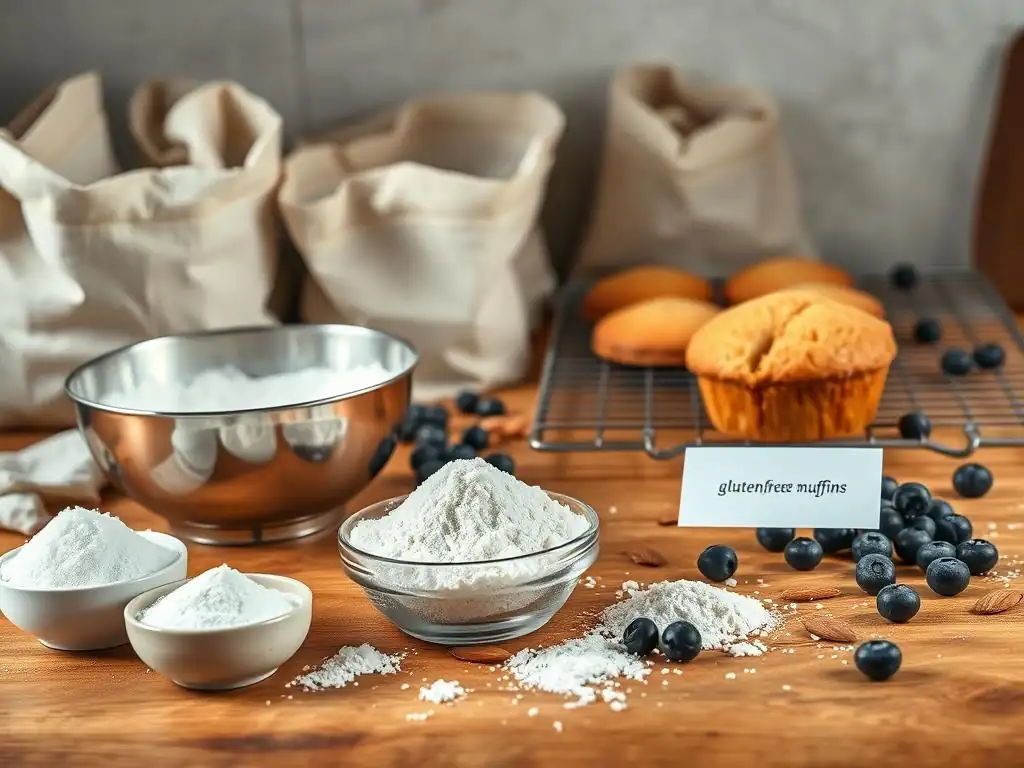
Matching Flavor Profiles to Baking Needs
Choosing the right sugar substitute for gluten-free baking goes beyond just sweetness; it's about how the substitute's flavor interacts with the other ingredients. For delicate flavors like vanilla or lemon, a neutral-tasting sweetener like allulose, erythritol, or a sucralose blend might be preferred to avoid introducing off-flavors. These work well in light gluten-free cakes or shortbread cookies where a clean sweetness is desired.
For richer, spiced gluten-free baked goods like gingerbread, pumpkin bread, or bran muffins, sweeteners with distinct flavors can enhance the overall taste. Maple syrup, honey, molasses (ensure gluten-free), or date paste add layers of flavor that complement spices beautifully. Sorghum syrup's unique tangy note can also work in specific savory or rustic glutenfree sugar substitute recipes. Consider the desired outcome – a light, airy cake vs. a dense, moist muffin – and select a sweetener that supports that profile.
Understanding Sweetness Equivalencies and Ratios
Understanding how sweet a substitute is compared to sugar is crucial for successful glutenfree sugar substitute recipes. While some substitutes are marketed as 1:1 replacements (like certain erythritol or sucralose blends), their sweetness can vary, and the type of sweetness (e.g., quick burst vs. lingering) differs. Liquid sweeteners like maple syrup are often around 3/4 as sweet as sugar by volume, while intense sweeteners like pure stevia extract are hundreds of times sweeter, requiring minuscule amounts.
A table of approximate equivalencies can be helpful, but keep in mind these are just starting points:
| Substitute | Approx. Sweetness vs. Sugar | Common Substitution Ratio (by volume) | Notes |
|---|---|---|---|
| Granulated Sugar | 100% | 1:1 | Baseline |
| Honey | ~75-90% | ~3/4 cup for 1 cup sugar | Add moisture, distinct flavor |
| Maple Syrup | ~75% | ~3/4 cup for 1 cup sugar | Add moisture, distinct flavor |
| Erythritol | ~70% | ~1 cup for 1 cup sugar | Less sweet, cooling effect, can crystalize |
| Allulose | ~70% | ~1.3 cups for 1 cup sugar | Browns well, low impact, hygroscopic |
| Xylitol | ~95% | 1:1 cup for 1 cup sugar | Cooling effect, digestive issues possible |
| Stevia (Pure Ext.) | ~200-400x | Tiny pinch/scoop | Intense sweetness, can have aftertaste |
| Sucralose (Pure) | ~600x | Tiny pinch/scoop | Intense sweetness, no bulk |
| Date Paste | ~70-100% (variable) | 1:1 cup for 1 cup sugar (approx) | Adds moisture, fiber, rich flavor |
Always taste your batter or dough cautiously (especially with raw eggs!) if possible, or start with less substitute and add more if needed during the baking process for recipes where this is feasible (like frostings).
Let's consider a classic example: gluten-free chocolate chip cookies. Using granulated sugar results in a cookie that spreads, has crispy edges, a chewy center, and golden-brown color due to sugar's properties. How do substitutes change this?
- Liquid Sweeteners (Maple Syrup, Honey): These add moisture, potentially leading to a softer, chewier cookie that spreads more. The distinct flavor will be noticeable. Browning might be more intense. You'd need to reduce other liquids and perhaps increase the dry ingredients slightly.
- Erythritol/Xylitol: These will provide sweetness but less spread and browning. The cookies might be paler and potentially drier or more crumbly. Xylitol could introduce a cooling sensation. These substitutes don't contribute to chewiness in the same way sugar does.
- Allulose: This substitute performs more similarly to sugar in cookies than many others. It promotes spread and browning relatively well and doesn't crystallize like erythritol. The resulting cookie texture is often closer to traditional cookies compared to other low-carb options in glutenfree sugar substitute recipes.
- Date Paste: This will result in a denser, chewier, darker cookie with a distinct fruity flavor. It adds moisture and fiber but won't give the same crispy edge as sugar.
This comparison highlights why selecting the right substitute for specific glutenfree sugar substitute recipes, like cookies, requires careful consideration of desired texture, spread, flavor, and appearance.
Troubleshooting Common Gluten-Free Sugar Substitute Issues
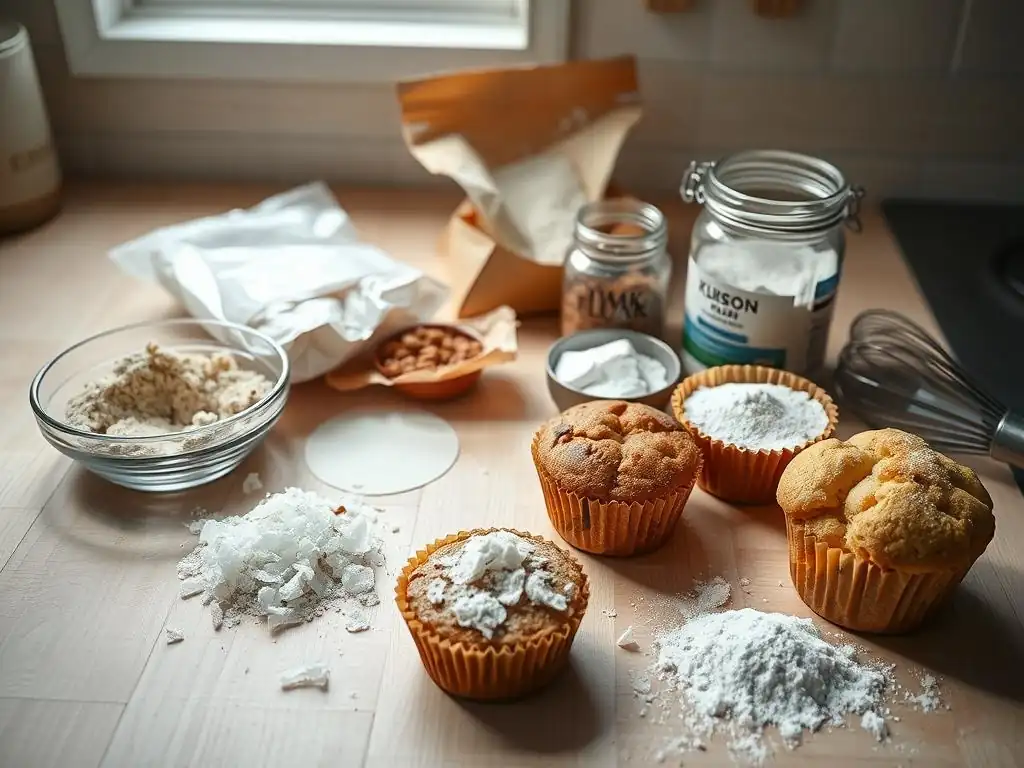
Counteracting Dryness in Gluten-Free Baking
One frequent issue when using certain sugar substitutes, particularly dry ones like erythritol or xylitol, is dryness in the final gluten-free baked good. Unlike sugar, which is hygroscopic and retains moisture, these substitutes don't perform this function as effectively. This can lead to crumbly cakes, dry muffins, or hard cookies.
To counteract dryness in glutenfree sugar substitute recipes, consider increasing the moisture content through other ingredients. Adding ingredients like applesauce, mashed banana, pumpkin puree, yogurt, sour cream, or extra oil or butter can help retain moisture. Using a blend of sweeteners, perhaps combining a dry substitute with a small amount of a liquid sweetener or allulose, can also improve texture and moisture balance.
Minimizing Potential Aftertaste
Some sugar substitutes, notably stevia and certain sugar alcohols like erythritol, can leave a noticeable aftertaste described as bitter, metallic, or cooling. This aftertaste can detract from the enjoyment of gluten-free baked goods. The intensity of the aftertaste can vary depending on the specific substitute, the concentration used, and individual sensitivity.
Strategies to minimize aftertaste in glutenfree sugar substitute recipes include using less of the offending substitute and potentially combining it with another sweetener that has a cleaner finish (e.g., blending stevia with erythritol or allulose). Incorporating strong flavors like cocoa powder, coffee, spices (cinnamon, nutmeg), or extracts (vanilla, almond) can also help mask or complement the aftertaste. High-quality, pure extracts of stevia are sometimes less prone to aftertaste than less refined versions.
Achieving Desired Browning and Texture
Sugar plays a significant role in the Maillard reaction and caramelization, which contribute to the golden-brown color and complex flavors of baked goods. Many sugar substitutes, especially low-carb ones, do not brown in the same way. This can result in pale baked goods, even when fully cooked, which might visually seem underdone.
To improve browning in glutenfree sugar substitute recipes:
- Use a substitute that does brown, like allulose or liquid sweeteners (honey, maple syrup).
- Brush the surface of the dough or batter with a wash that promotes browning, such as milk, egg wash, or a sugar-free glaze that caramelizes.
- Increase the baking time slightly at a lower temperature to allow more time for surface reactions without burning.
- Accept that the color may be lighter and rely on doneness cues like a toothpick test.
Texture is also affected; substitutes don't always provide the same spread, chewiness, or crispness. Using ingredients like psyllium husk, flaxseed meal, or increasing protein sources (like eggs or protein powder in the GF blend) can help improve structure and chewiness when sugar's binding properties are missed.
Mastering Gluten-Free Baking with Sugar Alternatives: Summary
Key Insights for Seamless Sweetener Transitions
Successfully navigating glutenfree sugar substitute recipes boils down to understanding that sugar is a multi-functional ingredient, not just a sweetener. Each substitute brings its own set of characteristics regarding sweetness level, moisture contribution, impact on structure, browning capability, and flavor profile. There is no single "perfect" substitute for all applications; the best choice depends on the specific recipe (cake, cookie, muffin, bread), the desired outcome (texture, sweetness level, dietary goals), and personal taste preferences.
Experimentation is fundamental. Start with a reliable gluten-free base recipe and make small, controlled changes to the sweetener. Keep detailed notes on substitutions made, ratios used, and the results (texture, taste, appearance). This iterative process is key to perfecting glutenfree sugar substitute recipes and building your intuition for how different alternatives behave in your specific baking environment.
Resources for Further Gluten-Free and Sweetener Information
For those looking to deepen their knowledge of gluten-free baking and sugar substitutes, numerous resources are available. Many reputable gluten-free baking blogs and websites offer specific glutenfree sugar substitute recipes and conversion guides based on extensive testing. Cookbooks dedicated to gluten-free and low-sugar baking provide tested recipes and valuable insights into ingredient interactions.
Additionally, educational websites focusing on nutrition and dietary science can offer detailed information about the metabolic effects and properties of various sweeteners. Ingredient manufacturers often provide detailed specifications and suggested usage levels for their specific sugar substitute products. Consulting these resources can provide a strong foundation for adapting and creating your own successful glutenfree sugar substitute recipes.
Discover More Gluten-Free Baking Techniques
Mastering glutenfree sugar substitute recipes is just one aspect of excelling in gluten-free baking. Explore other techniques that contribute to successful outcomes, such as understanding the role of different gluten-free flours and starches, properly measuring ingredients (often by weight for consistency), and incorporating binders like xanthan gum or psyllium husk.
Learning about mixing methods, leavening agents, and the importance of resting doughs or batters can further elevate your gluten-free bakes. Combining knowledge of gluten-free flour blends with an understanding of how sugar substitutes function will empower you to create delicious, satisfying treats that meet your dietary needs and preferences. Continue exploring and practicing, and you'll find gluten-free baking with sugar alternatives becomes a rewarding experience.
Frequently Asked Questions
What are the best sugar substitutes to use in gluten-free baking?
Several options work well, including erythritol, stevia, and monk fruit. These are generally low-carb and provide sweetness without gluten.
How do sugar substitutes affect the texture of gluten-free baked goods?
Some substitutes, like erythritol, can sometimes lead to a slightly drier texture. Experimenting with different combinations and adding moisture (like applesauce) is key.
Can I use artificial sweeteners like aspartame in gluten-free recipes?
While technically gluten-free, artificial sweeteners are often avoided due to health concerns and can leave an aftertaste. Natural options are generally preferred.
Where can I find gluten-free sugar substitute recipes specifically designed for baking?
BakeWithEase.com offers a variety of recipes using different sugar substitutes and gluten-free flours. Look for recipes specifically labeled "Gluten-Free" and featuring your chosen substitute.
What are some common mistakes to avoid when using sugar substitutes in gluten-free baking?
Using too much can result in a bitter or metallic taste. Also, remember that some substitutes don't brown like sugar, affecting the final appearance.
Final Reflection: The Sweet Science of Gluten-Free Baking
The quest for delicious, healthy gluten-free baking is far from over, and the perfect sugar substitute remains a crucial piece of the puzzle. Finding the right balance between sweetness, texture, and nutritional value is a challenge many gluten-free bakers face daily, impacting not only taste but also the overall success of their recipes. This constant search highlights the ongoing need for innovation and understanding within the gluten-free baking community.
This exploration into gluten-free sugar substitutes has underscored the complex interplay between ingredient choice and final product. It's not simply a matter of swapping one sweetener for another; it's about understanding the unique properties of each and how they interact with gluten-free flours. The best recipe is the one that works best for you.
This simple truth applies especially to gluten-free baking, where experimentation and adaptation are key. The journey of finding the perfect sugar substitute is a personal one, shaped by individual preferences and dietary needs.
Now, it's your turn. Consider the information presented in this guide, and experiment with different sugar substitutes in your own gluten-free baking. Don't be afraid to try new combinations and adjust recipes to suit your taste. Embrace the process of discovery, and remember that the sweetest success often comes from a little trial and error. The perfect gluten-free treat awaits – go create it!
Unlock Your Gluten-Free Baking Potential!
Thanks for diving into the world of gluten-free baking with us! We hope you gained valuable insights into finding the perfect sugar substitute for your next delicious creation. Ready to put your newfound knowledge to the test?
- Experiment with a new recipe! Try swapping your usual sugar with one of the alternatives we discussed – you might be surprised by the results! This is your chance to discover a new favorite.
- Share your baking triumphs (and even your flops!) We’d love to see what you create. Join our BakeWithEase community and let us know how your experiment goes.
- Explore our other gluten-free resources: Discover more tips and tricks on our site to make gluten-free baking easier than ever before.
What's your favorite sugar substitute for gluten-free baking, and why? Let's chat in the comments!