
Dough Thickness Mastery: Selecting the Right Pastry Bags for Every Pastry

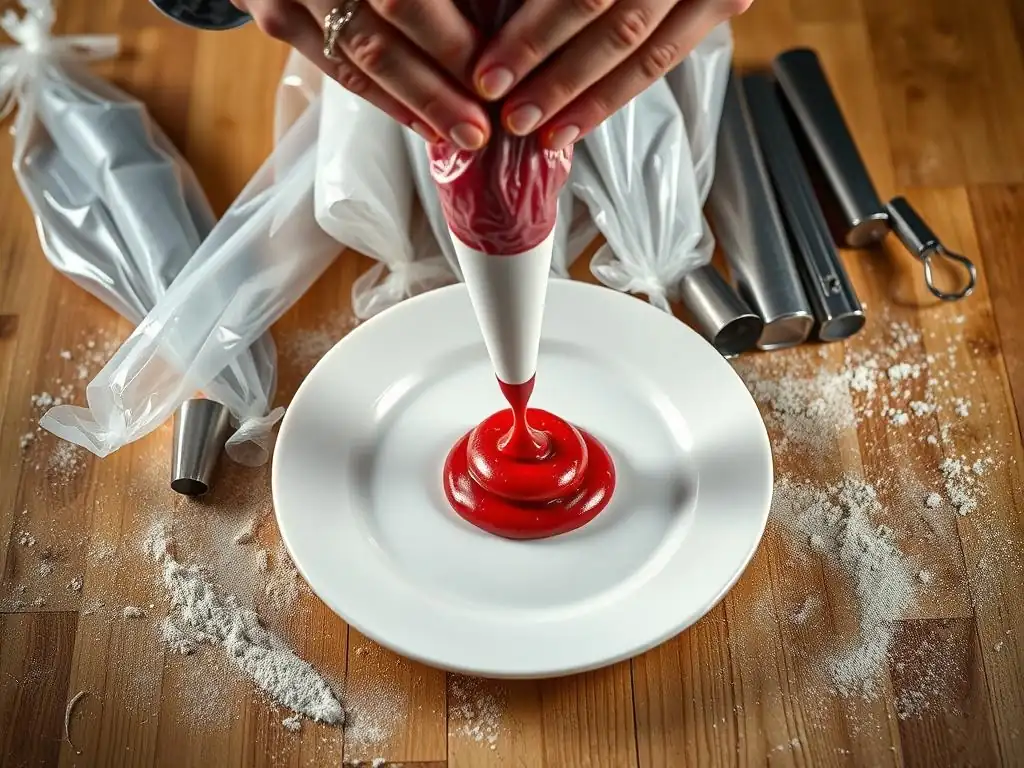
Welcome to BakeWithEase, your trusted guide to the delectable world of baking! Ever wondered if your pastry bag thickness is hindering your artistic aspirations? We unravel the secrets to selecting the perfect pastry bag for every task, from delicate macarons to robust cream puffs. Dive in and discover how the right bag can transform your creations from good to unforgettable!
- BakeWithEase Presents: Understanding Pastry Bag Thickness for Baking Success
- Why Pastry Bag Thickness Matters: A Comprehensive Guide
- Pastry Bag Thickness Guide: Navigating the Options
- Selecting the Right Pastry Bag Thickness: A Step-by-Step Approach
- Pastry Bag Materials and Thickness: A Comparative Overview
- Troubleshooting Pastry Bag Problems Based on Thickness
- Expert Tips for Using Pastry Bags of Different Thicknesses
- Mastering Pastry Bag Usage: Achieving Professional Baking Results
-
Frequently Asked Questions
- What factors should I consider when choosing a pastry bag thickness?
- How does pastry bag thickness affect the precision of my piping work?
- Are there specific pastry bag thicknesses recommended for different types of pastries?
- What are the signs that my pastry bag is too thin or too thick for the job?
- Can I reuse pastry bags, and does the thickness affect their reusability?
- Final Reflection: The Perfect Pastry, One Bag at a Time
- Unleash Your Inner Pastry Chef!
BakeWithEase Presents: Understanding Pastry Bag Thickness for Baking Success
Welcome to BakeWithEase, where we simplify the art of baking for everyone! Today, we're diving deep into a crucial, yet often overlooked, aspect of pastry work: the thickness of your pastry bag. Just like choosing the right flour or the perfect pan, the thickness of your pastry bag significantly impacts your results, whether you're piping delicate meringues or sturdy choux pastry. Mastering the pastry bag thickness guide is key to achieving clean lines, consistent swirls, and avoiding frustrating mishaps like bursts or uneven flow.
Selecting the appropriate pastry bag thickness isn't just about comfort; it's about functionality and precision. A bag that's too thin for a stiff dough can rupture, leading to a messy disaster. Conversely, a bag that's too thick for a light icing might make it difficult to control the flow, resulting in shaky lines. This guide will walk you through the nuances of pastry bag thickness, helping you make informed choices for all your baking projects and elevating your skills to a professional level. Let's explore how the right pastry bag thickness can transform your decorating and piping.
Why Pastry Bag Thickness Matters: A Comprehensive Guide
The humble pastry bag is an extension of the baker's hand, a vital tool for shaping, filling, and decorating. Its effectiveness hinges on its ability to handle the pressure exerted by the contents while allowing for controlled release through a piping tip. The thickness of the bag material directly influences its strength, flexibility, and grip, all of which are critical factors in achieving desired outcomes in baking. Understanding this relationship is fundamental to mastering pastry techniques.
From delicate macaron shells piped with precision to robust gingerbread house construction requiring firm lines of icing, the demands placed on a pastry bag vary wildly. A comprehensive pastry bag thickness guide considers not just the material but also the specific application. Using a bag of insufficient thickness can lead to blowouts under pressure, wasting precious ingredients and effort. Using an overly thick bag can cause hand fatigue and reduce fine motor control, hindering intricate designs. Therefore, making an informed choice about your pastry bag's thickness is a foundational step towards consistent baking success.
Achieving Baking Perfection: The Role of Pastry Bag Material and Thickness
The material and thickness of a pastry bag work together to determine its performance characteristics. Common materials include various plastics, silicone, and fabric (often coated). A thin plastic bag, typically measured in mils (thousandths of an inch), might be just 1-2 mil thick, suitable for single-use applications with light contents.
Fabric bags, often made of canvas or nylon with a waterproof coating, can have a perceived thickness due to the weave and coating, offering durability for repeated use. Silicone bags, known for their flexibility and grip, come in various thicknesses, generally thicker than disposable plastic bags, providing robustness for heavier tasks.
Consider the specific demands of different pastries. Piping pate a choux, which is a relatively stiff dough, requires a bag capable of withstanding significant pressure. A thin, disposable bag might handle 5 lbs of pressure before failing, whereas a thicker silicone or heavy-duty plastic bag could manage 15-20 lbs or more. This difference in tensile strength is crucial. Similarly, working with warm ganache versus cold buttercream highlights the need for materials that maintain integrity under varying temperatures and pressures. Choosing the right combination of material and pastry bag thickness ensures the bag supports, rather than hinders, your piping process.
How Pastry Bag Thickness Impacts Piping Precision
The thickness of a pastry bag directly affects how easily and consistently contents flow through the piping tip, which is paramount for piping precision. A bag that is too thin might stretch unevenly under pressure, leading to fluctuations in the amount of dough or icing being expelled. This can result in uneven lines, inconsistent dots, or lopsided swirls. For instance, when piping delicate lace patterns with royal icing, a bag that stretches can distort the fine details.
Conversely, a bag that is excessively thick or stiff can make it difficult to feel the consistency of the contents and apply even pressure. This lack of tactile feedback can hinder control, making intricate work challenging. Think about piping small, uniform rosettes on cupcakes. A bag with the right balance of thickness and flexibility allows for smooth, continuous pressure, ensuring each rosette is shaped identically. The ideal pastry bag thickness provides stability without sacrificing control, enabling bakers to execute precise techniques ranging from fine lettering to elaborate floral designs.
Consistent Results: Choosing the Right Thickness for Your Dough
Consistency is the hallmark of professional-looking baked goods, and selecting the appropriate pastry bag thickness is fundamental to achieving it. Different doughs and icings have varying viscosities and require different levels of pressure to pipe effectively. A light, airy whipped cream requires minimal pressure and can be easily handled by a thinner bag. However, piping a thick cookie dough or a stiff cream cheese frosting demands a bag that won't rupture under the required force.
Let's look at specific examples. For piping stiff gingerbread dough shapes, a heavy-duty reusable bag is essential. Attempting this with a thin, disposable bag would likely result in a burst seam or ripped material within moments due to the high pressure needed to push the dense dough through a tip.
For flooding cookies with a runny royal icing (approximately 15-second consistency), a thin, flexible bag is ideal because it allows for easy squeezing and precise control of the liquid-like icing flow. Consulting a pastry bag thickness guide based on the consistency of your specific dough or icing is a critical step in ensuring consistent, high-quality results across all your baking endeavors.
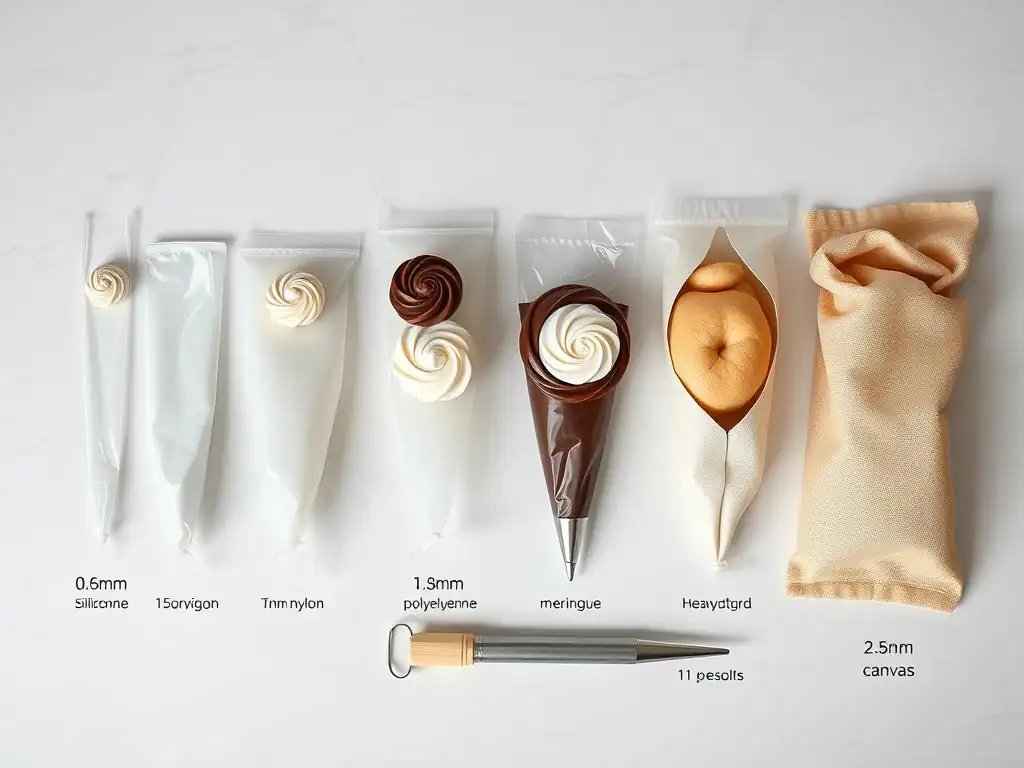
Understanding the different types of pastry bags available and their typical thicknesses is the first step in making an informed choice. Pastry bags generally fall into categories based on their material and intended use, which correlates strongly with their thickness. This section provides a pastry bag thickness guide to help you navigate the options, from the thinnest disposable bags to the thickest reusable ones.
Choosing the right tool for the job is a fundamental principle in baking. Just as you wouldn't use a whisk to cream butter and sugar, you shouldn't use a delicate bag for a tough job. This guide breaks down the characteristics and best uses for thin, medium, and thick pastry bags, empowering you to select the perfect match for your next baking project.
Thin Pastry Bags: Ideal Uses and Limitations
Thin pastry bags are typically made from lightweight, disposable plastic. Their thickness is minimal, often around 1-3 mil. They are incredibly flexible and easy to handle, making them convenient for quick tasks and situations where cleanup needs to be minimal. These bags are designed for single use, which helps maintain hygiene, especially in busy kitchens or when working with allergen-sensitive ingredients.
While their convenience is undeniable, the limitations of thin pastry bags become apparent when working with anything other than very light contents. Their low tensile strength means they are prone to bursting under pressure. They also offer less grip and stability compared to thicker bags, which can slightly reduce control during intricate piping. Understanding these trade-offs is key when consulting a pastry bag thickness guide.
When to Use Thin Pastry Bags: Light Icings and Delicate Work
Thin pastry bags are perfectly suited for tasks involving light, fluid icings and delicate piping where minimal pressure is required. Examples include:
- Flooding cookies with runny royal icing (e.g., 10-20 second consistency).
- Piping melted chocolate for fine details or drizzling.
- Filling small cavities with thin ganache or cream.
- Working with glazes or very soft whipped cream.
- Using multiple colors of thin icing for detailed work, as the bags are inexpensive and easy to switch out.
For these applications, the flexibility of thin bags allows for excellent control over flow, and the low pressure involved minimizes the risk of bursting. They are ideal for quick tasks where you might use several different colors or consistencies of a thin medium.
The Downside of Thin Bags: Bursting and Inconsistency
The primary limitation of thin pastry bags is their susceptibility to bursting, particularly when subjected to pressure from stiffer contents or even just the warmth of your hand warming up the contents inside. Attempting to pipe medium-consistency buttercream or any form of dough from a thin bag is a common cause of blowouts, often occurring at the seams or corners.
Beyond bursting, the thin material can also lead to inconsistency in piping. Because the material is so flexible and can stretch slightly, maintaining uniform pressure and flow can be more challenging compared to a more stable bag. This stretching can cause piped lines to vary in thickness or shape, which is undesirable for precision work. While convenient, these drawbacks mean thin bags are not a universal solution in a comprehensive pastry bag thickness guide.
Medium Pastry Bags: A Versatile Baking Essential
Medium-thickness pastry bags strike a balance between the convenience of thin bags and the durability of thick ones. They are often disposable but made from a sturdier plastic than their thin counterparts, typically ranging from 4-6 mil thickness. Reusable bags made from coated fabric or silicone can also fall into this category depending on the material and weave/wall thickness.
This intermediate thickness makes them incredibly versatile, capable of handling a wider range of consistencies than thin bags while remaining flexible enough for comfortable use. They are arguably the workhorse of many home and professional kitchens, suitable for a vast array of common baking tasks.
Advantages of Medium-Thickness Pastry Bags: Strength and Flexibility
Medium-thickness bags offer significantly improved strength compared to thin bags, drastically reducing the risk of bursting with moderately stiff contents. They can comfortably handle the pressure required for piping standard buttercreams, whipped ganache, and other common fillings and frostings. Their increased thickness also provides a better grip, allowing for more stable and controlled piping.
Despite the added strength, they retain enough flexibility to be comfortable to hold and maneuver. This balance makes them suitable for both simple tasks like filling cupcakes and slightly more intricate decorating, offering a good blend of durability and ease of use. This versatility is why they are a staple in any practical pastry bag thickness guide.
Applications for Medium Bags: Cupcake Frosting, Cream Puffs
Medium-thickness pastry bags are suitable for a wide variety of baking applications, including:
- Piping frosting onto cupcakes and cakes (standard buttercream, cream cheese frosting).
- Filling pastries like eclairs or cream puffs with pastry cream or whipped cream.
- Piping meringue cookies or decorations.
- Creating borders and simple decorative elements on cakes.
- Filling cannoli shells.
- Piping frosting onto cupcakes
- Filling eclairs
- Creating cake borders
These tasks require a bag that can handle moderate pressure and provide reliable flow control, which medium-thickness bags deliver effectively.
Thick & Heavy-Duty Pastry Bags: Handling Stiff Doughs with Ease
Thick or heavy-duty pastry bags are built for strength and durability. These are typically reusable bags made from thick, coated fabric (like canvas or nylon) or robust silicone, though some very thick disposable plastic bags (6-8 mil or more) also exist. Their substantial wall thickness provides maximum resistance to bursting, even under considerable pressure.
These bags are designed for the most demanding piping tasks, where the contents are dense, stiff, or require significant force to expel. While less flexible than thinner bags, their rigidity is an asset when working with firm materials, providing the necessary leverage and control.
Working with Stiff Doughs: Why You Need a Thick Pastry Bag
When working with stiff doughs or very firm icings, the pressure inside the pastry bag can be substantial. Imagine piping churro dough, which is quite dense, or shaping stiff cookie dough directly onto a baking sheet. A thin or medium bag would almost certainly fail under this strain. Heavy-duty bags are constructed to withstand this high internal pressure without stretching or rupturing.
The robust material also provides a firm grip, which is essential when you need to exert significant force. This allows you to maintain control over the flow and shape, ensuring consistent results even with challenging consistencies. For any task involving dense materials, a thick bag is not optional; it's a necessity, according to any practical pastry bag thickness guide.
Best Uses for Heavy-Duty Bags: Choux Pastry, Macarons
Thick and heavy-duty pastry bags are indispensable for specific baking tasks involving stiff or dense mixtures:
- Piping choux pastry (pate a choux) for eclairs, cream puffs, or gougères.
- Piping macaron batter, which is thick and requires consistent, even pressure for uniform shells.
- Shaping stiff cookie doughs (like spritz cookies or gingerbread shapes) directly from the bag.
- Piping mashed potatoes or other dense savory fillings.
- Creating robust decorative elements with very stiff royal icing or gum paste.
# Examples of stiff contents requiring thick bags
stiff_contents = [
    "Choux Pastry",
    "Macaron Batter",
    "Stiff Cookie Dough",
    "Dense Buttercream for Piping Flowers"
]
These applications demonstrate why a thick pastry bag is crucial for achieving the correct structure and shape when working with less pliable mixtures.
Selecting the Right Pastry Bag Thickness: A Step-by-Step Approach
Choosing the correct pastry bag thickness doesn't have to be complicated. By following a simple step-by-step approach, you can quickly determine which bag is best suited for your current baking task. This methodical process ensures you select a bag that is both effective and comfortable to use, minimizing frustration and maximizing success.
Think of this as your personal pastry bag thickness guide checklist before you start piping. Considering the properties of your ingredients and the desired outcome will lead you to the optimal choice every time.
Step 1: Identify Your Dough or Icing Consistency
The first and most critical step is to evaluate the consistency of the material you intend to pipe. Is it thin and runny like a glaze? Medium and smooth like buttercream? Or thick and stiff like cookie dough or choux pastry?
- Thin: Flows easily, drips quickly off a spoon (e.g., royal icing for flooding, melted chocolate).
- Medium: Holds a soft peak, spreads relatively easily but holds shape briefly (e.g., standard buttercream, whipped ganache, pastry cream).
- Thick/Stiff: Holds a firm peak, requires effort to stir or spread, maintains shape well (e.g., choux pastry, macaron batter, stiff cookie dough, dense cream cheese frosting).
Understanding this consistency is the primary factor in determining the necessary strength and flexibility of your pastry bag.
Step 2: Consider the Piping Tip Size and Design
While less impactful than consistency, the size and complexity of the piping tip you plan to use can also influence your pastry bag choice. Very small tips require more pressure to push material through, especially if the material has any small particles or is slightly textured. Using a small tip with a medium-consistency material might push you towards a slightly sturdier medium bag rather than a thin one.
Also, consider if the tip design requires specific bag flexibility for control (e.g., very fine star tips for intricate work might benefit from the control offered by a medium bag over a very thin one). However, consistency remains the dominant factor in this pastry bag thickness guide.
Step 3: Match Pastry Bag Thickness to Your Baking Task
Based on the consistency and, secondarily, the tip choice, match the appropriate pastry bag thickness using the guidelines discussed earlier:
- Thin Bag: Best for thin, runny consistencies and delicate work with minimal pressure.
- Medium Bag: Ideal for most common medium-consistency icings and fillings, offering a good balance of strength and flexibility.
- Thick/Heavy-Duty Bag: Necessary for thick, stiff doughs and icings requiring significant pressure.
- [x] Identify consistency (Thin, Medium, Thick/Stiff)
- [ ] Consider tip size/design (if relevant)
- [x] Select matching bag thickness
Following these steps will help you confidently choose the right tool for your piping needs, ensuring a smoother, more successful baking experience.
Pastry Bag Materials and Thickness: A Comparative Overview
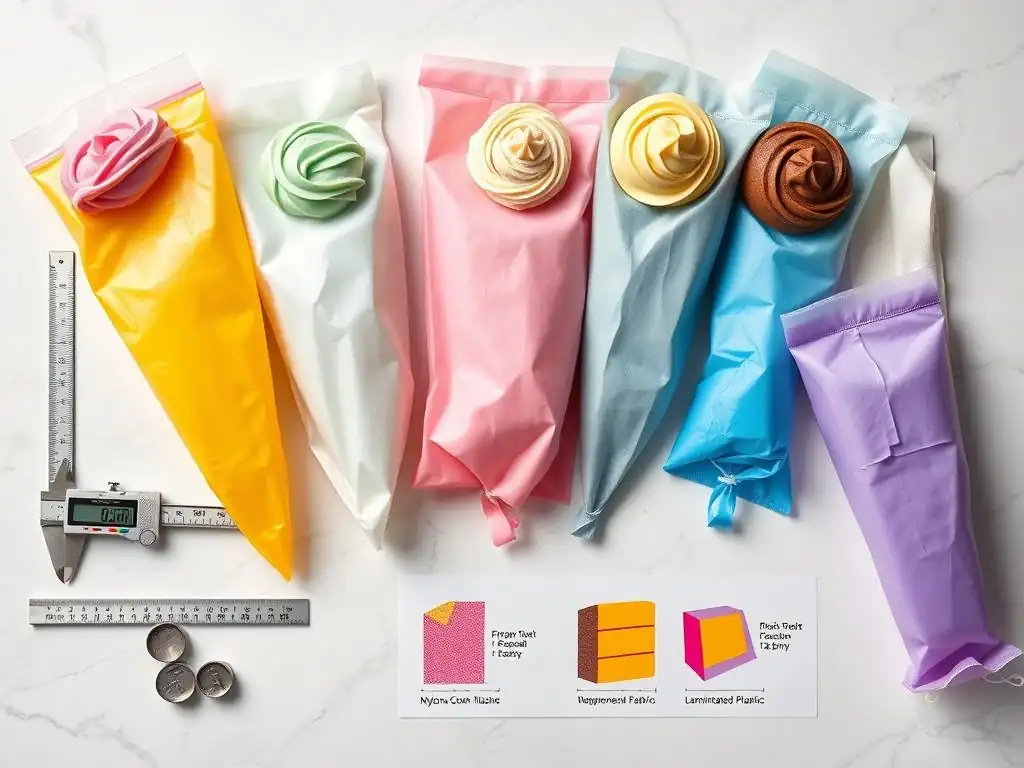
The material from which a pastry bag is made is closely linked to its typical thickness and performance characteristics. Different materials offer varying degrees of flexibility, grip, durability, and reusability. Understanding these differences is essential when considering your options beyond just the numerical thickness, contributing to a comprehensive pastry bag thickness guide.
This section provides a brief overview of the most common pastry bag materials and how their properties relate to thickness and practical use in the kitchen.
Plastic Pastry Bags: Thickness Options and Durability
Plastic pastry bags are the most common type, particularly disposable ones. They are typically made from polyethylene. As discussed, they come in a range of thicknesses, from very thin (1-3 mil) up to quite thick (6-8 mil+).
- Thin Plastic (Disposable): Low durability, prone to bursting, best for thin liquids. Very flexible.
- Medium Plastic (Disposable/Sometimes Reusable): Moderate durability, suitable for medium consistencies. Good flexibility.
- Thick Plastic (Heavy-Duty Disposable): Higher durability, can handle stiffer consistencies. Less flexible than thinner plastic.
Their durability is generally limited compared to reusable options, especially for the thinner varieties. However, their ease of use and disposability make cleanup simple, a significant advantage for many bakers.
Silicone Pastry Bags: Reusability and Thickness Considerations
Silicone pastry bags are a popular reusable option. They are known for their excellent grip, flexibility, and durability. Silicone bags are typically thicker than disposable plastic bags, offering inherent strength.
- Silicone: High durability, reusable, excellent grip. Generally medium to thick wall thickness, providing robustness for various tasks. Offers good flexibility for comfortable handling.
While they require cleaning after use, their reusability is environmentally friendly and cost-effective over time. The non-slip exterior provides a secure grip, even with greasy hands, which can improve control during piping. Their consistent wall thickness across the bag helps maintain even pressure.
Fabric Pastry Bags: Traditional Choices and Thickness Ranges
Traditional fabric pastry bags are often made from tightly woven cotton canvas or nylon, usually with an inner coating (like plastic or polyurethane) to make them waterproof and easy to clean. The thickness here refers more to the overall feel and structure provided by the layered material and coating rather than a simple mil measurement.
- Coated Fabric: High durability, reusable, traditional feel. Thickness is perceived based on weave and coating, generally robust enough for medium to thick consistencies. Can be less flexible than silicone or plastic initially but softens with use.
Fabric bags are very durable and can last for years if properly cared for. They offer a good grip and are excellent for medium to heavy-duty tasks. However, cleaning can sometimes be more challenging than with smooth silicone or disposable plastic bags, requiring thorough washing and drying to prevent mildew.
Troubleshooting Pastry Bag Problems Based on Thickness
Even with the right bag, problems can sometimes arise. Many common issues encountered when piping can be directly related to an inappropriate pastry bag thickness for the task at hand. Recognizing these problems and understanding their connection to bag thickness can help you troubleshoot effectively and prevent them in the future.
This section addresses some frequent frustrations and explains how bag thickness plays a role, offering solutions to get you back to piping smoothly.
A bursting pastry bag is perhaps the most frustrating problem a baker faces mid-task. It's messy, wastes ingredients, and halts your progress. The primary cause of a bursting bag is using a bag that is too thin or not strong enough to withstand the pressure required to push the contents through the tip.
- Problem: Bag bursts, usually at a seam or corner.
- Likely Cause: Using a thin or medium bag with a thick/stiff consistency (e.g., piping choux pastry with a thin disposable bag).
- Prevention: Always match the pastry bag thickness to the consistency. For stiff contents, use a heavy-duty, thick bag (fabric or thick silicone/plastic). Ensure the bag isn't overfilled, as this also increases pressure on the seams.
Uneven Piping: How Pastry Bag Thickness Affects Flow Control
Uneven piping – lines or dots that vary in size or shape – can often be traced back to inconsistent pressure or flow control. While user technique is a factor, the pastry bag's properties, including its thickness and flexibility, play a significant role.
- Problem: Piped lines or shapes are inconsistent.
- Likely Cause 1: Using a bag that is too thin, leading to stretching and uneven expulsion of contents under pressure.
- Likely Cause 2: Using a bag that is too stiff (sometimes related to being too thick or a less flexible material), making it hard to apply consistent, gentle pressure for delicate work.
- Prevention: For consistent flow, choose a bag with appropriate flexibility for the consistency. Medium bags often offer the best balance for general piping. Ensure the bag is filled correctly (not too full) and held comfortably to allow for steady pressure application.
Difficulty Squeezing: Selecting the Right Thickness for Comfort and Efficiency
If you find yourself struggling to squeeze the pastry bag, experiencing hand fatigue, or feeling like you're fighting the bag, it might be an issue related to the bag's thickness or material stiffness relative to the contents.
- Problem: Hard to squeeze the bag, hand cramps, difficulty getting contents out.
- Likely Cause: Using a bag that is too thick or stiff for the consistency of the contents, or using a bag that is too small requiring excessive force in a confined space.
- Prevention: Ensure the bag's thickness and material flexibility are appropriate for the task. While thick bags are necessary for stiff doughs, using one for a medium-consistency frosting might be overly difficult. Also, ensure you've chosen an adequately sized bag that isn't packed too tightly, allowing for comfortable grip and leverage. A proper pastry bag thickness guide considers user comfort as well as function.
Expert Tips for Using Pastry Bags of Different Thicknesses
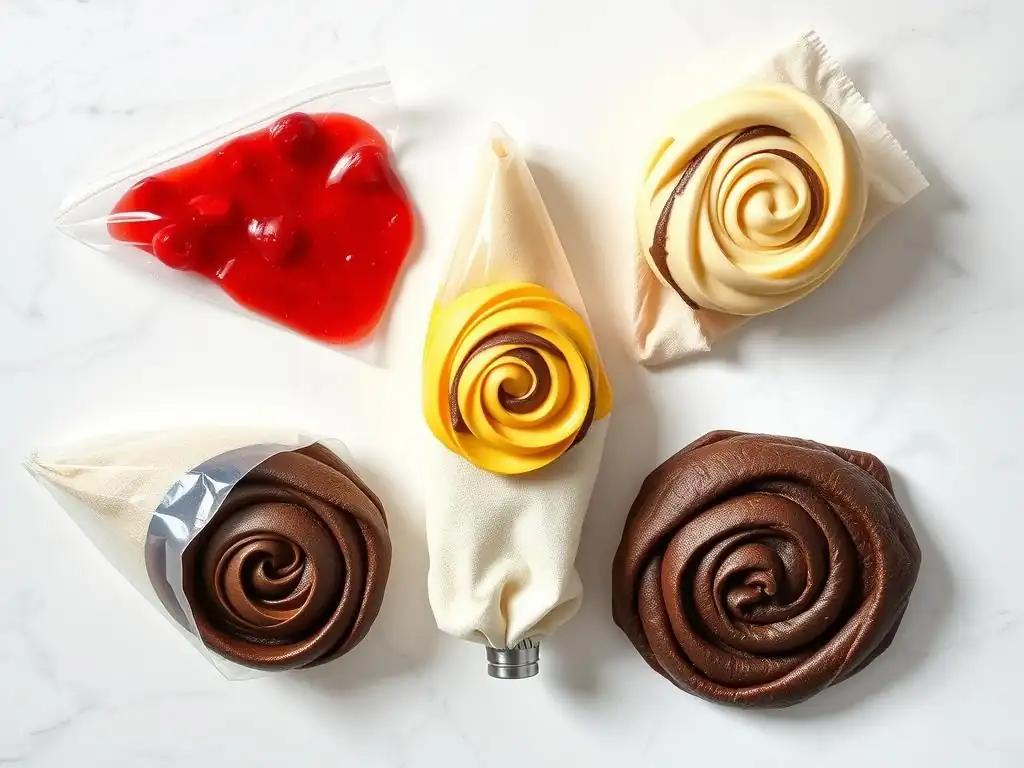
Beyond simply selecting the right thickness, how you handle and maintain your pastry bags can greatly impact your piping success. Different materials and thicknesses may require slightly different techniques for filling, gripping, and cleaning.
These expert tips will help you make the most of your pastry bags, regardless of their thickness, ensuring a smooth and efficient baking process.
Ensuring Proper Grip and Control with Varying Thicknesses
The ideal grip on a pastry bag allows for comfortable, steady pressure and fine control over the tip. The best grip can vary slightly depending on the bag's thickness and material.
- Thin Bags: Require a gentle but firm grip. Be mindful not to squeeze too hard near the top, which can concentrate pressure lower down. Their flexibility means you rely more on finger pressure near the tip.
- Medium Bags: Offer a good balance. A standard grip (folding the top, holding with your dominant hand near the top, guiding with your other hand) works well. The material provides enough structure for stable control.
- Thick/Heavy-Duty Bags: Require a strong, secure grip, especially with stiff contents. Use your dominant hand to apply significant pressure from the top, twisting the bag down as you go, and your non-dominant hand to guide the tip. The rigid material helps transfer force efficiently.
- Practice holding bags filled with different consistencies to find a comfortable grip.
- Use a bench scraper to help push contents down in the bag.
- Ensure your hands are clean and dry for a better grip, especially with plastic bags.
Techniques for Filling Pastry Bags of Different Thicknesses
Properly filling a pastry bag minimizes mess and makes piping easier. The technique can be adapted slightly based on the bag's thickness and flexibility.
- Thin/Medium Disposable Bags: Fold the top edge of the bag down to create a cuff around your hand. Use a spatula or spoon to fill the bag, keeping the open end wide. Don't overfill; aim for about half to two-thirds full. Unfold the cuff and twist the top closed.
- Thick/Reusable Bags (Silicone/Fabric): These are often easier to fill due to their structure. Place the bag tip-down in a tall glass or container and cuff the edges over the rim. This holds the bag open securely while you fill it. Use a spatula to fill, again avoiding overfilling. Lift the bag out, uncuff the edges, and twist the top.
Regardless of thickness, always push the contents down towards the tip to eliminate air pockets before you start piping.
Cleaning and Maintaining Pastry Bags Based on Material and Thickness
Proper cleaning and maintenance extend the life of reusable pastry bags and ensure hygiene. The process varies by material.
- Thin/Medium Plastic (Disposable): Use once and discard. No cleaning needed!
- Thick Plastic (Heavy-Duty Disposable): Can sometimes be rinsed and reused for the same color/type of icing if used immediately after, but generally intended for single heavy-duty use.
- Silicone Bags: Rinse immediately after use. Wash thoroughly with warm, soapy water, ideally turning them inside out to clean all surfaces. Use a bottle brush for inside the tip adapter area if needed. Rinse well and hang or place on a rack to air dry completely to prevent mildew.
- Fabric Bags: Rinse immediately. Turn inside out. Wash with warm, soapy water. A brush can help remove stubborn grease. Rinse thoroughly. Squeeze out excess water and hang to air dry completely. Ensure the inside coating is fully dry before storing.
Regular cleaning and proper storage (dry and away from heat/light) are key to maintaining reusable bags, regardless of their initial pastry bag thickness.
Mastering Pastry Bag Usage: Achieving Professional Baking Results
Selecting the right pastry bag thickness is a fundamental step, but true mastery comes with practice and technique. Combining the knowledge of bag thickness with consistent piping methods will elevate your baking results from homemade to professional.
This final section focuses on refining your piping skills and understanding how different bag thicknesses enable advanced techniques, ultimately helping you achieve beautiful, consistent results every time.
Consistent Piping Techniques: Practice Makes Perfect
Achieving consistent piping relies on a few key techniques, practiced with the right tools (including the correctly chosen pastry bag thickness).
- Maintain Consistent Pressure: Squeeze the bag from the top, twisting the top closed as you use the contents. Apply steady pressure to ensure a smooth, continuous flow. The right bag thickness helps achieve this.
- Control the Tip: Use your non-dominant hand to guide the tip and control the direction and height of your piping. Keep the tip close to the surface you are piping onto for stable lines or dots, lifting slightly for swirls or peaks.
- Start and Stop Cleanly: Learn how to start and stop piping smoothly to avoid messy tails. Often involves a quick twist or flick of the wrist.
- Pace Yourself: Don't rush. Take your time to ensure each element is piped with care and precision.
Consistent practice with various icings and doughs will build muscle memory and improve your control, making the choice of pastry bag thickness feel intuitive.
Advanced Piping Skills: Utilizing Different Thicknesses for Artistic Effects
As you grow more comfortable with piping, you'll find that different bag thicknesses can be utilized for specific artistic effects.
- Using a thin bag with a very fine tip and runny chocolate allows for delicate drawing or lettering.
- A medium bag with medium-consistency buttercream is perfect for creating defined swirls, rosettes, or borders with various tips.
- A thick bag with stiff royal icing or gum paste enables you to pipe structural elements or intricate 3D designs that hold their shape perfectly.
Experimenting with how different consistencies behave in bags of varying thickness, combined with different tips, opens up a world of creative possibilities for decorating your baked goods.
Elevate Your Baking: The Importance of Choosing the Right Pastry Bag
Ultimately, mastering the use of pastry bags, starting with selecting the correct thickness, is a skill that significantly elevates the quality and appearance of your baked creations. It reduces frustration, improves efficiency, and allows for cleaner, more precise work.
By understanding the properties of different bags and matching them to your specific task – from piping delicate meringue kisses with a medium bag to extruding churro dough with a heavy-duty one – you set yourself up for success. Paying attention to this detail, guided by a practical pastry bag thickness guide, is a mark of a baker who cares about consistency and quality. So, next time you reach for a pastry bag, take a moment to consider its thickness and how it aligns with your baking goals. Happy piping!
Frequently Asked Questions
What factors should I consider when choosing a pastry bag thickness?
The thickness of a pastry bag depends on the consistency of your dough and the amount of pressure you'll be applying. Thicker bags are best for stiff doughs, while thinner bags work for lighter creams.
How does pastry bag thickness affect the precision of my piping work?
Thinner bags offer greater flexibility and control, allowing for more intricate piping. Thicker bags provide stability and prevent bursting when working with heavier fillings or doughs.
Are there specific pastry bag thicknesses recommended for different types of pastries?
Yes, for dense doughs like choux pastry, opt for thicker bags. For delicate frostings on cakes or cookies, thinner, more flexible bags are preferable.
What are the signs that my pastry bag is too thin or too thick for the job?
If the bag bursts, it's too thin. If you have difficulty squeezing or controlling the flow, it may be too thick.
Can I reuse pastry bags, and does the thickness affect their reusability?
Yes, some pastry bags are reusable. Thicker bags tend to be more durable and can withstand washing and repeated use better than thinner, disposable bags.
Final Reflection: The Perfect Pastry, One Bag at a Time
Mastering dough thickness is not merely a technical skill; it's the key to unlocking the full potential of your pastry creations. The right pastry bag, with its perfectly matched thickness, transforms a simple recipe into a work of art, elevating both the visual appeal and the textural experience. From delicate macarons to robust cream puffs, the impact of choosing the correct bag is undeniable.
The journey through various pastry bag thicknesses has been a fascinating exploration of texture and technique. It's highlighted how seemingly small details can drastically alter the final product. The difference between a good pastry and a great one often lies in the unseen details.
This quote, while not directly about pastry bags, perfectly encapsulates the importance of understanding the nuances of this often-overlooked aspect of pastry making. The impact extends beyond the individual baker; it influences the overall aesthetic and quality standards within the wider culinary world.
Now, it's your turn. Consider the pastries you love to create, and reflect on the tools you use. Experiment with different pastry bag thicknesses – you might be surprised by the transformative effect on your work. Don't be afraid to push boundaries and discover your own perfect balance of technique and tool. The journey to pastry perfection begins with a single, perfectly chosen bag.
Unleash Your Inner Pastry Chef!
Thanks for joining us on this delicious journey into the world of pastry bag dough thickness! We hope you now feel confident in selecting the right tools for perfectly piped pastries. Ready to put your new knowledge to the test?
- Master the art of dough piping: Experiment with different pastry bags and nozzles to create your signature pastries. Try a new recipe or technique you've been wanting to learn!
- Share your creations: Show off your perfectly piped masterpieces on social media using #BakeWithEaseDoughMastery and tag us! Let's inspire each other!
- Join our baking community: Dive deeper into the world of pastry by connecting with fellow baking enthusiasts in our comments section – let's discuss your favorite piping tips and tricks!
What innovative pastry design will you create with your newfound dough thickness expertise?