
Fixing a Cake That Crumbles When Sliced

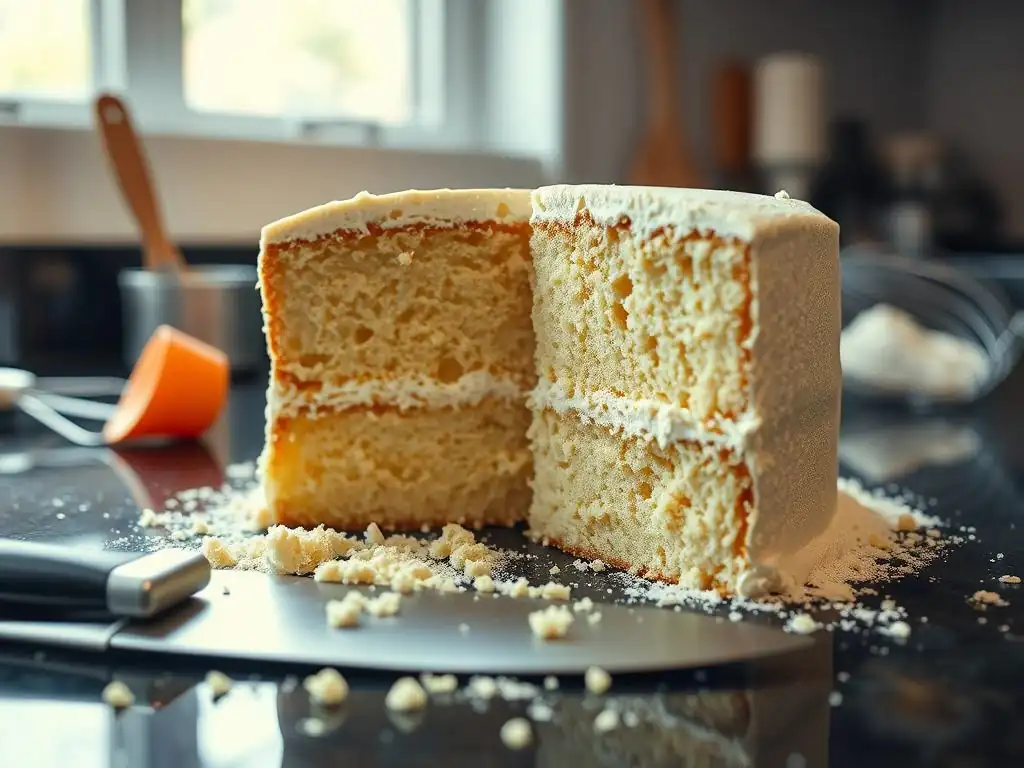
Welcome to BakeWithEase, your trusted companion in the delightful world of baking! Ever wondered why your cake crumbles when slicing, despite all your best efforts? Unravel the secrets to achieving that perfect, clean cut and discover the expert tips and techniques that will transform your baking game. Let's dive in and banish crumbly cakes forever!
- Troubleshooting Dry Cake: A Baker's Guide
- Understanding Why Your Cake is Dry
- Preventing Dry Cake: Best Practices
- Solutions for Rescuing Dry Cake
- Preventing Future Dry Cake Disasters: Baker's Tips
- Slicing Techniques for Moist Cakes
- Conclusion: Bake Moist Cakes with Confidence
- Frequently Asked Questions
- Final Reflection: The Enduring Allure of a Perfect Slice
- Rescue Your Crumbling Cakes!
Troubleshooting Dry Cake: A Baker's Guide
Understanding Why Your Cake is Dry
Common Causes of Dry Cake
A dry cake is a common disappointment for bakers, and it often leads to issues like a cake that crumbles when sliced. The primary culprits usually involve incorrect ingredient ratios or errors in baking technique. For instance, using too much flour or not enough liquid upsets the delicate balance required for a moist crumb. Flour absorbs moisture, and an excess amount will soak up more than the recipe intends, leaving the cake parched. Similarly, insufficient fat, whether butter or oil, robs the cake of richness and tenderness, which are crucial for retaining moisture and preventing that dreaded dryness.
Beyond ingredients, baking too long or at too high a temperature is a major factor. When a cake bakes, moisture evaporates. Overbaking accelerates this process, drying out the cake from the outside in.
An oven thermometer can reveal if your oven runs hot, potentially causing the cake to bake faster and dry out before the center is properly cooked. Even the type of sugar matters; granulated sugar behaves differently than brown sugar or liquid sweeteners like honey, impacting moisture retention due to its hygroscopic properties – its ability to attract and hold onto water molecules. Understanding these common pitfalls is the first step in preventing a cake that crumbles when sliced.
The Science Behind Cake Moisture and Texture
The texture and moisture of a cake are governed by complex chemical reactions that occur during baking. Flour proteins (gluten) and starches, fats, sugars, liquids, and leaveners all interact. Starches gelatinize, absorbing liquid and providing structure. Proteins coagulate, setting the cake's framework. Fats coat flour particles, inhibiting excessive gluten development and contributing to tenderness and a moist mouthfeel. Sugars not only sweeten but also attract and hold moisture (they are hygroscopic) and interfere with gluten development and starch gelatinization, resulting in a softer, moister crumb.
When the balance of these components is off, or the baking process is too aggressive, the cake's structure becomes rigid and moisture is lost. For example, if there's too much gluten development (due to overmixing or too much protein in the flour), the cake can become tough and dry.
Overheating or overbaking causes excessive water evaporation and can lead to the Maillard reaction and caramelization progressing too far, resulting in a hard, dry crust and interior. A properly baked cake retains sufficient moisture bound within the crumb structure, making it tender and less likely to fall apart, addressing why cake crumbles slicing when it's dry.
Preventing Dry Cake: Best Practices
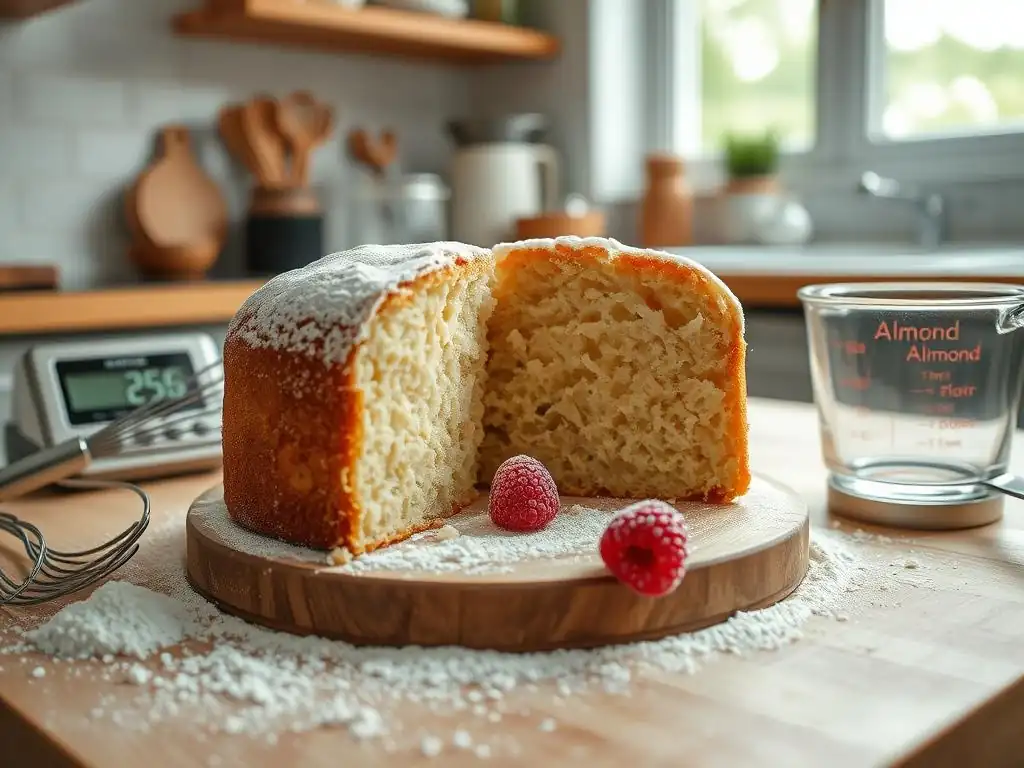
Recipe Issues That Lead to Dryness
Incorrect Flour to Liquid Ratio: Achieving Proper Hydration
The ratio of flour to liquid is foundational to cake texture. Too much flour or too little liquid results in a batter that is too stiff, leading to a dense and dry cake. A typical ratio in many butter cakes might involve flour and liquid in roughly equal proportions by weight, though this varies significantly by recipe type (e.g., sponge cakes are different). Using a kitchen scale for accuracy is highly recommended, as scooping flour can result in up to 25% more flour than intended compared to weighing.
When the batter lacks sufficient hydration, the starch and protein structures don't fully develop or set correctly. This causes the baked cake to have a brittle structure that easily breaks apart. Ensuring the correct balance, as specified by a reliable recipe, allows the ingredients to interact properly, creating a tender crumb that holds together well, reducing the likelihood of the cake crumbling when sliced.
Insufficient Fat: Ensuring Moisture and Binding
Fat is a critical component for moisture, tenderness, and richness in cakes. It coats the flour particles, which inhibits excessive gluten development, resulting in a softer crumb. Fat also contributes to a moist mouthfeel and helps keep the cake soft over time. Recipes that are too low in fat relative to other dry ingredients often produce cakes that are dry, tough, and prone to crumbling.
Think of fat as a lubricant within the cake's structure. It prevents the dry components from sticking together too rigidly. Whether it's butter, oil, or shortening, ensuring the amount is correct is key. For instance, a standard pound cake often uses equal parts flour, sugar, eggs, and butter by weight, a high-fat ratio that contributes to its characteristic dense, moist texture. Reducing the fat significantly from such a recipe would inevitably lead to a much drier outcome.
Using the Wrong Type of Sugar: Affecting Moisture Retention
Sugar does more than sweeten; it plays a vital role in cake structure and moisture. Granulated sugar creamed with butter creates air pockets, contributing to leavening. However, different sugars have varying hygroscopic properties. Brown sugar, for example, contains molasses, which is more hygroscopic than granulated sugar. This means brown sugar attracts and holds onto moisture more effectively, often resulting in a moister, softer cake.
Swapping granulated sugar for a less hygroscopic sweetener, or significantly reducing the sugar content without other adjustments, can lead to a drier cake. While experimenting is fun, sticking to the sugar type and amount specified in a tested recipe is crucial for moisture control. The sugar content also impacts the temperature at which the cake sets; less sugar means it sets faster, potentially drying out before the interior is cooked through.
Baking Techniques to Avoid Dryness
Overbaking: The Primary Cause of Dry Cakes
Overbaking is arguably the most common reason for a dry cake. As a cake bakes, water evaporates. The longer it stays in the oven past its ideal doneness point, the more moisture is lost. This is particularly true for the edges and bottom, which are exposed to direct heat. An overbaked cake will often have a thick, hard crust and a dry, crumbly interior.
To avoid overbaking, rely on doneness tests like the toothpick test (inserted into the center, it should come out with a few moist crumbs, not wet batter or completely clean). Start checking for doneness at the minimum time specified in the recipe. Remember that residual heat continues to cook the cake slightly after it's removed from the oven. Pulling it out just shy of 'perfectly' done is often better than waiting too long.
Incorrect Oven Temperature: Maintaining Consistent Heat
An oven that runs too hot accelerates the baking process and can cause the outside of the cake to dry out and set before the inside is cooked. This leads to a cake that appears done on the outside but might be undercooked in the center and dry around the edges. Conversely, an oven that is too cool can result in a cake that takes too long to bake, also potentially drying out over an extended period, though over-hot is a more frequent culprit for dryness.
Using an oven thermometer is highly recommended, as built-in oven thermostats can be inaccurate, sometimes by as much as 50°F (about 10°C). Preheat your oven for the full recommended time (often 15-20 minutes) to ensure it reaches and stabilizes at the correct temperature before you place the cake inside. Proper temperature control is vital for an even bake and moisture retention.
Using the Wrong Pan Size: Impacting Baking Time
Using a cake pan that is too large for the amount of batter will result in a thin cake that bakes much faster than intended. The reduced volume of batter heats through quickly, increasing the risk of overbaking and drying out before the center is fully cooked but still moist. Conversely, a pan that is too small will overflow or result in a very tall cake that takes significantly longer to bake, also increasing the risk of dryness.
Always use the pan size specified in the recipe. If you must substitute, be aware that baking time will change. A general rule is that a larger pan (shorter cake) requires less time, while a smaller pan (taller cake) requires more time. Keep a close eye on doneness tests when using a different pan size to prevent accidental overbaking and the resulting dry, crumbly texture.
Solutions for Rescuing Dry Cake
Emergency Fixes for Slightly Dry Cakes
Simple Syrup Soak: Adding Moisture Back into the Cake
For a cake that is only slightly dry, a simple syrup soak can work wonders. Simple syrup is typically made by heating equal parts sugar and water until the sugar dissolves. A common ratio is 1 part sugar to 1 part water (by volume or weight). You can add flavorings like vanilla extract, citrus zest, or liqueur. While the cake is still warm (but not hot), gently brush or drizzle the syrup over the top. The warm cake will absorb the liquid more readily.
Use a pastry brush or even a squeeze bottle to distribute the syrup evenly. Don't overdo it, or the cake will become soggy. A light, even application is usually enough to restore lost moisture and improve texture. This technique is particularly effective for sponge cakes or layers that will be filled and frosted, as the syrup adds flavor and moisture.
Milk Soak: A Quick Moisture Infusion
If you need a quick fix and don't have simple syrup, a light soak with milk or buttermilk can also add moisture back into a slightly dry cake. Like the simple syrup method, apply the milk gently to the surface of the cake while it's still slightly warm. Dairy adds richness along with moisture.
Buttermilk is an excellent choice as its acidity can also help tenderize the crumb slightly. Use a brush or carefully drizzle just enough liquid to be absorbed without making the cake soggy. This method is best for plain cakes or those that will be frosted, as the added liquid will be incorporated into the overall texture.
Salvaging Severely Dry Cakes: Creative Options
Bread Pudding: Repurposing Dry Cake into a Dessert
A severely dry cake might be beyond simply soaking and frosting. However, it can be given new life in other desserts. Bread pudding is a classic use for stale or dry bread, and dry cake works just as well! Cut the dry cake into cubes. Whisk together a custard base of eggs, milk or cream, sugar, and flavorings (like vanilla, cinnamon, or nutmeg). Combine the cake cubes with the custard, letting the cake soak up the liquid for 15-30 minutes.
Bake the mixture in a dish until the custard is set and the top is golden brown. This transforms the dry, crumbly cake into a moist, rich, and comforting dessert. You can add fruits, nuts, or chocolate chips to the pudding mixture for extra flavor and texture.
Cake Croutons: Transforming Cake into a Crunchy Topping
Dry cake can be repurposed into sweet croutons, perfect for topping ice cream, yogurt, or fruit salads. Cut the dry cake into small cubes (about 1/2 to 1 inch). You can toss them with a little melted butter, sugar, and cinnamon if desired, but it's not strictly necessary depending on the cake's original flavor.
Spread the cubes in a single layer on a baking sheet. Bake at a low temperature (around 300°F or 150°C) for 15-30 minutes, stirring occasionally, until they are dried out and crunchy. Let them cool completely. These cake croutons provide a delightful crunchy texture contrast and are a clever way to use up cake that is too dry to enjoy on its own.
Ice Cream Sandwiches: Using Cake as a Base
Another creative way to use dry cake is as the 'bread' for ice cream sandwiches. Cut the dry cake into desired shapes (squares, circles, or rectangles). Allow the cake pieces to soften slightly at room temperature if they are very hard. Place a scoop of your favorite ice cream between two pieces of cake.
Gently press together and serve immediately, or wrap and freeze for later. The cold, creamy ice cream provides moisture and contrast to the cake. While the cake might still be a bit dry, the combination works well, and it's a fun, easy dessert that salvages your baking mishap.
Preventing Future Dry Cake Disasters: Baker's Tips
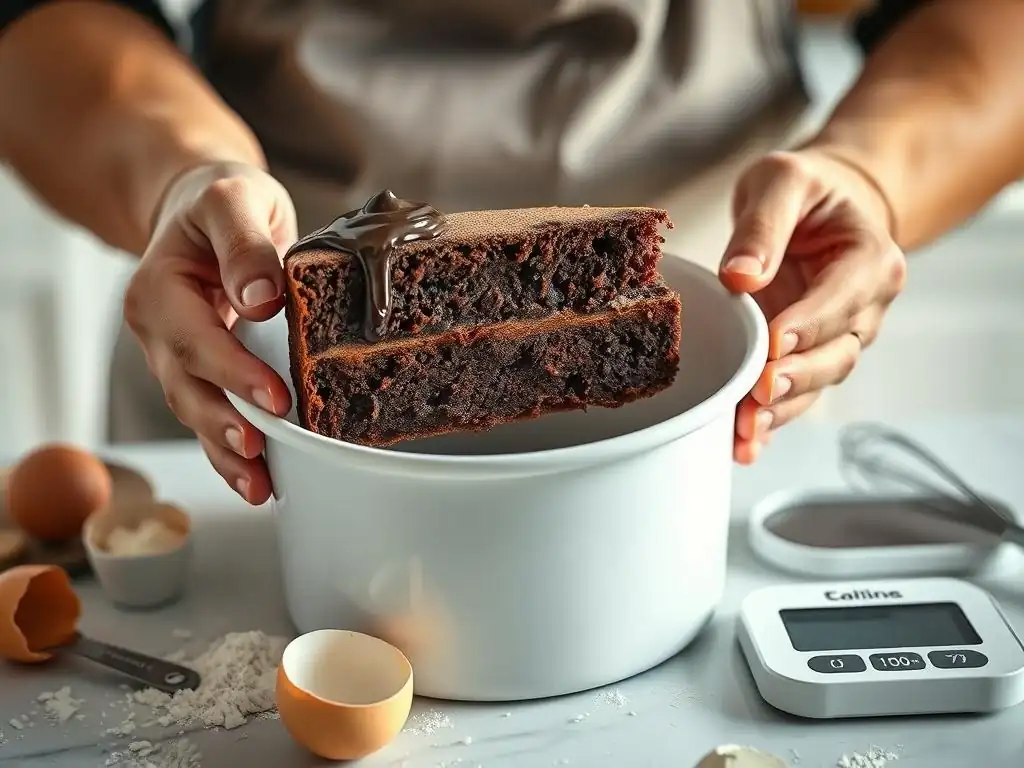
Optimizing Your Cake Recipe for a Moist Outcome
Using Buttermilk: Adding Moisture and Tang
Buttermilk is a fantastic ingredient for moist cakes. Its acidity helps tenderize the gluten in the flour, resulting in a softer, finer crumb. Buttermilk also contains more liquid than butter or oil, adding valuable moisture. The slight tang of buttermilk can also enhance the flavor of the cake, balancing sweetness.
When a recipe calls for milk, substituting buttermilk often results in a moister cake. For every cup of milk, you can typically substitute one cup of buttermilk. If your recipe uses baking soda, the acidity in buttermilk will react with it, aiding in leavening and creating a lighter texture.
Incorporating Applesauce: A Natural Moisturizer
Applesauce is a popular ingredient for adding moisture while often reducing the amount of fat needed. Its natural pectin content helps retain moisture, and its slight sweetness complements many cake flavors. Unsweetened applesauce is generally preferred to avoid making the cake too sweet.
You can often substitute a portion of the fat (like oil or butter) with applesauce. A common substitution is replacing half the butter or oil with an equal amount of applesauce. For example, if a recipe calls for 1 cup of oil, you could use 1/2 cup oil and 1/2 cup applesauce. Test this substitution carefully, as using too much applesauce can make the cake too dense or rubbery.
Adding Oil for Extra Moisture: Using Neutral Oils
While butter provides flavor, oil is often superior for moisture retention in cakes. Oil is 100% fat (compared to butter, which is about 80-82% fat and 18-20% water), and it remains liquid at room temperature, contributing to a moist texture that stays soft longer. Using a neutral-flavored oil, such as vegetable, canola, or sunflower oil, won't overpower the cake's intended flavor.
Consider incorporating a small amount of oil alongside butter in recipes for enhanced moisture. For example, if a recipe calls for all butter, you might try using a mix of butter and oil. Some recipes are specifically designed for oil (like many carrot or zucchini cakes), leveraging its moisture-keeping properties. Oil-based cakes are often less likely to suffer from the dryness that causes a cake to crumble when sliced.
Mastering Baking Techniques for Enhanced Cake Moisture
Properly Creaming Butter and Sugar: Achieving Proper Aeration
Creaming butter and sugar is a crucial step in many cake recipes, particularly those using the creaming method. This process incorporates air into the butter as the sugar crystals cut through it, creating tiny air pockets. These air pockets expand during baking, contributing to the cake's lift and tender structure.
Cream the softened butter and sugar together until the mixture is light, fluffy, and pale yellow. This can take 3-5 minutes with an electric mixer. Under-creaming results in fewer air pockets, leading to a denser cake. Over-creaming can sometimes incorporate too much air, which might collapse during baking, also affecting texture. Proper creaming ensures a good foundation for a moist, well-structured cake.
Gentle Mixing: Preventing Gluten Overdevelopment
Once the dry ingredients (flour, baking powder, soda, salt) are added to the wet ingredients, it's essential to mix gently and only until just combined. Flour contains proteins that form gluten when mixed with liquid. While some gluten development is necessary for structure, overmixing develops too much gluten, resulting in a tough, dry, and dense cake. This increased rigidity also contributes to why cake crumbles slicing.
Use a spatula or mix on the lowest speed of an electric mixer. Stop mixing as soon as you see no streaks of dry flour. A few small lumps are perfectly acceptable. The less you work the batter after the flour is added, the more tender your cake will be.
Accurate Doneness Testing: Avoiding Overbaking
Knowing exactly when your cake is done is the most critical skill for preventing dryness. Relying solely on the baking time specified in the recipe can be misleading due to oven variations and pan differences. The most reliable method is the toothpick test: insert a toothpick or thin skewer into the center of the cake.
For most cakes, the toothpick should come out with a few moist crumbs attached. If it comes out with wet batter, it needs more time. If it comes out completely clean and dry, it might already be slightly overbaked. Begin checking about 5-10 minutes before the minimum time given in the recipe. Another indicator is that the cake edges will start to pull slightly away from the sides of the pan, and the top will spring back gently when lightly pressed.
Slicing Techniques for Moist Cakes
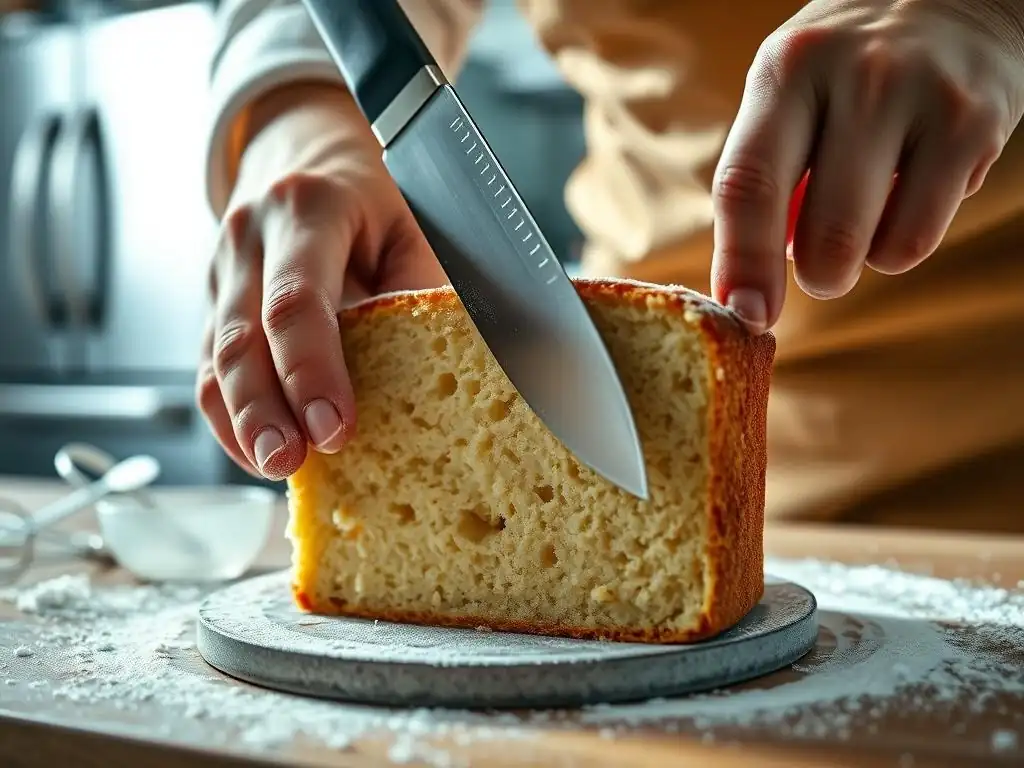
Allowing the Cake to Cool Properly
Allowing a cake to cool properly before slicing is paramount for both structural integrity and moisture retention. When a cake first comes out of the oven, the internal structure is still fragile, and moisture is distributed unevenly. Cutting into a hot or warm cake causes it to steam, releasing valuable moisture into the air. The crumb is also more likely to compress or crumble under the knife when warm.
Most cakes should cool in their pan on a wire rack for 10-20 minutes before being inverted onto the rack to cool completely. Butter cakes often benefit from cooling almost entirely in the pan. Ensure the cake is fully cooled to room temperature before attempting to slice it. This allows the structure to set and the moisture to redistribute evenly throughout the cake, making it much easier to slice cleanly without crumbling.
Storing Cake to Maintain Moisture
Proper storage is key to keeping a cake moist after it's baked. Exposure to air is the enemy of cake moisture, causing it to dry out rapidly. Once completely cooled, store the cake in an airtight container. If the cake is frosted, a cake dome or a container large enough not to disturb the frosting works well. For unfrosted cakes or slices, plastic wrap followed by a layer of foil provides excellent protection against air.
Store cakes at room temperature unless they contain perishable fillings or frostings (like fresh cream or custard), in which case they should be refrigerated. Refrigeration can sometimes dry out cake faster, so ensure it's very well wrapped if chilling is necessary. Properly stored cake retains its moisture, preventing it from becoming dry and crumbly when you slice it later.
Conclusion: Bake Moist Cakes with Confidence
Achieving a perfectly moist cake every time is a skill that comes with understanding the fundamentals of baking. From selecting the right ingredients and ratios to mastering baking times and temperatures, each step plays a vital role in the final outcome. Dryness is a common issue that can lead to a cake that crumbles when sliced, but it's a problem you can definitely overcome.
By paying attention to common causes like overbaking or incorrect measurements, employing smart techniques like proper creaming and gentle mixing, and knowing how to rescue a slightly dry bake, you can significantly improve your results. Remember the importance of cooling the cake completely and storing it correctly to maintain that desirable moist crumb. With these tips and a little practice, you'll be baking delicious, moist cakes that slice beautifully and impress everyone!
Frequently Asked Questions
Why does my cake crumble when I try to slice it?
A cake that crumbles upon slicing is often caused by a lack of moisture or too much flour in the batter. Overbaking can also lead to a dry and crumbly texture.
How can I prevent my cake from crumbling in the first place?
To prevent crumbling, ensure accurate measurements of ingredients, especially flour. Avoid overbaking by testing for doneness with a toothpick. Consider adding moisturizing ingredients like sour cream or oil.
What's the best way to slice a cake without it crumbling?
Use a serrated knife and a gentle sawing motion, rather than pressing down hard. Chilling the cake slightly before slicing can also help to firm it up.
Can I fix a cake that's already crumbled after slicing?
While you can't completely undo the crumbliness, you can use the cake in other desserts. Crumble the cake and use it for parfaits, trifles, or as a topping for ice cream.
Does the type of cake affect how easily it crumbles?
Yes, some cakes are naturally more prone to crumbling than others. For example, sponge cakes tend to be more delicate than denser cakes like pound cake.
Final Reflection: The Enduring Allure of a Perfect Slice
The seemingly simple act of slicing a cake reveals a surprising depth of culinary science and, more broadly, the pursuit of perfection. A crumbly cake isn't just a culinary mishap; it's a symbol of unmet expectations, a reminder that even the most carefully crafted creations can fall short. This article explored the various reasons why cakes crumble, from improper baking techniques to ingredient inconsistencies, highlighting the importance of precision and understanding in achieving a flawless result.
The quest for the perfect cake slice transcends mere dessert; it reflects our broader human desire for mastery and control. We strive for perfection in all aspects of our lives, and the seemingly insignificant act of slicing a cake becomes a microcosm of this larger ambition. Perfection is not attainable, but if we chase perfection we can catch excellence.
This quote, though often attributed to various sources, perfectly encapsulates the spirit of baking – and indeed, life itself. The journey towards a flawless cake, even if imperfectly achieved, teaches valuable lessons about patience, attention to detail, and the acceptance of occasional imperfections.
You, the baker, now hold the knowledge to avoid the dreaded crumble. Consider the lessons learned here not just for your next cake, but as a metaphor for tackling challenges in your own life. Embrace the process, learn from your mistakes, and strive for excellence, knowing that even the most carefully planned endeavors may occasionally fall short. But remember, the journey, the learning, and the eventual triumph over a perfectly sliced cake are all part of the sweet reward.
Rescue Your Crumbling Cakes!
Thanks for taking the time to learn how to fix those frustratingly crumbly cakes! You've now got the knowledge to bake masterpieces every time. Ready to put your new skills to the test?
- Bake a show-stopping cake this weekend: Try out one of the techniques from the article – and let us know how it goes! We bet your next cake will be picture-perfect.
- Share your cake triumphs (and even your flops!) on social media: Use #BakeWithEaseTriumphs or #BakeWithEaseFails – we’d love to see your baking journey.
- Explore our other cake recipes: We've got a whole collection of recipes waiting to be discovered – you might find your new signature cake.
What's your favorite cake flavor to bake, and what’s the biggest challenge you've faced in creating it? Let's discuss!