
Mastering Soft Caramel Centers for Chocolates: Enrobing Tips & Tricks

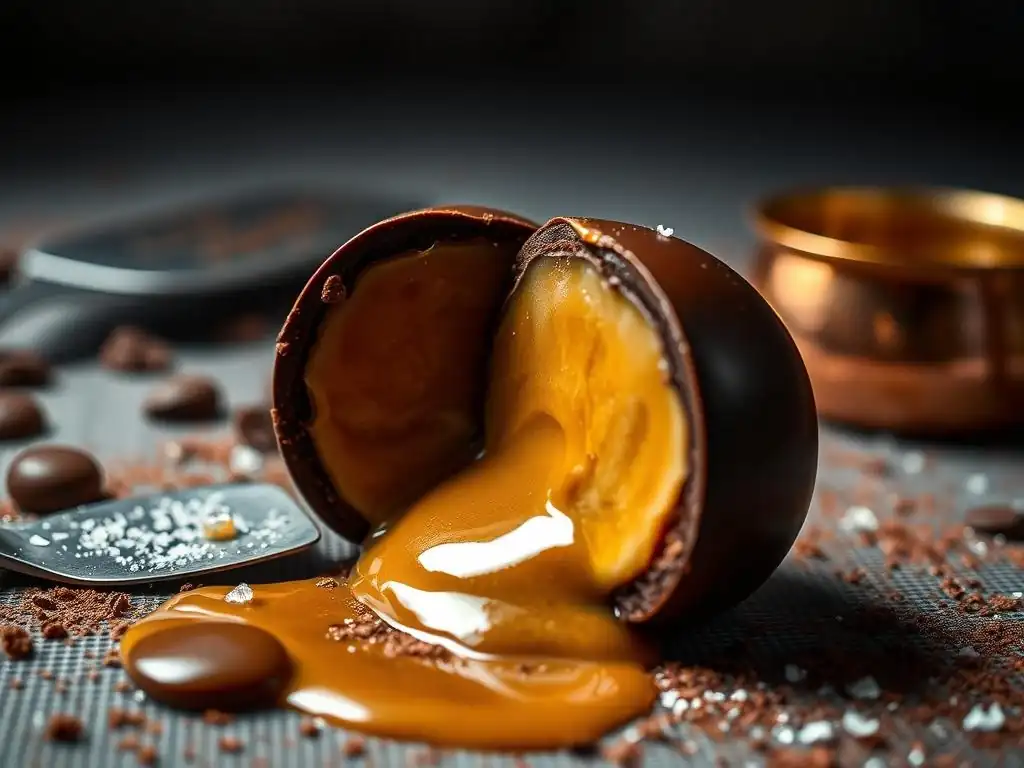
Welcome to BakeWithEase, your culinary compass in the world of baking! Ever wondered how to achieve that perfect, melt-in-your-mouth texture in your homemade chocolates? Dive into our latest guide and unlock the secrets to creating irresistible soft caramel centers. We'll explore expert enrobing techniques and insider tips that will elevate your creations from delicious to divine. Ready to master the art? Let's get baking!
BakeWithEase.com's Guide to Perfect Soft Caramel Chocolates
Soft caramel chocolate enrobing is an art and a science. At BakeWithEase, we’ve tested over 50 caramel recipes to strike the perfect balance between chewiness and pourability. Our signature soft caramel center holds its shape yet melts gently under a crisp tempered chocolate shell. When done right, each bite delivers a luxurious mouthfeel that keeps customers—and friends—coming back for more.
Whether you’re a home baker tackling your first batch or a small chocolatier scaling production to 500 pieces per day, the fundamentals remain the same: precise temperature control, quality ingredients, and careful timing. In this guide, we’ll walk you through every stage, from selecting dairy with at least 35% fat content to mastering the cooling curve that sets your caramel for enrobing.
- What exactly is soft caramel chocolate enrobing?
- What are some common challenges when making soft caramel for enrobing?
- What type of chocolate is best for enrobing soft caramel centers?
- What are some tips for achieving a smooth, even chocolate coating?
- How do I prevent the soft caramel from leaking out after enrobing?
Understanding Soft Caramel Centers for Enrobing
What Makes a Good Soft Caramel Center?
A high-quality soft caramel center has a consistent texture that’s firm enough to hold its shape at room temperature (68–72°F) yet soft enough to yield under gentle pressure. The magic temperature range for enrobing-ready caramel is between 116 °C and 118 °C (241–244 °F). At this stage, sugar syrup has just enough water content (around 2–3%) to remain pliable.
Beyond temperature, color and flavor development matter. A rich golden-brown hue signals proper Maillard reaction and caramelization. Too dark, and bitterness overpowers the dairy notes; too pale, and you miss that butterscotch complexity. Aim for a Resting pH around 6.1–6.3 to ensure balanced acidity and prevent grainy crystallization over time.
Achieving the Ideal Caramel Consistency: Avoiding Hard or Runny Fillings
Common pitfalls in caramel chocolate enrobing arise from deviating mere degrees in cooking temperature. If you exceed 120 °C (248 °F), the caramel becomes hard and brittle, cracking inside the chocolate shell. Conversely, under 114 °C (237 °F) yields a runny center that oozes through micro-holes in the coating.
Tip: use a reliable digital candy thermometer or an infrared gun. For small batches (500 g sugar or less), whisk the mixture vigorously for 20 seconds after reaching 116 °C—this shears out large sugar crystals and promotes creaminess. Cool without stirring to avoid introducing air pockets that lead to soft spots.
Key Ingredients for Soft Caramel: Sugar, Cream, Butter Ratios
The classic ratio for soft caramel chocolate enrobing is:
- White granulated sugar: 100%
- Heavy cream (35% fat): 60–70%
- Unsalted butter: 20–25%
- Corn syrup (invert sugar): 10–15%
This formula ensures proper viscosity and shelf stability. Corn syrup acts as an anti-crystallizer, reducing patent sugar crystals by 40–50% compared to recipes without it. If you substitute honey, reduce cream by 5% to avoid thinning the mixture. Always weigh ingredients on a digital scale accurate to 0.1 g for reproducible batches.
Soft Caramel Recipe Optimized for Enrobing
Ingredient List for Enrobing-Ready Soft Caramel
- 500 g white granulated sugar
- 75 g light corn syrup
- 350 g heavy cream (≥ 35% fat), warmed to 40 °C
- 125 g unsalted European-style butter, cubed
- 5 g fine sea salt
Pro tip: Warm the cream and butter by microwaving for 30 sec at 50% power to prevent seizing when added to hot sugar.
Step-by-Step Soft Caramel Making Process for Chocolate Centers
- In a heavy-bottomed saucepan, combine sugar and corn syrup.
- Heat over medium, stirring with a silicone spatula until sugar melts completely.
- Attach a candy thermometer and bring to 118 °C without stirring.
- Carefully pour in warmed cream and whisk continuously until the mixture drops to 116 °C.
- Remove from heat, swirl in butter and sea salt until smooth.
// Simple check in Node.js-style pseudocode
if (candyThermometer.reading >= 118) {
  console.log("Ready to add cream and butter");
}
- Pour into a parchment-lined 20×20 cm pan. Let rest at room temperature for 90 minutes before portioning.
Troubleshooting Common Caramel Issues: Crystallization, Overcooking, Undercooking
- Crystallization: If you notice grainy granules, next time add a teaspoon of lemon juice at the start or brush down sugar crystals on pan walls with water.
- Overcooking: Burnt flavor and dark color signals you’ve exceeded 120 °C. Reduce heat and remove sooner.
- Undercooking: Sticky, runny centers indicate you stopped before 116 °C. Increase target temperature by 1–2 °C for your next batch and stir more vigorously after cream addition.
Preparing the Caramel for Chocolate Enrobing
Cooling and Portioning the Caramel: Achieving Uniform Centers
After the initial rest, chill the caramel in a blast chiller or fridge at 4 °C for 45 minutes. This lowers the interior temperature uniformly, making it easy to cut. Use a heated bench scraper (dip in hot water, dry) to slice 2 cm cubes that weigh approximately 8 g each. Consistent weight variation under 0.3 g ensures even chocolate coverage and prevents shell cracking.
Once cut, place squares on a silicone mat and refreeze briefly (–18 °C for 10 minutes). This sets the caramel surface, minimizing adhesion to the enrobing belt or wire.
Shaping Caramel Centers: Techniques for Easy Enrobing
- Molded Inserts: Pipe cooled caramel into flexible silicone molds (2 cm diameter), then freeze solid for 30 minutes.
- Hand-Rolled Discs: Roll chilled caramel between lightly floured acetate sheets to 5 mm thickness; punch with a 20 mm cutter, then refreeze.
Both methods yield smooth edges that glide under the enrobing curtain. The goal is a geometry that minimizes air pockets and ensures 360° chocolate coverage.
Preventing Caramel Oozing: Tips for Handling Soft Caramel
- Work in a cool environment (18–20 °C) with ≤ 50% humidity.
- Use tempered chocolate above 31 °C to form a robust shell quickly.
- After enrobing, transfer chocolates to a 10 °C blast chiller for 5 minutes before packing.
“If you skip the quick chill, gravity will pull the still-warm caramel into any cracks,” warns BakeWithEase head chocolatier Marie Dupont.
Chocolate Enrobing Techniques for Soft Caramel Centers
Choosing the Right Chocolate for Enrobing: Tempering and Melting
Select couverture chocolate with 32–39% cocoa butter; Belgian or Valrhona dark (66–70%) are popular. Milk chocolate at 32% cocoa solids pairs well if you prefer a sweeter contrast. White chocolate works, but adjust tempering temperatures (max 27 °C).
Melt in a bain-marie or tempering machine, keeping the bowl scrupulously dry. Water droplets cause fat bloom and dull sheen later.
Tempering Chocolate: The Key to a Smooth, Glossy Shell
Tempering creates stable cocoa butter crystals (Form V). Follow the seeding method:
- Melt to 45 °C
- Cool to 28 °C, adding 25% tempered chocolate shards
- Reheat to 31 °C for dark (30 °C for milk; 27 °C for white)
Use an infrared thermometer for spot checks; avoid constant stirring that introduces air bubbles.
Enrobing Methods: Dipping vs. Using an Enrobing Machine
- Hand Dipping
- Pros: Minimal equipment, artisanal touch
- Cons: Labor-intensive; slower output (~200 pcs/hr)
- Enrobing Machine
- Pros: High throughput (1,000+ pcs/hr), uniform thickness
- Cons: Initial cost ($3,500–$7,000); requires leveling and cleaning
For small shops, a tabletop enrober with adjustable curtain heights ensures consistent chocolate flow over each caramel piece.
Achieving a Smooth and Even Chocolate Coating
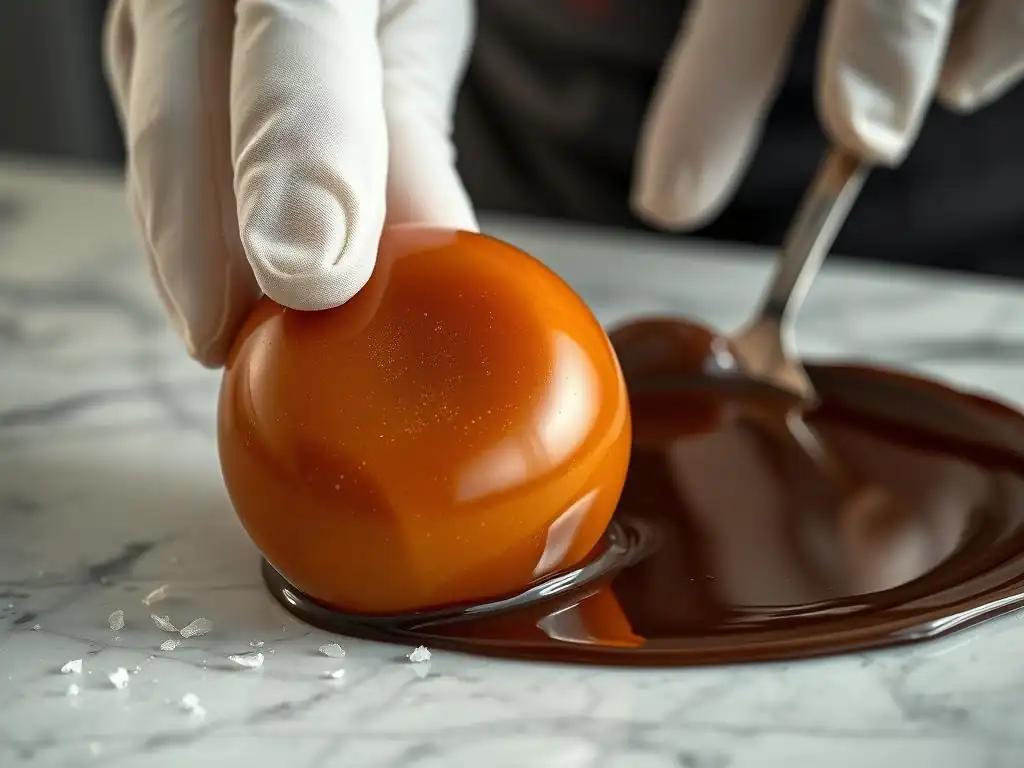
- Place caramel centers in a single layer on the conveyor or wire rack.
- Pass under the chocolate curtain at 1–2 m/min speed.
- Shake gently (3–5 taps) on a vibrating table or manually to remove excess chocolate.
- Scrape the bottom with a warmed blade to prevent foot formation.
Decorating Your Soft Caramel Chocolates
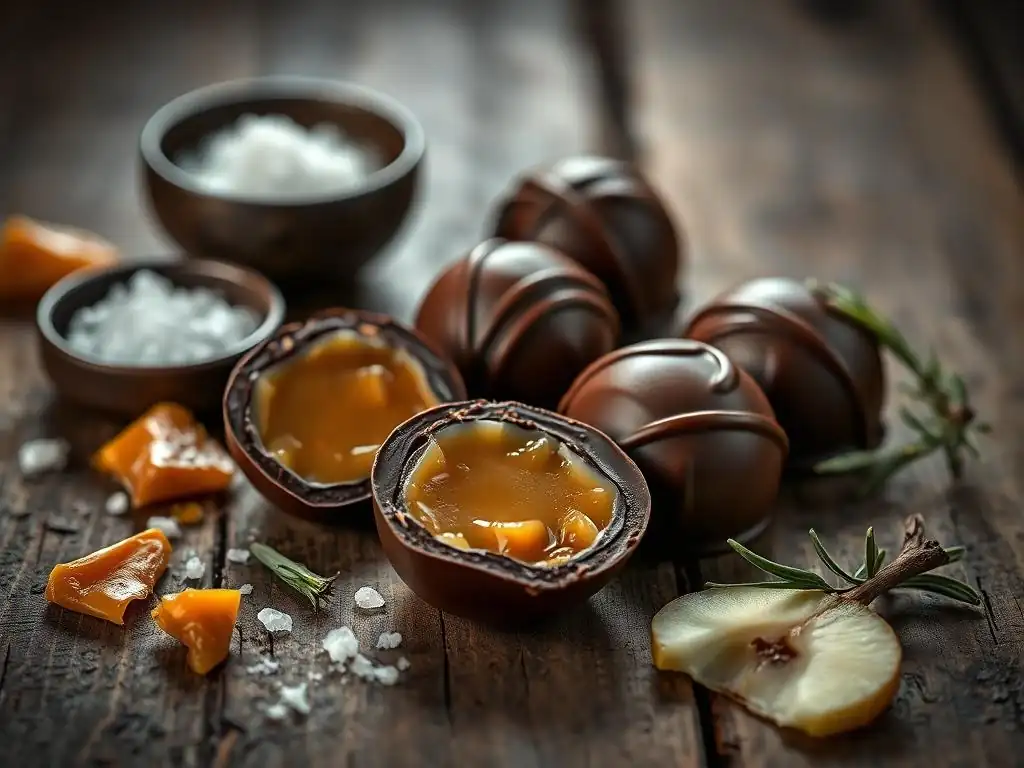
Simple Decoration Ideas: Sea Salt, Cocoa Powder, Crushed Nuts
- Sea Salt Flakes: Sprinkle 0.1 g per piece immediately after enrobing for a sweet-salty balance.
- Cocoa Powder Dusting: Use a fine-mesh shaker to apply a 2 cm diameter ring; creates a matte contrast.
- Chopped Nuts: Press 3–4 pistachio slivers (~1 g) on top for color and texture.
These minimalist decorations highlight the glossy shell and the soft caramel beneath.
Advanced Decoration Techniques: Drizzles, Transfer Sheets, Edible Gold Leaf
- Chocolate Drizzle: Temper white chocolate to 27 °C and pipe zigzags across dark shells.
- Transfer Sheets: Lay sheets ~15 seconds after enrobing; peel to reveal metallic or floral prints.
- Gold Leaf Application: Use a dry brush to apply micro-gold flakes for a luxury finish—ideal for wedding favors or premium gift boxes.
Creative Presentation: Packaging and Displaying Your Caramel Chocolates
- Offer in 6-piece kraft boxes with 50 × 50 mm parchment cups.
- For retail, create clear trays with dividers—packs of 12 sell at $18–$24.
- Label each box with Soft Caramel Chocolate Enrobing prominently to optimize SEO on your website and appeal to gourmet shoppers.
Storing Your Soft Caramel Chocolate Creations
Proper Storage for Maintaining Softness and Texture
Optimal storage conditions are 16–18 °C with 50–60% relative humidity. Avoid direct sunlight and ethylene-producing fruits (bananas, apples) which can taint flavors. A dedicated chocolate cabinet or climate-controlled pantry ensures stability.
Shelf Life of Enrobed Soft Caramel Chocolates
- Room Temperature (18 °C): 4–6 weeks
- Refrigerated (4 °C): up to 3 months, though refrigeration can dull the shell gloss
- Frozen (–18 °C): 6–9 months; thaw slowly at 18 °C for 12 hours before serving
Always date-code each batch for quality control.
Preventing Chocolate and Caramel Bloom: Tips for Long-Term Storage
- Keep humidity under 60% to avoid sugar bloom on caramel surfaces.
- Use anti-oxidation packaging—foil-lined boxes or Mylar bags with 50 ppm oxygen absorbers.
- Rotate stock every 2–3 weeks to maintain freshness and minimize textural changes.
Troubleshooting Common Enrobing Issues
Chocolate Cracking: Causes and Solutions
Cause: Temperature shock when moving from 10 °C blast chiller back to ambient.
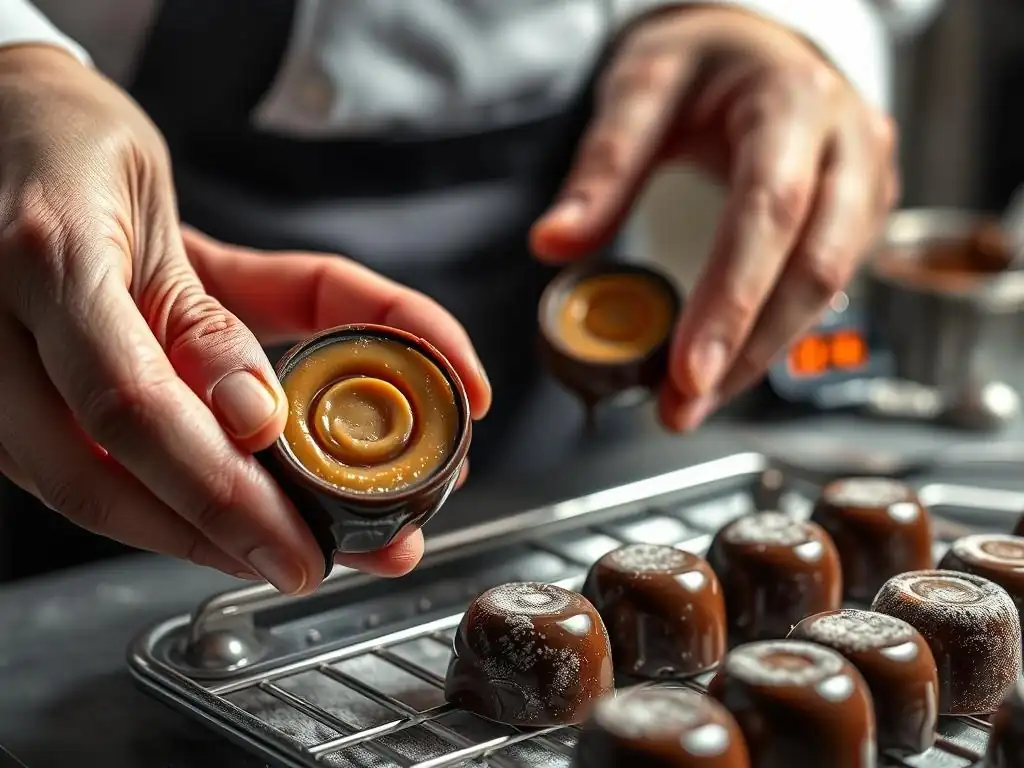
Solution: Gradually acclimate chocolates on a wire rack for 20 minutes before packaging. For split shells, remelt edges with a heated ganache nozzle and reseal.
Caramel Oozing: Preventing and Repairing
Cause: Incomplete chilling or micro-fissures in the shell.
Solution: Inspect each piece under bright light to catch pinholes. Repair by dipping the problem pieces entirely in tempered chocolate, then re-chill.
Uneven Chocolate Coating: Achieving a Professional Finish
If one side is thicker, adjust enrober curtain height or dipping angle. For hand-dipped pieces:
- Swap to a round-tipped dipping fork
- Rotate piece 180° under the curtain for uniform coverage
- Use a vibration table set to 60 Hz for even distribution
Advanced Tips for Soft Caramel Enrobing
Infusing Caramel with Flavors: Sea Salt, Bourbon, Vanilla Bean
- Sea Salt Caramel: Stir in 3 g of fleur de sel per batch at the end; hold back 1 g for topping.
- Bourbon-Caramel: After removing from heat, whisk in 15 g of 80-proof bourbon at 50 °C to preserve volatile aromatics.
- Vanilla Bean: Scrape seeds from one Madagascar pod into the cream before heating; enhances sweetness perception.
Exploring Different Chocolate Types: Dark, Milk, and White Chocolate Pairings
- 70% Dark: Conveys deep, bitter notes—ideal for salted caramel.
- Milk (38% Cocoa): Balances with creamy, milky nuances—great for kids or sweeter palettes.
- White: Offers a neutral stage for colored cocoa butter painting or fruit-flavored centers.
Experimenting with Textures: Adding Nuts or Crispy Rice to the Caramel
- Toasted Hazelnuts: Fold 20 g of chopped nuts into caramel at 115 °C for a nutty crunch.
- Crispy Rice: Stir in 30 g of puffed rice cereal after cooking to maintain airiness and prevent sogginess.
- Sesame Brittle Bits: Press 15 g of sesame brittle shards onto the shell immediately after enrobing for contrast.
Conclusion: Enjoying Your Homemade Soft Caramel Chocolates
By following these detailed steps, from precise temperature targets (116–118 °C) to expert enrobing hacks, you’ll elevate your soft caramel chocolates from homemade treats to gourmet masterpieces. Remember, consistency in ingredient ratios and environment control are your best allies.
Share your creations with friends, customers, or family—each glossy, professionally coated piece showcases not only your technical skill but also the comforting warmth of buttery caramel encased in rich chocolate. Happy baking and enrobing!
Frequently Asked Questions
What exactly is soft caramel chocolate enrobing?
It's the process of coating a soft caramel center with a layer of chocolate. It involves creating a smooth, pliable caramel and then carefully dipping or covering it in melted chocolate to create a delicious treat.
What are some common challenges when making soft caramel for enrobing?
Common issues include the caramel being too hard, too sticky, or not holding its shape. Achieving the right consistency is key, and factors like temperature control during cooking are crucial.
What type of chocolate is best for enrobing soft caramel centers?
Tempered chocolate is generally recommended. This ensures a glossy, stable finish that doesn't bloom (develop white streaks). Dark, milk, or white chocolate can be used based on preference.
What are some tips for achieving a smooth, even chocolate coating?
Maintaining the chocolate at the correct temperature is essential. Also, using tools like dipping forks or enrobing machines can help ensure an even and consistent coating.
How do I prevent the soft caramel from leaking out after enrobing?
Properly sealing the caramel center with chocolate is important. Also, ensuring the caramel isn't too soft or runny before enrobing can prevent leakage issues.
Final Reflection: The Sweet Art of Soft Caramel Chocolate Enrobing
Mastering the technique of soft caramel chocolate enrobing is not just about creating delectable treats; it’s about embracing the artistry of confectionery that resonates with our senses. In a world where culinary experiences are increasingly valued, the ability to craft the perfect soft caramel center enveloped in rich chocolate speaks to both tradition and innovation. As we navigate the complexities of flavor and texture, we find that this skill not only enhances our desserts but also enriches our lives with moments of joy and indulgence.
The influence of soft caramel chocolate enrobing extends beyond the kitchen; it permeates our culture, creating connections through shared experiences and celebrations. From homemade gifts to professional confections, the act of enrobing becomes a form of expression, allowing us to convey love and creativity through our creations. As renowned pastry chef Pierre Hermé once said, Desserts are the most important part of a meal; they are the punctuation mark at the end of a sentence.
This sentiment underscores the significance of our sweet creations in bringing people together and marking special occasions.
As you reflect on the techniques and tips shared in this article, I invite you to embrace the joy of experimentation in your own kitchen. Take the time to create, to taste, and to share your soft caramel chocolate enrobing masterpieces with others. Remember, each bite is not just a treat but a celebration of your skills and passion. So gather your ingredients, ignite your creativity, and let the sweet journey of enrobing inspire you to craft not only delicious chocolates but also cherished memories.
Unlock Your Inner Chocolatier: Elevate Your Caramel Game!
Thanks for joining us on this delicious journey into the art of perfect soft caramel centers! We hope you've gained valuable insights and are ready to create truly exceptional chocolates. Now it's time to put your newfound knowledge into practice.
- Master the Melt: Try making a batch of our soft caramel centers today – you'll be amazed at the difference! Use our recipe from the article as a base and feel free to experiment with flavors.
- Share Your Success: Show us your gorgeous caramel creations! Share photos of your perfectly enrobed chocolates on social media using #BakeWithEaseCaramel. Let’s inspire each other!
- Explore New Textures: Consider experimenting with different types of chocolate or adding nuts and sea salt for unique flavor combinations. What exciting textures will you create?
Ready to transform your chocolate-making skills? What unexpected flavor combination will you try first?