
Layered Flavors: Combining Butter with Aromatic Oils in Multilayer Cakes

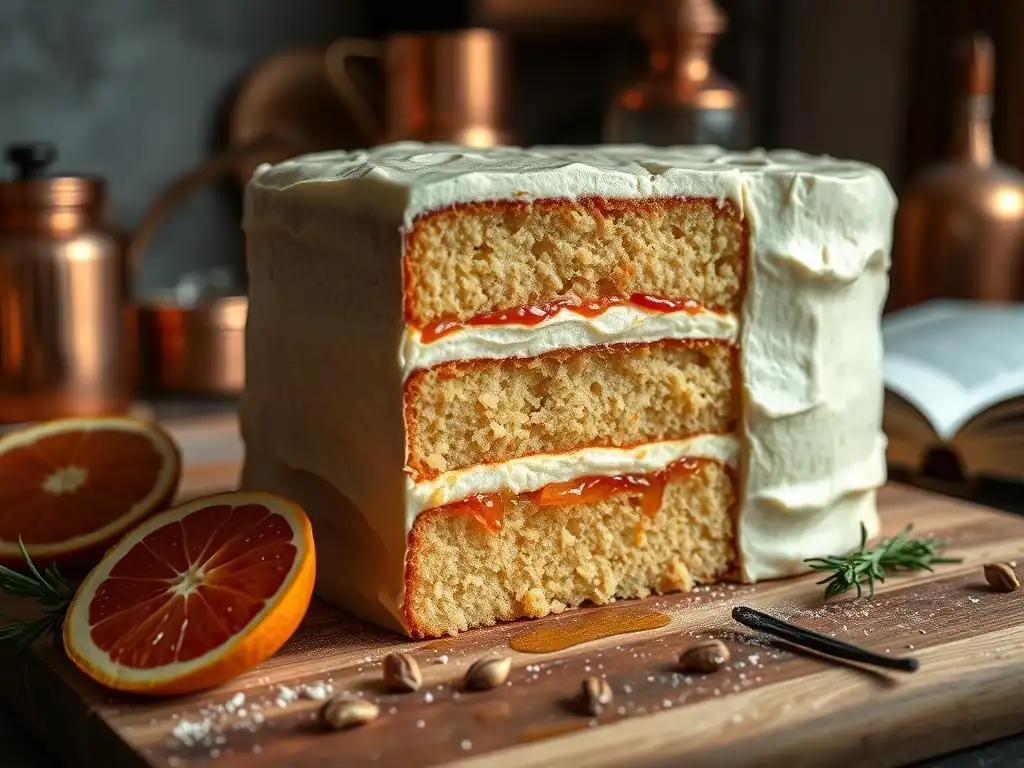
Welcome to BakeWithEase, your trusted guide to baking brilliance! Ever wondered how to elevate a simple cake into a symphony of flavors? Dive into our latest article to discover the secrets behind crafting the perfect Butter Aromatic Oil Cake Recipe. Unlock the secrets to achieving layers of moist, flavorful delight – and get ready to impress with every slice. This is more than just baking; it's an exploration of taste!
- Layered Flavors: Combining Butter with Citrus Zest in Multilayer Cakes
- Bake Like a Pro: Elevate Your Cakes with Butter and Citrus Zest
- Understanding the Foundation: Butter's Role in Cake Baking
- Introducing Citrus Zest: A Flavorful Twist
- The Art of Combining Butter and Citrus Zest in Cake Recipes
- Mastering the Technique: Tips for Perfect Integration
- Buttercream Bliss: Extending the Citrus Theme to Frosting
- Recipe Ideas: Butter Citrus Zest Cake Inspirations
- Troubleshooting: Common Issues and Solutions
- Conclusion: Unleash Your Creativity with Butter and Citrus Zest in Cake Baking
-
Frequently Asked Questions
- How does using butter in an aromatic oil cake recipe affect the final product?
- What aromatic oils work best in a butter-based cake recipe?
- Can I substitute all of the butter with aromatic oil in the "Butter Aromatic Oil Cake Recipe"?
- What temperature should my butter be when making this type of cake?
- How do I prevent the aromatic oil flavor from being lost during baking?
- Final Reflection: The Enduring Allure of Layered Delights
- Unlock Your Cake's Full Potential: Infuse, Bake, & Delight!
Layered Flavors: Combining Butter with Citrus Zest in Multilayer Cakes
Bake Like a Pro: Elevate Your Cakes with Butter and Citrus Zest
Unlock a new dimension of flavor in your baking by mastering the combination of rich butter and vibrant citrus zest. This pairing is a cornerstone of many beloved butter aromatic oil cake recipe variations, bringing both luxurious texture and bright, clean notes to your creations. Whether you're a seasoned baker or just starting, understanding how these two ingredients interact can transform your cakes from good to unforgettable.
Adding citrus zest provides a concentrated burst of essential oils, complementing the fat and moisture provided by butter. This synergy results in cakes that are not only moist and tender but also possess a complex aroma and a refreshing taste that cuts through the richness. It's a simple technique with profound results, perfect for adding a signature touch to your multilayer cakes.
Understanding the Foundation: Butter's Role in Cake Baking
Butter is far more than just a fat source in cake baking; it's a fundamental building block contributing significantly to texture, flavor, and structure. Its unique composition of fat, water, and milk solids interacts with other ingredients during mixing and baking to create the desired crumb and rise. The quality and type of butter you use can dramatically impact the final outcome of your butter aromatic oil cake recipe.
When butter melts in the oven, the water content turns to steam, helping to leaven the cake. The fat coats flour particles, inhibiting excessive gluten development, which results in a tender crumb. The milk solids brown, adding depth of flavor. Understanding these processes is key to successful baking and creating that perfect base for incorporating aromatic elements like citrus zest.
The Science of Butter: Texture and Flavor Enhancement
The science behind butter's magic in cakes lies in its physical properties and chemical composition. Standard unsalted butter typically contains around 80-82% fat, 16-18% water, and 1-2% milk solids. When butter is creamed with sugar, it traps air bubbles within the fat matrix. These air pockets expand during baking, contributing to the cake's rise and creating a light, airy texture. The fat also shortens gluten strands, preventing toughness.
Beyond texture, butter is a primary carrier of flavor. Its rich, slightly sweet taste forms the base upon which other flavors, like those from citrus zest, can build. The milk solids undergo Maillard reactions during baking, adding nutty and caramelized notes that enhance the overall complexity of the butter aromatic oil cake recipe. Using room-temperature butter is crucial for proper creaming and air incorporation, ensuring a tender and well-risen cake.
Choosing the Right Butter for Your Cake Recipe: European vs. American
Selecting the appropriate butter can make a noticeable difference in your cake. The two most common types are American-style and European-style butter. American butter usually has a minimum of 80% fat content, while European butter typically boasts a higher fat percentage, often 82% or more. This higher fat content in European butter generally results in a richer flavor and a more tender crumb in baked goods.
Furthermore, some European butters are cultured, meaning live bacterial cultures are added to the cream before churning. This process develops more complex, slightly tangy flavors, which can add another layer of depth to your butter aromatic oil cake recipe. For a classic, rich butter cake, European-style butter is often preferred, while American butter works perfectly well for most standard recipes and offers a clean, creamy flavor profile. Consider the overall flavor profile you want to achieve when making your choice.
Introducing Citrus Zest: A Flavorful Twist
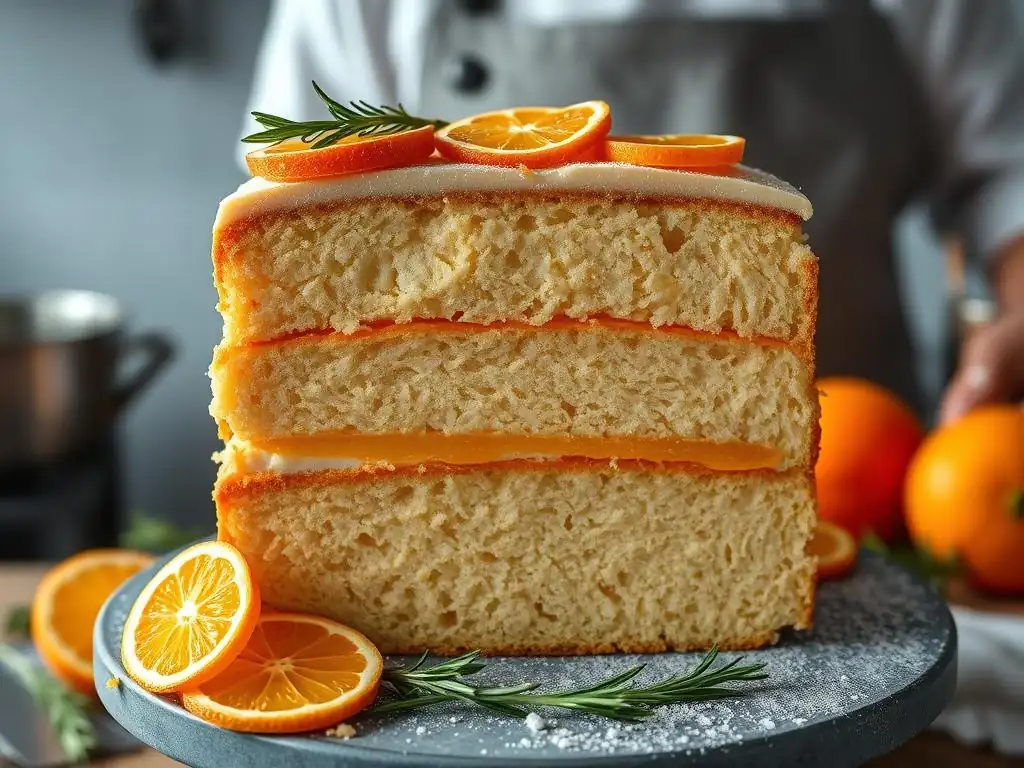
Citrus zest is the vibrant, colored outer layer of citrus fruit peel, packed with potent essential oils. Unlike the bitter white pith underneath, the zest is pure flavor and aroma. Incorporating it into cakes is a simple yet incredibly effective way to add brightness, complexity, and a refreshing counterpoint to the richness of butter. It's a key component in many delightful butter aromatic oil cake recipe variations.
These volatile oils contain compounds like limonene (found abundantly in lemons and oranges), pinene, and citral, which are responsible for the distinctive aromas and tastes we associate with different citrus fruits. When heated during baking, these oils release their fragrance, permeating the cake and creating an intensely aromatic experience. A little zest goes a long way in elevating your cake's flavor profile.
What is Citrus Zest and Why Use It in Cakes?
Citrus zest is essentially the aromatic skin of fruits like lemons, oranges, limes, and grapefruits. It's the part of the fruit where the majority of the flavorful essential oils are concentrated. Using zest in cakes introduces these volatile compounds directly into the batter, infusing the entire cake with bright, clean, and specific fruity notes that are distinct from using juice alone (which primarily provides acidity and liquid).
The reason to use zest in cakes, particularly alongside butter, is its ability to add intense flavor without adding significant liquid, which can alter the batter consistency. The oils in the zest are fat-soluble, meaning they blend beautifully with the butter, distributing their aroma and taste throughout the cake's tender crumb. This creates a harmonious butter aromatic oil cake recipe where the richness of the butter is lifted and brightened by the citrus notes.
Selecting the Best Citrus Zest for Baking: A Guide to Complementary Flavors
Choosing the right citrus zest depends largely on the overall flavor profile you envision for your cake. Each type of citrus offers a unique aromatic signature. Consider the other ingredients in your recipe – vanilla, chocolate, spices – and how the citrus zest will complement them. For instance, lemon zest offers a sharp, clean brightness, while orange zest provides a sweeter, warmer aroma.
Think about the intensity you desire. Lime zest is often more pungent and tart than lemon, making it excellent for cutting through very rich cakes. Grapefruit zest offers a slightly bitter, sophisticated note that pairs well with certain flavors like rosemary or olive oil. Experimentation is key to finding your favorite combinations for a personalized butter aromatic oil cake recipe.
Popular Citrus Zest Choices: Lemon, Orange, Lime, and Grapefruit
- Lemon Zest: Provides a classic, bright, and tangy flavor. Excellent with vanilla, almond, poppy seeds, and berries. It adds a refreshing lift to rich butter cakes.
- Orange Zest: Offers a sweeter, warmer, and slightly floral aroma. Pairs wonderfully with chocolate, spices (cinnamon, nutmeg), cranberries, and vanilla. Creates a comforting and aromatic cake.
- Lime Zest: More intensely aromatic and tart than lemon. Fantastic with coconut, ginger, and tropical flavors. Provides a sharp contrast to sweetness.
- Grapefruit Zest: Has a sophisticated, slightly bitter, and floral note. Can be interesting with herbs like rosemary or in more complex flavor profiles.
Understanding Zest Fineness: Dosage for Optimal Flavor
The fineness of your zest impacts how the flavor is distributed and perceived. Using a microplane zester yields very fine particles, which disperse evenly throughout the batter, providing a consistent flavor throughout the cake. Larger pieces from a box grater might create more intense pockets of flavor but can sometimes lead to uneven results. For most butter aromatic oil cake recipe applications, a microplane is recommended for smooth integration.
Dosage is crucial – too little, and the flavor is lost; too much, and it can overpower or even turn slightly bitter, especially if any white pith is included. A general guideline is to start with 1 to 2 teaspoons of finely grated zest per cup of flour in your recipe, or per standard stick (1/2 cup / 113g) of butter. However, this is just a starting point; the intensity of the zest varies by fruit and freshness, so adjust to your personal taste.
The Art of Combining Butter and Citrus Zest in Cake Recipes
Combining butter and citrus zest is more than just adding ingredients; it's an art form focused on maximizing flavor and texture. The key is to ensure the fat-soluble citrus oils are well-integrated with the butter base. This is often achieved by rubbing the zest directly into the sugar before creaming with the butter, or by adding the zest to the softened butter during the creaming stage. This process helps release the oils and distribute them evenly.
The goal is to create a harmonious butter aromatic oil cake recipe where neither the butter's richness nor the citrus's brightness dominates, but rather they enhance each other. This requires careful consideration of proportions and mixing techniques. Proper integration ensures that every bite of your multilayer cake delivers that delightful combination of tender crumb, buttery flavor, and vibrant citrus aroma.
Butter Citrus Zest Cake Recipe: A Step-by-Step Guide
Creating a classic butter aromatic oil cake recipe with citrus zest often follows standard cake mixing methods, with a specific step dedicated to integrating the zest.
Here's a general process:
- Prep Ingredients: Ensure butter and eggs are at room temperature. Zest the citrus fruit carefully, avoiding the bitter white pith.
- Combine Zest and Sugar: In a bowl, combine the granulated sugar and the citrus zest. Use your fingertips to rub the zest into the sugar. This releases the citrus oils and infuses the sugar with flavor. This is a critical step for maximum aroma.
- Cream Butter and Zest-Sugar: Add the softened butter to the zest-infused sugar. Cream together using an electric mixer on medium speed until light and fluffy, typically 3-5 minutes. The mixture should be pale yellow and significantly increased in volume.
- Add Eggs: Add eggs one at a time, beating well after each addition, scraping down the bowl as needed.
- Alternate Dry and Wet Ingredients: In a separate bowl, whisk together your dry ingredients (flour, baking powder/soda, salt). In another bowl or jug, combine your wet ingredients (milk, buttermilk, yogurt, or sour cream).
- Combine: Add about a third of the dry ingredients to the butter mixture, mix on low speed until just combined. Add half of the wet ingredients, mix until just combined. Repeat with the next third of dry, remaining wet, and finish with the last third of dry. Mix only until ingredients are incorporated to avoid tough cake.
- Bake: Pour batter into prepared pans and bake according to recipe instructions.
This method ensures the citrus oils are fully incorporated into the fat base, leading to a more flavorful and aromatic cake.
Layering Flavors: Creating Complex Taste Profiles
Multilayer cakes offer a fantastic canvas for layering flavors, and combining butter and citrus zest provides a perfect starting point. You can use the same citrus zest throughout the cake layers and frosting for a cohesive flavor, or introduce different complementary flavors in different components. For instance, a lemon zest cake layer could be paired with a raspberry buttercream, or an orange zest cake with a chocolate ganache filling.
Consider the intensity of the citrus zest in each layer. A strong citrus flavor in the cake might call for a slightly milder frosting, or vice versa. The interaction between the buttery cake base and the bright citrus notes is key. The richness of the butter carries the citrus aroma beautifully, ensuring the flavor is present but not overwhelming, creating a balanced and delightful butter aromatic oil cake recipe.
Example: Lemon Butter Cake with Fresh Lemon Zest
A classic butter aromatic oil cake recipe example is a simple lemon butter cake. Start with a standard butter cake recipe, ensuring you use good quality butter. Instead of plain sugar, rub fresh lemon zest (from 2-3 medium lemons per standard cake recipe using 1.5-2 cups flour) into the granulated sugar before creaming.
The resulting cake will have a tender, moist crumb characteristic of a butter cake, infused throughout with the bright, clean aroma and slightly tangy flavor of lemon zest. This cake serves as an excellent base for various fillings and frostings, such as a tangy lemon curd or a sweet vanilla bean buttercream, further enhancing the layered flavor experience.
Example: Vanilla Bean Cake with Orange Zest
Another wonderful butter aromatic oil cake recipe variation involves pairing the warmth of vanilla bean with the sweetness of orange zest. Prepare a rich butter cake batter incorporating the seeds from one vanilla bean for fragrant depth. Simultaneously, rub the zest of 1-2 oranges into the sugar before creaming it with the butter.
The combination of real vanilla bean's complex sweetness and orange zest's warm, slightly floral notes creates a sophisticated flavor profile. The buttery base provides the perfect foundation, allowing both the vanilla and orange aromas to shine. This cake pairs beautifully with chocolate buttercream or a simple orange-infused glaze.
Mastering the Technique: Tips for Perfect Integration
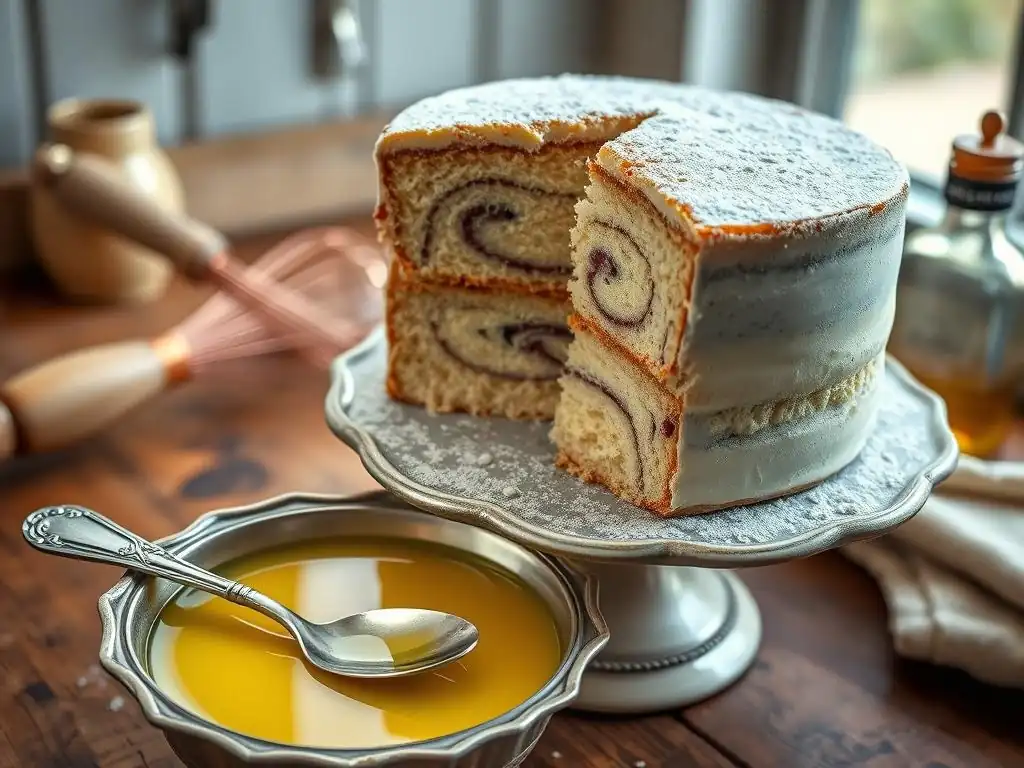
Achieving the perfect butter aromatic oil cake recipe with citrus zest requires attention to a few key techniques. Proper integration of the zest is paramount to ensure even flavor distribution and prevent common pitfalls like bitterness or burning. Mastering these steps will elevate your baking results.
Ensuring Even Distribution of Citrus Zest
To ensure the citrus zest is evenly distributed throughout your cake batter, avoid simply dumping it in at the end. The most effective method is rubbing the zest into the sugar before creaming it with the butter. This process helps separate the tiny oil sacs in the zest and coats the sugar crystals with the flavorful oils.
Alternatively, you can add the zest directly to the softened butter during the creaming stage and beat it in thoroughly. Whichever method you choose, ensure you scrape down the sides and bottom of the mixing bowl frequently to guarantee that all the zest is incorporated into the mixture before adding other ingredients. This prevents pockets of concentrated zest and ensures every slice of your butter aromatic oil cake recipe is uniformly flavorful.
Avoiding Bitter Notes: Zesting Techniques
Bitterness from citrus zest usually comes from including the white pith, the spongy layer between the colored zest and the fruit's flesh. The pith contains bitter compounds that can ruin the delicate flavor of your butter aromatic oil cake recipe.
- Use a Microplane: This tool is designed to shave off only the outermost layer of zest, leaving the pith behind.
- Gentle Pressure: When zesting, use light pressure and rotate the fruit frequently. Stop zesting as soon as you see the white pith appear.
- Fresh Fruit: Always use fresh, unblemished citrus fruit. Wash and dry the fruit thoroughly before zesting. Organic fruit is preferred if possible, to avoid pesticide residues on the skin.
Adjusting Baking Times for Zest-Infused Cakes
While adding citrus zest doesn't typically require significant adjustments to baking time or temperature, it's always wise to monitor your cake closely. The presence of the oils can sometimes slightly affect moisture distribution or how quickly the crust sets, although this effect is usually minimal in a standard butter aromatic oil cake recipe.
Always rely on standard doneness tests, such as inserting a toothpick into the center of the cake – it should come out clean or with a few moist crumbs attached. Pay attention to the aroma; your kitchen will smell wonderfully fragrant as the citrus oils are released during baking. If you are using a very high concentration of zest, keep an eye out for potential darkening of the crust edges, and cover loosely with foil if needed.
Buttercream Bliss: Extending the Citrus Theme to Frosting
The delightful partnership of butter and citrus zest doesn't have to stop at the cake layers. Extending the citrus theme to your buttercream frosting is a fantastic way to amplify the flavor and create a truly harmonious butter aromatic oil cake recipe. Buttercream, being primarily fat (butter or shortening) and sugar, is an ideal medium for carrying the fat-soluble citrus oils.
Infusing your buttercream with zest adds a bright, fresh counterpoint to its inherent sweetness and richness. It makes the frosting feel lighter and more refreshing, perfectly complementing the dense, buttery cake layers. This technique is simple and yields incredibly flavorful results.
Infusing Buttercream with Citrus Zest: Recipes and Techniques
There are several ways to infuse buttercream with citrus zest for your butter aromatic oil cake recipe:
- Direct Addition: The simplest method is to finely grate fresh citrus zest directly into your prepared buttercream (American buttercream works well here). Start with 1-2 teaspoons of zest per cup of buttercream and mix thoroughly. Taste and add more if desired. The fine particles of zest will be visible, adding visual appeal.
- Sugar Infusion: If making a meringue-based buttercream (like Swiss or Italian), rub the zest into the granulated sugar used for the meringue before heating it. The heat helps extract the oils, and they get incorporated as the meringue is whipped into the butter.
- Cream/Milk Infusion: If your buttercream recipe calls for milk or cream, you can briefly steep zest in the warmed liquid off the heat for about 10-15 minutes, then strain it out before adding the liquid to the buttercream base. This provides flavor without visible zest particles.
Regardless of the method, ensure the zest is very finely grated to avoid a gritty texture in the smooth buttercream.
Complementary Flavor Pairings: Buttercream and Cake Combinations
Pairing citrus zest buttercream with your butter aromatic oil cake recipe layers offers endless possibilities for flavor combinations:
- Lemon Zest Buttercream + Lemon Butter Cake: Doubling down on lemon for an intensely bright and tangy experience.
- Orange Zest Buttercream + Vanilla Bean Cake: The sweetness of orange zest beautifully enhances the warmth of vanilla.
- Lime Zest Buttercream + Coconut Cake: A tropical and refreshing pairing, the tart lime cutting through the sweet coconut.
- Grapefruit Zest Buttercream + Olive Oil Cake: A sophisticated, slightly bitter and aromatic combination.
- Lemon Zest Buttercream + Raspberry Swirl Cake: The tanginess of lemon zest pairs wonderfully with the sweetness and slight tartness of raspberries.
Consider the intensity of both the cake and the buttercream when pairing to achieve a balanced flavor profile in your layered creation.
Recipe Ideas: Butter Citrus Zest Cake Inspirations

Here are a few inspiring ideas for your next butter aromatic oil cake recipe featuring citrus zest, perfect for multilayer creations:
Decadent Chocolate Cake with Orange Zest
Imagine a rich, dark chocolate butter cake infused with the warm, sweet aroma of orange zest. The citrus oils enhance the chocolate's depth while adding a refreshing brightness. This cake is sublime layered with chocolate ganache or an orange-infused cream cheese frosting.
Light and Airy Sponge Cake with Lemon Zest
A classic sponge cake, made tender and moist with butter, gets a vibrant lift from lemon zest. The light texture is a perfect vehicle for the bright, clean lemon flavor. Pair this with a simple lemon syrup soak and layers of whipped cream and fresh berries for a delightful summer cake.
Earl Grey Tea Cake with Bergamot Zest Buttercream
Earl Grey tea contains bergamot oil, which is a type of citrus oil (from the bergamot orange). Incorporating Earl Grey tea into a buttery cake batter and topping it with buttercream infused with fresh bergamot zest (if available) or even extra lemon zest can create a sophisticated and highly aromatic butter aromatic oil cake recipe with floral and citrus notes.
Troubleshooting: Common Issues and Solutions
Even with the best techniques, sometimes things don't go exactly as planned when making a butter aromatic oil cake recipe with citrus zest. Here are a few common issues and how to address them.
Citrus Flavor Too Subtle: Enhancing Zest Intensity
If your cake's citrus flavor isn't as vibrant as you hoped, consider these points:
- Zest Quality: Was the fruit fresh and fragrant? Older fruit or fruit with thin skins may yield less oil.
- Zesting Technique: Did you avoid the pith? Did you rub the zest into the sugar or butter to release the oils? Simply stirring it into the finished batter is less effective.
- Dosage: Did you use enough zest? Try increasing the amount next time, keeping the pith out. A good starting point is often the zest of 1 large lemon or 1-2 medium oranges per cup of flour or per standard butter amount.
- Flavor Carriers: Ensure your recipe has enough fat (butter!) to carry the flavor.
- Post-Bake Boost: Consider adding a citrus syrup soak to the baked layers or using a strongly flavored citrus zest buttercream or glaze.
Zest Burning: Maintaining Proper Baking Temperatures
While uncommon, if zest particles are large or not fully incorporated, they can potentially burn slightly on the surface or edges of the cake, resulting in a bitter taste or dark spots.
- Fine Zest: Use a microplane for the finest zest particles.
- Proper Mixing: Ensure the zest is thoroughly mixed into the butter/sugar mixture and then evenly distributed throughout the batter.
- Temperature: Check your oven temperature with an oven thermometer to ensure it's accurate. Baking at the correct temperature helps the cake cook evenly before any exposed zest can burn.
- Even Layering: Ensure your cake batter is spread evenly in the pan.
Cake Too Dense: Ensuring Proper Leavening with Zest
Adding zest should not inherently make a cake dense, but poor mixing or other factors can contribute. A dense butter aromatic oil cake recipe usually points to issues with leavening or gluten development.
- Creaming Butter and Sugar: Did you cream the butter and zest-sugar mixture until it was truly light and fluffy? This step incorporates essential air.
- Leavening Agent: Check the freshness of your baking powder or baking soda. Ensure you used the correct amount specified in the recipe.
- Overmixing: Once the dry ingredients are added, mix only until just combined. Overmixing develops gluten, leading to a tough, dense cake.
- Ingredient Temperature: Ensure all ingredients, especially butter and eggs, were at room temperature for proper emulsification and leavening activation.
Conclusion: Unleash Your Creativity with Butter and Citrus Zest in Cake Baking
Combining butter and citrus zest is a simple yet powerful technique that can elevate your multilayer cakes to new heights. By understanding the role of butter in creating a tender, flavorful base and how citrus zest infuses vibrant, aromatic notes, you can confidently create delicious and memorable butter aromatic oil cake recipe variations.
From classic lemon butter cakes to innovative combinations like orange and chocolate, the possibilities are vast. Mastering the techniques of zesting, integration, and flavor pairing will allow you to bake cakes that are not only beautiful but also bursting with layered flavors. So grab your zester, cream that butter, and start creating your own signature butter aromatic oil cake recipe today!
Frequently Asked Questions
How does using butter in an aromatic oil cake recipe affect the final product?
Butter adds richness and tenderness to the cake. It also contributes to a moist crumb and a slightly denser texture compared to using oil alone.
What aromatic oils work best in a butter-based cake recipe?
Consider using oils like citrus, almond, or vanilla for subtle flavor enhancements. Avoid overly strong oils that could overpower the butter's natural taste.
Can I substitute all of the butter with aromatic oil in the "Butter Aromatic Oil Cake Recipe"?
While possible, substituting all butter might change the cake's texture significantly. It's best to follow the recipe or experiment with partial substitutions for optimal results.
What temperature should my butter be when making this type of cake?
The butter should typically be softened, but not melted. This allows it to cream properly with the sugar, creating a light and airy batter.
How do I prevent the aromatic oil flavor from being lost during baking?
Use high-quality oils and add them towards the end of the mixing process. Avoid overbaking the cake, as excessive heat can diminish the delicate aroma.
Final Reflection: The Enduring Allure of Layered Delights
The art of baking, particularly when it comes to crafting multi-layered cakes, is a testament to the power of subtle nuances. A perfectly balanced recipe, like the ones explored in this article, transcends mere sustenance; it becomes an experience, a journey for the senses. The careful combination of butter and aromatic oils, as we've seen, is key to unlocking a depth of flavor that elevates the ordinary into the extraordinary.
The exploration of butter and aromatic oil pairings in cake baking has profoundly impacted my own approach to cooking. It's shown me how seemingly small additions can dramatically alter the texture and taste profile of a dish. This isn't just about following a recipe; it's about understanding the interplay of ingredients and the potential for creative exploration. The best recipes are those that inspire you to experiment and make them your own.
- Unknown. This sentiment perfectly captures the spirit of this article and the ongoing evolution of culinary arts.
Now, it's your turn. Don't be afraid to experiment with different aromatic oils – lavender, orange, even a hint of rosemary – to discover your own signature flavor combinations. Embrace the layering process, not just in your cakes, but in your approach to cooking and life itself. Each layer, each ingredient, contributes to the final masterpiece, a testament to the beauty of careful creation and the enduring satisfaction of sharing something delicious with those you love.
Unlock Your Cake's Full Potential: Infuse, Bake, & Delight!
Thanks for joining us on this flavorful journey into the world of layered cakes! We hope you discovered some exciting new ways to elevate your baking. Ready to put your newfound knowledge into practice?
- Master the Art of Oil Infusion: Experiment with different aromatic oils (lemon, orange, vanilla) infused in your butter to create truly unique flavor profiles in your next masterpiece. This is your primary action, the core takeaway from the article.
- Share Your Creations: Post a picture of your oil-infused cake on social media and tag #BakeWithEase — let's inspire each other!
- Explore Beyond Butter: Consider other fats, like coconut oil or olive oil, and explore the range of flavors they can impart to your cakes.
So, what incredible flavor combination will you unveil in your next baking adventure?