
Natural Binders for GlutenFree Baking (No Gums!): Alternative Swaps

Welcome to BakeWithEase, your trusted guide to baking bliss!
Ever wondered how to achieve the perfect texture in your gluten-free bakes without relying on gums? Dive into our latest article where we unlock the secrets of gluten-free baking binder swaps, revealing natural alternatives that will revolutionize your recipes. Discover the ingredients that will transform your gluten-free creations into masterpieces and say goodbye to gummy textures forever. Intrigued? Read on to explore the world of natural binders and elevate your baking game!
- Natural Binders for Gluten-Free Baking: Alternatives to Gums
- Understanding Gluten-Free Baking Binders
- Exploring Natural Gluten-Free Binder Alternatives
- Gluten-Free Baking Binder Swaps: A Practical Guide
- Tips for Successful Gluten-Free Baking with Natural Binders
- Troubleshooting Gluten-Free Baking with Alternative Binders
- Conclusion: Embracing Natural Binders in Gluten-Free Baking
-
Frequently Asked Questions
- What exactly are gluten-free baking binder swaps, and why are they important?
- The article mentions avoiding gums. Why would someone want to avoid gums in gluten-free baking?
- What are some common natural ingredients used as gluten-free baking binder swaps, according to the article?
- How do I determine the correct amount of a gluten-free binder swap to use in a recipe?
- Are gluten-free baking binder swaps suitable for all types of baked goods, or are some better suited for specific recipes?
- Final Reflection: The Flourishing Future of Gluten-Free Baking
- Unleash Your Gluten-Free Baking Potential!
Natural Binders for Gluten-Free Baking: Alternatives to Gums
Understanding Gluten-Free Baking Binders
Why are Binders Necessary in Gluten-Free Baking?
In traditional baking, gluten, a protein composite found in wheat, rye, and barley, acts as the primary binder. It creates a strong, elastic network that traps gases produced by leavening agents, giving baked goods structure, elasticity, and preventing them from crumbling. Without gluten, baked goods made with gluten-free flours often lack this inherent structure. They can be fragile, dry, and fall apart easily. This is where gluten-free baking binders step in, mimicking some of gluten's functions by holding the ingredients together and providing necessary cohesion.
Natural gluten-free baking binders are crucial for achieving desirable textures in everything from bread and cakes to cookies and muffins. They help create a cohesive dough or batter, improve crumb structure, enhance moisture retention, and prevent that frustrating crumbling common in many gluten-free recipes. Effectively using the right binder or combination of binders is key to successful gluten-free baking outcomes, ensuring your creations hold together beautifully and have a pleasant mouthfeel. Exploring different gluten-free baking binder swaps allows bakers to tailor recipes to specific needs and preferences.
The Role of Gluten in Traditional Baking
Gluten's unique properties are fundamental to the structure and texture of many conventional baked goods. When flour is mixed with liquid and kneaded, the gluten proteins (gliadin and glutenin) hydrate and form a viscoelastic network. This network is what allows bread dough to be stretched thin without tearing and traps the carbon dioxide gas produced by yeast or baking powder, causing the dough to rise and develop an open, airy crumb structure.
Beyond providing structure and lift, the gluten network also contributes to the chewiness of bread and the tender elasticity of cakes. It helps prevent staling by retaining moisture and contributes to the overall stability of the baked product. Replicating this complex set of functions in gluten-free baking without resorting to artificial additives requires understanding how alternative ingredients can provide similar binding and structural support, which is why exploring natural gluten-free baking binder swaps is so valuable.
Common Gluten-Free Baking Binders (and Why Consider Alternatives)
The most widely used binders in commercial and many home gluten-free recipes are hydrocolloids like xanthan gum and guar gum. These gums are highly effective at thickening liquids and providing structure, often requiring only small amounts (typically 1/4 to 1 teaspoon per cup of gluten-free flour blend, depending on the bake). They work by absorbing water and creating a gel-like substance that helps bind the ingredients together.
While effective, some bakers prefer to avoid xanthan and guar gums due to digestive sensitivities experienced by some individuals or simply as a preference for using whole, less processed ingredients. Others find that using too much gum can result in a gummy or unpleasant texture. This growing interest in natural alternatives drives the exploration of different options for gluten-free baking binder swaps that can achieve similar results using ingredients like seeds, starches, and fruit purees.
Exploring Natural Gluten-Free Binder Alternatives
Seed-Based Binders: Chia Seeds and Flaxseeds
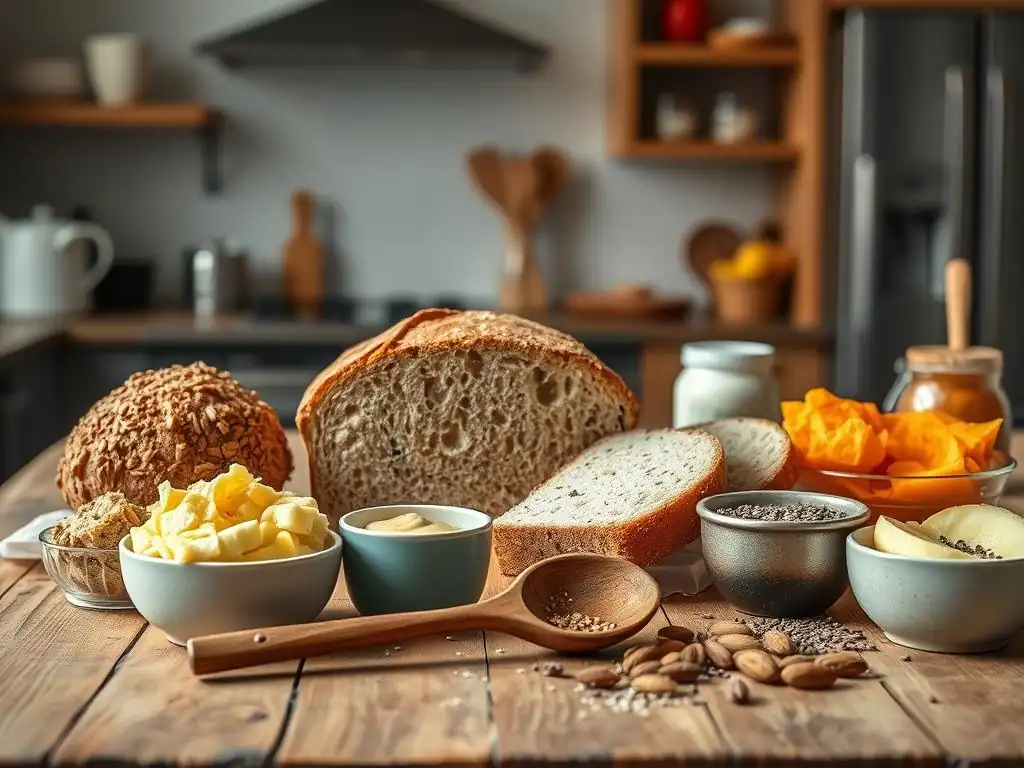
Chia seeds and flaxseeds are popular natural alternatives for gluten-free baking binder swaps, especially for replacing gums. Both form a gel when mixed with liquid, providing binding properties similar to mucilage. They also add nutritional value, including fiber and omega-3 fatty acids, and impart a slightly nutty flavor.
Using seed-based binders requires grinding the seeds (especially flaxseeds) and allowing them to hydrate fully in liquid before adding them to the recipe. This hydration step is crucial for activating their binding potential. These binders are particularly effective in recipes like muffins, quick breads, cookies, and sometimes even denser loaves of bread.
How to Use Chia Seeds as a Gluten-Free Binder
Chia seeds, either whole or ground, can be used to create a "chia egg," a common gluten-free baking binder swap. The standard ratio is 1 tablespoon of chia seeds (or chia meal) mixed with 3 tablespoons of water. Stir or whisk the mixture and let it sit for 5-10 minutes until it forms a gelatinous consistency, similar to a raw egg. This mixture can then be used as a direct replacement for one egg in many recipes, providing moisture and binding.
For recipes requiring stronger binding, like some breads or muffins, you might use slightly more chia seeds or a higher ratio of seeds to water. For example, using 1.5 tablespoons of chia seeds per 3 tablespoons of water can yield a thicker gel. A general guideline when using chia as a binder in a whole recipe (not just replacing eggs) might be around 1 to 2 tablespoons of ground chia seeds per cup of gluten-free flour blend, adjusting hydration accordingly. Always hydrate the chia first before adding it to your dry ingredients for optimal results.
How to Use Flaxseeds as a Gluten-Free Binder
Similar to chia, flaxseeds are typically used as "flax eggs" in gluten-free baking binder swaps. It's essential to use ground flaxseed (often called flaxseed meal or flax meal), as whole seeds will not form the necessary gel. The standard ratio for a "flax egg" is 1 tablespoon of ground flaxseed mixed with 3 tablespoons of water. Whisk well and let it sit for 5-10 minutes until a gel forms. This mixture replaces one egg and works well in cookies, muffins, and quick breads.
For recipes where flaxseed meal is used as a primary binder throughout the batter, a general starting point could be 1 to 2 tablespoons of flaxseed meal per cup of gluten-free flour blend. Just like with chia, hydrate the flaxseed meal with the liquid called for in the recipe before combining with dry ingredients. For instance, if a recipe calls for 2 cups of flour and 1 cup of liquid, you might mix 2-4 tablespoons of flaxseed meal into that cup of liquid first, then proceed with the recipe.
Chia Seed vs. Flaxseed: Considerations
Both chia and flaxseeds make excellent natural gluten-free baking binder swaps, but they have slight differences. Chia seeds tend to form a slightly thicker, more uniform gel than flaxseeds. They also don't require grinding if you don't mind the texture of whole seeds in your bake, although grinding speeds up the gelling process. Flaxseeds must be ground to release their binding compounds effectively.
Flavor can also be a consideration. Both have a mild, nutty taste, but some find flaxseed's flavor slightly stronger. In terms of nutritional profile, they are quite similar, both being good sources of fiber and omega-3s. When choosing between them for gluten-free baking binder swaps, consider the desired texture, whether you prefer whole seeds or ground meal, and the overall flavor profile of your recipe. Experimentation is often the best way to find your preference.
Fruit and Vegetable Purees: Natural Sweetness and Binding
Fruit and vegetable purees offer a fantastic way to add moisture, natural sweetness, and binding properties to gluten-free baked goods. Their pectin and fiber content help hold ingredients together and create a tender, moist crumb. Using purees like applesauce, pumpkin, or mashed banana can significantly reduce the need for added fats and sugars while acting as effective gluten-free baking binder swaps.
These purees work particularly well in cakes, muffins, quick breads, and some types of cookies. They contribute flavor and color, so choose a puree that complements your recipe. Using purees often requires slight adjustments to the overall liquid content of the recipe to prevent the batter from becoming too wet.
Applesauce as a Gluten-Free Baking Binder
Unsweetened applesauce is a popular choice for gluten-free baking binder swaps, especially in cakes, muffins, and quick breads. Its natural pectin content helps bind ingredients and adds significant moisture, resulting in a tender crumb. As a general guideline, you can often replace one egg with about 1/4 cup (approx. 60g) of applesauce in recipes where the egg's primary function is binding and moisture.
When using applesauce as a primary binder or replacement for fats, you might use larger quantities. For example, in some muffin recipes, replacing half or all of the oil or butter with applesauce can work well, contributing to binding and reducing fat content. Remember that applesauce adds moisture, so you might need to slightly reduce other liquids in the recipe or increase dry ingredients. Its mild flavor makes it versatile, though it can impart a slight apple note to delicate bakes.
Pumpkin Puree for Moist and Binding Gluten-Free Bakes
Canned pumpkin puree (make sure it's 100% pumpkin, not pie filling) is another excellent natural binder, particularly for seasonal or spiced gluten-free bakes. Like applesauce, it's rich in fiber and contains compounds that help bind ingredients and retain moisture. Pumpkin puree lends a beautiful color and distinct flavor to baked goods like muffins, scones, and quick breads.
Using pumpkin puree as a gluten-free baking binder swap often involves replacing eggs or fats. A common substitution is using about 1/4 cup (approx. 60g) of pumpkin puree per egg. Its dense texture can sometimes require slight adjustments to leavening agents to ensure a good rise. Pumpkin also adds considerable moisture, so be prepared to potentially reduce other liquids or ensure your dry ingredients are absorbent. Its strong flavor makes it best suited for recipes where a pumpkin or spice profile is desired.
Other Fruit & Vegetable Purees
Beyond applesauce and pumpkin, many other fruit and vegetable purees can function as natural gluten-free baking binder swaps. Mashed ripe banana is a classic, adding sweetness, moisture, and binding, especially in banana bread or muffins. Sweet potato puree offers a similar texture and binding capability to pumpkin and works well in spiced or savory gluten-free goods.
Other options include pear puree, prune puree, or even cooked and mashed root vegetables like carrots (though this might affect flavor more significantly). The key is to use purees that are thick and smooth, not watery. When experimenting with different purees, start by substituting a portion of the eggs or fat and observe the results. Adjust the amount based on the consistency of the batter and the final baked texture. Each puree will bring its unique flavor and moisture level, influencing the outcome.
Starch-Based Binders: Tapioca and Arrowroot for Structure
Starches like tapioca and arrowroot are commonly used in gluten-free baking, not just as part of flour blends but also specifically for their binding and thickening properties. When heated and combined with liquid, they gelatinize, creating a structure that helps hold baked goods together and improves texture. They are particularly effective at providing a slightly chewy or crisp texture, depending on how they are used.
These starches are often used in conjunction with other binders or within a gluten-free flour blend recipe as part of the overall structure. They are neutral in flavor and white in color, making them versatile for various recipes. Using them as specific gluten-free baking binder swaps involves understanding how they interact with moisture and heat.
Tapioca Starch (Tapioca Flour) as a Binding Agent
Tapioca starch, derived from the cassava root, is a versatile starch that works well as a gluten-free baking binder swap. It creates a chewy texture and adds elasticity, which is particularly useful in gluten-free breads and pizza crusts. It also contributes to browning and crispness in cookies and crackers. Tapioca can absorb significant moisture, helping to create a cohesive dough or batter.
When used specifically for binding, tapioca starch is often added in smaller quantities to a gluten-free flour blend or directly to a recipe. For example, adding 1 to 2 tablespoons of tapioca starch per cup of gluten-free flour can improve the binding and texture of cookies or muffins. It can also be used to thicken fruit fillings for pies, which indirectly helps bind the pastry. Note that too much tapioca can make baked goods gummy, so balance is key.
Arrowroot Starch (Arrowroot Flour) as a Binding Agent
Arrowroot starch, extracted from the rootstock of the arrowroot plant, is another effective natural gluten-free baking binder. It performs similarly to tapioca starch, providing structure and a slightly chewy texture, but it results in a clearer gel when heated, making it ideal for thickening sauces or fruit fillings used in baking. In baked goods, it contributes to a crisp exterior and tender interior.
Arrowroot can be used in similar ways to tapioca starch for binding. Incorporating 1 to 2 tablespoons of arrowroot starch per cup of gluten-free flour blend can enhance the structure and texture of various baked goods. It's particularly good in delicate pastries or cookies where a neutral binder is preferred.
Like tapioca, use it judiciously; excessive amounts can lead to a hard or gummy texture. Arrowroot also works well as an egg substitute in some recipes when mixed with water, often using a ratio similar to a flax or chia egg (approx. 2 tablespoons arrowroot + 3 tablespoons water per egg).
Blending Starches for Optimal Binding
Often, the best results in gluten-free baking with natural binders come from using a blend of different starches or combining starches with other binder types. For instance, a gluten-free flour blend might contain a mix of brown rice flour, sorghum flour, and starches like tapioca and arrowroot. The combination leverages the unique properties of each ingredient.
Using a mix of tapioca and arrowroot can provide a balanced texture – the chewiness of tapioca with the crispness of arrowroot. You might also combine a starch binder with a seed-based binder (like flaxseed meal) or a puree for enhanced structure and moisture. Experimenting with ratios is encouraged. For example, a blend for binding might involve 1 part tapioca starch, 1 part arrowroot starch, and 0.5 parts ground flaxseed added to a base flour blend, using perhaps 2-3 tablespoons of this mix per cup of total flour, adjusting liquid as needed.
Nut and Seed Butters: Flavor and Binding
Nut and seed butters, such as almond butter or sunflower seed butter, can act as natural gluten-free baking binder swaps, especially in cookies, bars, and some cakes. Their high fat and protein content helps hold ingredients together, adds moisture, and contributes a rich flavor and dense texture. They work particularly well in recipes that don't require significant leavening or a very light, airy structure.
Using nut or seed butters as binders often means they replace a portion of the fat and sometimes the eggs in a recipe. They contribute their distinct flavor profile, so choose a butter that complements your other ingredients. Natural, drippy nut/seed butters (without added sugars or oils) tend to work best for consistency and binding.
Almond Butter as a Gluten-Free Binder
Almond butter is a popular choice for gluten-free baking binder swaps, particularly in cookies and energy bars. Its natural oils and protein help bind ingredients, creating a tender yet cohesive texture. It imparts a mild, nutty flavor that pairs well with many ingredients.
In cookie recipes, almond butter can sometimes replace part or all of the butter or oil, acting as a binder and fat source simultaneously. For example, a simple cookie recipe might use 1/2 cup (approx. 120g) of almond butter to bind the dry ingredients, along with a small amount of another binder like flaxseed meal if needed. When using almond butter, you might need to slightly reduce other fats in the recipe. It's excellent for creating chewy cookies or dense, moist bars.
Sunflower Seed Butter as a Gluten-Free Binder
Sunflower seed butter is an excellent option for those with nut allergies, serving as a natural gluten-free baking binder swap. Like almond butter, its high fat and protein content aids in binding and adds moisture. It has a distinct, slightly earthy flavor that works well in both sweet and savory gluten-free baked goods.
Use sunflower seed butter similarly to almond butter in recipes for cookies, bars, or even some muffin batters. It can replace a portion of the fat, contributing binding power. Be aware that sunflower seed butter can sometimes react with baking soda to create a greenish tint in baked goods; this is harmless and doesn't affect the taste but can be surprising. A splash of acid (like lemon juice or vinegar) can sometimes counteract this reaction. Approximately 1/2 cup (approx. 120g) can often bind a batch of cookies, reducing the need for other binders or fats.
Considerations When Using Nut and Seed Butters
While nut and seed butters are effective natural gluten-free baking binder swaps, they add significant fat and can result in denser baked goods compared to those made with lighter binders. They also contribute their distinct flavor, so ensure it complements your recipe.
Consistency matters; natural, unsweetened, and unhydrogenated butters work best. Stir them well before measuring, as the oil can separate. When substituting, consider that they are replacing both fat and binder. You might need to adjust other liquid or fat components in your recipe. Start by replacing a portion of the fat or egg and see how it affects the texture before making larger substitutions.
Gluten-Free Baking Binder Swaps: A Practical Guide
Making gluten-free baking binder swaps requires a little knowledge and willingness to experiment. Here are some practical guidelines for replacing common gums with natural alternatives. Remember that these are starting points, and results can vary depending on the specific recipe and other ingredients used.
Swapping Xanthan Gum for Chia Seeds: Ratios and Adjustments
Replacing xanthan gum with chia seeds is a popular gluten-free baking binder swap for those avoiding gums. A common starting ratio is to use 1 tablespoon of ground chia seeds hydrated with 3 tablespoons of water per teaspoon of xanthan gum called for in the recipe. For example, if a recipe calls for 1 teaspoon of xanthan gum, you would prepare one "chia egg" (1 tbsp ground chia + 3 tbsp water) and add it to your wet ingredients.
For recipes requiring stronger binding, like yeast breads, you might need slightly more chia or a combination of binders. Some bakers use up to 1.5 tablespoons of ground chia per teaspoon of gum. Always hydrate the chia first and let it form a gel. You might need to slightly reduce other liquids in the recipe to account for the water used to hydrate the chia. Observe the batter consistency – it should be thick but still pourable or scoopable depending on the bake.
Replacing Guar Gum with Flaxseed Meal: A Step-by-Step Guide
Guar gum can often be replaced with flaxseed meal using a similar approach to swapping xanthan with chia. A practical gluten-free baking binder swap involves using 1 tablespoon of ground flaxseed (flax meal) hydrated with 3 tablespoons of water per teaspoon of guar gum specified in the recipe. Prepare the "flax egg" by mixing the flax meal and water and letting it sit for 5-10 minutes until a gel forms.
Once gelled, incorporate the flax egg into the wet ingredients of your recipe. For recipes like muffins or quick breads, this direct swap often works well. For more complex recipes like yeast breads, you might need to use a higher ratio of flaxseed (e.g., 1.5 tbsp flax per teaspoon of gum) or combine flax with another binder like psyllium husk or a starch blend for adequate structure. As with chia, adjust other liquids as necessary to achieve the correct batter or dough consistency.
Using Applesauce Instead of Gums in Gluten-Free Cakes
For gluten-free cakes where the primary need is moisture and tender binding (less about creating a strong elastic structure like in bread), applesauce can be a good gluten-free baking binder swap for gums or even eggs. While there isn't a direct teaspoon-for-teaspoon swap for gums with applesauce, you can often omit the gum entirely and use applesauce to replace some of the fat or eggs.
For instance, if a cake recipe calls for 1 teaspoon of xanthan gum and 2 eggs, you might try omitting the gum and replacing the eggs with 1/4 cup (approx. 60g) of applesauce per egg (so, 1/2 cup total). The applesauce provides moisture and some binding from its pectin. You might also need to add a small amount of a starch binder (like 1-2 tbsp tapioca starch per cup of flour blend) to the dry ingredients for added structure. This swap works best in recipes where a moist, slightly denser cake is desired.
Tips for Successful Gluten-Free Baking with Natural Binders
Working with natural gluten-free baking binder swaps can sometimes be different than using gums. Here are some tips to help you achieve successful results:
Hydration is Key: Adjusting Liquid Levels
Natural binders like chia, flax, and starches require specific amounts of liquid to activate their binding properties. Pay close attention to the hydration step for seed-based binders (making the "egg"). When using purees, remember they add moisture, so you might need to reduce other liquids in the recipe.
Conversely, some natural binders, like psyllium husk (another common alternative), can absorb significant amounts of liquid. You may need to increase the overall liquid in your recipe to achieve the correct dough or batter consistency. Always observe the batter/dough; it should resemble the texture described in a standard recipe for that type of baked good (e.g., thick but scoopable for muffins, slightly sticky but manageable for bread dough). Don't be afraid to add a tablespoon or two more liquid if the mixture seems too dry.
Mixing Techniques for Optimal Binder Activation
Proper mixing helps activate the natural binding agents in your gluten-free baking binder swaps. For seed-based binders, ensure they are fully hydrated before adding them to your dry ingredients. For starches, ensure they are well distributed throughout the dry ingredients before adding liquids.
Over-mixing isn't typically as much of a concern as with gluten development, but ensuring all ingredients, including the binders, are thoroughly incorporated is important. Gentle mixing until just combined after adding wet ingredients is often sufficient for cakes and muffins. For recipes requiring kneading, like bread, knead enough to develop the binder network (though it won't be the same elastic network as gluten), often for 5-10 minutes.
Baking Time Adjustments
Using natural gluten-free baking binder swaps can sometimes affect baking time. Recipes with purees might bake slightly slower due to the added moisture. Recipes relying heavily on starches might brown differently.
Start checking for doneness a few minutes before the original recipe suggests. Use standard tests like the toothpick test for cakes and muffins or checking the internal temperature for bread (usually around 200-210°F or 93-99°C). If the outside is browning too quickly but the inside isn't done, tent the bake loosely with foil.
Tip: Let the Batter Rest
Allowing gluten-free batter or dough made with natural binders to rest for 10-30 minutes before baking can significantly improve texture. This resting period gives the natural binders, especially seed-based ones and starches, time to fully hydrate and form their gel structure, leading to a more cohesive and less crumbly result. This is particularly beneficial for muffins, quick breads, and cookies.
Troubleshooting Gluten-Free Baking with Alternative Binders
Even with careful gluten-free baking binder swaps, you might encounter challenges. Here are some common problems and potential solutions when working with natural binders.
Common Problems and Solutions
Understanding the typical issues helps you adjust your approach for better results with gluten-free baking binder swaps.
Dry and Crumbly Texture
A dry and crumbly texture is a common issue in gluten-free baking, often indicating insufficient binding or hydration.
- Problem: Not enough binder was used or the binder wasn't properly activated.
- Solution: Ensure seed-based binders (chia, flax) were fully gelled before adding. Increase the amount of binder slightly in the next attempt (e.g., add 1/2 to 1 tsp more ground chia/flax per cup of flour).
- Problem: The batter/dough was too dry initially.
- Solution: Increase the liquid slightly (1-2 tablespoons at a time) until the consistency is correct. Purees can help add moisture while binding.
- Problem: Over-baking.
- Solution: Reduce baking time or temperature slightly. Check for doneness earlier.
Dense and Gummy Texture
Conversely, a dense or gummy texture can result from too much moisture, too much binder, or the wrong type of binder for the recipe.
- Problem: Too much binder was used, especially starches or purees.
- Solution: Reduce the amount of binder slightly in the next batch. For starches, stick to the recommended 1-2 tablespoons per cup of flour blend. For purees, ensure you've adjusted other liquids.
- Problem: Too much liquid in the batter/dough.
- Solution: Reduce the liquid slightly in the next attempt. If using purees, remember they contribute significant moisture.
- Problem: Insufficient leavening to support the binder structure.
- Solution: Ensure your baking powder/soda is fresh. You might need a little extra leavening when using heavier natural binders like purees or nut butters.
Lack of Rise
Poor rise can be frustrating and might be related to the interaction between the binder and leavening agents.
- Problem: Binder is too heavy or too much binder is inhibiting lift.
- Solution: Reduce the amount of heavy binders (purees, nut butters) or dense seed gels. Consider using a lighter starch blend or combining binders.
- Problem: Leavening agents are old or insufficient for the recipe and binder type.
- Solution: Check the freshness of baking powder/soda. Ensure you are using the correct amount. Some recipes with natural binders might benefit from slightly more leavening.
- Problem: Dough/batter is too stiff due to insufficient liquid.
- Solution: Add a bit more liquid to achieve a softer, more workable consistency that allows leavening gases to expand.
Conclusion: Embracing Natural Binders in Gluten-Free Baking
Exploring natural gluten-free baking binder swaps opens up a world of possibilities for creating delicious baked goods without relying on commercial gums. While they require a slightly different approach and some experimentation, the rewards are significant: often improved texture, added nutritional value, and the satisfaction of using whole, natural ingredients.
The Benefits of Alternative Gluten-Free Baking
Choosing natural gluten-free baking binder swaps offers multiple benefits. For those with sensitivities, avoiding xanthan or guar gum can alleviate digestive discomfort. Using ingredients like chia, flax, purees, and nut butters adds fiber, healthy fats, vitamins, and minerals to your bakes, enhancing their nutritional profile. Furthermore, these natural binders can contribute unique flavors and textures, allowing for greater creativity in the kitchen and tailoring recipes precisely to your preferences and dietary needs.
Experimenting with Different Binder Combinations
Successful gluten-free baking with natural binders often involves combining different types to leverage their unique properties. A blend of starch (for structure) and a seed gel (for cohesion) might work perfectly for one recipe, while another might benefit from a puree combined with a small amount of starch. Don't be afraid to try different gluten-free baking binder swaps and combinations. Keep notes on what works (and what doesn't!) for different types of baked goods. Start with small adjustments in trusted recipes and gradually explore new possibilities.
Resources for Further Gluten-Free Baking Exploration
To continue your journey with natural gluten-free baking binder swaps, seek out resources specifically focused on gum-free or naturally bound gluten-free recipes. Many food bloggers and cookbook authors specialize in this area and offer tested recipes and detailed guidance. Look for recipes that explicitly use ingredients like chia seeds, flaxseed meal, psyllium husk, or specific starch blends as their primary binders. Practice and experimentation are your best teachers in mastering the art of gluten-free baking with these wonderful natural alternatives.
Frequently Asked Questions
What exactly are gluten-free baking binder swaps, and why are they important?
Gluten-free baking binder swaps are natural ingredients used to replace gluten's binding properties in recipes. They're important because they help create structure and texture in gluten-free baked goods.
The article mentions avoiding gums. Why would someone want to avoid gums in gluten-free baking?
Some individuals experience digestive issues or allergies related to gums like xanthan gum or guar gum. Therefore, finding gum-free alternatives allows for more inclusive and comfortable gluten-free baking.
What are some common natural ingredients used as gluten-free baking binder swaps, according to the article?
Common natural binder swaps include ingredients like psyllium husk, chia seeds, flaxseeds, and applesauce. These offer different textures and benefits, allowing for versatility in recipes.
How do I determine the correct amount of a gluten-free binder swap to use in a recipe?
Start with the recommended amount in the recipe or a similar gluten-free recipe using that binder. Experimenting is key, as different binders have varying strengths and require adjustments.
Are gluten-free baking binder swaps suitable for all types of baked goods, or are some better suited for specific recipes?
Some binder swaps work better in certain recipes. For example, flaxseed meal is great in breads and muffins, while applesauce can add moisture to cakes and cookies.
Final Reflection: The Flourishing Future of Gluten-Free Baking
The demand for naturally gluten-free baked goods is exploding, and understanding the nuances of binding without gums is crucial for both bakers and consumers. This shift towards cleaner ingredient lists reflects a growing awareness of food sensitivities and a desire for healthier, more transparent food choices. The future of gluten-free baking hinges on innovation and accessibility, and natural binders are key to unlocking that potential.
This exploration into alternative binding methods has profoundly impacted my own baking journey, highlighting the creativity and resourcefulness possible when embracing natural ingredients. The limitations often associated with gluten-free baking feel less daunting now, replaced by a sense of empowerment. The best things in life are simple,
a phrase often used in baking, rings especially true when considering the elegance of naturally bound gluten-free creations. The subtle differences in texture and flavor, achieved through careful selection of binders, offer a unique and rewarding experience for both the baker and the eater.
Now, it's your turn. Consider the possibilities that lie within your own kitchen. Experiment with different natural binders, explore the unique properties of each, and discover the joy of crafting delicious and wholesome gluten-free treats without relying on gums. Embrace the challenge, celebrate the successes, and contribute to the ever-evolving landscape of naturally gluten-free baking. The possibilities are as limitless as your creativity.
Unleash Your Gluten-Free Baking Potential!
Thanks for exploring the world of gum-free gluten-free baking with us! You've now discovered a range of natural ingredients that can transform your gluten-free creations. Ready to put this newfound knowledge into action?
- Experiment with a new recipe this week: Try substituting one of the binders we discussed into your favorite gluten-free recipe. Let us know how it goes! This is the heart of our call to action, a chance to put your new skills to work immediately and practically.
- Share your baking journey: Share photos of your creations on social media using #BakeWithEaseGumFree! Let's build a supportive community of gum-free bakers.
- Dive deeper into our resources: Explore our other gluten-free baking guides – you might find even more innovative techniques and recipes!
What's the one gluten-free recipe you're most excited to try with a natural binder? Let's hear it in the comments!