
The Power of Sorghum Flour in GlutenFree Cakes and Muffins

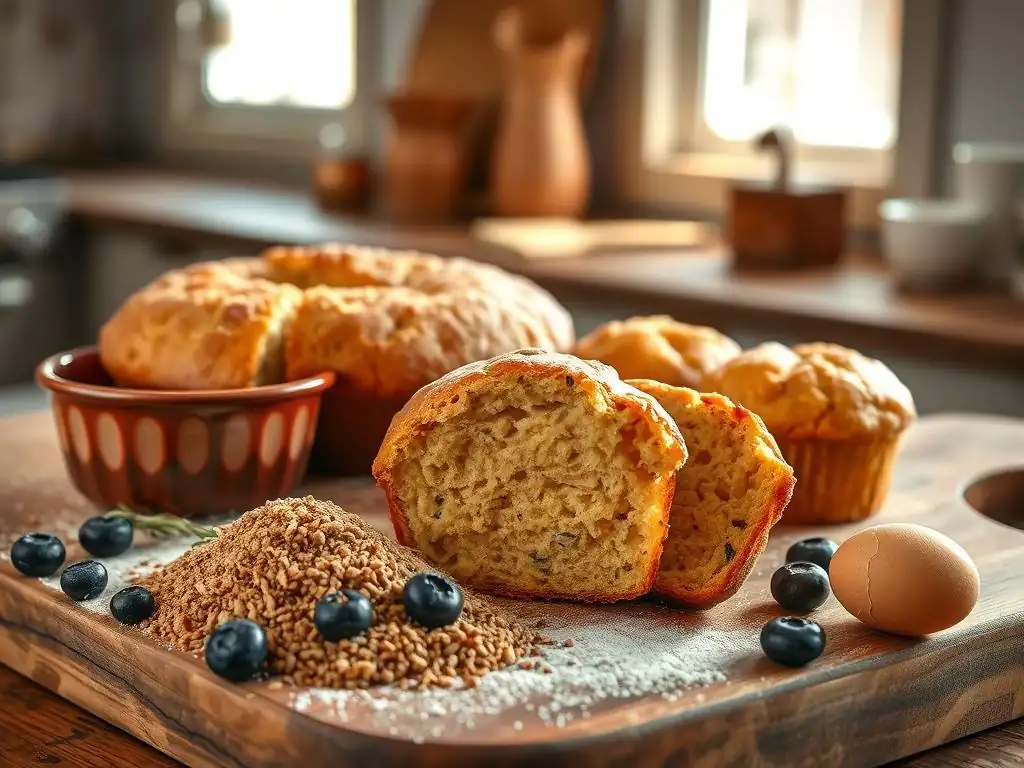
Welcome to BakeWithEase, where delicious baking becomes effortlessly achievable! Are you intrigued by the potential of alternative flours? Then prepare to be amazed! In this article, we're unlocking the secrets to a truly delightful Glutenfree Sorghum Cake Recipe, proving that gluten-free baking can be both simple and utterly irresistible. Discover how sorghum flour can transform your cakes and muffins with its unique flavor and texture – read on to unveil the power of this versatile ingredient! What if a single ingredient could revolutionize your gluten-free baking? Let's find out!
- Gluten-Free Sorghum Cake Recipe: The Basics
-
Frequently Asked Questions
- What makes sorghum flour a good choice for gluten-free cakes?
- Can I substitute sorghum flour 1:1 for wheat flour in any cake recipe?
- What are some tips for preventing a gritty texture when using sorghum flour?
- What other ingredients complement sorghum flour in gluten-free cakes?
- Where can I find a reliable gluten-free sorghum cake recipe?
- Final Reflection: The Sweet Promise of Sorghum Flour
- Unlock the Secrets of Fluffy Gluten-Free Baking!
Gluten-Free Sorghum Cake Recipe: The Basics
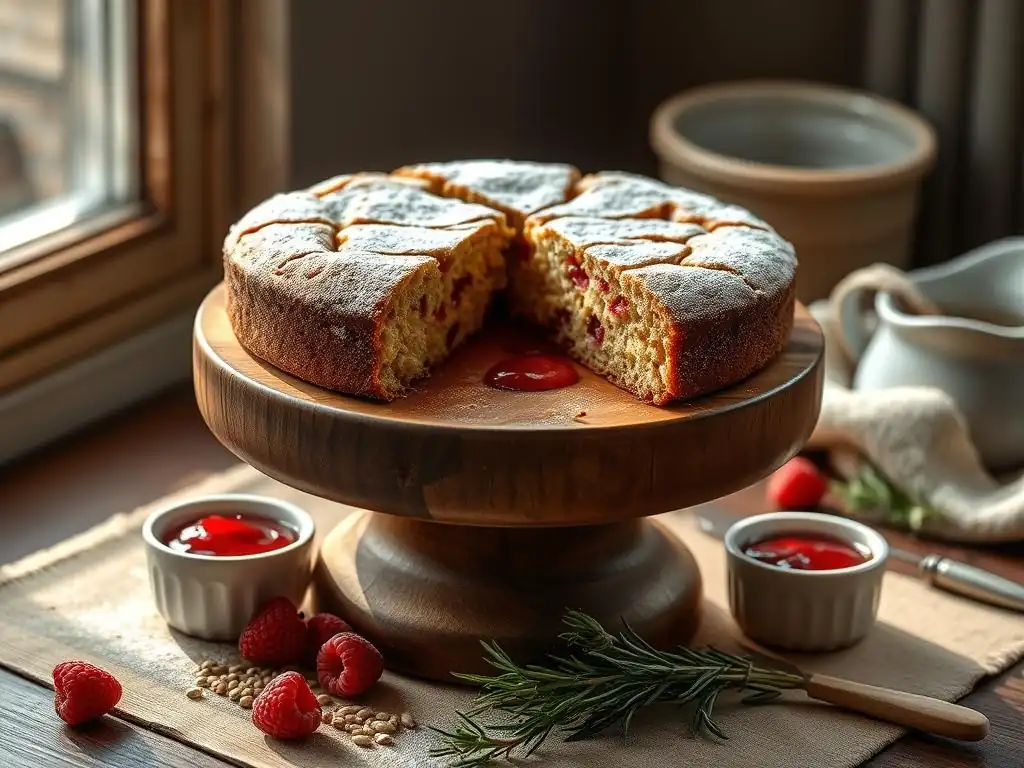
Crafting a delicious gluten-free sorghum cake recipe begins with understanding the fundamental building blocks. Unlike traditional wheat-based cakes, gluten-free baking often requires a precise blend of ingredients to mimic the structure and texture that gluten provides. Sorghum flour, with its mild flavor and fine texture, serves as an excellent base, but it thrives when combined with other elements designed to provide lift, bind, and moisture. Approaching your first glutenfree sorghum cake recipe with attention to these basics will set you up for success.
This section will walk you through the essential components of a great glutenfree sorghum cake recipe, from the core ingredients that make it work to the tools that simplify the process and the crucial techniques for accurate measurement. Mastering these foundational elements is key to consistently producing moist, tender, and perfectly risen gluten-free cakes using sorghum flour. Whether you're a novice baker or looking to refine your gluten-free skills, these basics are indispensable.
Key Ingredients for a Successful Sorghum Flour Cake
A successful glutenfree sorghum cake recipe relies on a careful balance of starches, binders, leaveners, and moisture providers. Sorghum flour itself contributes structure and a pleasant, slightly sweet flavor, but it lacks the elasticity of gluten. To compensate, you'll typically need a blend of gluten-free flours or starches. For instance, a common ratio might be 60-70% sorghum flour combined with 30-40% starch like tapioca starch or potato starch, which helps create a lighter, more tender crumb. Approximately 1.5 cups of sorghum flour might be paired with 0.75 cups of tapioca starch in a standard 8-inch cake recipe.
Beyond the flour blend, binders are crucial. Xanthan gum or psyllium husk powder act as gluten substitutes, helping the cake hold together and preventing a crumbly texture. A typical ratio is about 1/2 to 1 teaspoon of xanthan gum or 1 tablespoon of psyllium husk powder per cup of gluten-free flour blend in a cake recipe. Leaveners like baking powder and baking soda, often used in conjunction with an acid like vinegar or buttermilk (or a dairy-free alternative), provide the lift needed for a light and airy cake.
For instance, a recipe might call for 2 teaspoons of baking powder and 1/2 teaspoon of baking soda for adequate rise. Eggs add structure, richness, and moisture; a standard recipe often uses 2-3 large eggs. Fat, such as butter, oil, or a plant-based alternative, contributes tenderness and moisture, while sugar provides sweetness and also aids in moisture retention and browning.
Essential Tools and Equipment for Gluten-Free Sorghum Baking
Having the right tools can significantly impact the outcome of your glutenfree sorghum cake recipe. A good quality stand mixer or hand mixer is highly recommended for creaming butter and sugar and incorporating ingredients evenly, which is especially important in gluten-free batters that can be thicker than their wheat counterparts.
Accurate measuring tools are non-negotiable: a digital kitchen scale is ideal for weighing flour and other dry ingredients for the most precise results, while liquid measuring cups and a set of dry measuring cups and spoons are also essential. For example, weighing 1 cup of sorghum flour typically yields around 120-130 grams, a consistency difficult to achieve with volume measurements alone.
Cake pans, of course, are necessary. Standard 8-inch or 9-inch round pans, or a loaf pan, are common for a glutenfree sorghum cake recipe. Ensure they are properly greased and floured (using gluten-free flour or cocoa powder for chocolate cakes) or lined with parchment paper to prevent sticking.
A rubber spatula is invaluable for scraping down the sides of the bowl and folding in ingredients gently. An oven thermometer is also a wise investment to ensure your oven is heating accurately to the temperature specified in the recipe, as oven temperature fluctuations can drastically affect baking time and the final texture of your gluten-free sorghum cake.
BakeWithEase's Top Tips for Measuring Ingredients Accurately
Accurate measurement is perhaps the single most important factor for success in any baking, but it's particularly critical for a glutenfree sorghum cake recipe. Gluten-free flours can vary significantly in weight depending on how they are handled. Our top tip at BakeWithEase is to use a kitchen scale for dry ingredients whenever possible.
Weighing flour, starches, and sugar provides a level of consistency that volume measurements simply cannot match. For example, scooping flour directly from a bag into a cup can compact it, resulting in significantly more flour (and a drier cake) than lightly spooning it into the cup and leveling it off. Weighing ensures you use the exact amount intended by the recipe developer.
If you are using volume measurements (cups and spoons), employ the "spoon and level" method for flours and starches. Gently spoon the flour into your dry measuring cup until it overflows, then use a straight edge (like the back of a knife) to level off the excess without tapping or packing the flour down. For liquids, use a liquid measuring cup placed on a flat surface and read the measurement at eye level.
Small inaccuracies in measuring leaveners or binders can also throw off the delicate balance of a glutenfree sorghum cake recipe, so always use the correct size measuring spoon and level it off carefully. Precision here translates directly into a better crumb, rise, and overall texture.
Frequently Asked Questions
What makes sorghum flour a good choice for gluten-free cakes?
Sorghum flour has a mild, slightly sweet flavor and a light texture, making it a good substitute for wheat flour in gluten-free baking. It also provides essential nutrients not always found in other gluten-free flours.
Can I substitute sorghum flour 1:1 for wheat flour in any cake recipe?
No, sorghum flour is best used in blends with other gluten-free flours. A 1:1 substitution is generally not recommended as it can result in a dry or crumbly cake. Experiment with blends of sorghum, rice, and tapioca flour.
What are some tips for preventing a gritty texture when using sorghum flour?
To avoid grittiness, make sure your sorghum flour is finely ground. You can also try sifting the flour before using it and allowing the batter to rest for 30 minutes before baking.
What other ingredients complement sorghum flour in gluten-free cakes?
Ingredients like applesauce, yogurt, or buttermilk can add moisture and improve the texture of gluten-free cakes made with sorghum flour. Binding agents like xanthan gum or psyllium husk are also beneficial.
Where can I find a reliable gluten-free sorghum cake recipe?
BakeWithEase.com offers a variety of simple and delicious gluten-free sorghum cake recipes with step-by-step instructions. Look for recipes specifically designed for sorghum flour blends to achieve the best results.
Final Reflection: The Sweet Promise of Sorghum Flour
The rising demand for gluten-free baking options, coupled with a growing awareness of the health benefits of sorghum, positions this ancient grain as a key player in the future of delicious and nutritious desserts. Sorghum flour offers a unique opportunity to create delectable gluten-free cakes and muffins that are not only satisfying but also contribute to a more diverse and inclusive culinary landscape.
The journey of discovering sorghum's potential in gluten-free baking has been a fascinating one, highlighting the power of culinary innovation to meet evolving dietary needs and preferences. It's a testament to the resilience of human ingenuity, adapting ancient grains to modern tastes. The best things in life are simple,
a phrase often used to describe delicious, wholesome food, perfectly encapsulates the appeal of sorghum flour's versatility and the ease with which it can be incorporated into beloved recipes. Its subtle sweetness and slightly nutty flavor add depth and complexity, proving that gluten-free baking doesn't have to compromise on taste.
Now, it's your turn. Consider experimenting with sorghum flour in your own kitchen. Don't be afraid to explore different recipes, adjust sweetness levels, and discover the unique texture and flavor profiles that this remarkable grain offers. Embrace the challenge, celebrate the possibilities, and unlock the sweet potential of sorghum flour in your own gluten-free baking adventures. You might just surprise yourself with the delicious results!
Unlock the Secrets of Fluffy Gluten-Free Baking!
Thanks for diving into the world of sorghum flour with us! We hope you’ve discovered a new favorite ingredient for light and delicious gluten-free treats. Ready to put your newfound knowledge into practice?
- Bake your first sorghum-based masterpiece! Try out one of the recipes we shared, or get creative and experiment with your own variations. This is where the real fun begins!
- Share your baking journey! Post a picture of your creation on social media and tag us – we'd love to see your results!
- Explore other gluten-free flour options by browsing our website for more baking inspiration.
What unique twist will you add to your next sorghum flour creation? Let's hear about it in the comments below!