
Replacing Honey: Delicious Vegan Sweetener Alternatives


Welcome to BakeWithEase, your trusted companion on your baking journey!
Ever wondered how to achieve that perfect golden hue and subtle sweetness in your vegan treats without honey? You're in the right place! Dive into our guide on delicious vegan honey substitute recipes and discover a world of naturally sweet alternatives that will elevate your baking to new heights. Let's unlock the secrets to baking bliss, one delicious, animal-friendly ingredient at a time. Intrigued? Keep reading to explore the best options!
- Delicious Vegan Sweetener Alternatives for Baking
- Introduction: The Need for Honey Alternatives in Vegan Baking
- Why Replace Honey? Ethical and Flavor Profiles in Vegan Baking
-
Top Vegan Honey Alternatives for Baking
- Maple Syrup: A Versatile and Widely Available Sweetener
- Agave Nectar: A Mild Sweetener for Light-Colored Bakes
- Brown Rice Syrup: A Less Sweet Option with a Malty Flavor
- Molasses: Adds Richness and Depth, Ideal for Dark Breads and Cookies
- Date Syrup: A Fruity and Nutritious Sweetener
- Coconut Nectar: A Sustainable Sweetener with Caramel Notes
- Barley Malt Syrup: A Robust Sweetener for Breads and Bars
- Vegan Sweetener Comparisons for Baking
- Converting Honey to Vegan Sweeteners
- Vegan Recipes Using Alternative Sweeteners
- Tips for Baking with Vegan Sweeteners
- Conclusion: Achieving Delicious Vegan Bakes with Honey Alternatives
-
Frequently Asked Questions
- What are some common vegan substitutes for honey in baking?
- Can I use any vegan sweetener as a direct replacement for honey, or are there considerations?
- Does using a vegan honey substitute significantly change the texture or flavor of baked goods?
- Are there specific recipes where vegan honey substitutes work better than others?
- Where can I find more detailed "Vegan honey substitute recipes" and baking tips?
- Final Reflection: A Sweeter Future, Beyond the Hive
- Unlock a World of Sweetness: Discover Your Perfect Vegan Honey Swap!
Delicious Vegan Sweetener Alternatives for Baking
Introduction: The Need for Honey Alternatives in Vegan Baking
Baking is a joyful process, and for many, it's a creative outlet. As more people adopt vegan lifestyles or simply seek plant-based options, finding suitable substitutes for common animal-derived ingredients becomes essential. Honey, a natural sweetener produced by bees, is one such ingredient that requires a vegan alternative. While its unique flavor and properties are beloved in traditional baking, achieving similar results in vegan honey substitute recipes is entirely possible with the right knowledge.
This article explores various plant-based sweeteners that can effectively replace honey in your favorite baked goods. We'll delve into their individual characteristics, discuss how they compare, provide guidance on converting recipes, and even share some delicious vegan honey substitute recipes to get you started. Whether you're whipping up cookies, cakes, breads, or glazes, understanding these alternatives will empower you to bake delicious vegan treats without compromising on sweetness or texture.
Why Replace Honey? Ethical and Flavor Profiles in Vegan Baking
The primary reason for replacing honey in vegan baking is ethical. Vegans avoid products derived from animals, and honey falls into this category as it is produced by bees. Concerns regarding beekeeping practices, colony health, and the potential exploitation of bees are key factors in choosing plant-based sweeteners instead. For those committed to a vegan lifestyle, finding effective vegan honey substitute recipes that don't rely on animal products is a core principle.
Beyond ethics, honey also has a distinct flavor profile that can impact the final taste of a baked good. Its floral notes and sometimes slightly tangy undertones are unique. When developing vegan honey substitute recipes, bakers often look for alternatives that can mimic some of these characteristics or offer a complementary flavor that works well with other ingredients. Understanding the flavor nuances of plant-based sweeteners allows for more intentional and successful recipe development.
Top Vegan Honey Alternatives for Baking

Replacing honey in baking requires alternatives that offer similar sweetness, moisture, and sometimes, binding properties. Fortunately, the plant-based world provides a rich variety of options, each with its own strengths. Exploring these different vegan honey substitute recipes often involves understanding how these various syrups and extracts behave under heat and interact with other ingredients.
Choosing the right substitute depends on the desired outcome for your baked good. A light, delicate cake might benefit from a mild sweetener, while a dense, hearty bread could pair better with a richer, more robust flavor. Experimentation is key to finding your favorites and mastering vegan honey substitute recipes.
Maple Syrup: A Versatile and Widely Available Sweetener
Maple syrup is perhaps the most popular and readily available vegan honey substitute. It's made from the sap of maple trees, primarily in North America. Its liquid form and familiar flavor make it an easy stand-in for many recipes.
Maple syrup offers a warm, slightly caramel-like flavor that complements a wide range of baked goods, from pancakes and muffins to cookies and cakes. It provides moisture and sweetness, and its viscosity is often similar enough to honey for a straightforward substitution in many vegan honey substitute recipes. Grade A Dark Color, Robust Taste is often preferred for baking due to its richer flavor compared to lighter grades.
Agave Nectar: A Mild Sweetener for Light-Colored Bakes
Agave nectar, or agave syrup, is derived from the agave plant, native to Mexico. It is typically thinner in consistency than honey and has a relatively neutral flavor, especially the lighter varieties.
Due to its mild flavor and light color, agave nectar is an excellent choice when you want sweetness without imparting a strong taste or darkening your baked goods significantly. It is often sweeter than honey by volume, so less is usually needed. This makes it useful in delicate pastries, glazes, or light-colored cakes where a strong flavor from the sweetener might be undesirable, making it a good option for specific vegan honey substitute recipes.
Brown Rice Syrup: A Less Sweet Option with a Malty Flavor
Brown rice syrup is produced by cooking brown rice starch with enzymes to break down the starches into sugars. It has a thick, viscous texture and a distinct nutty, malty flavor.
This syrup is less sweet than honey or sugar, often estimated to be about half as sweet as granulated sugar. Its malty notes work well in certain applications, such as chewy granola bars, cookies, and some breads. Because it's less sweet, you might need to use more of it in vegan honey substitute recipes, which can affect the overall liquid content and texture.
Molasses is a byproduct of the sugar refining process. It's known for its deep, rich flavor and dark color, ranging from light to blackstrap. It's significantly more viscous than honey.
Molasses is not a direct substitute for honey in all recipes due to its strong flavor and lower sweetness relative to its intensity. However, it is indispensable in vegan honey substitute recipes where a robust, slightly bitter, and deeply caramelized flavor is desired, such as gingerbread, certain rye breads, and dark cookies. It also contributes significant moisture and color.
Date Syrup: A Fruity and Nutritious Sweetener
Date syrup is made from cooked and blended dates, resulting in a thick, sweet syrup with a rich, fruity flavor. It retains some of the nutrients found in whole dates, such as fiber and minerals.
Its flavor profile is distinctly fruity and sweet, making it a wonderful addition to baked goods where a date or caramel note is welcome. It works well in muffins, quick breads, energy bars, and cookies. The thickness can vary, and its fiber content can affect texture, so experimentation in vegan honey substitute recipes is recommended.
Coconut Nectar: A Sustainable Sweetener with Caramel Notes
Coconut nectar is produced from the sap of the coconut blossom. It has a moderate thickness and a flavor often described as having caramel or toffee notes, though it's less intense than coconut sugar.
This sweetener is sometimes touted for its sustainability. Its flavor profile makes it a pleasant alternative in various baked goods, offering a subtle depth without overpowering other flavors. It can be used in cakes, cookies, and sauces, providing a unique twist to vegan honey substitute recipes.
Barley Malt Syrup: A Robust Sweetener for Breads and Bars
Barley malt syrup is made from sprouted barley that has been dried and cooked. It is very thick and has a strong, distinctive malty flavor and dark color.
Similar to molasses, barley malt syrup is not a universal honey substitute. Its intense flavor is best suited for specific applications, particularly in bread making (like bagels or dark loaves) where its malty notes enhance fermentation and crust color, and in some chewy bars. It is less sweet than honey, so it primarily contributes flavor and texture in vegan honey substitute recipes rather than just sweetness.
Vegan Sweetener Comparisons for Baking
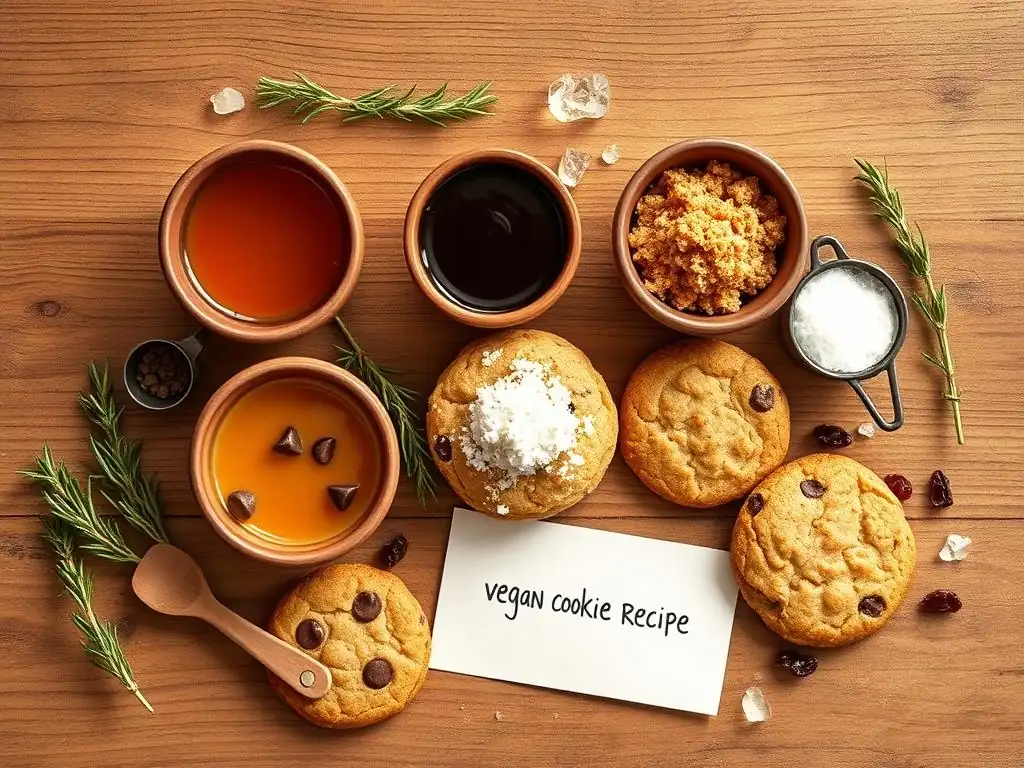
Choosing the right vegan honey substitute involves understanding how different options stack up against each other and against honey itself. Key factors to consider include sweetness level, flavor profile, and impact on texture. Comparing these aspects helps in adapting existing recipes or developing new vegan honey substitute recipes.
- Sweetness Level (relative to granulated sugar, approx. ):
- Honey: ~1.2x
- Maple Syrup: ~0.8x - 1x
- Agave Nectar: ~1.4x - 1.6x
- Brown Rice Syrup: ~0.5x
- Molasses: ~0.75x (but very intense flavor)
- Date Syrup: ~1x
- Coconut Nectar: ~0.75x - 1x
- Barley Malt Syrup: ~0.5x - 0.6x (very intense flavor)
| Sweetener | Relative Sweetness (vs. Sugar) | Primary Flavor Notes | Viscosity (vs. Honey) | Best For... |
|---|---|---|---|---|
| Maple Syrup | 0.8x - 1x | Caramel, Warm | Similar | General baking, glazes, sauces |
| Agave Nectar | 1.4x - 1.6x | Neutral, Mild | Thinner | Light bakes, glazes, delicate flavors |
| Brown Rice Syrup | 0.5x | Malty, Nutty | Thicker | Chewy bars, cookies, some breads |
| Molasses | 0.75x (intense) | Deep, Rich, Slightly Bitter | Much Thicker | Gingerbread, dark breads, robust cookies |
| Date Syrup | 1x | Fruity, Caramel | Similar to Thicker | Quick breads, muffins, bars, cookies |
| Coconut Nectar | 0.75x - 1x | Caramel, Toffee | Similar | General baking, subtle caramel notes |
| Barley Malt Syrup | 0.5x - 0.6x (intense) | Strong Malty, Dark Caramel | Very Thick | Bagels, dark breads, specific chewy bars |
Sweetness Levels: Comparing Relative Sweetness
The sweetness of vegan alternatives varies significantly, often differing from honey's average sweetness. Agave nectar is typically sweeter than honey, meaning you'll need less of it by volume. Maple syrup is often considered a 1:1 substitute in terms of volume for sweetness, though some find it slightly less sweet.
Brown rice syrup, molasses, and barley malt syrup are notably less sweet than honey. When using these, you might need to increase the quantity for desired sweetness, or accept a less sweet result. Date syrup and coconut nectar fall somewhere in the middle, often close to honey or slightly less sweet, depending on the specific product. Adjusting based on taste preference and the specific brand of sweetener is crucial when working on vegan honey substitute recipes.
Flavor Profiles: Matching Sweeteners to Recipe Flavors
Each vegan sweetener brings its own unique flavor notes to a recipe. Maple syrup has a classic "maple" taste that pairs wonderfully with spices like cinnamon and nutmeg. Agave is relatively neutral, making it ideal when you want the other flavors in your bake to shine.
Brown rice syrup and barley malt syrup offer distinct malty flavors that are excellent in rustic or hearty baked goods. Molasses provides a strong, almost savory depth perfect for gingerbread or dark rye. Date syrup adds a natural fruitiness, while coconut nectar lends subtle caramel notes. Matching the sweetener's flavor profile to the overall desired taste of your vegan honey substitute recipes is key to success.
Texture Impact: How Sweeteners Affect Crumb and Moisture
Liquid sweeteners like honey and its vegan alternatives significantly impact the texture of baked goods by adding moisture. The amount and type of liquid sweetener used affect spread in cookies, tenderness in cakes, and chewiness in bars.
Thicker syrups like molasses and barley malt can create a denser, chewier texture, while thinner syrups like agave might result in a lighter crumb but could require slight adjustments to dry ingredients to compensate for the extra liquid. Sweeteners also affect browning; those with higher fructose content (like agave) tend to brown faster. Understanding these textural impacts helps in fine-tuning vegan honey substitute recipes.
Converting Honey to Vegan Sweeteners
Replacing honey with a vegan alternative isn't always a simple 1:1 swap by volume. The difference in sweetness, viscosity, and moisture content between honey and its substitutes requires careful consideration and often slight adjustments to other ingredients in your recipe.
While general guidelines exist, the best approach for converting existing non-vegan honey recipes is to start with a recommended ratio and be prepared to make small tweaks based on observation. This is especially true for complex vegan honey substitute recipes.
Honey to Maple Syrup Conversion Ratio
A common starting point for replacing honey with maple syrup is a 1:1 ratio by volume. If a recipe calls for 1 cup of honey, you would use 1 cup of maple syrup.
However, maple syrup is slightly less viscous and can sometimes be perceived as slightly less sweet depending on the grade. In some recipes, particularly those sensitive to liquid content like certain cookies or muffins, you might consider reducing the liquid from other ingredients (like milk or oil) by 1-2 tablespoons per cup of maple syrup used, especially if the original recipe was very precise. For most vegan honey substitute recipes, 1:1 is a good starting point.
Honey to Agave Nectar Conversion Ratio
Agave nectar is typically sweeter than honey and thinner in consistency. A standard conversion often recommended is using about 3/4 cup of agave nectar for every 1 cup of honey.
Because agave is thinner and sweeter, using a 3/4:1 ratio helps manage both the sweetness level and the liquid content. If your original recipe was already quite moist, you might even consider slightly reducing other liquids further. Conversely, if the recipe relies on honey's binding properties, the thinner agave might require a binder like flax egg or applesauce in vegan honey substitute recipes.
Honey to Date Syrup Conversion Ratio
Date syrup's consistency can vary, but it's generally similar to or slightly thicker than honey. Its sweetness is often comparable to honey by volume, though it has a distinct fruity flavor.
A 1:1 conversion ratio by volume is a common starting point for date syrup. However, because it contains natural fiber from the dates, it can sometimes absorb more liquid or result in a slightly denser texture. Pay attention to the batter consistency and be prepared to add a splash more liquid if it seems too thick when adapting vegan honey substitute recipes.
Adjusting Liquid and Dry Ingredients for Optimal Results
When substituting liquid sweeteners, the total amount of liquid in the recipe changes. For example, using a thinner sweetener like agave might add more effective liquid than honey, while a thicker one like brown rice syrup adds less.
- If using a thinner sweetener (like agave), you might need to reduce other liquids slightly (e.g., milk, water) or increase dry ingredients (e.g., flour) by a tablespoon or two per cup of substitute to maintain the correct batter consistency.
- If using a much thicker sweetener (like molasses or barley malt), you might need to add a splash more liquid overall to achieve the right consistency.
- Consider the binding properties: Honey acts as a binder. Thinner syrups might require adding a vegan binder if the recipe relies heavily on honey for structure. Examples include 1 tablespoon flax meal + 3 tablespoons water per "egg," or a few tablespoons of applesauce or mashed banana. These adjustments are crucial for successful vegan honey substitute recipes.
Vegan Recipes Using Alternative Sweeteners

Putting theory into practice is the best way to master using vegan honey substitutes. Here are a few examples illustrating how different sweeteners work in specific vegan honey substitute recipes. These are illustrative examples; precise measurements would be needed for a full recipe.
Vegan Gingerbread Cake Recipe: Using Molasses
Molasses is the classic sweetener for gingerbread, providing its signature dark color, deep flavor, and moist texture. A vegan gingerbread cake relies on molasses for that authentic taste.
Instead of honey, this recipe would use a significant amount of molasses, perhaps 1 to 1.5 cups depending on the size of the cake. It's often combined with brown sugar for additional sweetness and moisture. The molasses contributes to the cake's structure and creates a wonderfully moist crumb that keeps well. Spices like ginger, cinnamon, cloves, and nutmeg pair perfectly with the robust flavor of the molasses in this type of vegan honey substitute recipe.
Maple syrup is an excellent choice for chewy vegan oatmeal cookies. It provides sweetness and moisture without overpowering the flavor of the oats and other mix-ins like chocolate chips or nuts.
A recipe might call for 3/4 to 1 cup of maple syrup to sweeten a batch of cookies. Because maple syrup is thinner than some other sweeteners, chilling the dough before baking is often recommended to prevent excessive spread. The maple flavor subtly enhances the warmth of the oats and spices like cinnamon, making it a delightful choice for these vegan honey substitute recipes.
Vegan Fruit Glaze Recipe: Using Agave Nectar
For a smooth, clear, and mildly sweet glaze for tarts, cakes, or fruit, agave nectar is ideal. Its neutral flavor allows the fruit's natural sweetness to shine, and its thin consistency makes for a pourable glaze.
A simple glaze might involve heating fruit juice or a plant-based milk with agave nectar until slightly thickened. Using agave, perhaps starting with a 1:2 or 1:3 ratio of liquid to agave, allows you to achieve desired sweetness without adding much color or a strong flavor profile. This works well in vegan honey substitute recipes where a light, clear finish is desired.
Tips for Baking with Vegan Sweeteners
Mastering vegan baking with alternative sweeteners involves more than just swapping them in at a 1:1 ratio. Understanding their properties and how they interact with other ingredients is key to consistently successful results.
- Experimentation is your friend! Don't be afraid to try different sweeteners in your favorite vegan honey substitute recipes.
- Keep notes on what works and what doesn't for future reference.
- Remember that the flavor intensity of natural sweeteners can vary by brand and batch.
- Consider the desired outcome: chewy vs. crisp, light vs. dark, mild vs. robust flavor.
Understanding Moisture Content
Different liquid sweeteners contain varying amounts of water. Honey typically contains around 17-18% water. Maple syrup contains more, usually around 32-34%. Agave nectar varies but is often around 17-25%. Molasses can range from 20-25%.
This difference in moisture is significant. When substituting a higher-moisture sweetener like maple syrup for honey, the total liquid in your recipe increases. This can lead to a wetter batter, potentially affecting spread, rise, and texture. Conversely, substituting a lower-moisture sweetener (if one were commonly used) would require adding liquid. Always consider the impact of the substitute's moisture content when adapting vegan honey substitute recipes.
Adjusting Baking Time and Temperature
Liquid sweeteners, especially those high in fructose like agave, tend to cause baked goods to brown faster than sugar or even honey. This means you might need to adjust your baking time and temperature.
Reducing the oven temperature by 25°F (about 15°C) is a common adjustment when using sweeteners that promote faster browning. Alternatively, you might bake for a slightly shorter time. Keep a close eye on your baked goods, especially towards the end of the baking time, to prevent burning, particularly around the edges. Learning how your chosen sweetener behaves is part of mastering vegan honey substitute recipes.
Experimenting with Flavor Pairings
Each vegan sweetener has a distinct flavor profile that can either enhance or clash with other ingredients. Maple syrup pairs beautifully with nuts, oats, apples, and warm spices. Agave's neutrality makes it versatile, working well with delicate fruit flavors or vanilla.
Molasses is a natural fit for ginger, cinnamon, cloves, and chocolate. Date syrup complements spices, nuts, and cocoa. Don't hesitate to experiment with different combinations in your vegan honey substitute recipes. A sweetener's flavor can transform the final taste of your bake in exciting ways.
Conclusion: Achieving Delicious Vegan Bakes with Honey Alternatives
Baking without honey opens up a world of delicious plant-based possibilities. With a variety of excellent vegan sweeteners available, you can easily create flavorful and texturally pleasing vegan honey substitute recipes. From the versatile nature of maple syrup and agave nectar to the rich depths of molasses and date syrup, there's a perfect plant-based sweetener for almost any baking need.
By understanding the unique properties of each alternative – their sweetness, flavor, and impact on texture and moisture – you can confidently adapt existing recipes or develop new vegan honey substitute recipes. Don't be afraid to experiment, make small adjustments as needed, and discover your favorite combinations. Happy vegan baking!
Frequently Asked Questions
What are some common vegan substitutes for honey in baking?
Common vegan honey substitutes include maple syrup, agave nectar, and molasses. These provide similar sweetness and moisture to recipes.
Can I use any vegan sweetener as a direct replacement for honey, or are there considerations?
No, not all sweeteners are direct replacements. Consider the sweetness level and liquid content of the substitute compared to honey, as adjustments may be needed.
Does using a vegan honey substitute significantly change the texture or flavor of baked goods?
Yes, it can slightly alter the texture and flavor. For example, maple syrup can impart a distinct flavor and molasses a deeper, richer taste.
Are there specific recipes where vegan honey substitutes work better than others?
Vegan honey substitutes work well in recipes where honey's flavor isn't the primary focus, such as in cookies or quick breads. More delicate recipes might require testing.
Where can I find more detailed "Vegan honey substitute recipes" and baking tips?
You can find a wealth of resources on websites like BakeWithEase.com, which offer step-by-step guides and easy-to-find ingredients for successful vegan baking.
Final Reflection: A Sweeter Future, Beyond the Hive
The demand for vegan alternatives is booming, and the search for a truly delicious honey substitute is a significant part of that movement. It's not just about ethical concerns; it's about discovering exciting new flavors and textures that enrich our culinary experiences while respecting the environment and animal welfare. The sheer variety of options available, from maple syrup to agave nectar, proves that a sweet life doesn't require exploiting bees.
The shift away from honey reflects a broader cultural awakening, a growing awareness of the interconnectedness of our food choices and the well-being of the planet. This isn't simply a trend; it's a fundamental shift in how we view our relationship with nature and the animals we share it with. We must learn to live in harmony with nature, not dominate it.
This sentiment, though not directly about honey, speaks to the core values driving the search for ethical and sustainable alternatives. The exploration of these alternatives, as detailed in this article, is a testament to human ingenuity and our capacity for positive change.
Consider the recipes explored within this article – each a testament to the creativity and deliciousness possible when we embrace plant-based alternatives. Now, I invite you to take this journey further. Experiment with these recipes, adapt them to your own tastes, and discover your own favorite vegan honey substitute. Share your creations, inspire others, and be a part of building a sweeter, more compassionate future, one delicious recipe at a time.
Unlock a World of Sweetness: Discover Your Perfect Vegan Honey Swap!
Thanks for joining us on this delicious journey into the world of vegan sweeteners! We hope you've discovered some exciting alternatives to honey that will elevate your baking game. Ready to put your new knowledge into practice?
- Experiment with your favorite recipe: Replace honey with one of the alternatives we explored and see how it changes the flavor and texture. This is the best way to find your new go-to sweetener!
- Share your baking creations: Show off your delicious vegan treats on social media using #BakeWithEaseVeganSweets – let's inspire each other!
- Explore our other vegan recipes: Dive deeper into our extensive collection of plant-based recipes for even more delicious inspiration.
Which vegan sweetener are you most excited to try first, and what recipe will you use it in?