
The Science Behind GlutenFree Flour Blends for Predictable Results

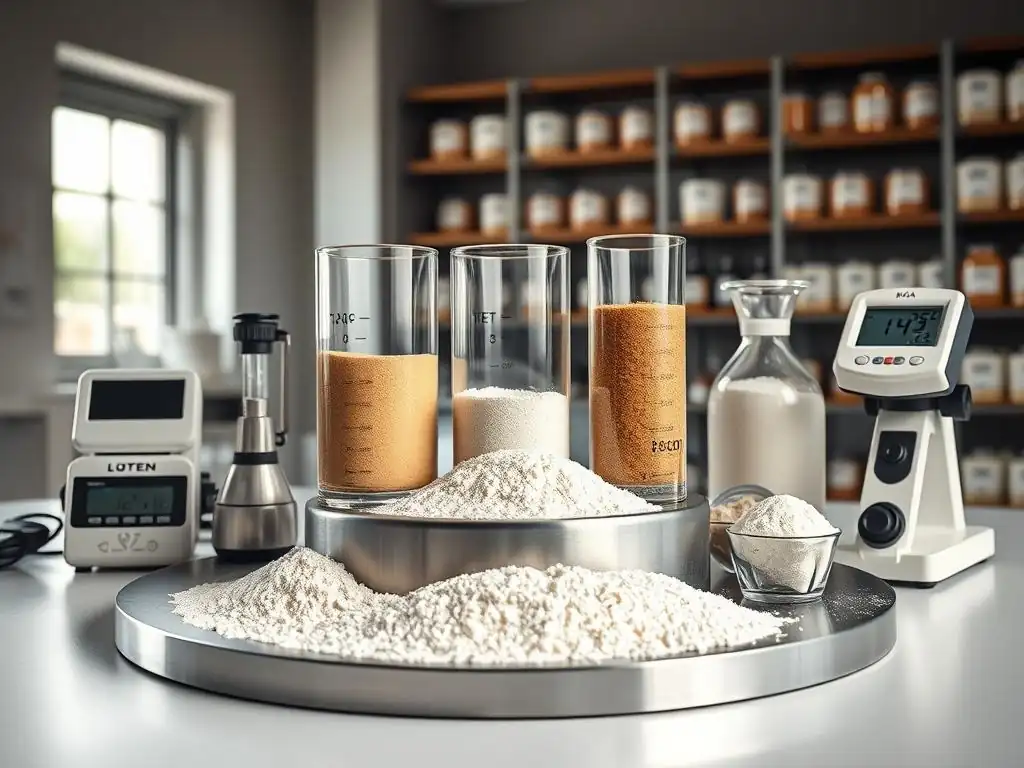
Welcome to BakeWithEase, your haven for unlocking the secrets of delicious baking! Ever wondered if there's more to gluten-free baking than just swapping flours? Dive in as we unravel the science behind gluten-free flour blends, revealing how understanding their properties can lead to predictable and delectable results, turning frustrating flops into triumphant successes. Get ready to elevate your gluten-free baking game – let's explore!
- The Science Behind Gluten-Free Flour Blends for Predictable Results: Bake With Ease
- Understanding Gluten-Free Flour Blends: A Baker's Guide
- Deconstructing Gluten: The Missing Element in Gluten-Free Baking
- Key Ingredients in Effective Gluten-Free Flour Blends
- The Science of Starch Gelatinization and its Impact on Gluten-Free Baking
- Gum Hydration and Viscosity: Achieving the Right Consistency
- Creating Your Own Gluten-Free Flour Blend: A Step-by-Step Approach
- Pre-Made Gluten-Free Flour Blends: Advantages and Considerations
- Troubleshooting Common Gluten-Free Baking Problems with Flour Blends
- Advanced Techniques for Gluten-Free Flour Blends: Beyond the Basics
- Mastering Gluten-Free Baking: Tips for Consistent Success with Flour Blends
- The Future of Gluten-Free Flour Blends: Innovations and Developments.
-
Frequently Asked Questions
- What is the primary goal of using a gluten-free flour blend in baking?
- Why is it important to use a blend of gluten-free flours rather than just one type?
- What are some common ingredients found in gluten-free flour blends, and what roles do they play?
- How does the absence of gluten affect the structure of baked goods, and how do gluten-free flour blends compensate?
- Can I substitute a gluten-free flour blend directly for wheat flour in any recipe?
- Final Reflection: Unlocking the Secrets of Gluten-Free Baking
- Unlock Your Gluten-Free Baking Potential!
The Science Behind Gluten-Free Flour Blends for Predictable Results: Bake With Ease
Understanding Gluten-Free Flour Blends: A Baker's Guide
Baking without gluten presents unique challenges, primarily because gluten is the protein network that provides structure, elasticity, and chewiness in traditional baked goods. Achieving similar results in gluten-free recipes often requires a carefully formulated combination of different flours, starches, and gums – what we call a gluten-free flour blend. These blends are designed to mimic the functional properties of wheat flour by combining ingredients that contribute structure, binding, softness, and moisture retention in specific ways. Understanding the science behind these blends is key to consistent, successful gluten-free baking.
Mastering the glutenfree flour blend science allows bakers to move beyond relying solely on pre-made mixes. It empowers you to troubleshoot common issues like crumbliness or gummy textures and even create custom blends tailored to specific recipes or dietary needs. By exploring how different components interact during mixing, rising, and baking, you gain control over the final outcome, ensuring your gluten-free cakes are light and airy, your breads have a decent crumb, and your cookies have the perfect bite. It's about replacing the intricate network of gluten with a new, engineered structure built from diverse plant-based ingredients.
Why Use Gluten-Free Flour Blends Instead of Single Flours?
Using a single gluten-free flour, like rice flour or almond flour, rarely yields satisfactory results in recipes traditionally made with wheat. Wheat flour contains both starch and protein (gluten) in a balance that interacts with water and heat to create structure. Single gluten-free flours typically excel in only one or two areas.
For instance, rice flour provides structure but can be gritty and lacks elasticity, while almond flour adds moisture and richness but offers very little binding or structure on its own. Relying on a single flour often results in dense, crumbly, or heavy baked goods that lack the desired texture and rise.
Gluten-free flour blends combine multiple ingredients to compensate for the absence of gluten, leveraging the unique properties of each component. A blend might include a "starchy" flour (like white rice), a "protein" flour (like brown rice or sorghum), a binder (like tapioca or potato starch), and a gum (like xanthan or guar gum).
This synergistic approach ensures that the blend provides a more complete functional profile, contributing not just structure but also tenderness, moisture, and binding, leading to baked goods that are closer in texture and appearance to their gluten-containing counterparts. This is the fundamental principle behind successful glutenfree flour blend science.
The Importance of Blend Ratios in Gluten-Free Baking
The specific proportions, or ratios, of the different flours, starches, and gums within a gluten-free flour blend are critically important. Just a slight shift in the ratio can significantly impact the final texture, moisture, and structure of your baked goods. For example, a blend intended for light, airy cakes might have a higher proportion of starches, which contribute to tenderness and a finer crumb, compared to a blend designed for bread, which would require more protein-rich flours and binders for structure and chewiness. Getting the ratio right is a key aspect of applying glutenfree flour blend science effectively.
Consider a common all-purpose gluten-free blend ratio: often around 40% whole grain flour (like brown rice or sorghum), 40% white flour/starch (like white rice or tapioca), and 20% other starches (like potato or cornstarch), plus a small percentage of gum. Varying these percentages impacts how the blend absorbs liquid, how it rises, and how it sets during baking. Too much starch can lead to a gummy texture, while too little binder can result in excessive crumbliness. Experimenting with and understanding these ratios is a core part of mastering the glutenfree flour blend science for different applications.
Deconstructing Gluten: The Missing Element in Gluten-Free Baking
What is Gluten and Why is it Important for Traditional Baking?
Gluten is not a single substance but a complex network of proteins, primarily gliadin and glutenin, found in wheat, barley, and rye. When wheat flour is mixed with water, these proteins hydrate and form a viscoelastic dough. Kneading develops this network, strengthening it and allowing it to trap the carbon dioxide gas produced by leavening agents like yeast or baking powder. This trapped gas causes the dough to rise, creating volume and a light, airy texture.
Beyond providing structure and volume, gluten contributes to the chewiness and elasticity characteristic of traditional baked goods like bread and pasta. It helps hold the structure together, preventing the bake from collapsing once removed from the oven. The ability of gluten to stretch and recoil is essential for achieving a desirable crumb structure and mouthfeel. Without this protein network, replicating these qualities in gluten-free flour blends requires significant scientific understanding and careful ingredient selection.
Replicating Gluten's Functionality in Gluten-Free Recipes
Replacing gluten's multiple roles in baking is the central challenge addressed by gluten-free flour blends. No single gluten-free ingredient can perfectly replicate gluten's ability to provide structure, elasticity, gas retention, and chewiness simultaneously. Therefore, a blend combines ingredients that individually contribute some of these properties. Starches, like tapioca and potato starch, help with binding and contribute to a tender crumb. Protein-rich flours, like brown rice or sorghum, add some structure and nutritional value.
To provide the crucial elasticity and gas-trapping ability that gluten offers, gluten-free flour blends typically include hydrocolloids like xanthan gum or guar gum, or fibers like psyllium husk. These ingredients hydrate significantly in water, forming a viscous gel that helps bind the ingredients together and trap air bubbles, mimicking gluten's network function to some extent. The science of glutenfree flour blend science lies in finding the right combination and balance of these components to achieve a functional replacement for gluten in different types of baked goods.
Key Ingredients in Effective Gluten-Free Flour Blends
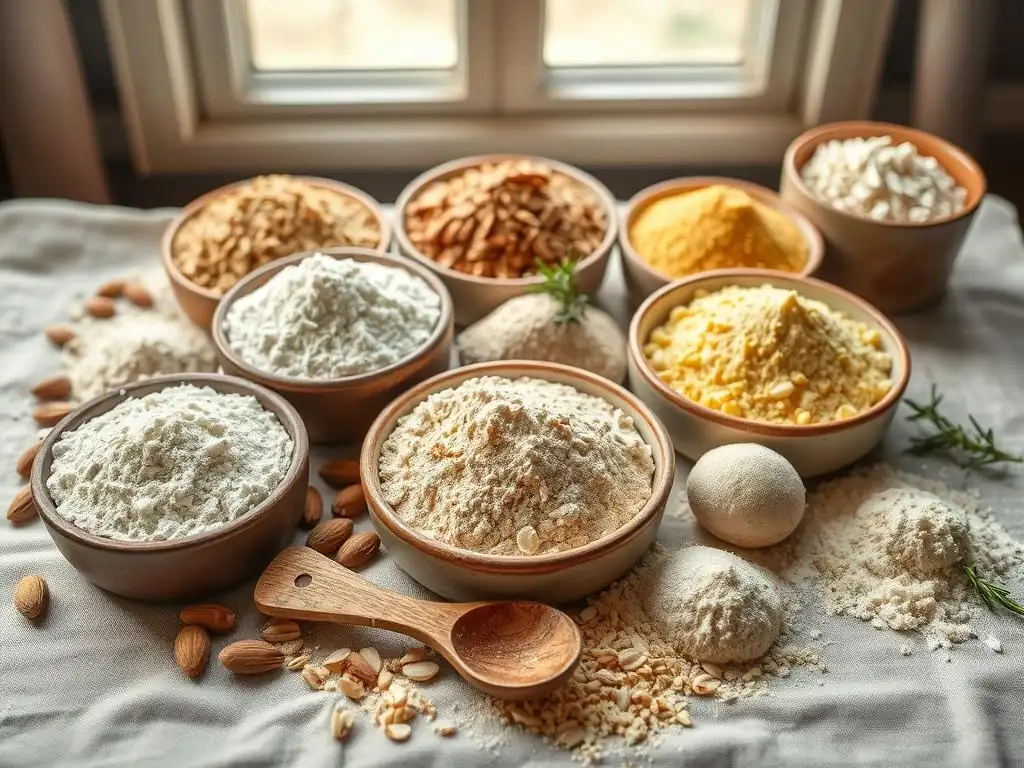
The Role of Starches: Tapioca Starch, Potato Starch, and Cornstarch
Starches are essential components in most gluten-free flour blends, playing several vital roles. They contribute to the blend's overall structure, help absorb moisture, and are critical for achieving a tender crumb. When heated during baking, starches undergo gelatinization, absorbing liquid and swelling, which helps set the structure of the baked good.
Different starches gelatinize at varying temperatures and absorb different amounts of liquid, impacting the final texture. For instance, tapioca starch typically gelatinizes at a relatively low temperature (around 50-70°C or 122-158°F) and contributes a slightly chewy texture and browning, while potato starch gelatinizes at a higher temperature (around 60-80°C or 140-176°F) and provides a light, fluffy texture.
Cornstarch is another common starch used in gluten-free flour blends. It also gelatinizes at a relatively high temperature (around 62-80°C or 144-176°F) and is known for its ability to create a crisp texture and thicken liquids. The combination of different starches in a blend leverages their unique properties – some for tenderness, some for crispness, some for binding – to create a more balanced functional profile. Understanding how these starches behave is fundamental to the glutenfree flour blend science, allowing bakers to predict and control the outcome of their recipes.
The Function of Gums: Xanthan Gum, Guar Gum, and Their Impact on Texture
Gums, such as xanthan gum and guar gum, are hydrocolloids that act as crucial binding agents and elasticity providers in gluten-free flour blends. Because gluten-free flours lack the protein network of wheat, they tend to be crumbly. Gums hydrate rapidly in the presence of liquid, forming a viscous gel that helps hold the ingredients together, mimicking some of the cohesive properties of gluten. This binding action is essential for preventing baked goods from falling apart.
Beyond binding, gums contribute to the texture by trapping gas produced by leavening agents, aiding in rise and creating a more open crumb structure. Xanthan gum, produced by bacterial fermentation, provides elasticity and chewiness, often used in bread and pizza dough recipes. Guar gum, derived from guar beans, tends to create a softer, more tender crumb, often preferred in cakes and muffins.
The amount of gum needed is typically small, often measured in teaspoons or fractions of a teaspoon per cup of flour blend (e.g., 1/4 to 1/2 teaspoon per cup). Using too much gum can lead to an undesirable gummy or slimy texture, a common troubleshooting point in glutenfree flour blend science.
Protein Sources: Brown Rice Flour, Sorghum Flour, and Their Contributions
While starches and gums are vital for structure and binding, protein-rich flours contribute structure, flavor, and nutritional value to gluten-free flour blends. Brown rice flour, made from whole brown rice, is a popular choice. It provides a slightly nutty flavor and contributes some structure due to its protein and fiber content, although it lacks the elasticity of gluten. Its presence helps balance the lighter starches and adds nutritional density.
Sorghum flour, another whole grain option, offers a mild, slightly sweet flavor and a tender texture. It contributes protein and fiber, aiding in structure and moisture retention. Other protein sources like millet flour, oat flour (if certified gluten-free), or even legume flours (like chickpea flour in savory applications) can be included for varied flavors, textures, and nutritional profiles. The inclusion and proportion of these flours are carefully considered in gluten-free flour blends to achieve the desired balance of structure, tenderness, and flavor, reflecting the intricate glutenfree flour blend science.
The Science of Starch Gelatinization and its Impact on Gluten-Free Baking
Understanding Starch Gelatinization Temperatures in Different Flours
Starch gelatinization is a fundamental process in baking, occurring when starch granules absorb water and swell upon heating. This process helps set the structure of the baked good. Different starches, whether from corn, potato, tapioca, or rice, have distinct gelatinization temperature ranges and properties. For instance, cornstarch begins to gelatinize around 62-80°C (144-176°F), while tapioca starch starts earlier, around 50-70°C (122-158°F). These differences mean that as a batter or dough heats in the oven, different starches within the gluten-free flour blend will contribute to setting the structure at various stages of the baking process.
This variation in gelatinization temperature is leveraged in gluten-free flour blends to create a more robust and stable structure. By including starches that gelatinize across a range of temperatures, the blend provides structural support as the temperature increases, helping to prevent collapse. The degree of gelatinization also affects the final texture – fully gelatinized starch contributes to a firm structure, while partially gelatinized starch can add tenderness. Understanding these temperature ranges is a critical aspect of applying glutenfree flour blend science for predictable outcomes.
How Gelatinization Affects Texture and Structure in Gluten-Free Cakes and Breads
The process of starch gelatinization directly impacts the texture and structure of gluten-free baked goods. As starches in the gluten-free flour blend absorb liquid and swell during baking, they contribute to the internal structure by creating a gel-like matrix that helps hold the crumb together. In cakes, proper starch gelatinization contributes to a tender, moist crumb. If gelatinization is insufficient (perhaps due to too short a baking time or insufficient liquid), the cake may be crumbly or dry.
In gluten-free breads, starch gelatinization, combined with the action of gums, helps to create a more stable structure capable of supporting the rise from leavening. As the bread bakes, the starches gelatinize and set, forming a network that provides the bread's internal crumb structure. The specific blend of starches impacts whether the bread has a soft, open crumb or a denser texture.
For example, blends with more high-amylose starches might result in a firmer gel structure. The science of glutenfree flour blend science considers these starch properties to formulate blends suitable for different baking applications, from delicate pastries to hearty loaves.
Gum Hydration and Viscosity: Achieving the Right Consistency
Properly Hydrating Gums for Optimal Binding
Proper hydration of gums like xanthan gum and guar gum is paramount for their effectiveness in gluten-free flour blends. These hydrocolloids need to absorb liquid to form the viscous gel that provides binding and structure. If gums are not dispersed properly before hydration, they can clump, leading to uneven distribution and potentially a gummy texture in some spots and crumbliness in others. A common technique is to whisk the gum thoroughly into the dry gluten-free flour blend before adding any liquid. This helps coat the gum particles with flour, preventing them from clumping when they encounter water.
Alternatively, especially for recipes involving yeast (like bread), gums can be whisked into the liquid ingredients (water or milk) before combining with the dry blend. This ensures the gum is fully dispersed and hydrated before the main mixing begins. The rate and extent of hydration vary between gums; xanthan gum hydrates relatively quickly, while guar gum might take a little longer. The glutenfree flour blend science emphasizes the importance of this initial step to unlock the full potential of the gums as binders and structure builders.
Troubleshooting Common Issues with Gum Usage in Gluten-Free Recipes (e.g., Gummy Texture)
One of the most frequent issues encountered when using gums in gluten-free flour blends is a gummy or slimy texture. This is almost always a result of using too much gum. While gums are necessary to replace gluten's binding, an excess creates an overly thick, gel-like consistency that translates into an unpleasant texture in the final baked good. The recommended amount of gum is quite small, typically ranging from 1/4 teaspoon to 1 teaspoon per cup of gluten-free flour blend, depending on the recipe type (cakes usually need less, breads more).
General Gum Guidelines per Cup of Gluten-Free Flour Blend:
- Cakes, Muffins, Quick Breads: 1/4 - 1/2 teaspoon
- Cookies: 1/4 - 1/2 teaspoon
- Pizza Dough, Yeast Breads: 3/4 - 1 teaspoon
Another issue can be insufficient hydration, leading to poor binding and crumbliness. This might happen if the gum wasn't properly mixed with the dry or wet ingredients initially. Ensuring thorough mixing and allowing adequate resting time for the dough or batter (often 10-20 minutes) can help the gums fully hydrate and develop their binding properties. Understanding these nuances is crucial for applying glutenfree flour blend science effectively and avoiding common pitfalls.
Creating Your Own Gluten-Free Flour Blend: A Step-by-Step Approach
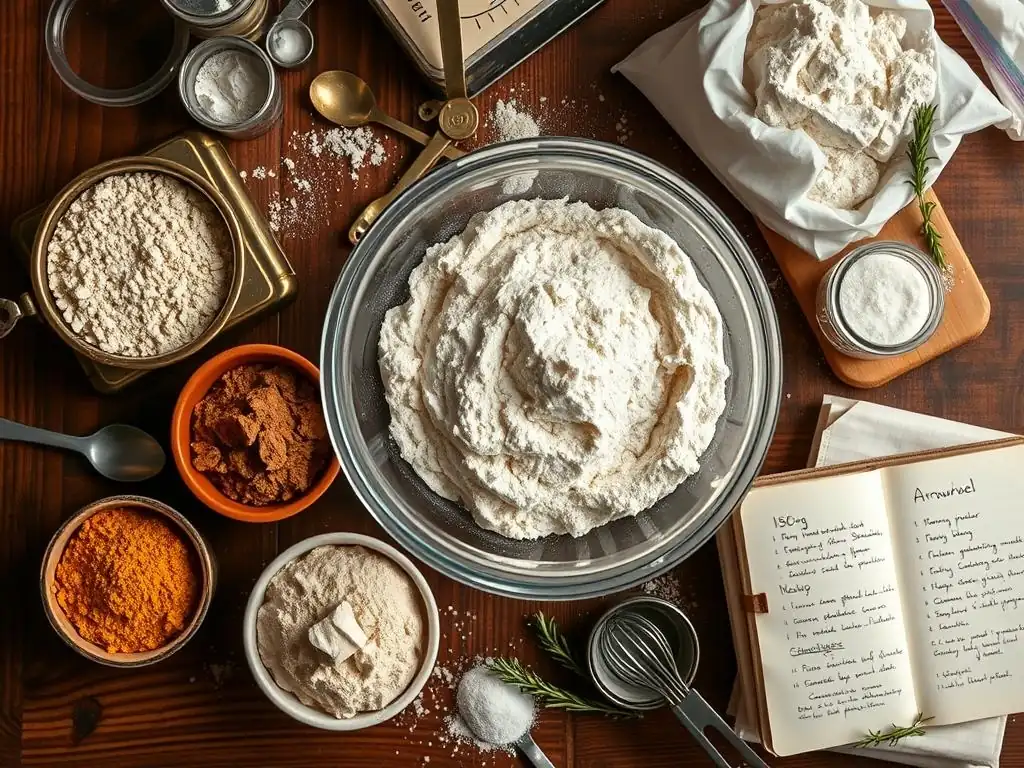
Creating your own gluten-free flour blend allows for customization and can lead to superior results tailored to specific recipes. The first step is determining the appropriate ratios of different flour types (whole grain, white rice/starch), starches, and gums based on the desired outcome. For example, a blend for light, tender cakes will typically have a higher proportion of starches (like tapioca and potato) and less whole grain flour than a blend for chewy bread. A cookie blend might require slightly less gum than a bread blend but possibly more tapioca starch for chewiness and crispness.
Example Starting Ratios (Approximate):

*   **Cake/Muffin Blend:**
    *   40% Light Rice Flour (White Rice Flour)
    *   30% Starch (Tapioca Starch, Potato Starch)
    *   30% Mild Flour (Sorghum Flour, Millet Flour)
    *   Add 1/4 - 1/2 tsp Xanthan/Guar Gum per cup of blend when using in recipe.

*   **Bread Blend:**
    *   40% Brown Rice Flour
    *   30% White Rice Flour
    *   20% Starch (Tapioca Starch, Potato Starch)
    *   10% High-Protein Flour (Sorghum, Buckwheat)
    *   Add 3/4 - 1 tsp Xanthan Gum per cup of blend when using in recipe.
These ratios are starting points, and dialing them in is part of the hands-on glutenfree flour blend science. Consider the desired texture: more starches for tenderness, more whole grains for structure and nutrition, specific starches (like tapioca) for chewiness or crisping.
Experimenting with Different Flour Combinations for Unique Flavor Profiles
Beyond functionality, different gluten-free flours bring unique flavors to a blend. Brown rice flour has a slightly nutty taste, while sorghum flour is mild and slightly sweet. Millet flour is subtly sweet, and buckwheat flour adds an earthy, robust flavor (though it's technically a pseudocereal, it's often used in gluten-free blends). White rice flour is relatively neutral. By varying the types of flours within your custom gluten-free flour blend, you can create flavor profiles that complement your recipes.
For instance, using a higher proportion of sorghum or millet could be great for a slightly sweet quick bread or muffin, while brown rice or buckwheat might be preferred for a more rustic bread. Experimenting with small batches of your blend and testing them in simple recipes (like basic muffins or cookies) is a fun way to explore the flavor nuances. This creative aspect is also part of the glutenfree flour blend science, allowing bakers to personalize their results.
All-Purpose Gluten-Free Flour Blend Recipe
Creating a versatile all-purpose gluten-free flour blend is a great starting point for many recipes. This blend aims to mimic the general behavior of wheat flour in a wide range of applications. A common and effective ratio balances lighter flours, starches, and binders.
Simple All-Purpose Gluten-Free Flour Blend (Approximate Ratio)

Ingredients:
- 2 cups White Rice Flour (light, neutral base)
- 1 cup Brown Rice Flour (adds structure, nutrition, slight nuttiness)
- 1 cup Tapioca Starch (provides chewiness, binding, browning)
- 1 cup Potato Starch (adds tenderness, lightness)

Instructions:
1. Weigh or measure the ingredients accurately.
2. Whisk them together thoroughly in a large bowl until completely combined.
3. Store in an airtight container in a cool, dark place.

Note: This blend does NOT include gum. Add the appropriate amount of xanthan or guar gum (refer to guidelines above) to your recipe *per cup of this blend* when you use it. This allows you to control the gum amount based on the specific recipe (cake vs. bread).
This recipe provides a solid foundation based on common glutenfree flour blend science principles. Remember that even with an "all-purpose" blend, some recipes may require minor adjustments.
Pre-Made Gluten-Free Flour Blends: Advantages and Considerations
Evaluating Commercial Gluten-Free Flour Blends: What to Look For
Pre-made gluten-free flour blends offer convenience and consistency, especially for new gluten-free bakers. When evaluating commercial blends, the ingredient list is the first place to look. A good blend will typically contain a mix of different flours (like rice, sorghum, millet) and starches (like tapioca, potato, corn). Check if the blend already includes gums (xanthan or guar). Some blends include gum, while others require you to add it to the recipe. Knowing this is crucial for recipe adaptation.
Consider the intended use of the blend. Some commercial blends are specifically formulated for certain applications, like "gluten-free bread flour" or "gluten-free pastry flour." These are designed with ratios optimized for those specific results, based on extensive glutenfree flour blend science research by the manufacturer. Reading reviews and comparing ingredient lists can help you choose a blend that is likely to perform well for your typical baking needs. Price, availability, and whether the blend is certified gluten-free are also practical considerations.
Adjusting Recipes for Different Pre-Made Gluten-Free Flour Blends
Even when using pre-made gluten-free flour blends, some recipe adjustments might be necessary. Different brands use varying ingredient ratios and types, meaning they absorb liquid differently and behave slightly differently during baking. If a recipe was developed using Brand A's blend and you are using Brand B's, you might find the batter is too dry or too wet. Start by following the recipe exactly, but be prepared to make minor adjustments based on the batter's consistency.
If the batter seems too thick, add liquid (water or milk) a tablespoon at a time until it reaches the desired consistency (often described in the recipe). If it seems too thin, you can add a tablespoon or two of your blend (if you have extra) or a little extra starch. Also, if the blend you chose doesn't contain gum, you'll need to add the appropriate amount of xanthan or guar gum as specified in the recipe or using general guidelines. Understanding the basic glutenfree flour blend science helps you anticipate these potential differences and make informed adjustments.
Troubleshooting Common Gluten-Free Baking Problems with Flour Blends
Dense and Gummy Textures: Identifying and Correcting the Causes
A dense or gummy texture is a common frustration in gluten-free baking and is often linked to the properties and usage of the gluten-free flour blend. Gummy textures are frequently caused by too much gum (xanthan or guar) or improper hydration of starches and gums, leading to a thickened, sticky consistency. Over-mixing the batter or dough can also contribute to gumminess by overdeveloping the gum network.
To correct this, first check the amount of gum used – is it within the recommended range for the recipe type? Ensure gums are properly dispersed before adding liquid. Avoid over-mixing; mix just until ingredients are combined. Dense textures can result from insufficient leavening, too much flour/too little liquid (leading to a dry batter that doesn't rise well), or using a blend with insufficient binders or structure-building ingredients. Ensuring accurate measurement of your gluten-free flour blend and liquid is crucial, as even small errors can impact the final result.
Crumbliness and Lack of Binding: Solutions for a More Cohesive Bake
Conversely, excessive crumbliness is another frequent issue, indicating a lack of sufficient binding in the gluten-free flour blend. This often happens when there isn't enough gum (xanthan or guar) in the recipe or the blend, or if the starches and gums haven't adequately hydrated. Crumbliness can also occur if the batter is too dry, preventing the starches and gums from absorbing enough liquid to form a cohesive structure.
Solutions include ensuring the correct amount of gum is added (if your blend doesn't contain it) or slightly increasing the gum amount if the recipe already calls for it but results are crumbly. Make sure you are adding the correct amount of liquid specified in the recipe, and consider letting the batter or dough rest for 10-20 minutes before baking. This rest period allows the starches and gums in the gluten-free flour blend to fully hydrate, improving binding and reducing crumbliness. Accurate measurement is key here; using too little liquid is a common cause of dry, crumbly bakes.
Recipe Adjustment Strategies for Specific Issues
Troubleshooting gluten-free baking often involves strategic recipe adjustments based on the glutenfree flour blend science. If a specific recipe consistently yields a certain problem (e.g., dense cake), consider adjusting the ratio of ingredients for that recipe rather than changing your entire flour blend. For instance, if a cake is dense, you might try slightly increasing the leavening agent (baking powder/soda) or adding a bit more liquid. If it's too crumbly, ensure adequate gum and hydration time.
- Too Gummy: Reduce gum slightly (e.g., by 1/8 or 1/4 tsp per cup of blend). Ensure proper dispersion and avoid overmixing.
- Too Dense: Increase leavening (e.g., by 1/4 tsp baking powder). Ensure proper hydration. Check oven temperature is accurate.
- Too Crumbly: Ensure gum is added and adequately hydrated. Increase liquid slightly (e.g., by 1-2 tablespoons).
Keep notes on your adjustments to track what works with your specific gluten-free flour blend and oven. Small, incremental changes are best to understand the impact of each adjustment.
Advanced Techniques for Gluten-Free Flour Blends: Beyond the Basics
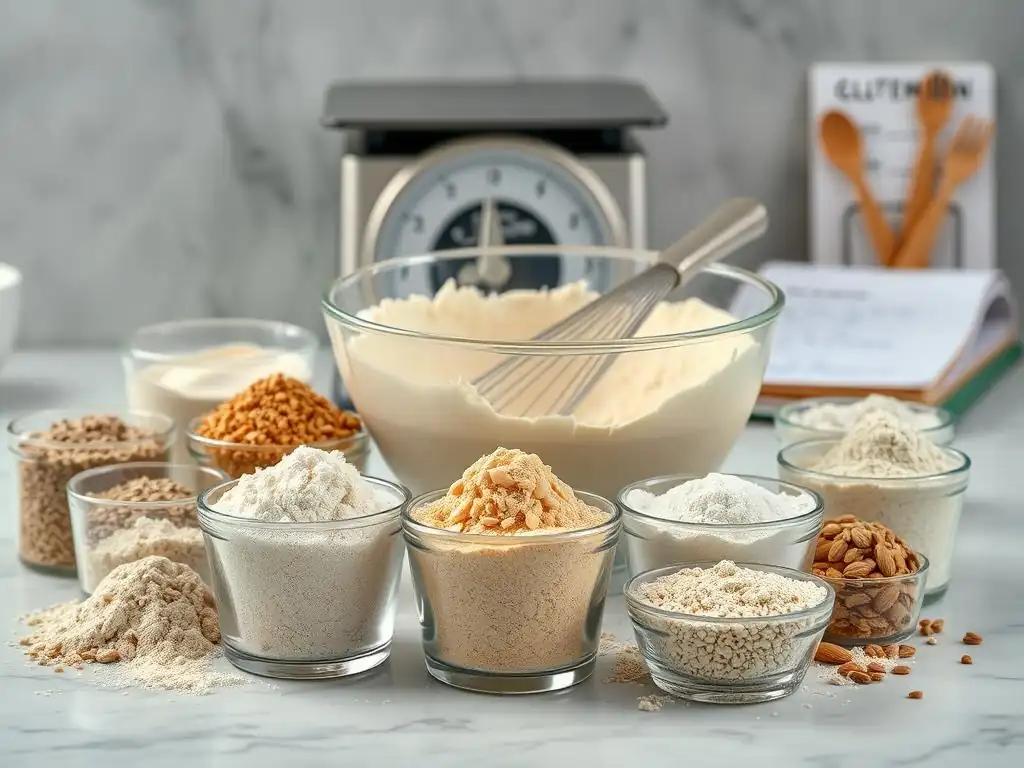
Using Modified Tapioca Starch for Improved Texture and Structure
Beyond standard tapioca starch, modified tapioca starch is sometimes used in commercial gluten-free flour blends and by advanced bakers. Modified starches undergo a process that alters their properties, often improving their ability to absorb water, resist retrogradation (staling), and function under various conditions (like freezing and thawing or differing pH levels). Certain modified tapioca starches can contribute significantly to chewiness, elasticity, and freeze-thaw stability in gluten-free baked goods.
For example, some modified starches can create a more flexible structure similar to gluten, which is particularly beneficial in gluten-free bread or pizza crusts. While not commonly available in standard grocery stores, these ingredients represent the cutting edge of glutenfree flour blend science and are explored in professional gluten-free product development to achieve textures that closely mimic traditional baked goods.
Incorporating Psyllium Husk for Enhanced Binding and Moisture Retention
Psyllium husk, a form of fiber derived from the seeds of the Plantago ovata plant, is a powerful binder and moisture retainer increasingly used in gluten-free flour blends, particularly for bread. When mixed with liquid, psyllium husk forms a very thick, gel-like substance that provides excellent structure and elasticity to dough, often more effectively than xanthan or guar gum alone in yeast-leavened recipes. It helps create a more cohesive dough that is easier to handle and shape, similar to wheat dough.
Using psyllium husk (either whole or powdered) can significantly improve the crumb structure and volume of gluten-free bread, reducing the tendency for it to be dense or crumbly. It also helps retain moisture, leading to a softer loaf with a longer shelf life. A typical addition might be around 1-2 tablespoons of whole psyllium husk or 1-1.5 tablespoons of psyllium husk powder per cup of gluten-free flour blend in a bread recipe. Psyllium husk is a testament to how advanced glutenfree flour blend science incorporates different fibers and hydrocolloids for targeted functional benefits.
Experimenting with Enzymes to Improve Gluten-Free Baking Results
Enzymes are proteins that catalyze specific biochemical reactions. In traditional baking, enzymes naturally present in flour or added commercially help improve dough handling, volume, and crumb structure. In gluten-free baking, enzymes can also play a beneficial role, although their application is more complex and less common for home bakers. Amylase enzymes, for instance, can break down starches into simpler sugars, providing more food for yeast (improving rise) and contributing to browning and a softer crumb. Protease enzymes can modify proteins in gluten-free flours, potentially altering texture.
While enzyme use in gluten-free flour blends is primarily a domain of commercial baking and food science, understanding their potential highlights the depth of glutenfree flour blend science. Research explores using specific enzymes to improve the performance of different gluten-free ingredients, aiming to achieve results even closer to traditional baked goods. For home bakers, focusing on ingredient ratios, hydration, and leavening remains the most practical approach, but the possibility of enzyme use points to future innovations.
Mastering Gluten-Free Baking: Tips for Consistent Success with Flour Blends
Accurate Measurement Techniques for Consistent Results
Consistency is key in baking, and nowhere is this more true than in gluten-free baking with gluten-free flour blends. Due to the delicate balance required to mimic gluten's function, slight variations in ingredient amounts can significantly impact the outcome. Measuring your gluten-free flour blend by weight using a kitchen scale is the most accurate method. Volumetric measurements (cups) can vary depending on how tightly the flour is packed, potentially leading to too much or too little flour.
For example, one cup of a gluten-free flour blend can weigh anywhere from 120g to 150g depending on the blend's composition and how it's scooped. Using a scale ensures you are adding the exact amount of flour intended by the recipe developer, which is critical when working with precise glutenfree flour blend science. Measuring other ingredients like starches and gums by weight is also recommended for maximum accuracy.
The Importance of Mixing Methods in Gluten-Free Baking
The way you mix gluten-free batters and doughs also influences the final texture when using gluten-free flour blends. Unlike wheat dough, which benefits from kneading to develop the gluten network, gluten-free mixtures do not require this extensive development. Over-mixing gluten-free batter or dough can actually harm the texture, potentially leading to toughness or gumminess, especially if gums are present.
For most gluten-free cakes, muffins, and quick breads, mixing should be minimal – just until the dry and wet ingredients are combined and no streaks of flour remain. For gluten-free yeast breads, some mixing or kneading (often just a few minutes) is needed to help hydrate the flours and activate the gums or psyllium husk, creating a cohesive dough, but it's far less vigorous than traditional kneading. Understanding the role of mixing in relation to the glutenfree flour blend science helps prevent common texture problems.
Temperature and Baking Time Considerations for Gluten-Free Recipes
Oven temperature and baking time are critical variables that interact with the science of gluten-free flour blends. Gluten-free baked goods can sometimes brown faster on the outside while remaining underbaked in the center, or they might require slightly longer baking times than their wheat counterparts due to differences in moisture absorption and starch gelatinization. It's essential to ensure your oven temperature is accurate using an oven thermometer.
Pay close attention to the visual and tactile cues for doneness specified in gluten-free recipes (e.g., golden brown color, cake springing back when lightly touched, toothpick inserted coming out clean, internal temperature for bread). Don't rely solely on the timer; check for doneness manually. Adjusting baking time or temperature slightly based on your oven and the specific recipe ensures that the starches fully gelatinize and the structure sets properly, leading to a well-baked interior and desirable crust, a testament to applying practical glutenfree flour blend science.
The Future of Gluten-Free Flour Blends: Innovations and Developments.
The field of gluten-free flour blend science is constantly evolving. Researchers and food scientists are continually exploring new gluten-free ingredients and combinations to improve the texture, flavor, and nutritional profile of baked goods. Innovations include the use of novel flours from ancient grains, legumes, or even vegetables, each offering unique properties.
There is also ongoing research into optimizing the interaction between different starches, fibers, and hydrocolloids to better mimic gluten's complex network. Developments in modified starches, specialized fibers like resistant starches, and potentially even enzyme technologies are pushing the boundaries of what's possible in gluten-free baking. As our understanding of the glutenfree flour blend science deepens, we can anticipate future blends that offer even more predictable results and a wider range of textures and flavors, making delicious gluten-free baking more accessible than ever.
Frequently Asked Questions
What is the primary goal of using a gluten-free flour blend in baking?
The main goal is to mimic the structure and texture provided by gluten in traditional wheat flour baking. This allows for predictable results when making gluten-free baked goods.
Why is it important to use a blend of gluten-free flours rather than just one type?
Individual gluten-free flours have different properties. Blending them helps to balance moisture, binding, and texture, resulting in a more well-rounded and successful final product.
What are some common ingredients found in gluten-free flour blends, and what roles do they play?
Common ingredients include rice flour, tapioca starch, and potato starch. Rice flour provides a neutral base, tapioca starch adds chewiness, and potato starch contributes to moisture and tenderness.
How does the absence of gluten affect the structure of baked goods, and how do gluten-free flour blends compensate?
Gluten provides elasticity and structure. Gluten-free blends often use starches and gums (like xanthan gum) to provide binding and prevent crumbling, mimicking gluten's role.
Can I substitute a gluten-free flour blend directly for wheat flour in any recipe?
While some blends are designed for 1:1 substitution, it's not always guaranteed. It's important to follow the specific recipe's instructions and potentially adjust liquids or baking time for optimal results.
Final Reflection: Unlocking the Secrets of Gluten-Free Baking
The science behind gluten-free flour blends is no longer a niche topic; it's the key to unlocking consistent, delicious gluten-free baking for millions. Understanding the intricacies of starch interactions, protein functionality, and the role of added ingredients is crucial for anyone seeking predictable results in the kitchen. This knowledge empowers home bakers and professionals alike to move beyond trial-and-error and into a realm of confident creation.
The journey into the world of gluten-free flour blends has been a fascinating exploration of both scientific principles and culinary artistry. It's highlighted the importance of understanding not just what ingredients are used, but why they are chosen and how they interact. This understanding extends beyond just baking; it speaks to a broader appreciation for the science behind food itself. The best food is made with love, but also with knowledge.
- Unknown. This quote perfectly encapsulates the blend of passion and scientific understanding necessary for successful gluten-free baking.
Now, it's your turn. Take what you've learned about the science behind gluten-free flour blends and experiment! Don't be afraid to adjust ratios, try new ingredients, and most importantly, embrace the process of discovery. Each successful loaf, each perfectly textured cookie, is a testament to your understanding and a delicious reward for your efforts. The world of gluten-free baking awaits – go explore it!
Unlock Your Gluten-Free Baking Potential!
Thanks for diving into the science of gluten-free flour blends! You now have the knowledge to create consistently delicious baked goods. Ready to put your new skills to the test?
- Experiment with a new gluten-free recipe: Try substituting your favorite recipe’s all-purpose flour with the blend we discussed, paying close attention to the ratios for optimal results. This is your chance to impress yourself (and others!)
- Share your baking successes (or challenges!) on our BakeWithEase community forum. Let's learn and grow together!
- Consider creating your own custom gluten-free blend: Use your newfound understanding to experiment with different flour types and ratios—the possibilities are endless!
What exciting gluten-free creation will you bake first?