
The Secret to Perfect Muffins Starts with the Right Flour

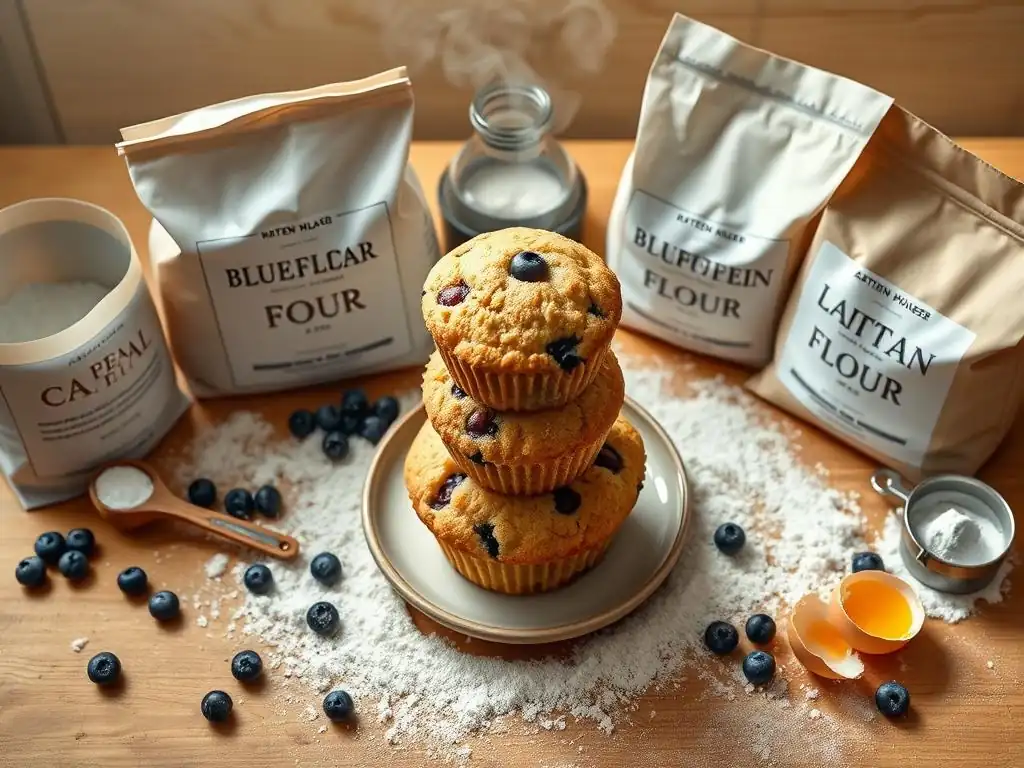
Welcome to BakeWithEase, your ultimate guide to baking bliss! Ever wondered why your muffins never quite reach that bakery-perfect texture? This article unveils the secret, and it all starts with choosing the right flour for perfect muffins. Prepare to unlock the secrets to light, fluffy, and utterly irresistible muffins – let's get baking!
- Mastering Muffin Texture: The Importance of Flour Choice
- Bake Like a Pro: Unveiling the Secrets to Muffin Perfection
- Understanding Flour Types for Baking Success
- The Best Flour for Perfect Muffins: A Detailed Guide
- How Different Flour Types Impact Muffin Characteristics
- Beyond Wheat Flour: Exploring Alternative Flour Options for Muffins
- Mastering Muffin Baking Techniques: Tips & Tricks
- Flour Selection and Muffin Recipe Compatibility
- Troubleshooting Common Muffin Baking Problems Related to Flour
- Storing Flour Properly for Optimal Muffin Baking Results
- Conclusion: Choosing the Right Flour for Muffin Mastery
-
Frequently Asked Questions
- What type of flour is generally recommended for making muffins, and why?
- Can I use bread flour for muffins, and what will be the result?
- What's the difference between cake flour and all-purpose flour, and which is better for muffins?
- How does the protein content of flour affect the texture of muffins?
- If I only have all-purpose flour, can I still make good muffins? How can I adjust the recipe?
- Final Reflection: The Flour Power of Perfect Muffins
- Unlock Your Inner Baker: Perfect Muffins Await!
Mastering Muffin Texture: The Importance of Flour Choice
Bake Like a Pro: Unveiling the Secrets to Muffin Perfection
Achieving that ideal muffin – one with a tender crumb, a beautiful dome, and just the right amount of moisture – feels like a baker's triumph. While many ingredients play a role, from the leavening agents to the fats and liquids, one stands out as fundamentally shaping the final texture and structure: flour. Understanding the properties of different types of flour is the first step towards consistently baking perfect muffins. It's not just about having a good recipe; it's about selecting the right building blocks.
The journey to mastering muffins involves more than simply scooping flour into a bowl. The kind of flour you choose directly influences how your batter behaves, how it rises, and ultimately, how the finished muffin feels to bite into. Whether you're aiming for light and airy, moist and tender, or something with a bit more chew, your flour choice is paramount. Let's delve into the world of flour and discover how to pick the best flour for perfect muffins every time.
Understanding Flour Types for Baking Success
Flour is the backbone of most baked goods, and its characteristics vary significantly depending on the type of grain, how it's milled, and its protein content. Protein content, specifically gluten-forming proteins (gliadin and glutenin), is a major differentiator. When flour is mixed with liquid and agitated, these proteins develop gluten, a network that provides structure and elasticity. Different flour types have different protein levels, leading to varying amounts of gluten development, which in turn affects the final texture of your baked goods, including muffins.
Beyond protein, factors like ash content (minerals), particle size (fineness of the grind), and absorption rate also contribute to how flour behaves. A finer grind might absorb liquid faster, while higher ash content can affect color and flavor. Recognizing these nuances is crucial for any baker looking to move beyond basic recipes and truly understand the science behind their craft. This foundational knowledge is key to consistently achieving the desired outcome, especially when seeking the best flour for perfect muffins.
Why Flour Choice Matters for Muffin Texture
The type of flour selected profoundly impacts the texture of your muffins. Consider two extremes: a light, fluffy cake-like muffin versus a denser, heartier one. The primary factor determining this difference is often the protein content of the flour. Flour with a lower protein percentage, like cake flour, develops less gluten, resulting in a tender, fine crumb. Conversely, flour with a higher protein percentage, such as bread flour, develops more gluten, leading to a chewier, more structured texture typically desired in breads, but less so in most muffins.
The amount of gluten developed dictates how the muffin holds its shape, how it rises, and how moist it remains. Too much gluten can result in tough, rubbery muffins, while too little might lead to a crumbly, fragile structure that collapses. The absorption rate of the flour also plays a role; flours absorb liquid differently, affecting the overall hydration of the batter. Using the wrong flour can throw off the liquid balance in a recipe, leading to dry or overly wet results. Therefore, selecting the appropriate flour for perfect muffins is about balancing structure, tenderness, and moisture content.
The Best Flour for Perfect Muffins: A Detailed Guide
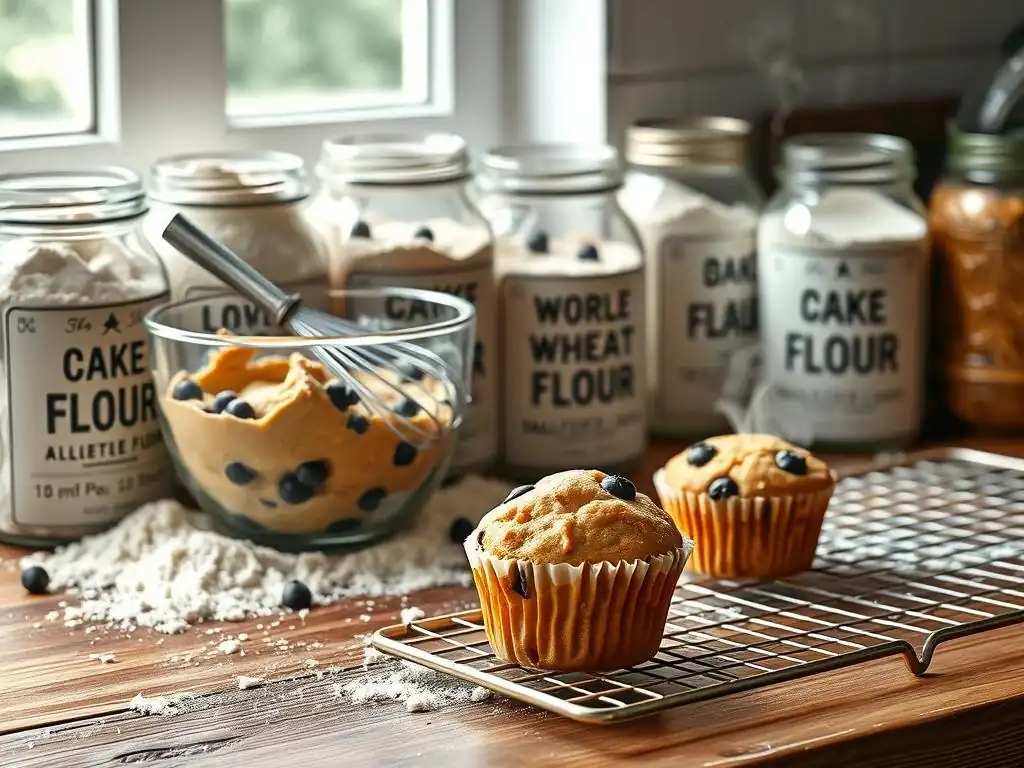
Choosing the best flour for perfect muffins isn't a one-size-fits-all answer; it depends on the desired outcome. However, certain flours are more commonly used and generally recommended for achieving classic muffin textures. Let's explore the characteristics of popular flour types and their suitability for muffin baking, helping you decide on the ideal flour for perfect muffins based on your recipe and preference.
All-Purpose Flour: A Muffin Baking Staple?
All-purpose flour, often labeled AP flour, is a versatile option found in most kitchens. It typically has a moderate protein content, usually ranging from 10% to 12%. This mid-range protein level allows it to be used successfully in a wide variety of baked goods, from cookies and cakes to pastries and, yes, muffins. Its widespread availability and adaptability make it a common choice for many home bakers tackling muffin recipes.
While convenient, relying solely on all-purpose flour doesn't always guarantee the most tender or lightest muffins. Its moderate gluten potential means that if the batter is overmixed, gluten development can lead to a tougher texture than desired. However, for standard muffin recipes where a balance of tenderness and structure is needed, and with careful mixing, all-purpose flour can certainly produce good results. It serves as a reliable starting point for many seeking flour for perfect muffins.
When to Use All-Purpose Flour in Muffins
All-purpose flour is an excellent choice for recipes specifically developed using it, which is common in many standard home baking cookbooks and websites. It works well for classic, straightforward muffin recipes like blueberry muffins, chocolate chip muffins, or basic spiced muffins. If a recipe doesn't specify a particular type of flour, all-purpose is usually the intended ingredient. Its moderate protein content provides enough structure to support mix-ins like berries or nuts without the muffins collapsing.
It's also a good option when you're looking for a muffin with a slightly more substantial crumb than a delicate cake. For instance, a heartier bran muffin or a muffin loaded with fruit might benefit from the moderate structure provided by all-purpose flour. When using AP flour for perfect muffins, pay close attention to the mixing instructions to minimize gluten development and ensure tenderness.
Potential Drawbacks of All-Purpose Flour for Muffins
One primary drawback of using all-purpose flour for muffins is the risk of toughness. Because it has a higher protein content than flours specifically designed for tender baked goods (like cake or pastry flour), overmixing the batter can easily activate the gluten, resulting in muffins that are chewy or rubbery rather than light and tender. This requires careful handling and often necessitates mixing only until the dry ingredients are just combined.
Another potential issue is that AP flour may not yield the most delicate crumb. If your goal is an exceptionally light, melt-in-your-mouth muffin, all-purpose flour might fall short compared to lower-protein alternatives. While it's a versatile workhorse, it might not always be the best flour for perfect muffins if your definition of "perfect" is exceptionally tender and cake-like.
Cake Flour: Achieving a Tender Muffin Crumb
Cake flour is milled from soft wheat and has a significantly lower protein content than all-purpose flour, typically ranging from 7% to 9%. This low protein level means that when mixed with liquid, it develops very little gluten. Additionally, cake flour is often chlorinated, a process that weakens the proteins further and helps the flour absorb more liquid and sugar, contributing to a moist and tender crumb. It is also very finely milled, resulting in a silky texture.
These characteristics make cake flour ideal for baked goods where a delicate, fine, and tender texture is paramount, such as cakes (hence the name), cupcakes, and certain pastries. For bakers aiming for muffins that are exceptionally light, soft, and tender, almost like a cupcake without frosting, cake flour is a prime candidate. It's a specialized flour for perfect muffins when tenderness is the absolute priority.
Benefits of Using Cake Flour for Light Muffins
The primary benefit of using cake flour in muffins is the exceptionally tender and fine crumb it produces. Its low protein content ensures minimal gluten development, even if the batter is mixed a little more than strictly necessary (though gentle mixing is still recommended). This results in a muffin that is soft, delicate, and practically melts in your mouth.
Cake flour's ability to absorb more liquid and sugar than AP flour also contributes to a moister muffin. The weakened starch molecules in chlorinated cake flour can hold onto more moisture, preventing the muffins from drying out quickly. If your ideal muffin is light, airy, and very tender, using cake flour is likely the path to achieving that perfect texture.
Combining Cake Flour with Other Flours for Optimal Results
While 100% cake flour can yield very tender muffins, it might sometimes lack sufficient structure, especially for muffins with heavy mix-ins. A common technique to achieve a balance of tenderness and structure is to combine cake flour with a small amount of all-purpose flour. This blend leverages the tenderness of cake flour while introducing just enough structure from the AP flour to ensure the muffin holds its shape and rises well.
A typical ratio might be replacing a portion of the all-purpose flour in a recipe with cake flour, or using a mix like 1/3 all-purpose and 2/3 cake flour, depending on the desired outcome. Experimenting with different ratios can help you find the perfect balance for your specific muffin recipe and achieve the ideal texture you seek. This blending strategy allows for more control over the final crumb structure when pursuing flour for perfect muffins.
Pastry Flour: The Ideal Middle Ground for Muffin Baking
Pastry flour is another low-protein flour, falling between cake flour and all-purpose flour, typically with a protein content of around 8% to 9.5%. It is also milled from soft wheat but is generally not chlorinated like cake flour. This gives it properties that make it excellent for pies, tarts, biscuits, and, importantly, muffins. It provides a tender crumb, much like cake flour, but with slightly more structure.
Think of pastry flour as offering the best of both worlds for many muffin recipes: it delivers tenderness without the potential fragility that can sometimes occur with pure cake flour, and it reduces the risk of toughness compared to all-purpose flour. For bakers seeking a consistently tender yet structurally sound muffin, pastry flour can be an excellent choice, often considered by many to be the ideal flour for perfect muffins.
How Pastry Flour Affects Muffin Texture and Flavor
Pastry flour contributes to a tender, slightly crumbly texture in muffins, striking a balance between the extreme tenderness of cake flour and the moderate structure of all-purpose. Its lower protein content compared to AP flour means less gluten development, resulting in a softer bite. The slightly higher protein than cake flour provides just enough structure to prevent the muffins from being too delicate or collapsing.
Flavor-wise, pastry flour, being unbleached and unchlorinated, often has a slightly more pronounced, wheaty flavor compared to bleached and chlorinated cake flour. This can add a subtle depth to the muffin's taste profile, complementing various flavors from fruit to spices. Using pastry flour for perfect muffins often leads to a pleasing texture that is both soft and satisfying.
Tips for Baking Muffins with Pastry Flour
When substituting pastry flour for all-purpose flour in a recipe, you may find that it absorbs slightly less liquid than AP flour. Start with the amount called for in the recipe, but be prepared to slightly reduce the liquid if the batter seems too wet. Conversely, if replacing cake flour, you might need a tiny bit more liquid as pastry flour absorbs less than chlorinated cake flour.
Pastry flour requires gentle mixing, similar to other low-protein flours, to avoid overdeveloping gluten. Mix only until the dry ingredients are just incorporated. Because of its ideal protein range, pastry flour is often very forgiving in muffin recipes, consistently producing a desirable texture. It's a strong contender when exploring the best flour for perfect muffins.
Bread Flour: Using with Caution for Specific Muffin Types
Bread flour is milled from hard wheat and boasts the highest protein content among common baking flours, typically ranging from 12% to 14% or even higher. This high protein level means it is designed to develop a strong, elastic gluten network when mixed and kneaded, which is essential for the structure and chewiness of yeast-leavened breads.
For most standard muffin recipes, which are quick breads relying on chemical leaveners (baking powder, baking soda) and aiming for a tender crumb, bread flour is generally not recommended. Its high gluten potential will almost certainly result in tough, dense, and chewy muffins, a texture rarely desired in a sweet muffin.
Why Bread Flour is Generally Not Recommended for Muffins
The primary reason bread flour is unsuitable for typical muffins is its high gluten-forming protein content. Muffins are meant to be tender and cake-like, not chewy and elastic. The vigorous mixing or even gentle combining required to incorporate ingredients will develop enough gluten from bread flour to create a rubbery texture that is unpleasant in a quick bread. The strong gluten network also restricts the rise from chemical leaveners, potentially leading to flatter, heavier muffins.
Unless you are specifically aiming for an unusually dense, chewy texture, or working with a highly specialized recipe, avoid using bread flour when baking standard muffins. It simply possesses the wrong characteristics for achieving the desired tender crumb profile of most muffin varieties. It is generally not the flour for perfect muffins in the traditional sense.
Exceptions: When Bread Flour Might Work (e.g., Savory Muffins)
While rare, there might be niche exceptions where a small amount of bread flour could be incorporated, perhaps in highly specialized recipes aiming for a specific, denser texture. One potential scenario could be in certain types of savory muffins where a chewier, more structured crumb is acceptable or even desired, perhaps accompanying a stew or soup.
Another hypothetical use could be blending a very small amount (e.g., 10-15%) of bread flour with lower-protein flours to add a touch more structure to a very wet or heavy batter, though this is an advanced technique and risks compromising tenderness. For the vast majority of home bakers and muffin recipes, however, sticking to all-purpose, cake, or pastry flour is the best approach for achieving desirable results.
How Different Flour Types Impact Muffin Characteristics
Understanding how flour type influences specific characteristics is key to baking success. It's not just about a vague idea of "tender" or "tough"; it's about the underlying science of gluten development, protein content, and absorption rates. These factors directly shape the structure, crumb, and moisture of your final muffin. Mastering these concepts will significantly improve your ability to choose the right flour for perfect muffins.
Gluten Development: The Key to Muffin Structure
Gluten development is the process where the proteins gliadin and glutenin in flour combine with liquid and are agitated (through mixing) to form an elastic network. This network traps the gases produced by leavening agents, allowing the muffin to rise and hold its shape. The amount of gluten developed directly correlates with the flour's protein content and the amount of mixing.
In muffins, you want some gluten development to provide structure, but not too much, as excessive gluten leads to toughness. Lower protein flours like cake and pastry flour naturally develop less gluten, making them suitable for tender muffins. All-purpose flour develops a moderate amount, requiring careful mixing. High protein flour like bread flour develops a lot, making it unsuitable for most muffins. Controlling gluten development through flour choice and mixing technique is fundamental to achieving the desired muffin texture.
Protein Content: Balancing Tenderness and Structure
As previously discussed, the protein content of flour is the primary determinant of its gluten-forming potential. Flours with protein content below 10% (like cake and pastry flour) are considered low-protein and produce tender results with minimal structure. Flours with 10-12% protein (all-purpose) are medium-protein, offering a balance of structure and tenderness. Flours above 12% (bread flour) are high-protein, yielding strong structure and chewiness.
For muffins, the goal is typically a balance tilted towards tenderness. This is why low to medium-low protein flours are generally preferred. The protein content dictates how much structure is available to support the rise and hold the muffin together, while also determining the potential for toughness. Choosing the right protein level in your flour for perfect muffins is a critical decision that directly impacts the final texture.
Absorption Rate: Achieving the Right Muffin Consistency
Different flours absorb liquid at different rates and in varying amounts. Factors like protein content, starch damage during milling, and whether the flour is bleached or chlorinated affect its absorption capacity. Generally, higher protein flours and chlorinated flours tend to absorb more liquid than lower protein or unbleached flours.
The absorption rate is important because it affects the consistency of the batter. If a recipe is developed for a flour with a high absorption rate (like chlorinated cake flour) and you substitute a flour with a lower absorption rate (like pastry flour) without adjusting the liquid, your batter might be too wet, leading to flat or dense muffins.
Conversely, using a high-absorption flour in a recipe designed for a lower-absorption flour could result in a dry, crumbly batter and finished muffin. While recipes usually account for the intended flour, subtle adjustments to liquid might be necessary when substituting flour types to ensure the batter has the correct consistency for perfect muffins.
Beyond Wheat Flour: Exploring Alternative Flour Options for Muffins
The world of baking extends far beyond traditional wheat flours. For those with dietary restrictions, seeking different flavors, or simply wanting to experiment, a variety of alternative flours can be used to make delicious muffins. While these flours behave differently than wheat flour due to the absence of gluten, they offer exciting possibilities for texture and taste. Exploring these options expands the definition of flour for perfect muffins to include diverse dietary needs and preferences.
Gluten-Free Flour Blends for Muffins: A Guide
Gluten-free baking often relies on blends of different flours and starches to mimic the structure and texture provided by wheat gluten. No single gluten-free flour can perfectly replicate wheat flour's properties, so commercial or homemade blends are common. These blends typically combine a base flour (like rice flour), a starch (like tapioca starch or cornstarch), and sometimes other flours for flavor and nutrition (like almond or oat flour). Xanthan gum or guar gum is often added to these blends to provide elasticity and binding, compensating for the lack of gluten.
When choosing a gluten-free flour blend for muffins, look for one specifically formulated for baking or quick breads. General-purpose blends vary widely in composition and performance. Some blends might yield denser muffins, while others might be more crumbly. Experimentation is often required to find a blend that works well with your specific recipe and desired texture. Using a well-balanced gluten-free flour for perfect muffins in this category requires understanding the blend's properties.
Rice Flour: A Common Gluten-Free Muffin Ingredient
Rice flour, made from ground rice (either white or brown), is a staple in many gluten-free flour blends. White rice flour is finely ground and relatively neutral in flavor, providing structure. Brown rice flour is coarser and has a nuttier flavor due to the presence of the bran. Both lack gluten.
When used on its own, rice flour can result in a gritty or crumbly texture in muffins. For this reason, it's almost always combined with other flours and starches in a blend. In a gluten-free muffin blend, rice flour typically contributes bulk and some structure, working in conjunction with starches and gums to create a cohesive batter and a reasonably tender crumb.
Almond Flour: Adding Nutty Flavor and Moisture
Almond flour, made from ground blanched almonds, is a popular gluten-free option that adds a rich, nutty flavor and significant moisture to baked goods. It is higher in fat and protein (though not gluten-forming protein) than wheat flour and lower in carbohydrates.
Using 100% almond flour in muffins often results in a dense, moist, and somewhat fragile crumb that doesn't rise as high as wheat-based muffins. It's frequently used in combination with other gluten-free flours to balance texture and structure. Almond flour is excellent for adding richness and a distinct flavor profile, making it a great choice for specific types of muffins like those with fruit or chocolate. It contributes moisture and richness when used as part of the flour for perfect muffins in a gluten-free context.
Oat Flour: A Hearty and Wholesome Option
Oat flour, made from finely ground oats (ensure they are certified gluten-free if necessary), offers a hearty texture and a wholesome, slightly sweet flavor. It contains soluble fiber (beta-glucan), which can help create a moist crumb and also acts as a binder. Like other alternative flours, it contains no gluten.
Muffins made with a significant proportion of oat flour tend to be denser and have a more rustic texture than those made with wheat flour or lighter gluten-free blends. Oat flour absorbs a good amount of liquid, so recipes may need adjustment. It pairs particularly well with flavors like berries, apples, and spices, lending itself to more wholesome or breakfast-style muffins. It provides a unique texture and nutritional boost when used as part of the flour for perfect muffins that are gluten-free.
Experimenting with Different Flour Combinations for Unique Muffins
One of the joys of baking is experimentation. Once you understand the basic properties of different flour types, you can start combining them to create unique muffin textures and flavors. For instance, you might blend some whole wheat flour with all-purpose flour for a heartier, nuttier muffin, or combine pastry flour with a bit of cornstarch for added tenderness.
For gluten-free baking, creating your own blends allows for tailored results. Combining rice flour, tapioca starch, and almond flour in different ratios can yield muffins with varying degrees of tenderness, moisture, and structure. Keep detailed notes of your experiments – the flour types and ratios used, the amount of liquid, and the resulting texture – to refine your approach and discover your personal best flour for perfect muffins.
Mastering Muffin Baking Techniques: Tips & Tricks
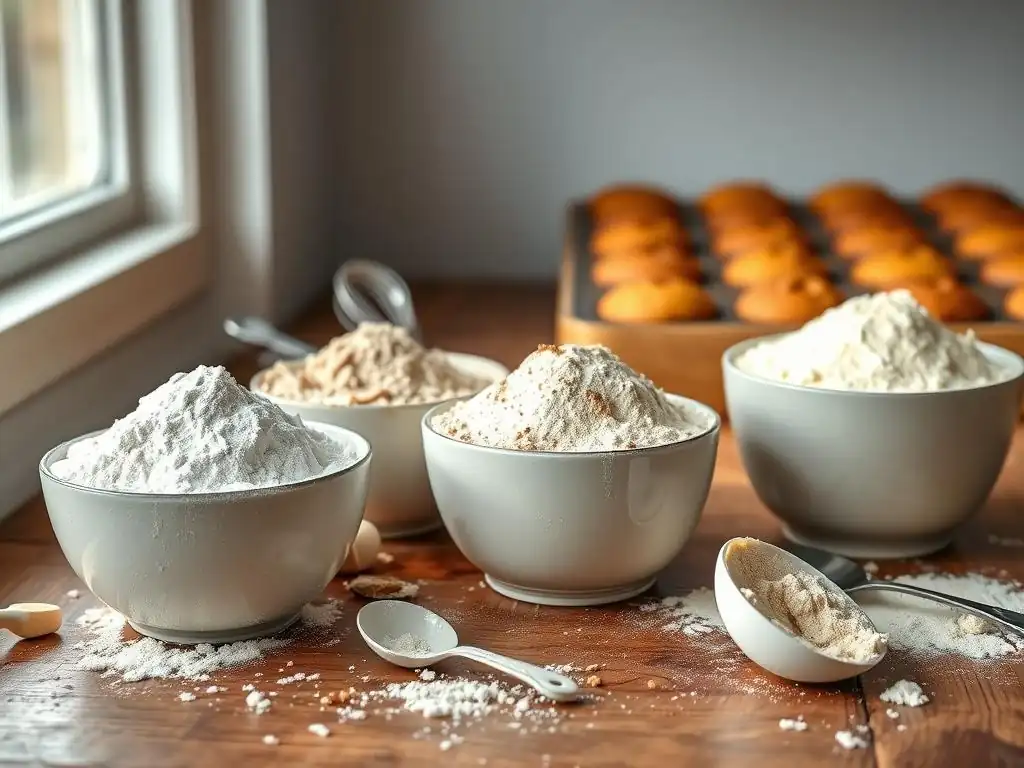
Choosing the right flour for perfect muffins is only part of the equation. Proper technique is equally crucial. Even with the ideal flour, incorrect measuring or mixing can lead to disappointing results. Paying attention to these key steps ensures that the properties of your chosen flour are optimized for success.
Measuring Flour Accurately: The Importance of Precision
Accurate measurement is perhaps the single most critical technique in baking, especially when working with flour. Too much flour is a leading cause of dry, dense, or tough muffins. Flour can easily become compacted in its container, and scooping directly with your measuring cup can add significantly more flour than intended – sometimes up to 20-30% extra by weight!
Precision in measuring ensures you are using the amount of flour the recipe developer intended, which is crucial for the correct balance of ingredients and hydration level. This is fundamental, regardless of whether you are using all-purpose, cake, or specialized flour for perfect muffins.
Spooning and Leveling vs. Weighing Flour
The most common method for measuring flour in home kitchens is the "spoon and level" method. To do this, gently spoon flour from its container into your dry measuring cup until it's overflowing. Then, use a straight edge (like the back of a knife) to level off the excess flour without compacting it. This method aims to measure the flour loosely, preventing over-measurement.
However, the most accurate way to measure flour is by weight using a kitchen scale. Recipes that provide ingredient weights are ideal. A standard conversion often used is that 1 cup of all-purpose flour weighs approximately 120-130 grams, though this can vary slightly by brand and flour type (cake flour is lighter, often around 110-115 grams per cup). Weighing eliminates variations caused by scooping technique or flour compaction, leading to consistently repeatable results. For truly perfect muffins, weighing your flour is highly recommended.
Proper Mixing Techniques: Avoiding Overmixing
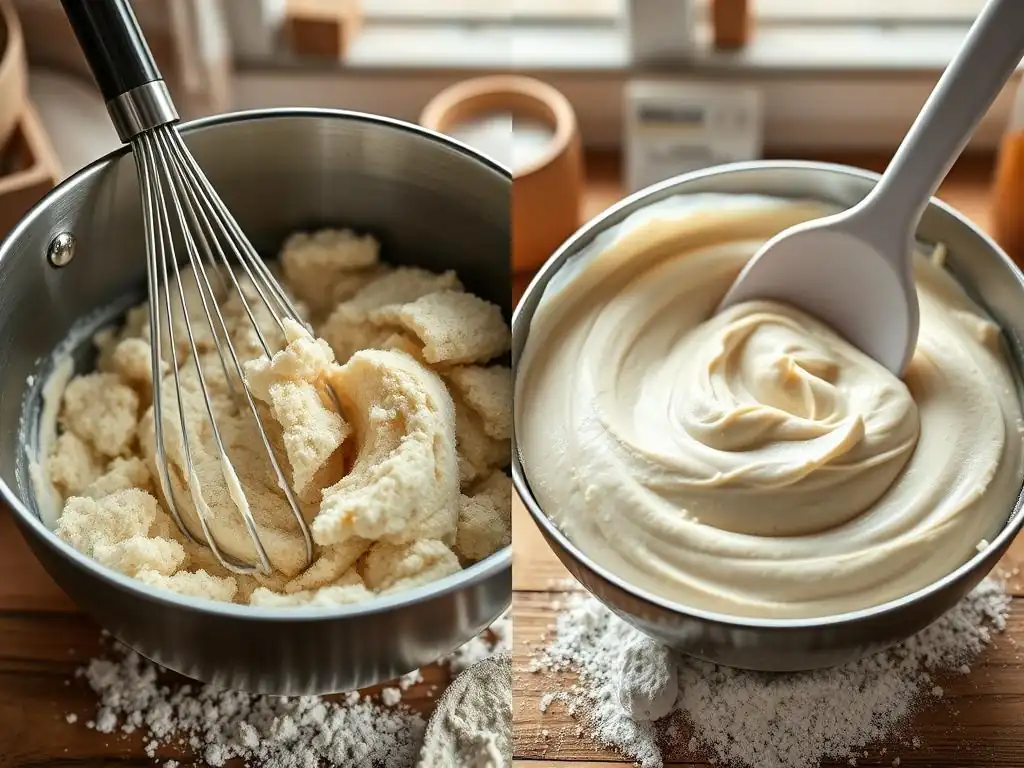
Once you have your ingredients measured accurately, the mixing process is where gluten development occurs. For tender muffins, the goal is minimal gluten development. This means mixing the wet and dry ingredients together only until they are just combined. You should still see a few streaks of dry flour in the batter.
Overmixing activates the gluten proteins excessively, creating a strong, elastic network that results in tough, chewy muffins with peaked tops and sometimes tunnels inside. Mix gently, using a spatula or wooden spoon, and stop as soon as you no longer see large patches of dry flour. Lumps are okay! They will often resolve during baking, and slightly lumpy batter is far preferable to an overmixed one when aiming for tender muffins.
The Role of Gluten in Muffin Development
Gluten plays a dual role in muffin development. It provides the necessary structure to hold the batter together and trap the gases produced by the leavening agents, allowing the muffin to rise. Without some gluten (or a gluten-free substitute like xanthan gum), the muffin would collapse.
However, too much gluten makes the muffin tough. The ideal amount of gluten for a tender muffin is minimal – just enough to create a loose network that provides structure without becoming overly elastic or restrictive. The type of flour chosen, with its inherent protein level, and the mixing technique used directly control the amount of gluten developed. This is why choosing the right flour for perfect muffins and mixing gently are inseparable steps.
Baking Temperature and Time: Achieving Golden Brown Perfection
Baking temperature and time are the final critical steps that interact with your flour choice and mixing technique. Muffins are typically baked at a relatively high temperature, often starting around 400°F (200°C) for the first few minutes before potentially lowering the temperature slightly. This initial blast of heat helps the muffins rise quickly and form a nice dome before the structure fully sets.
The baking time depends on the recipe and the size of the muffins, usually ranging from 18 to 25 minutes. Overbaking can dry out muffins, regardless of the flour used. Test for doneness by inserting a toothpick into the center; it should come out with moist crumbs attached, not wet batter, and definitely not completely clean (unless the recipe specifies). Proper baking ensures the muffin sets correctly, leveraging the structure provided by the flour and preventing a gummy or underbaked center, thus completing the process for perfect muffins.
Flour Selection and Muffin Recipe Compatibility
Choosing the right flour isn't just about personal preference; it's also about compatibility with the specific recipe you are using. Recipes are typically developed and tested using a particular type of flour, and substituting willy-nilly without understanding the implications can lead to unexpected results.
Matching Flour to Your Muffin Recipe's Goals
Consider the stated goal or description of the muffin recipe. Does it promise "light and airy" results? This suggests a recipe likely designed for or benefiting from a lower-protein flour like cake or pastry flour. Does it describe a "hearty" or "substantial" muffin? This might indicate a recipe suitable for all-purpose flour, possibly even with some whole wheat.
If a recipe explicitly calls for a specific flour type (e.g., "1 ½ cups cake flour"), use that type for the best chance of achieving the intended outcome. If it simply says "flour" or "all-purpose flour," then AP is the standard choice. Understanding the desired texture profile of the recipe helps guide your selection of the most suitable flour for perfect muffins.
Adjusting Recipes Based on Flour Availability
Sometimes, you may not have the exact flour called for in a recipe. In these situations, you might need to make adjustments. If a recipe calls for cake flour and you only have all-purpose, you can approximate cake flour by replacing a small amount of the all-purpose flour with cornstarch (e.g., for every cup of cake flour, use 7/8 cup AP flour + 2 tablespoons cornstarch). This helps lower the effective protein content.
If substituting a higher-protein flour for a lower-protein one (like using AP instead of pastry flour), be extra careful not to overmix. If substituting a lower-protein flour for a higher-protein one (like using pastry instead of AP), you might get a more tender but potentially slightly less structured muffin. Be mindful that significant flour substitutions might require minor adjustments to liquid or leavening agents, though this moves into more advanced baking territory. When in doubt for critical recipes, it's often best to use the specified flour for perfect muffins.
Many common muffin mishaps can be traced back, at least in part, to flour choice or how the flour was handled. Understanding these issues can help you diagnose problems and improve your results.
Dense and Heavy Muffins: The Flour Culprit
One of the most frequent complaints about homemade muffins is that they turn out dense and heavy instead of light and fluffy. While several factors can contribute, flour is often a primary culprit.
Identifying and Correcting Flour-Related Density Issues
- Too much flour: This is a very common issue, usually due to inaccurate measurement (scooping directly from the bag). Excess flour creates a dry batter that doesn't rise properly and results in a heavy crumb. Correction: Always spoon and level your flour, or better yet, weigh it.
- Wrong type of flour: Using a flour with too high a protein content (like bread flour) or even overmixing all-purpose flour can lead to excessive gluten development, making the muffins tough and dense. Correction: Use a lower protein flour (cake or pastry) or be extremely gentle when mixing if using all-purpose flour for perfect muffins.
- Overmixing: Even with the right flour, overmixing develops too much gluten, restricting the rise and leading to a dense texture. Correction: Mix only until the dry ingredients are just incorporated, leaving some lumps.
Muffins that are dry and fall apart easily are also a common problem. Again, flour plays a significant role.
- Too much flour: As mentioned above, excess flour absorbs too much liquid, leaving insufficient moisture in the batter and resulting in dry muffins. Correction: Measure flour accurately by spooning and leveling or weighing.
- Flour with low absorption: While less common, using a flour that absorbs less liquid than the recipe intended, without adjusting the liquid, can lead to a drier batter and finished product. Correction: Pay attention to batter consistency and make minor liquid adjustments if substituting flours significantly.
- Overbaking: Baking for too long, regardless of the flour, will dry out the muffins. Correction: Test for doneness using a toothpick and remove from the oven promptly.
Flat Muffins: Understanding the Role of Flour in Leavening
Muffins that don't rise properly and end up flat or with very small domes can also be related to flour, though leavening agents and oven temperature are also key factors.
- Too much flour/Overmixing: A dense, over-floured, or overmixed batter creates a heavy structure with too much restrictive gluten, which the leavening agents struggle to lift. Correction: Measure flour accurately and mix gently. Choose a flour for perfect muffins that promotes tenderness.
- Flour too low in protein (in some recipes): While rare, in some recipes, using a flour too low in protein might not provide sufficient structure to support the rise, especially if the batter is very wet or has heavy mix-ins. Correction: Consider blending in a small amount of a slightly higher protein flour if a recipe consistently results in flat muffins despite correct leavening and technique.
Storing Flour Properly for Optimal Muffin Baking Results
The quality of your flour directly impacts your baking. Improper storage can lead to stale flour, off-flavors, or even spoilage, all of which will negatively affect your muffins.
Maintaining Flour Freshness and Quality
Flour should be stored in a cool, dry, dark place, away from heat and moisture. An airtight container is essential to protect it from air, moisture, and pantry pests. Exposure to air can cause the fats naturally present in flour (especially whole wheat flour) to oxidize and become rancid, resulting in off-flavors.
For longer storage, particularly for whole wheat or specialty flours which spoil faster due to their higher oil content, the refrigerator or freezer is recommended. Storing flour correctly ensures that it retains its intended flavor, texture-contributing properties, and leavening capabilities, helping you achieve consistently great results when using your chosen flour for perfect muffins.
Conclusion: Choosing the Right Flour for Muffin Mastery
Mastering muffin baking is a rewarding endeavor, and selecting the appropriate flour is undeniably one of the most critical steps. While all-purpose flour is a versatile starting point, understanding the unique properties of cake flour, pastry flour, and even alternative flours empowers you to tailor your bakes to achieve specific textures, from incredibly light and tender to moist and hearty.
Remember that the best flour for perfect muffins ultimately depends on the type of muffin you envision and the recipe you are using. Pay attention to protein content, practice accurate measuring (preferably by weight), and always mix gently to control gluten development. By understanding how flour behaves and applying proper techniques, you'll be well on your way to baking perfect muffins that delight every time. Happy baking!
Frequently Asked Questions
What type of flour is generally recommended for making muffins, and why?
All-purpose flour is often recommended, but for perfect muffins, cake flour or pastry flour can provide a more tender crumb. This is because they have a lower protein content than all-purpose flour.
Can I use bread flour for muffins, and what will be the result?
Using bread flour is generally not recommended. The higher gluten content will result in a tough and chewy muffin, rather than a light and airy one.
What's the difference between cake flour and all-purpose flour, and which is better for muffins?
Cake flour has a lower protein content and is often bleached, resulting in a more delicate crumb. For muffins, using cake flour often leads to a softer, more tender texture compared to all-purpose flour.
How does the protein content of flour affect the texture of muffins?
The protein in flour develops gluten when mixed with liquid. Higher protein means more gluten development, which can lead to a tougher texture. Lower protein flours create a more tender crumb.
If I only have all-purpose flour, can I still make good muffins? How can I adjust the recipe?
Yes, you can! To mimic a lower protein flour, you can substitute 1-2 tablespoons of all-purpose flour with cornstarch. This will help to achieve a more tender texture in your muffins.
Final Reflection: The Flour Power of Perfect Muffins
The quest for the perfect muffin isn't just about achieving a golden-brown crust and a tender crumb; it's a reflection of our desire for mastery over the simple things, a pursuit of culinary excellence in the everyday. Understanding the nuances of flour—its protein content, its absorbency, its impact on texture—is key to unlocking that excellence. This knowledge transcends the simple act of baking; it empowers us to understand the fundamental building blocks of our food.
The impact of flour choice extends far beyond the muffin tin. It speaks to a larger cultural appreciation for artisanal ingredients and the growing awareness of how seemingly small details can significantly impact the final product. The difference between good and great is attention to detail.
This quote, often attributed to various sources, perfectly encapsulates the journey we've undertaken in exploring the world of muffin flours. It's a journey that highlights the importance of mindful consumption and the satisfaction derived from understanding the ingredients we use.
Now, consider your own baking journey. What flour have you used in the past? What were the results? I encourage you to experiment, to explore the diverse world of flours available, and to discover the perfect flour for your perfect muffin. Don't be afraid to deviate from the norm, to try new things, and to learn from both successes and failures. The path to the perfect muffin is a personal one, and the journey itself is as rewarding as the destination.
Unlock Your Inner Baker: Perfect Muffins Await!
Thanks for joining us on this flour-powered journey to muffin mastery! You've now got the secret ingredient to consistently amazing results. Ready to put your new knowledge into action?
- Bake a batch of your favorite muffin recipe using your newfound flour wisdom – and share the delicious results on social media! Tag #BakeWithEaseMuffins.
- Explore our other baking guides for more tips and tricks. You might be surprised by what you discover!
- Join our baking community forum and share your muffin triumphs (and tribulations!) – let's learn together!
What unique twist will you add to your next batch of perfect muffins?