
Silken Tofu: Your Secret Weapon for Extra Moist Vegan Bakes

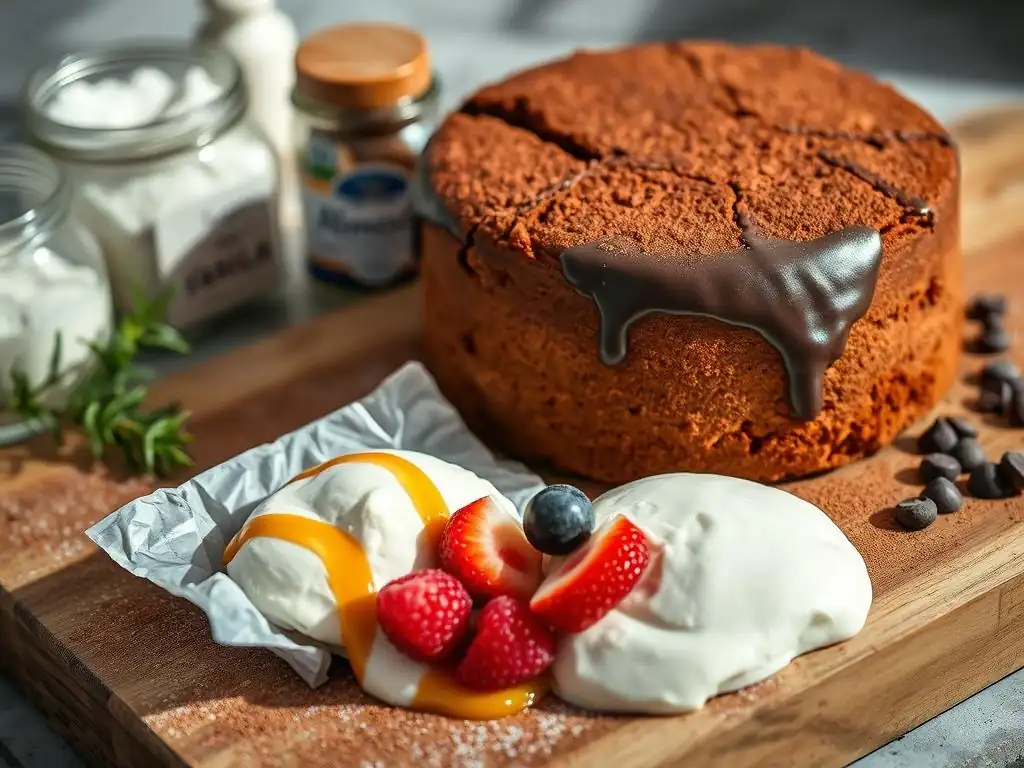
Welcome to BakeWithEase, your trusted guide to the delightful world of baking! Ever wondered how to achieve that impossibly moist texture in your vegan cakes and cookies? Discover the unexpected secret weapon that's revolutionizing vegan baking: silken tofu. Read on to unlock the surprising potential of silken tofu vegan baking and transform your plant-based creations into delectable masterpieces. What incredible textures await?
- Silken Tofu: Your Secret Weapon for Extra Moist Vegan Bakes - BakeWithEase.com
- Mastering the Art of Using Silken Tofu in Vegan Baking Recipes
- Silken Tofu Vegan Baking: Recipes and Applications
- Troubleshooting Silken Tofu in Vegan Baking
- Beyond Moistness: Other Benefits of Using Silken Tofu in Baking
- Storing and Handling Silken Tofu for Baking Success
- Conclusion: Unleash the Power of Silken Tofu in Your Vegan Baking Journey
-
Frequently Asked Questions
- What exactly is silken tofu and why is it useful in vegan baking?
- How does silken tofu affect the texture of baked goods?
- Can I substitute silken tofu for other ingredients in any baking recipe?
- Does using silken tofu in baking change the flavor of the final product?
- How much silken tofu should I use in a recipe for best results?
- Final Reflection: Embracing Silken Tofu for a New Era of Vegan Baking
- Unlock Silky Smooth Vegan Baking!
Silken Tofu: Your Secret Weapon for Extra Moist Vegan Bakes - BakeWithEase.com
What is Silken Tofu and How Does it Differ from Other Tofu Types?
Silken tofu, also known as soft tofu or Japanese-style tofu, is made by coagulating soy milk without curdling it, resulting in a smooth, custard-like texture. Unlike firm or extra-firm tofu, which is pressed to remove most of the water, silken tofu retains a high moisture content, often around 86-88% water depending on the brand and firmness level (from soft to extra-firm silken). This delicate structure makes it unsuitable for applications requiring firm cubes, like stir-frying, but perfect for blending into sauces, smoothies, and, crucially, vegan baked goods.
The key difference lies in the pressing process. Regular tofu (medium, firm, extra-firm) is pressed under weight for varying amounts of time to expel liquid, creating a dense, crumbly texture when broken. Silken tofu, however, is set in its container without pressing, resulting in that characteristic smooth, gel-like consistency. This high water content and lack of pressing are exactly what make it uniquely suited for adding moisture and richness to your silken tofu vegan baking endeavors, acting as a binder and fat substitute simultaneously.
Why Silken Tofu is a Game-Changer in Vegan Baking
For bakers transitioning to plant-based recipes or seeking to improve the texture of their vegan treats, silken tofu offers a revolutionary solution. Traditional vegan baking often relies on applesauce, mashed bananas, or commercial egg replacers to add moisture and bind ingredients. While effective to a degree, these can sometimes alter the flavor or result in a slightly gummy texture. Silken tofu, with its neutral taste and creamy consistency when blended, integrates seamlessly into batters and doughs, providing unparalleled moisture without introducing unwanted flavors.
Its ability to mimic the function of eggs and dairy fats makes it incredibly versatile. In cakes, it contributes to a tender crumb; in cheesecakes, it provides a smooth, rich body; and in breads, it can add softness. Incorporating silken tofu into your vegan baking recipes means achieving results that are often closer in texture and mouthfeel to their non-vegan counterparts, making your plant-based creations even more satisfying and delicious. It truly elevates the potential of silken tofu vegan baking.
The Science Behind Silken Tofu's Moistening Power in Cakes and Breads
The secret to silken tofu's moistening magic lies in its composition and structure. It's primarily water (as mentioned, often over 85%) and protein. When blended into a batter, the water content disperses throughout the mixture, hydrating the flour and other dry ingredients more effectively than oil or solid fats alone. This hydration is crucial for developing a tender crumb structure, preventing the dry, crumbly texture sometimes found in vegan bakes.
Furthermore, the emulsifying properties of the soy protein in silken tofu help to bind the fat and water components of the batter together. This creates a stable emulsion, which results in a more consistent and moist texture throughout the baked good. For example, in a vegan chocolate cake, the silken tofu helps distribute the cocoa solids and sugar evenly while ensuring the oil or vegan butter is well-integrated, leading to a cake that stays moist for days, unlike some vegan cakes that can dry out quickly. This scientific interaction is key to successful silken tofu vegan baking results.
Mastering the Art of Using Silken Tofu in Vegan Baking Recipes
Silken Tofu as an Egg Replacement: Achieving Perfect Binding and Texture
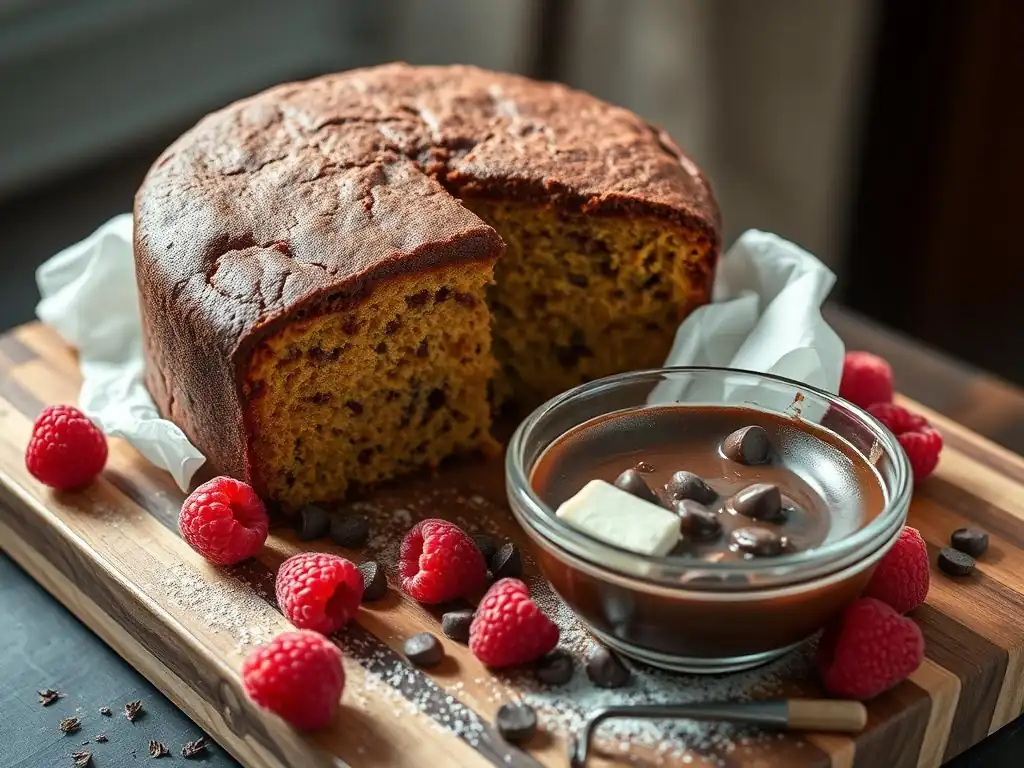
Silken tofu excels as an egg substitute due to its protein content and binding capabilities. A common guideline is to use about 1/4 cup (approximately 60 grams) of blended silken tofu to replace one large egg in recipes like muffins, brownies, or quick breads. The protein helps provide structure, while the moisture aids in binding ingredients together, preventing crumbling. It's particularly effective in recipes where the primary function of the egg is binding and adding moisture, rather than leavening or richness (though it contributes to the latter).
For best results, it's essential to blend the silken tofu until completely smooth and lump-free before adding it to your batter. A food processor or blender works well for this. This ensures even distribution throughout the mix, preventing pockets of unmixed tofu. When substituting eggs with silken tofu vegan baking, you might find your baked goods have a slightly denser crumb than those made with eggs, but they will be significantly more moist and tender, a trade-off many bakers happily embrace for delicious vegan results.
Silken Tofu as a Dairy Substitute: Creamy Vegan Cakes and Desserts
Beyond replacing eggs, silken tofu can also stand in for dairy components like sour cream, yogurt, or even soft cheese in certain applications, particularly in creamy desserts and cakes. Its natural creaminess, once blended, makes it an ideal base for vegan cheesecakes, puddings, and mousse-like fillings. For instance, a classic vegan cheesecake recipe might use cashews or cream cheese alternatives, but silken tofu offers a lighter, less heavy texture while still providing that desirable smooth consistency.
In cakes, replacing some or all of the liquid or fat with blended silken tofu can dramatically improve moisture and richness. Consider a pound cake recipe where a portion of the vegan butter or plant milk is substituted with smooth silken tofu. This adds moisture without increasing the fat content significantly and contributes to a beautifully tender crumb. This application truly showcases the versatility of silken tofu vegan baking, allowing for creamy, luxurious textures in dairy-free creations.
Tips for Blending and Incorporating Silken Tofu Seamlessly
Achieving a perfectly smooth texture is paramount when using silken tofu in baking. Even the softest silken tofu can have tiny inconsistencies that become noticeable in a finished bake if not properly processed. Always blend the silken tofu in a high-powered blender or food processor until it reaches a completely homogenous, pourable consistency, akin to thick cream or a smoothie. Scrape down the sides as needed to ensure everything is incorporated.
Once blended, treat the silken tofu mixture as a wet ingredient. Add it along with other liquid components, such as plant milk, oil, or vanilla extract, into your batter. Mix until just combined, being careful not to overmix, which can lead to tough baked goods. For recipes requiring a very light texture, like some cakes, you might gently fold the blended silken tofu into the wet ingredients. Proper blending and careful incorporation are key steps to mastering silken tofu vegan baking.
Silken Tofu Vegan Baking: Recipes and Applications
Silken Tofu Vegan Chocolate Cake: A Recipe for Ultimate Moistness
One of the most popular and successful applications of silken tofu in vegan baking is in chocolate cake. The inherent moisture of the tofu pairs perfectly with the dryness of cocoa powder, resulting in a cake that is incredibly moist, rich, and tender. A typical recipe might involve blending about 1/2 to 3/4 cup (roughly 120-180 grams) of silken tofu with plant milk and oil, then combining this wet mixture with dry ingredients including flour, sugar, cocoa powder, baking soda, and salt.
The silken tofu acts as both an egg replacer and a source of significant moisture, preventing the cake from becoming dense or dry. The resulting cake often boasts a fudgy texture similar to a devil's food cake. Baking times may vary slightly compared to traditional recipes, so always test for doneness with a toothpick. This silken tofu vegan baking approach is a game-changer for anyone seeking truly moist and delicious plant-based chocolate cake.
Silken Tofu Vegan Cheesecake: Achieving Creamy, Dreamy Results
Vegan cheesecake often relies on a base of soaked cashews or vegan cream cheese, but silken tofu offers a lighter, equally creamy alternative. A classic silken tofu vegan cheesecake uses firm or extra-firm silken tofu as the primary base, often blended with a touch of vegan cream cheese, lemon juice, sugar, and vanilla extract. The tofu provides the structure and creamy texture, while the other ingredients add flavor and tang.
The process involves blending the silken tofu mixture until incredibly smooth, then pouring it over a prepared crust (like a graham cracker or cookie crust). Unlike traditional cheesecakes that often bake for an hour or more, silken tofu cheesecakes typically require less baking time, sometimes only 30-45 minutes at a moderate temperature, followed by chilling to set completely. The outcome is a wonderfully smooth, rich, yet surprisingly light dessert, showcasing the potential of silken tofu vegan baking in delicate applications.
Exploring Other Vegan Bakes with Silken Tofu: Muffins, Brownies, and More
The versatility of silken tofu extends far beyond cakes and cheesecakes. It can be successfully incorporated into various other vegan baked goods. In muffins, a small amount of blended silken tofu (say, 1/4 cup per batch of 12) can enhance moisture and tenderness. It's particularly effective in recipes prone to dryness, like those with whole wheat flour or lots of add-ins.
For brownies, silken tofu can replace eggs and contribute to a moist, fudgy texture. Using approximately 1/4 to 1/3 cup per standard brownie recipe (calling for 2-3 eggs) can yield excellent results. It can also be used in quick breads, scones, and even some cookie recipes where a softer, moister texture is desired. Experimenting with small amounts in your favorite recipes is a great way to discover the benefits of silken tofu vegan baking across your repertoire.
Troubleshooting Silken Tofu in Vegan Baking
Common Mistakes and How to Avoid Them
One common mistake when using silken tofu is not blending it sufficiently. Lumps of unblended tofu will result in an uneven texture and can be off-putting. Always blend until perfectly smooth. Another error is using the wrong type of tofu; firm or extra-firm regular tofu will not work as a substitute for silken tofu in these applications due to its different texture and water content. Ensure you are using the specific silken variety called for.
Over-mixing the batter after adding the silken tofu is another pitfall. Just like with any baked good, over-mixing can develop gluten unnecessarily, leading to a tough texture. Mix gently until just combined. Finally, using too much silken tofu can make the baked good overly dense or even soggy due to the high moisture content. Start with recommended ratios (e.g., 1/4 cup per egg replaced) and adjust based on results. Avoiding these common errors is crucial for successful silken tofu vegan baking.
Adjusting Recipes for Optimal Silken Tofu Usage
When adapting existing non-vegan recipes or recipes that don't call for silken tofu, some adjustments may be necessary. Since silken tofu adds significant moisture, you might need to slightly reduce other liquid ingredients, such as plant milk or water. Start by reducing the liquid by about 1-2 tablespoons for every 1/4 cup of silken tofu added, and observe the batter consistency; it should resemble the original recipe's batter.
You may also find that recipes using silken tofu require slightly longer baking times or a slightly lower oven temperature to ensure the interior is cooked through without over-browning the exterior. Always rely on visual cues and the toothpick test for doneness rather than strictly adhering to the original recipe's timing. Careful recipe adjustment is key to unlocking the full potential of silken tofu vegan baking.
Silken Tofu Baking: Addressing Texture and Flavor Concerns
While silken tofu is relatively neutral in flavor, some people might detect a faint soy undertone, especially if using a large quantity or in very mildly flavored bakes. Using high-quality silken tofu and pairing it with strong flavors like chocolate, citrus, or vanilla can help mask any subtle taste. Adding a pinch of salt can also help balance and enhance the other flavors in the bake.
Texture concerns typically arise from the issues mentioned earlier: insufficient blending or using too much tofu, leading to denseness or lumpiness. If a bake turns out too dense, try reducing the amount of silken tofu slightly next time and ensuring all ingredients are at room temperature before mixing. If it's too moist or soggy, you definitely used too much silken tofu or didn't reduce other liquids enough. With practice, you'll find the perfect balance for your silken tofu vegan baking.
Beyond Moistness: Other Benefits of Using Silken Tofu in Baking
Adding Nutritional Value to Your Vegan Bakes
Beyond its functional properties, incorporating silken tofu into your vegan baked goods can also provide a nutritional boost. Tofu is a good source of plant-based protein, offering approximately 2-3 grams of protein per 1/4 cup (60g) serving, depending on the firmness. It also contains iron and calcium (especially if made with calcium sulfate).
While a slice of cake isn't a health food, using silken tofu can make it slightly more nutrient-dense than a version relying solely on flour, sugar, and oil. It adds substance and protein, which can contribute to feeling more satisfied. For those looking to slightly enhance the nutritional profile of their treats, silken tofu vegan baking offers a simple way to do so.
Silken Tofu: A Cost-Effective Vegan Baking Ingredient
Compared to some specialized vegan baking ingredients like egg replacer powders, vegan cream cheese alternatives, or large quantities of nuts (for cashew-based recipes), silken tofu is often a more budget-friendly option. A block of silken tofu is typically quite affordable and can be used in multiple recipes or applications.
This cost-effectiveness makes silken tofu an accessible ingredient for anyone looking to explore vegan baking without investing heavily in expensive specialty products. It's widely available in most grocery stores, making it a convenient and economical choice for your silken tofu vegan baking adventures.
Expanding Your Vegan Baking Repertoire with Silken Tofu
Mastering the use of silken tofu opens up a world of possibilities in vegan baking. It allows you to recreate creamy desserts that were previously challenging to veganize, like cheesecakes, pot de crème, and custards. It also provides a reliable method for achieving consistently moist and tender cakes, muffins, and brownies.
By understanding how to substitute with and incorporate silken tofu, you gain the confidence to adapt a wider range of recipes and develop your own plant-based creations. It's an ingredient that truly empowers vegan bakers to achieve professional-quality results at home, significantly expanding your silken tofu vegan baking repertoire.
Storing and Handling Silken Tofu for Baking Success
Proper Storage Techniques for Freshness
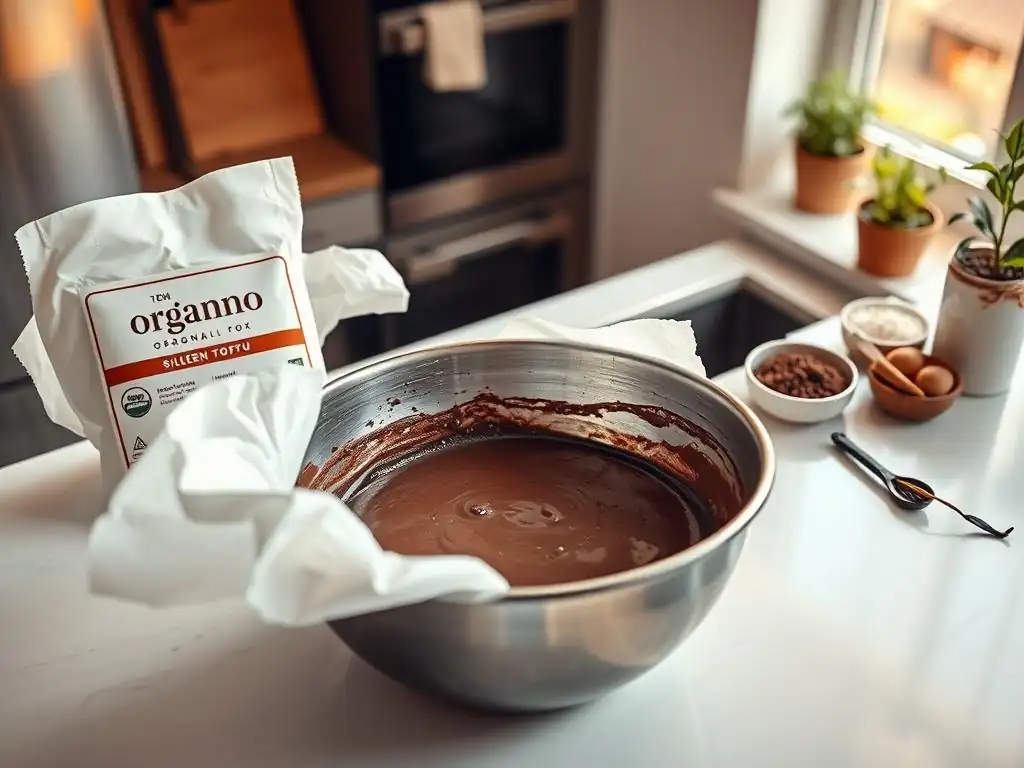
Unopened packages of silken tofu are shelf-stable and can be stored in your pantry until the expiration date, which is typically several months out. Once opened, however, silken tofu is highly perishable due to its high water content. Any unused portion should be transferred to an airtight container and covered with fresh water to keep it moist and prevent it from drying out or absorbing odors.
Store the opened silken tofu in the refrigerator and aim to use it within 2-3 days. Change the water daily to maintain freshness. Freezing silken tofu is not recommended for baking applications, as it drastically alters its texture, making it crumbly and unsuitable for creating smooth batters or creams. Proper storage ensures your silken tofu is fresh and ready for silken tofu vegan baking.
Preparing Silken Tofu for Baking
Before using silken tofu in a baking recipe, it's crucial to drain off any excess water from the package. While you don't press silken tofu like firm tofu, you should pour off the liquid it's packed in. For recipes where precision is needed (like cheesecakes), you might gently blot the surface with a paper towel, but avoid pressing.
The most important preparation step, as reiterated earlier, is blending. Always blend the drained silken tofu until it is absolutely smooth and free of any graininess or lumps. This is the single most critical step to ensure successful integration into your batter and a smooth final texture in your silken tofu vegan baking. Ensure it is at room temperature if the recipe calls for room temperature ingredients.
Where to Buy the Best Silken Tofu for Vegan Baking
Silken tofu is widely available and can be found in most major grocery stores. Look for it in the refrigerated section, usually near other tofu products, or sometimes in the international foods aisle. It comes in various firmness levels (soft, firm, extra-firm silken), typically indicated on the package. For most baking applications requiring blending, soft or firm silken tofu works best.
Popular brands include Mori-Nu (often shelf-stable until opened), Nasoya, House Foods, and various store brands. The "best" silken tofu can sometimes come down to personal preference regarding texture and subtle flavor differences between brands. If you have access to Asian grocery stores, you might find even more varieties. Don't be afraid to try a couple of different brands to see which one you prefer for your silken tofu vegan baking.
Conclusion: Unleash the Power of Silken Tofu in Your Vegan Baking Journey
Frequently Asked Questions
What exactly is silken tofu and why is it useful in vegan baking?
Silken tofu is a type of tofu with a very soft, almost pudding-like texture. It's useful in vegan baking because it acts as a binding agent and adds moisture without needing eggs or dairy.
How does silken tofu affect the texture of baked goods?
Silken tofu typically results in a moist and tender crumb. It can also help to create a smooth and creamy texture in cakes, brownies, and other desserts.
Can I substitute silken tofu for other ingredients in any baking recipe?
While silken tofu is versatile, it's best used in recipes specifically designed for it. Substituting it directly may require adjustments to other ingredients to achieve the desired consistency and taste.
Does using silken tofu in baking change the flavor of the final product?
When used correctly, silken tofu adds minimal flavor to baked goods. Its primary function is to improve texture and moisture, not to alter the overall taste profile.
How much silken tofu should I use in a recipe for best results?
The amount of silken tofu varies depending on the recipe. Always follow the specific measurements provided in the recipe for optimal results. Too much could result in a soggy bake.
Final Reflection: Embracing Silken Tofu for a New Era of Vegan Baking
Silken tofu is not just an ingredient; it’s a transformative tool that elevates vegan baking to new heights. As we navigate a world increasingly focused on health and sustainability, the relevance of silken tofu in our kitchens has never been more pronounced. With its ability to create moist, rich textures without compromising on flavor, silken tofu stands as a beacon of innovation in the realm of plant-based cooking. The time has come to embrace this versatile ingredient and redefine our baking experiences.
The influence of silken tofu in vegan baking extends far beyond mere recipes; it reflects a broader cultural shift towards inclusivity and creativity in the culinary arts. As more people explore plant-based diets, the demand for delicious, satisfying vegan options grows. Silken tofu not only meets this demand but also encourages bakers to experiment and push the boundaries of traditional baking. Cooking is like love; it should be entered into with abandon or not at all.
This quote resonates deeply as we consider the joy and freedom that comes from incorporating silken tofu into our baking repertoire, inviting us to approach our kitchens with a spirit of adventure.
As you reflect on the insights shared in this article, I encourage you to take action in your own baking journey. Experiment with silken tofu in your favorite recipes, and witness firsthand the delightful results it can yield. Let this ingredient inspire you to create, innovate, and share your delicious vegan bakes with the world. Together, we can celebrate the beauty of plant-based cooking and inspire others to join us in this flavorful revolution.
Unlock Silky Smooth Vegan Baking!
Thanks for exploring the world of unbelievably moist vegan bakes with silken tofu! We hope you’ve discovered a new favorite ingredient. Ready to put your newfound knowledge into action?
- Experiment with tofu in your next favorite recipe: Substitute silken tofu for oil or some of the wet ingredients in your go-to cake, muffin, or brownie recipe and see the incredible difference! Note the changes in texture and taste.
- Share your tofu baking triumphs (or even your flops – we learn from mistakes!): Let the BakeWithEase community know how your tofu baking adventure goes in the comments below. We'd love to hear from you!
- Challenge yourself with a new tofu-based recipe: Search online for "silken tofu vegan cake" or "tofu chocolate brownies" and try a recipe you've never made before!
What's your favorite vegan baking swap that yields unexpectedly delicious results?