
Vegan Leavening Solutions: PlantBased Eggs and Dairy Alternatives

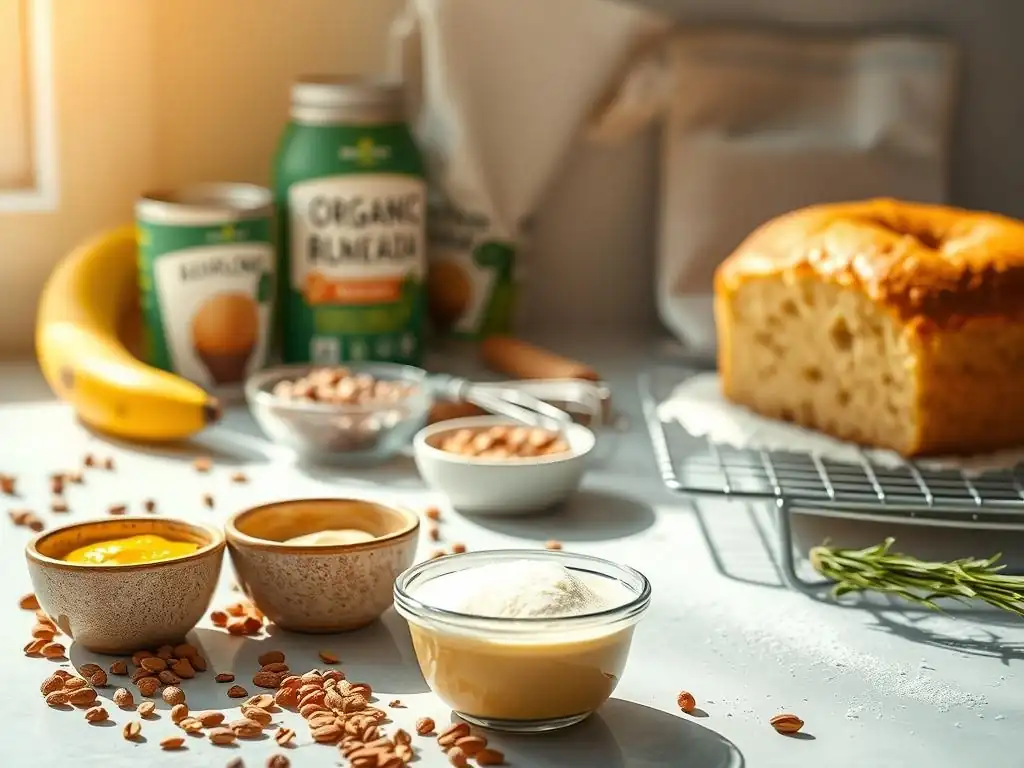
Welcome to BakeWithEase, where delicious baking becomes effortlessly achievable!
Curious about conquering the world of vegan baking? You've landed in the right place. Discover the secrets to perfect plant-based treats as we delve into essential Vegan Baking Egg Substitutes and dairy alternatives. Unlock a new level of baking possibilities and create delectable delights, all while remaining completely vegan. Ready to transform your baking? Let's explore!
- Vegan Leavening Solutions: Mastering Plant-Based Baking
- Introduction to Vegan Leavening
- Understanding the Role of Common Baking Ingredients
- Vegan Gluten & Binding Substitutes: A Comprehensive Guide
- Vegan Fat Alternatives for Flavor and Texture
- Combining Vegan Substitutes for Optimal Results
- Vegan Baking Leavening Tips & Tricks
- Advanced Vegan Leavening Techniques
- Sample Vegan Leavened Baking Recipes
- Conclusion: Mastering Vegan Baking
-
Frequently Asked Questions
- What are some common vegan egg substitutes used in baking, as discussed on BakeWithEase?
- How can I replace dairy in my vegan baking recipes, according to BakeWithEase?
- Does BakeWithEase provide specific ratios for using flaxseed meal as an egg substitute?
- Are there any vegan egg substitutes that work particularly well for cakes versus cookies, according to BakeWithEase?
- Where can I find step-by-step vegan baking guides and easy-to-find ingredients on BakeWithEase for vegan baking egg substitutes?
- Final Reflection: The Rising Tide of Plant-Based Baking
- Unleash Your Inner Vegan Baker!
Vegan Leavening Solutions: Mastering Plant-Based Baking
Introduction to Vegan Leavening
Embarking on the journey of vegan baking opens up a world of creative possibilities, challenging traditional methods and ingredients. At its core, vegan baking requires substituting animal-derived products like eggs, dairy, and sometimes honey, while still achieving the desired texture, flavor, and rise. This often means rethinking how recipes work and exploring innovative plant-based alternatives. Understanding the science behind how these ingredients function is key to successful vegan baking.
This article will guide you through the essential components of vegan leavening and structure, focusing on effective substitutes for traditional binders and fats. We'll explore how to replace eggs in vegan baking, delve into dairy alternatives, and discuss how different plant-based options impact the final product. Whether you're a beginner or looking to refine your skills, mastering these techniques will elevate your vegan baked goods.
The Challenge of Vegan Leavening: Replacing Gluten and Animal Products
Replacing eggs and dairy in baking presents unique challenges because these ingredients perform multiple functions. Eggs, for example, provide structure, moisture, richness, and act as a leavening agent when whipped or combined with other ingredients. Dairy, like milk and butter, contributes fat for tenderness and flavor, and lactose can aid in browning. Replicating these complex roles with plant-based ingredients requires a thoughtful approach.
Moreover, many traditional baking recipes rely on gluten for structure and elasticity, especially in breads and cakes. When adapting recipes or working with gluten-free flours in vegan baking, finding adequate binding agents becomes even more crucial. Effective vegan baking egg substitutes and dairy replacements must not only mimic the taste but also the functional properties of their animal-based counterparts to ensure successful leavening and a pleasing texture.
Resources for Vegan Baking Success
Navigating the world of vegan baking is made easier with access to reliable resources. Online communities, specialized cookbooks, and websites dedicated to plant-based cooking offer a wealth of information, tips, and tested recipes. Many ingredient manufacturers also provide guidance on using their vegan products effectively.
Furthermore, exploring baking blogs and forums can provide practical advice and troubleshooting tips from experienced vegan bakers. Don't be afraid to experiment; sometimes the best discoveries in vegan baking egg substitutes and other alternatives come from trying different combinations and techniques based on shared knowledge within the vegan baking community.
Understanding the Role of Common Baking Ingredients
Successfully adapting or creating vegan recipes requires a fundamental understanding of how traditional baking ingredients function. Each component plays a specific role in the final texture, structure, flavor, and leavening of baked goods. Knowing these roles helps in selecting the most effective plant-based substitutes.
Ingredients like flour, sugar, fats, liquids, and leavening agents interact in complex ways during mixing, resting, and baking. For instance, flour provides the base structure, while sugar adds sweetness, tenderizes, and aids in browning. Fats contribute moisture, richness, and tenderness, and liquids hydrate dry ingredients and activate leavening agents. Understanding these relationships is crucial when choosing vegan baking egg substitutes and other plant-based alternatives.
How Gluten Contributes to Structure and Texture
Gluten, a protein complex formed when wheat flour is mixed with liquid, is a primary structural component in many baked goods. It develops into an elastic network that traps gases produced by leavening agents, allowing dough and batters to rise and hold their shape. The amount of gluten development needed varies depending on the baked good; a light cake requires less gluten development than a chewy bread.
In vegan baking, especially when working with gluten-free recipes, finding ways to replicate this structural integrity is vital. Without gluten, baked goods can become dense or crumbly. This is where vegan baking egg substitutes that also act as binders, like psyllium husk or flaxseed, become particularly important, helping to hold the ingredients together and provide some structure.
The Impact of Fats on Flavor and Moisture
Fats, whether from dairy butter, shortening, or oils, play a critical role in baking. They tenderize baked goods by coating flour particles, preventing excessive gluten development. Fats also contribute significantly to moisture, richness, and flavor, and they help extend the shelf life of baked goods by keeping them moist.
In vegan baking, plant-based fats like vegetable oils, vegan butter, or nut butters are used. Each type of fat has a different melting point and composition, which affects the texture and spread of cookies, the flakiness of pastries, and the tenderness of cakes. Choosing the right vegan fat alternative is just as important as selecting effective vegan baking egg substitutes for achieving desired results.
Vegan Gluten & Binding Substitutes: A Comprehensive Guide
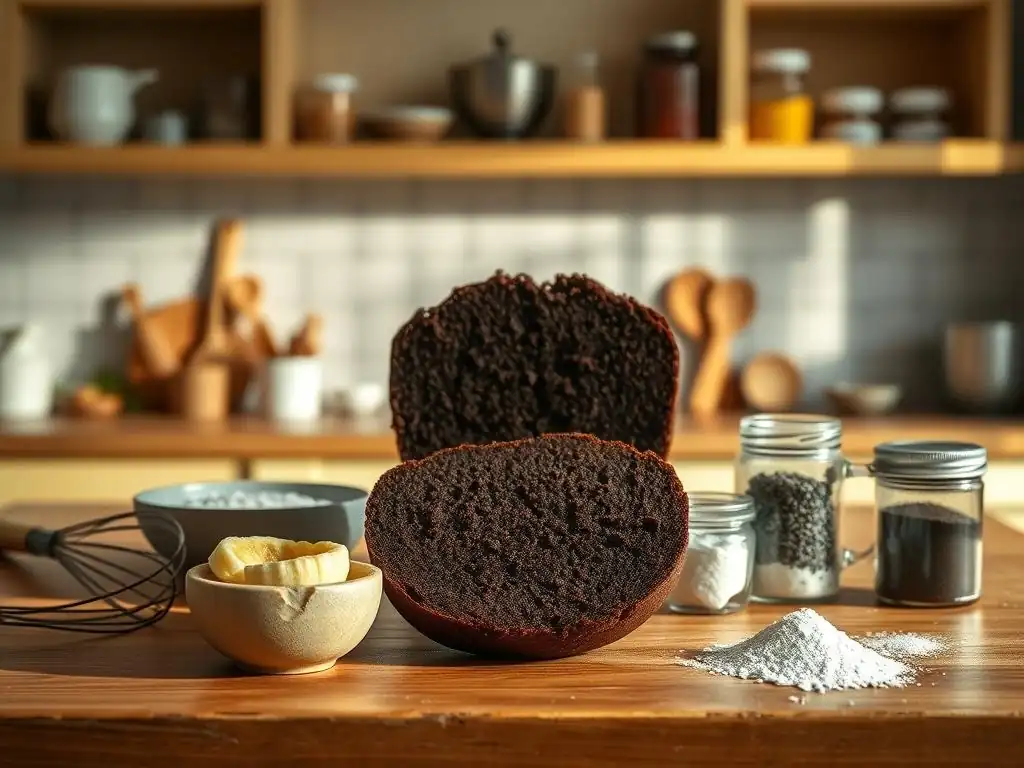
Replacing the binding and structural properties of eggs and gluten is a cornerstone of successful vegan baking. While eggs provide lift and bind ingredients together, gluten forms a network that gives structure. Vegan baking egg substitutes must often perform both roles, or be used in combination with other ingredients that provide structure.
A variety of plant-based ingredients can act as effective binders and gluten replacements, each offering unique properties. Understanding their strengths and how they interact with other ingredients is key to selecting the best option for a specific recipe. This section explores some of the most popular and effective vegan binders.
Psyllium Husk as a Gluten Replacement: Benefits and Applications
Psyllium husk is derived from the seeds of the Plantago ovata plant and is a powerful binding agent in vegan and gluten-free baking. When mixed with liquid, it forms a gel-like substance that mimics the elasticity and binding properties of gluten. This makes it particularly effective in vegan breads and other baked goods where structure is important.
Using psyllium husk can significantly improve the texture of gluten-free vegan breads, preventing them from being too crumbly. Typically, only a small amount is needed, often around 1-2 tablespoons per cup of flour blend in bread recipes. It's important to use it as directed, usually mixed with liquid first, to allow it to hydrate and form its gel before adding to the dry ingredients.
Ground Flaxseed as a Binder
Ground flaxseed, often referred to as a "flax egg" when mixed with water, is one of the most common and accessible vegan baking egg substitutes. To make a flax egg, combine 1 tablespoon of finely ground flaxseed with 3 tablespoons of water and let it sit for 5-10 minutes until it forms a gel. This mixture can replace one large egg in many recipes, particularly cookies, muffins, and quick breads.
Flaxseed provides binding and adds some healthy omega-3 fatty acids and fiber to baked goods. While it's an excellent binder, it doesn't provide significant leavening, so it works best in recipes that rely on baking powder or baking soda for lift. It can also impart a slightly nutty flavor, which is usually subtle but worth considering.
Chia Seeds for Binding and Moisture
Similar to flaxseed, chia seeds form a gel when mixed with liquid, making them another effective vegan baking egg substitute. A "chia egg" is made by combining 1 tablespoon of chia seeds (whole or ground) with 3 tablespoons of water and letting it sit for 5-10 minutes. Chia seeds absorb up to 10-12 times their weight in water.
Chia seeds provide excellent binding and add moisture and nutrients like fiber and calcium. They work well in similar applications to flax eggs, such as muffins, cookies, and bars. Whole chia seeds will create a speckled appearance in baked goods, while ground chia seeds blend in more smoothly.
Aquafaba: Versatile Uses Beyond Egg Replacement
Aquafaba, the liquid drained from canned chickpeas or other legumes, is a remarkable vegan baking egg substitute, particularly for replicating the functions of egg whites. When whipped, aquafaba can form stiff peaks, making it ideal for vegan meringues, macarons, and mousses. Roughly 3 tablespoons of aquafaba can replace one large egg in terms of binding and moisture in many recipes.
Beyond its ability to mimic egg whites, aquafaba can also be used as a binder and emulsifier in recipes like vegan mayonnaise or as a way to add lightness to cakes and muffins. Its neutral flavor makes it highly versatile. For whipping, chilled aquafaba generally performs best, yielding stable peaks similar to egg whites.
Commercial Gluten-Free Flour Blends: A Comparison
For those seeking convenience or needing a reliable gluten-free base for vegan baking, commercial gluten-free flour blends are a popular choice. These blends typically combine various flours and starches to mimic the properties of wheat flour. Common components include rice flour, tapioca starch, potato starch, and sometimes sorghum or millet flour.
While convenient, the composition of these blends varies significantly between brands, which can affect how they perform in recipes. Some blends are formulated specifically for baking, while others are more general purpose. It's often recommended to use a blend designed for the type of baking you are doing (e.g., a blend for cakes vs. a blend for bread) for best results in vegan baking.
All-Purpose Gluten-Free Flour: Pros and Cons
All-purpose gluten-free flour blends aim to be a one-to-one substitute for wheat flour in many recipes. Their main advantage is convenience; they simplify the process of adapting recipes by providing a pre-mixed base. However, they can vary widely in texture and absorption rates, which might require slight adjustments to liquid content in recipes.
A potential con is that these blends may not perform optimally in all types of baking. For instance, a blend designed for cakes might not provide enough structure for a yeast bread, even with the addition of binders like psyllium husk. Experimentation or following recipes specifically developed for a particular blend is often necessary to achieve consistent results in vegan baking.
Specific Gluten-Free Flours: Rice, Tapioca, Potato
Using individual gluten-free flours and starches allows for greater control over the texture and properties of your baked goods, though it requires understanding how each behaves. Rice flour (brown or white) provides structure but can be gritty if not finely ground. Tapioca starch adds chewiness and helps with binding, often used in combination with other flours. Potato starch provides a light, fluffy texture and helps retain moisture.
Combining these flours with binders like psyllium husk, flaxseed, or chia seeds can create custom blends optimized for specific vegan baking applications. For example, a blend for vegan gluten-free cakes might use a higher proportion of starches for tenderness, while a bread blend would incorporate more structured flours like brown rice or sorghum, along with a strong binder.
Vegan Fat Alternatives for Flavor and Texture
Fats are essential for tenderizing, adding moisture, and contributing flavor to baked goods. Choosing the right vegan fat alternative is crucial for achieving the desired outcome, whether it's a flaky pie crust, a moist cake, or chewy cookies. Different fats have different melting points and properties that impact texture.
Just as there are various vegan baking egg substitutes, there is a range of plant-based fats available, each with its own characteristics. Understanding how these fats behave at different temperatures and how they interact with other ingredients will help you select the best option for your recipe.
Plant-Based Oils: Choosing the Right Oil for Vegan Baking
Liquid plant-based oils, such as canola, sunflower, or grapeseed oil, are excellent for adding moisture and tenderizing cakes, muffins, and quick breads. They distribute easily throughout the batter, coating flour particles and inhibiting gluten development, resulting in a soft crumb. Oils are 100% fat, whereas butter is typically around 80% fat and 20% water. This difference means oil-based baked goods can be very moist but may lack the structure or richness provided by solid fats.
When using oil in vegan baking, consider the flavor profile. Neutral oils are best when you don't want the fat to impart a distinct taste. Flavorful oils like olive or coconut oil can add desirable notes to certain recipes, but their strong taste might clash with others. Using oil is a simple way to add fat, often used in recipes where a liquid vegan baking egg substitute is also utilized.
Coconut Oil: Considerations for Baking
Coconut oil is a popular vegan fat alternative due to its versatility. It is solid at room temperature below approximately 76°F (24°C) and melts when heated. This makes it useful in applications where a solid fat is needed for texture, such as in pie crusts or cookies, though it behaves differently than butter or shortening. Refined coconut oil has a neutral flavor, while unrefined (virgin) coconut oil retains a distinct coconut taste.
When using coconut oil in vegan baking, its melting point is a key consideration. If a recipe calls for softened butter, softened coconut oil can often be used. For recipes requiring creaming, chilled, solid coconut oil can sometimes be creamed with sugar, but it may not incorporate air as effectively as butter. It works well in recipes where it's melted and combined with other liquid ingredients.
Olive Oil: Considerations for Baking
Olive oil, particularly extra virgin olive oil, is a flavorful fat that can add a unique depth to certain vegan baked goods, such as cakes, muffins, and some breads. Its distinct taste pairs well with citrus, chocolate, and certain herbs. However, its strong flavor means it's not suitable for every recipe, especially those where a neutral fat is preferred.
Olive oil is liquid at room temperature and contributes significant moisture and tenderness. It's often used in recipes where oil is the primary fat, providing a rich crumb. While not a direct replacement for solid fats in all recipes, it can be a wonderful addition to specific vegan baking creations, offering nutritional benefits alongside its flavor.
Avocado Oil: Considerations for Baking
Avocado oil is a neutral-flavored oil with a high smoke point, making it versatile for both cooking and baking. In vegan baking, it functions similarly to other liquid oils like canola or sunflower oil, adding moisture and tenderness to cakes, muffins, and quick breads. Its mild taste means it won't overpower other flavors in the recipe.
Avocado oil is a good source of monounsaturated fats. It's a reliable option when a neutral, liquid fat is required, providing a moist crumb without contributing a distinct flavor. It can be used in recipes that call for oil as the primary fat source, complementing various vegan baking egg substitutes.
Nut Butters: Adding Moisture and Flavor
Nut butters, such as peanut butter, almond butter, or cashew butter, can serve as fat sources and also contribute binding properties in vegan baking. They add significant moisture, richness, and flavor to cookies, bars, and certain cakes. The high fat content helps tenderize the baked goods, while the natural stickiness of the nut butter aids in holding ingredients together.
Using nut butter will impart the flavor of the nut to the final product, which can be a desirable outcome in recipes like peanut butter cookies or almond cake. They are particularly effective in recipes that are already dense or chewy. When substituting nut butter for other fats, consider its consistency; creamy nut butters blend more easily than natural ones that require stirring.
Vegan Shortening: Fat Content and Performance
Vegan shortening is a hydrogenated vegetable oil product that is solid at room temperature and has a high melting point. It is typically 100% fat, making it effective for creating flaky textures in pie crusts and biscuits, and for producing crisp cookies that hold their shape. Unlike vegan butter, shortening contains no water.
Shortening is excellent for creaming with sugar to incorporate air, contributing to leavening and a lighter texture in certain baked goods. While it provides texture and tenderness, it is generally flavorless compared to vegan butter or oils. It's a reliable option when a recipe specifically benefits from a solid, high-fat ingredient for structure and flakiness, working well alongside various vegan baking egg substitutes.
Combining Vegan Substitutes for Optimal Results
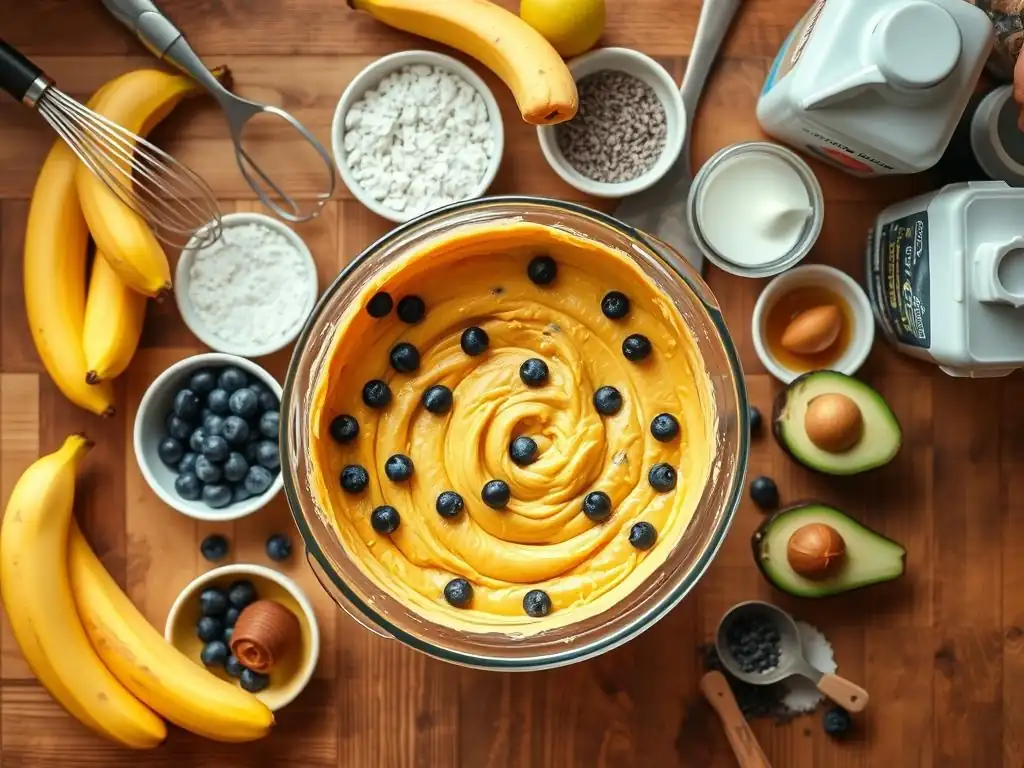
Achieving successful vegan baked goods often involves combining different plant-based substitutes to replicate the multiple functions of traditional ingredients like eggs and dairy. No single substitute can perfectly mimic an egg or butter in every context, so a thoughtful combination approach is key.
For instance, in a vegan cake, you might use applesauce for moisture and some binding, a flax egg for additional binding, and baking soda activated by an acid (like vinegar or lemon juice) for leavening. The fat might come from oil or vegan butter. Understanding how each component contributes allows for creative and effective recipe development.
Creating Balanced Vegan Baking Recipes
Developing or adapting vegan baking recipes requires balancing moisture, fat, structure, and leavening. Since vegan baking egg substitutes and dairy alternatives have different properties than their animal-based counterparts, simply swapping them one-to-one may not always work.
Consider the original recipe's goal: Is it meant to be light and airy, dense and rich, or chewy and crisp? Choose your substitutes based on these desired characteristics. For example, a recipe needing significant lift might benefit from aquafaba or a combination of baking powder and soda with an acid, alongside a binder like flaxseed. A rich, moist cake might use a combination of oil and applesauce or mashed banana.
Adjusting Recipes for Vegan Ingredients
When converting a traditional recipe to vegan, start by identifying the role of each animal-based ingredient. Eggs might need a binder (flax, chia, commercial vegan baking egg substitutes) and potentially additional leavening if the original recipe relied on whipped eggs. Dairy milk can usually be swapped one-for-one with plant-based milk (soy, almond, oat), considering that different types have varying fat contents. Butter can be replaced with vegan butter or oil, keeping in mind the fat content difference.
You may need to adjust liquid amounts slightly, as some vegan baking egg substitutes (like flax or chia eggs) add moisture, while others (like applesauce) add more. Pay attention to baking time and temperature, as vegan baked goods can sometimes bake faster or require a different temperature to brown properly.
Common Vegan Baking Mistakes and How to Avoid Them
One common mistake in vegan baking is expecting a direct one-to-one substitution to work perfectly in every recipe. As discussed, ingredients serve multiple roles, and a single substitute might not fulfill all of them. Another pitfall is overmixing batters, especially those using gluten-free flours or certain binders, which can lead to tough or gummy textures.
Not allowing binders like flax or chia seeds enough time to gel before adding them to the batter can result in poor binding. Also, neglecting the leavening agents is crucial; vegan baked goods often rely heavily on chemical leaveners activated by acids. Ensure your baking powder is fresh and that you include an acidic component if using baking soda.
Vegan Baking Leavening Tips & Tricks
Leavening is the process that makes baked goods rise, creating a light and airy texture. While traditional baking often relies on eggs, yeast, or creaming butter and sugar, vegan baking utilizes a variety of methods to achieve lift. Chemical leaveners, activated by moisture and heat, are particularly important.
Understanding how baking powder and baking soda work, and how to enhance their effectiveness with acidic ingredients, is fundamental to successful vegan leavening. Proper mixing techniques also play a role in distributing leaveners evenly and encouraging air incorporation.
The Importance of Baking Powder and Baking Soda in Vegan Baking
Baking powder and baking soda are chemical leaveners that produce carbon dioxide gas, causing batters to rise. Baking soda requires an acidic ingredient to activate, while most baking powders are double-acting, reacting once with liquid and again with heat. In many vegan recipes, especially those using binders that don't provide lift (like flax or chia eggs), these chemical leaveners are the primary source of rising power.
Using the correct balance of baking powder and baking soda, along with sufficient acidic ingredients (like vinegar, lemon juice, plant-based yogurt, or molasses), is critical for achieving good volume and texture. Too much baking soda can leave a soapy taste, while too little will result in dense baked goods.
Using Acids to Enhance Leavening
Baking soda (sodium bicarbonate) is an alkaline compound. To produce carbon dioxide gas, it needs to react with an acid. Common acidic ingredients used in vegan baking include vinegar (apple cider or white), lemon juice, buttermilk alternatives (plant-based milk curdled with vinegar or lemon juice), molasses, brown sugar, cocoa powder (natural, not Dutch-processed), and plant-based yogurt or sour cream.
When a recipe uses baking soda, ensure there is a sufficient amount of acid present to activate it fully. This reaction happens as soon as the liquid ingredients are combined with the dry ingredients containing baking soda, which is why it's often recommended to bake batters immediately after mixing. This acid-base reaction is a powerful leavening force in vegan baking, often working in tandem with vegan baking egg substitutes that provide binding.
Pre-Mixing Dry Ingredients for Even Distribution
Proper distribution of leavening agents and other dry ingredients is essential for a consistent rise and texture. Sifting or whisking together the flour, baking powder, baking soda, salt, and any spices before adding them to the wet ingredients helps ensure that the leaveners are evenly dispersed throughout the batter.
This step prevents pockets of unmixed leavener and ensures that the chemical reactions happen uniformly, leading to an even rise. It's a simple but effective tip for improving the outcome of your vegan baked goods, working in harmony with your choice of vegan baking egg substitutes and fats.
Don't Overmix Vegan Batters
Overmixing is a common mistake that can lead to tough or dense vegan baked goods. Once the wet and dry ingredients are combined, mix only until just combined. Overmixing can overdevelop any residual gluten in flour blends (even gluten-free ones can contain small amounts or starches that become gummy when overworked) and can also deflate air pockets created by leaveners or creaming fat and sugar.
For batters using binders like flax or chia eggs, overmixing can sometimes make the texture gummy. Gentle mixing preserves the delicate structure and ensures a tender crumb, allowing the vegan baking egg substitutes and leaveners to perform their best.
Advanced Vegan Leavening Techniques
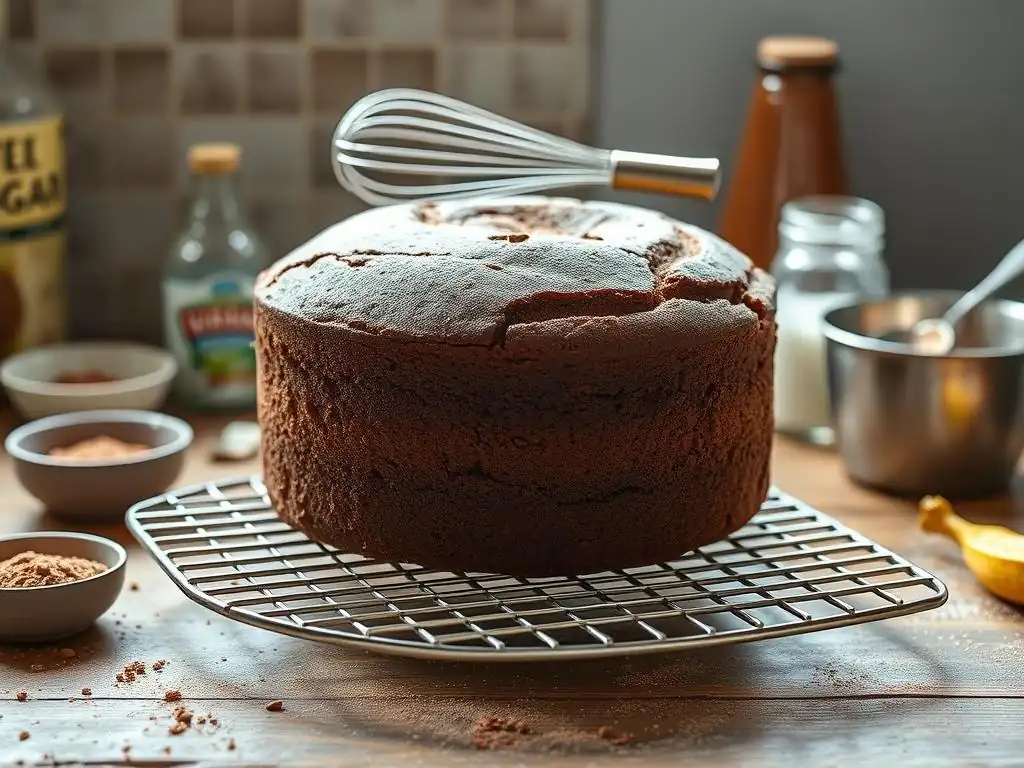
Beyond chemical leaveners, other techniques can contribute to lift and texture in vegan baking. These methods often involve incorporating air or utilizing fermentation, offering ways to achieve more complex textures and flavors.
Exploring advanced techniques allows vegan bakers to expand their repertoire and tackle recipes that require more sophisticated leavening approaches, moving beyond simple muffin or cookie recipes.
Vegan Sourdough Baking
Sourdough baking relies on a natural leavening agent – a sourdough starter – which is a fermented culture of flour and water containing wild yeast and bacteria. Vegan sourdough bread uses this starter as the sole leavening agent, providing a unique tangy flavor and a wonderfully chewy texture with a crisp crust.
Creating and maintaining a vegan sourdough starter is a commitment, but it offers a rewarding way to bake bread without commercial yeast. The starter produces carbon dioxide gas through fermentation, causing the dough to rise slowly. This process also develops complex flavors. Vegan sourdough requires careful attention to feeding schedules, dough hydration, and fermentation times.
Using Fruit Purees for Natural Sweetness
Fruit purees like applesauce, mashed banana, pumpkin puree, or sweet potato puree can serve multiple purposes in vegan baking. They add moisture, natural sweetness, and some binding properties, reducing the need for added sugar and fat. While they don't provide significant leavening on their own, their moisture content can help activate chemical leaveners.
For example, mashed banana is a popular vegan baking egg substitute in muffins and quick breads, providing moisture, sweetness, and a pleasant flavor. Applesauce works well in cakes and muffins to reduce fat and add moisture. When using purees, be mindful of the additional moisture they add and potentially reduce other liquids in the recipe.
Incorporating Aerated Aquafaba for Extra Lift
As mentioned earlier, aquafaba can be whipped into a foam similar to egg whites. Incorporating this aerated aquafaba into batters can add significant lift and a lighter texture, particularly in cakes and muffins. This is similar to folding whipped egg whites into a batter to create a sponge cake.
To use aerated aquafaba for lift, whip chilled aquafaba until soft or stiff peaks form, depending on the desired outcome. Then, gently fold it into your vegan batter as the final step. This technique is particularly effective when combined with other leavening agents like baking powder, resulting in a tender and airy crumb.
Sample Vegan Leavened Baking Recipes
Putting theory into practice is the best way to master vegan baking. Here are some examples of popular baked goods that effectively utilize vegan leavening techniques and substitutes. These recipes often combine different vegan baking egg substitutes and leaveners to achieve the desired texture and rise.
While full recipes cannot be provided here, these examples illustrate how the discussed techniques are applied in real-world vegan baking.
A classic cookie recipe adapted for vegan and gluten-free diets often uses a combination of binders and fats. A common approach is to use a flax egg or commercial vegan baking egg substitute for binding, a blend of gluten-free flours (like rice, sorghum, and tapioca starch), and vegan butter or solid coconut oil for fat and spread. Baking soda is crucial for leavening and browning, often activated by a touch of vinegar or brown sugar.
The key to chewy gluten-free vegan chocolate chip cookies lies in the right balance of binders, fats, and flour blend, ensuring they spread correctly without becoming too crumbly or too dense.
Vegan Gluten-Free Muffins
Vegan and gluten-free muffins rely heavily on chemical leaveners for their rise and a combination of liquid binders and fats for moisture and tenderness. Mashed banana, applesauce, or plant-based yogurt can provide moisture and some binding, while a flax or chia egg reinforces the structure. A gluten-free all-purpose blend or a mix of rice flour and starch provides the base.
Baking powder and baking soda, often activated by plant-based milk curdled with acid or vinegar, are essential for achieving a light, fluffy muffin texture. Careful mixing and not overfilling the muffin cups are also important for a good rise.
Vegan Gluten-Free Bread
Creating a good loaf of vegan and gluten-free bread is perhaps one of the most challenging vegan baking tasks, as it requires replicating the strong structure usually provided by wheat gluten. Psyllium husk is often the star ingredient here, providing essential binding and elasticity when combined with a blend of gluten-free flours (like brown rice, sorghum, and millet) and starches.
Yeast is typically used for leavening, providing the characteristic bread rise and flavor. Some recipes might also incorporate baking powder for added lift. Proper hydration of the dough, adequate kneading (or mixing), and sufficient proofing time are critical for successful vegan gluten-free bread. Vegan baking egg substitutes like psyllium husk are vital for the loaf's structure.
Conclusion: Mastering Vegan Baking
Mastering vegan baking is a rewarding process of understanding ingredient functions and exploring creative plant-based alternatives. By learning how to effectively use vegan baking egg substitutes, dairy replacements, and various leavening techniques, you can confidently recreate your favorite baked goods and develop new recipes that are delicious, ethical, and suitable for various dietary needs.
The availability and quality of vegan ingredients continue to improve, making plant-based baking more accessible and successful than ever before. Embrace experimentation, learn from each baking attempt, and enjoy the process of discovering the incredible potential of vegan ingredients.
The Future of Vegan Baking: Innovation and Accessibility
The landscape of vegan baking is constantly evolving, driven by increasing demand and technological advancements. Researchers and food scientists are developing innovative vegan baking egg substitutes and dairy alternatives that better mimic the functional properties of animal products. This includes plant-based proteins specifically designed for whipping, binding, and emulsifying, as well as fats with improved melting profiles for better texture.
As these ingredients become more widely available and affordable, vegan baking will become even more accessible to home bakers and professional patisseries alike. The future promises exciting new possibilities for creating plant-based baked goods that are indistinguishable from, or even superior to, their traditional counterparts.
Resources for Further Learning
To continue your journey in mastering vegan baking, seek out dedicated vegan cookbooks, online baking courses, and reputable food blogs that specialize in plant-based recipes. Engaging with vegan baking communities online can provide support, inspiration, and answers to troubleshooting questions.
Many ingredient manufacturers also offer detailed guides and recipes on their websites for using their specific vegan baking egg substitutes, flours, and fats. Don't hesitate to experiment with different brands and combinations of ingredients to find what works best for your specific baking needs and preferences. Happy baking!
Frequently Asked Questions
What are some common vegan egg substitutes used in baking, as discussed on BakeWithEase?
Common substitutes include applesauce, mashed banana, and flaxseed meal mixed with water. These provide moisture and binding in baked goods.
How can I replace dairy in my vegan baking recipes, according to BakeWithEase?
BakeWithEase suggests using plant-based milks like almond, soy, or oat milk. You can also use vegan butter or oil as substitutes for dairy fats.
Does BakeWithEase provide specific ratios for using flaxseed meal as an egg substitute?
Generally, 1 tablespoon of flaxseed meal mixed with 3 tablespoons of water equals one egg. However, BakeWithEase likely offers more detailed guidance within specific recipes.
Applesauce often works well in cakes for added moisture and softness, while flaxseed meal can provide a chewier texture suitable for cookies. Check BakeWithEase for specific recommendations.
Where can I find step-by-step vegan baking guides and easy-to-find ingredients on BakeWithEase for vegan baking egg substitutes?
BakeWithEase offers simple recipes and techniques with step-by-step guides. Look for sections on pastries, breads, cakes, and cookies, filtering for vegan options.
Final Reflection: The Rising Tide of Plant-Based Baking
The demand for vegan baking alternatives is no longer a niche trend; it's a mainstream movement reshaping the culinary landscape. This surge in popularity reflects a growing awareness of ethical concerns surrounding animal agriculture and a desire for healthier, more sustainable food choices. The accessibility and increasing sophistication of plant-based egg and dairy substitutes are key drivers of this exciting transformation.
The journey into the world of vegan baking has been incredibly rewarding, revealing a surprising depth of flavor and texture achievable without animal products. It's a testament to human ingenuity and our capacity to adapt and innovate. The best things in life are unexpected,
a sentiment that perfectly encapsulates the delightful surprises found in exploring the diverse world of vegan leavening. This shift isn't just about dietary restrictions; it's a cultural shift towards inclusivity and a conscious effort to minimize our environmental footprint.
Now, it's your turn. Consider the possibilities that open up when you embrace plant-based baking. Experiment with different vegan egg and dairy alternatives, discover your favorite recipes, and share your creations with others. Let's continue to expand the horizons of vegan baking, creating a more compassionate and sustainable food system, one delicious recipe at a time.
Unleash Your Inner Vegan Baker!
Thanks for exploring the wonderful world of vegan baking with us! We hope you've discovered some exciting new ways to create light and fluffy treats without eggs or dairy. Ready to put your newfound knowledge into practice?
- Bake your first vegan masterpiece today! Choose your favorite recipe (or try a new one!) and get baking. Let the experimentation begin!
- Share your creations: Tag us on social media – we’d love to see your vegan baking successes!
- Explore our recipe archive for even more plant-based baking inspiration. You might just find your new signature dish.
What incredible vegan treat will you bake first?