
Xanthan Gum vs. Psyllium Husk: Which GF Binder is Right for Your Swap?

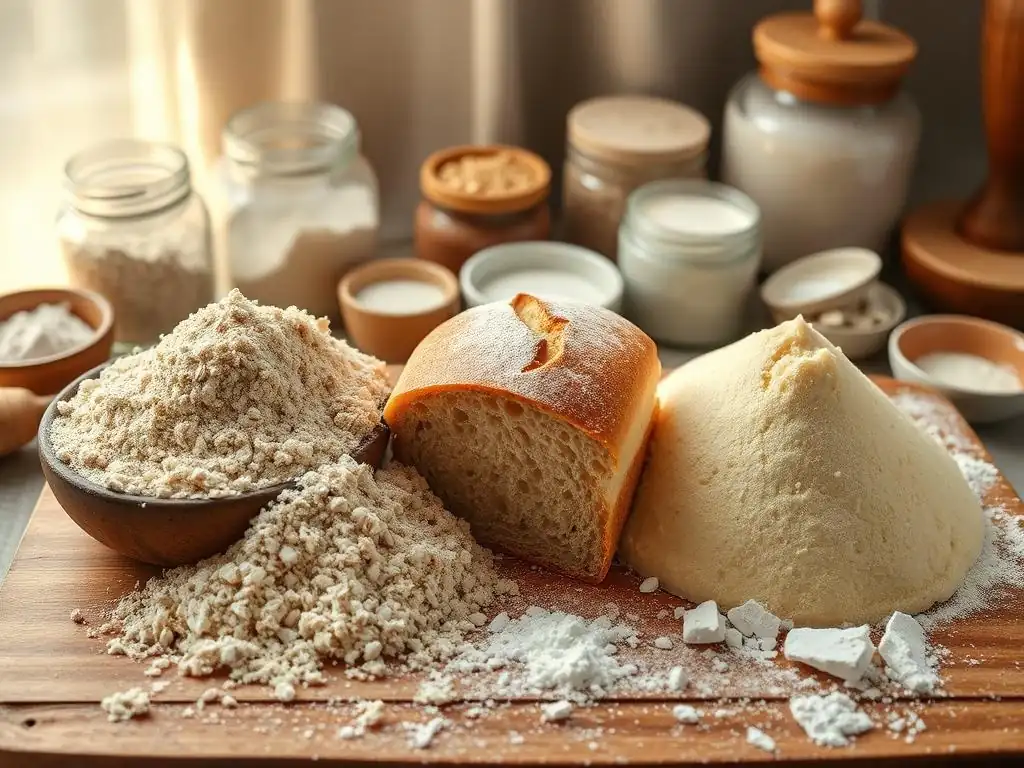
Welcome to BakeWithEase, your kitchen companion for all things baking! Ever wondered which secret weapon unlocks the perfect texture in your gluten-free creations? This week, we're diving deep into the world of gluten-free baking binders, specifically pitting xanthan gum against psyllium husk. Unsure which one is right for your next recipe? Stick around as we unravel the mysteries in our Glutenfree Baking Binder Guide and help you bake with confidence!
- Xanthan Gum vs. Psyllium Husk: Which GF Binder is Right for Your Recipe?
- Understanding Gluten-Free Baking Binders: Xanthan Gum and Psyllium Husk
- Xanthan Gum: A Deep Dive for Gluten-Free Bakers
- Psyllium Husk: A Comprehensive Guide for Gluten-Free Baking
- Xanthan Gum vs. Psyllium Husk: A Detailed Comparison for Gluten-Free Baking
- Choosing the Right Gluten-Free Binder: A Guide Based on Your Needs
- Tips and Tricks for Using Xanthan Gum and Psyllium Husk
- Expanding Your Gluten-Free Baking Options
- Conclusion: Your Guide to Gluten-Free Baking Binders
-
Frequently Asked Questions
- What are gluten-free binders, and why are they important in gluten-free baking?
- What are the key differences between Xanthan Gum and Psyllium Husk as gluten-free binders?
- When should I use Xanthan Gum instead of Psyllium Husk, and vice versa?
- How much Xanthan Gum or Psyllium Husk should I use in a gluten-free recipe?
- Where can I find high-quality Xanthan Gum and Psyllium Husk for gluten-free baking?
- Final Reflection: Choosing the Right Gluten-Free Flour Powerhouse
- Unlock Your Gluten-Free Baking Potential!
Xanthan Gum vs. Psyllium Husk: Which GF Binder is Right for Your Recipe?
Understanding Gluten-Free Baking Binders: Xanthan Gum and Psyllium Husk
Creating delicious gluten-free baked goods often requires a little help to replicate the structure and texture that gluten provides. That's where glutenfree baking binder guides come in handy, introducing essential ingredients like xanthan gum and psyllium husk. These binders act as substitutes for gluten, providing elasticity, viscosity, and structure to doughs and batters that would otherwise be crumbly and dry.
Understanding the role and properties of different binders is crucial for successful gluten-free results. While traditional wheat flour relies on the protein network of gluten to hold everything together, gluten-free flours lack this natural binder. Adding a supplementary binder is key to preventing your cookies from crumbling, your bread from collapsing, and your cakes from falling apart.
The Importance of Binders in Gluten-Free Baking
Binders are the unsung heroes of gluten-free baking, performing several vital functions. They help to trap gases released by leaveners, allowing baked goods to rise properly. They also provide elasticity to dough, making it easier to handle and shape, especially for breads and pastries. Without an effective binder, gluten-free recipes often result in dense, brittle, or sandy textures.
Think of binders as the glue that holds your gluten-free creations together. They create a matrix that mimics the gluten network, adding chewiness to bread, preventing cookies from spreading too much, and ensuring cakes have a tender crumb. Mastering the use of binders is perhaps the most significant step in elevating your gluten-free baking from acceptable to truly outstanding.
Xanthan Gum: A Gluten-Free Binder Option
Xanthan gum is a popular and widely available gluten-free binder derived from the fermentation of sugar by a specific type of bacteria, Xanthomonas campestris. It's a polysaccharide, meaning it's a complex carbohydrate. When combined with liquid, it forms a viscous, gel-like substance that is excellent at stabilizing emulsions and thickening liquids.
This binder is known for its powerful binding capabilities, often used in very small quantities compared to the total flour weight. A general guideline is to use about 1/4 to 1/2 teaspoon per cup of gluten-free flour blend for cakes and cookies, and slightly more, around 1 teaspoon per cup, for breads and pizza doughs where more structure and elasticity are needed. Its effectiveness and ease of use make it a staple in many gluten-free baking binder guides.
Psyllium Husk: A Gluten-Free Binder Option
Psyllium husk comes from the seeds of the Plantago ovata plant. It's primarily recognized for its high soluble fiber content. In baking, particularly gluten-free, it acts as a binder because of its incredible ability to absorb water and form a gel. Whole psyllium husks are less refined than psyllium husk powder, and the powder is often more potent, requiring less volume.
When psyllium husk, especially the powder form, is mixed with liquid, it swells significantly, creating a thick, gelatinous mass. This property helps to hydrate gluten-free flours more effectively and provides structure and flexibility to doughs. For instance, in a gluten-free bread recipe using about 3 cups of flour, you might use 2-3 tablespoons of whole psyllium husks or 1-2 tablespoons of psyllium husk powder. This strong gelling action is why it's a key component in many glutenfree baking binder guides focused on artisanal breads.
Xanthan Gum: A Deep Dive for Gluten-Free Bakers
Xanthan gum is a staple in many gluten-free pantries, prized for its ability to replicate the structure and texture lost when wheat flour is removed. It's a powerful thickener and stabilizer, making it useful not just in baking but also in sauces, dressings, and ice creams. Its versatility makes it a frequent star in any comprehensive glutenfree baking binder guide.
Understanding how to use xanthan gum correctly is key to avoiding common gluten-free baking pitfalls like gummy textures. Because it's so potent, using too much can lead to an unpleasant, slimy result. Precision in measurement is vital when incorporating this binder into your recipes.
What is Xanthan Gum? Properties and Origin
Xanthan gum is a hydrocolloid, meaning it forms a gel when dispersed in water. It's produced through the fermentation of carbohydrates by the bacterium Xanthomonas campestris, which is also responsible for causing diseases in plants. After fermentation, the resulting broth is pasteurized to kill the bacteria, and the gum is precipitated with alcohol, dried, and ground into a fine powder.
Its unique structure allows it to create highly viscous solutions even at low concentrations. For example, a solution of just 1% xanthan gum in water can be significantly thicker than the same concentration of many other gums. This property makes it incredibly efficient as a binder and thickener in gluten-free applications, requiring only a small amount to achieve the desired effect.
How Xanthan Gum Works in Gluten-Free Recipes
In gluten-free baking, xanthan gum functions by providing structure and viscosity to the dough or batter. It helps to bind the ingredients together, preventing them from becoming crumbly. When mixed with liquid, its molecules hydrate and swell, creating a gel-like network that traps air bubbles produced by leavening agents, leading to better rise and a lighter texture.
This network also adds elasticity, which is particularly important in recipes like bread or pizza dough where kneading is involved. It helps the dough stretch without breaking, mimicking the action of gluten. For instance, in a gluten-free pizza crust, adding the correct amount of xanthan gum allows you to roll or stretch the dough thin without it tearing, a common challenge without a proper glutenfree baking binder guide.
Benefits of Using Xanthan Gum in Baking
One of the primary benefits of xanthan gum is its effectiveness in small amounts. This means you don't need to add a large volume of the ingredient, which can sometimes affect flavor or texture. It's also relatively stable across a range of temperatures and pH levels, making it reliable in various recipes.
Xanthan gum excels at preventing crumbling in baked goods like cookies and muffins and improving the texture of cakes and quick breads, giving them a more tender crumb structure. It also helps to prevent separation in batters that contain fats, contributing to a more uniform texture throughout the finished product.
Potential Drawbacks of Xanthan Gum
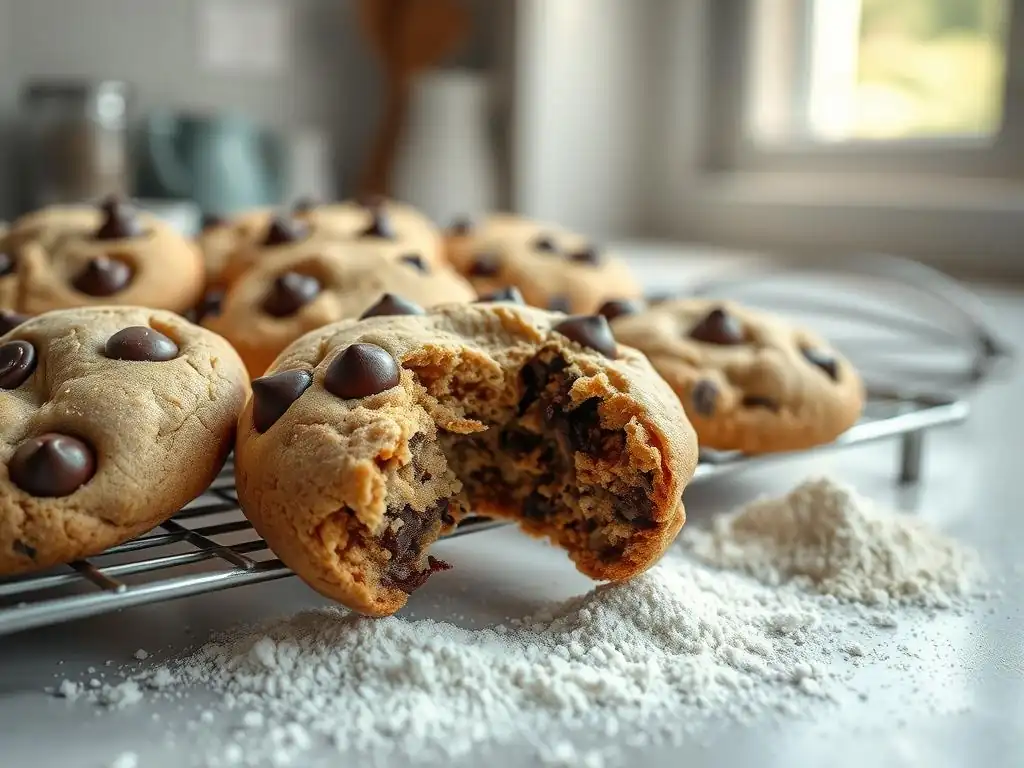
Despite its benefits, xanthan gum can have potential drawbacks. For some individuals, it can cause digestive discomfort, such as gas or bloating, especially when consumed in larger quantities. This is due to its high fiber content and the way it's fermented by gut bacteria.
Another potential issue is the texture it imparts if used excessively. Overuse of xanthan gum can result in baked goods that are gummy, slimy, or even rubbery. Finding the right balance is key, and recipes often provide specific amounts based on the type of gluten-free flour blend used and the desired outcome.
Best Uses for Xanthan Gum: Recipe Recommendations
Xanthan gum is particularly well-suited for recipes where you want a light, tender crumb or need to prevent crumbling. It's an excellent binder for:
- Cakes and Muffins: A small amount helps improve texture and prevents them from falling apart.
- Cookies: It helps prevent excessive spread and gives cookies a slightly chewy texture.
- Quick Breads: Improves structure and tenderness.
- Gravies and Sauces: Acts as an effective thickener without adding flavor.
For instance, in a standard gluten-free vanilla cake recipe using 2 cups of flour, adding about 1/2 teaspoon of xanthan gum can significantly improve the crumb structure compared to using no binder. It's a versatile tool in any glutenfree baking binder guide for general-purpose baking.
Psyllium Husk: A Comprehensive Guide for Gluten-Free Baking
Psyllium husk has gained popularity in gluten-free baking, especially for recipes that require more structure and elasticity, like breads. Its unique gelling properties provide a different kind of binding compared to xanthan gum, often resulting in a texture that is more akin to traditional wheat-based baked goods. It's a valuable addition to any glutenfree baking binder guide focused on yeasted goods.
Using psyllium husk effectively often involves hydrating it before adding it to the dry ingredients. This allows it to form its gel, which then integrates more smoothly into the dough or batter. The absorption power of psyllium husk is remarkable, and it requires a significant amount of liquid to activate its binding potential.
What is Psyllium Husk? Properties and Origin
Psyllium husk is derived from the outer coating of the seeds of the Plantago ovata plant, also known as blond psyllium. This plant is native to India and is cultivated primarily for its husks, which are a rich source of soluble fiber. The husks are available in whole form or ground into a powder.
The key property of psyllium husk that makes it useful in baking is its high mucilage content. When exposed to water, this mucilage swells and forms a gel, sometimes expanding up to 10-14 times its original volume. This gelling ability is what provides structure and moisture retention in baked goods, making it a powerful component in a glutenfree baking binder guide.
How Psyllium Husk Works in Gluten-Free Recipes
In gluten-free baking, psyllium husk works by absorbing large amounts of liquid and creating a viscous, gel-like network throughout the dough or batter. This network helps to hold the ingredients together, provides structure, and prevents the baked goods from becoming dry and crumbly.
Unlike xanthan gum, which adds elasticity by creating a somewhat sticky matrix, psyllium husk adds structure and flexibility by forming a more robust, yet pliable, gel. This is particularly beneficial in yeasted doughs, where it helps trap the gases produced during fermentation, leading to a better rise and an open crumb structure in bread. For example, adding psyllium husk to a gluten-free loaf recipe helps the dough hold its shape during proofing and baking, resulting in a taller, more substantial loaf.
Benefits of Using Psyllium Husk in Baking
One major benefit of psyllium husk is the texture it can create, particularly in gluten-free breads. It often results in a chewier crumb and a more stable structure, closely mimicking the texture of traditional wheat bread. It also helps with moisture retention, keeping baked goods fresh for longer.
Psyllium husk is also a good source of dietary fiber, adding a nutritional boost to your baked goods. It is generally well-tolerated by most people, although gradual introduction is recommended due to its high fiber content. Its ability to create a strong, flexible dough makes it indispensable in any serious glutenfree baking binder guide for bread makers.
Potential Drawbacks of Psyllium Husk
The most significant drawback of psyllium husk is its strong ability to absorb liquid, which means you often need to increase the hydration in your recipes. Failing to add enough liquid can result in a dense, dry product. It can also give baked goods a slightly purple or greyish hue, especially if using the whole husks, though this is usually minimal.
Like xanthan gum, consuming large amounts of psyllium husk can cause digestive issues for some people, including gas, bloating, or constipation if not accompanied by sufficient water intake. The different forms (whole vs. powder) also require different measurements, which can be confusing if a recipe isn't specific. For instance, 1 tablespoon of whole husks might equal about 1.5 teaspoons of powder in terms of gelling power.
Best Uses for Psyllium Husk: Recipe Recommendations
Psyllium husk shines in recipes where structure, chewiness, and moisture retention are paramount. It is particularly effective in:
- Yeasted Breads: Provides essential structure and flexibility for kneading and rising.
- Pizza Dough and Bagels: Creates a chewy texture and allows for shaping.
- Flatbreads and Wraps: Helps the dough hold together and remain pliable.
- Some Cookies and Bars: Can add chewiness and prevent excessive spread.
For a gluten-free sandwich bread recipe, using 2-3 tablespoons of whole psyllium husks (or 1-2 tablespoons of powder) per 3-4 cups of flour blend, combined with adequate liquid, can transform a crumbly dough into one that is kneadable and produces a loaf with a satisfying structure and crumb, a key tip found in many glutenfree baking binder guides for bread.
Xanthan Gum vs. Psyllium Husk: A Detailed Comparison for Gluten-Free Baking
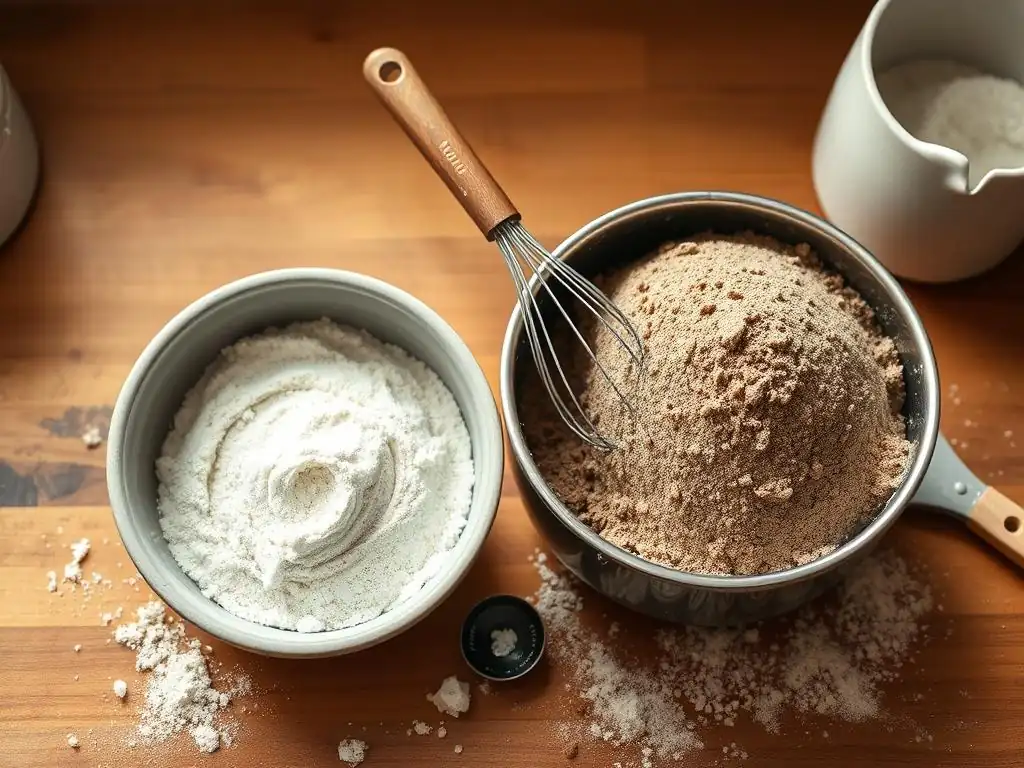
When choosing between xanthan gum and psyllium husk for your gluten-free baking, several factors come into play. While both serve as binders, they have distinct properties that affect the final texture, appearance, and nutritional profile of your baked goods. Understanding these differences is vital for making the best substitution choices, as highlighted in any good glutenfree baking binder guide.
The choice often depends on the specific type of recipe you are making and the desired outcome. Neither binder is universally "better" than the other; rather, they are suited for different applications or can even be used in combination to achieve unique results.
Binding Power: Which is Stronger?
Both xanthan gum and psyllium husk are effective binders, but they work in slightly different ways and have different potencies by weight. Xanthan gum creates a sticky, viscous gel that provides elasticity and prevents crumbling with very small amounts. It's incredibly potent as a thickener and stabilizer.
Psyllium husk, particularly the powder, absorbs a significantly larger amount of water relative to its weight compared to xanthan gum, forming a bulkier, more fibrous gel. While xanthan gum provides elasticity, psyllium husk provides structure and volume through its swelling action. In terms of creating a robust, pliable dough that can be shaped, psyllium husk often feels "stronger" or more substantial, especially in bread applications where you handle the dough.
Texture and Mouthfeel: How They Affect Your Baked Goods
The texture imparted by each binder is one of the most significant differences. Xanthan gum tends to result in a lighter, more tender crumb, which is desirable in cakes, muffins, and certain cookies. However, overuse can lead to a slightly gummy or slimy texture, sometimes described as being "sticky" in the mouth.
Psyllium husk, on the other hand, often contributes to a chewier, more substantial texture, particularly in breads. It can give gluten-free loaves a satisfying bite and crumb structure that is more akin to traditional wheat bread. It also helps retain moisture, contributing to a pleasant mouthfeel and preventing dryness.
Taste and Flavor Profile: Does it Impact the Final Flavor?
Generally, both xanthan gum and psyllium husk are relatively neutral in flavor when used in appropriate amounts. However, if too much xanthan gum is used, its slightly chemical or off-flavor can sometimes become noticeable, especially in delicate recipes.
Psyllium husk, especially the whole husks, can occasionally impart a very slight earthy or fibrous taste, though this is rarely prominent when used in baking recipes with other flavors. The key for both is using the correct quantity as recommended in a reliable glutenfree baking binder guide or recipe to avoid any unwanted flavor notes.
Nutritional Value: Comparing the Health Benefits
From a nutritional standpoint, psyllium husk offers a clear advantage as it is primarily dietary fiber, with both soluble and insoluble components. Consuming psyllium can contribute to daily fiber intake, which is beneficial for digestive health. A typical serving size for baking (e.g., 1-2 tablespoons) can add several grams of fiber to the recipe.
Xanthan gum is also a type of soluble fiber, but the amounts used in baking are typically much smaller (often less than a teaspoon per recipe). While it does contain fiber, the quantity is usually not significant enough to provide substantial nutritional benefits compared to psyllium husk. For those looking to boost the fiber content of their gluten-free baked goods, psyllium husk is the better choice according to most glutenfree baking binder guide comparisons.
Ease of Use and Availability
Both binders are generally easy to use, but they have slightly different preparation methods. Xanthan gum is usually added directly to the dry ingredients, making it very simple to incorporate. It disperses easily in the mix.
Psyllium husk, especially the powder, often benefits from being whisked with the liquid ingredients first and allowed to sit for a few minutes to form a gel before being combined with the dry ingredients. This extra step ensures even distribution and optimal gelling. Both ingredients are widely available in most health food stores, larger supermarkets, and online retailers, making them accessible for anyone following a glutenfree baking binder guide.
Choosing the Right Gluten-Free Binder: A Guide Based on Your Needs
Deciding whether to use xanthan gum or psyllium husk, or even a combination, depends on several factors related to your specific recipe goals, dietary considerations, and desired outcome. Consulting a comprehensive glutenfree baking binder guide can help, but understanding the core differences empowers you to make informed choices.
Consider the type of baked good you are making, any specific dietary needs beyond gluten-free, and the texture you are trying to achieve. Each binder excels in different areas, making one potentially more suitable than the other for a given recipe.
Considering the Recipe Type
The type of recipe is perhaps the most important factor in choosing a binder. For lighter, more delicate baked goods like cakes, muffins, and cookies, xanthan gum is often the preferred choice. It provides structure without adding excessive chewiness or density.
For recipes requiring more structure, elasticity, and chewiness, particularly yeasted breads, pizza dough, bagels, and wraps, psyllium husk is usually the superior option. Its strong gelling action helps create a dough that can be handled, kneaded, and shaped, resulting in a more satisfying, traditional texture.
Addressing Dietary Restrictions
While both are gluten-free, individuals may have other dietary considerations. Psyllium husk is a natural source of fiber and can be a good choice for those looking to increase their fiber intake. It is a whole food product derived directly from a plant.
Xanthan gum, being a fermented product, is generally considered safe, but as mentioned, some individuals experience digestive upset. For those sensitive to fermented products or seeking a binder that is less processed, psyllium husk might be a better fit. Both are typically vegan-friendly.
Achieving the Desired Texture and Structure
Your desired final texture is key. If you want a tender, cake-like crumb, lean towards xanthan gum. If you're aiming for a chewy, structured bread with a good rise and crumb, psyllium husk is likely the better option.
It's also worth noting that some recipes benefit from a combination of both binders. For example, a bread recipe might use psyllium husk for overall structure and chewiness, plus a small amount of xanthan gum to aid in gas retention and create a slightly finer crumb. Experimentation, guided by a good glutenfree baking binder guide, can lead to discovering your perfect binder blend.
Tips and Tricks for Using Xanthan Gum and Psyllium Husk
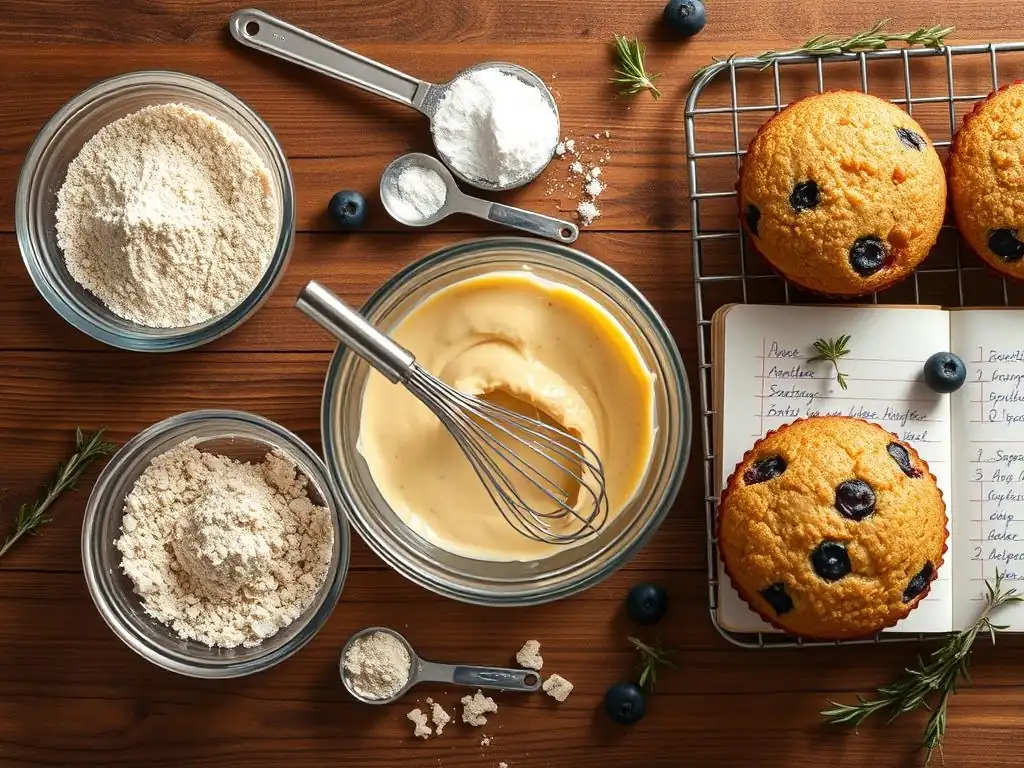
Working with gluten-free binders can sometimes present unique challenges, but with a few tips and tricks, you can ensure successful results. Proper measurement, hydration, and understanding how these binders interact with other ingredients are key to mastering gluten-free baking.
Approaching these binders with a little knowledge can prevent common issues like gummy textures or crumbly results. A reliable glutenfree baking binder guide will often include these practical tips to help you achieve consistent success.
Measuring and Incorporating Xanthan Gum Effectively
Precision is crucial when measuring xanthan gum due to its potency. Using measuring spoons is essential, and some bakers even recommend using a digital scale for very small amounts if possible. Always level off your spoon.
The most common method for incorporating xanthan gum is to whisk it thoroughly into the dry ingredients before adding any liquid. This helps to distribute it evenly throughout the flour blend and prevents it from clumping when it comes into contact with moisture. Ensure it is well mixed with the flour before proceeding with the wet ingredients.
Hydrating Psyllium Husk for Optimal Results
For psyllium husk, particularly the powder, pre-hydration is often beneficial. Whisk the measured psyllium husk (powder or whole) into the specified amount of liquid (usually water or plant-based milk) called for in the recipe. Let this mixture sit for 5-10 minutes until it forms a thick gel.
This gel is then added to your dry ingredients along with any remaining liquid. This method ensures the psyllium is fully activated and evenly distributed, leading to a more consistent texture and better binding throughout the dough or batter. It's a fundamental technique found in any detailed glutenfree baking binder guide for psyllium.
Troubleshooting Common Gluten-Free Baking Issues with Binders
- Gummy Texture: This is usually caused by too much binder, especially xanthan gum, or insufficient liquid in the recipe. Reduce the amount of binder in future attempts and ensure you are using the correct amount of liquid.
- Crumbly Results: This indicates insufficient binding. Try slightly increasing the amount of binder or ensuring it was properly incorporated and hydrated (especially for psyllium husk).
- Poor Rise: While leavening is key, binders help trap gas. If your baked goods are dense, ensure your leavener (baking powder, soda, or yeast) is active and that your binder is correctly used to create a network capable of holding the gas.
Understanding these common issues and how binders influence them is a big step in becoming a confident gluten-free baker, guided by your growing knowledge from this glutenfree baking binder guide.
Expanding Your Gluten-Free Baking Options
While xanthan gum and psyllium husk are two of the most popular and effective gluten-free binders, they are not the only options available. Exploring other binders can further expand your gluten-free baking repertoire and help you achieve different textures and results.
Understanding the properties of alternative binders allows you to make even more nuanced decisions based on the specific demands of a recipe or personal preferences, adding depth to your glutenfree baking binder guide knowledge.
Other Gluten-Free Binding Agents to Consider
Several other ingredients can act as binders in gluten-free baking:
- Chia Seeds: When mixed with liquid (usually 1 part chia to 3 parts water), they form a gel similar to psyllium husk. They add fiber and nutrients but can leave small black specks and have a slightly nutty flavor. Use about 1 tablespoon of chia seeds (gelled) per egg replaced.
- Flaxseed Meal: Also forms a gel when mixed with liquid (1 part flaxseed meal to 3 parts water). Known as a "flax egg," it's a common egg replacer and binder. Like chia seeds, it adds fiber and nutrients but can impart a slightly earthy flavor and speckled appearance. Use about 1 tablespoon of flaxseed meal (gelled) per egg replaced.
- Agar-Agar: A seaweed-derived gelatin substitute. It forms a firm gel but is less flexible than xanthan gum or psyllium husk and is often used for thickening or stabilizing rather than providing elasticity in baked goods.
- Gelatin: An animal-derived protein that forms a gel. It's not suitable for vegan baking but can be an effective binder in some applications, though less common in standard baked goods compared to xanthan or psyllium.
Each of these offers different properties and can be useful depending on the recipe and desired outcome, adding variety to your glutenfree baking binder guide.
Combining Binders for Enhanced Results
Sometimes, the best approach is to use a combination of binders to leverage the strengths of each. For example, combining a small amount of xanthan gum with psyllium husk in a bread recipe can provide both the structure and chewiness from psyllium and the improved gas retention and finer crumb structure from xanthan gum.
Experimenting with ratios can lead to discovering unique textures. A gluten-free muffin might benefit from a tiny pinch of xanthan gum for tenderness and a bit of psyllium husk for moisture retention. As you gain experience, you can adapt existing recipes or develop your own binder blends based on your specific goals, guided by principles from this glutenfree baking binder guide.
Conclusion: Your Guide to Gluten-Free Baking Binders
Navigating the world of gluten-free baking requires understanding the role of binders like xanthan gum and psyllium husk. These ingredients are essential for providing the structure, texture, and elasticity that gluten normally provides in traditional wheat-based recipes. By learning about their unique properties and best uses, you can significantly improve your gluten-free baking results.
Whether you're aiming for a light, tender cake or a chewy, structured loaf of bread, choosing the right binder, or combination of binders, is a critical step. This glutenfree baking binder guide has explored the characteristics of xanthan gum and psyllium husk to help you make informed decisions tailored to your specific baking needs.
Making Informed Choices for Delicious Gluten-Free Baked Goods.
Armed with knowledge about xanthan gum and psyllium husk, you are now better equipped to tackle gluten-free baking challenges. Remember that xanthan gum often excels in lighter baked goods like cakes and cookies, providing tenderness and preventing crumbling. Psyllium husk, on the other hand, is a powerhouse for providing structure and chewiness, particularly in breads and doughs that require handling.
Don't be afraid to experiment and adjust quantities based on your specific gluten-free flour blend, as different blends absorb liquids differently. By paying attention to the desired texture, recipe type, and any dietary considerations, you can confidently choose the right glutenfree baking binder and consistently create delicious, well-structured gluten-free baked goods that you and your loved ones will enjoy. Happy baking!
Frequently Asked Questions
What are gluten-free binders, and why are they important in gluten-free baking?
Gluten-free binders are ingredients that help mimic the role of gluten in baking. They provide structure, elasticity, and moisture retention, preventing baked goods from becoming crumbly or dry.
What are the key differences between Xanthan Gum and Psyllium Husk as gluten-free binders?
Xanthan Gum is a fermented sugar that creates a gel-like structure. Psyllium Husk is a soluble fiber that absorbs water and adds bulk and elasticity. The best choice depends on the specific recipe and desired texture.
When should I use Xanthan Gum instead of Psyllium Husk, and vice versa?
Use Xanthan Gum when you need a smooth, elastic texture, like in cakes or cookies. Use Psyllium Husk when you need extra fiber and a slightly chewier texture, like in breads.
How much Xanthan Gum or Psyllium Husk should I use in a gluten-free recipe?
Generally, use about 1/4 to 1/2 teaspoon of Xanthan Gum per cup of gluten-free flour. For Psyllium Husk, use about 1 to 2 teaspoons per cup of gluten-free flour, mixed with water to form a gel.
Where can I find high-quality Xanthan Gum and Psyllium Husk for gluten-free baking?
You can typically find both ingredients at most grocery stores in the baking or health food aisle. Online retailers like Amazon or specialty baking supply stores are also great options.
Final Reflection: Choosing the Right Gluten-Free Flour Powerhouse
The quest for the perfect gluten-free bake often hinges on selecting the ideal binder. Finding the right substitute for gluten's binding properties is a crucial step in achieving texture and structure comparable to traditional baking. This article explored two popular options, xanthan gum and psyllium husk, highlighting their unique characteristics and applications. The choice, ultimately, isn't about a "winner," but about understanding your needs and the nuances of each ingredient.
The ongoing exploration of gluten-free baking reflects a broader societal shift towards dietary inclusivity and awareness of food sensitivities. This journey, both personal and collective, underscores the importance of understanding ingredient functionality. The best baker is one who understands the 'why' behind the 'how'.
This quote, though not directly about gluten-free baking, perfectly encapsulates the spirit of informed baking, whether with or without gluten. My own experience experimenting with these binders has reinforced the need for careful consideration and experimentation to achieve desired results.
So, what's next? I encourage you to embrace the spirit of culinary exploration. Don't be afraid to experiment with xanthan gum and psyllium husk, understanding their individual strengths. Keep a baking journal, noting your successes and failures. Each bake is a step towards mastering the art of gluten-free baking, a journey fueled by curiosity and a desire to create delicious and satisfying treats. The perfect gluten-free binder isn't a destination, but a discovery waiting to be made in your own kitchen.
Unlock Your Gluten-Free Baking Potential!
Thanks for exploring the world of gluten-free baking with us! We hope you now feel confident in choosing the perfect binder for your next recipe. Ready to put your new knowledge to the test?
- Bake your dream gluten-free treat! Use your newfound understanding of xanthan gum and psyllium husk to create a delicious, texture-perfect recipe. Don't be afraid to experiment!
- Share your baking success! Show off your creations and inspire others on social media using #BakeWithEaseGF.
- Explore our other gluten-free resources: Discover more helpful tips, tricks, and recipes on our website to further enhance your gluten-free baking journey.
What exciting gluten-free recipe will you tackle first? Let us know in the comments below!