
NoYeast Flatbreads: Instant Bread Fix

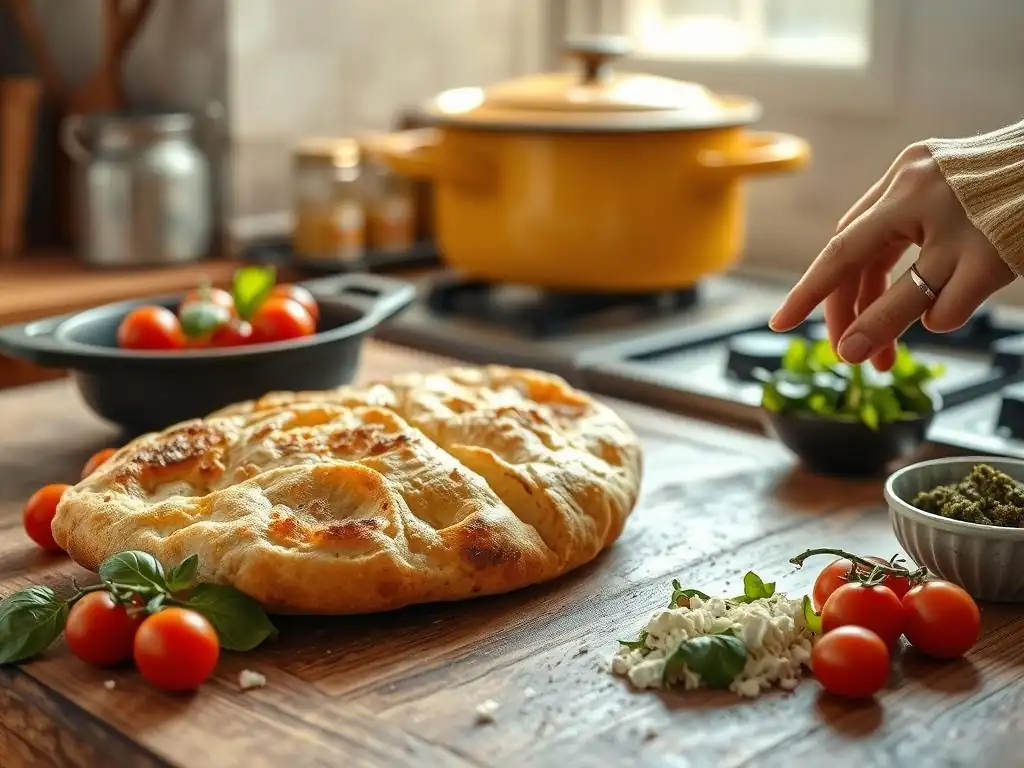
Welcome to BakeWithEase, your haven for effortless baking! Ever crave freshly baked bread but dread the yeast? Discover the surprisingly simple secret to our Easy Yeastfree Flatbread Recipe and say goodbye to long proving times. Unleash your inner baker with this instant bread fix and explore the delicious possibilities that await!
- No-Yeast Flatbreads: Instant Bread Fix - BakeWithEase.com
- Introduction: Quick and Easy Flatbreads Without Yeast
- The Ultimate Easy Yeastfree Flatbread Recipe
- Variations on the Basic No-Yeast Flatbread Recipe
- Serving Suggestions: Enjoying Your Homemade Yeast-Free Flatbread
- Troubleshooting Your Yeast-Free Flatbread
- Storing Your Homemade No-Yeast Flatbread
- Conclusion: Mastering the Art of Easy Yeast-Free Flatbread Baking
- Frequently Asked Questions
- Final Reflection: The Enduring Appeal of Simple Baking
- Unleash Your Inner Baker: Make Flatbreads Today!
No-Yeast Flatbreads: Instant Bread Fix - BakeWithEase.com
Introduction: Quick and Easy Flatbreads Without Yeast
Craving Fresh Bread? Try This Easy Yeast-Free Flatbread Recipe
Imagine the aroma of warm, freshly baked bread filling your kitchen, but without the hours of waiting for dough to rise. This isn't a fantasy; it's the reality of baking a no-yeast flatbread. Perfect for those spontaneous bread cravings or when you're short on time, this simple method allows you to enjoy homemade bread with minimal effort.
Whether you're a complete novice in the kitchen or a seasoned baker looking for a speedy fix, mastering an easy yeast-free flatbread recipe is a game-changer. It's incredibly versatile, serving as a base for toppings, a side for stews, or simply enjoyed on its own.
Unlike traditional yeasted breads that require precise temperatures and significant proofing time for the yeast to work its magic, this approach relies on leavening agents like baking powder or baking soda. This means you can mix the dough, roll it out, and cook it almost immediately. The entire process, from gathering ingredients to taking your first bite, can often be completed in under 30 minutes. This makes an easy yeast-free flatbread recipe the ultimate solution for busy weeknights or unexpected guests, proving that delicious, homemade bread doesn't have to be a time-consuming project.
Why Choose a No-Yeast Flatbread? The Benefits of Baking Without Yeast
Choosing to bake a no-yeast flatbread offers several compelling advantages beyond just speed. For starters, it eliminates the variable of yeast activity, which can be intimidating for beginner bakers. There's no need to worry about whether your yeast is active, if the water is the right temperature, or if the proofing environment is warm enough. This inherent simplicity makes the process much more forgiving and consistently reliable, ensuring successful results every time you attempt this easy yeast-free flatbread recipe. It's a fantastic way to build confidence in your baking skills without the potential pitfalls of working with live cultures.
Furthermore, baking without yeast can be a practical choice for those with sensitivities or allergies to yeast. While not a common allergen, some individuals experience digestive discomfort. A yeast-free option allows them to enjoy fresh bread without worry. Additionally, the texture of a no-yeast flatbread is often denser and sometimes chewier than yeasted bread, offering a different, equally satisfying experience. It's also incredibly cost-effective, typically requiring only basic pantry staples like flour, leavening, salt, fat (like oil or butter), and a liquid (milk or water). This makes an easy yeast-free flatbread recipe not only convenient but also budget-friendly.
The Ultimate Easy Yeastfree Flatbread Recipe
Ingredients for Your Simple Flatbread
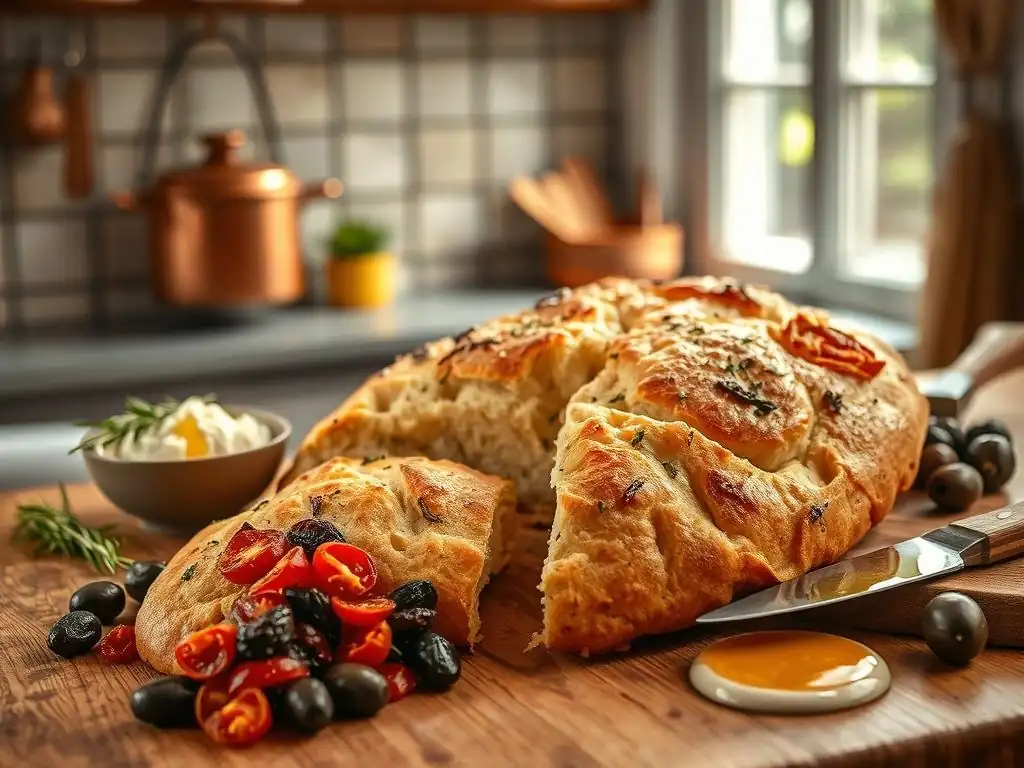
Crafting a truly easy yeast-free flatbread recipe starts with a minimal list of common pantry staples. You'll typically need around 2 cups of all-purpose flour, which provides the structure for the bread. Alongside the flour, you'll need a leavening agent – usually about 2 teaspoons of baking powder, which reacts with the liquid to create lift and tenderness without yeast. A pinch of salt, perhaps 1/2 teaspoon, is crucial for enhancing the flavor of the flour and other ingredients.
To bring the dry ingredients together into a cohesive dough, you'll need a liquid and a fat. Approximately 3/4 cup of milk or water works well; milk tends to yield a slightly richer, softer flatbread, while water results in a chewier texture. About 2 tablespoons of olive oil, melted butter, or even a neutral vegetable oil adds moisture and helps prevent the flatbread from becoming tough. These simple components are the foundation of a delicious, easy yeast-free flatbread recipe that you can whip up anytime the craving strikes.
Step-by-Step Instructions: Making Flatbread Dough Without Yeast
Mixing the Dough: Achieving the Perfect Consistency
Begin by whisking together your dry ingredients: the 2 cups of flour, 2 teaspoons of baking powder, and 1/2 teaspoon of salt in a medium-sized bowl. This ensures that the leavening and salt are evenly distributed throughout the flour, which is key for consistent texture in your easy yeast-free flatbread recipe. Make a well in the center of the dry mixture.
Next, pour the 3/4 cup of liquid (milk or water) and 2 tablespoons of oil into the well. Use a fork or a spatula to gently mix the wet ingredients into the dry ones, starting from the center and working outwards. Continue mixing until a shaggy dough forms.
At this point, turn the dough out onto a lightly floured surface and knead gently for just 1-2 minutes. The goal isn't extensive gluten development like in yeasted bread, but simply to bring the dough together into a smooth, cohesive ball that's easy to handle. It should be soft but not overly sticky; if it's too sticky, add a tiny bit more flour, a tablespoon at a time.
Rolling and Shaping Your Yeast-Free Flatbread
Once your dough is kneaded into a smooth ball, divide it into equal portions. For example, if you used 2 cups of flour, you might divide it into 4-6 portions, depending on how large you want your flatbreads to be. Each portion will yield one flatbread. Lightly flour your work surface and a rolling pin.
Take one portion of dough and roll it out into a thin circle or oval, roughly 1/8 to 1/4 inch thick. The exact shape doesn't matter as much as the thickness, which affects how quickly and evenly it cooks. Aim for a consistent thickness across the entire flatbread to avoid some parts being raw while others are overcooked.
Repeat this process with the remaining dough portions. Stack the rolled-out flatbreads between layers of parchment paper or wax paper to prevent sticking if you're rolling them all out before cooking. This easy yeast-free flatbread recipe step is quick and requires minimal skill compared to shaping yeasted dough.
Cooking Your Flatbread: Stovetop, Oven, or Grill
The beauty of an easy yeast-free flatbread recipe is its adaptability to different cooking methods. The most common and quickest method is stovetop cooking. Heat a heavy-bottomed skillet or cast-iron pan over medium-high heat. No oil is typically needed for the pan itself, as the dough contains fat. Carefully place one rolled-out flatbread in the hot pan. Cook for 2-3 minutes per side, or until golden brown spots appear and the flatbread puffs up slightly in places.
Alternatively, you can cook them in the oven. Preheat your oven to a high temperature, around 450°F (230°C), ideally with a pizza stone or baking steel inside. Place the flatbreads directly on the hot stone/steel or on a baking sheet. They will cook very quickly, usually within 3-5 minutes, puffing up nicely.
Grilling is another fantastic option, imparting a smoky flavor. Heat your grill to medium-high heat and cook the flatbreads for 2-4 minutes per side, watching carefully as they cook fast. Whichever method you choose, the key is high heat for a short time to achieve that perfect chewy-yet-tender texture characteristic of a great easy yeast-free flatbread recipe.
Variations on the Basic No-Yeast Flatbread Recipe
Flavorful Add-ins: Herbs, Spices, and More
Elevating your easy yeast-free flatbread recipe is simple with the addition of flavor boosters directly into the dough. Before adding the liquid, stir in dried herbs like oregano, rosemary, or thyme for an aromatic Mediterranean twist. About 1-2 teaspoons of dried herbs per 2 cups of flour is usually sufficient. For a spicier kick, incorporate a pinch of red pepper flakes. Freshly minced garlic or garlic powder (about 1 teaspoon) is another popular addition that pairs wonderfully with many cuisines.
Consider adding spices such as cumin, coriander, or smoked paprika for a Middle Eastern or Indian-inspired flatbread. Approximately 1/2 to 1 teaspoon of ground spices can dramatically change the flavor profile. Finely chopped fresh chives or scallions can also be folded into the dough just before kneading. Remember that bold flavors work best, as the mild dough base can handle them. These simple additions transform a basic easy yeast-free flatbread recipe into something truly special, tailored to your taste or the meal you plan to serve it with.
Different Flours for Unique Flatbread Textures
The basic easy yeast-free flatbread recipe typically calls for all-purpose flour, which is reliable and easy to work with. However, experimenting with different flours can introduce new textures and flavors. Substituting a portion of the all-purpose flour with other types can yield interesting results. For instance, swapping out 1/4 to 1/2 cup of all-purpose flour for whole wheat flour will result in a heartier, nuttier flatbread with increased fiber content.
Exploring flours beyond wheat is also possible, though it may require slight adjustments to the liquid ratio due to varying absorption rates. Using a blend of all-purpose and, say, chickpea flour can add a unique earthy flavor. For those seeking gluten-free options, specifically formulated gluten-free flour blends can be used, though they might require a binder like xanthan gum. Each flour type interacts differently with the leavening agents and liquid in this easy yeast-free flatbread recipe, offering a wide range of possibilities for texture and taste exploration.
Experimenting with Whole Wheat Flour in Your No-Yeast Flatbread
Incorporating whole wheat flour into your easy yeast-free flatbread recipe adds a depth of flavor and a denser, chewier texture compared to using all-purpose flour alone. Whole wheat flour contains the bran and germ of the wheat kernel, which contribute fiber, nutrients, and a distinct nutty taste.
When substituting, start by replacing about 25% (1/2 cup per 2 cups total flour) of the all-purpose flour with whole wheat flour. You might find the dough is slightly less pliable and absorbs a little more liquid, so have an extra tablespoon or two of milk or water on hand to achieve the right consistency.
Using a higher proportion, say 50% or more whole wheat flour, will result in an even denser, more robust flatbread. The cooking time might also increase slightly, especially on the stovetop, to ensure the thicker dough cooks through. While the dough might not puff up quite as dramatically as one made solely with all-purpose flour, the resulting flatbread is incredibly satisfying and packed with flavor. This modification to the easy yeast-free flatbread recipe is perfect for those seeking a healthier or heartier bread option.
Using Gluten-Free Flour for a Gluten-Free Flatbread Option
Adapting the easy yeast-free flatbread recipe for a gluten-free diet is straightforward using a good quality gluten-free all-purpose flour blend. These blends are designed to mimic the properties of wheat flour and often contain a mix of rice flour, tapioca starch, potato starch, and sometimes a binder like xanthan gum. Ensure the blend you choose is intended for baking. You can typically substitute the gluten-free blend cup-for-cup with the all-purpose flour quantity specified in the basic recipe.
Because gluten-free flours absorb liquid differently than wheat flour, you may need to slightly adjust the amount of liquid. Start with the specified amount (3/4 cup) and add more, a tablespoon at a time, until the dough comes together. The dough might feel slightly different – less elastic than wheat dough. When rolling, you might find it helpful to roll the dough between two pieces of parchment paper to prevent sticking and tearing. The cooking process remains largely the same across stovetop, oven, or grill, yielding a delicious gluten-free easy yeast-free flatbread recipe that everyone can enjoy.
Sweet No-Yeast Flatbread: A Dessert Alternative
Who says flatbreads have to be savory? The basic easy yeast-free flatbread recipe can be easily transformed into a delightful dessert. Instead of salt, add a tablespoon or two of sugar to the dry ingredients. You can also incorporate sweet spices like cinnamon or nutmeg (1 teaspoon). Consider using milk as the liquid for a richer dough.
Once cooked, brush the warm flatbread with melted butter and sprinkle with cinnamon sugar. Another option is to top the cooked flatbread with fresh berries, a drizzle of honey or maple syrup, or even a spread of chocolate-hazelnut spread. These sweet variations on the easy yeast-free flatbread recipe prove its incredible versatility and make it a quick way to satisfy a sweet craving with a warm, baked treat.
Serving Suggestions: Enjoying Your Homemade Yeast-Free Flatbread
Delicious Dips and Toppings for Your Flatbread
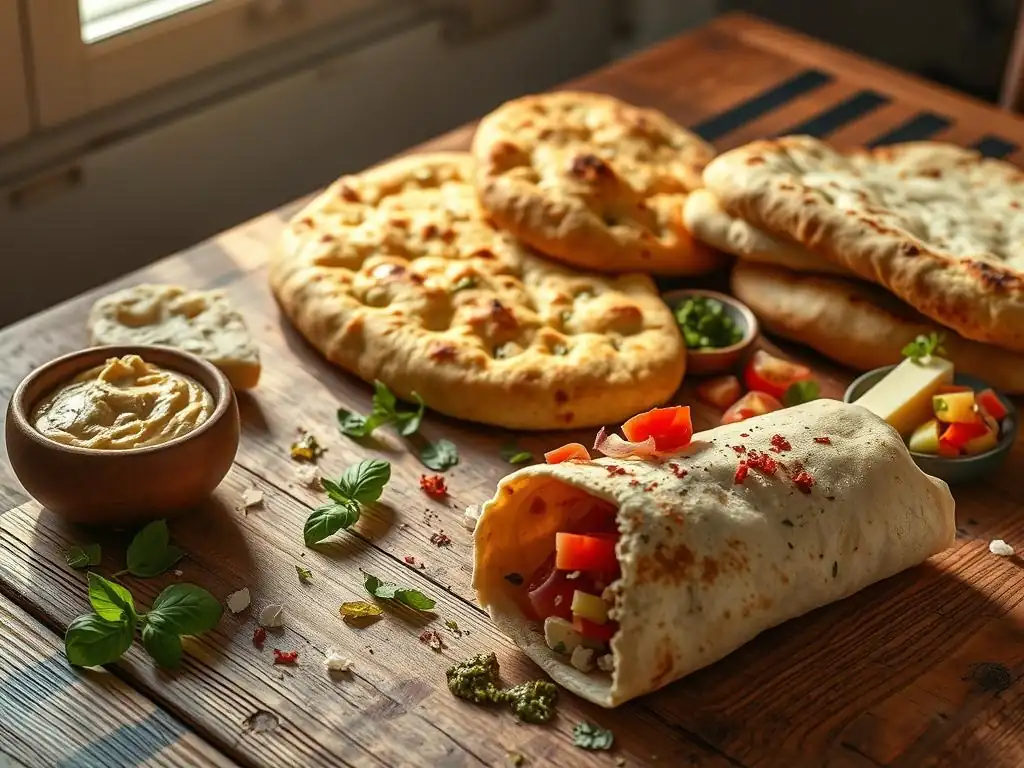
One of the best ways to enjoy your warm, homemade easy yeast-free flatbread is by pairing it with flavorful dips and toppings. Classic choices include hummus, a creamy chickpea dip, or baba ghanoush, a smoky eggplant dip. The flatbread's sturdy yet soft texture makes it perfect for scooping. Consider serving it alongside a vibrant Greek tzatziki sauce made with yogurt, cucumber, and garlic, or a spicy muhammara, a roasted red pepper and walnut dip.
Beyond dips, the flatbread serves as an excellent canvas for various toppings. Brush it with garlic-infused olive oil and sprinkle with za'atar spice for a Middle Eastern twist. Top with crumbled feta cheese, olives, and chopped tomatoes for a simple Mediterranean appetizer. A dollop of labneh (strained yogurt) with a sprinkle of herbs and a drizzle of olive oil is another fresh and easy option. The possibilities are nearly endless, allowing you to customize your easy yeast-free flatbread recipe experience every time.
Flatbread as a Base for Pizza or Wraps
The versatility of an easy yeast-free flatbread recipe extends to using it as a quick base for other dishes. Its round or oval shape and relatively thin profile make it an ideal foundation for personal pizzas. Simply top the cooked or partially cooked flatbread with your favorite pizza sauce, cheese, and toppings, then bake in a hot oven or under a broiler until the cheese is melted and bubbly. This provides a much faster alternative to traditional pizza dough that requires rising.
Furthermore, these flatbreads are perfect for making quick and easy wraps or quesadillas. Fill them with grilled vegetables, chicken, falafel, or your preferred fillings, then fold or roll. If making a quesadilla, add cheese and grill or pan-fry until the cheese is melted and the flatbread is crispy. The flexibility and ease of making this easy yeast-free flatbread recipe mean you have a versatile component ready for numerous meal applications.
Pairing Your No-Yeast Flatbread with Meals
Homemade easy yeast-free flatbread is a wonderful accompaniment to a wide variety of meals. Serve it warm alongside hearty stews, chili, or curries to soak up the delicious sauces. Its neutral base complements rich and flavorful main dishes beautifully. It's also a natural partner for grilled meats or vegetables, acting as a soft bread component to balance the textures and flavors of the meal.
Consider serving your flatbread with salads, such as a fattoush or a simple garden salad, using torn pieces to add substance. For breakfast or brunch, a sweet version can be served with yogurt and fruit. The simplicity and speed of this easy yeast-free flatbread recipe make it a perfect last-minute addition to almost any meal, elevating the dining experience with the comforting presence of warm, homemade bread.
Troubleshooting Your Yeast-Free Flatbread
Dough Too Sticky? Adjusting the Consistency
If you're mixing your easy yeast-free flatbread recipe dough and find it excessively sticky and difficult to handle, it's usually a sign that the dough has too much liquid relative to the flour. This can happen due to variations in flour absorption rates or simply slightly inaccurate measuring. The good news is this is easily fixable.
Gradually add more flour to the dough, one tablespoon at a time, kneading it in gently until the dough is no longer sticking excessively to your hands or the work surface. It should feel soft and pliable, but manageable. Avoid adding too much flour at once, as this can result in a dry and tough flatbread. A slightly sticky dough is often preferred over a dry one, as it tends to yield a more tender result in your easy yeast-free flatbread recipe.
Flatbread Not Cooking Evenly? Tips for Perfect Baking
Uneven cooking in your easy yeast-free flatbread recipe can result in some spots being burnt while others remain doughy. This is often caused by uneven heat distribution or inconsistent dough thickness. When cooking on the stovetop, ensure your pan is heated evenly before adding the flatbread. Using a heavy-bottomed skillet, like cast iron, helps maintain consistent temperature. Rotate the flatbread periodically as it cooks to expose different parts to the hottest spots in the pan.
If using the oven, preheating your oven thoroughly is crucial, especially if using a pizza stone or steel. Ensure the stone/steel has had at least 30-60 minutes to heat up properly. When rolling the dough, strive for a uniform thickness across the entire flatbread. Thicker sections will take longer to cook than thinner ones, leading to unevenness. Rolling the easy yeast-free flatbread recipe dough to a consistent 1/8 to 1/4 inch thickness is key for even cooking.
Flatbread Too Tough? Achieving a Soft and Chewy Texture
A tough flatbread is usually a result of overworking the dough or using too much flour. While some kneading is necessary to bring the easy yeast-free flatbread recipe dough together, extensive kneading like you would for yeasted bread develops too much gluten, leading to toughness. Knead only for 1-2 minutes, just until the dough is smooth and cohesive.
Ensure you are not adding excessive flour during the initial mixing or the brief kneading process. A dough that is too dry will inherently produce a tough flatbread. Using milk instead of water and adding a bit of fat (oil or melted butter) also helps contribute to a softer texture. Cooking at a relatively high temperature for a short time prevents the flatbread from drying out, which can also lead to toughness. Follow the cooking times closely for your easy yeast-free flatbread recipe to achieve a soft, chewy interior with a pleasant outer texture.
Storing Your Homemade No-Yeast Flatbread
Keeping Your Flatbread Fresh for Longer
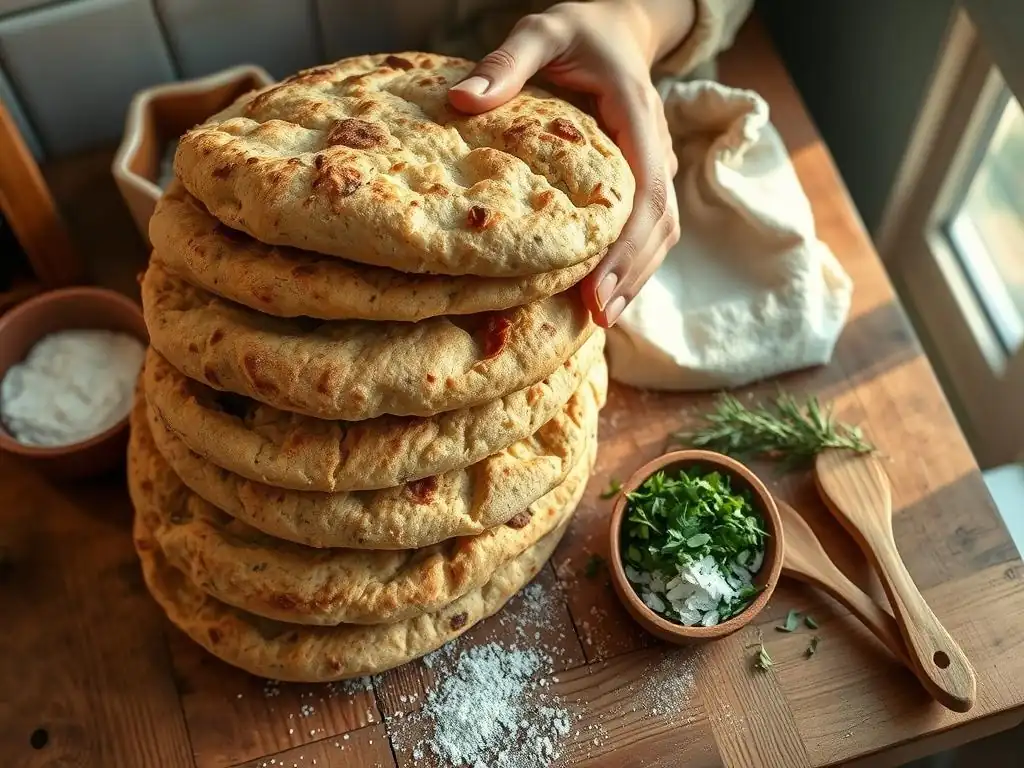
Proper storage is essential to maintain the quality and freshness of your homemade easy yeast-free flatbread. Once cooked and cooled completely, stack the flatbreads with a piece of parchment or wax paper in between each one to prevent them from sticking together. Place the stack inside an airtight container or a resealable plastic bag.
Stored at room temperature, your easy yeast-free flatbread recipe creations will typically stay fresh for 1-2 days. For longer storage, you can refrigerate them for up to 4-5 days. For even longer preservation, flatbreads freeze exceptionally well. Wrap individual flatbreads tightly in plastic wrap, then place the wrapped stack in a freezer-safe bag or container. Frozen flatbreads can last for up to 2-3 months.
Reheating Your Flatbread for Optimal Taste
Reheating your stored easy yeast-free flatbread properly can bring it back close to its freshly baked glory. If refrigerated or at room temperature, the best method is often to reheat them briefly in a dry skillet over medium heat for 1-2 minutes per side, until warmed through and slightly pliable again. This method helps restore some of the original texture.
Alternatively, you can reheat them in a toaster oven or conventional oven preheated to about 350°F (175°C) for 3-5 minutes. Avoid using a microwave, as it can often make the flatbread tough or rubbery. If reheating from frozen, you can often place the frozen flatbread directly into a warm skillet or oven, adding a minute or two to the reheating time. Following these simple steps ensures you can enjoy your easy yeast-free flatbread recipe leftovers with great taste and texture.
Conclusion: Mastering the Art of Easy Yeast-Free Flatbread Baking
Enjoy Homemade Bread Anytime with This Quick Recipe
Mastering an easy yeast-free flatbread recipe opens up a world of possibility for enjoying warm, homemade bread whenever the mood strikes, without the time commitment of traditional baking. This versatile recipe requires minimal ingredients and can be whipped up from start to finish in under 30 minutes, making it the ultimate solution for busy schedules or spontaneous cravings. From serving it with dips and stews to using it as a base for quick pizzas or wraps, its utility in the kitchen is immense.
The simplicity of this easy yeast-free flatbread recipe also makes it a perfect starting point for beginner bakers, offering consistent success and building confidence. Its adaptability to various flavorings and flours means you can customize it endlessly to suit your taste and dietary needs. Embrace the ease and speed of no-yeast baking and discover the joy of having delicious, fresh flatbread ready in minutes, proving that simple ingredients and a straightforward method can yield truly satisfying results.
Further Exploration: Other Easy Bread Recipes on BakeWithEase.com
If you've enjoyed the simplicity and speed of this easy yeast-free flatbread recipe, you'll find a wealth of other approachable baking projects waiting for you on BakeWithEase.com. Our site is dedicated to demystifying baking and providing recipes that are accessible to everyone, regardless of experience level. Explore our collection of quick breads, such as simple soda bread or easy muffin recipes, which also rely on chemical leavening for fast results.
Dive into our Focaccia & Flatbreads section for more variations, including slightly more involved recipes that might use a touch of yeast but still focus on ease. Or, if you're ready to dip your toes into the world of yeasted breads without committing to a full loaf, look for recipes for easy rolls or quick pizza dough. BakeWithEase.com is here to guide you on your baking journey, providing tested recipes and helpful tips every step of the way.
Frequently Asked Questions
What makes a flatbread "yeast-free"?
Yeast-free flatbreads rely on other leavening agents like baking powder or baking soda to create a light and airy texture, unlike traditional breads that use yeast for rising. This makes them quick and easy to prepare.
What are the main ingredients in an Easy Yeastfree Flatbread recipe?
Typically, an Easy Yeastfree Flatbread recipe involves simple ingredients like flour, water, salt, and a leavening agent such as baking powder. Some recipes may also include oil or yogurt for added flavor and texture.
How long does it take to cook a No Yeast Flatbread?
No Yeast Flatbreads generally cook very quickly, usually within a few minutes on each side in a hot skillet or griddle. The exact time depends on the thickness and the heat of the pan.
Can I customize the flavor of my Instant Bread Fix flatbreads?
Absolutely! You can easily customize the flavor of your Instant Bread Fix flatbreads by adding herbs, spices, or even cheese to the dough. Experiment with different flavors to find your favorites.
What's the best way to store leftover NoYeast Flatbreads?
To keep your NoYeast Flatbreads fresh, store them in an airtight container at room temperature. They can also be reheated briefly in a skillet or microwave.
Final Reflection: The Enduring Appeal of Simple Baking
The quest for quick, delicious, and yeast-free flatbreads remains as relevant today as ever, a testament to our ongoing desire for convenient yet satisfying meals. In a world of increasingly busy schedules and a growing appreciation for healthier eating options, the ease and adaptability of these recipes offer a welcome respite from complicated baking projects. The simplicity of the process allows even novice bakers to experience the joy of creating something wholesome and delicious from scratch.
The impact of readily available, easily adaptable recipes like these extends beyond the individual kitchen. They represent a return to fundamental cooking techniques, a connection to simpler times, and a celebration of resourcefulness. These flatbreads are not just food; they are a canvas for creativity, allowing for endless variations in flavor and topping combinations. The best things in life are simple,
a sentiment perfectly encapsulating the charm and enduring appeal of this humble flatbread.
Consider the possibilities: experiment with different flours, herbs, and spices to create your signature flatbread. Imagine the satisfaction of sharing your creations with loved ones, the warmth of a homemade meal shared around a table. You, too, can experience the joy of effortless baking and the delicious rewards of a simple, yet profoundly satisfying, flatbread. Embrace the simplicity, embrace the flavor, and embrace the joy of creating something delicious with your own two hands.
Unleash Your Inner Baker: Make Flatbreads Today!
Thanks for joining us on this delicious journey into the world of no-yeast flatbreads! We hope you discovered the ease and satisfaction of baking fresh bread without the wait. Now it's time to put your newfound skills to the test!
- Bake your first batch of flatbreads! Use the recipe from the article as a starting point, then experiment with different herbs, spices, and toppings to create your own unique flatbreads.
- Share your creations! Post a picture of your delicious flatbreads on social media using #BakeWithEaseNoYeast. We'd love to see what you come up with!
- Consider trying a variation: Swap out the flour or add different veggies, experiment with a new dipping sauce!
What exciting flavour combinations will you create with your no-yeast flatbreads?